
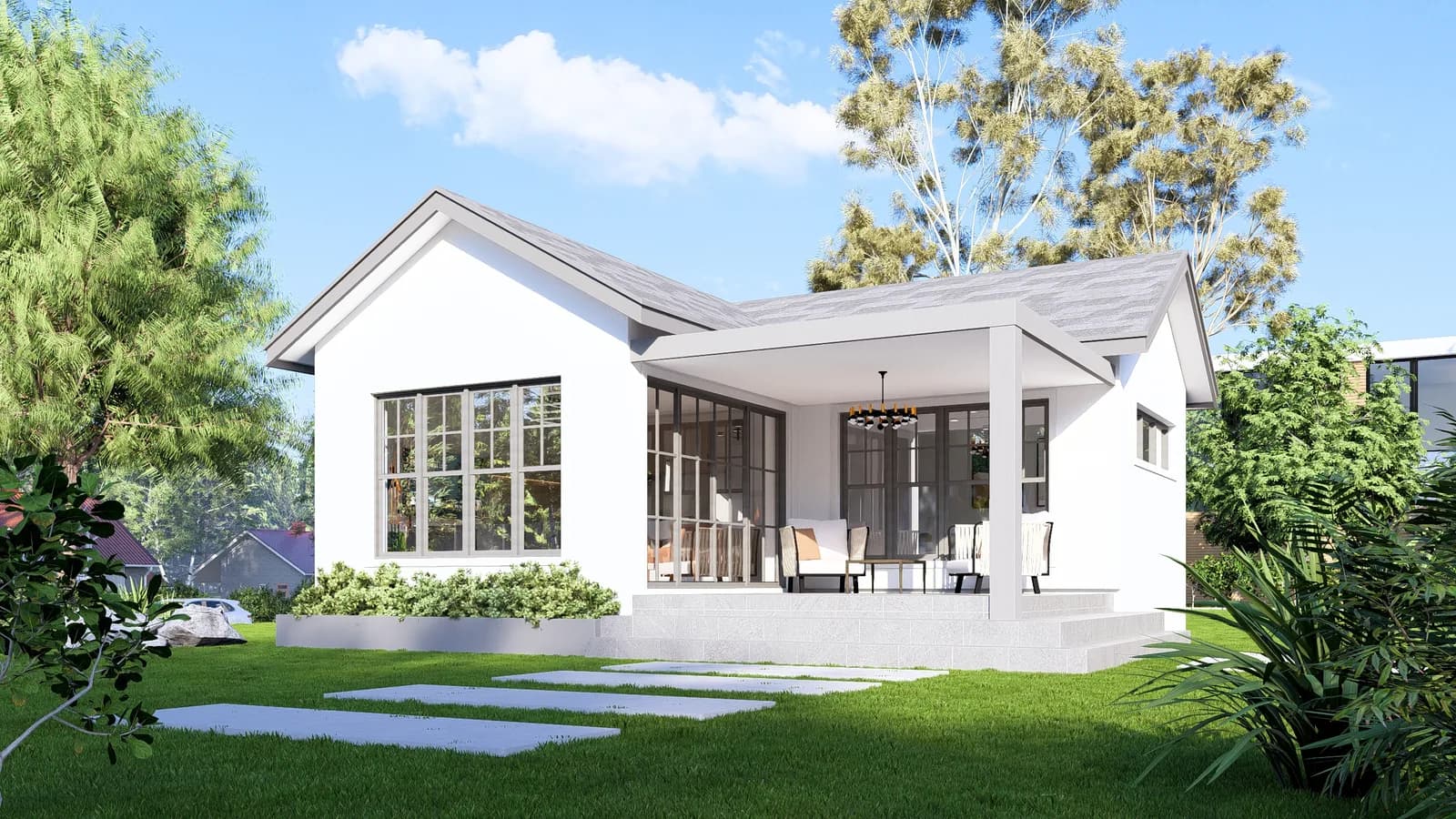
California ADU Laws (2026): Complete Homeowner Guide
Yes — you can build an ADU on almost any California lot zoned for single-family or multifamily use. California ADU laws (Government Code §§ 66310–66342) require your city to approve a qualifying ADU ministerially, with no hearing. This guide covers size, parking, owner-occupancy, timelines and local rules. Last verified September 23, 2026.
- 60 daysCity's decision deadline
- 1,200 sq ftMaximum detached ADU
- NoOwner-occupancy required
- 0–1 spaceExtra parking required
On this page
- Can you build an ADU in California?
- California ADU law at a glance
- How big can a California ADU be?
- Can you rent it out, and must you live there?
- How does ADU approval work in California?
- How much does an ADU cost in California?
- What your California city still controls
- How to check your own city's rules
- The State of California in the news
- Frequently asked questions
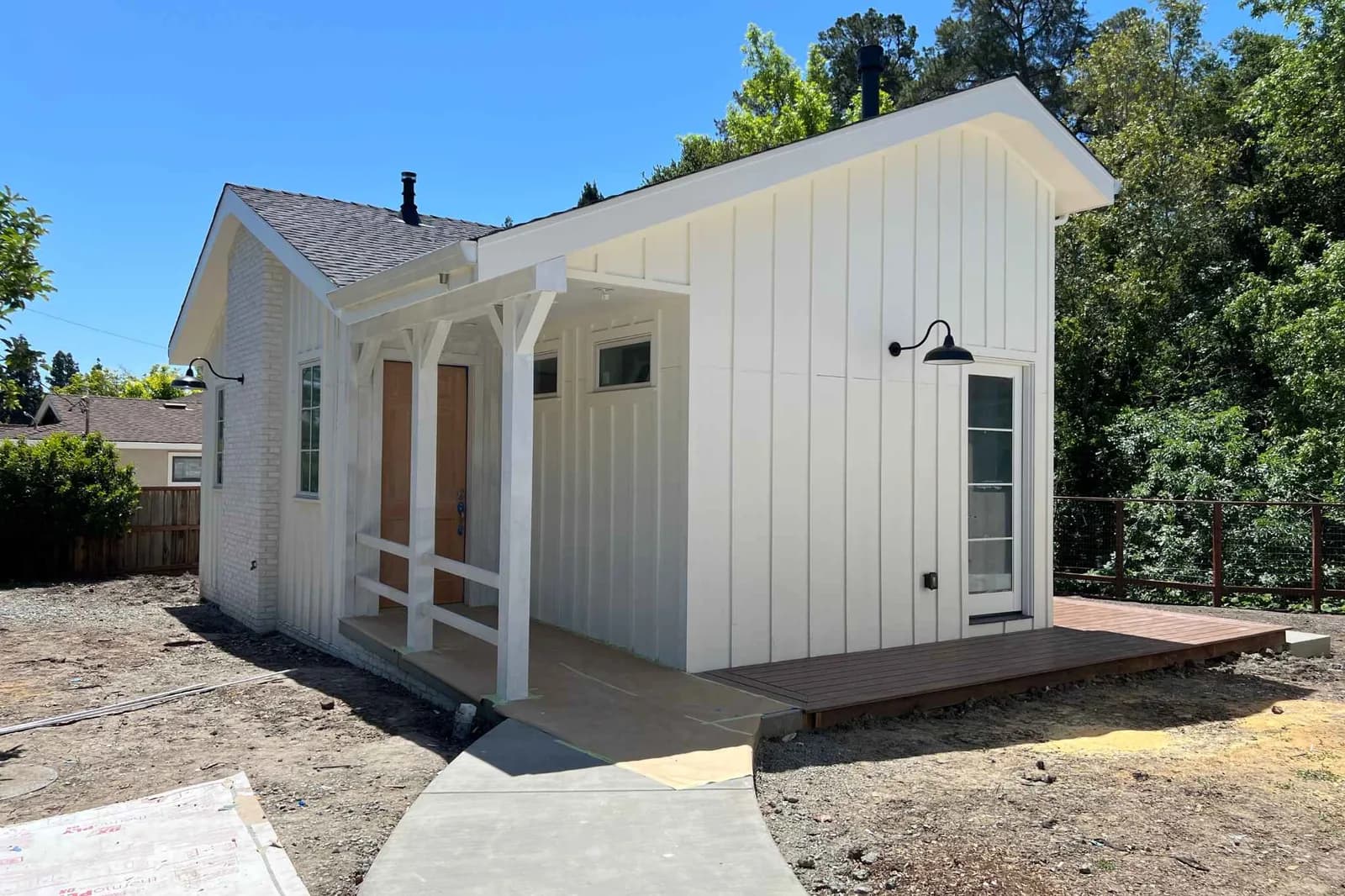
Q1 · Is it legal?
Can You Build an ADU in California?
Yes. California has had a statewide accessory dwelling unit law since 1982 (Senate Bills 1534 and 1160), and its current form, Government Code §§ 66310–66342, took effect January 1, 2026. It applies in every city and county. Your neighbors do not get a vote: a qualifying ADU is approved ministerially. Staff check your drawings against objective standards and sign them. No hearing, no discretionary review, no neighbor appeal.
The units go by several names — granny flat, in-law unit, backyard cottage, guest house — and one framework covers them all. The California Department of Housing and Community Development (HCD) publishes the handbook your planners work from.
On an ordinary single-family lot, your city cannot apply lot coverage, floor area ratio, open space, front setback or minimum lot size rules in a way that stops an 800 square foot ADU with four-foot side and rear setbacks. That is the floor. Your city can be more generous. It cannot go under it.
At a glance
California ADU Law at a Glance
Last verified September 23, 2026 against California Government Code §§ 66310–66342 and HCD's March 2026 ADU Handbook.
Tier
ADU-friendly. California has a statewide ADU law that sets a floor every city and county must meet.
Governing statute
Gov. Code §§ 66310–66342 (State ADU Law). Current form effective January 1, 2026.
Approval type
Ministerial. No public hearing, no discretionary review, no neighbor appeal.
Approval timeline
15 business days to rule the application complete, then 60 days to approve or deny.
Impact fees
None on an ADU of 750 sq ft or less. Above that, charged in proportion to the main house.
HOA override
No — an HOA can't ban or block an ADU. Details in the FAQ.
Q2 · Size and design
How Big Can a California ADU Be?
State law is the floor: your city can allow more, never less, and it cannot impose a minimum lot size.
DETACHED
Detached ADU
- 800 sq ft is guaranteed everywhere, whatever your city's lot coverage or FAR rules say
- No city can cap ADUs below 850 sq ft, or 1,000 sq ft with more than one bedroom
ATTACHED
Attached ADU
- Measured against the existing primary dwelling
- The 850 / 1,000 sq ft floor applies to attached units too
HEIGHT
Height limit
- 18 ft within half a mile walking distance of a major transit stop or high-quality transit corridor, plus 2 ft to match your roof pitch
- Attached: 25 ft or your main home's limit, whichever is lower
SINGLE-FAMILY LOT
Units per single-family lot
- One converted from existing space, one new detached up to 800 sq ft, plus one standard ADU under § 66314
- A JADU adds a fourth unit: up to 500 sq ft, inside the existing house
- § 66323 units aren't subject to front setback, lot coverage or design standards
- Side and rear setbacks: 4 ft, and none for a conversion or same-footprint rebuild
- Multifamily lots follow separate rules, covered in the FAQ below.
Q3 · Living in it, renting it
Can You Rent Out a California ADU, and Must You Live There?
Three rules decide what you can do with the unit once it is standing.

Owner-occupancy: No
California prohibits cities from requiring the owner to live on the property. A JADU is different: owner-occupancy applies only when the junior unit shares sanitation facilities with the main house.
Parking: Usually none
A city may never require more than one space per ADU or per bedroom, whichever is less, and none at all within half a mile walking distance of public transit, in a historic district, for a unit inside the primary residence, and in three other cases. A demolished garage need not be replaced.
Renting: Yes, 30 days or longer
The unit can be rented, and a city may set a 30-day minimum term. A JADU can no longer be short-term rented at all. An ADU can be rented separately from the main house, but not sold separately unless your city has adopted a condominium ordinance.
Q4 · Approval
How Does ADU Approval Work in California?
California ADU regulations put your city on a clock, and missing it has consequences.
Staff check your plans against objective standards and approve. No hearing, no neighbor appeal. If your city's ordinance conflicts with state law, or was never filed with HCD, it is null and void and state rules apply directly.
Your city has 15 business days to tell you in writing whether the application is complete; miss that and it is deemed complete. Then 60 days to approve or deny; miss that and it is deemed approved. On a city pre-approved plan, 30 days.
No impact fees on an ADU of 750 sq ft or less of interior livable space, or a JADU of 500 sq ft or less. Above 750 sq ft, fees are charged in proportion to the main house.
Q5 · Cost
How Much Does It Cost to Build an ADU in California?
Ballpark ranges by build method in California
Site-built
Stick-built on site, the most common path and the widest cost range, because site conditions drive it.
Prefab / modular
Factory-built and craned into place. Usually faster, and the quoted price may or may not include delivery, crane, foundation and utility hookups. Check which.
Garage conversion
Converting an existing garage. Usually the lowest-cost path, and it avoids new foundation work; no replacement parking is required when the garage goes.
What it costs depends on your lot, not just the square footage.
Food for thought: what an ADU costs in California, garage conversion costs, and ways to finance an ADU.
Q7 · Local rules
What Your California City Still Controls
State law sets the floor. Here is where your city or county still decides, and where two identical lots in different cities stop matching.
Overlay districts
Coastal lots need a coastal development permit. Flood zone needs elevation certificate. Check your zoning early.
Setbacks and siting
Four feet side and rear is the ceiling. The height inside the 16–24 ft range driven by number of stories, roof pitch and distance to transit.
Building standards
Local building code applies, but an ADU can't be made to add fire sprinklers if the primary residence has none. Unless your Fire department requires it for safety reasons.
Unpermitted ADUs before 2020
Your city can only refuse a pre-2020 unpermitted unit on health-and-safety grounds, not on ADU-law or building-standard ones.
Rental terms
Your city may require rental terms of 30 days or longer, and junior ADUs can no longer be rented short-term.
Local process
Cities set their own intake and review steps, but not the clock: 15 business days to completeness, then 60 days to decide.
Check your city
How to Check Your Own City's ADU Rules in California
Five steps that work in any California city or county, because state law sets the same floor in all of them.
Find out where your application goes
Inside city limits, your city reviews the application; if your lot is unincorporated, that is your county's planning department.
Read the ADU ordinance, then test it
Search your local planning department's code for "accessory dwelling unit." If it conflicts with state law, or was never filed with HCD, it is null and void and state rules apply.
Check overlays and private restrictions
Coastal zone, historic district, very high fire hazard severity zone. None is automatically a bar, but a coastal lot adds a concurrent 60-day coastal permit. If you're in an HOA, check your CC&Rs too — the FAQ explains what they can't block.
Confirm sewer or septic, water and power
Ask your utility what an added unit needs on your street. This is where late budget surprises come from. Use our site plan tool to learn how to avoid them.
Ask for a pre-application meeting
Bring a site plan, a floor plan you are considering and the section numbers. Ask which objective standards apply, and whether the city keeps pre-approved plans.
The State of California in the News
Last updated September 23, 2026
HCD publishes the March 2026 ADU Handbook
March 2026 · California Department of Housing and Community Development
The state's plain-language rulebook now covers the changes that took effect June 30 and October 10, 2025 and January 1, 2026. It is what your city's planners read, and it settles questions the statute leaves open.
What cities have to change after the 2025 ADU bills
November 7, 2025 · Best Best & Krieger
A municipal law firm's read of the four bills, written for its city clients. It lists what your city should already have updated, which is how you spot the ones that haven't.
Governor Newsom signs four new ADU bills
October 10, 2025 · Office of the Governor
AB 462, AB 1154, SB 9 and SB 543 were signed the same day; AB 462 took effect immediately, the other three on January 1, 2026. Between them: the 15-business-day completeness clock, narrower junior ADU owner-occupancy, null-and-void enforcement for unfiled ordinances, and 60-day coastal permits.
Q8 · Working with us
Building in California With Pre-designed Plans
We draw plan sets against the objective standards your city reviews against.
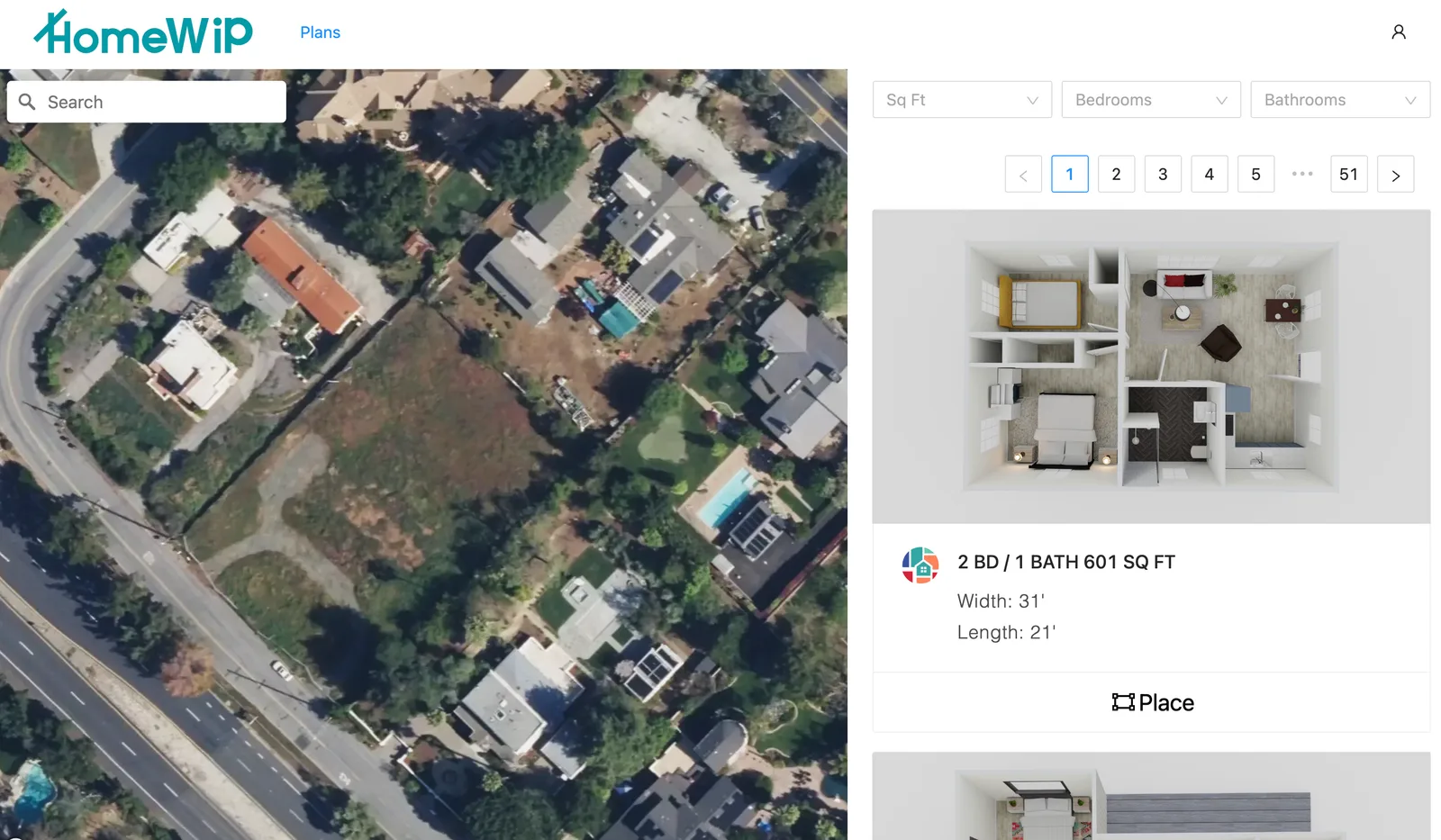
- View pre-designed plans in your backyard
Pre-approved or Pre-designed ADU plans
Every local agency in California has had to run a pre-approved ADU plan program since January 1, 2025, and an application built on one gets a decision in 30 days instead of 60. But you can't change the floor plan. Our collection of pre-designed plans is a fast track that allows you to customize to your backyard.
Where our expertise comes from
Seven-plus years focused on ADUs and projects across 20+ cities and counties. We know which details get red-lined because we've been collecting comments for years now, and it sits inside our knowledge base. Our site plans are drawn to clear plan check.
FAQ
California ADU Laws: Frequently Asked Questions
Both. California ADU law (Gov. Code §§ 66310–66342) applies in every city and county and sets a floor no local ordinance can drop below. An ordinance that conflicts with state law, or that was never filed with HCD, is null and void. Approval is ministerial either way.
Your city must allow three ADUs and one junior ADU: a conversion ADU inside existing space, a junior ADU of up to 500 square feet, a new detached ADU of up to 800 square feet and, by HCD's reading of the law, at least one standard ADU under § 66314.
With an existing multifamily building, you can add up to eight detached ADUs, but never more than the number of existing units. A fourplex gets four, and a 12-unit building gets eight. With a proposed building, the limit is two. Separately, at least one ADU can go in existing non-livable space, up to 25% of the existing units.
Yes. No city can require you to live on the property. Your city may set a minimum rental term of 30 days or longer, and a junior ADU can no longer be rented short-term. An ADU can be rented separately from the main house, but not sold separately unless your city has adopted a condominium ordinance.
Your city has 15 business days to tell you in writing whether the application is complete; miss that and it is deemed complete. It then has 60 days to approve or deny, or the application is deemed approved. On a city pre-approved plan, the window drops to 30 days.
No. California prohibits any local owner-occupancy requirement for an ADU. Junior ADUs are the exception, and a narrow one since January 1, 2026: owner-occupancy applies only when the JADU shares sanitation facilities with the main house, so a junior unit with its own bathroom is exempt.
No. Under Civil Code § 714.3, a covenant or CC&R that prohibits or unreasonably restricts an ADU or junior ADU on a single-family lot is void and unenforceable. An association can still set reasonable design restrictions, but "reasonable" cannot include fees or other financial requirements.
No. CalHFA's ADU Grant Program has been fully allocated since December 28, 2023, and no new round has been announced. Across two phases it spent $125 million and helped finish roughly 560 ADUs. Any page presenting the $40,000 grant as available today is out of date.
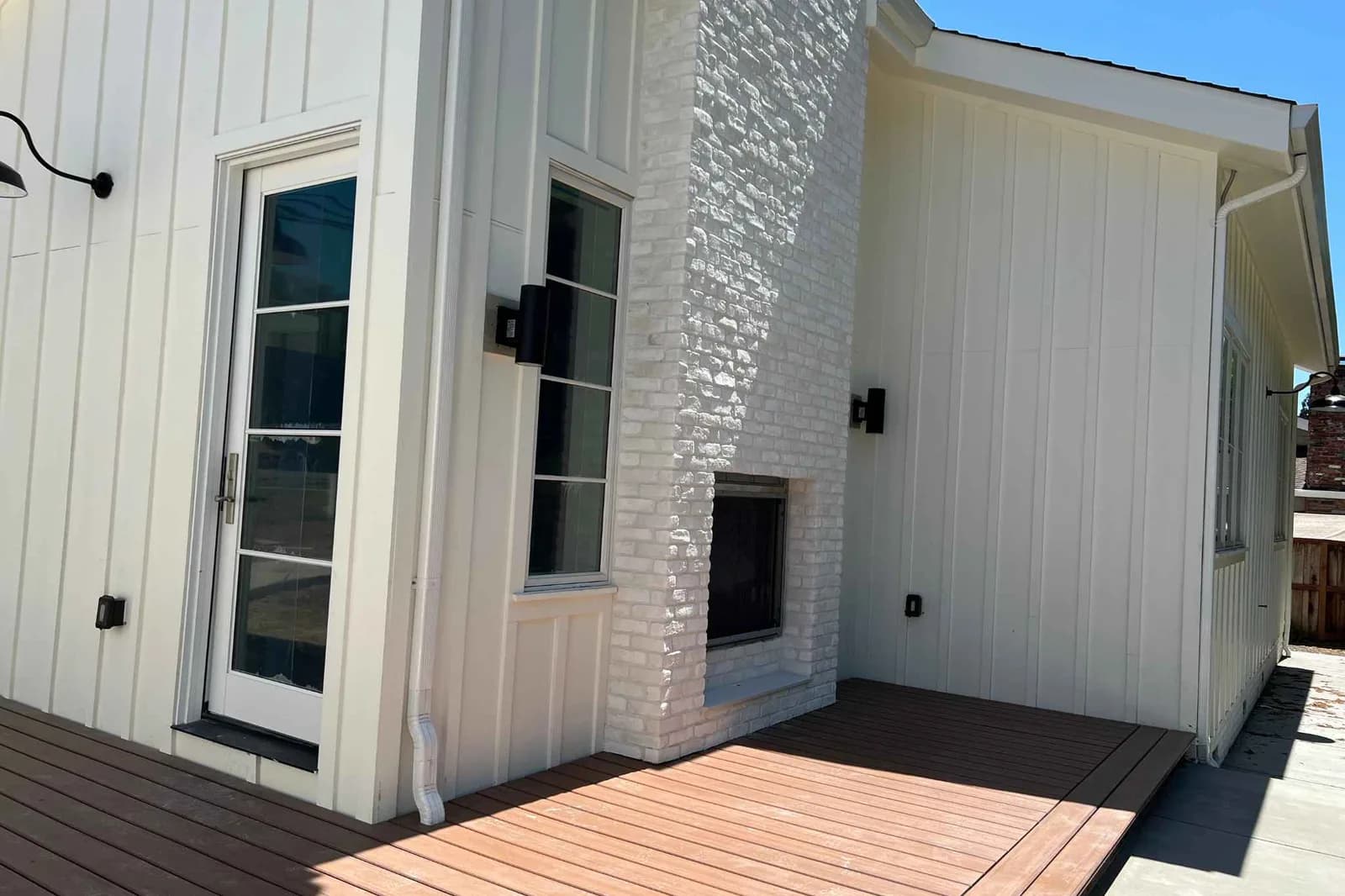
Plan Your California ADU With Ready-to-Permit Designs
Ready to permit
Since January 1, 2025 your city has had to keep a program of pre-approved ADU plans, and an application built on one gets a decision in 30 days instead of 60.
Sources and methodology
- California Government Code §§ 66310–66342 (State ADU Law)
- California HCD — Accessory Dwelling Units
- HCD ADU Handbook (March 2026)
- Mercatus Center, Taxonomy of State ADU Laws
- HCD letter to Solana Beach confirming the ADU count
Last verified: September 23, 2026. We review this page twice a year.