
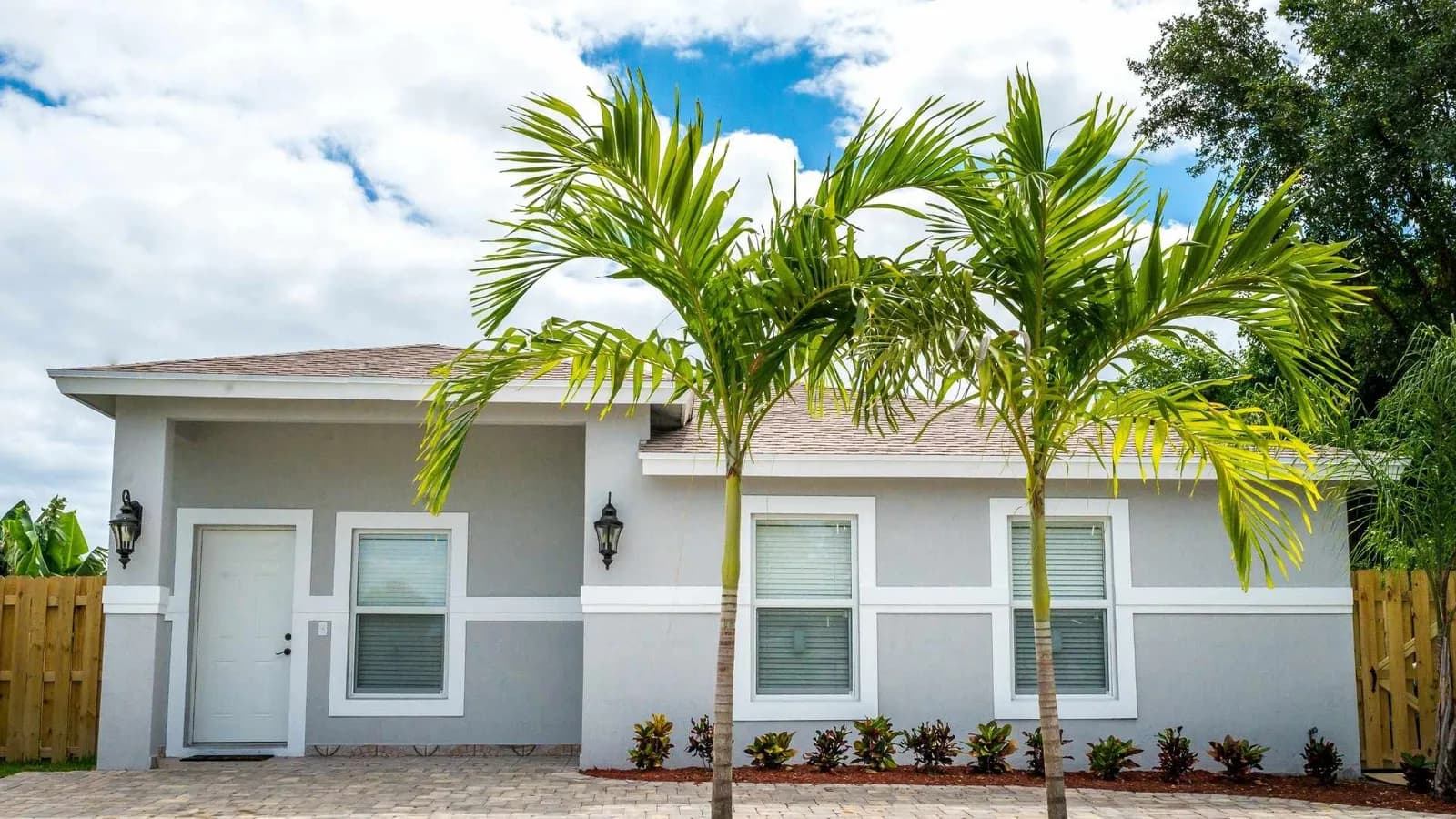
Accessory Dwelling Unit
California and Beyond - The Power of Potential. Develop the property you already live in and own.
What are accessory dwelling units?
Accessory Dwelling Unit: Definition and meaning
An Accessory dwelling Unit (a.k.a. ADU) is accessory to a primary residence and has complete independent living facilities for one or more persons and has a few variations:
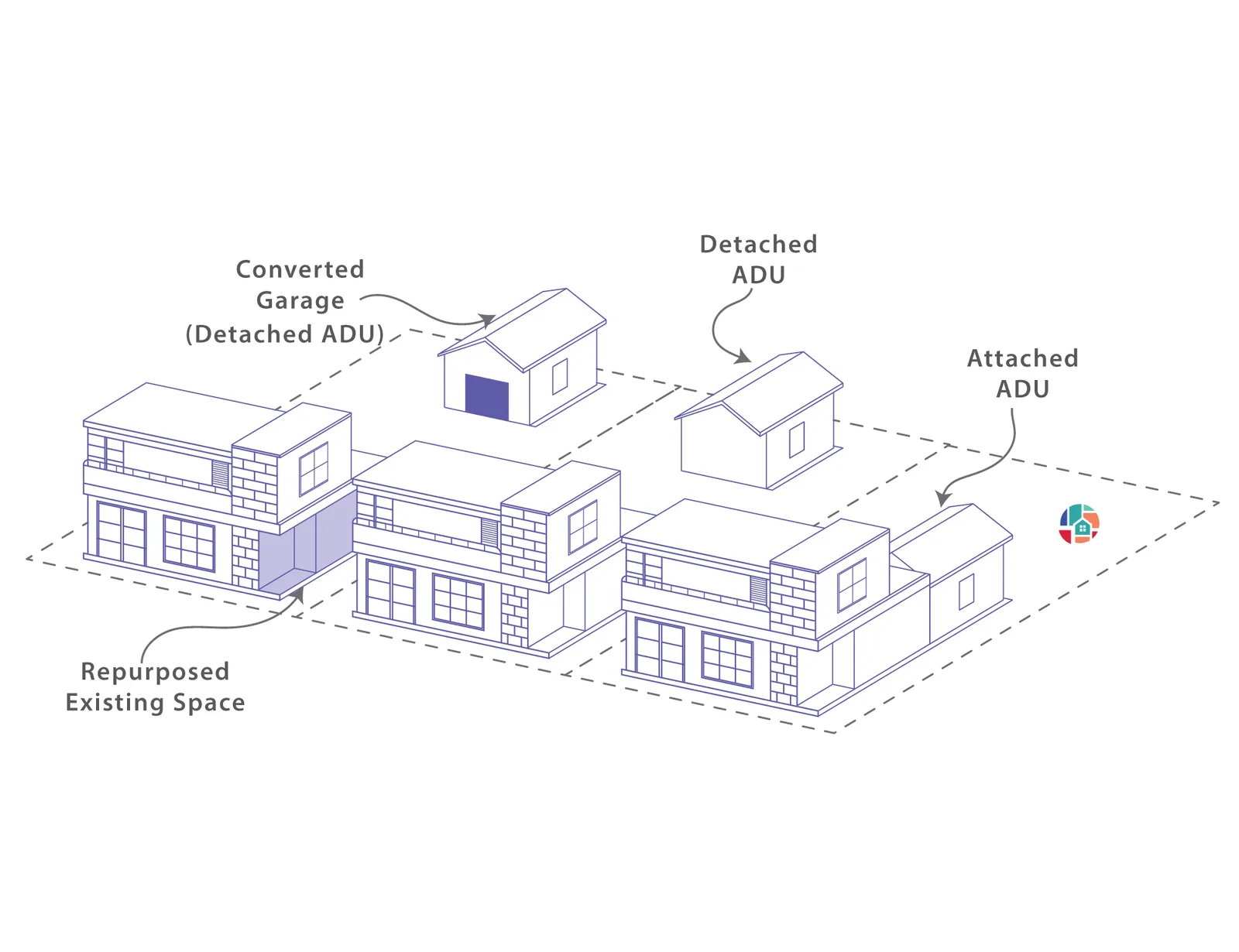
ADU types
The 4 legitimate types
Detached
The unit is separated from the primary structure.
Attached
The unit is attached to the primary structure.
Repurposed (Converted) Existing Space
Space (e.g., master bedroom, attached garage, storage area, or similar use, or an accessory structure) on the lot of the primary residence that is converted into an independent living unit.
JADU
A specific type of conversion of existing space that is contained entirely within an existing or proposed single-family residence. This sounds like a standard in-law unit, does not it?
Accessory Dwelling Units in 2024: power of potential
In recent years, homeowners in California have been discovering a hidden gem when it comes to real estate. Accessory Dwelling Units (ADUs) add value to their property and provide flexible living options for themselves and their loved ones.
Have you ever wondered about the possibility of creating additional living space on your property? This comprehensive guide is here to answer all your questions. From legality to financing and design considerations, we’ll explore every facet of ADUs so you can make an informed decision. So, let’s dive into the world of accessory dwelling units and unlock the potential of your California home.
Accessory dwelling units, ADUs, are secondary residential structures built on the same lot as an existing primary residence. They can be attached or detached from the main house. They have their own kitchen, bathroom, and living space. ADUs are also known as granny flats, in-law suites, backyard cottages, or guesthouses.
ADUs have gained popularity recently due to their potential to provide affordable housing options, increase property value, and allow for multigenerational living arrangements. They are also seen as a solution for addressing the shortage of affordable housing in urban areas.
In addition to providing additional living space, ADUs can generate rental income for homeowners. This is especially beneficial for elderly homeowners on fixed incomes who may struggle to afford rising property taxes and maintenance costs.
ADUs can be built in various styles and sizes, ranging from tiny homes to full-sized apartments. They can also be customized to fit homeowners’ specific needs and preferences.
An ADU is a secondary dwelling unit on the same property as the main house. It can be attached or detached and serve various purposes, such as rental income, extra living space for family members, or even a home office.
Some common uses for ADUs include guest accommodations, rental units, home offices, or even as a separate living space for adult children.
Consider a detached ADU if you plan on using it as a rental unit, as you can design it to attract potential tenants.
Just plan on something other than short-term rental. The local jurisdictions will require that the unit be rented out for a term longer than 30 days.
How big can an accessory dwelling unit be?
Maximum unit size requirements must allow an ADU of at least 850 square feet, or 1,000 square feet for ADUs with more than one bedroom. The conversion of an existing accessory structure or a portion of the existing primary residence to an ADU is not subject to unit size requirements. For example, an existing 3,000 square-foot barn converted to an ADU would not be subject to the local unit size requirements, regardless of whether a local government has an adopted ADU ordinance.
Where can you build an ADU?
ADUs must be built on lots with existing or proposed housing. A statewide exemption ADU, found in Government Code section 65852, subdivision (e), is an ADU of up to 800 square feet, 16 feet in height, as potentially limited by a local agency, and with four-foot side and rear yard setbacks. State ADU Law requires that no lot coverage, floor area ratio, open space, or minimum lot size will preclude the construction of a statewide exemption ADU.
Can A Duplex Have An ADU?
Yes, a duplex can have an ADU (Accessory Dwelling Unit).
Having an ADU in a duplex allows for more flexibility and potential income for the homeowner. It also provides an opportunity to create more affordable housing options in desirable locations where single-family homes may be unaffordable.
A lot with multiple detached single-family dwellings is eligible for creating one ADU per lot by converting space within the proposed or existing area of a single-family dwelling or existing structure and by building a new detached ADU subject to certain development standards.
Can minimum and maximum unit sizes be established for ADUs?
A local government may, by ordinance, establish minimum and maximum unit size requirements for both attached and detached ADUs; however, maximum unit size requirements must allow an ADU of at least 850 square feet, or 1,000 square feet for ADUs with more than one bedroom. For local agencies without an ADU ordinance, maximum unit sizes are 1,200 square feet for a new detached ADU and up to 50 percent of the floor area of the existing primary dwelling for an attached ADU (at least 800 square feet).
How Many ADUs Can You Have?
The number of accessory dwelling units (ADUs) a property can have varies depending on local zoning regulations and the size of the lot. Only one ADU is allowed per property in some areas, while others may allow multiple ADUs.
Different types of ADUs can be built on a property, such as internal and external units. Internal units are located within the main dwelling, while external units are separate structures.
The rule of thumb for a single-family property is one standard ADU and one junior ADU.
What is junior accessory dwelling unit?
A “junior accessory dwelling unit” or JADU is a unit that is no more than 500 square feet in size and contained entirely within a single-family residence. A JADU may include separate sanitation facilities or may share sanitation facilities with the existing structure.
Should a property have both an ADU and JADU, JADU law requires owner occupancy of either the newly created JADU or the single-family residence. Under this specific circumstance, a lot with an ADU would be subject to owner-occupancy requirements.
Too busy to figure it all out on your own?
We are here for you
After dozens of consultations and site visits, we can navigate you through an ADU construction process. But first, let us talk and decide what will be a good fit. Why are we suggesting a video call? This will let us share screen and confirm what may be possible (or not) on the spot. We can also share other projects similar to what you are thinking about. This consultation is free.
Benefits of Junior Accessory Dwelling Units.
The main benefit of internal ADUs is the cost. JADU is not a new construction. Its size means there are no impact fees. It is a conversion of unused square footage of the existing single-family residence.
Although JADUs must be within the walls of the primary dwelling, they are not required to have an interior connection to the primary home. That said, JADUs may share a significant interior connection to the primary residence, as they can share bathroom facilities with the primary dwelling.
JADUs are not allowed in accessory structures. The creation of a JADU must be within the single-family residence.
Thus, a junior ADU is an excellent opportunity for additional income with minimal expenses.
There is one CON though: the state law insists that the owner reside in either the remaining portion of the primary residence or the newly created JADU.
Are Accessory Dwelling Units Legal in California?
Yes. Accessory Dwelling Units are legal in California. ADUs have become increasingly popular in California due to the state passing new laws in recent years that make them easier to permit and build. Any single-family property owner in California can add one new detached or attached ADU and convert part of the existing structure into a junior ADU.
Imagine two new separate living spaces with no hearings and no variances. Everything must be considered ministerially, with all decision-making standards to be subjective. There is no minimum lot size. As long as you can fit the new residential unit between the setbacks and the existing house, the state legislature forces the local building departments to allow for an ADU as long as it is under 850 sq ft. The minimum size for ADU is 150 sq ft. – we have a review of tiny home options to help you visualize what can fit.
We have pre-designed floor plans ranging from 200 to 1200 sq ft. (maximum size) – check them out for inspiration.
One more aspect of the California Adu program is the permit process.
Whether or not a local agency has adopted an ordinance, applications to create an ADU or JADU shall be considered and approved ministerially within 60 days from the date the local agency receives a completed application. Although the allowed 60-day review period may be interrupted due to an applicant addressing comments generated by a local agency during the permitting process, additional 60-day periods may not be required by the local agency for minor revisions to the application. This is the only restriction that your local building department has. All other development approvals take a lot longer. A new principal dwelling needs to go through planning approval before going to the building department for review. The new ADU permit application goes directly to the building department. Planning processes it concurrently.
In 2016, Senate Bill 1069 was passed, which made it easier for homeowners to build ADUs on their properties. The bill removed several restrictions and streamlined the approval process, making it more accessible for homeowners.
In 2019, Senate Bill 13 was introduced, further relaxed regulations, and allowed ADUs to be built in single-family, mixed-use, or multifamily zones. This has opened up even more possibilities for homeowners to utilize their properties to their fullest potential. Secondary housing units are the current medicine to the diminishing affordable housing stock.
And the bills keep coming.
However, it’s important to note that regulations and guidelines may still be set by your specific city or county. These may include restrictions on the size, height, and location of the ADU within your property. It’s always best to consult with the ADU ordinance issued by your local government before beginning any construction.
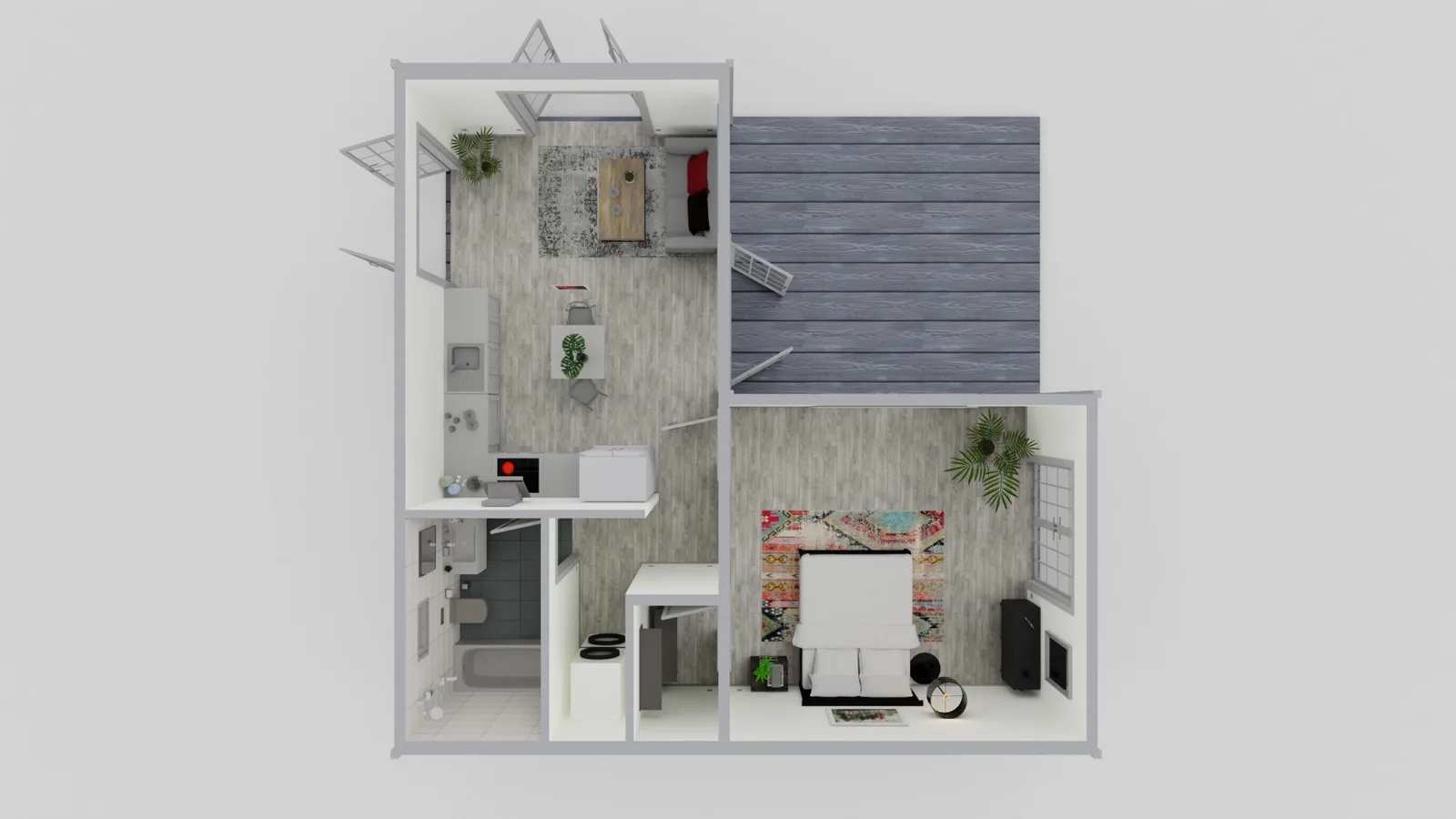
ADU Floor PLan 500 sq ft is a sweet spot
Is ADU a good investment?
Legally permitted ADU, built well and on a reasonable budget, is a good investment.
Legally permitted means you have applied for a building permit and, after the construction, had it finaled by the building inspector. Built well – means built with materials of good quality and by an experienced crew. Reasonable budget means that whatever you have spent on the ADU has a chance to get reflected in the property value.
Three homes in place of one
The legislation passed by California in January 2020 made it possible to add more livable space to a current single family home. You might be surprised by the number of options this law has opened for an average homeowner, who has become a real estate developer overnight.
These options include newly constructed detached or attached ADU and conversion of existing space (garage or basement). You are allowed to build up to 1200sf. This is your living space #2. As an additional option, you may convert existing square feet into a Junior Accessory Dwelling Unit. This makes it your living space #3. Spread your family out or rent out.
Challenges with financing
The challenge with some new financing solutions is that the homeowner misses out on the lion share of the income and/or property appreciation. Your financing partner might be offering you $300/mo income on the ADU, while if you were able to finance it yourself, your net income could be $850/mo.
ADU size matters
Accessory Dwelling Unit is a small house. It needs utilities and foundation as much as your main house, but has less footprint to spread the costs over. Hence we always encourage you to build max possible.
Trenching for utilties costs the same whether it is for a 200sq ft ADU, 500sq ft ADU or 1200 sq ft ADU. This is the type of fixed cost that makes per square foot costs ridiculously high for smaller ADUs.
Can You Build an ADU Before The Main House?
Technically speaking, you cannot build an ADU before the main house. You can permit one concurrently when working on a building permit application for the primary dwelling unit.
Building an ADU (Accessory Dwelling Unit) before the main house has become critical in California in recent years – to help those who lost their homes in fires.
The local governments understand the main advantages of building an ADU before the main house: it helps rebuild sooner. Few people can afford to rebuild the main home straight away. Construction costs have been increasing along with inflation, labor shortage, and growing interest rates. Fire victims often spend years processing insurance claims. By building the ADU first, one has the option to use it as a temporary residence while constructing the main house. This allows you to save money on rent and stay on your land.
Another benefit of building an ADU before the main house is that it provides flexibility in terms of design and layout. Since the ADU is not directly attached to the main house, you can customize it according to your needs and preferences. Consider a detached ADU if you plan on using it as a rental unit, as you can design it to attract potential tenants.
Does An Accessory Dwelling Unit Need To Have A Kitchen?
One of the most common questions when building an ADU is whether it needs a kitchen. The answer is Yes. However, there is some flexibility in the size of the kitchen required. It depends on several factors, such as local building codes, zoning laws, and the type of ADU. Junior accessory dwelling units are allowed to use some main house facilities. Thus, a small conversion ADU under 500 sq ft may get away with a small kitchen.
A JADU may include a separate bathroom or share facilities with the existing structure.
In some cities and states, an ADU must have a full-size kitchen. This means the unit must have its own stove, sink, and refrigerator. This requirement is put in place to ensure that the ADU is self-sufficient and can function as a completely independent living space.
However, some cities have a different dwelling type where a kitchen may not be required. It is usually called a guest house or a detached bedroom. If the unit is intended for use by family members only or if it will be used as a guest house, then it may be optional to have a kitchen.
The additional structure may only need basic amenities such as a bedroom and bathroom in these cases. But it will not be a second unit; thus, it will be appraised differently. It also won’t get its own address.
Accessory Dwelling Unit Kitchen Requirements
When it comes to designing a kitchen for an accessory dwelling unit (ADU), there are specific requirements that need to be met to ensure functionality and safety. ADUs, also known as granny flats or in-law suites, are becoming increasingly popular as they offer additional living space on existing properties.
The first requirement for an ADU kitchen is sufficient counter space. It is recommended to have at least 36 inches of counter space on either side of the sink and a minimum of 24 inches next to appliances such as the stove or refrigerator. This allows for ample room for food preparation and storage.
In addition, there must be enough floor space in the kitchen area to allow for comfortable movement and accessibility. The average tiny home kitchen is 70 square feet -the minimum required floor space for optimal functionality.
Another critical aspect to consider is the height of countertops and appliances. The standard height for countertops in regular kitchens is 36 inches. In an ADU, they can be lowered to make them more accessible to elderly or disabled individuals. Appliances can also be placed lower, making them easier to reach and use.
However, some cities have a different dwelling type where a kitchen may not be required. It is usually called a guest house or a detached bedroom. If the unit is intended for use by family members only or if it will be used as a guest house, then it may be optional to have a kitchen.
The additional structure may only need basic amenities such as a bedroom and bathroom in these cases. But it will not be a second unit; thus, it will be appraised differently. It also won’t get its own address.
Funding options
How to Finance an Accessory Dwelling Unit?
Financing an ADU is a daunting task. Various options are available to homeowners looking to fund their projects. Here are some common financing methods for building an ADU:
Traditional Financing
Homeowners can explore traditional financing options such as home equity, refinancing, or personal loans. These methods allow you to borrow against the equity in your property or obtain a loan based on your creditworthiness. A borrower must typically qualify for the traditional mortgage without considering any rental income from the ADU.
Government Programs and Grants
To promote affordable housing and increase ADU construction, cities and states offer financial incentives, grants, or low-interest loans for ADU projects. Researching local programs and contacting housing departments can provide valuable information about potential funding opportunities.
Construction Loans
Construction loans offer a viable option if you plan on building an ADU from scratch. These loans typically have higher interest rates during the construction phase. They can be converted into long-term financing once the unit is completed.
Partnership Opportunities
Another innovative approach is partnering with organizations specializing in ADU development. They may cover upfront costs in exchange for a share of rental income generated by the unit for a certain period.
How impact fees add costs
ADUs less than 500 sq ft are not subject to school impact fees.
A local agency, special district, or water corporation shall not impose any impact fee upon the development of an accessory dwelling unit less than 750 square feet. Any impact fees charged for an accessory dwelling unit of 750 square feet or more shall be charged proportionately to the square footage of the primary dwelling unit.
Impact fees – including drainage fees – must be charged proportionally to the square footage of the ADU in relation to the square footage of the main house.
A local agency or utility company shall not require the applicant to install a new or separate utility connection directly between the accessory dwelling unit and the utility or impose a related connection fee or capacity charge unless the accessory dwelling unit was constructed with a new single-family home.
The connection may be subject to a connection fee or capacity charge that shall be proportionate to the burden of the proposed accessory dwelling unit, based upon either its square feet or the number of its drainage fixture unit (DFU) values, as defined in the Uniform Plumbing Code adopted and published by the International Association of Plumbing and Mechanical Officials, upon the water or sewer system. This fee or charge shall not exceed the reasonable cost of providing this service.
Now the question remains: what is considered the reasonable cost. For example, the Los Gatos utility company issued an invoice for $8,000. A utility company in Oakland has asked for $17,000 to install the new dual meter. Is this reasonable?
The trade-offs
Pros And Cons of Accessory Dwelling Units
Accessory Dwelling Units (ADUs) have become increasingly popular as a solution to affordable housing, multigenerational living, and rental income. The following are the Pros and Cons of ADUs:
- Increased Housing Options: ADUs can help alleviate the shortage of affordable housing options in many cities.
- Cost-effective: Building an ADU is often more cost-effective than constructing a separate unit, making it a viable option for homeowners with limited budgets.
- Multigenerational Living: ADUs provide a perfect living space for aging parents or adult children who want to live close to their families but still maintain some level of independence.
- Flexible housing: use it for family or rent for extra income
- Zoning Restrictions: Some cities have strict zoning regulations that limit the size and location of ADUs, making it difficult for homeowners to construct them.
- Permits and Approvals: Building an ADU requires obtaining permits and approvals from the local government, which can be lengthy and expensive.
- Maintenance Costs: Homeowners are responsible for maintaining the main dwelling and the ADU, which can add to their overall maintenance costs.
- Additional Property Tax
Too busy to figure it all out on your own?
We are here for you
After dozens of consultations and site visits, we can navigate you through an ADU construction process. But first, let us talk and decide what will be a good fit. Why are we suggesting a video call? This will let us share screen and confirm what may be possible (or not) on the spot. We can also share other projects similar to what you are thinking about. This consultation is free.
In conclusion, ADUs are a promising solution for addressing the housing crisis and creating more inclusive communities. With proper planning and execution, they can provide both financial and social benefits for homeowners and renters alike. So, if you’re considering building an ADU, do your research and consult with professionals to make the most out of this housing option.
Remember, ADU Law is the minimum requirement. Local governments may elect to go beyond this statutory minimum and further the creation of ADUs.
Books to read about ADUs
Not ready to get started?
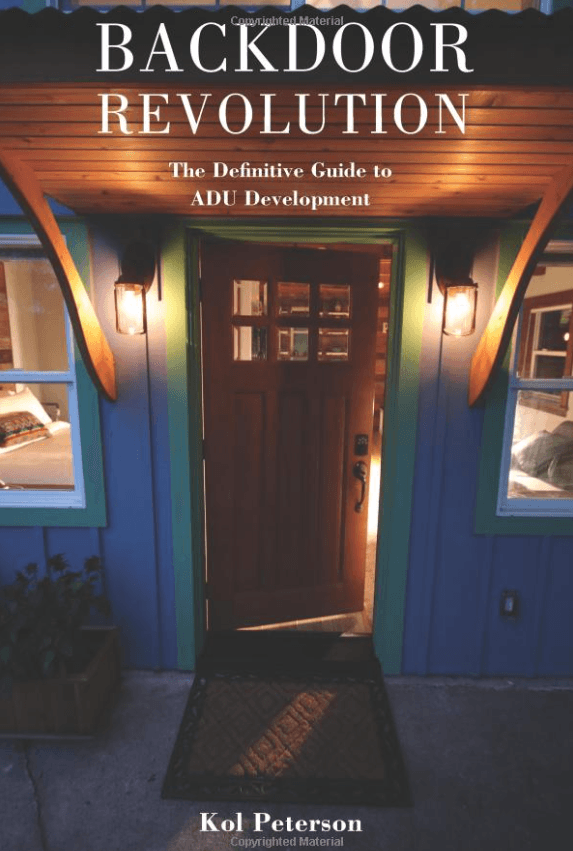
Backdoor Revolution: The Definitive Guide to ADU Development
Accessory Dwelling Units are a form of residential infill housing that are poised to revolutionize housing in the United States. Unlike other urban development trends, this one is being driven by homeowners, not professional developers. Through case studies, expert interviews, firsthand anecdotes, images, and data analysis, Backdoor Revolution reveals the opportunities, challenges, and best practices of ADU development for homeowners, including costs, financing, design, zoning barriers, and regulatory loopholes. With sections written for policymakers and small housing advocates, Backdoor Revolution offers insightful analysis and a succinct prescription for solutions to municipal and institutional barriers for ADU development.
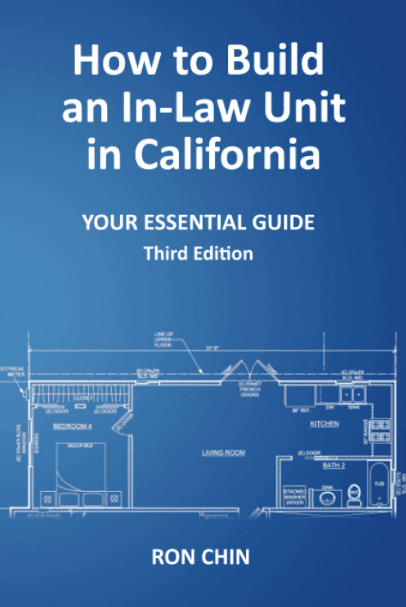
How to Build an In-Law Unit in California: Your Essential Guide
This book provides essential information for homeowners in California who are interested in building an accessory dwelling unit (ADU) – better known as an in-law unit. In addition, the book is useful for real estate agents and contractors who have clients who desire an ADU.
The author walks the reader through his experience of building an ADU and explains how to navigate the State of California’s ADU laws. The book includes helpful information on selecting the type of ADU to build, complying with local ADU ordinances, choosing professionals to work on the project, designing an ADU, obtaining financing, and creating a budget.
As an Amazon Associate, Home WiP may earn from qualifying purchases.
What does it mean - well built?
Construction of a house, whether big or small, is a big and serious endeavor and always a considerable investment. If you are thinking of being an owner-builder, and this is your first project, here are our two book recommendations to read first.
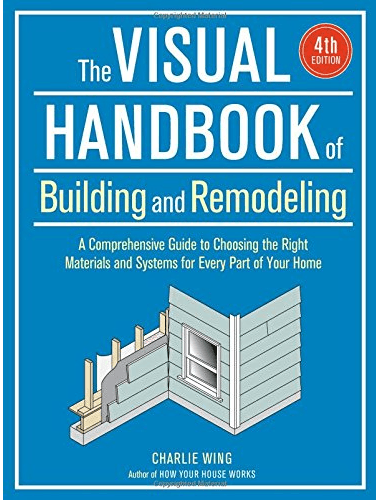
The Visual Handbook of Building and Remodeling
Building a home is a complicated, precise, and labor-intensive process. From drawing a design to selecting the site to laying the foundation, building the frame, installing the plumbing, wiring, HVAC, and everything in between, there are countless opportunities for something to go wrong. So how does a homeowner, builder, or remodeler make sure that their project stays on track every step of the way? Having a copy of The Visual Handbook of Building and Remodeling, 4th Edition on hand is a great place to start.
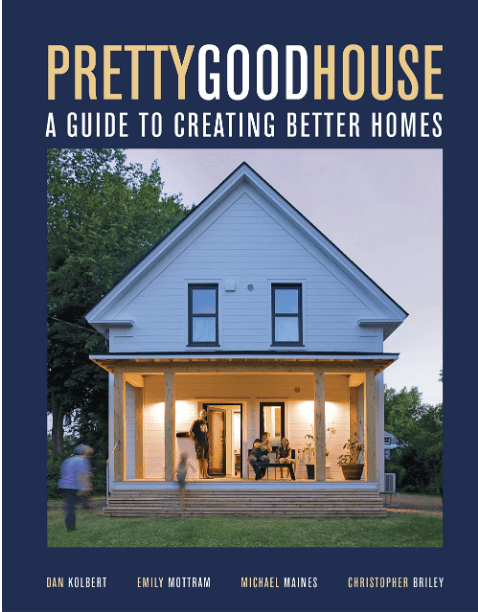
Pretty Good House - a guide to creating better homes
Pretty Good House provides a framework and set of guidelines for building or renovating a high-performance home that focus on its inhabitants and the environment―but keeps in mind that few people have pockets deep enough to achieve a “perfect” solution. The essential idea is for homeowners to work within their financial and practical constraints both to meet their own needs and do as much for the planet as possible.
As an Amazon Associate, Home WiP may earn from qualifying purchases.
More on ADUs from our blog
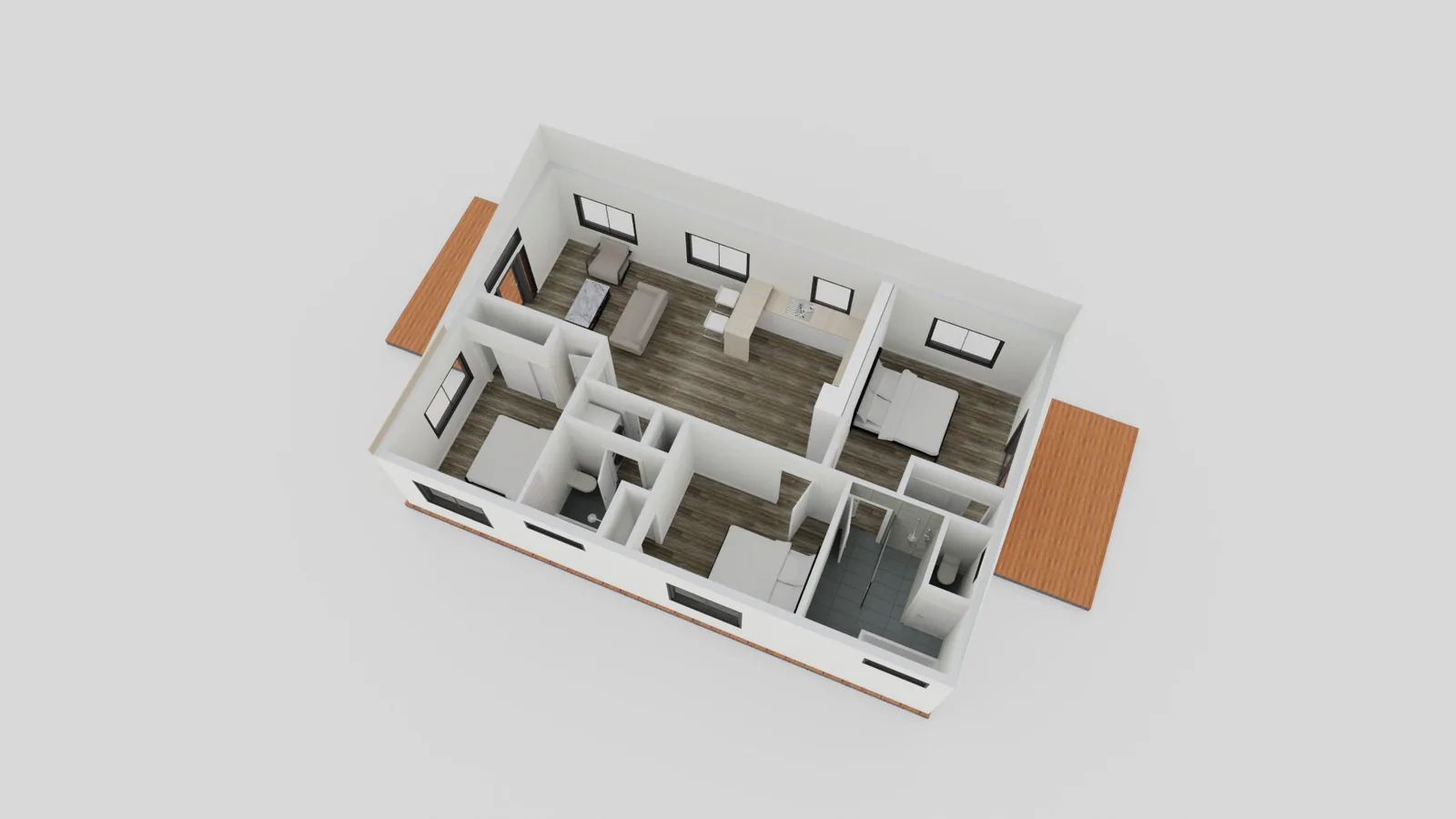
How big is 1000 square feet? Prepare to Be Surprised.
It's about 25 × 40 ft, or 2.5 two-car garages. See real 1000 sq ft floor plans (a 3-bed, 2-bath fits) and what one costs to build in California.
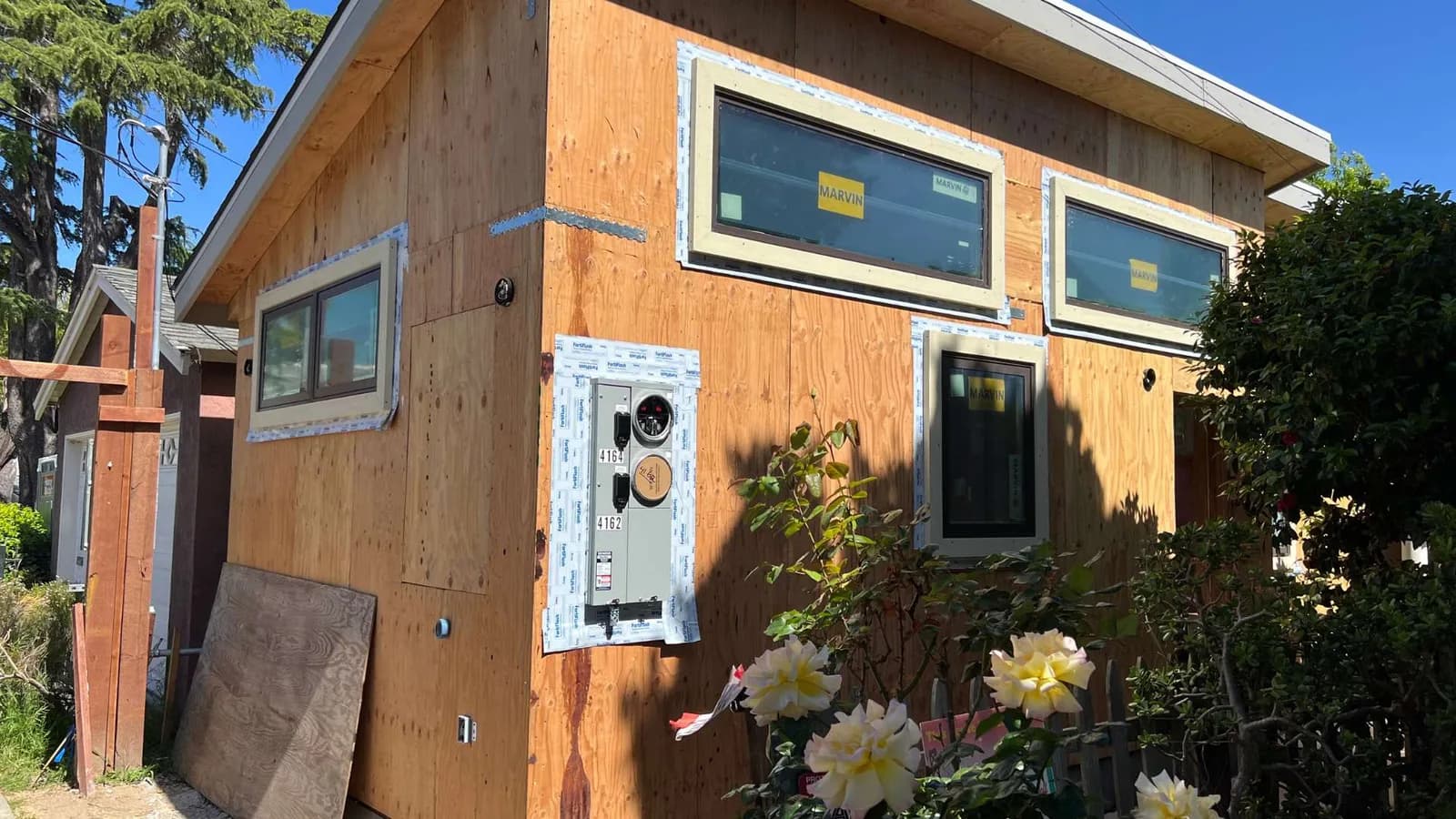
ADU Construction: A Complete Step-by-Step Guide to Building an Accessory Dwelling Unit
A complete step-by-step guide to ADU construction, from first consultation and permits to costs, build stages, and final move-in day.
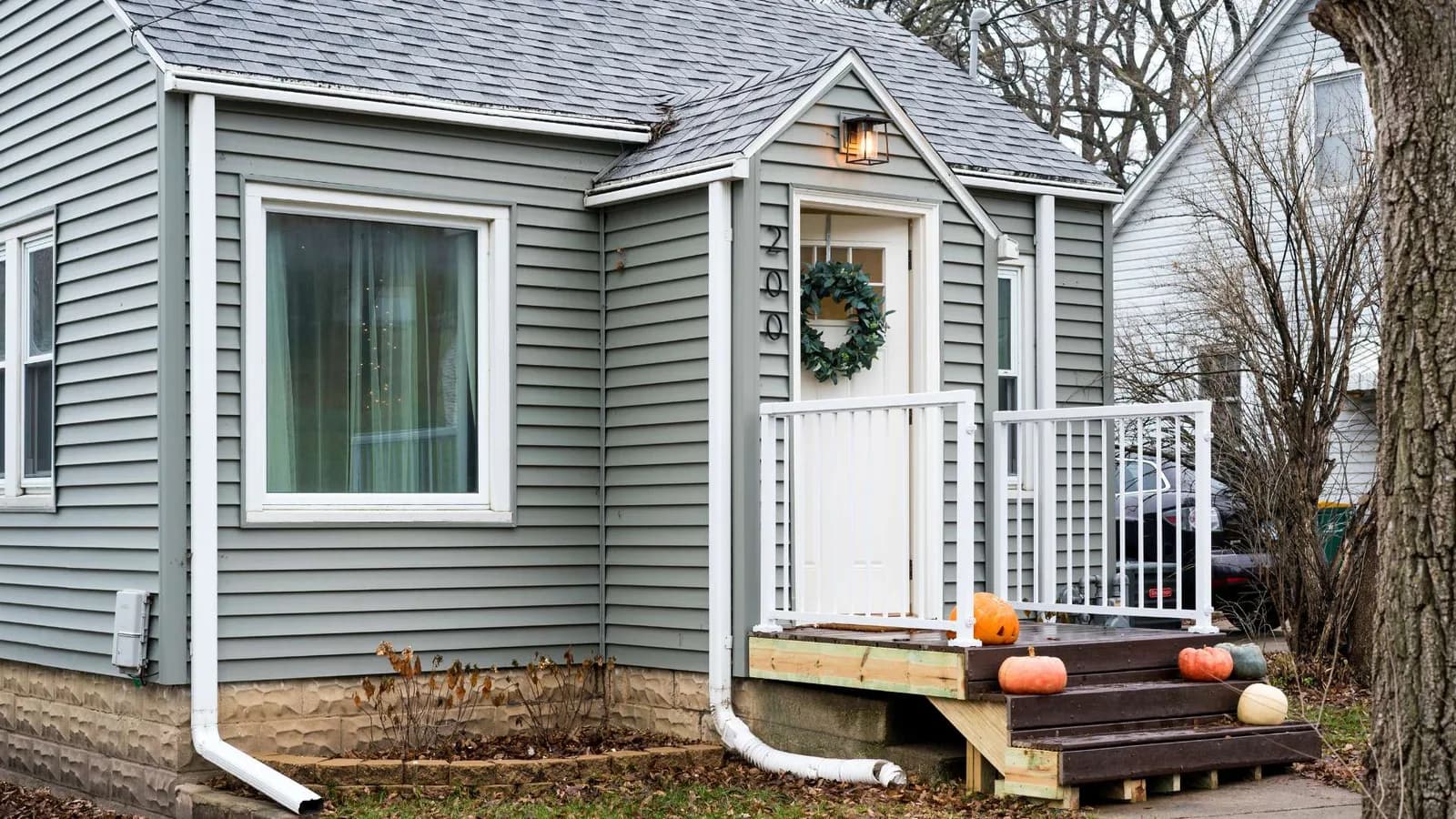
3 Bedroom Tiny House Plans: Smart Designs and Floor Layouts for Small Space Living
Explore 3-bedroom tiny house plans under 1,200 sq ft: loft bedrooms, clever storage, and flexible layouts for comfortable family living.
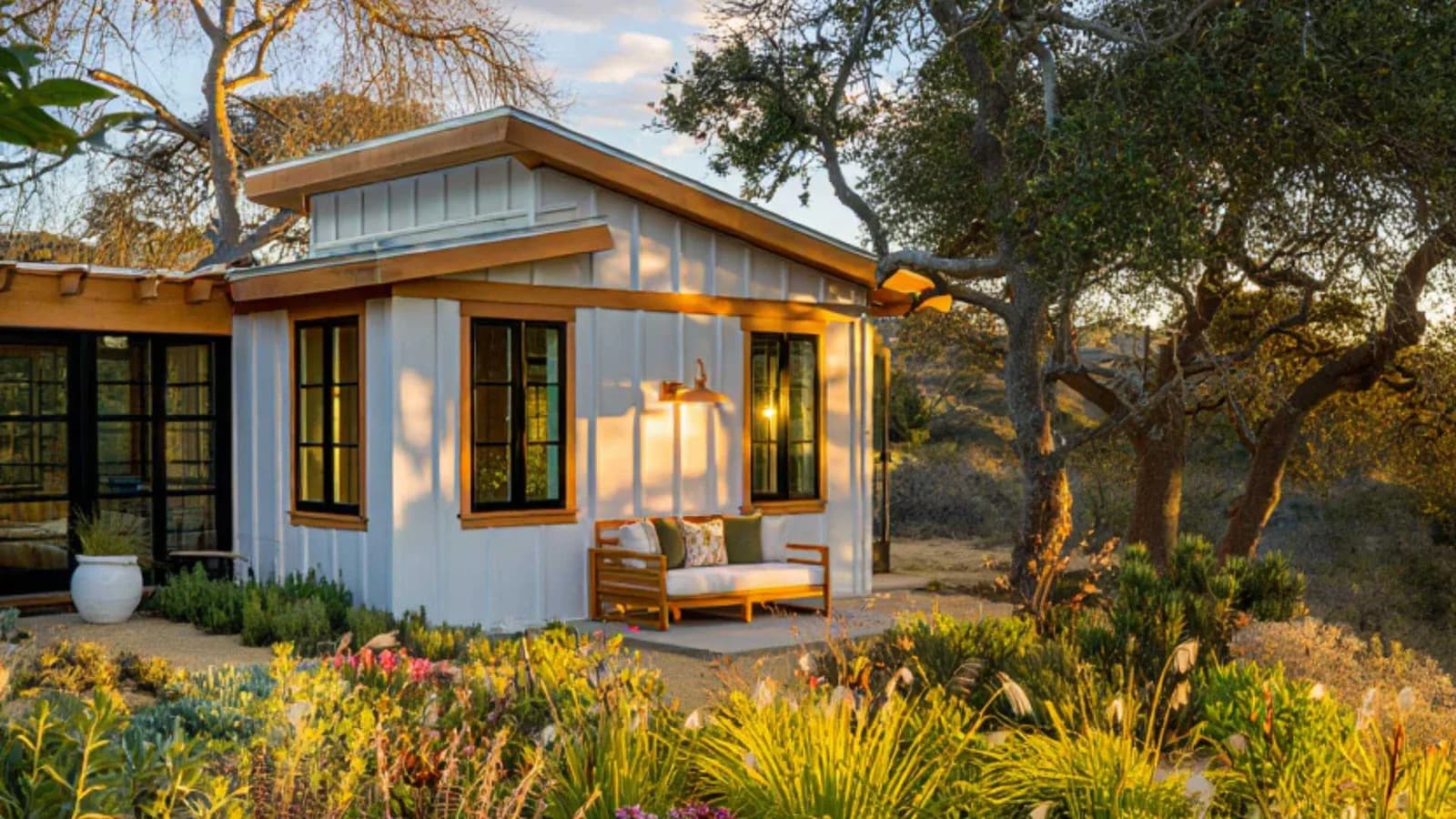
ADU Plan: Your Complete Guide to a Ready-to-Permit Floor Plan
Everything you need to choose an ADU plan, from 200 to 1,000 sq ft ready-to-permit floor plans to design tips and the permitting process.
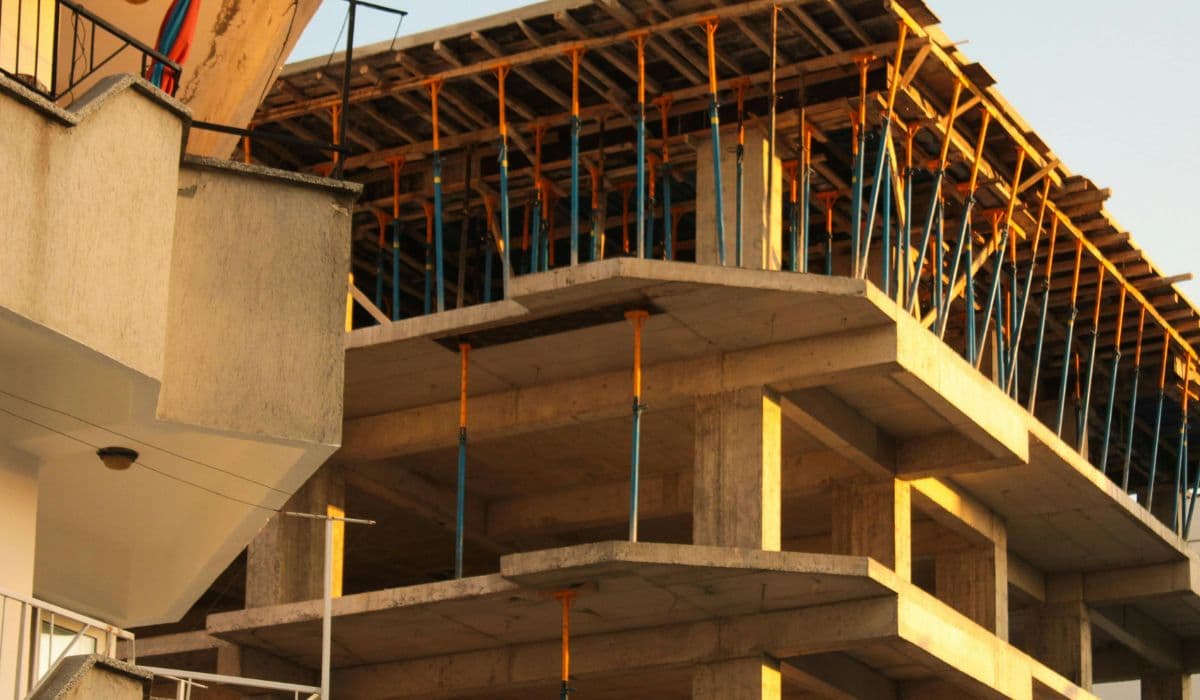
Worst Construction Fails: Shocking Building Mistakes & Lessons Learned
Shocking construction fails from around the world, and the practical lessons every homeowner and builder can take from these costly mistakes.
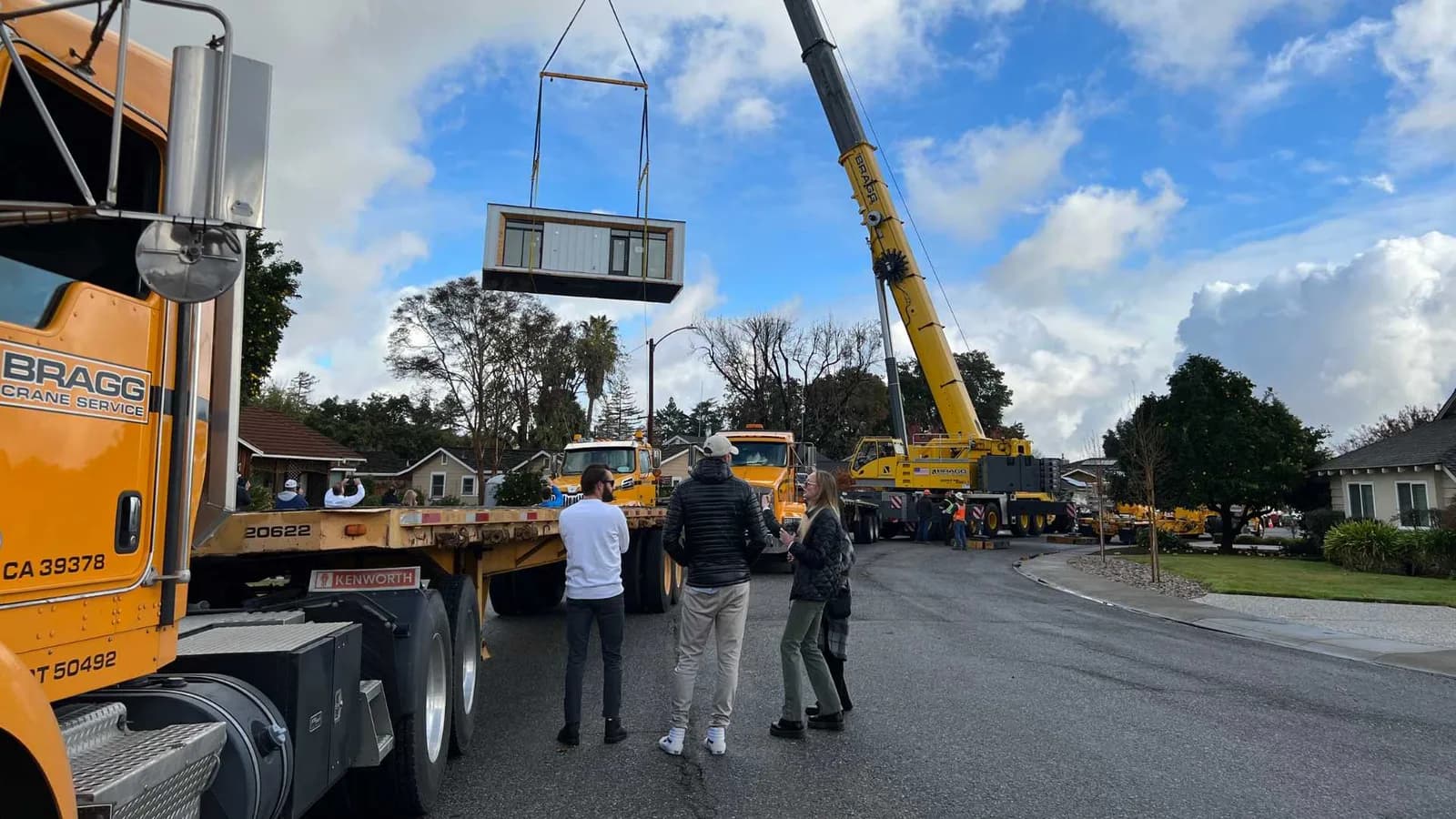
Buying a Modular Home: 6 Surprising Phases To Be Ready For
What buying a modular home really involves: the six phases from design to install, plus how to avoid losing money and vet your builder.

Privacy Fence Ideas: Stylish & Secure Backyard Design Inspiration
Stylish privacy fence ideas for your backyard: wood, composite, metal, and vinyl options, with tips on materials, height, and design.
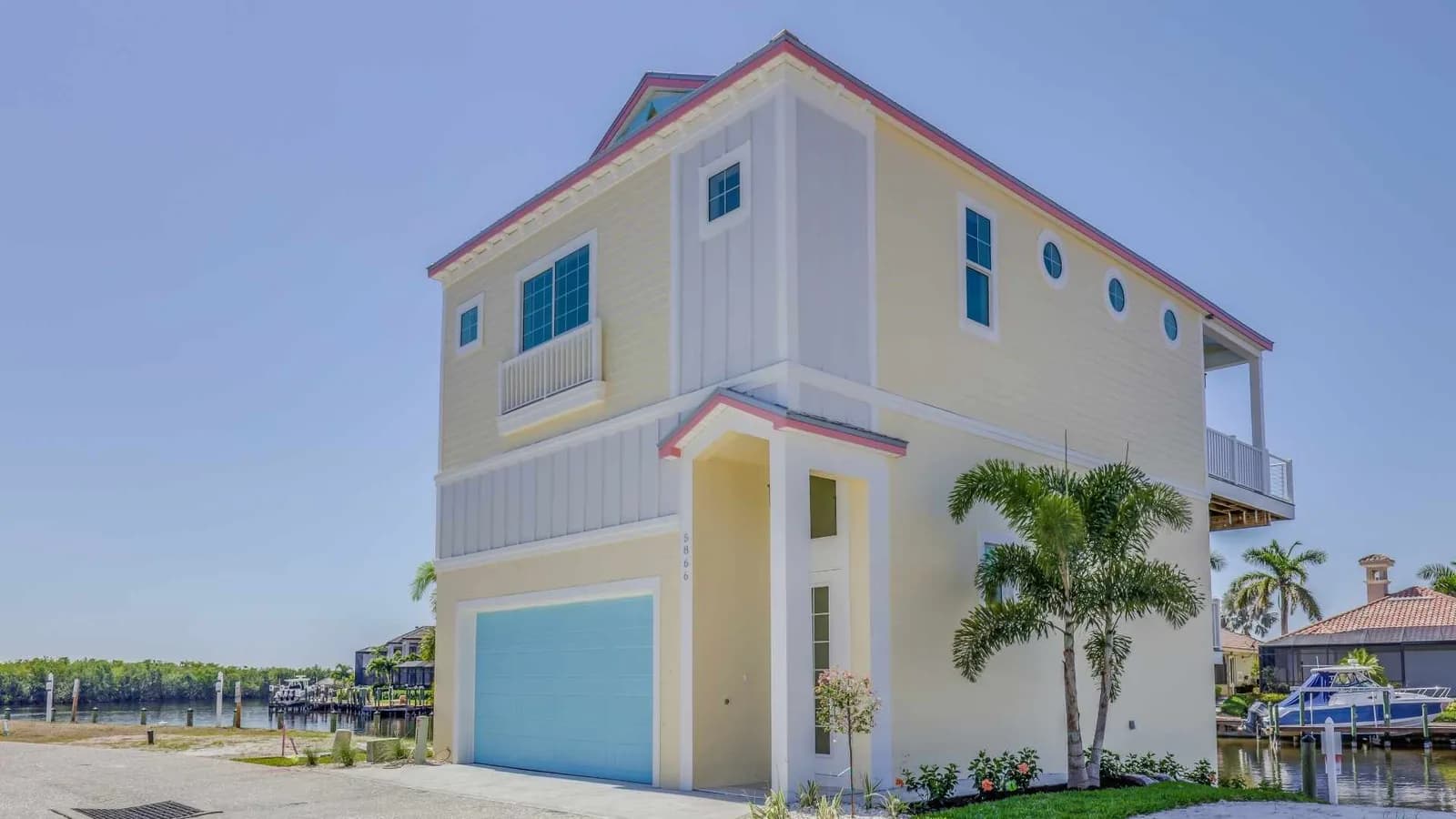
Short Guide To Building ADU Above Garage
How to build an ADU above a garage: costs, structural and permit considerations, layout ideas, and whether it is right for your lot.

Granny Pods as a solution for independent retirees
What granny pods are, what they cost, and how these backyard units give aging parents independence with safety and accessibility close to home.