
How Big Is 400 Square Feet? Let us explore ways to visualize floor plans for tiny house designs, apartments and small homes.
Understanding the size of a space is essential when building a small home, searching for a new home, looking at real estate listings, or planning your next move. For many renters and buyers in bustling cities like New York City, San Francisco, or Los Angeles, or even those considering downsizing, “How big is 400 square feet?” is a common question. In this comprehensive guide, we’ll explore what 400 square feet actually looks like, how it compares to the average house, and the best ways to visualize square feet—including floor plans, storage space options, and clever designs for tiny apartments or studios.
Whether you’re trying to design an apartment of this size, thinking about tiny home living, or just want to understand “What does 400 square feet feel like?”, read on for simple steps, professional tips, and inspirational small-space ideas.
Let’s start with a basic definition: A square foot (sq ft) is a unit that measures the area of a space—usually a rectangle or a square. When you see an apartment or home listed as “400 square feet”, it means the total square footage is 400 sq ft.
If you’re wondering, “How big is 400 square feet in dimensions?”—let’s break it down:
– A perfect square: The square root of 400 = 20. So, a room measuring 20 feet x 20 feet = 400 sq ft.
– A rectangle: 16 feet x 25 feet is also 400 sq ft, as is 10 feet x 40 feet.
– A comparison: 400 square feet is roughly the size of a large double garage (usually 400 sq ft to 600 sq ft).
Sometimes, it’s difficult to visualize square feet. Here are a few easy methods and comparisons to help you imagine 400 sq ft in practical terms.
– Tape Measure & Measuring Tape: Lay out a 20 x 20 ft area in your current home or backyard. Mark the corners and walk around. Each long step is about 2.5 feet.
– Piece of Furniture: Your average sofa is 6-7 ft long. You could fit nearly three such sofas lengthwise along one wall.
– Online Reservations and Tools: Many real estate sites or storage unit providers have virtual tools to help you visualize a sq ft apartment. Use these for virtual tours.
– Small Bedroom: A typical bedroom is about 10×12 ft (120 sq ft), so 400 sq ft is over three times as large.
– Small Kitchen and Living Combo: In a studio apartment or a tiny apartment, the kitchen and living room may be combined into this space, with clever built-in storage solutions.
– Storage Unit: The most common storage unit size, 10×20 ft, is 200 sq ft—so 400 sq ft is like two large storage units.
In the United States, 400 square feet is typically considered a small space for a full apartment. Compare this to the average home, which, according to recent stats, had an average square footage of over 2,400 sq ft last year.
However, in cities like New York City, San Diego, San Francisco, and Los Angeles, 400-square-foot apartments are not uncommon. In some cases, they are the norm for studio apartments or micro-units designed for young professionals and newcomers to the city.
A 400-square-foot space often comes in studio, loft, or tiny home layouts.
Here are some features of the most common 400 Sq Ft Floor Plans:
– Open Plan Studio: No separate bedroom; living, sleeping, and kitchen areas are combined. A partial wall, high ceiling, or mobile divider can offer some privacy.
– Junior One-Bedroom: A small wall or sliding door separates a sleeping nook from the main space.
– L-shaped Floor Plan: Maximizes the feeling of space and separates living/sleeping zones.
– Tiny Home Designs: Ingenious use of built-in storage, convertible furniture, and vertical organization.
What fits?
– Small kitchen: Compact appliances, minimal counter space, and just enough room for a table or breakfast bar.
– Living area: One small couch, coffee table, and media stand.
– Sleeping area: Twin or full bed, possibly a Murphy bed for extra space.
– Storage space: Prioritize vertical shelving, under-bed storage, or double garage-style overhead racks.
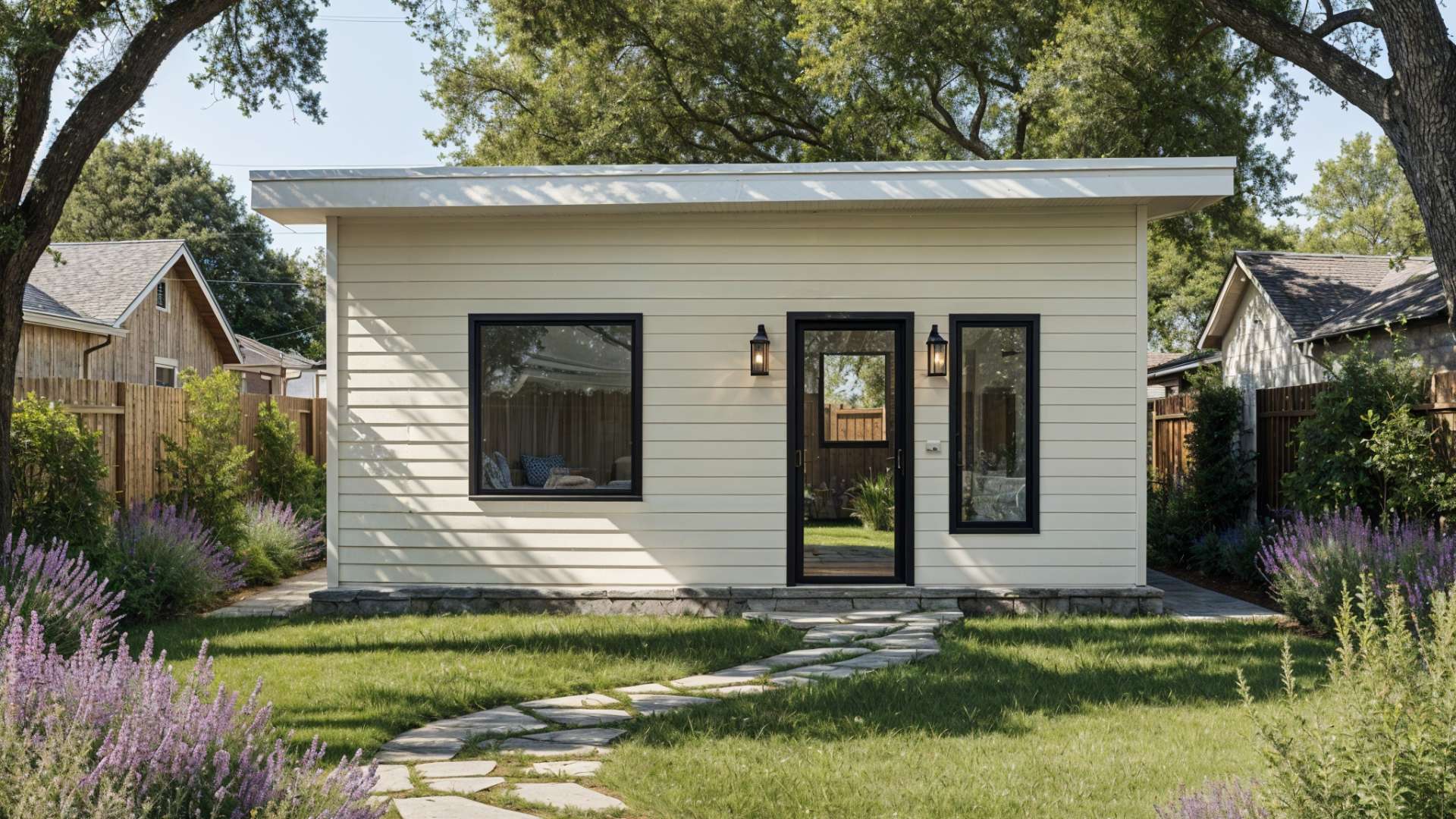
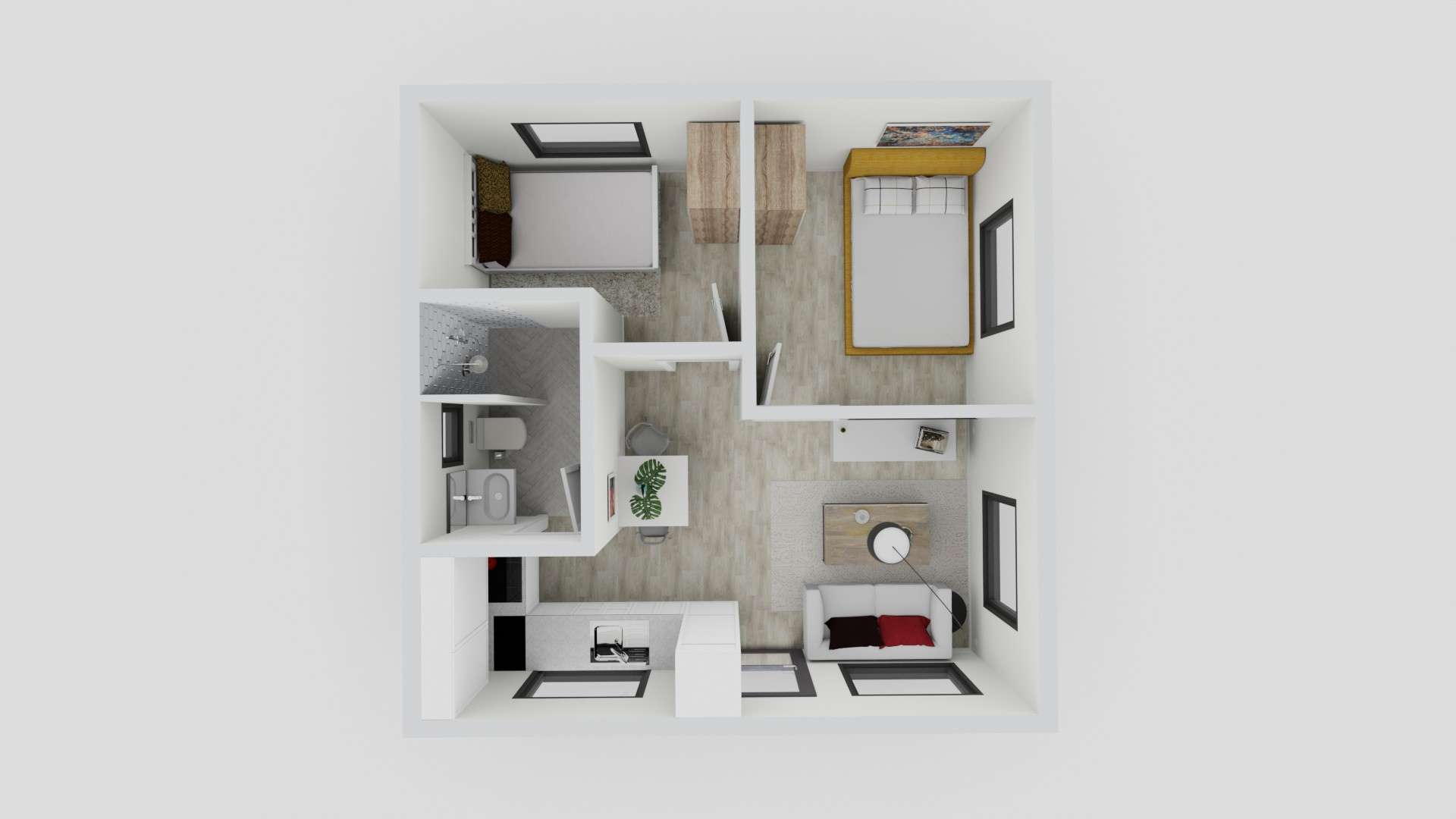
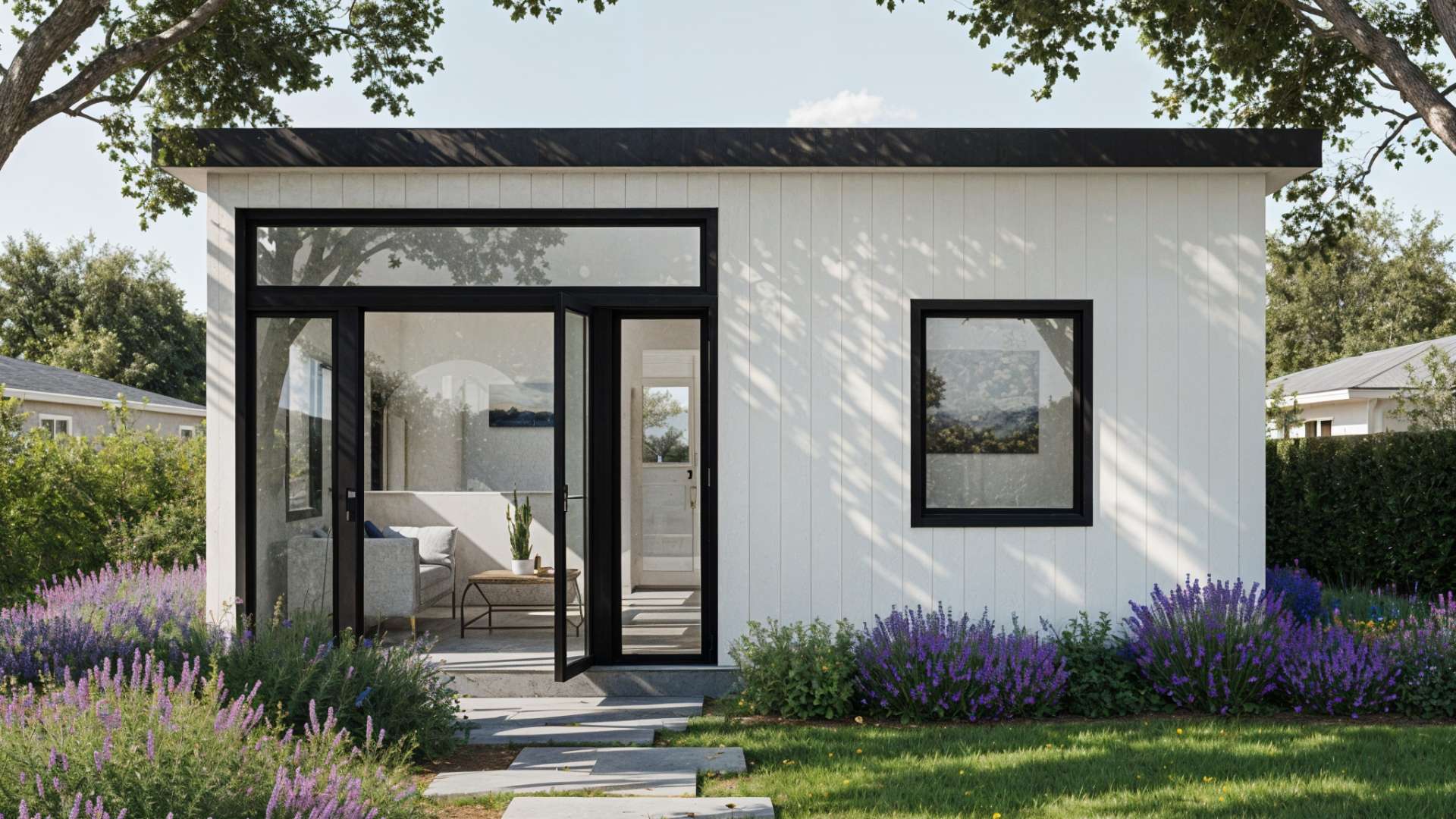
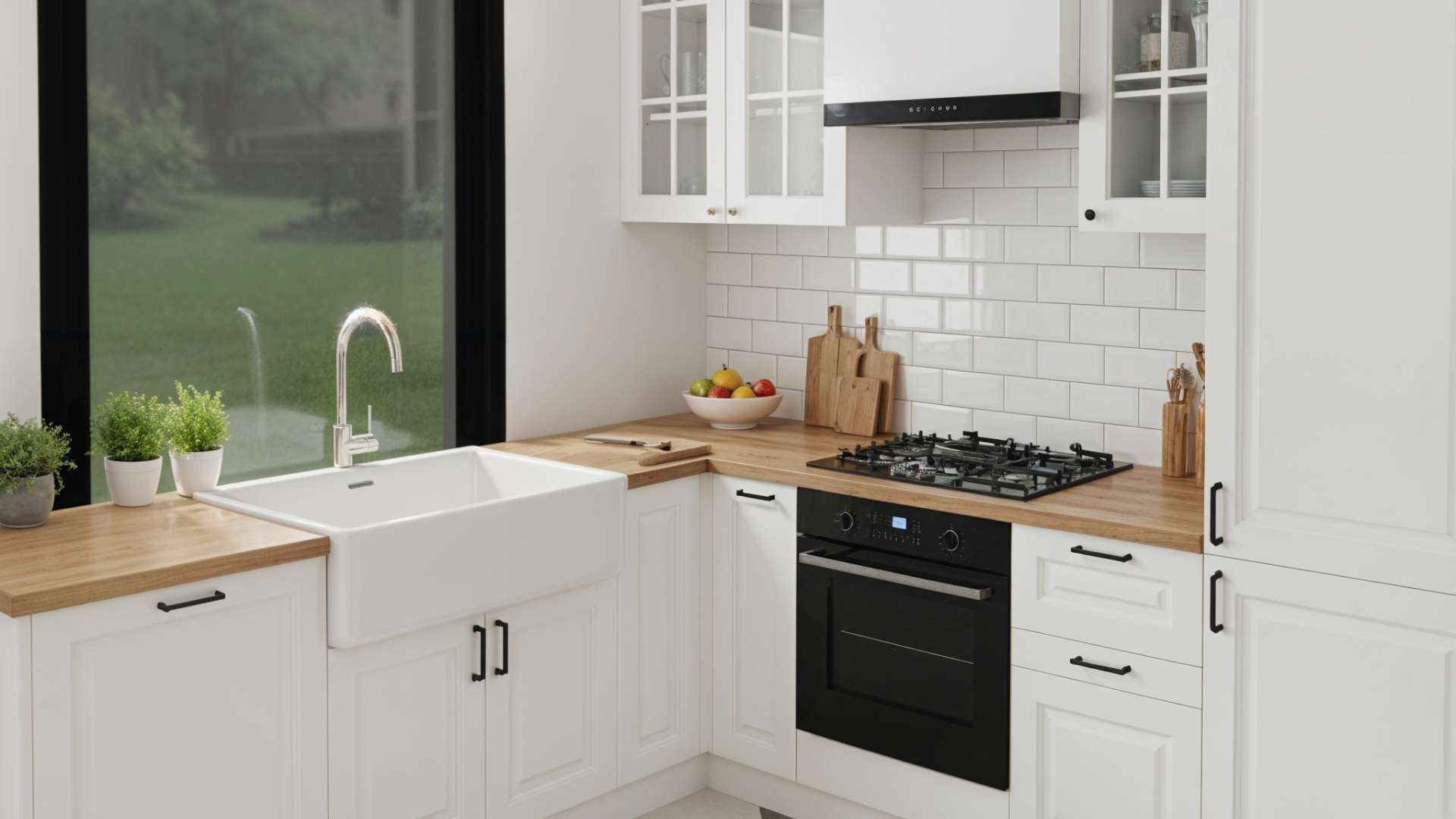
And people kept asking for two-bedroom 400 square feet ADUs. So, drumroll please…


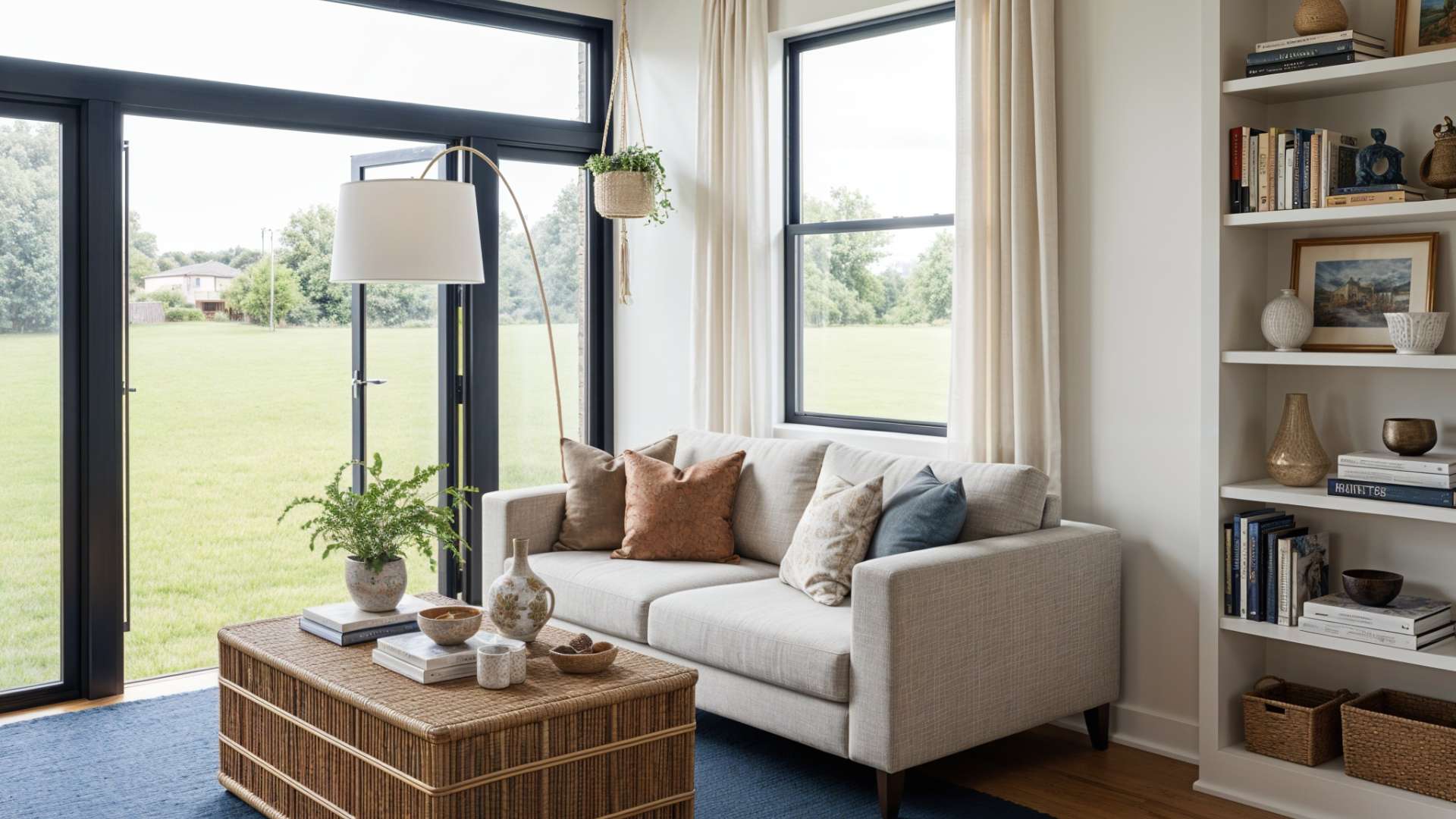
Maximizing small space is an art, but with the right strategies, you can live comfortably—and stylishly—in a 400 square foot house or apartment.
– Use Multi-Functional Furniture: Look for beds with drawers, ottomans that open for storage space, and wall-mounted desks or tables.
– Emphasize Natural Light: Keep windows clear of clutter to make the total square footage feel light and open.
– Use Mirrors: A classic way to visually double your space and boost light.
– Declutter: Avoid hanging on to too much stuff; edit your belongings down to what you really use and love.
– Build In Storage: Custom cabinets, shelves, and nooks can keep your new home organized.
– Consider New Flooring: Lighter, seamless flooring makes a space look bigger; rugs can define “zones.”
– Go Vertical: Maximize wall height with tall shelving, hooks, and hanging racks.
– Color and Design: Light paint colors and minimalist decor make the floor plan feel larger.
– Flexible Layouts: If you have guests, consider folding screens or curtains for short-term privacy.
When designed right, 400 square feet feel spacious and functional despite their size.


Here is a city breakdown for those considering a 400-square-foot apartment in urban centers:
– Average Rent: High demand means 400 sq ft may cost as much as an average two-bedroom in the Midwest.
– Design Challenge: Every inch counts! Build up, not out.
– What Fits: Studio or micro-apartment, with kitchenette and bath.
– Floor Plan: Often an open studio; ideal for singles or couples.
– Storage: Needs clever solutions due to limited closets.
– Why Popular: Space is at a premium; compact units are often centrally located.
– Typical Layout: L-shaped or studio style.
– Natural Light: Many buildings emphasize big windows for an airy feel.
– Value: Lower rent than larger units; great for minimalists.
– Average house in the U.S.: about 2,400+ sq ft—six times a 400 sq ft unit!
– Basement count: The unfinished basement in many U.S. homes may be 400-800 sq ft.
– Double garage: Usually ranges from 400-600 sq ft—so if you can park two cars side-by-side, you’re in a space comparable to a 400-square-foot home. Size of a two-car garage: Typically 20 x 20 ft, or exactly 400 sq ft.
When you downsize to a small space like a 400 sq ft apartment, managing storage space is essential. Here are tips on how to fit “enough stuff”:
– Use built-in storage whenever possible
– Optimize closet systems for vertical and horizontal organization
– Try under-bed storage containers for off-season items
– Store less-used items in an off-site storage unit if necessary
Absolutely! Many residents “share” apartments of this size—sometimes splitting the area with roommates or a partner. Privacy can be improved by using flexible dividers, bookcases, or even curtains. The key is being intentional with layout, furniture, and storage.
A 400-square-foot area is often used in tiny house designs. Tiny homes must use every inch:
– Loft beds provide more living room.
– Pocket doors or sliding barn doors save space over swinging doors.
– Compact appliances make a small kitchen possible.
– Custom-built *floor plans* ensure there’s no wasted space.
When renovating or remodeling a 400 sq ft houset, new flooring is a cost-effective way to upgrade the entire space. Choose continuity (one type of flooring throughout) for a seamless, airy look. Light-colored options promote a more open feel.
1. Use a measuring tape or tape measure and check the length of the space and the width in each room.
2. Multiply length by width in feet. (e.g., 20ft x 20ft = 400 sq ft)
3. Draw a rough sketch (floor plan) to visualize furniture placement and flow.
4. Use an app to make a quick floor plan sketch.
A seasoned real estate agent will help you determine if a 400 square foot apartment meets your needs, especially in cities where space is tighter and prices are higher. Agents can also arrange online reservations for tours and provide insight on upcoming listings or “cash offer” deals for quick closings.
400 square feet is smaller than the average house, but with smart designs, a thoughtful floor plan, and efficient use of space, it’s entirely possible to live well, stylishly, and even luxuriously in homes or apartments of this size. Whether you’re seeking a downtown studio or exploring tiny house living, remember that it’s not just about the number of square feet, but how you use them.
Q: How big is a 400 square foot space compared to a typical room?
A: It’s about the size of three to four small bedrooms, or a large two-car garage.
Q: What are the dimensions of 400 square feet?
A: Several combos: 20×20 ft square, 16×25 ft rectangle, 10×40 ft long room, etc.
Q: How do I convert 400 sq ft to yards?
A: 400 square feet is about 44.44 square yards.
Q: Is it possible to fit living, eating, and sleeping zones?
A: Yes! Use built-in storage, multi-purpose furniture, and room dividers for best results.
Q: Where can I find sample 400 sq ft floor plans?
A: Many real estate agent websites, tiny house designers, or Pinterest boards share “apartments of this size” in detail. And right here – in our floor plan collection! Sign in and browse!
Embrace the challenge and creative possibilities of a 400-square-foot home, apartment, or tiny apartment—and discover new ways to make a small space feel just right for you.
