
Preapproved ADU plans, Quick to Permit
Preapproved ADU plans cut permit time and design fees in California. See how the Standard Plan Program works and what site work you still need.
Navigating the construction of ADUs (Accessory Dwelling Units), often known as granny flats or in-law suites, can seem daunting for property owners. However, a growing initiative across California, particularly in jurisdictions like the City of Los Angeles and surrounding county areas, is simplifying this journey: the preapproved ADU plans program. This significant step streamlines the often complex permitting process, offering potential cost savings and faster timelines for adding valuable living spaces to your property.
Understanding Preapproved ADU Plans
So, what exactly are preapproved ADU plans? These architectural plans for Accessory Dwelling Units have already undergone initial review and approval by local building departments, such as the Los Angeles Department of Building and Safety (LADBS) or your own Authority Having Jurisdiction (it may be a CountyBuilding Department or a city Building Department). The Standard Plan Program features preapproved standard plans developed either by city-selected architects or submitted by independent design professionals (designer-owned plans) and vetted by city staff.
The core idea behind the preapproved ADU initiatives (supported by legislation like AB 1332) is to expedite the permit approval process. Instead of starting from scratch to work on a custom design, homeowners can select from a catalog of preapproved designs. These plan sets typically include detailed floor plans, elevations, and foundational details designed to meet applicable codes, including zoning, building, and green codes.

Key Benefits for Property Owners
Opting for following preapproved ADU standard plan guidelines offers several compelling advantages:
- Faster Permitting: This is the primary draw. Because the core ADU design has already passed initial checks by the planning division and building division, the review time for a specific ADU project using these preapproved plans is often significantly reduced. This can shave weeks or even months off the typical timeline, aiming for quicker permit issuance, sometimes within a specific number of business days after submission.
- Cost Savings: While not entirely free (site-specific work is still needed), using preapproved plans can reduce architectural and engineering fees associated with creating fully custom plans. Lower plan check fees may also apply, contributing to overall project savings. This makes performing a cost-benefit analysis more favorable for many homeowners.
- Predictability: The use of standard plans introduces a level of predictability into the construction process. From the outset, you know the basic design meets safety requirements and local regulations.
- Variety: Many programs offer a range of architectural styles, sizes (measured in square feet), and layouts, from compact studios to multi-bedroom units. Sometimes, even features like roof decks are included, catering to diverse needs and property constraints. Options may include designs suitable for use as a guest house or generating rental income.

The Process: Using Preapproved Plans
While streamlined, using preapproved ADU plans still involves several steps:
- Research: The first step is to check your local jurisdiction’s city ADU webpage. Cities like Los Angeles, San Jose, and others participating in the preapproved ADU program often have online catalogs. Look for additional information and contact information for the planning departments or building division.
- Selection: Choose a preapproved accessory dwelling unit plan that fits your needs, budget, and aesthetic preferences. Consider the relationship to your primary residence.
- Site Assessment: This is crucial. Preapproved plans are designed for various site conditions, but every property is unique. You must still prepare a site plan showing the proposed ADU’s location, property lines, existing structures, and utility connections. Site-specific factors, such as topography, soil conditions, and accessibility, must be evaluated.
- Site-Specific Design Work: A common misconception is that preapproved plans require no further design work. This isn’t true. A qualified design professional (architect or engineer), potentially one of the listed design firms or the original plan owner, must adapt the standard plan to your specific site. This involves designing the appropriate foundation based on foundation requirements determined by a soil report, addressing utility connections (public works coordination might be needed), and ensuring compliance with all site-specific requirements. These site-specific customizations are essential.
- Submission: Submit the complete package—the chosen preapproved standard plans plus the site-specific design work (construction plans)—to the applicable city departments (Planning, Building & Safety, etc.). LADBS staff or their counterparts in other jurisdictions will review the application for compliance with your lot’s specifics.
- Permit Issuance: Once the review confirms compliance, the building permit is issued, allowing construction to begin.
Don’t know where to start?
Construction can be daunting, but it doesn’t need to be. Imagine having an expert in your corner to help you with your property development goals. Someone to help you determine if you’re ahead, behind, or right on track. With HomeWIP, it’s reality.

Important Considerations
- Not a Rubber Stamp: While faster, approval isn’t automatic. The site plan and any site-specific customizations must be correct and comply with all local regulations.
- Jurisdictional Differences: Programs vary. Some offer city-owned plans (potentially free or low-cost), while others feature designer-owned plans where you contract directly with designers. Ensure you understand the rules in your specific city or unincorporated areas governed by county authorities like Los Angeles County Building and Safety.
- Financing: To cover construction costs, consider financing options like a home equity loan or specialized products like Renofi loans.
- Not Always the Best Fit: Despite the advantages of permit-ready ADU plans, a custom design might still be the right choice for highly constrained lots or unique design visions.
The preapproved ADU plans program represents a significant advancement in facilitating ADU development across California. For property owners looking to add an accessory dwelling unit for family members, rental income, or flexible space, exploring these preapproved designs is a worthwhile endeavor. By potentially reducing timelines and costs associated with the permit approval process, these standard plans make building an ADU more accessible. Remember to consult your local authorities and review the available plan set options on city websites to determine if this streamlined path is the right choice for your ADU project. Cities are actively accepting applications under these programs, making complementing your property with an ADU easier than ever.
Preapproved ADU Plans
Our expertise at your service 24/7
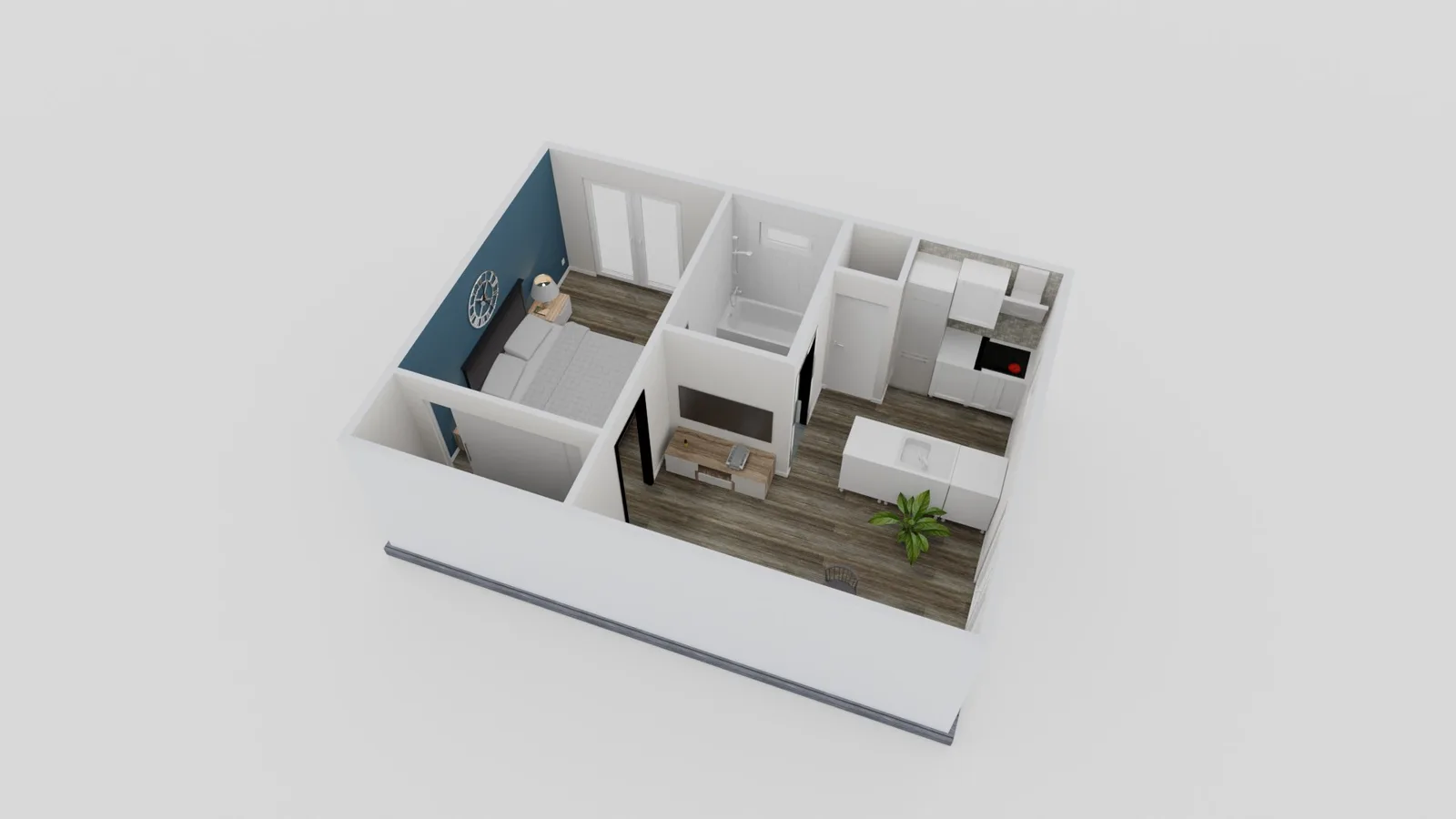
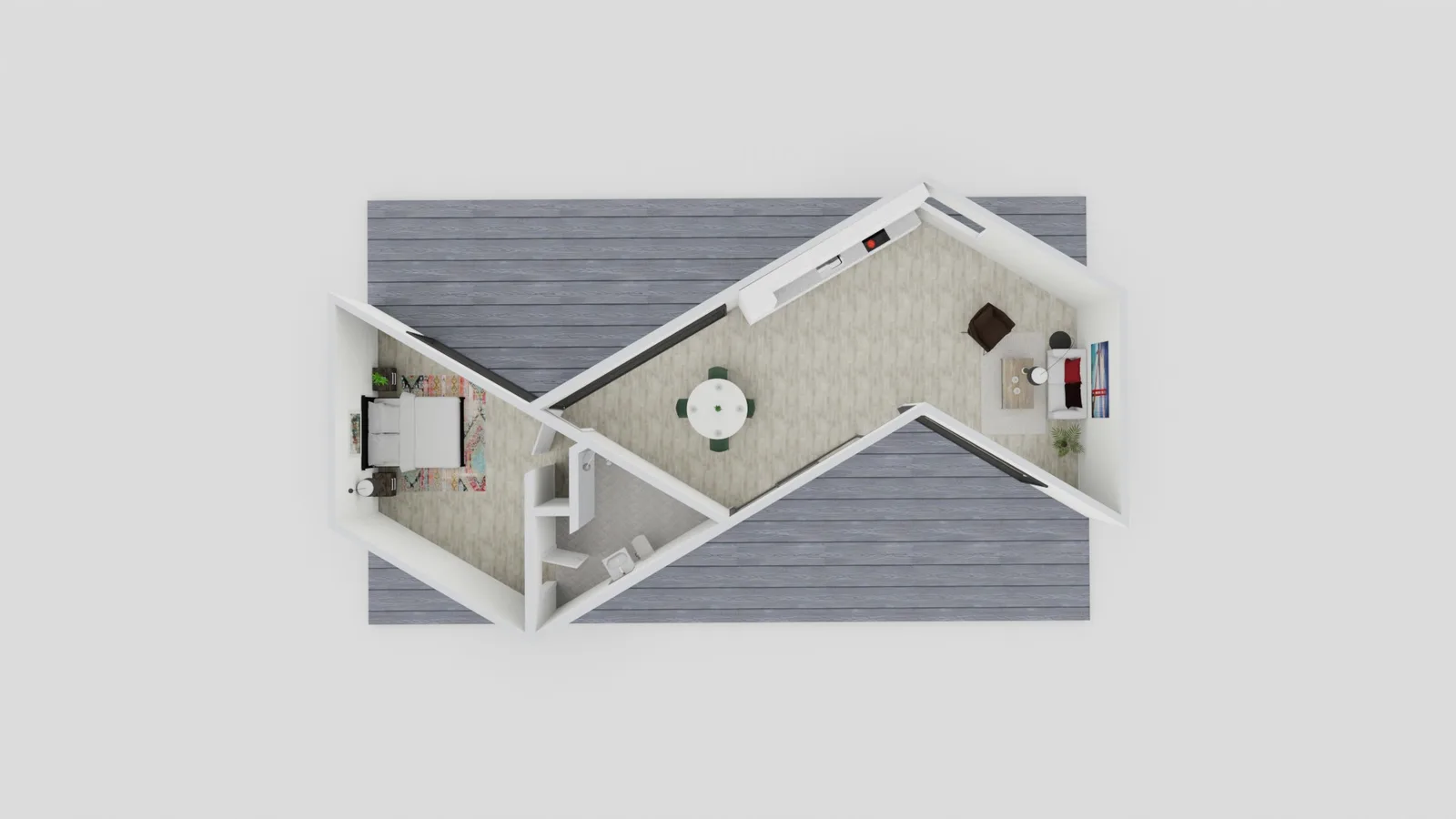
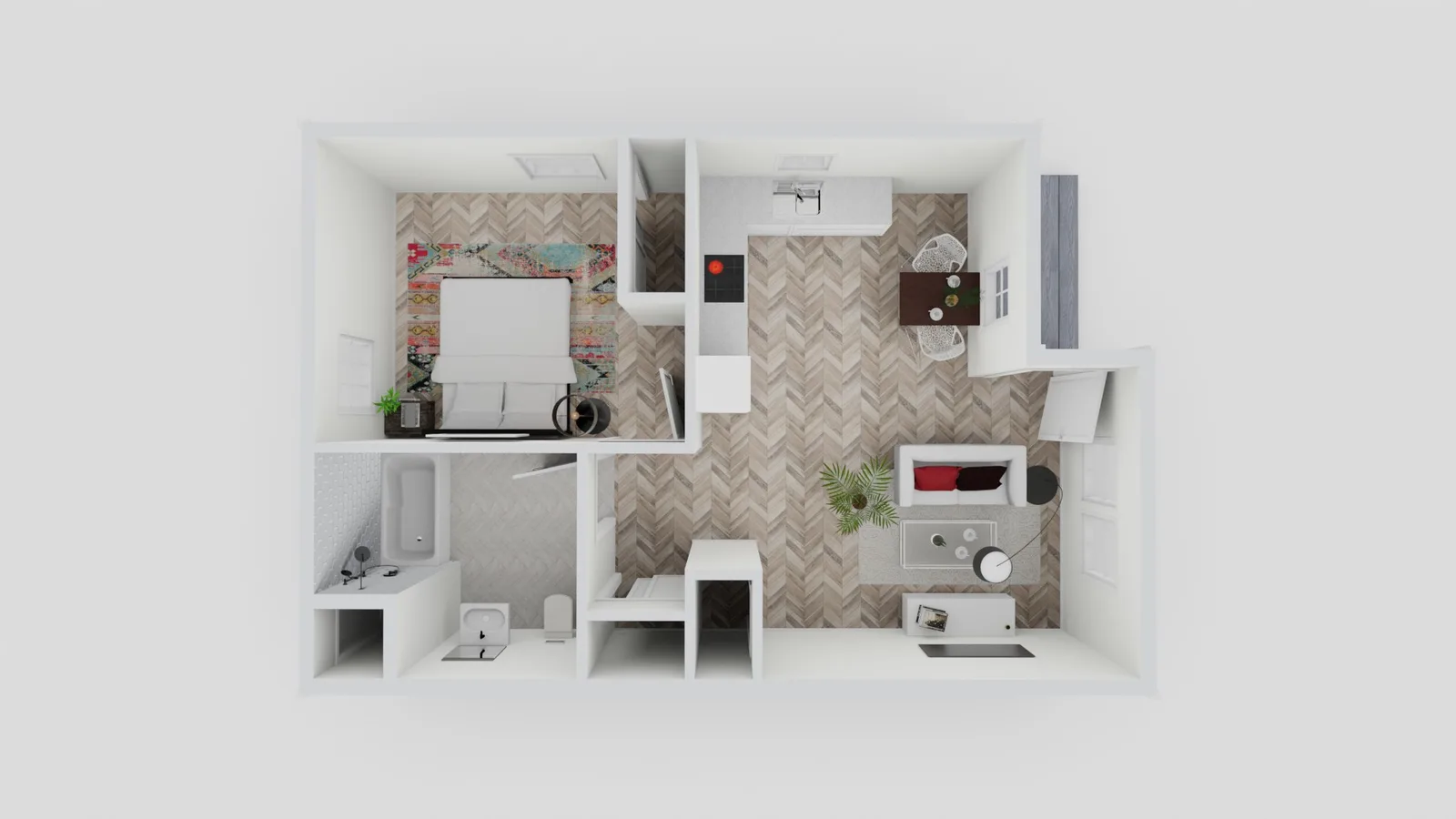
Select a preapproved ADU plan for your backyard
- Find out if it fits
- Browse exterior options
- Estimate how much it may cost

Common questions about preapproved ADU plans
They are ADU architectural plans that local building departments, such as LADBS, have already reviewed and approved at the design level. You select one from a city catalog instead of starting a custom design from scratch.
Because the core design has already passed initial planning and building review, the time to permit a specific project drops significantly. This can shave weeks or even months off a typical timeline, and some cities aim to issue permits within a set number of business days after submission.
Yes. A common misconception is that they need no further work. A qualified architect or engineer still has to adapt the standard plan to your lot, including the foundation based on a soil report, utility connections, and a site plan showing property lines and existing structures.
It depends on the program. Some cities offer city-owned plans that may be free or low-cost, while others use designer-owned plans where you contract directly with the design professional. Check the rules for your specific jurisdiction.
AB 1332 backs these initiatives by pushing jurisdictions to maintain preapproved standard plans and expedite permit approval. The goal is to make adding an accessory dwelling unit faster and more predictable across California.
Preapproved plans can lower architectural and engineering fees, but you still cover construction. Many owners use a home equity loan or specialized products like Renofi loans to finance the build.
Despite the speed of permit-ready plans, a custom design can still be the right call for highly constrained lots or a unique design vision that the standard catalog cannot accommodate.