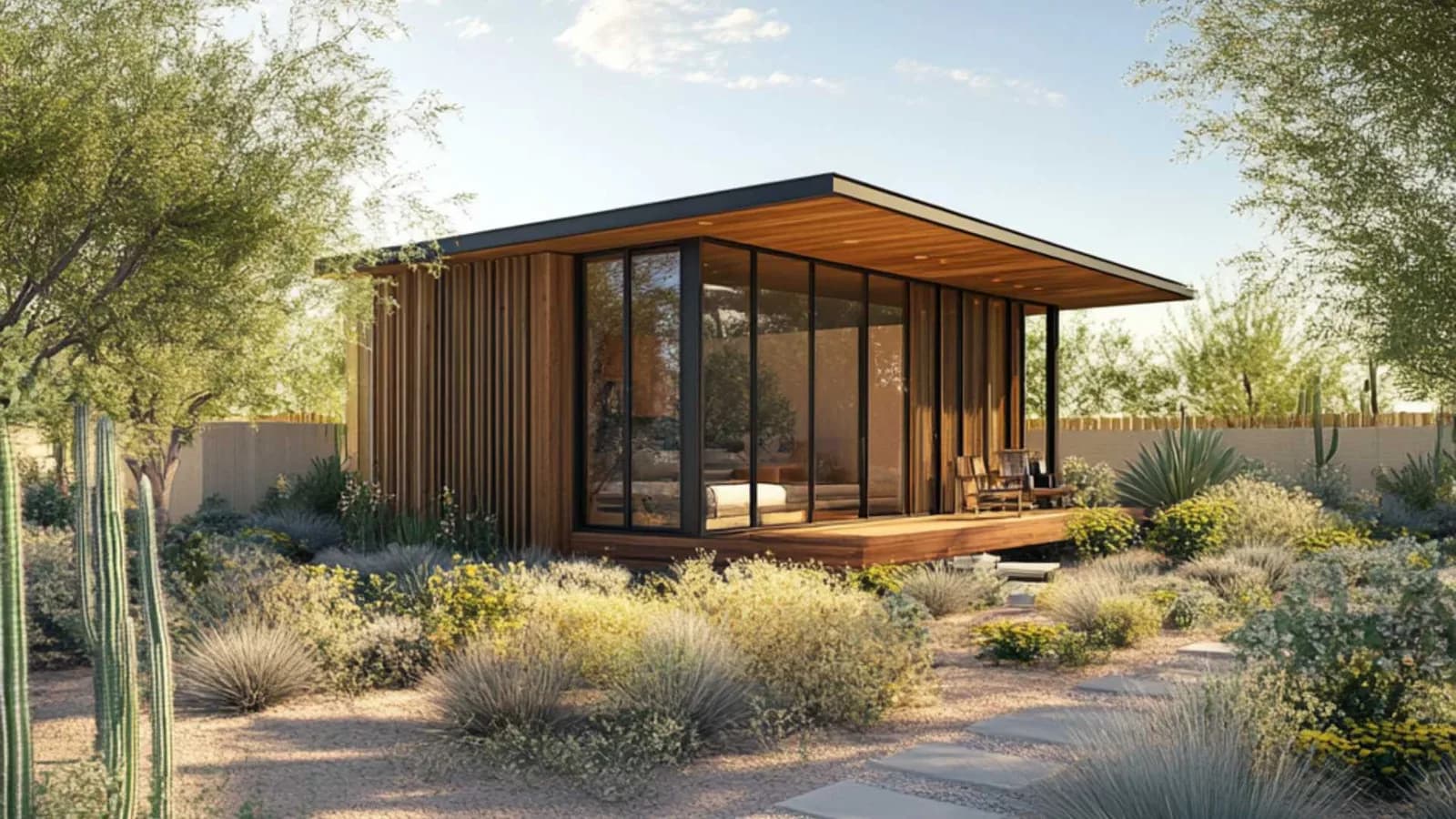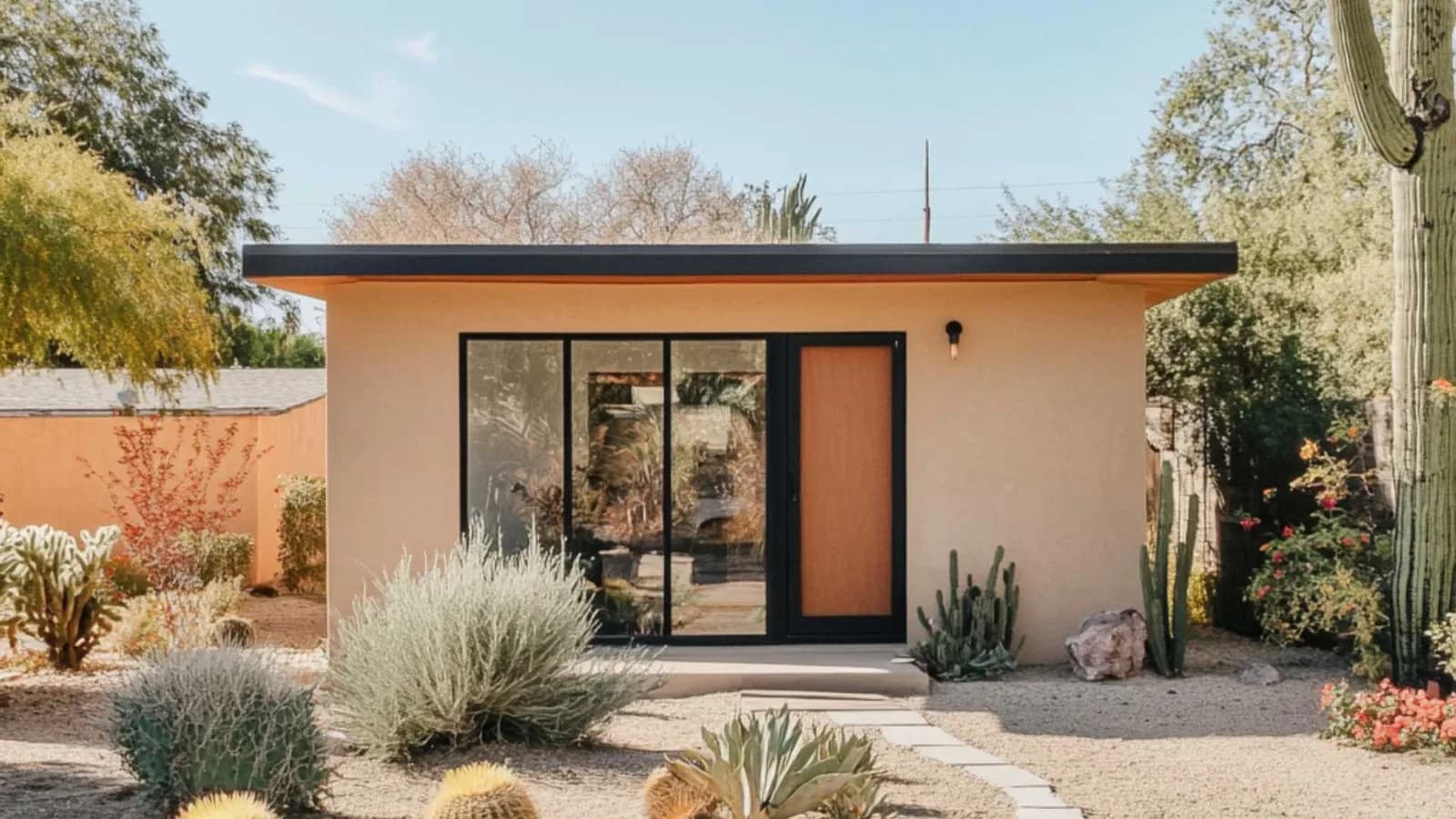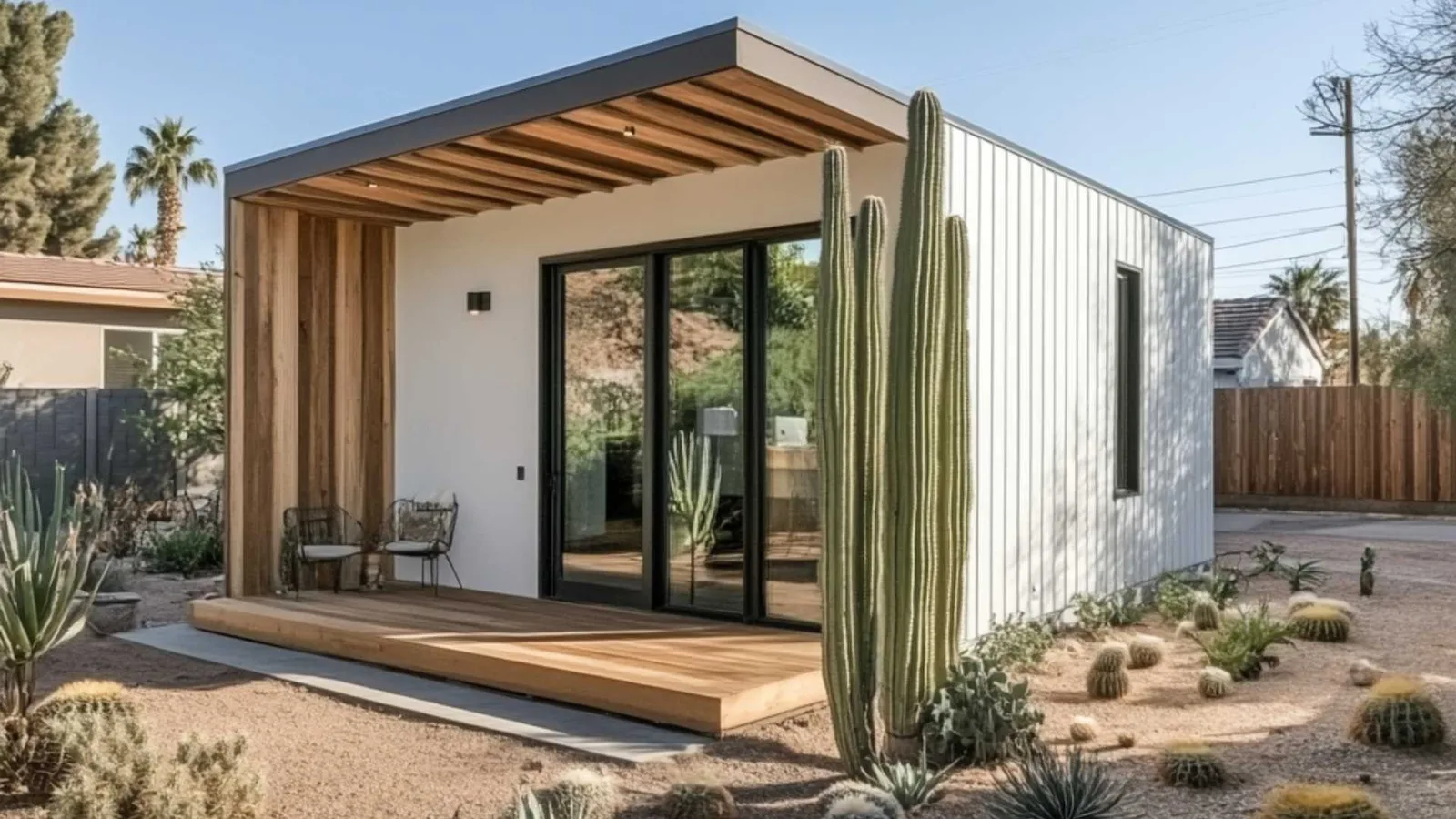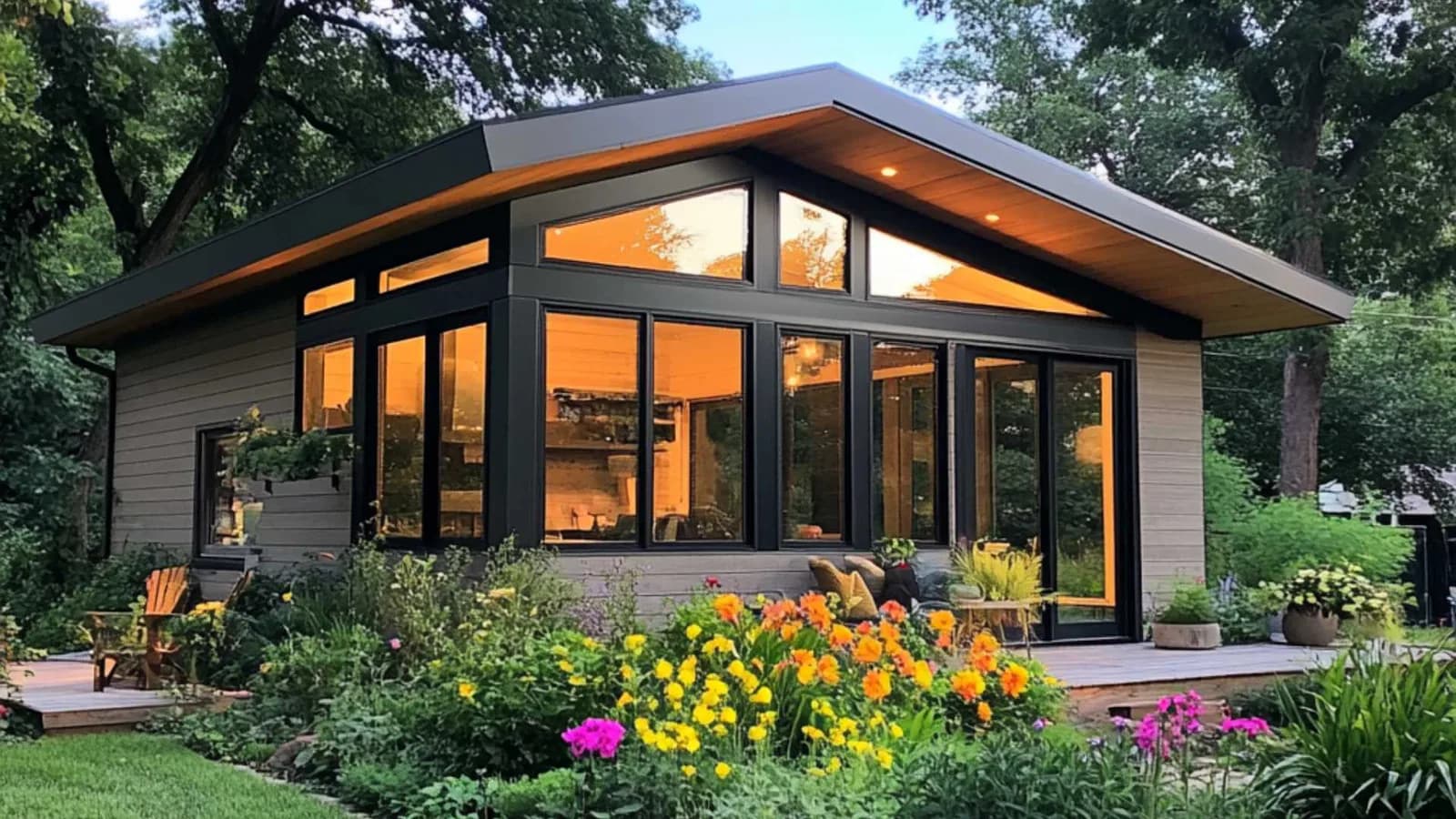
Your 500 sq ft ADU, From Design to Permit.
Stop the permit headaches and endless architect meetings. Choose a beautiful, permit-ready 500 sq ft ADU plan — see typical 500 sq ft ADU cost ranges below — and let our experts get it approved by your city.
The Challenge
Building an ADU is More Complicated Than It Looks.
Confusing Permit Rules
Navigating zoning, setbacks, and building codes is a full-time job. One small mistake on your application can set you back months.
Expensive Custom Plans
Hiring an architect for a custom design costs a fortune and can take months just to get a first draft, with no guarantee it will be easy to permit or build.
Uncertain Timelines
You’re left in the dark, waiting for city feedback, architect revisions, and engineer approvals. Your project stretches from months to years.
Permit-Ready Package
The “Permit-Ready” ADU Package
We provide everything you need to get your 500 sq ft ADU plans approved.
Professionally Designed Plan
Your choice of one of our 3 optimized 500 sq ft ADU floor plans.
Site Plan Integration
We adapt the plan to your specific property, showing setbacks, utility connections, and access.
Full Construction Blueprint Set
Complete, builder-ready drawings including floor plans, elevations, electrical, plumbing, and structural details.
Engaging Consultants
When your city requires a special inspection or a survey, we get vetted professionals to work on your project.
Done-for-You Permit Submittal
Our experts prepare and submit the entire permit package to your local building department.
City Revisions & Communication
We handle all the back-and-forth with the city, managing comments and revisions until your plan is approved.
Smart, Minimalistic, Efficient.
ADU Floor Plans 500 sq ft can become a living place for older parents, a pad for an adult kid, a combo of a guest house and home office. It can be built wheelchair accessible. With the height limit of an ADU, we can easily provide a loft for storage space.
Living in a tiny space the size of a typical two-car garage may present unique challenges, but it also offers opportunities to cultivate a more mindful, sustainable, and intentional lifestyle. By embracing the benefits of small-space living and implementing these strategies, you can transform your 500 sq ft small home into a functional, stylish, and inviting home.
Remember, the key to maximizing a small space is to focus on clever storage solutions, multifunctional furniture, strategic organization, and design choices that create the illusion of a larger area. With some creativity and a positive mindset, your compact living quarters become a comfortable, efficient, and visually appealing sanctuary that reflects your style and meets your daily needs.
Ultimately, the number of square feet does not define your quality of life. By prioritizing what truly matters, decluttering your possessions, and making the most of every inch, you can create a living environment that suits your lifestyle. Embrace the cozy charm of your small space, and let it inspire you to live a more intentional and fulfilling life.
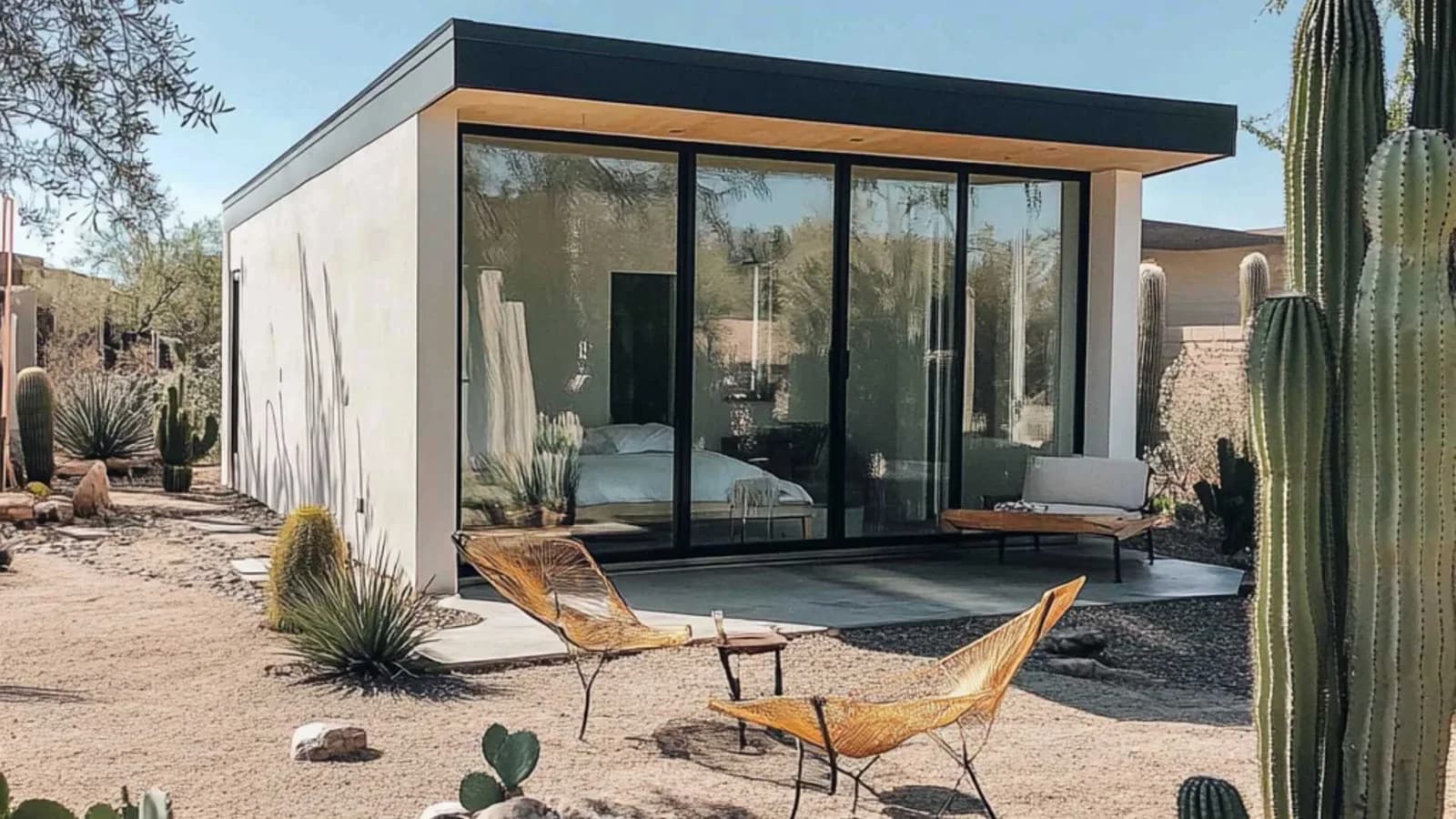
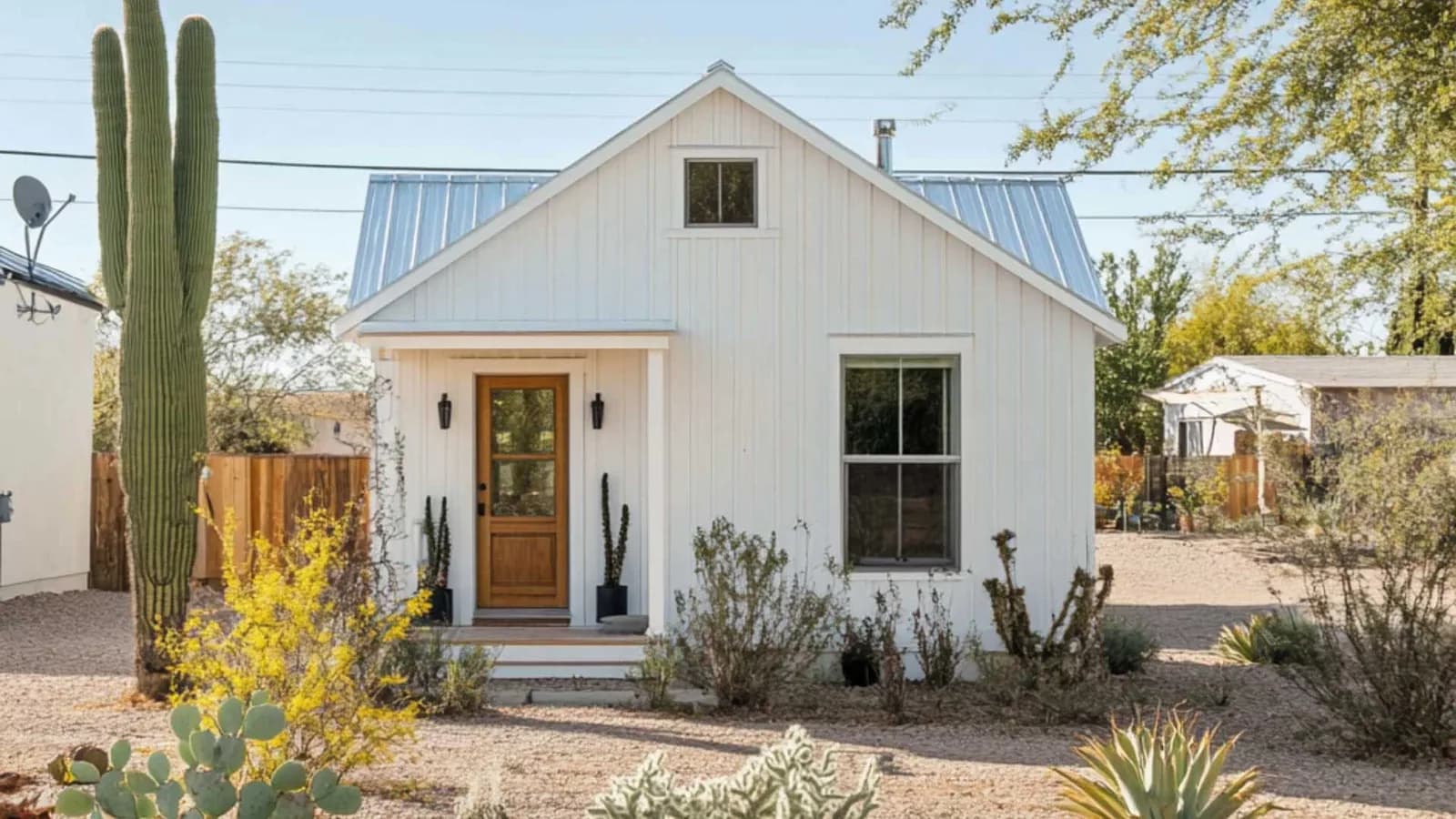
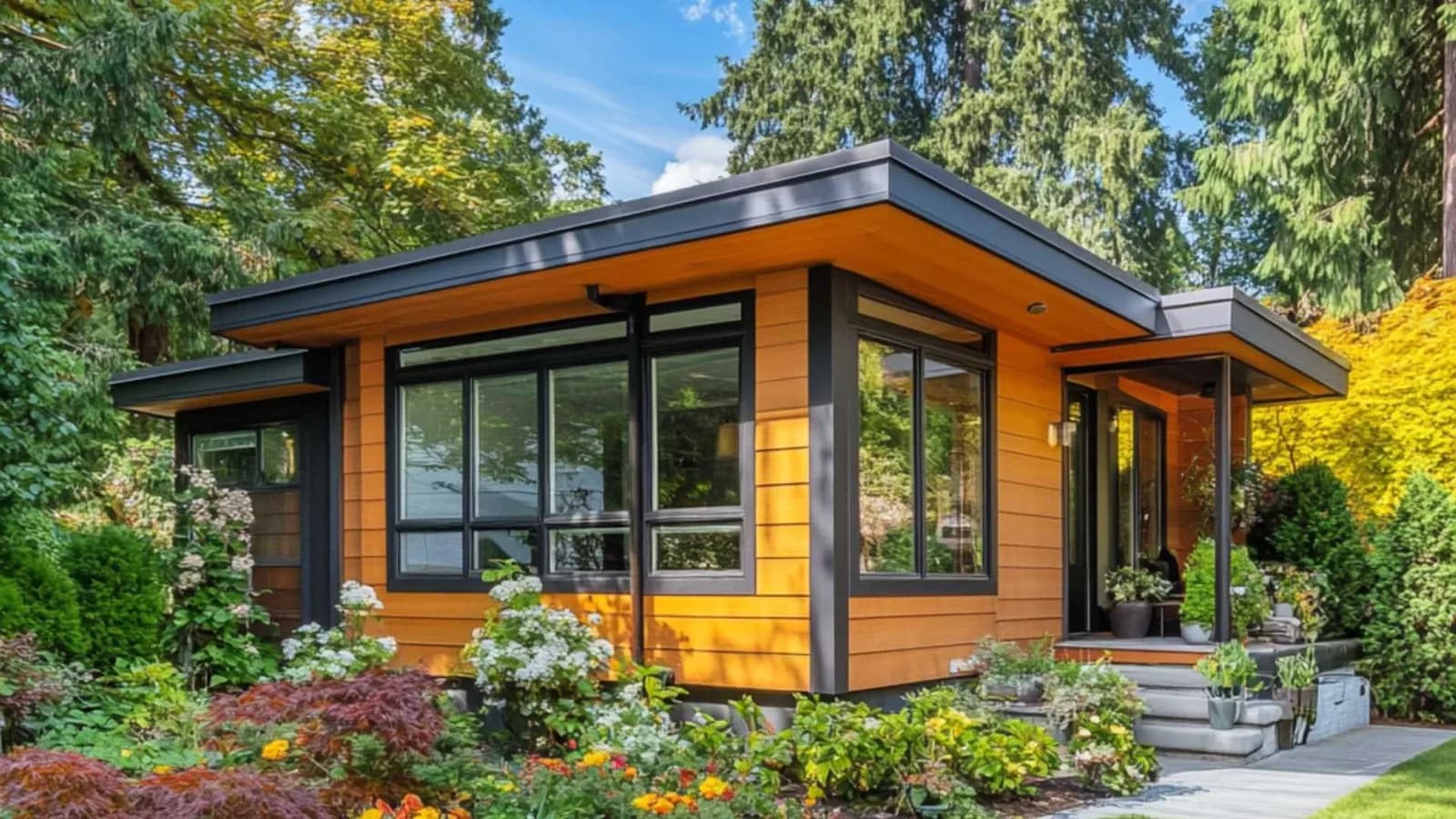
How big is 500 sq. feet?
Is it a big studio? Or a tiny house? A 500-square-foot space is roughly the size of a large studio apartment or a small one-bedroom apartment. Picture an area about 25 feet by 20 feet for the basic dimensions of a 500-square-foot space. A two-car garage is often around 600 square feet, so a 500-square-foot apartment would be a little smaller than a standard two-car garage. This space could comfortably fit essential furniture like a bed, a small sofa, a dining table, and some storage. Still, you’d need to use space-saving techniques and multifunctional pieces to keep it uncluttered and functional.
Living in 500 sq feet has a certain appeal, from lower expenses to a simplified lifestyle. Many people find it doable, especially with efficient layouts and space-saving furniture, but opinions vary based on lifestyle. Common advice includes decluttering and adopting a minimalist approach to avoid feeling cramped. Many recommend investing in multifunctional furniture—like foldable tables, Murphy beds, and storage ottomans—and maximizing vertical space with floor-to-ceiling cabinets, shelves, and hooks. Some mention that 500 square feet work well for a single person but can feel tight for couples or people who work from home.
A 500-square-foot space feels cozy and compact, similar in size to a large hotel room. Imagine an open-plan area that can accommodate the essentials: a bed, a small sofa, a dining nook, and a compact kitchen. It’s roomy enough for day-to-day living but requires intentional furniture choices and layout to keep it functional. The limited floor area emphasizes vertical space for storage and a light, airy color palette. While it may feel tight for more than one person, the right design can make it feel both efficient and welcoming.
In fact, open floor plans, which typically involve a large, open space without many walls or doors, help offset the small space feel. This design concept can make a 500-square-foot studio feel more spacious and less confining.
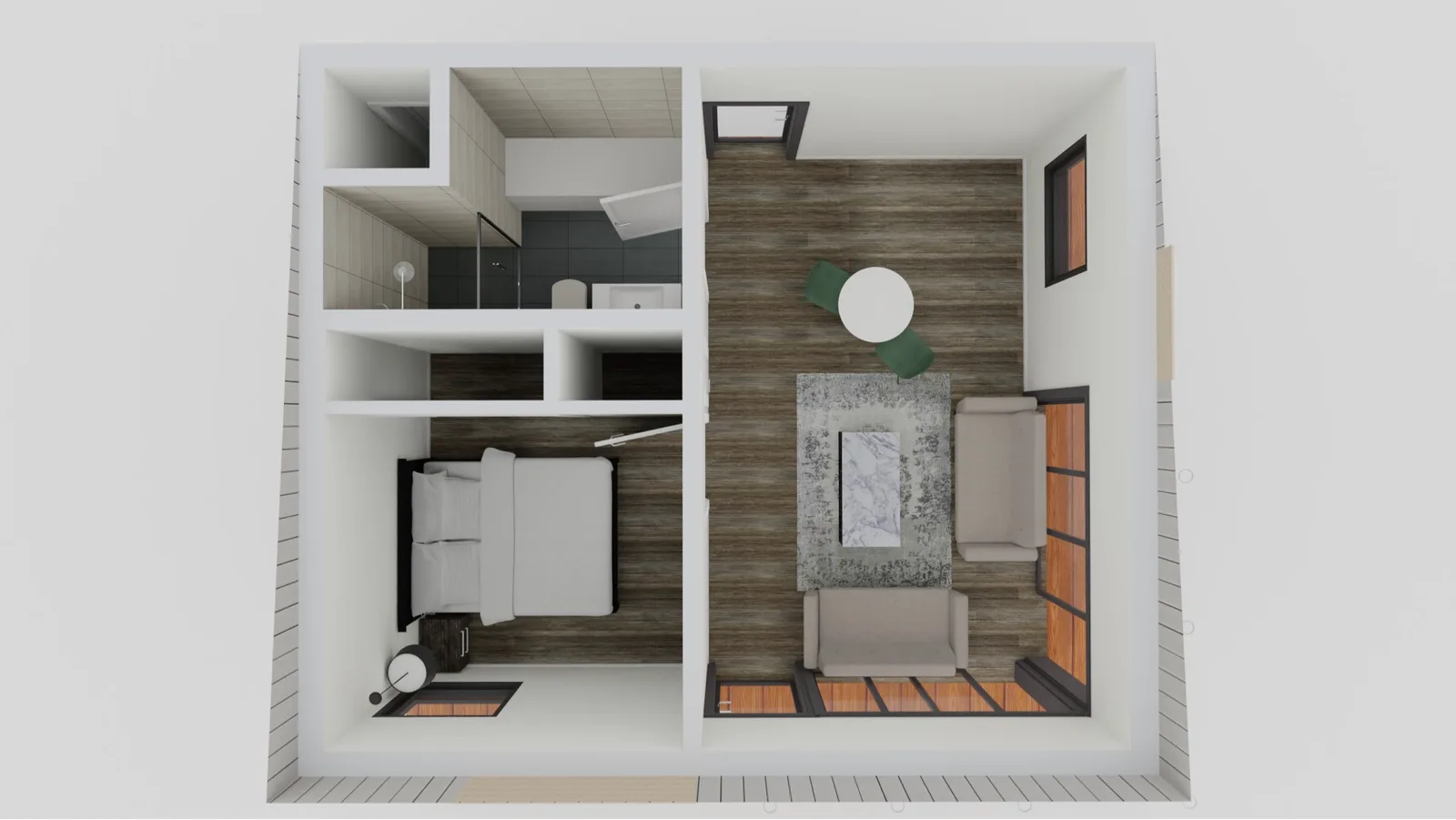
ADU Floor Plans 500 sq ft - example
Design-ready Prefab 500 sq ft ADU
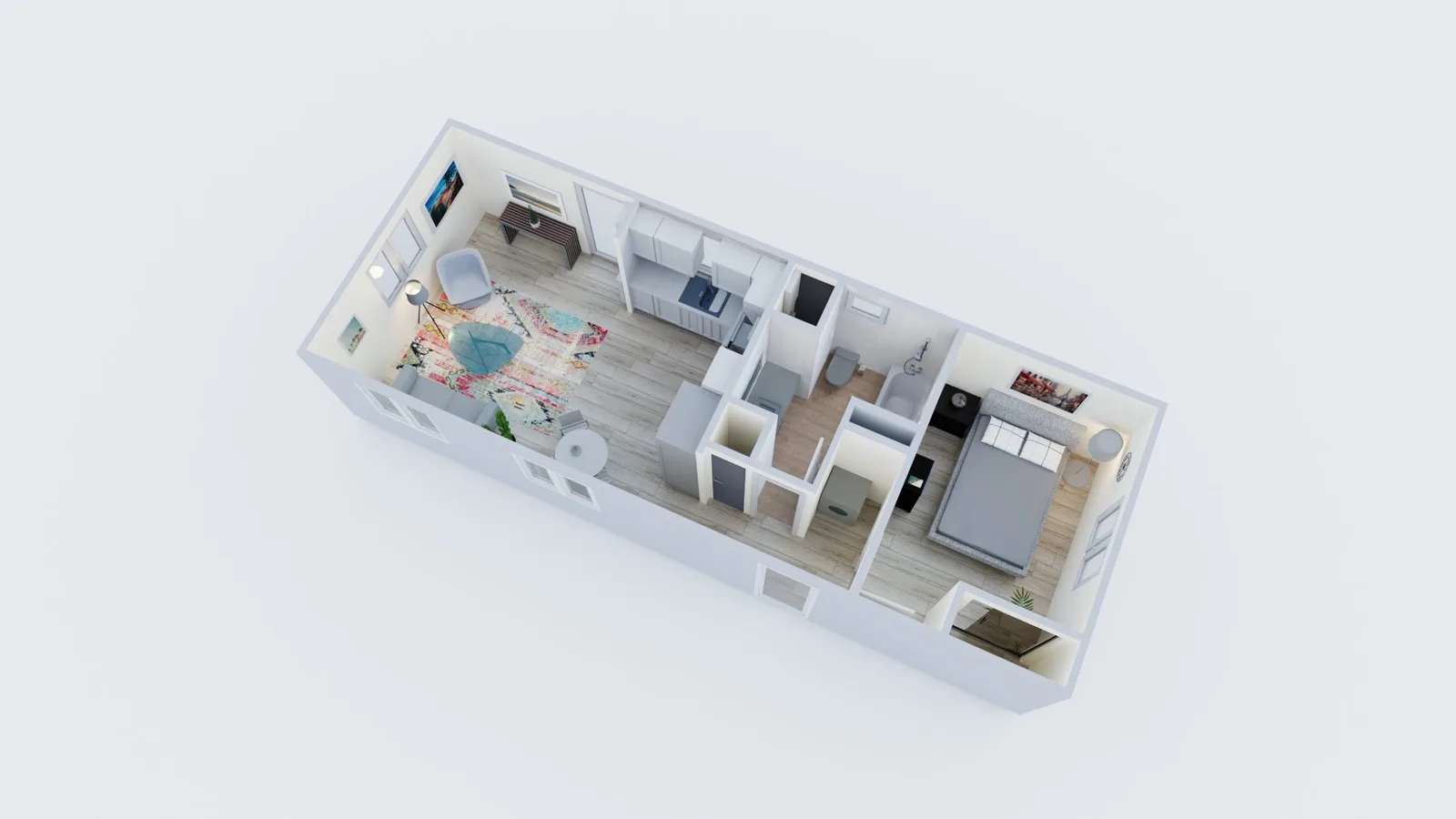
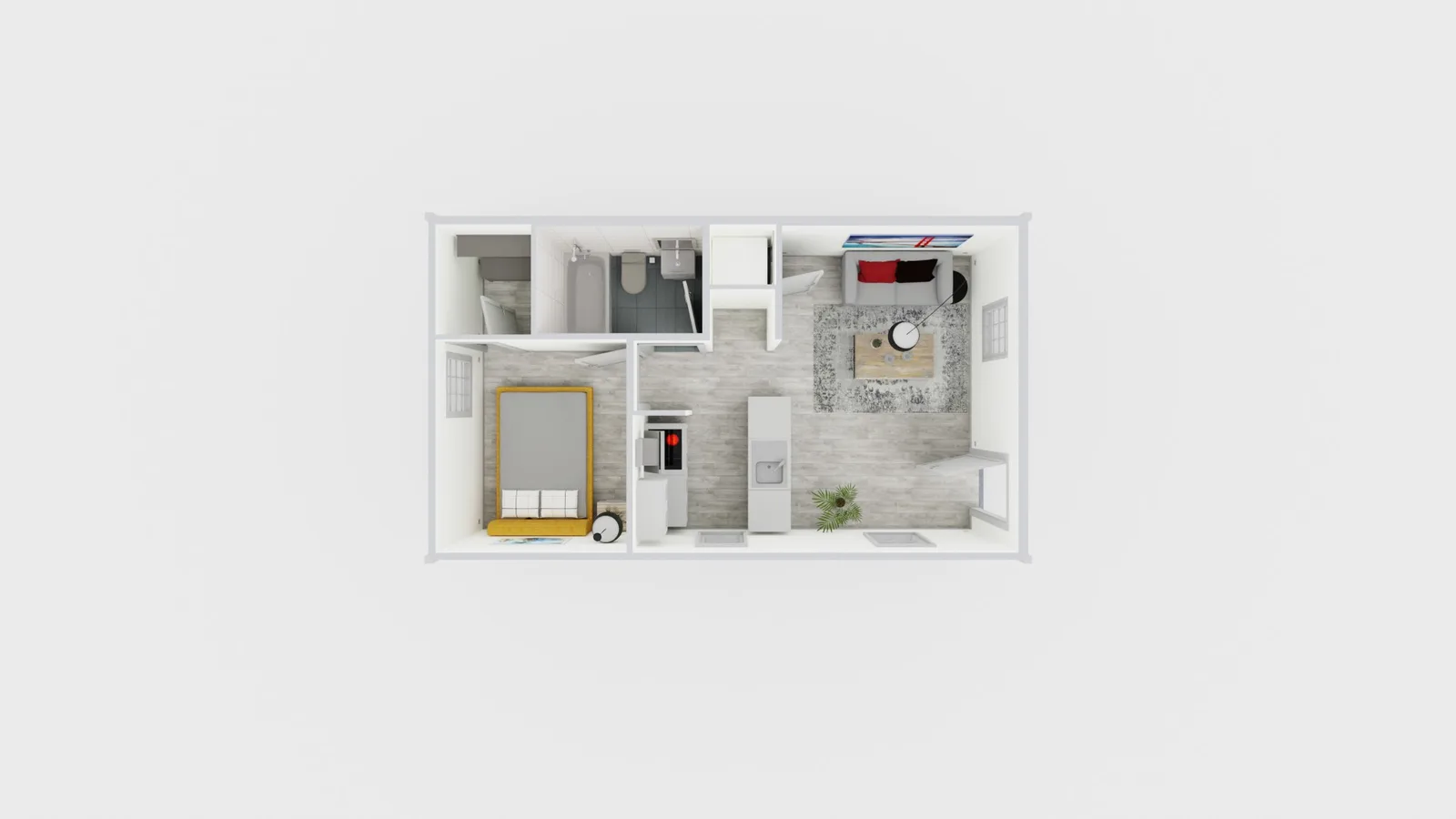
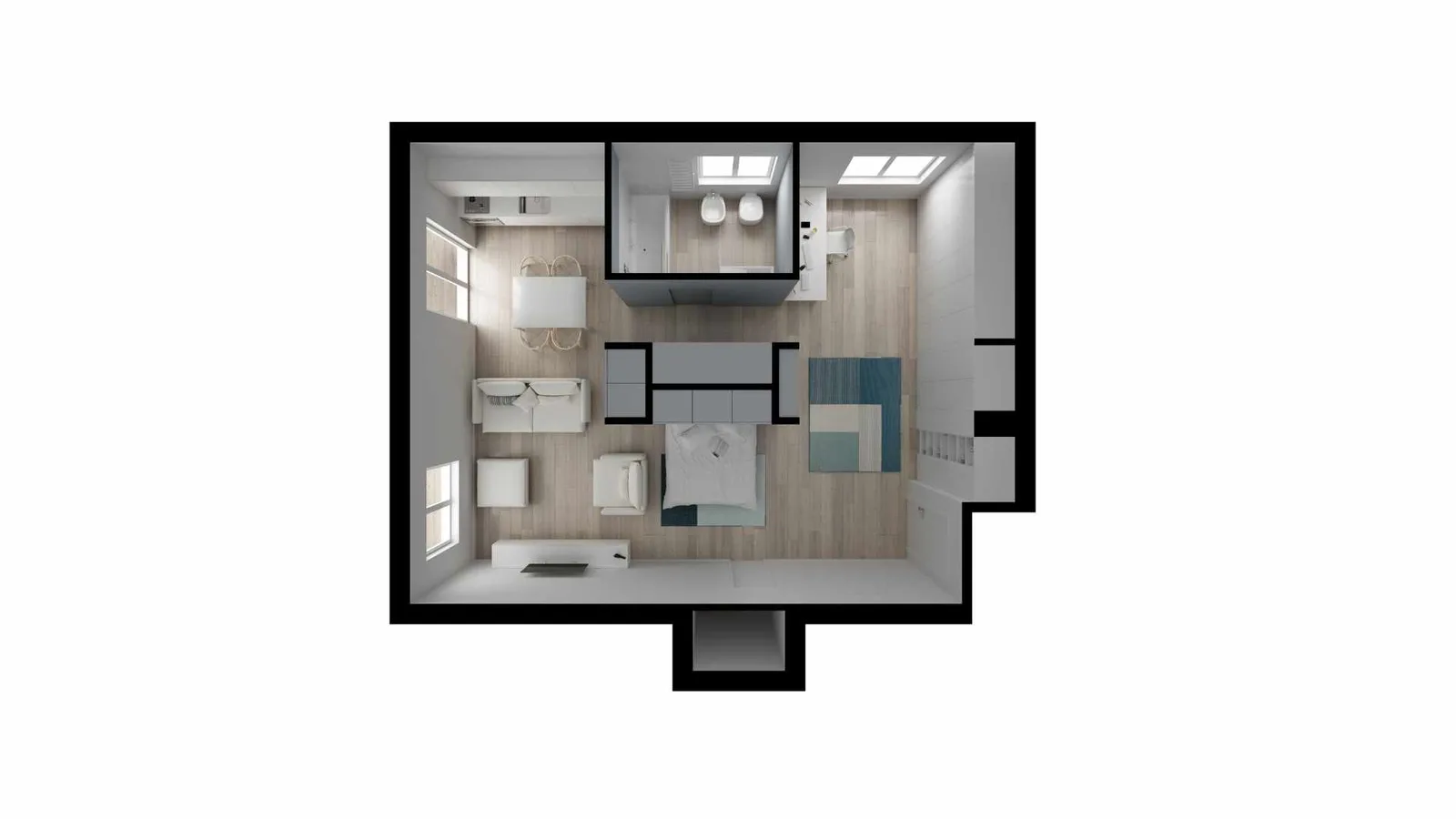
This 500 sq feet small home is an affair between intimate and contemporary. It houses a living room, bedroom, and bathroom, with plenty of room for storage. This floor plan image is missing a kitchen/kitchenette—though essential appliances will be placed in the vacant corner of the living space.
Living Room
The living room takes the prize in this layout. The sofa sets are placed next to massive paneled windows—giving soaring views of the outdoors. Sitting here would be equivalent to enjoying Mother Nature outdoors! Imagine sipping on hot cocoa as you see the sun set behind the summer skyline… or snowflakes drifting down during winter. Perfect for elderly parents seeking a peaceful retreat!
Bedroom and Bathroom
The bedroom creates a cozy vibe with its dark wood flooring and small window. It has enough room for a bed as well as some empty space that can be used for storage. Finally, the bathroom has a shower cubicle, toilet, and vanity amidst a light-and-dark color palette.
You can check how this ADU floor plan of 500 sq feet will look in your backyard with our ADU Viewer (on your iPhone or iPad). In augmented reality. Right in your backyard. Anywhere in US.
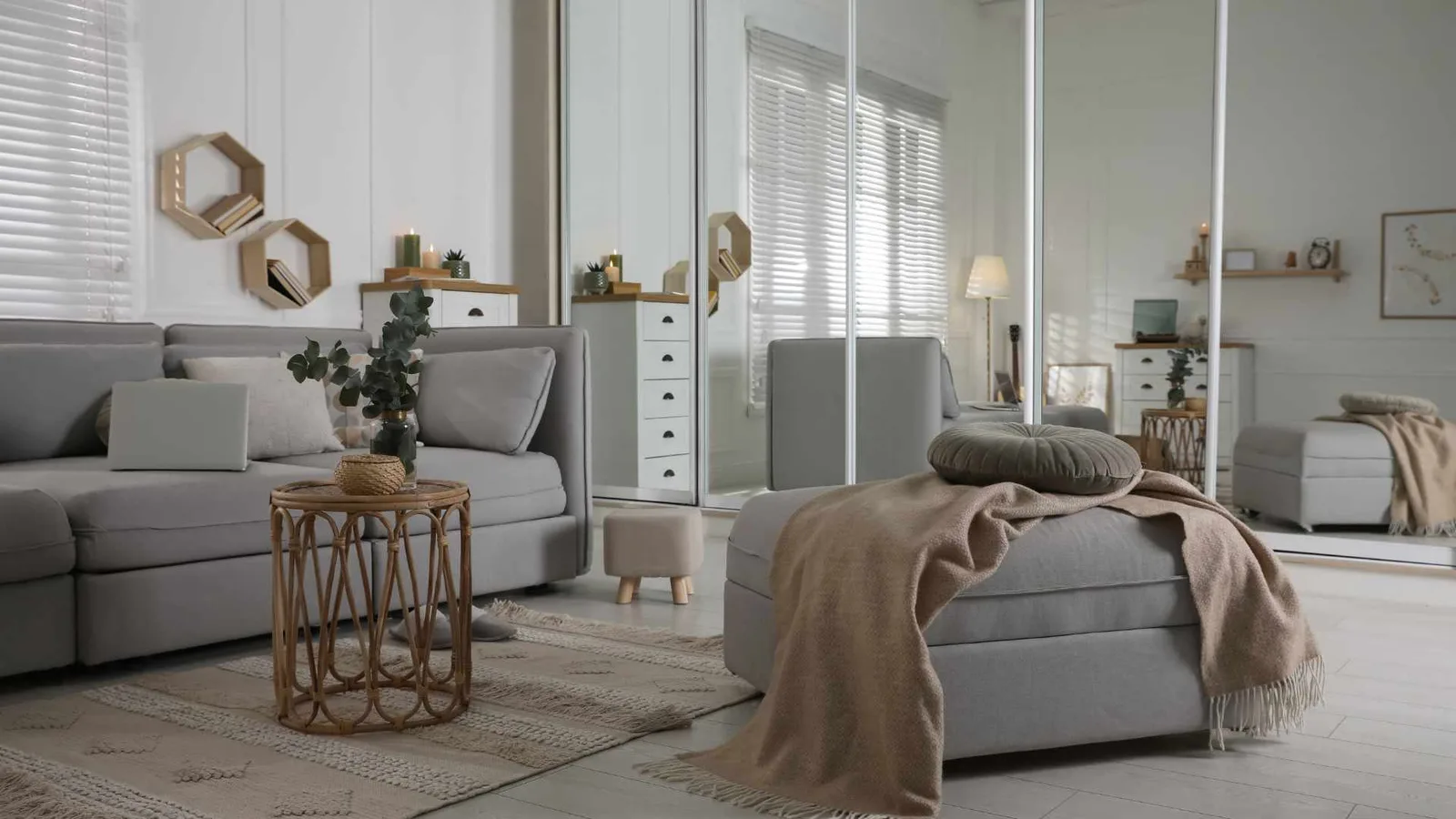
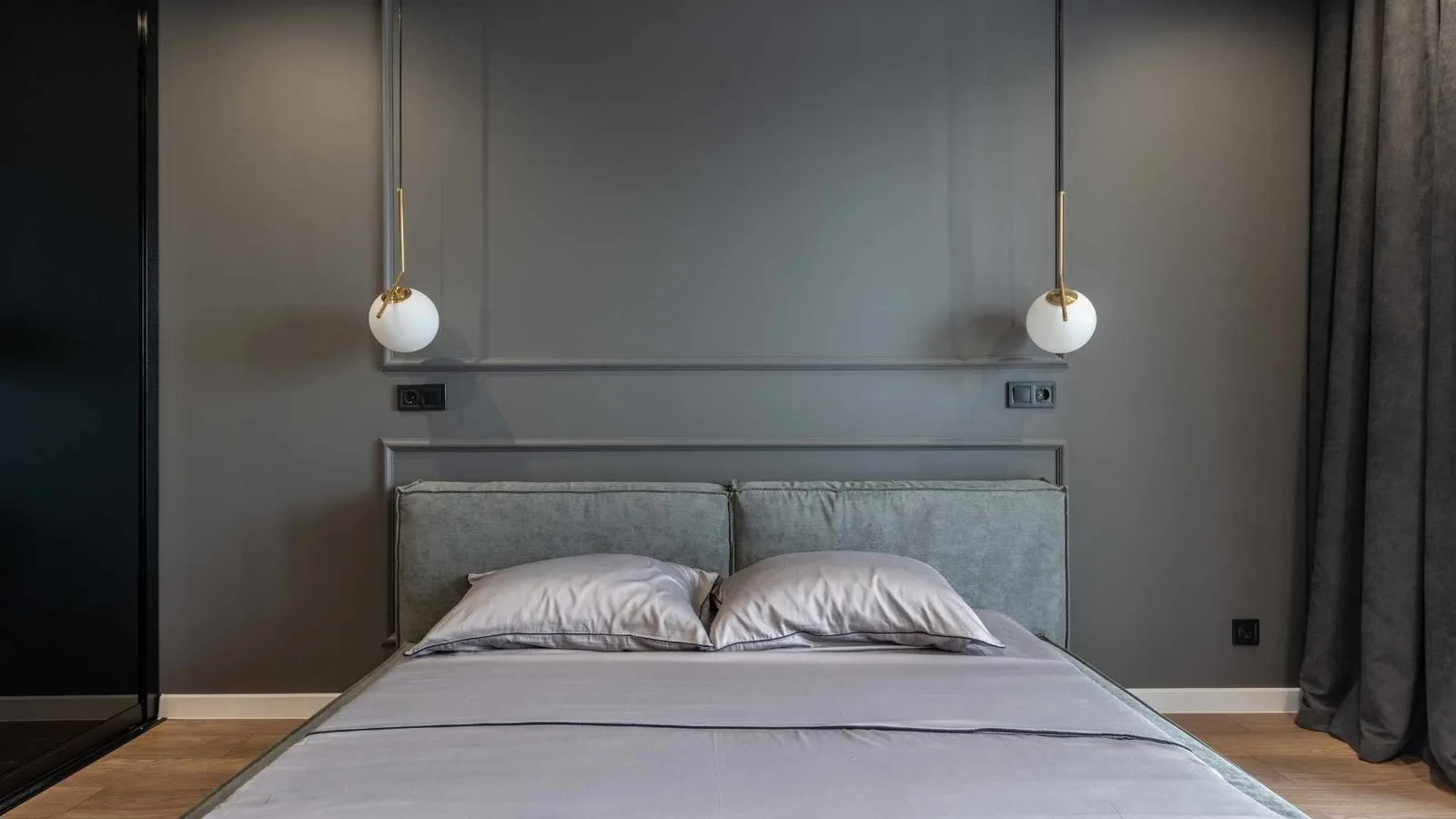
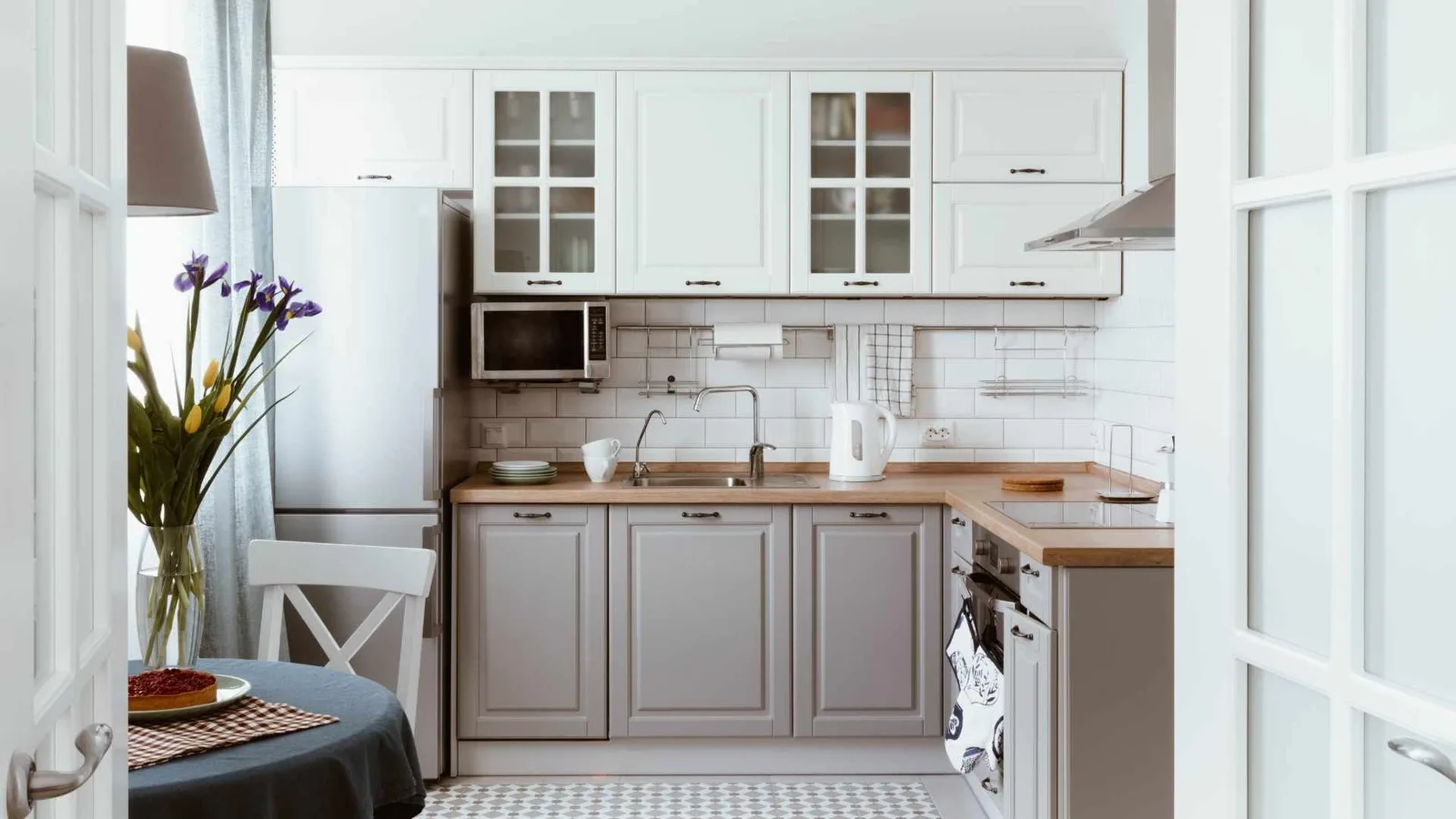
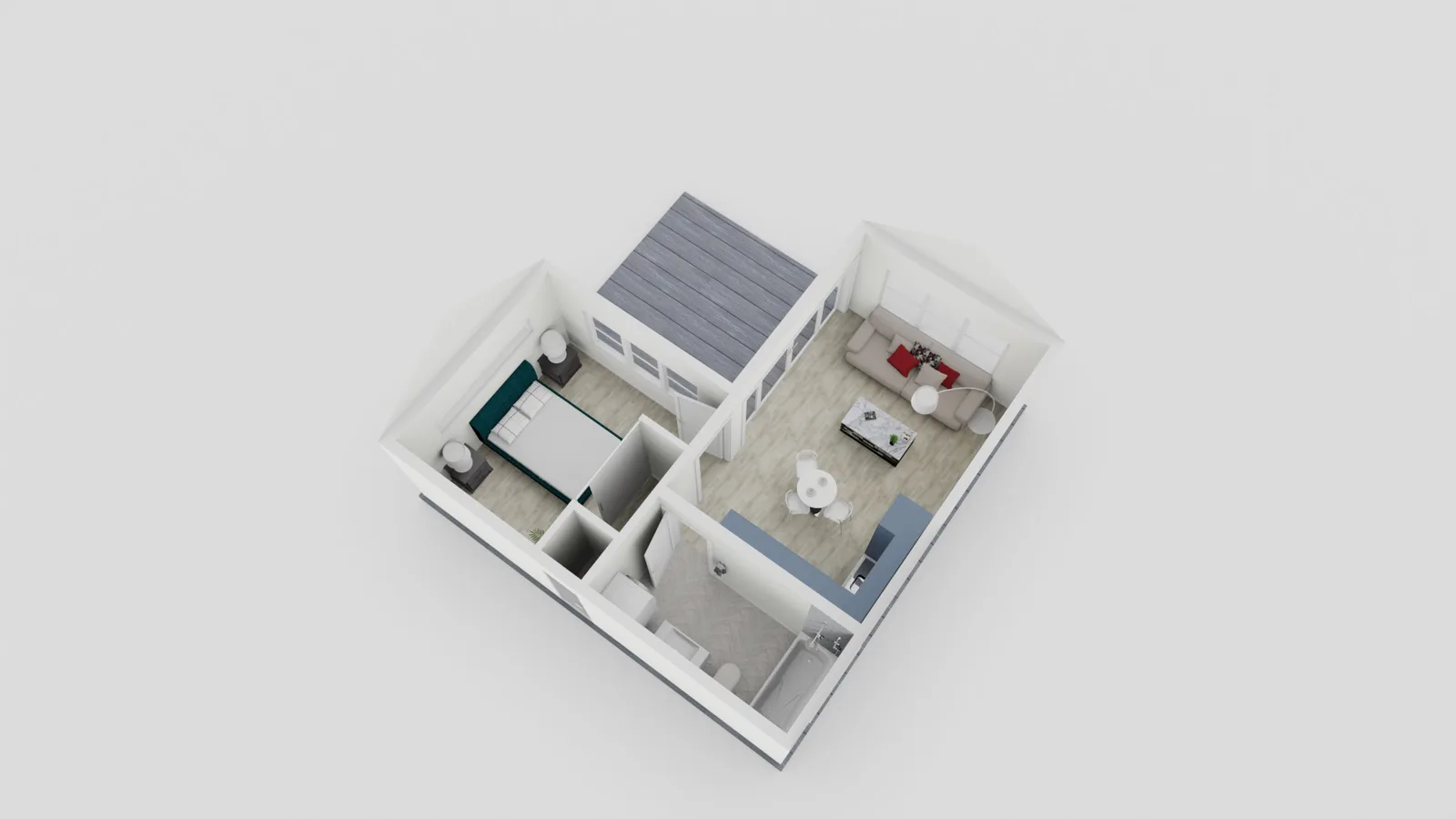
ADU Floor Plans 500 sq ft - example
Permit-ready ADU Floor Plan
Yes, we have permitted and had it built before. You can check how this ADU floor plan of 500 sq ft will look in your backyard with our ADU Viewer (on your iPhone or iPad). In augmented reality. Right in your backyard. Anywhere in US.
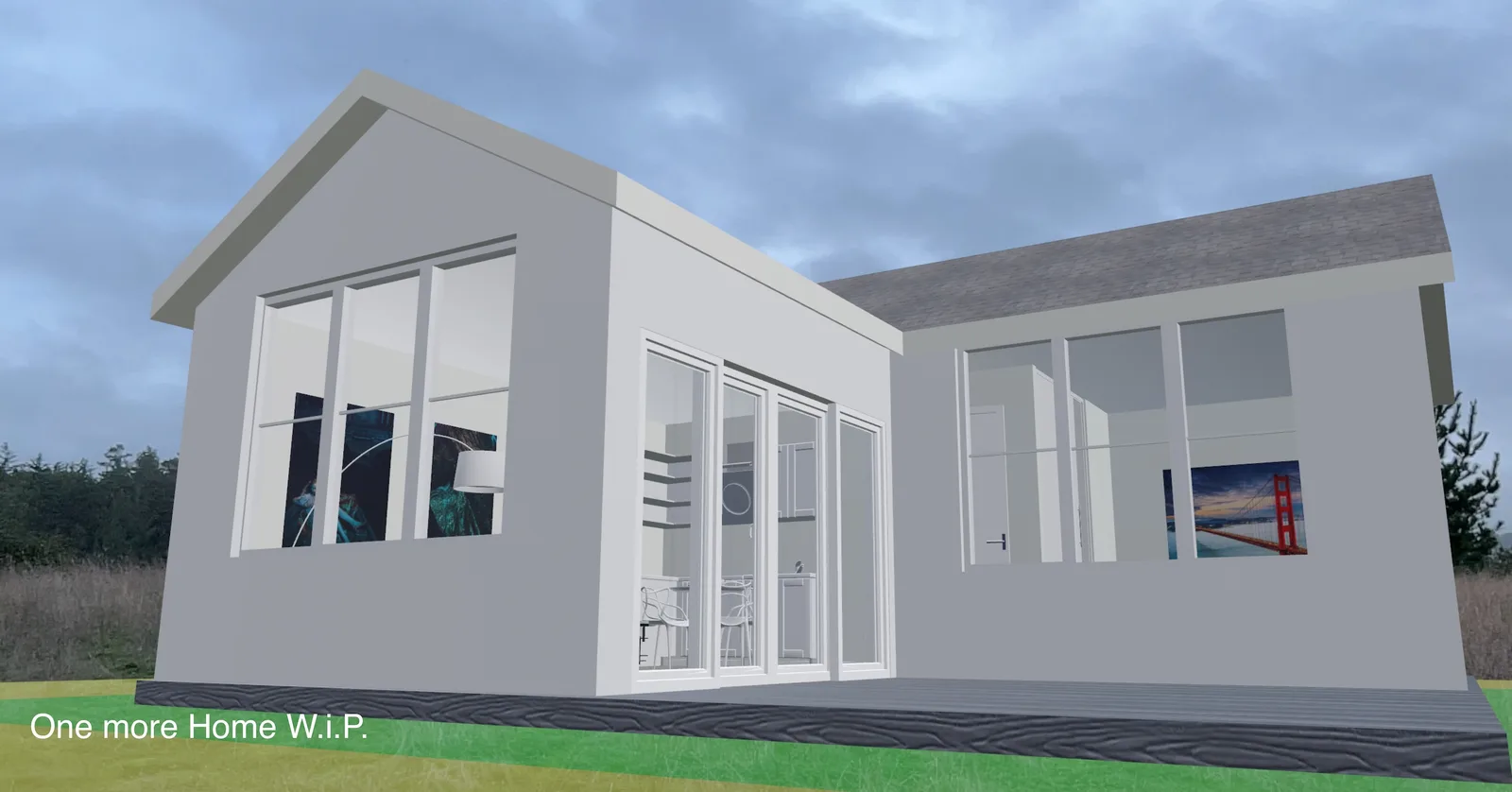
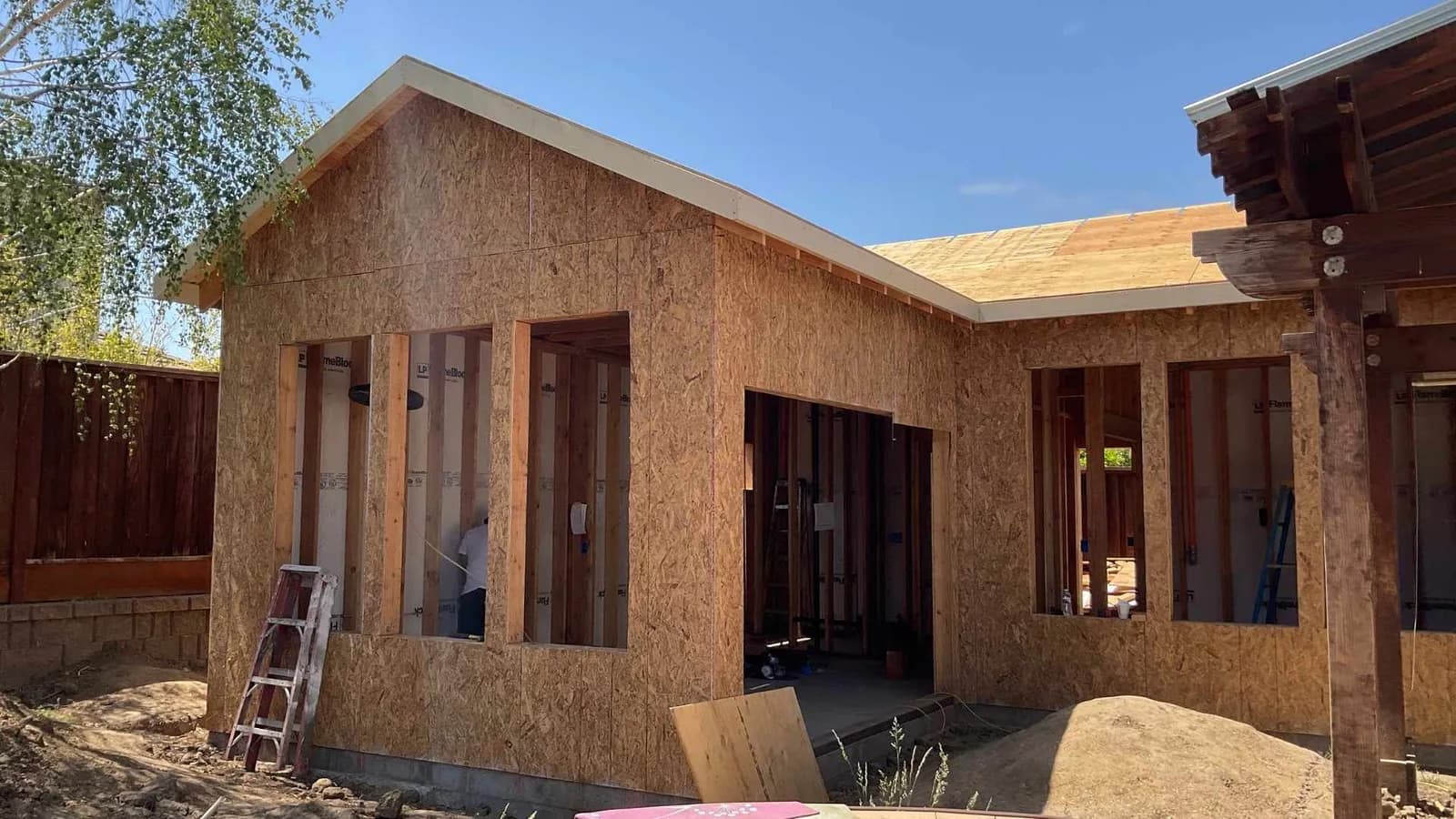
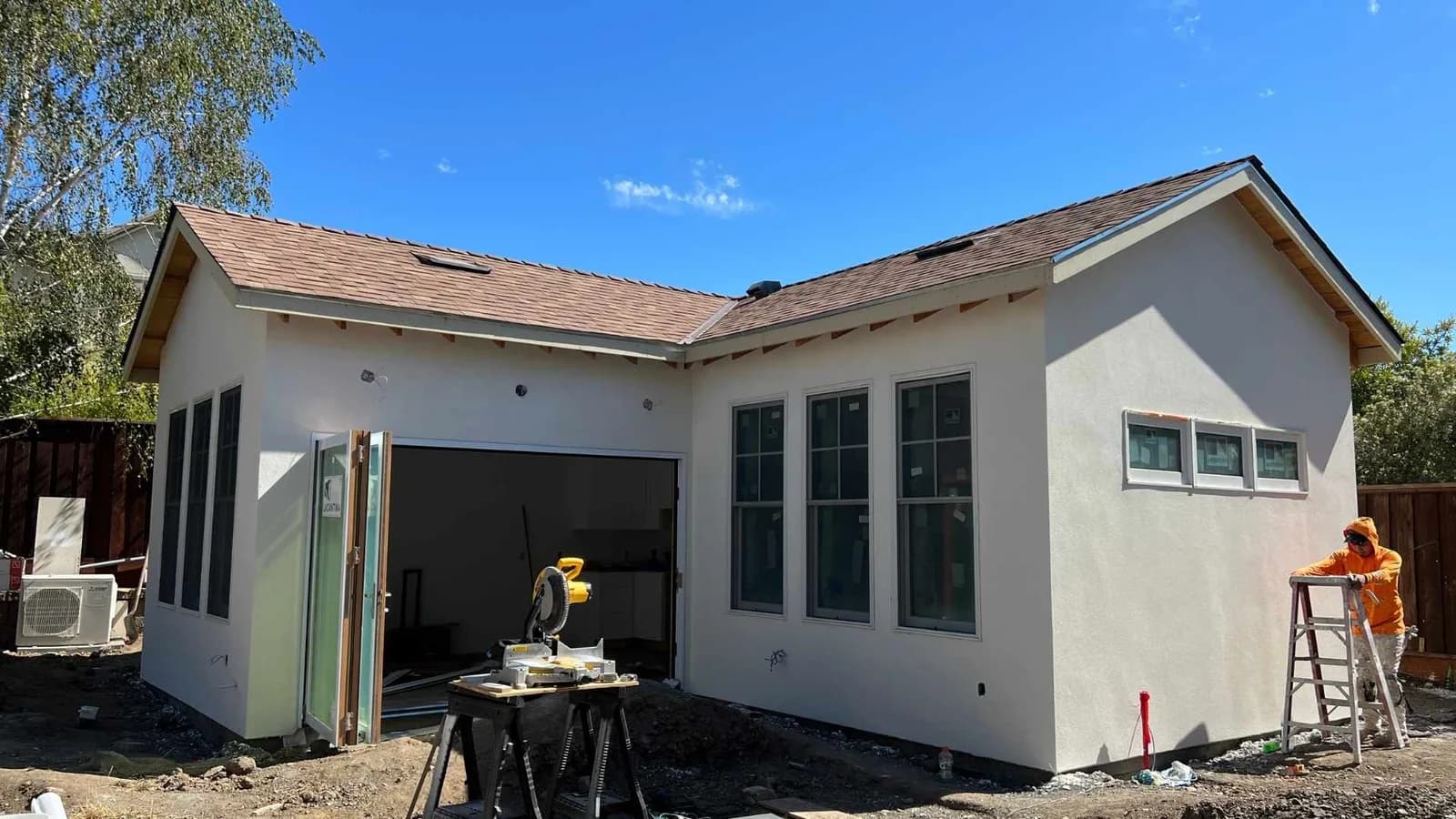
Modern. Durable. Low Emissions. Healthy. Comfortable. Money-saving. Carefree maintenance.
What Is Included in This 500 Square Feet House Plan
Living Area
- Open space living/dining/kitchen with natural lighting
- Dual-pane glass windows for lower utility bills
- Smart HVAC unit for comfort
Kitchen
- Modern frameless cabinet doors
- Quartz countertops
- All electric appliances
Bathroom
- High efficiency fan for moisture control
- Smooth wall finish for fast cleaning time
- Window for natural light
Exterior
- Solar panels for lower energy costs
- Composite low maintenance decking
- Lifetime warranty shingles
500 sq ft 1 bedroom floor plans
Other 500 sq ft ADU floor plans available
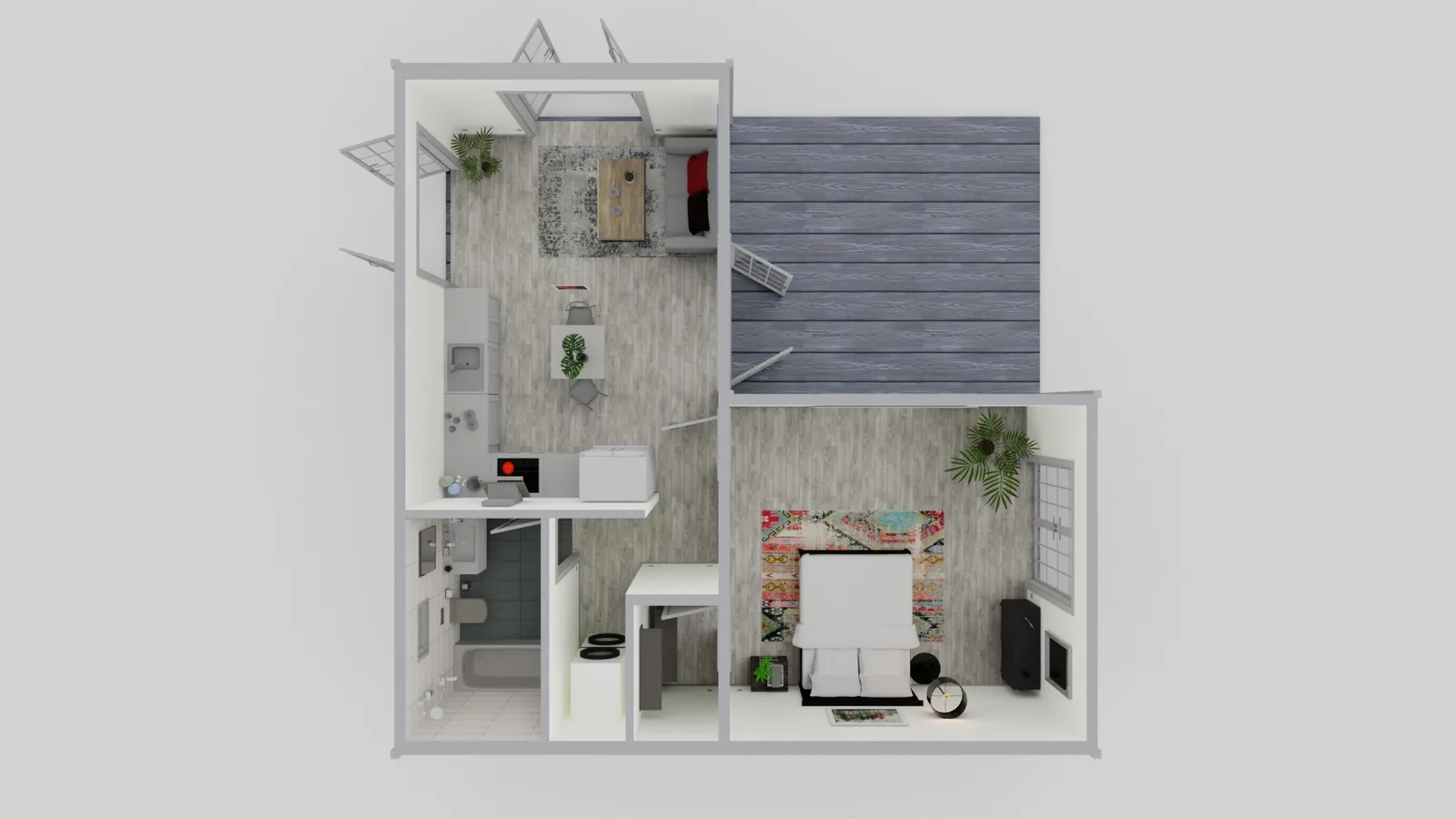
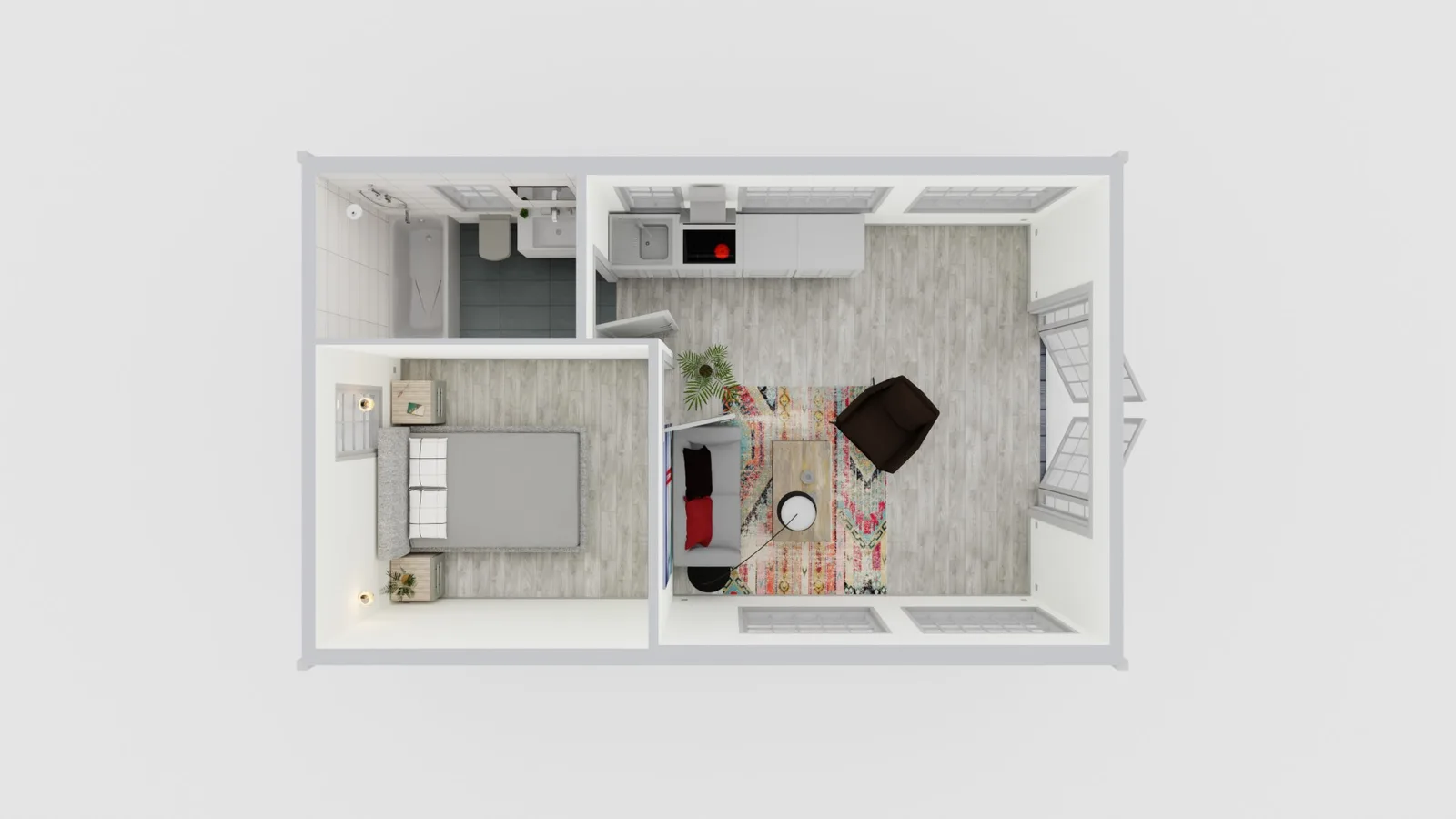
There is a number of pre-designed floor plans in our library – we have I shaped ADU, L shaped ADU and more.
ADU floor plans 500 sf include one bedroom and one bathroom, but we can adapt floor plans to your requirements if you need a bigger studio-like living space.
Every thousand dollars matters when you look at an ADU as an investment into your property. This is why we try to save you money with pre-designed plans.
We are here to help you build the right ADU for you
Schedule Your FREE Consultation Today
Why people build smaller ADUs?
The price tag for a new accessory dwelling unit often seems high. ADUs under 800 sf are allowed in the state of California by right – with a few exceptions like high fire hazard zones. Plus, ADUs under 750 sf are not subject to impact fees saving you thousand of dollars. When it comes to ADUs less than 500 square feet, they are not subject to school impact fees.
The 500 sf space can accommodate aging in place features for your aging parents or in-laws.
The pandemic has brought in a sense of insecurity in the minds of all. This is more so in the minds of the aged people. You may accommodate your aged parents or in-laws who want to have you near them in the 500 sq ft ADU floor plan.
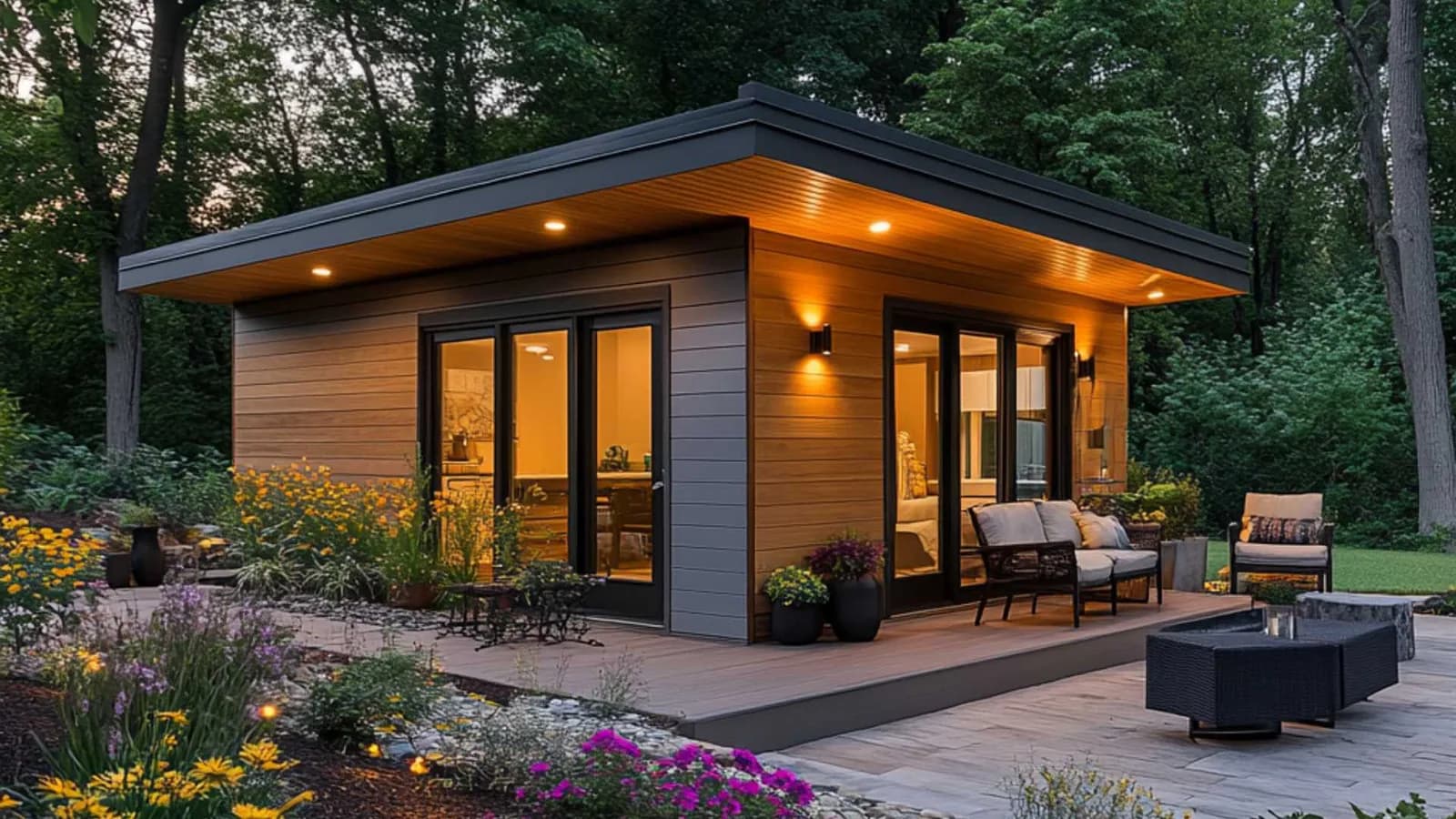
Contrary to popular belief, small spaces can offer a more sustainable and fulfilling lifestyle. One of the primary benefits of small-space living is the opportunity to declutter and minimize your possessions. When you have limited square footage, you’re forced to be more intentional about the items you keep, which can lead to a greater sense of clarity and organization in your daily life.
This minimalist lifestyle can also positively impact your mental well-being, as multiple studies have shown that living in a cluttered environment can contribute to stress and anxiety. By embracing a small living space, you’ll have the chance to cultivate a more mindful and intentional relationship with your belongings, ultimately leading to a more peaceful and harmonious life.
Additionally, small spaces often require less energy and resources to maintain, making them a more eco-friendly and cost-effective option. Heating, cooling, and cleaning a smaller space can translate to significant savings on utility bills and a reduced environmental footprint. This can be especially appealing for those looking to live more sustainably or save money on housing costs.
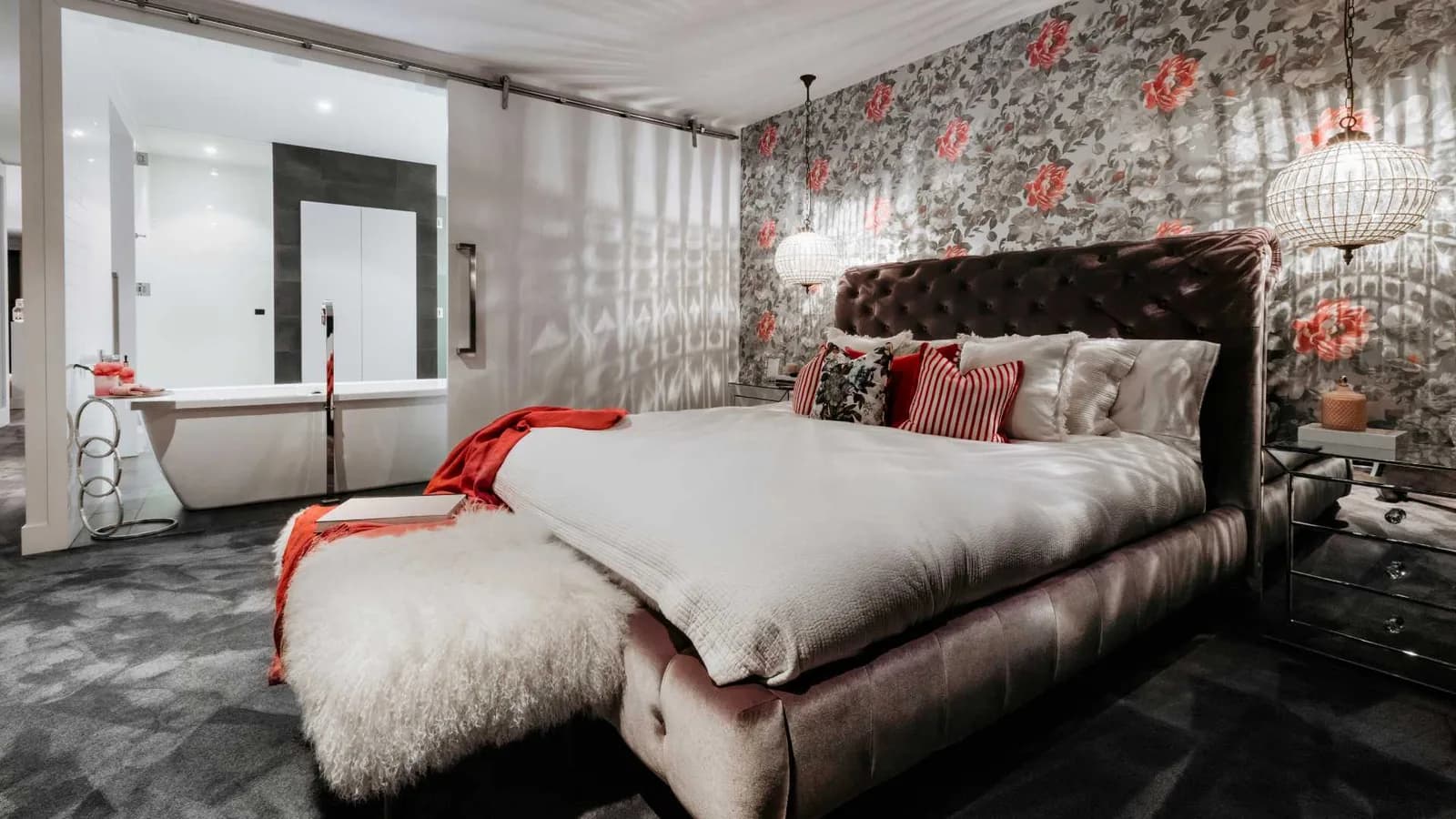
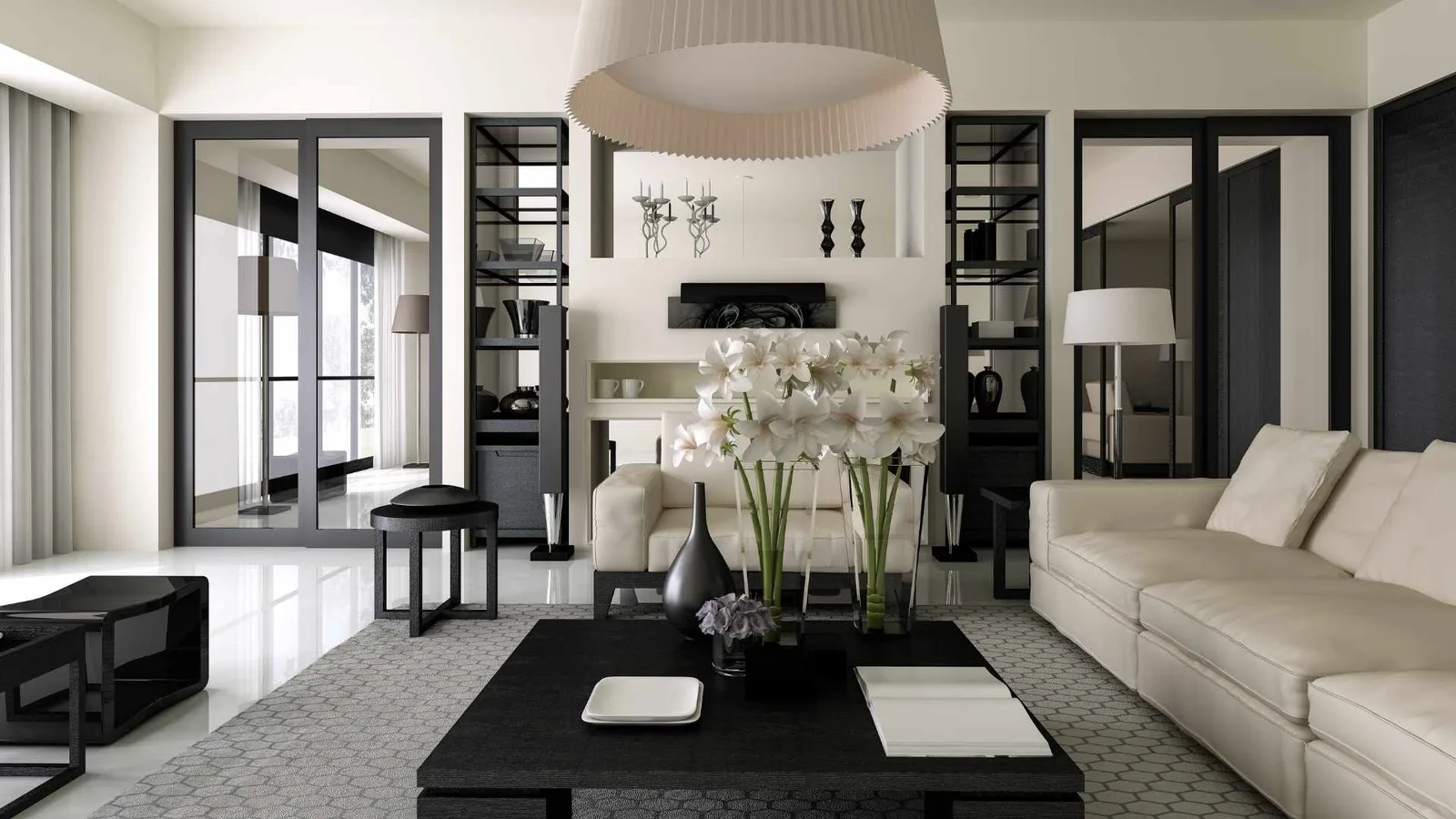
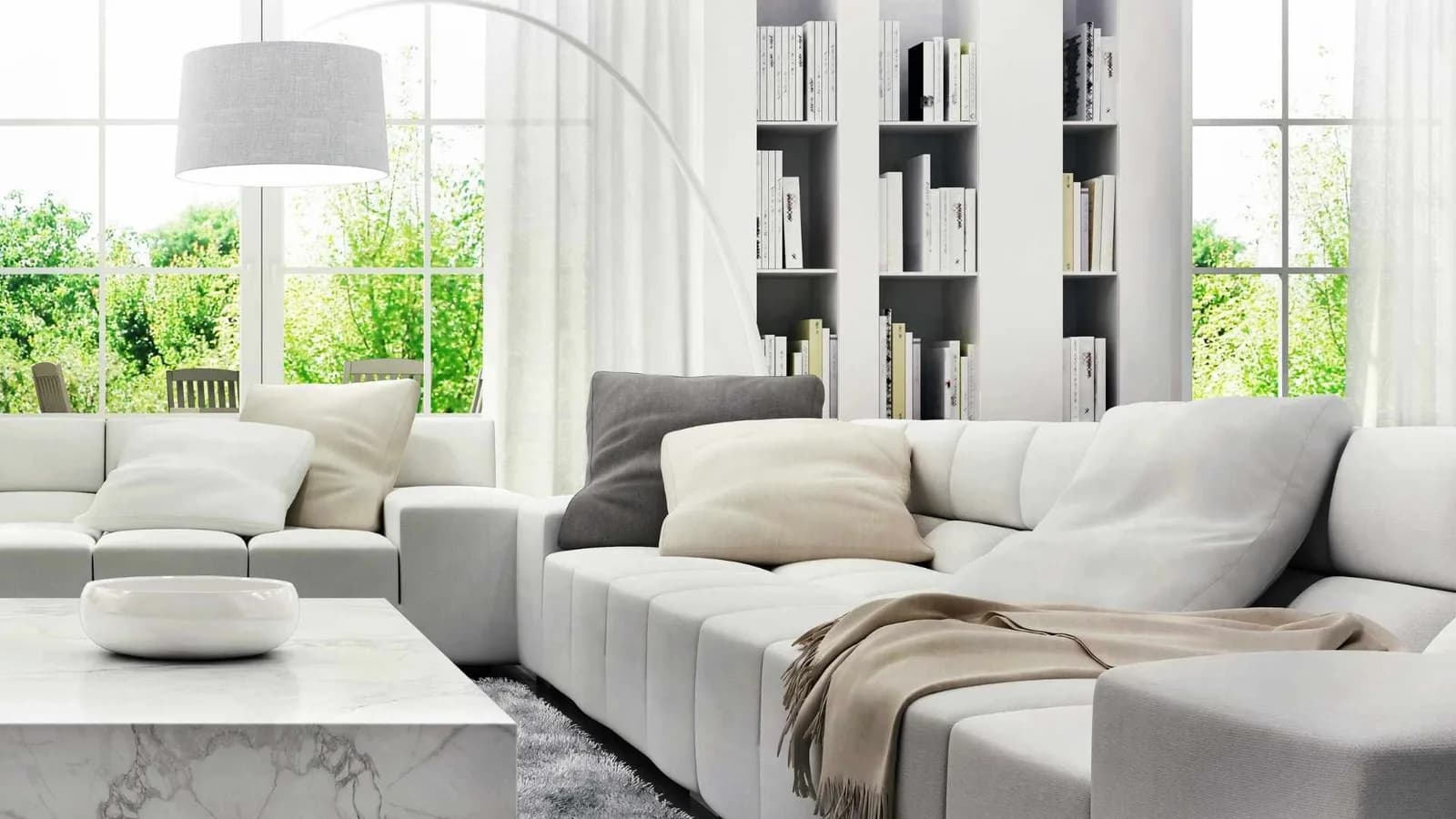
Furniture and layout tips for maximizing space
Arranging your furniture and layout in a small apartment can significantly improve the feeling of spaciousness and functionality in your living area. One key strategy is to choose furniture proportional to the size of your room, avoiding bulky or oversized pieces that can quickly overwhelm a compact space.
Instead, opt for streamlined, low-profile furniture that doesn’t visually “weigh down” the room. Pieces with exposed legs or a lighter color palette can also create the illusion of more open space. When it comes to layout, consider using a multipurpose area, such as a living room that also serves as a home office or a bedroom that doubles as a workspace.
Utilizing flexible and modular furniture, such as sectional sofas or transforming coffee tables, can help you adapt the space to your changing needs. Experiment with different furniture arrangements to find your room’s most efficient and visually appealing layout. Don’t be afraid to get creative – placing furniture at an angle or using the room’s corners can help maximize the available space.
Creative storage solutions for small spaces
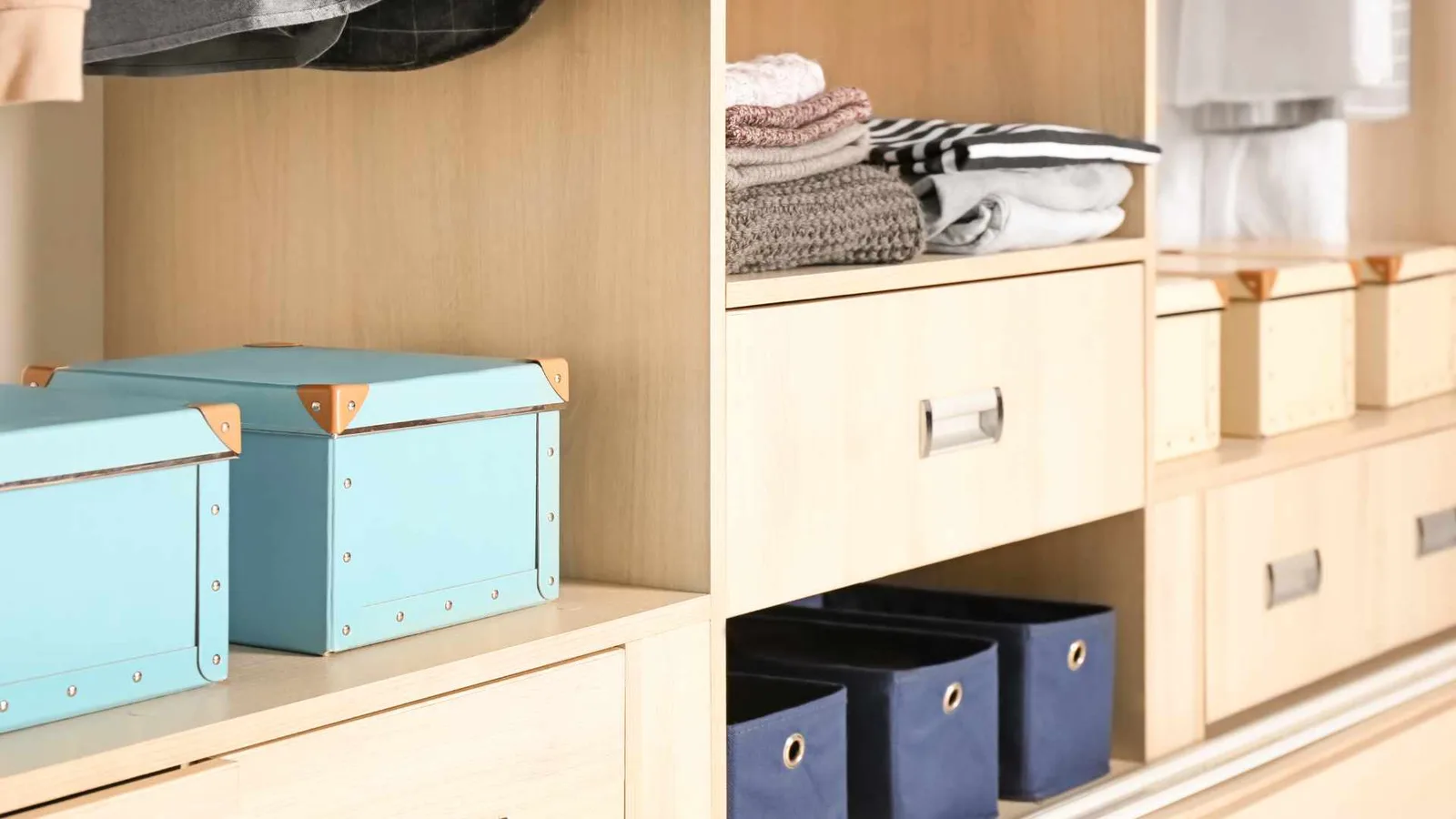
Maximizing storage space becomes a crucial challenge when living in a tiny house. However, you can transform even the most limited areas into organized and efficient storage solutions with creativity and strategic thinking. One practical approach is to utilize vertical space, often overlooked in small spaces.
Installing shelves, wall-mounted storage units, or a loft bed can help maximize your vertical real estate. These solutions provide additional storage and create the illusion of a more spacious room by drawing the eye upward. Another clever storage hack incorporates multifunctional furniture, such as ottomans, beds or coffee tables with built-in storage compartments.
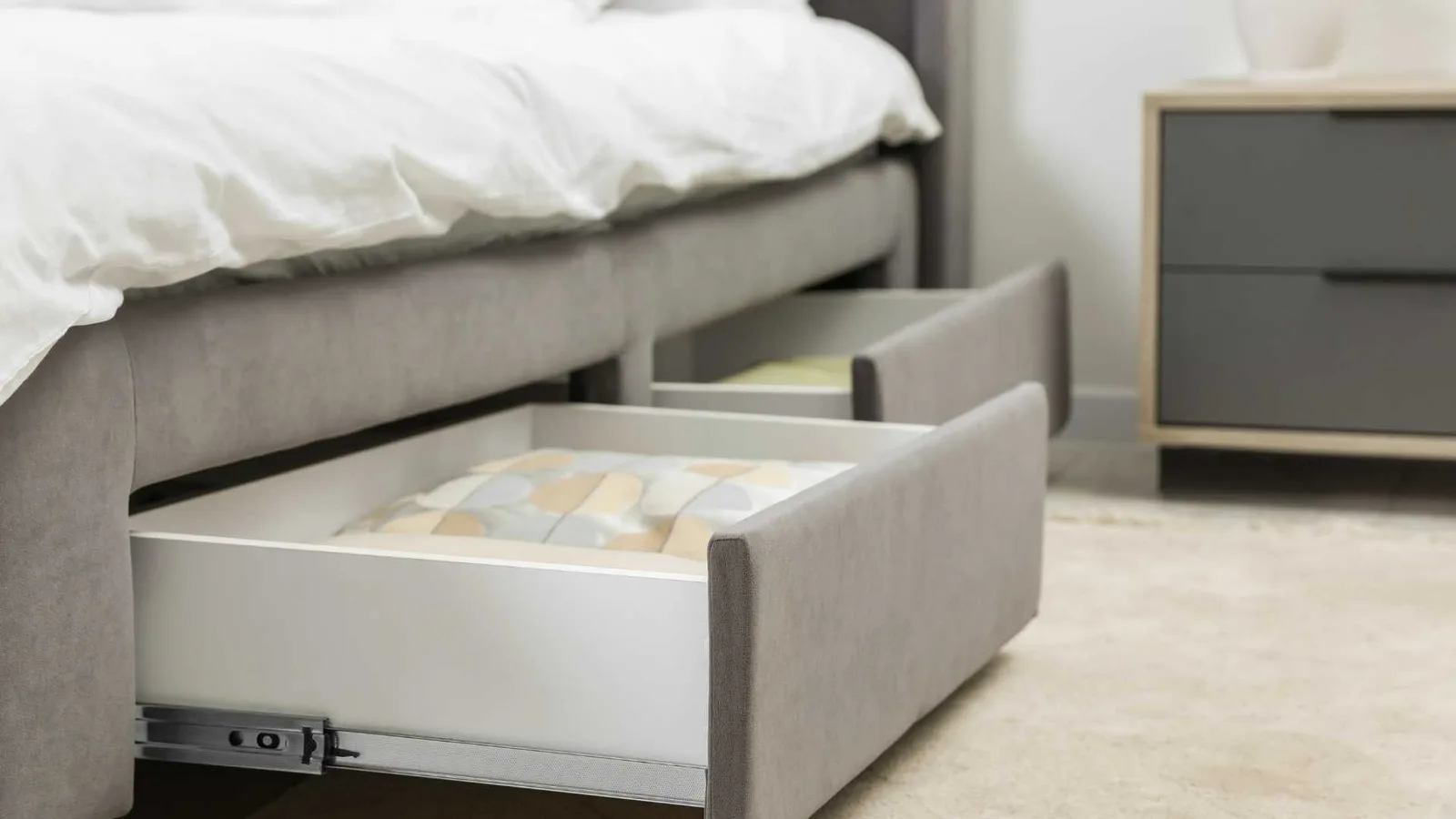
Utilizing the space under your bed is another fantastic way to maximize storage without compromising your living area. Consider beds with shelves and drawers, or use under-bed storage containers to stash away seasonal items, extra linens, or rarely used belongings. Don’t forget to explore the potential of your entryway or hallway—these often-overlooked spaces can be transformed into mini mudrooms or storage nooks with the help of wall-mounted shelves, hooks, or even a slim console table.
Decor ideas to make your small space feel bigger
While maximizing storage and functionality are essential in a small apartment, it’s also important to consider how your decor choices can create the illusion of a larger, more spacious living area. One of the most effective strategies is using light colors and reflective surfaces throughout your space.
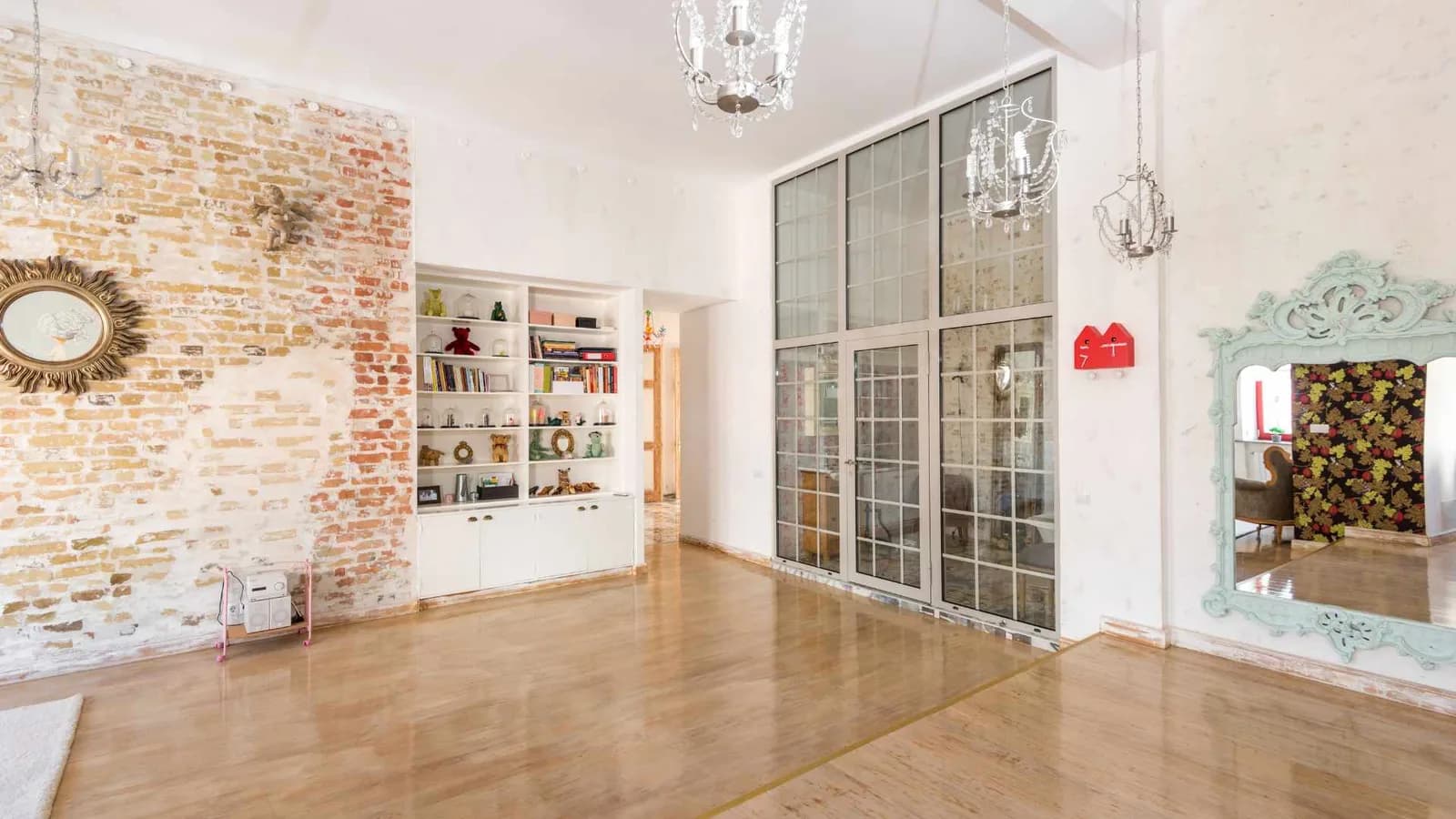
Light-colored walls, floors, and furniture can help brighten the room and make it feel more open. Mirrored or glass-topped furniture, such as a coffee table or console, can reflect light and create the perception of depth. Strategically placed mirrors can also enhance the sense of spaciousness by reflecting light and creating the illusion of a larger room.
Another way to make your small space feel more expansive is to use vertical elements, such as tall bookcases or floor-to-ceiling curtains, which draw the eye upward and create the illusion of height. Choosing furniture with clean lines and simple designs can also contribute to a more streamlined and uncluttered aesthetic, making the room feel more open and inviting. Lastly, don’t be afraid to use area rugs and curtains to define distinct zones within your apartment, as this can help create the impression of separate, defined spaces.
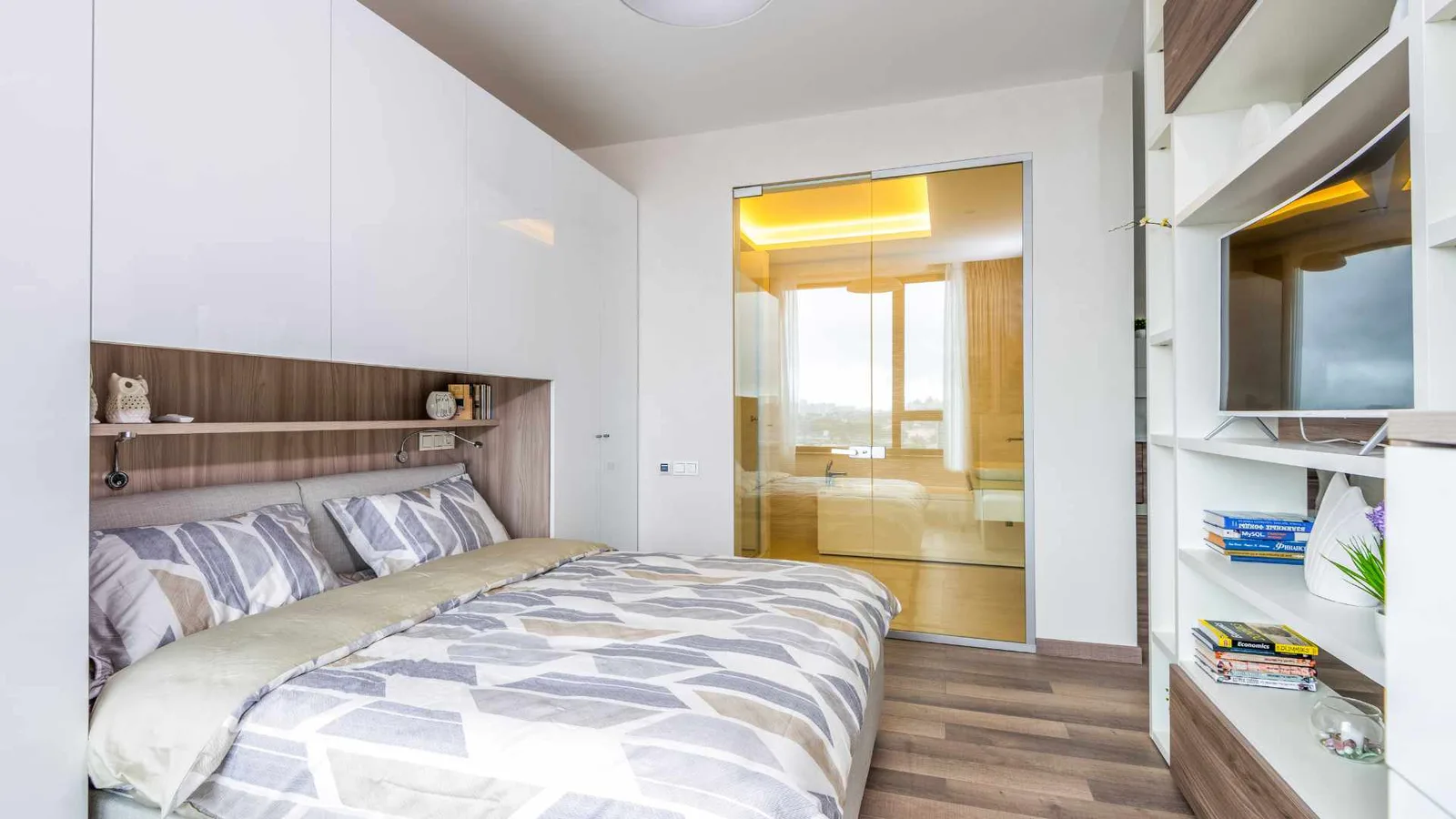
Best tips for lighting and color in small spaces
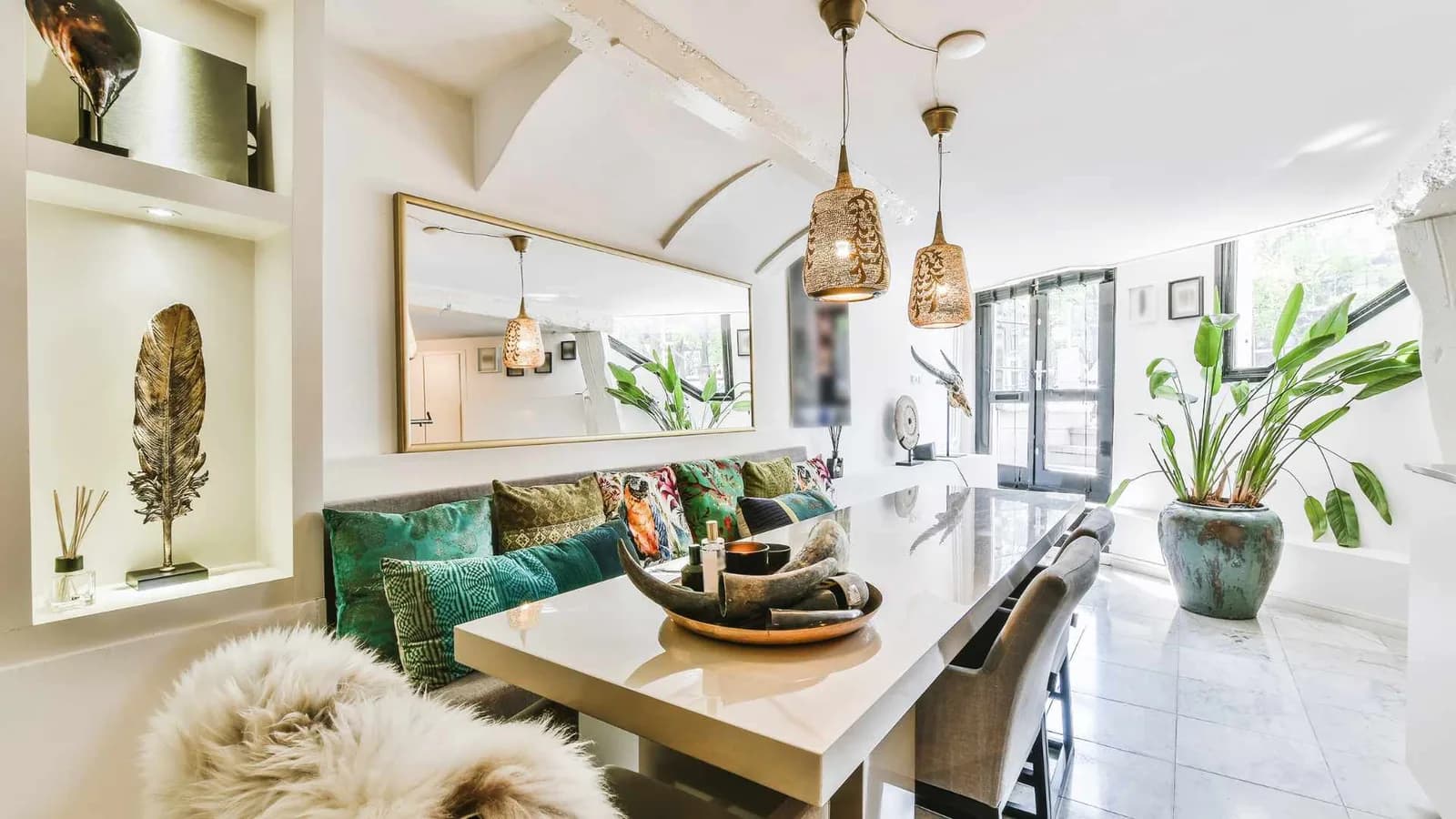
Lighting and color choices are crucial in the perceived size and ambiance. Proper lighting can dramatically transform the feel of a space, making it appear larger, brighter, and more inviting. Mix ambient, functional, and accent lighting to create layered and balanced illumination throughout your home. Use sconces for accents, table lamps and under-cabinet lighting for tasks, and dimmers for ambiance.
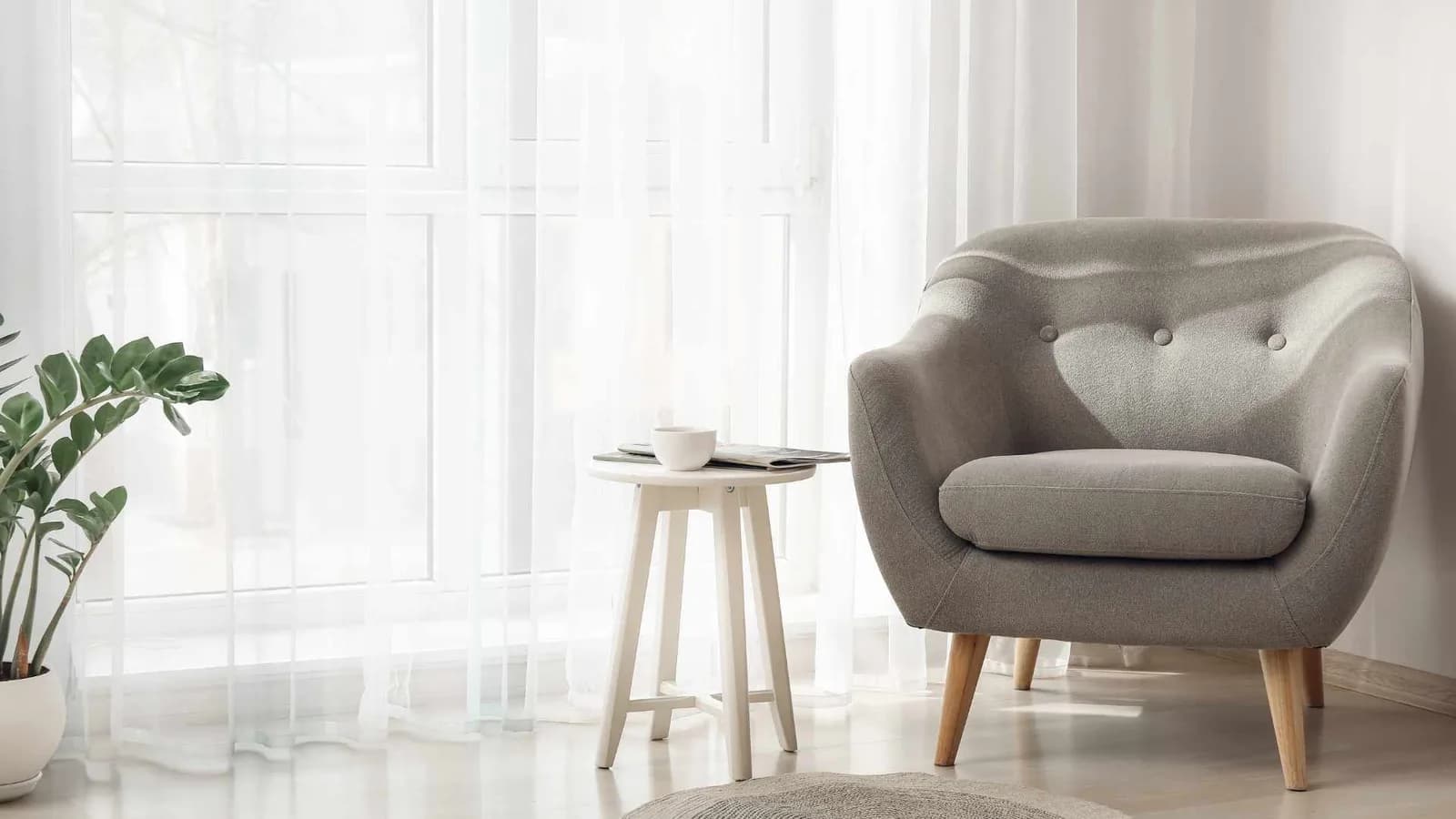
Maximize natural light by positioning furniture and decor to take advantage of window placement. Consider installing sheer curtains or using light-reflecting surfaces, such as mirrors, to amplify the natural light and create a sense of openness. For artificial lighting, choose fixtures with clean, minimalist designs that don’t visually “weigh down” the space.
When it comes to color, lighter and more neutral palettes work best in small spaces, as they create a cohesive and airy feel. Shades of white, beige, or light gray are your best primary wall colors. Use pops of color strategically through accessories, textiles, and artwork. Avoid dark or heavy colors, as they can make a room feel smaller and more enclosed. Experiment with different color combinations and textures to add depth and visual interest to your small space. Add personality to your smaller home with a gallery wall with art and photos that make you happy.
Creating the illusion of space: Mirrors, windows, and open shelving
In a compact 500 sq ft space, strategic design elements help create the illusion of a larger, more spacious living area. Mirrors are powerful tools, reflecting light and creating a perception of depth and width. Place mirrors strategically across large windows or opposite each other to amplify the sense of openness and expand the visual field.
Large, floor-to-ceiling mirrors can also make a small room feel more expansive. Mirrored furniture, such as a console table or armoire, can further contribute to the illusion of space. Another way to create the impression of a larger area is to maximize natural light through window treatments.
Consider installing sheer curtains or using light-colored window coverings to allow as much natural light to flow into the space as possible. Open shelving is another design element that can make a small room feel more spacious. Keeping the wall shelves uncluttered and displaying only a few carefully curated items can create a sense of visual lightness and openness. Experiment with different arrangements and placements to find your small apartment’s most visually appealing and space-enhancing solution.
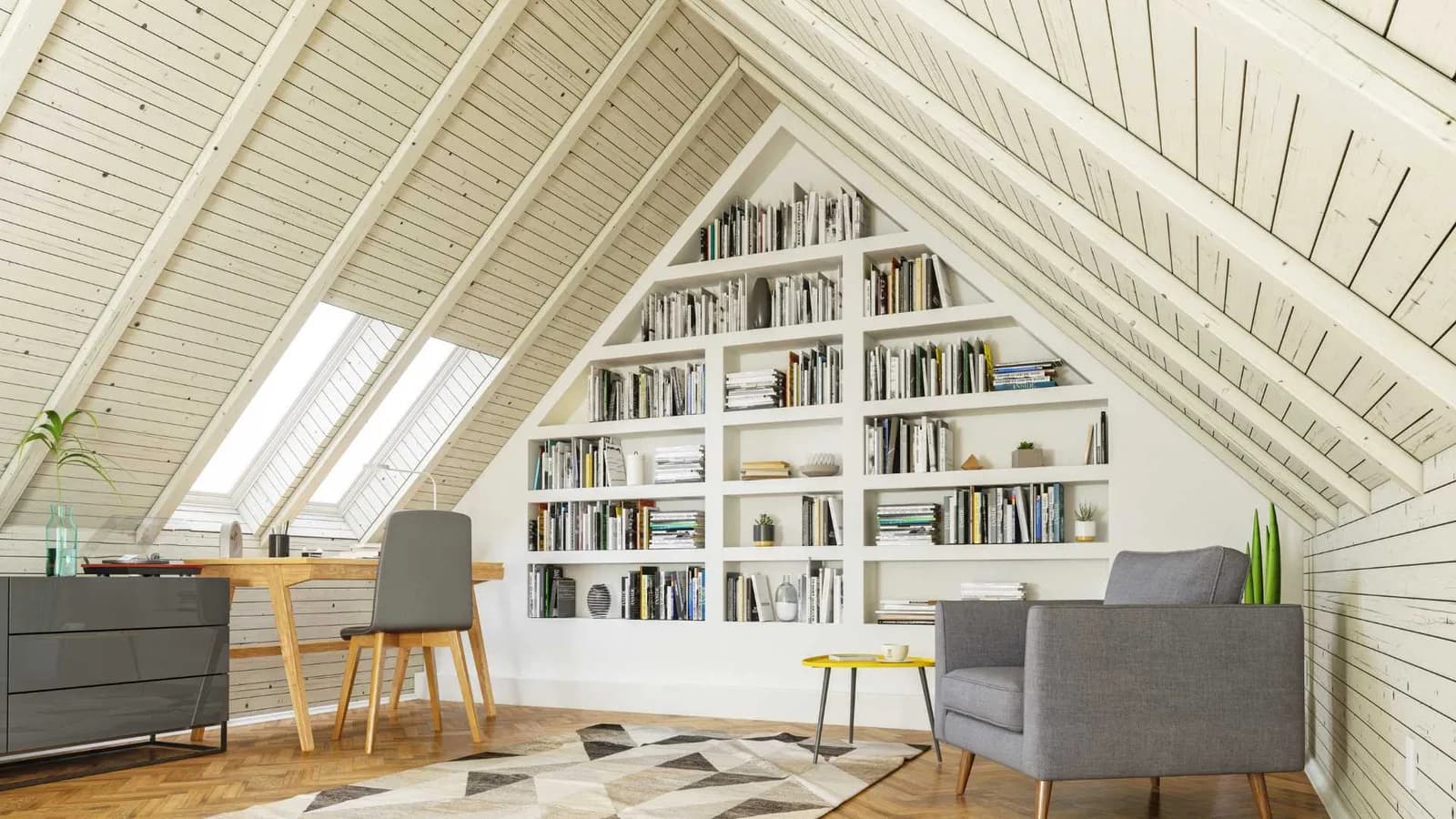
Organization hacks for 500 sq feet spaces
A clutter-free environment is vital in a small apartment. Implementing strategic organization hacks can significantly affect how your space feels and functions. One practical approach is to utilize vertical space with the help of high ceilings, wall-mounted shelves, pegboards, or even hanging storage units.
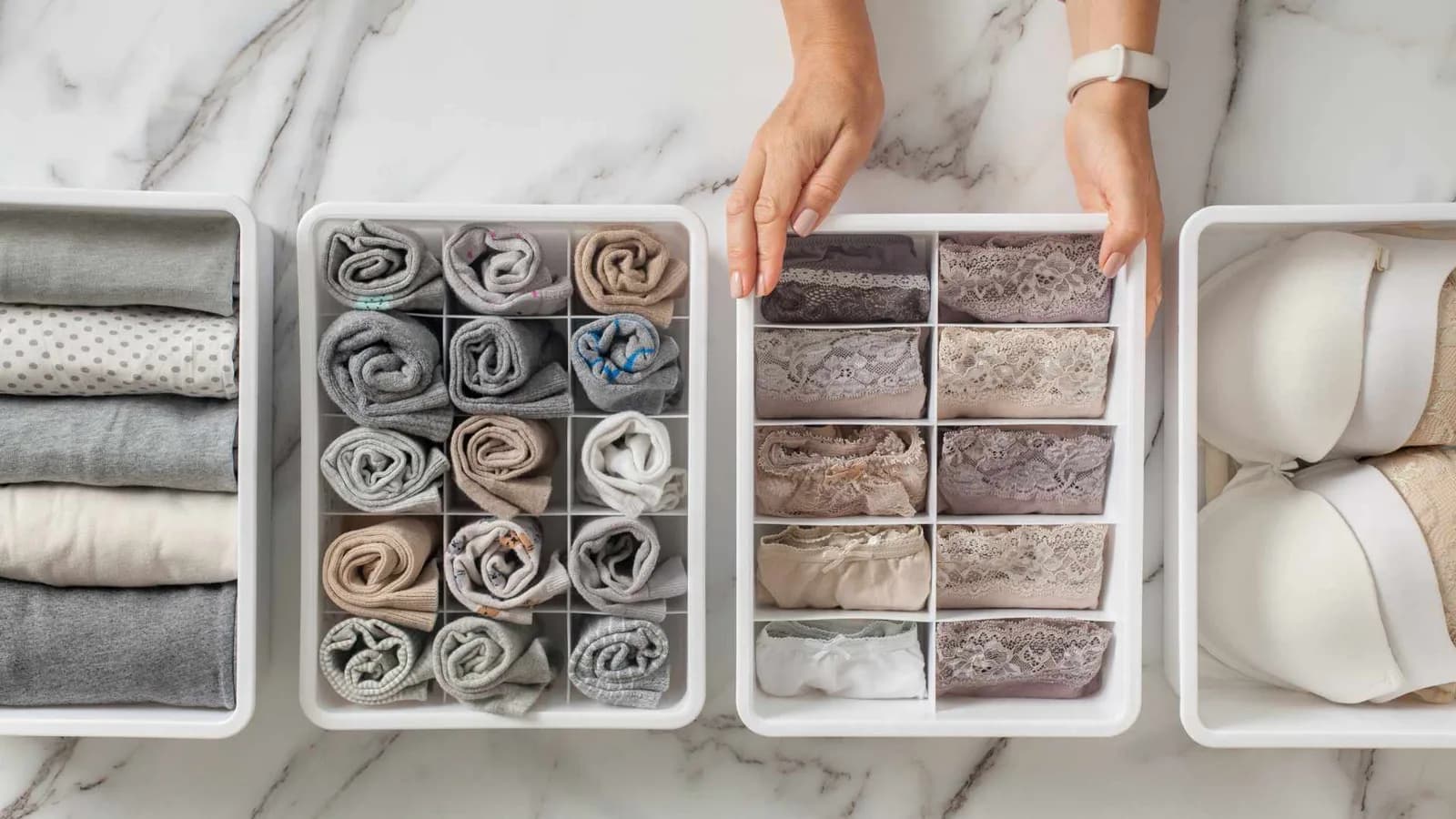
These solutions provide additional storage and keep frequently used items within easy reach – no need to rummage through cluttered drawers or cabinets. Another valuable organization tip is incorporating storage containers, baskets, and dividers to keep your belongings neatly categorized and accessible. Invest in clear or labeled containers to quickly find what you need.
Magnetic strips, command hooks, and over-the-door storage solutions can also help you maximize the potential of underutilized areas, such as the backs of doors or the insides of cabinets. Don’t forget to declutter and purge regularly—let go of items you no longer need or use and maintain a mindful approach to your possessions. This will free up physical space and contribute to a more peaceful and organized living environment.
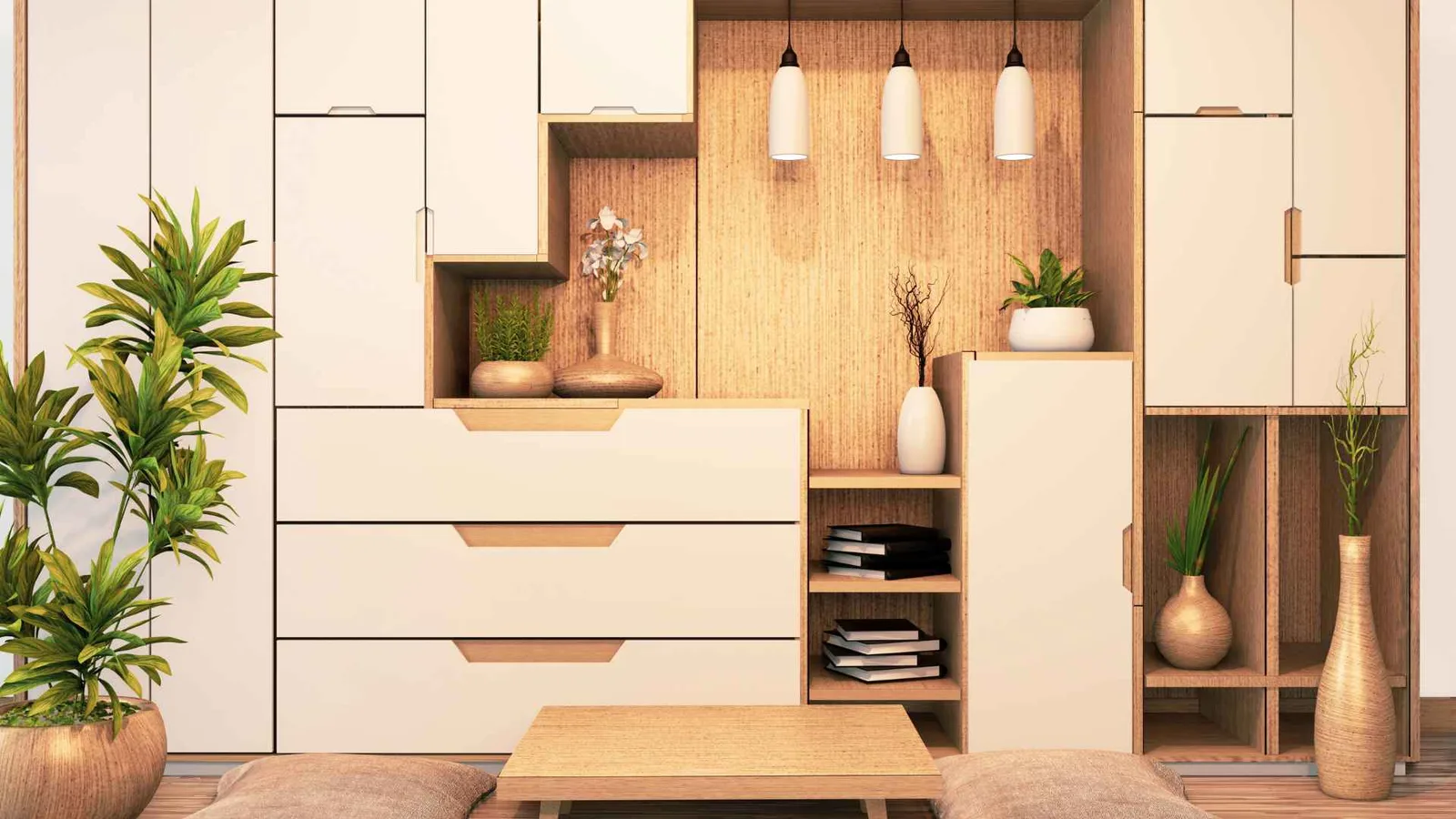
Multifunctional and space-saving furniture ideas
In ADU floor plans 500 square feet design, every square foot counts, which is why multifunctional and space-saving furniture can be a game-changer. These versatile pieces serve their primary purpose and provide additional storage or functionality, making the most of your limited space.
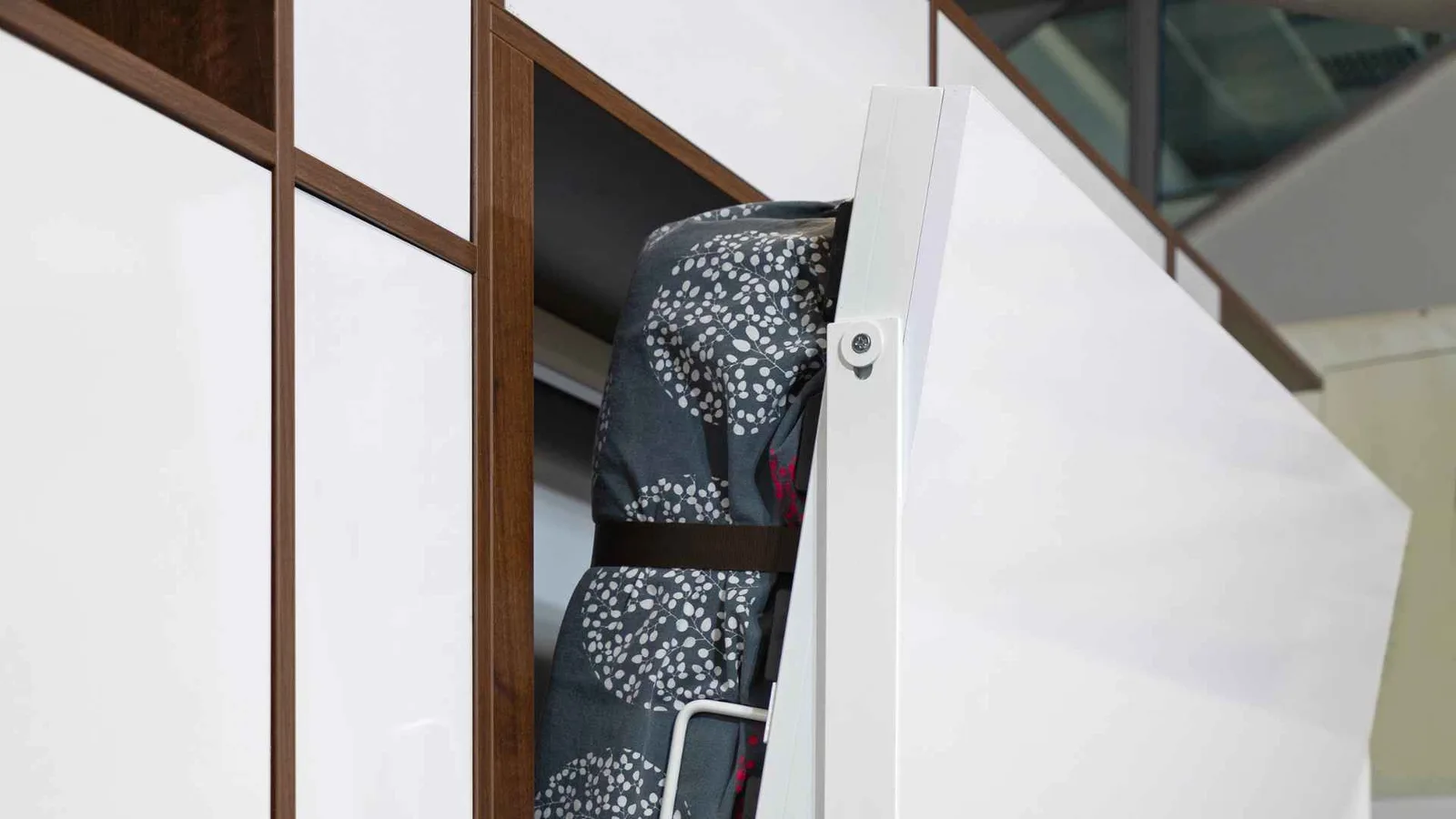
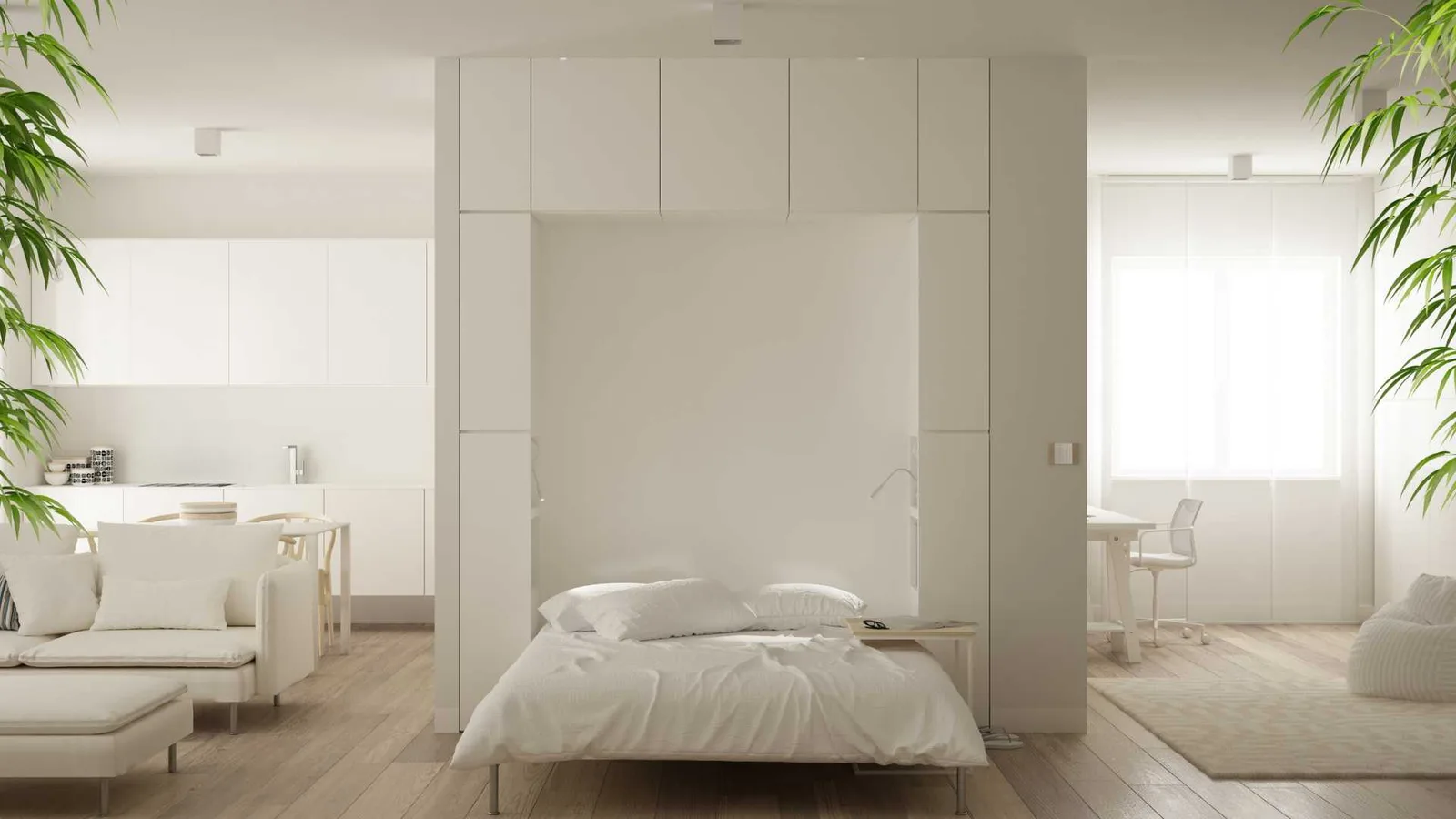
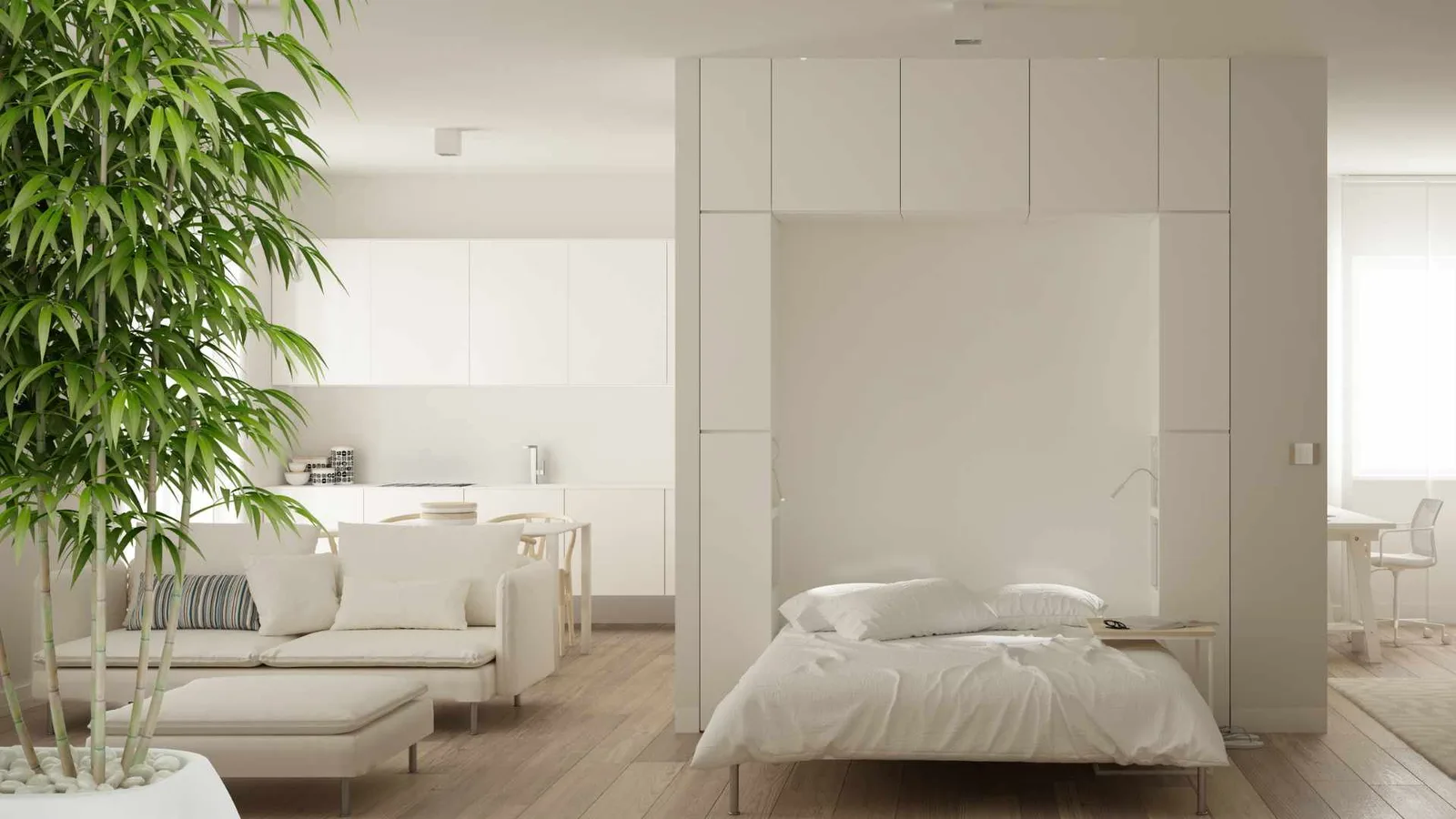
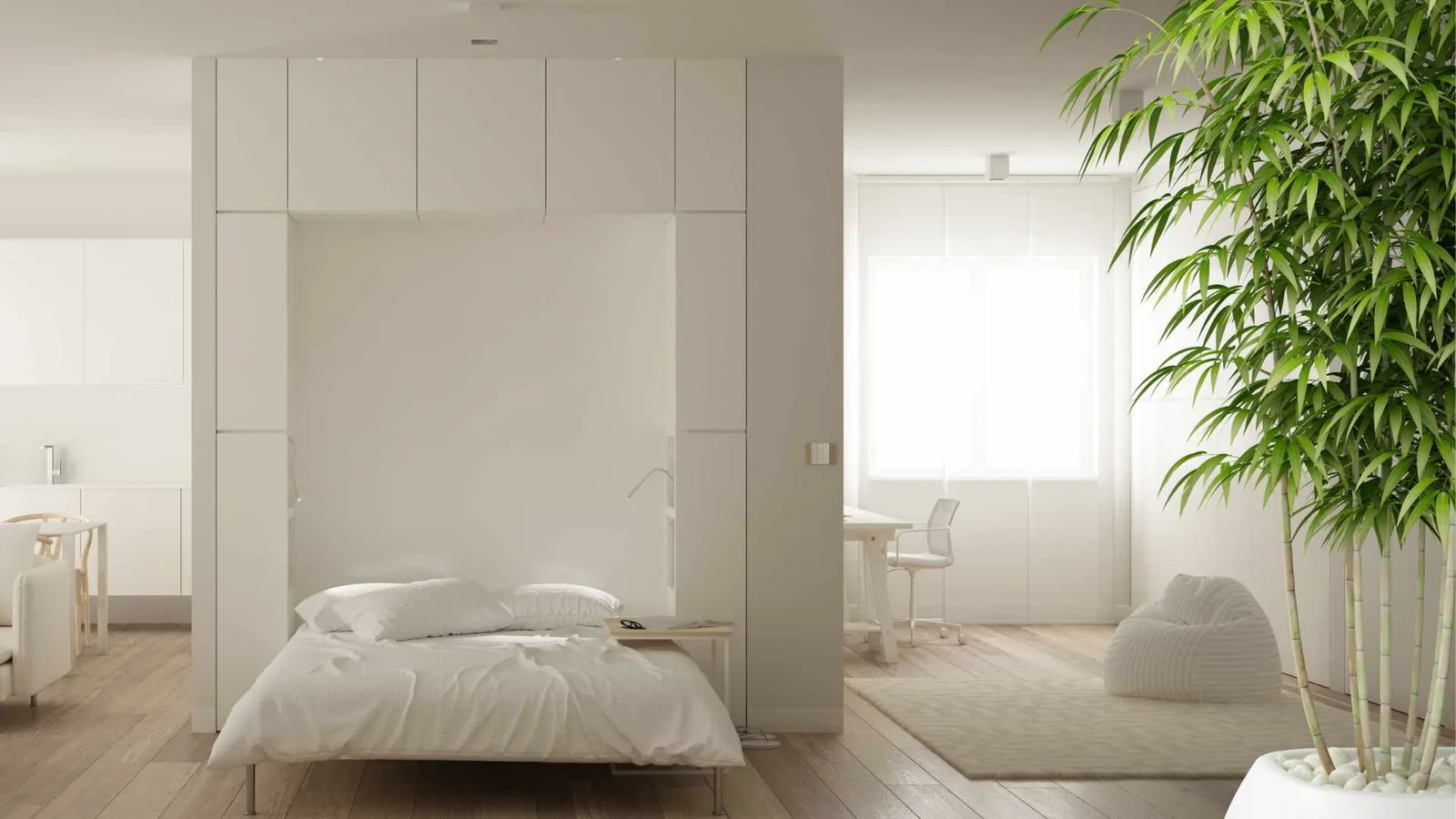
Avoid big pieces of furniture, opting for a folding dining table and a Murphy bed. A wall-mounted bed can be folded away when not in use, freeing up valuable floor space during the day and creating an illusion of more space. Alternatively, a daybed or a sofa bed can serve as a comfortable seating area and a guest sleeping spot. Nesting tables or a coffee table with hidden storage compartments can provide surface area and storage in one compact piece.
Bookshelves and media units with built-in desks or drawers can double as storage and workspace. At the same time, a kitchen island with stools can act as a dining area and additional counter space. Investing in furniture with casters or wheels can also make rearrangement easier, allowing you to adapt to changing needs or entertain guests more efficiently.
Embracing and enjoying your 500 sq feet
Living in a tiny space the size of a typical two-car garage may present unique challenges, but it also offers opportunities to cultivate a more mindful, sustainable, and intentional lifestyle. By embracing the benefits of small-space living and implementing these strategies, you can transform your 500 sq ft small home into a functional, stylish, and inviting home.
Remember, the key to maximizing a small space is to focus on clever storage solutions, multifunctional furniture, strategic organization, and design choices that create the illusion of a larger area. With some creativity and a positive mindset, you can transform your compact living quarters into a comfortable, efficient, and visually appealing sanctuary that reflects your style and meets your daily needs.
Ultimately, the size of your home does not define your quality of life. By prioritizing what truly matters, decluttering your possessions, and making the most of every inch, you can create a living environment that suits your lifestyle. Embrace the cozy charm of your small space, and let it inspire you to live a more intentional and fulfilling life.
The recipe to get an ADU built is quite simple – be specific about your goals, get the design and permits done by someone who knows ADU laws, get the bids from contractors who had built homes before, watch the budget like a hawk as every line matters, get the materials in before the construction crew arrives and stay on top of it in case of any unforeseen changes.
Want to know how we managed other projects? We have case studies for you.
500 sq ft ADU sounds like a challenge?
Here is how we help to get started
Create property site plan
Let us answer three questions together: 1. How big can you build? 2. How much of a backyard you can dedicate to new living space? 3. How much you can afford to spend on construction.
Select the best 500 sq ft ADU floor plan
We do not like to invent wheels or bicycles. Let us get started with the plan that fits most of your requirements and then tweak it to make it shine in your backyard.
Assign the team
The success of a construction project hinges on how well the team communicates. You have a contractor you like? Bring her on board. We are happy to support you with the design, engineering and construction – when needed.
Gather Necessary Documents
Let us start with the best information available. What do you already have? Title report. Floor plan or site plan of your main house. Survey. Soil report. All these documents are a great foundation for your future successful construction project. Pun intended.
Compile the permit plan set
The number of pages in your plan set can differ from 8 to 140 (no kidding). It all depends on property specifics and city (or county) requirements. The better prepared your first submission is, the faster you get your permits.
Respond to Plan Checker comments
Do you know that the most frequent reason it takes such a long time to pull permits is the number of weeks that passed between the day the city had given plan check comments and the day your team responded to them?
We are here to help you build the right ADU for you
Schedule Your FREE Consultation Today
ADU Floor Plan 500 sq ft is a sweet spot
Is ADU a good investment?
Legally permitted ADU, built well and on a reasonable budget, is a good investment.
Legally permitted means you have applied for a building permit and, after the construction, had it finaled by the building inspector. Built well – means built with materials of good quality and by an experienced crew. Reasonable budget means that whatever you have spent on the ADU has a chance to get reflected in the property value. An educated appraiser will value every square foot of the ADU (at least) the same as the price of a square foot in the main house.
Three homes in place of one
The legislation passed by California in January 2020 made it possible to add more livable space to a current single family home. You might be surprised by the number of options this law has opened for an average homeowner, who has become a real estate developer overnight.
These options include newly constructed detached or attached ADU and conversion of existing space (garage or basement). You are allowed to build up to 1200sf. This is your living space #2. As an additional option, you may convert existing square feet into a Junior Accessory Dwelling Unit. This makes it your living space #3. Spread your family out or rent out.
Challenges with financing
The challenge with some new financing solutions is that the homeowner misses out on the lion share of the income and/or property appreciation. Your financing partner might be offering you $300/mo income on the ADU, while if you were able to finance it yourself, your net income could be $850/mo.
ADU size matters
Accessory Dwelling Unit is a small house. It needs utilities and foundation as much as your main house, but has less footprint to spread the costs over. Hence we always encourage you to build max possible.
Trenching for utilties costs the same whether it is for an ADU floor plan 500sq ft or 1200 sq ft. This is the type of fixed cost that makes per square foot costs ridiculously high for smaller ADUs.