ADU House Plans: Tiny Dwelling, Modern Design
Accessory Dwelling Units, or ADUs, have become popular for homeowners looking to maximize their property space and add value. These compact and efficient units serve multiple purposes, from rental income opportunities to providing an independent living space for family members. We explore a variety of ADU house plans that offer solutions for modern living demands, combining functionality with aesthetic appeal.
Choosing the right plan for an ADU involves considering available space, intended use, and budget. Many designs include options for attached or detached units, with sizes to accommodate diverse needs. ADUs range from 200 to 1200 square feet. For those aiming to create a secondary living area, these ADU house plans provide versatile solutions tailored to enhance any property.
Our discussion includes insights into the benefits of adding an ADU to your property. From boosting property value to creating a dedicated home office or a private retreat, ADUs offer many possibilities. Explore how a well-designed ADU house plans can transform your space and meet your needs.
Popular Plans
Trending ADU House Plans
Basics of ADU House Plans
Understanding ADUs
Accessory Dwelling Units (ADUs) offer versatile solutions for homeowners seeking additional living space. They are known for enhancing property value and generating rental income while serving multiple purposes, such as guest houses or in-law suites.
Definition and Purpose
ADUs, or Accessory Dwelling Units, are secondary housing units located on a property with an existing primary residence. The secondary structures can be attached or detached, depending on the design and space available. Their primary purpose is to provide an independent living space with necessary amenities such as a kitchen, bathroom, and sleeping area.
These units are often used to accommodate family members like aging relatives, creating what is typically known as an in-law suite. Additionally, they can function as a guest house for visitors or generate rental income for property owners. ADUs offer a flexible housing option for various needs by maximizing space utilization.
Benefits of Building an ADU
Constructing an ADU has multiple benefits for homeowners. First, it’s an excellent way to increase property value, as the additional dwelling can make the property more attractive to potential buyers, especially in areas with housing shortages. Moreover, ADUs provide a source of passive rental income, allowing us to capitalize on underutilized property space.
From a practical standpoint, ADUs can serve as versatile living spaces. They can accommodate guests, making them practical and comfortable alternatives to traditional guest rooms. An ADU can offer a separate but connected living arrangement for families looking to keep relatives close. ADU designs are customizable, ensuring they meet specific needs while maintaining architectural harmony with the primary residence.
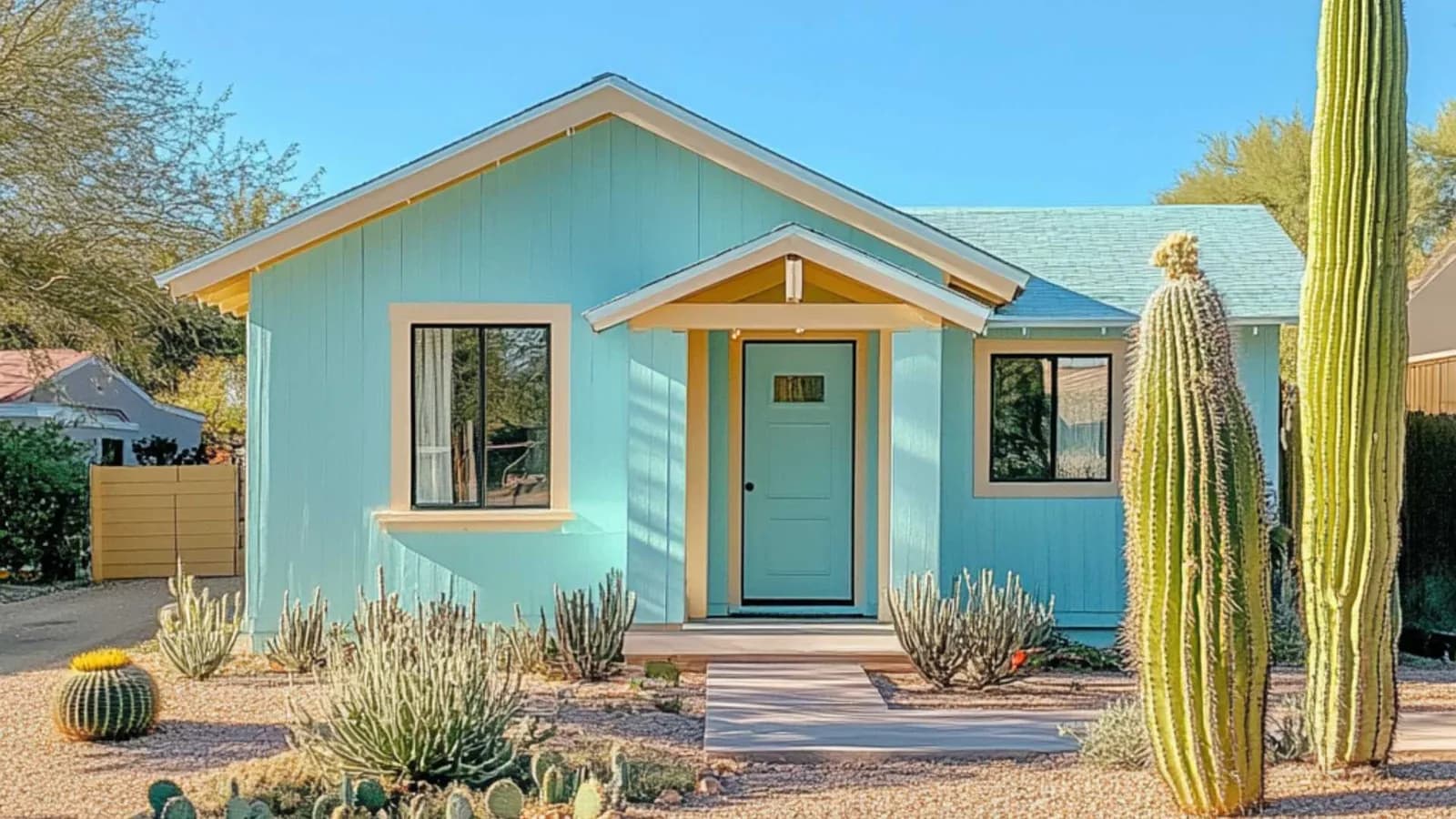
ADU House Plans: Essential Design Tips for Maximizing Space
Accessory Dwelling Units (ADUs) are valuable to any property, whether for additional family space or rental income. Understanding the key aspects of designing and implementing an ADU ensures that the space is functional and compliant with local regulations.
Design Considerations for Functionality
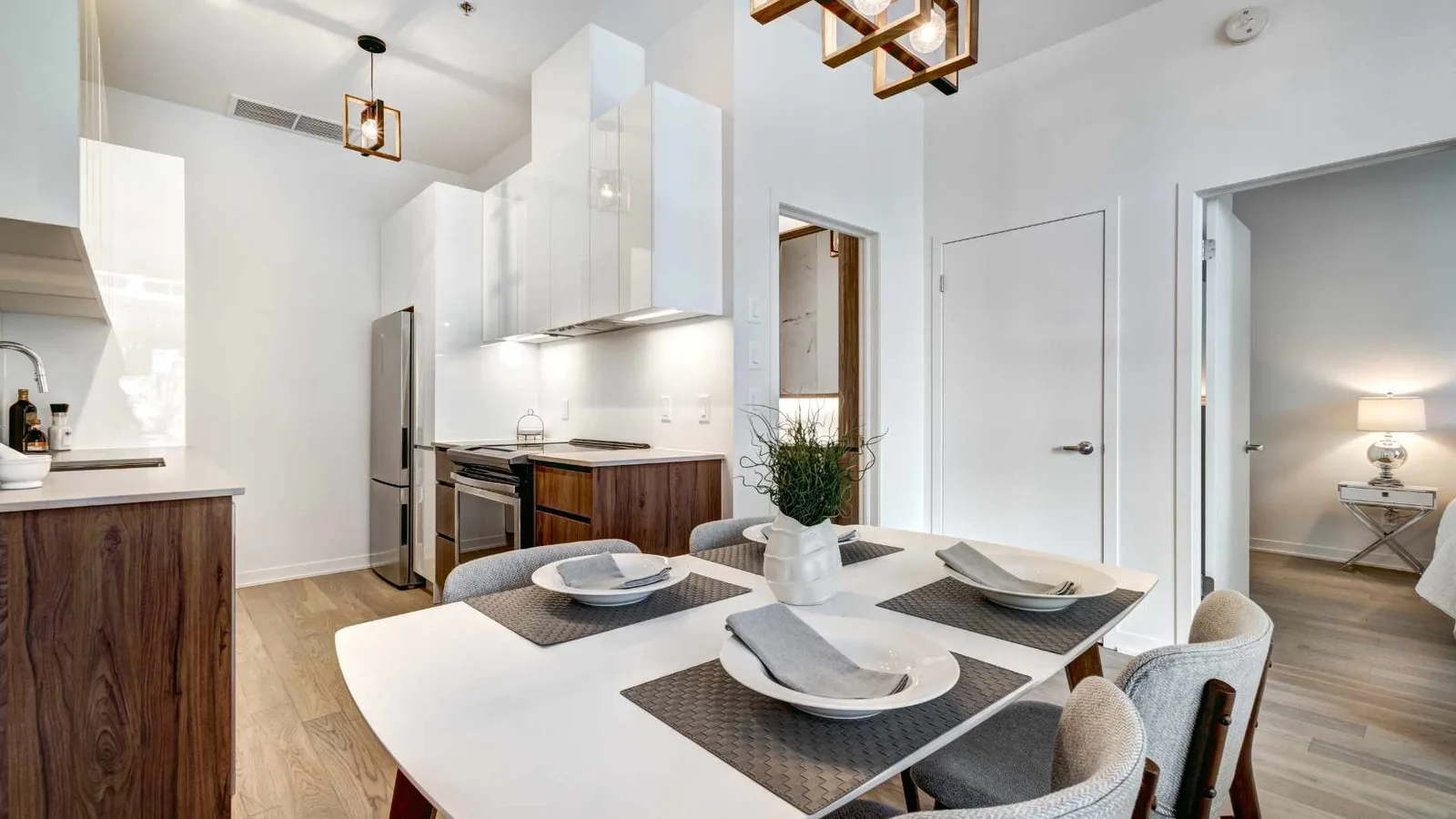
When we design ADU floor plans, we prioritize maximizing space. Efficiency is key, especially in layouts with 2 bedrooms. Open-concept designs often work best, allowing for a seamless flow between the living and kitchen areas, making small spaces feel larger with efficient layouts. Open floor plans work great in primary residences. In a smaller footprint, a great room that combines the living room, dining area, and kitchen is an attractive option and a perfect solution to maximize the use of every square foot.
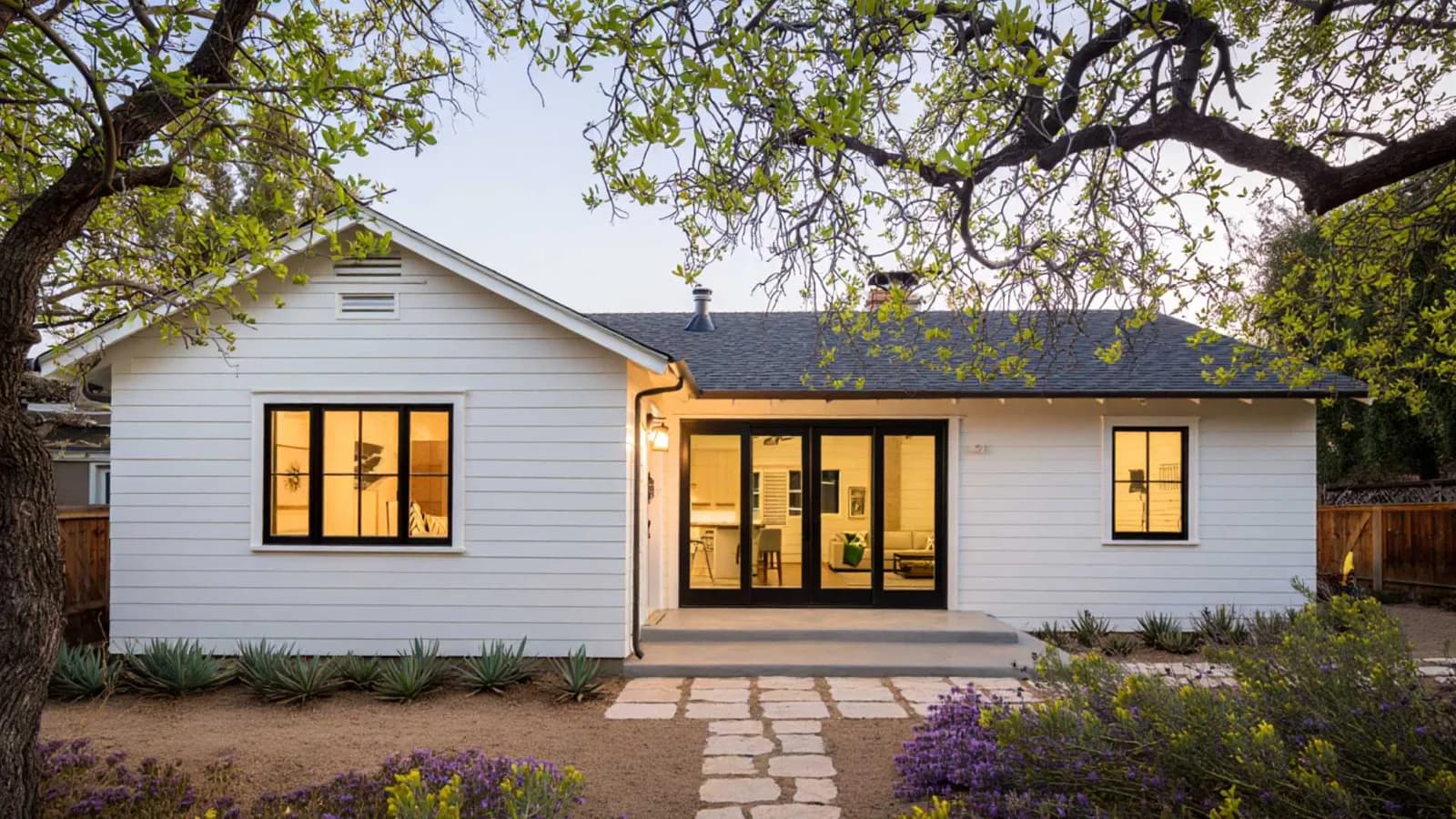
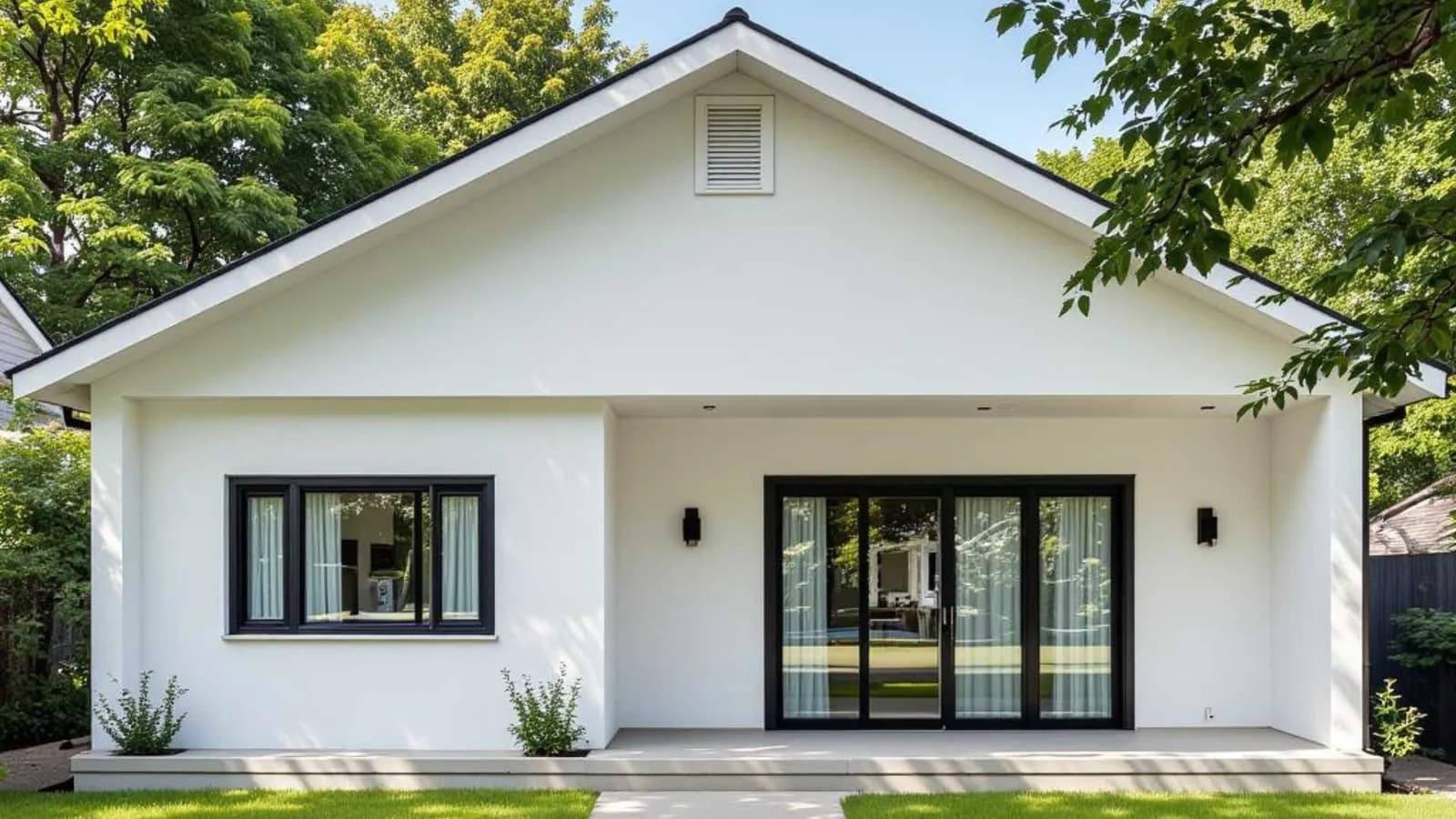
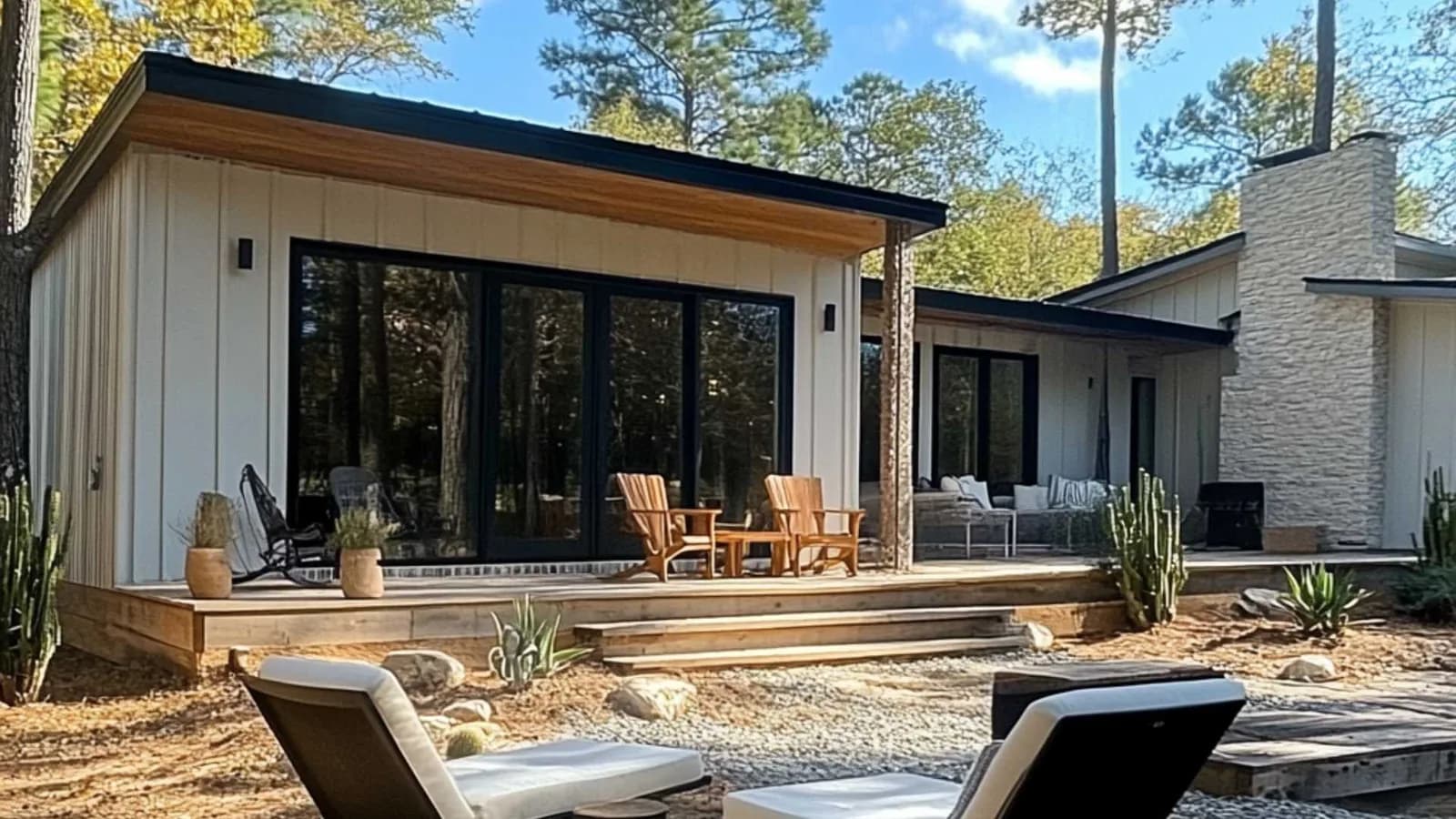
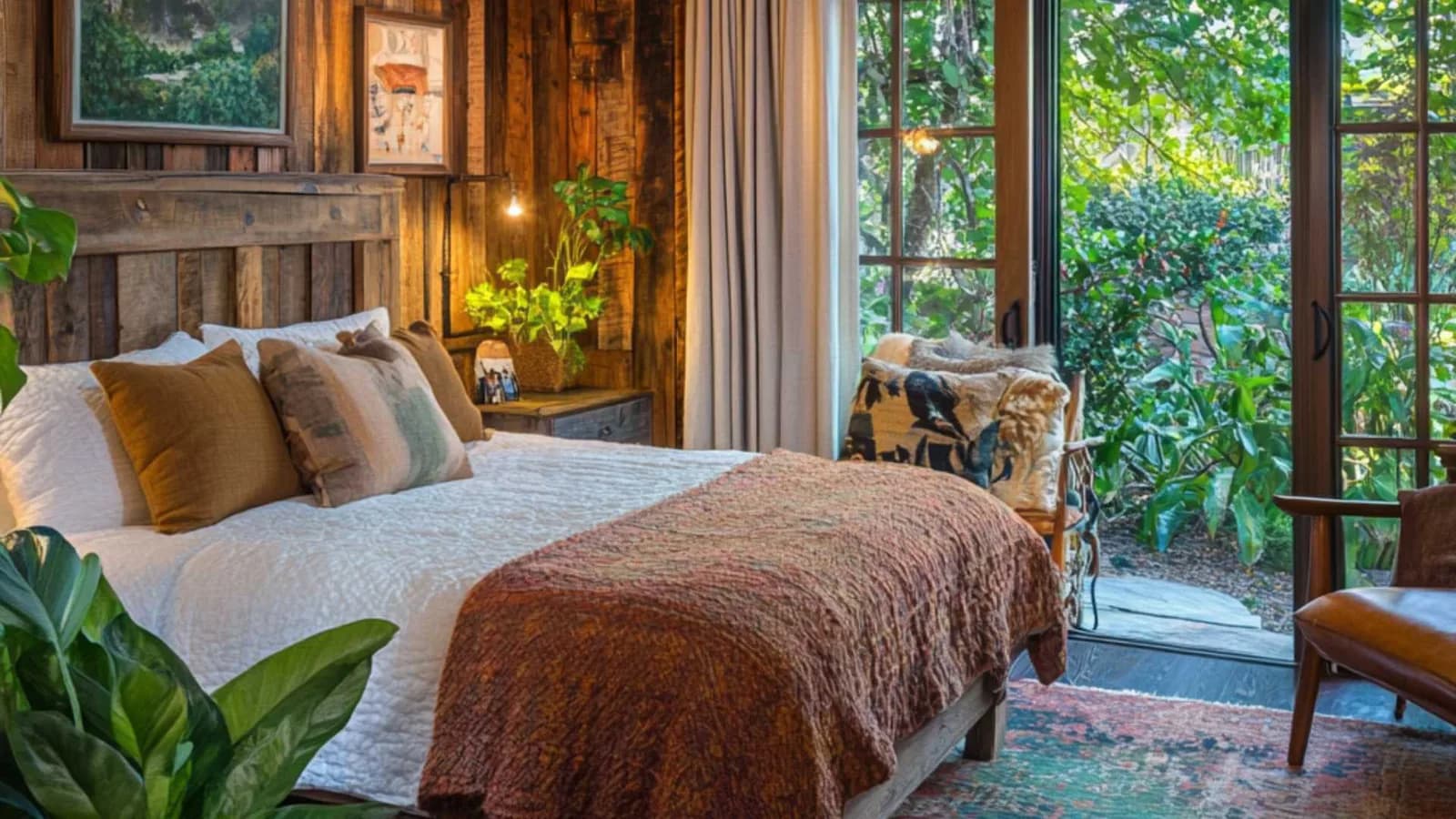
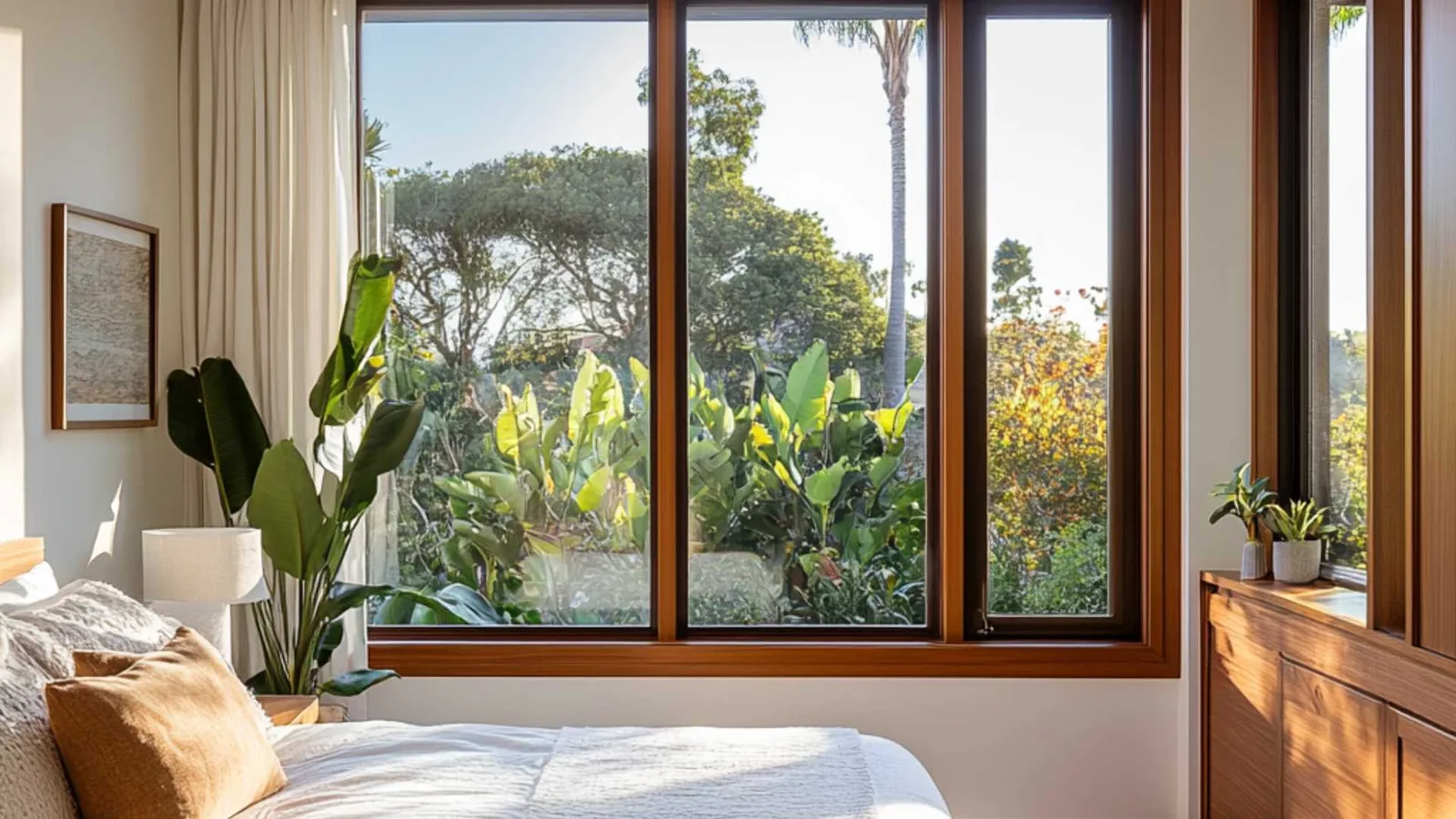
Glass doors and large windows are a welcome detail in backyard cottages – everyone likes indoor-outdoor connection.
Natural light always benefits overall design. Be creative—use transom windows, glass blocks, and opaque windows if needed. The result will be the feel of a larger unit without a large footprint.
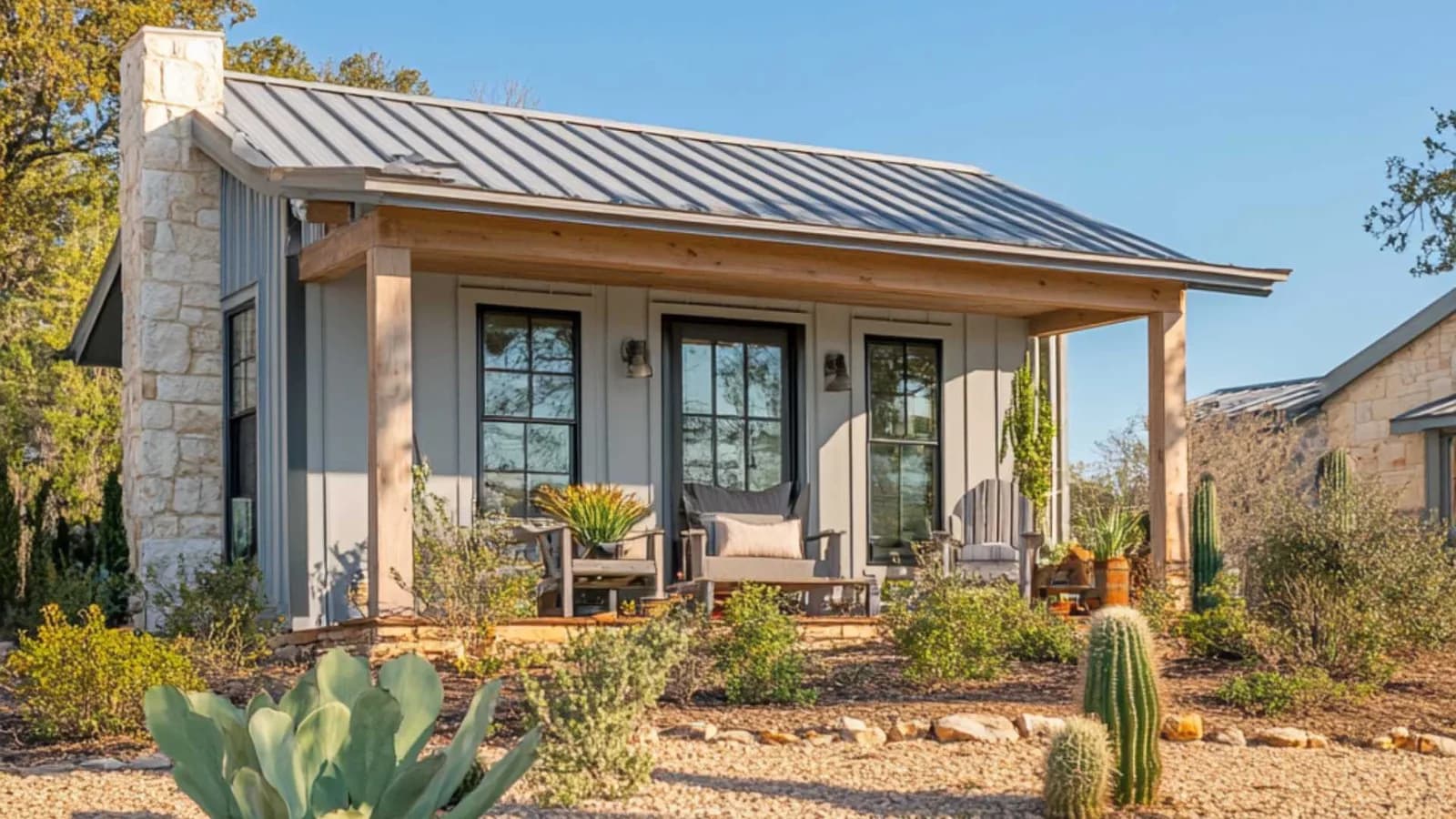
A covered patio is a definite premium feature if your backyard has space and if your local building department and zoning regulations allow it.
Another premium feature – that depends on your budget is high ceilings. A vaulted ceiling makes for a unique architectural design.
Roof plans are another important aspect. A good roof plan does more than cover the space; it can enhance aesthetic appeal and contribute to energy efficiency. In many regions, choosing materials that withstand weather extremes is crucial. Optimal roof details, such as proper insulation and gutter systems, prevent weather-related issues.
Design Tips: Space Savers
Beds with Storage
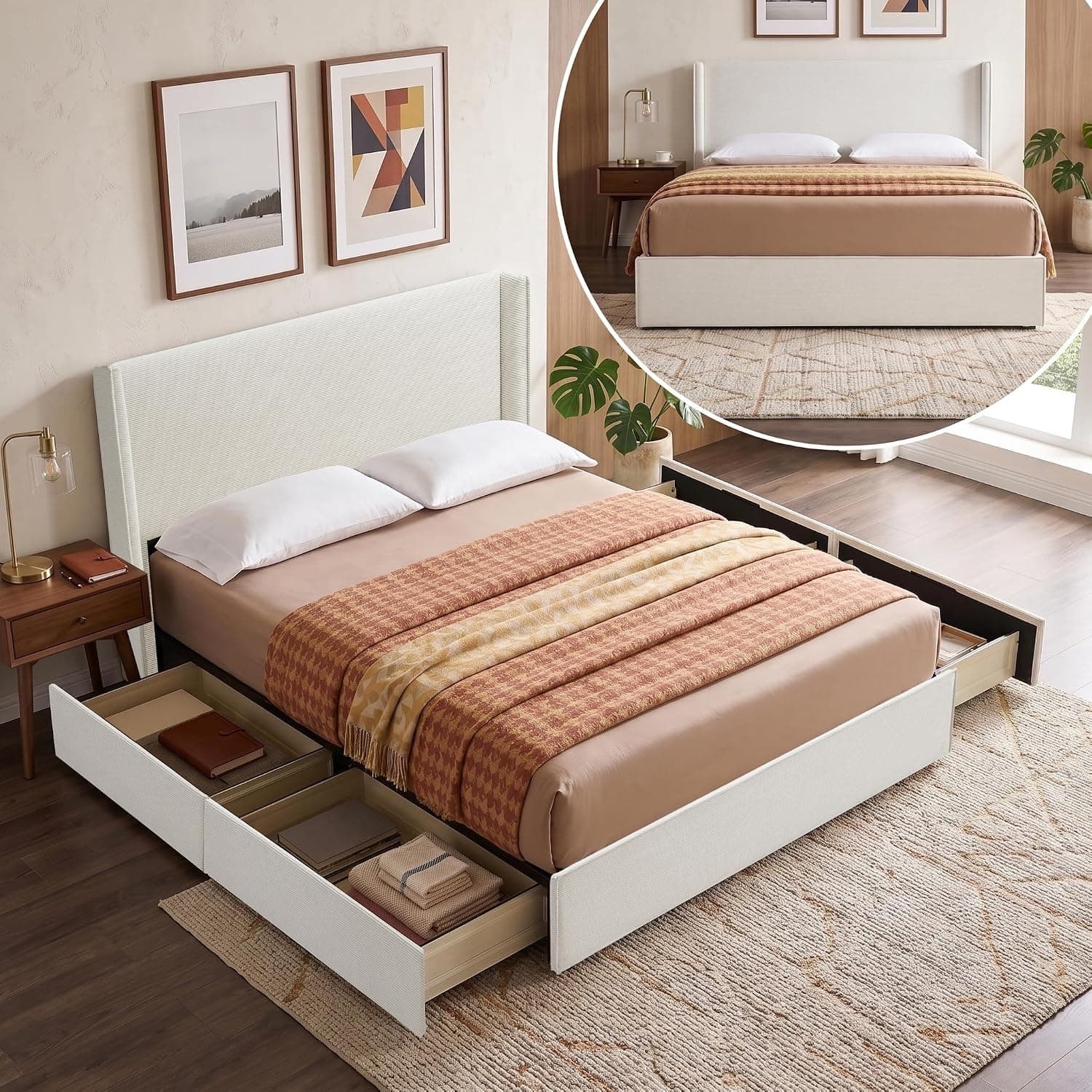
Full Bed Frame with Storage Drawers and Headboard
Less space than a queen bed, this option uses under-the-bed space for additional storage. Featuring a tactile, skin-friendly texture, this full upholstered bed frame with storage drawers brings a luxurious retro vibe.
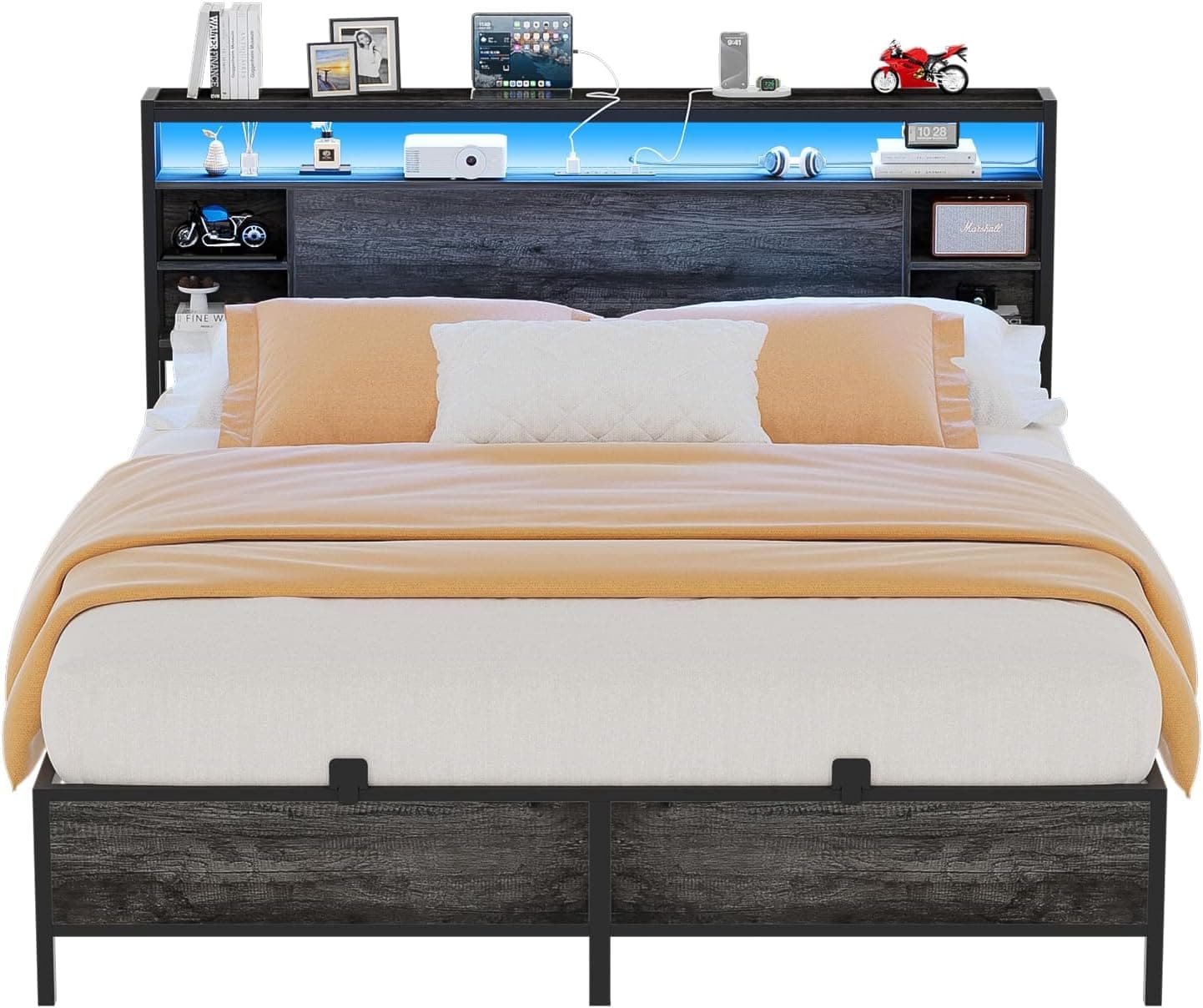
Storage Platform Bed with Drawers + Storage Headboard
Built-in 3 power outlets and 2 USB charging ports make it super convenient to charge your electronic devices right by your bedside. The full size bed frame comes with cooling rgb led lights on the storage headboard.
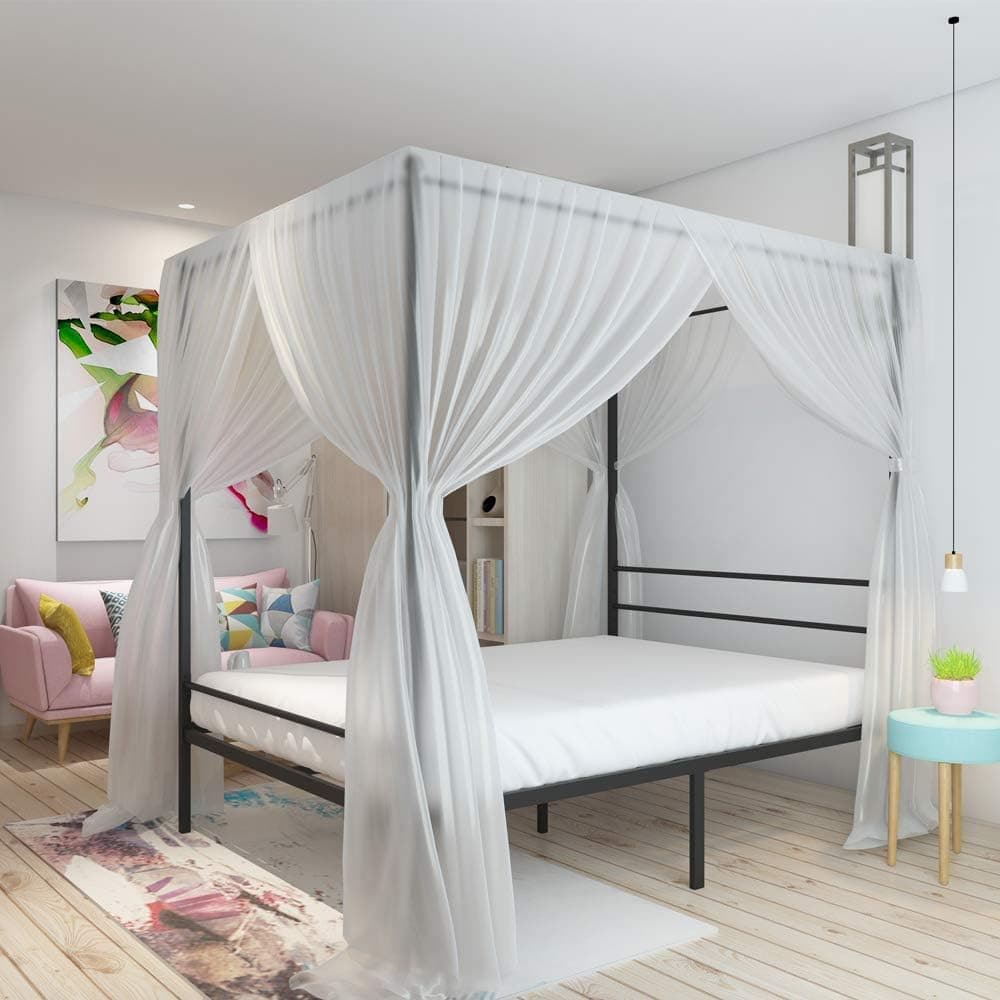
4 Poster Canopy Bed Frame Full Size
Strong frame with sturdy steel slat structure. 14 inch high platform bed frames with 12 inch of ample under bed storage - you get to choose drawers.
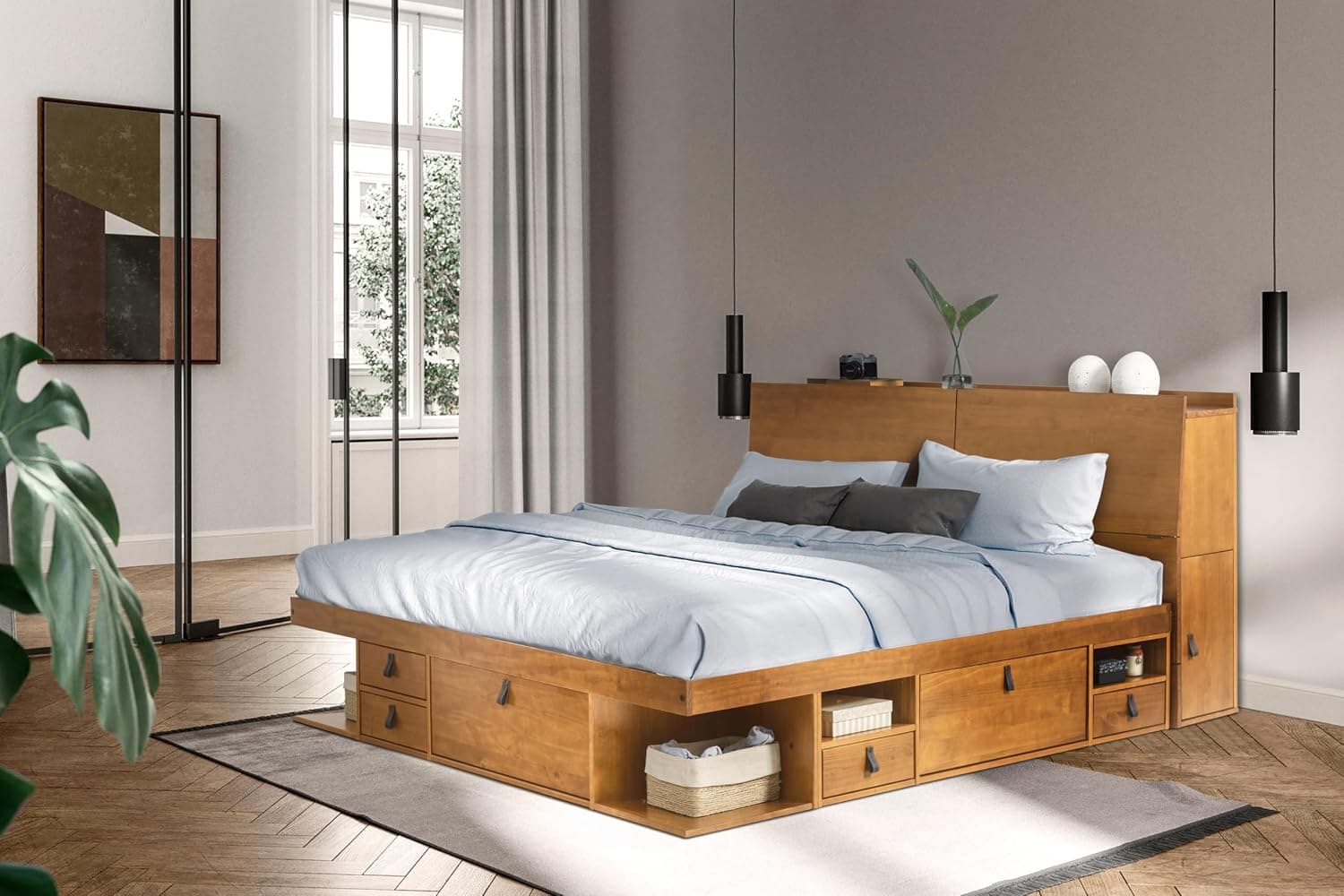
Storage Platform Bed with Storage Headboard with Doors
This full size set transforms your bedroom with 6 drawers, 6 open shelves, 6 big compartments with doors, 1 large top shelf and 2 pullout shelves that double as nightstands. Equivalent storage to a 3-door closet – all built right into your bed frame.
Zoning and Legal Requirements
Before construction begins, we must navigate zoning laws and obtain necessary permits. Understanding local regulations helps avoid legal complications. Some areas have restrictions on ADU size relative to the primary residence, while others might limit occupancy types.
For instance, certain cities may have specific guidelines about where ADUs can be located on a property. We should ensure compliance with these rules. This involves checking height limits, setbacks, and parking requirements. Staying informed about the local legal landscape ensures the ADU integrates smoothly into its surroundings without conflicts.
From ADU House Plans to Move In
Executing Your ADU Project
To execute an ADU project effectively, we must focus on choosing skilled contractors and establishing a clear timeline and budget. These aspects are essential in ensuring the project is completed smoothly and efficiently.
Selecting the Right Contractors
Choosing the right contractors is a decisive step in an ADU project. We need to look for contractors with specific experience building ADUs. Their familiarity with local zoning laws and construction norms is critical for seamless project execution.
It’s important to check references and view past projects to assess the quality of their work. Engage with contractors who are not only skilled but also communicate effectively. Open communication can help avoid misunderstandings and ensure alignment with our ADU Plans.
Additionally, obtaining multiple quotes will provide a better understanding of the market rates and prevent overpayment. Transparent contracts outlining tasks and timelines can safeguard us against delays or additional costs.
Timeline and Budget Planning
Establishing a realistic timeline and budget is fundamental to an ADU project’s success. Understanding the various steps involved in the ADU building process helps set accurate expectations.
We should break down the project into manageable phases, such as design, permitting, and construction. Assigning timeframes to each phase ensures steady progression and keeps everyone accountable.
Incorporate contingency buffers in both time and budget to handle unexpected issues. Estimating costs should include materials, labor, and potential permits or design change fees. Regularly reviewing expenditures against the budget helps us stay on track and make informed financial decisions.

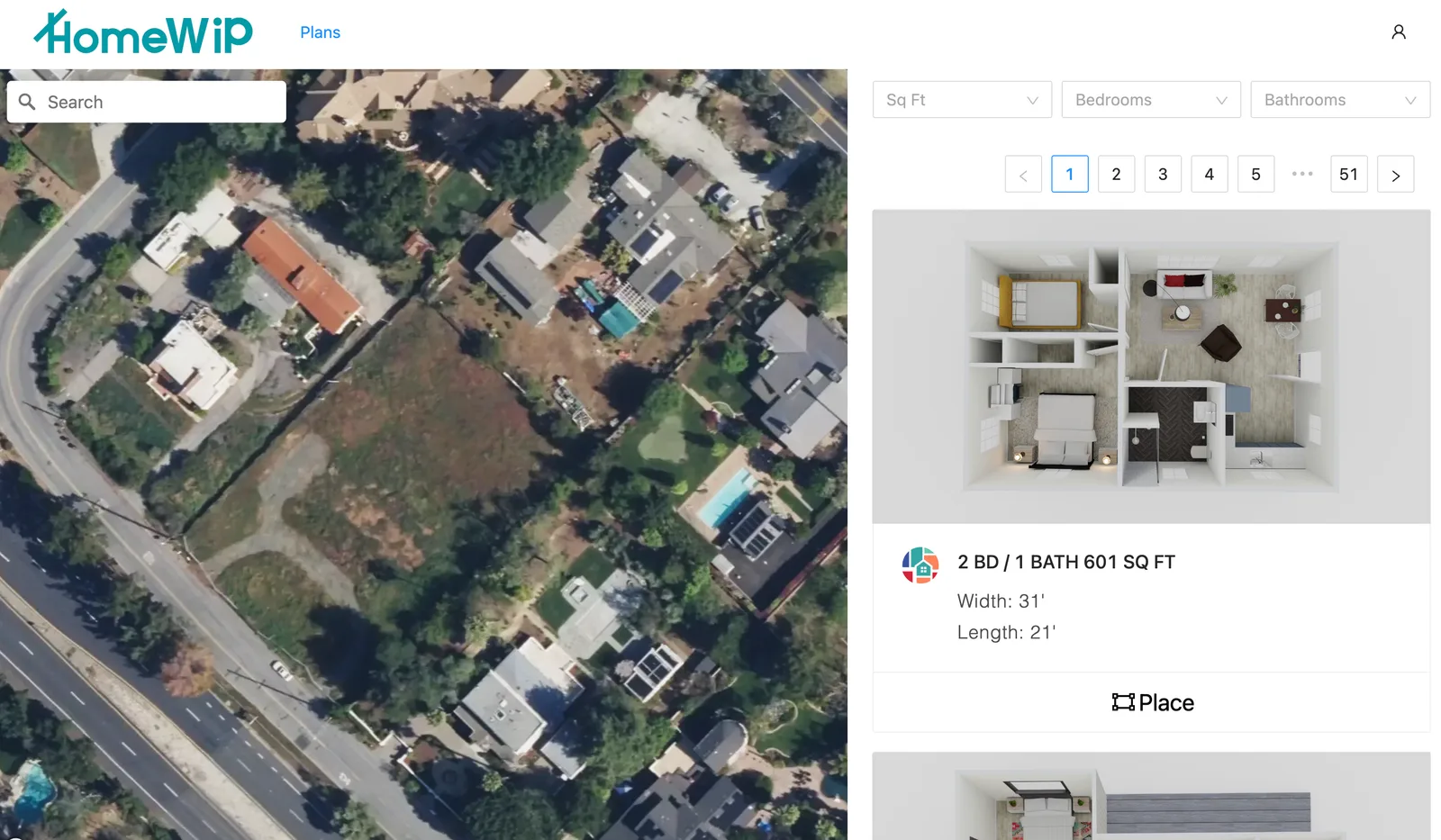
Search ADU house plans by square footage, number of bedrooms and bathrooms
Complimentary map view and estimates for your convenience
Looking for expert support?
We offer full support to get your building permits. We start with selecting an accessory dwelling unit floor plan, follow up with site plans marked up with site-specific factors, structural calculations performed by a licensed structural engineer, detailed plans for your contractor, and plan check response during the permitting process.
ADU Planner
How the ADU Planner works
Select
Choose from one of the 500+ pre-designed ADU plans
Place
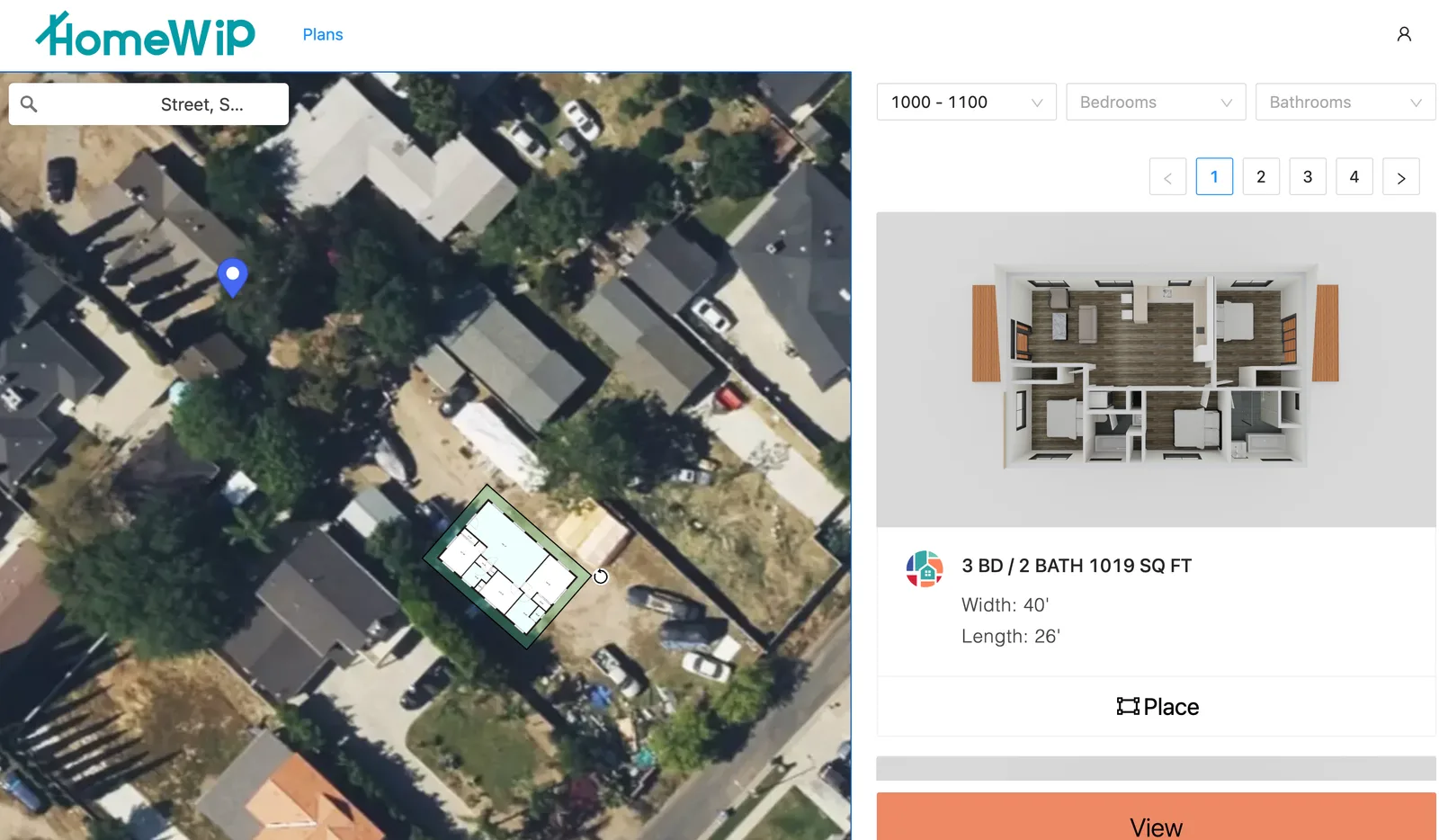
Type in your address to view unit on the map of your property