
Site Plans for Fast Building Permit Applications
Learn what a site plan must include and how to create one for permit approval. Compare DIY, online services, and a licensed surveyor.
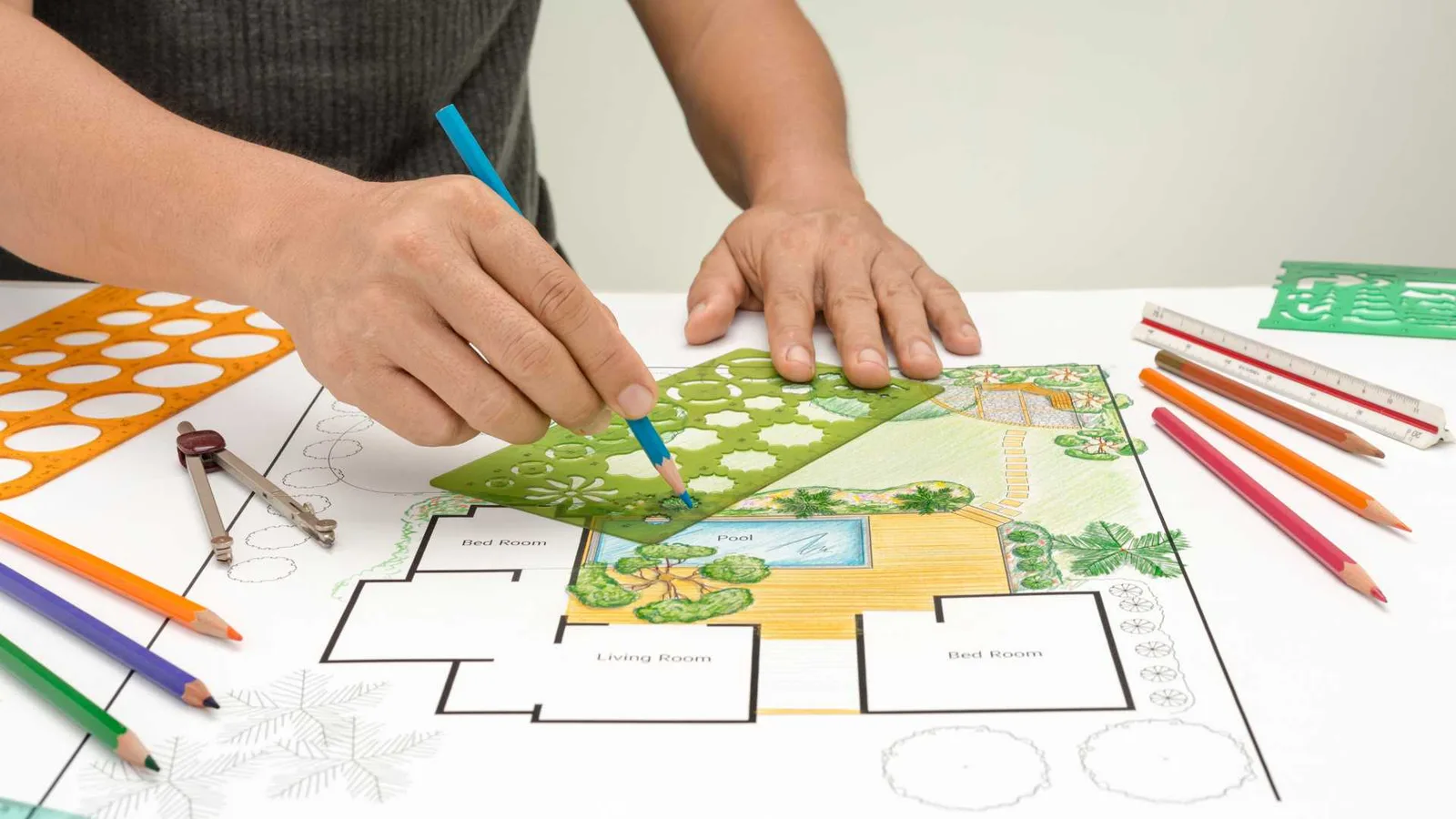
Embarking on a construction project, whether a new house, an addition, or even installing storage sheds or septic tanks, invariably involves navigating the permitting process. A critical component of nearly all building permit applications is the site plan. This complete guide will walk you through how to create a site plan for permit approval, covering what is needed, the step-by-step process, and why an accurate site plan is non-negotiable for your application review by the building department or planning department.

What Exactly Is a Site Plan?
Often referred to as a plot plan, a site plan is a detailed drawing representing a bird’s-eye view of a property. It visually communicates the existing conditions and the proposed work. Unlike architectural drawings focusing on the building itself, a professional site plan shows the building footprints in the context of the entire lot, including property lines, landscaping, utilities, and topography. It’s a crucial tool local government officials use to ensure your project complies with zoning restrictions and building codes.
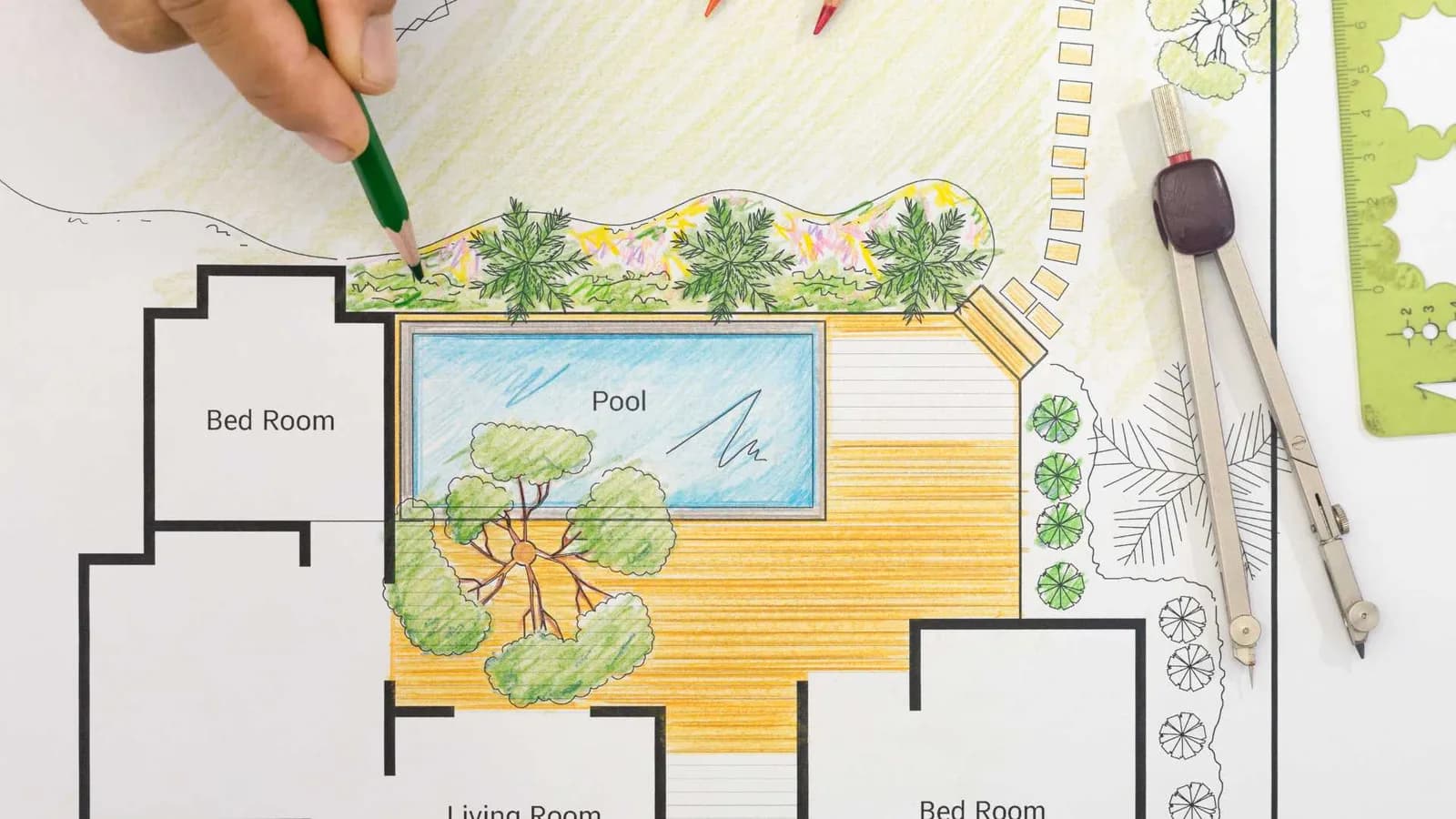
Why an Accurate Site Plan is Essential for Your Project
Submitting an accurate site plan is paramount for obtaining the necessary permits. Here’s why:
- Verification: Local authorities use the site plan to verify that your proposed building or modification adheres to local regulations, including setback requirements, height restrictions, and lot coverage limits.
- Permit Approval Speed: A complete site plan containing all required information streamlines the review process, significantly reducing delays in obtaining permit approval. Incomplete or inaccurate plans are a common reason for rejection.
- Clear Communication: It provides a clear visual representation of the project scope for the permitting department, neighbors, and contractors, minimizing misunderstandings about the proposed work.
- Avoiding Costly Mistakes: An accurate plan helps identify potential issues early, such as conflicts with utility lines, encroachments on adjacent properties, or problems related to steep slopes or stream buffers, saving time and money down the line.

Key Elements of a Complete Site Plan: The Required Information
While specific site plan requirements vary by jurisdiction (always check with your local authority like the City or County Planning Department ), most complete site plans must include the following critical information:
- Property Lines and Dimensions: Clearly show the parcel’s property boundaries, lot dimensions, and overall size. This information is often found in your title report or deed.
- Existing Structures: Indicate the location, size, and footprint of all existing structures on the property (house, garage, sheds, etc.).
- Proposed Work: Detail the location, dimensions, and footprint of the new structure or addition. This includes any new impervious surface like driveways or patios.
- Setback Distances: Show the distance from the proposed and existing structures to the property lines (front, rear, and sides). Understanding the setback distance requirements is crucial.
- North Arrow: A standard north arrow is essential for orientation.
- Graphic Scale: Include a graphic scale (e.g., 1″ =20′) to help reviewers understand the relative sizes and distances.
- Street Name and Access: Label the adjacent street name(s) and show driveways, including the width of the driveway and any public sidewalk.
- Utilities: Mark the location of existing and proposed utility lines (water, sewer, gas, electric), including main lines. Show septic systems for properties without public sewer, including septic tanks and the drain field.
- Easements: Indicate any known easements on the property.
- Topography and Natural Features: For more complex sites, show contour lines representing ground elevations, especially highlighting significant elevation changes or steep slopes. Include existing trees, potentially noting the size of the tree if significant, and features like wells or stream buffers.
- Land Disturbance: Outline the area where the ground will be disturbed during construction.
- Key Plan: Sometimes required for larger properties, a small key plan shows the location of the detailed area within the larger parcel.
- Contact Information: Include the property owner’s name, address, owner’s information, plus the preparer’s details.
How to Create Your Site Plan: DIY vs. Professional Options
You have a few options for creating your site plan:
- DIY (Do-It-Yourself):
- When: Suitable for simple site plan needs, like storage sheds, where local government requirements are less stringent.
- How: You can often draw the plan using graph paper and accurate on-site measurements. Ensure you have the right measuring tools. Use sources like your title report, deed, record request from the county, or sometimes an aerial photo (ensure it’s to scale) to gather necessary information about property dimensions.
- Pros: Cost-effective.
- Cons: Time-consuming. There is a risk of inaccuracy. These may not meet requirements for complex projects or specific jurisdictions. They are often considered non-certified site plans.
- Using Online Site Plan Services:
- When: This is a compromise often suitable for residential site plans where professional certification isn’t mandatory but greater accuracy than hand drawing is desired.
- How: These services use GIS data, aerial photo imagery, and county records to create detailed site plans. You provide your address and specify your specific needs. Many offer quick turnaround and options for a site plan package. Look for services offering a free quote or custom quote.
- Pros: Faster than a full survey, more accurate than DIY, relatively affordable.
- Cons: Accuracy depends on available data; may not meet permit types or location requirements. Non-certified site plans.
- Hiring a Professional Land Surveyor:
- When: Often required for new construction (new building, new house), major additions, projects with complex topography (significant elevation changes), boundary disputes, or when mandated by the local authority. Essential for establishing legally defensible property boundary lines.
- How: A licensed surveyor will conduct a site survey, taking precise measurements on your property to create highly accurate site plans.
- Pros: The highest level of accuracy, meets stringent requirements, legally sound. Provides professional site plans.
- Cons: Most expensive option, takes more time.
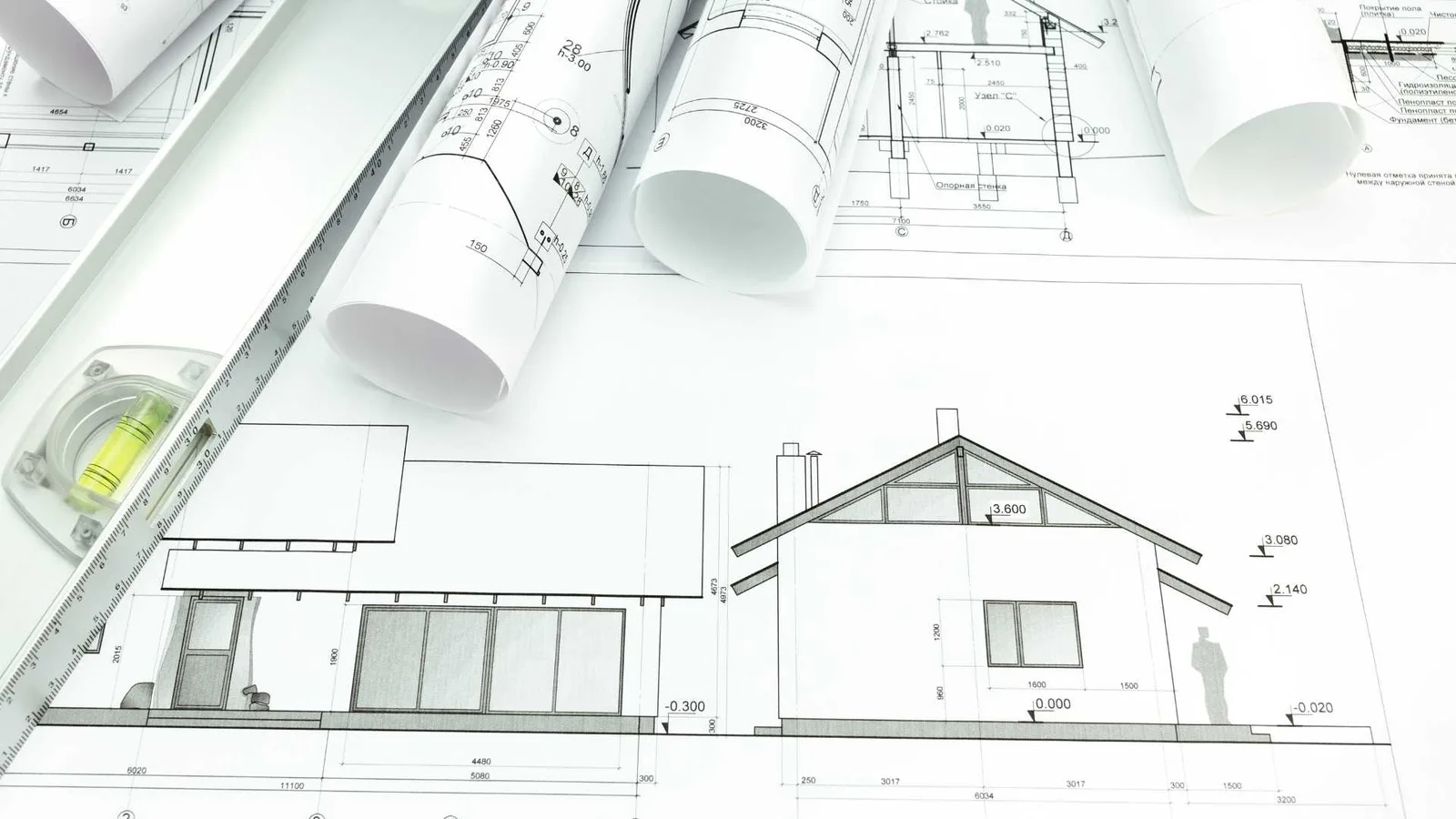
Navigating the Permit Application Process
Once your detailed site plan is ready, it becomes a core part of your building permit applications.
- Pre-Application (Optional but Recommended): Consider a concept meeting with the planning department or building department to discuss your project and clarify site plan requirements upfront. This is always a good idea.
- Submission: Submit your complete application package, including the site plan, architectural drawings, and other required information, to the appropriate officials.
- Review: The local government staff (permitting department, planning board) will review your submission to ensure compliance with the zoning and building codes and other necessary regulations.
- Approval/Revisions: You’ll receive your permit approval if everything is in order. If issues are found, you may need to revise your plans and resubmit.
A Note on Specific Locations: Requirements can differ significantly. Always consult the local authority directly. Check their website for checklists, sample site plan examples, and contact information. Look for resources related to Site Plan Review for your specific city or state.

Tips for Success
- Start Early: Don’t wait until the last minute to prepare your site plan. The whole process takes time.
- Check Local Requirements FIRST: This is the most critical information – what does your building department specifically require?
- Verify Information: Double-check all measurements and information obtained from deeds or title reports. Accurate information is key.
- Be Neat and Clear: Ensure the result is legible, uses standard symbols, and includes all necessary information.
- Consider a Site Plan Package: Some services bundle different plan types needed for permits. You can often get a site plan today from online services, but ensure it meets your specific needs.
- If you need a professional survey, get several quotes to understand the costs. Compare apples to apples—a partial survey for fence or garage location is less expensive than a full survey with topography.
Creating a site plan for a permit might seem daunting, but understanding its purpose and requirements is the first step toward a successful construction project. Whether you draw it on graph paper, use an online service, or hire a licensed surveyor, ensuring a complete site plan meets local regulations is crucial for navigating the permit application process smoothly. Good luck with your project!

Common questions about site plans for permits
Architectural drawings focus on the building itself, while a site plan (also called a plot plan) shows the building footprints in the context of the whole lot. It includes property lines, landscaping, utilities, and topography so officials can check zoning and code compliance.
Most jurisdictions require property lines and dimensions, existing and proposed structures, setback distances, a north arrow, and a graphic scale. You also typically need to show utilities, septic systems where there is no public sewer, easements, and any street access or driveway details.
For simple projects like storage sheds you can often draw it yourself on graph paper using your title report or deed for dimensions. New construction, major additions, complex topography, or boundary disputes usually call for a licensed land surveyor, since only a survey gives legally defensible property boundaries.
Online services use GIS data, aerial imagery, and county records to produce plans that are faster than a survey and more accurate than hand drawing. They work well for residential plans where certification is not mandatory, but they are non-certified and may not satisfy every permit type or location.
Local authorities use the site plan to verify setbacks, height limits, and lot coverage. Missing or inaccurate information is a common reason for rejection, and a complete plan streamlines the review and reduces delays in getting approval.
Yes. A pre-application or concept meeting with the planning or building department lets you clarify the specific site plan requirements upfront. Requirements vary significantly by jurisdiction, so checking local checklists and sample plans first is always a good idea.