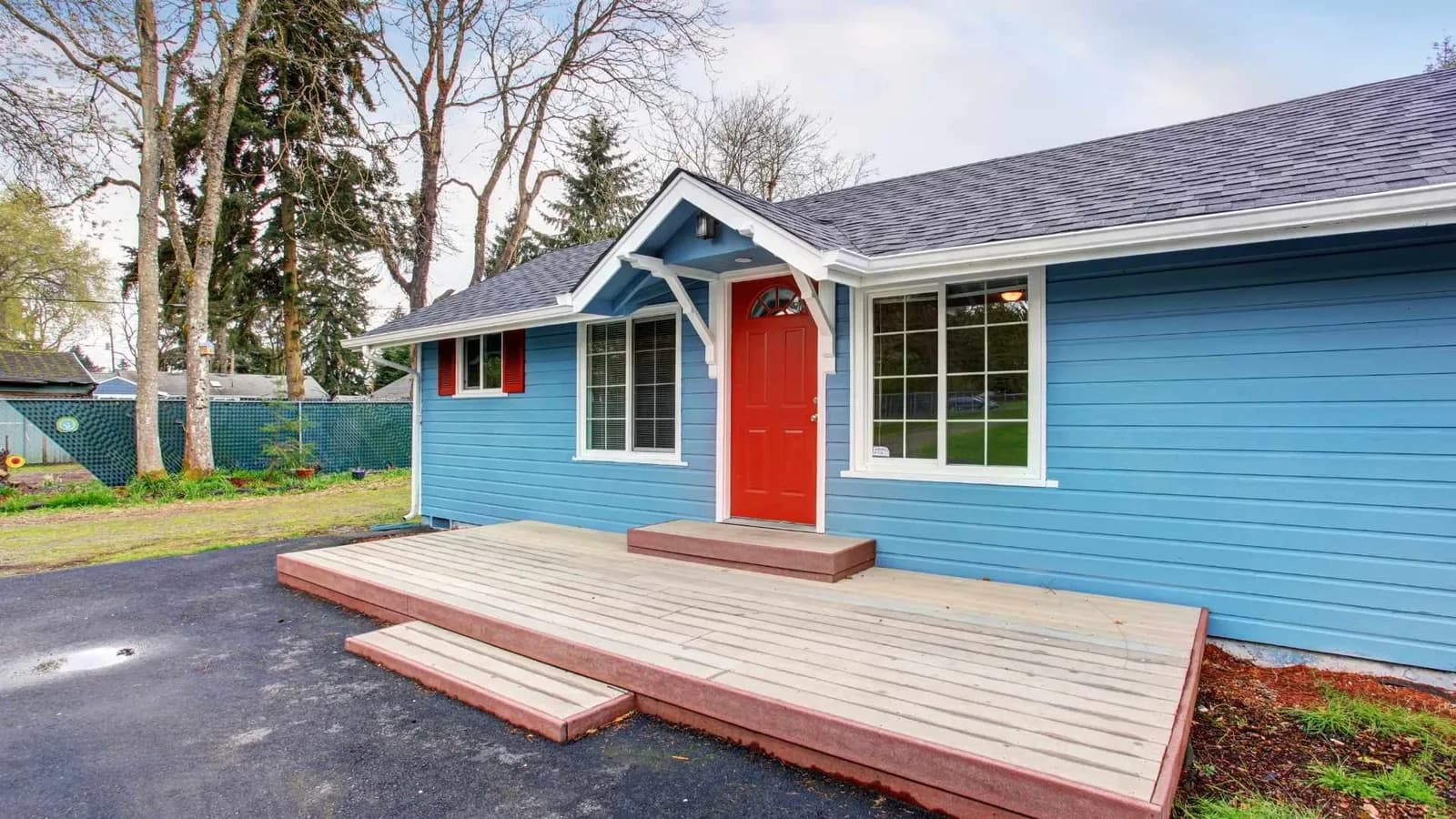
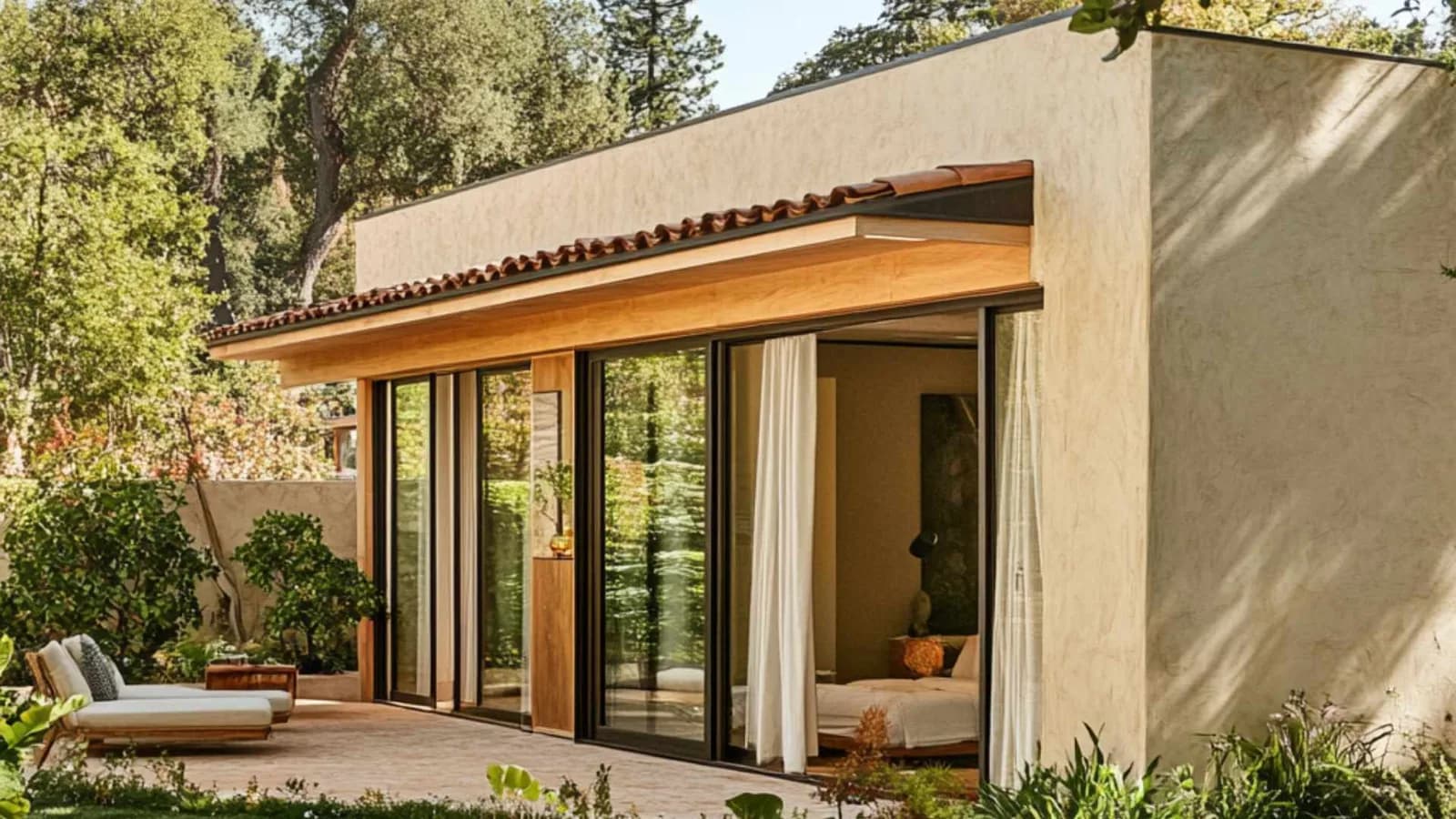
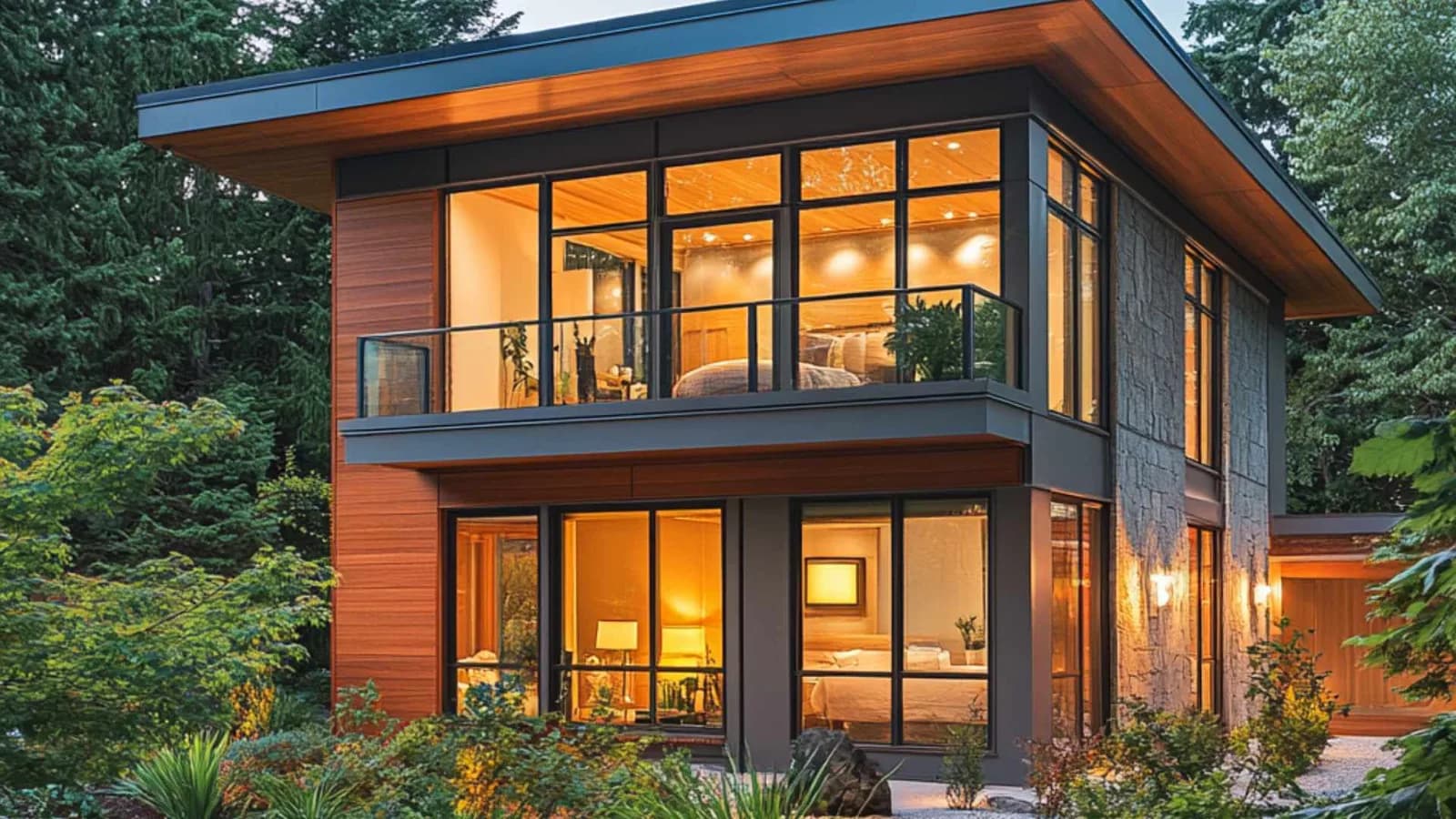
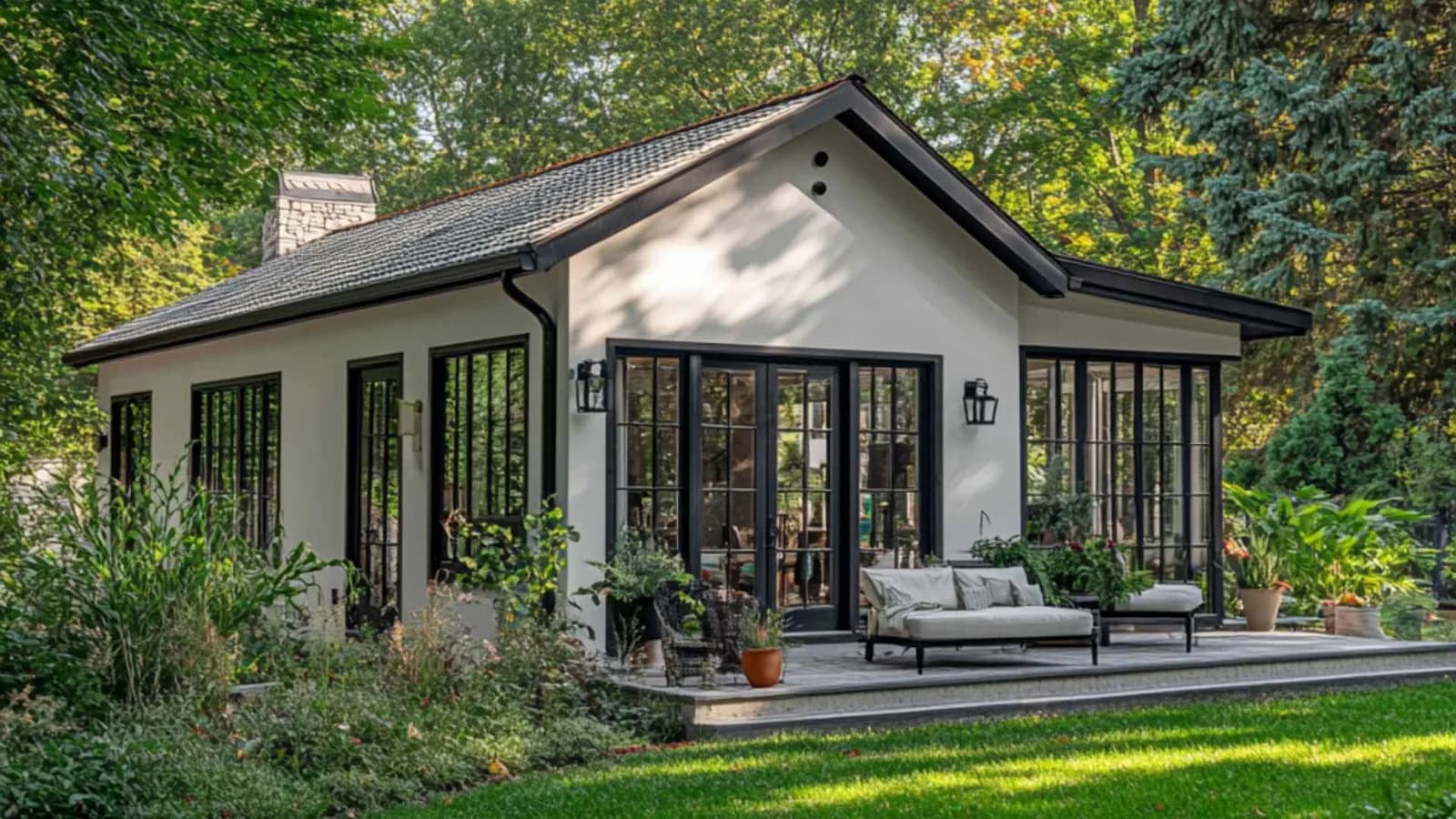
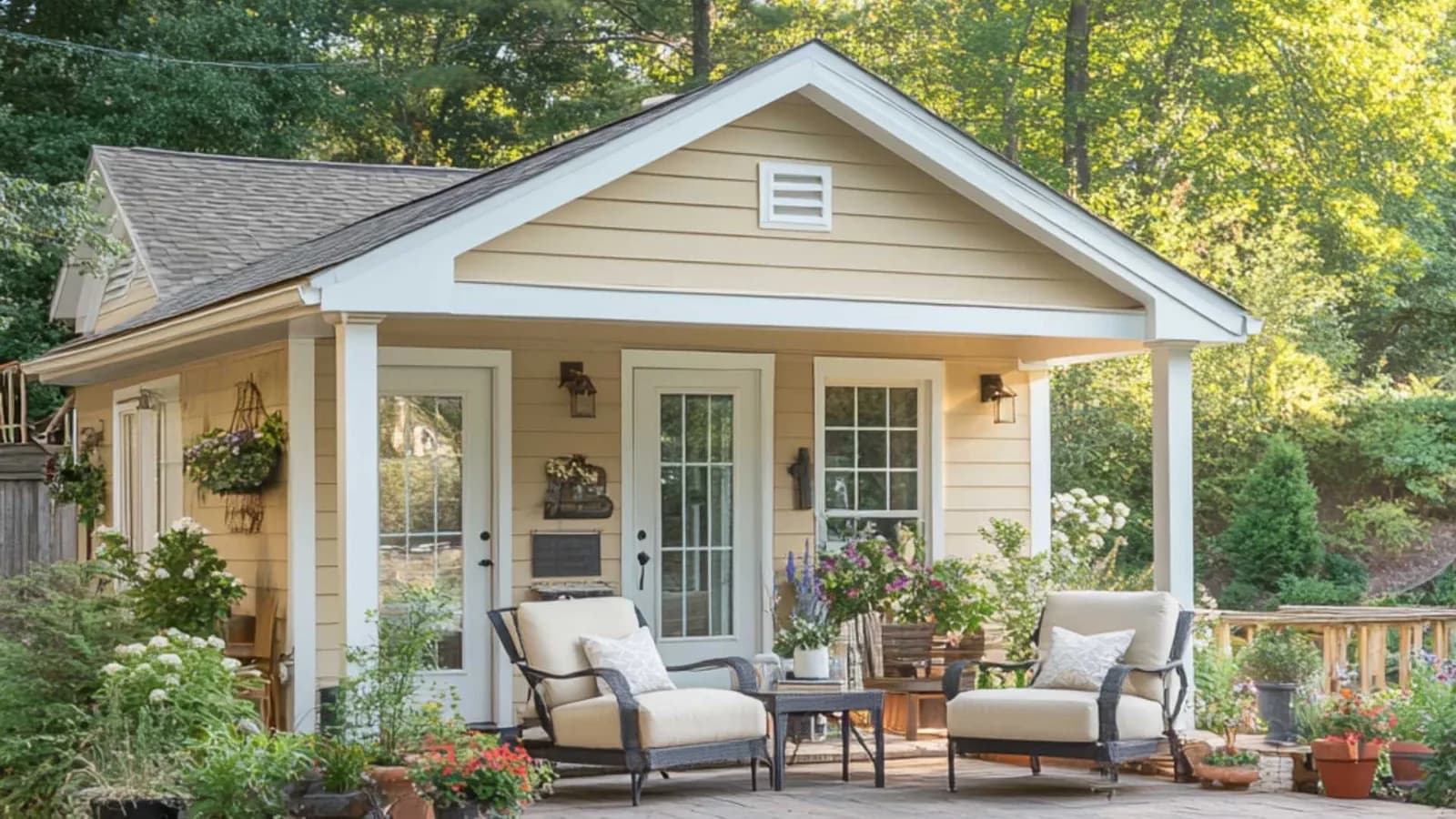
Prefabricated accessory dwelling units (ADUs) are changing how we think about home expansion. They offer a smart and efficient way to add space to our properties without the stress of traditional lengthy construction projects. These units are made off-site and then delivered to your location, making the setup quick and hassle-free. Any ADU – a guest house, an in-law suite, or a rental property – can be built as a prefabricated accessory dwelling unit.
A junior ADU is the only ADU that cannot be built by prefab ADU manufacturers. Junior ADUs must be converted out of existing space unless you are building it at the same time as the primary home and using a prefab design process for the whole project.
ADUs provide extra living space that can serve as rental income, a home office, or a place for family members. These units are designed to maximize comfort and functionality. Many people are looking for flexible housing options, and ADUs offer a solution that’s both cost-effective and adaptable to their needs.
Consider the benefits of a prefabricated ADU when making the most of your property space. These units save time and come with fewer disruptions compared to traditional building methods. By exploring this option, we can enhance our living space with efficiency and style.
That said, the prefabricated accessory dwelling units do not make site work go away completely. Spend time on pre-construction to avoid delays when the unit is there, but not operational.
We have said it before, we have to say it again: all modular units are prefabricated. Not all prefabricated accessory dwelling units are modular!
Prefabricated accessory dwelling units (ADUs) offer flexible housing solutions with unique design and architecture. They require important considerations around regulations and zoning but also present clear benefits and challenges.
Navigating the rules for prefabricated ADUs can be tricky. Zoning laws vary widely depending on location. Some areas welcome ADUs as a solution to housing shortages, while others have strict limits. We must check local ordinances and get the necessary permits.
When working with prefabricated vendors, always ask if this home will adhere to the local building code, local State code (HCD), or Federal building code (HUD). The latter two will have the insignia on the unit to confirm that they have passed all inspections at the factory level.
Yes, even after spending 5 years working with ADUs we still need to check local ordinance to make sure the design will be acceptable for plan check. You may think that learning the HCD Handbook is enough, but the cities adopt their own codes, that often allow us to be even more optimistic than the State rules allow. Go figure.
There are often restrictions on size, height, and placement. We need to ensure that our unit complies with these guidelines to avoid fines or the need for costly adjustments. Staying informed about zoning changes can also prevent future issues. Let alone the number of Bills that California government introduced last year. The heads are spinning when trying to keep up.
Prefabricated ADUs provide additional income or living space. They can serve as rentals, guest houses, or even offices. Their flexibility makes them a practical choice for growing families or those caring for elderly relatives.
Though cost-effective compared to traditional builds, initial expenses can still add up. Transportation and site preparation might incur extra costs. We also must address potential neighborhood resistance. Noise and privacy concerns can lead to opposition. Addressing these concerns early can help in gaining support for the project.
The biggest challenge with modular construction is the payment schedule. You pay for most of the unit before seeing anything in your backyard. Local companies working with panelized ADUs offer payment schedules that are more respectful of your cash flow and peace of mind.
We often opt for panelized – not modular- units. This allows us to build quickly without wasting money on transportation and cranes.
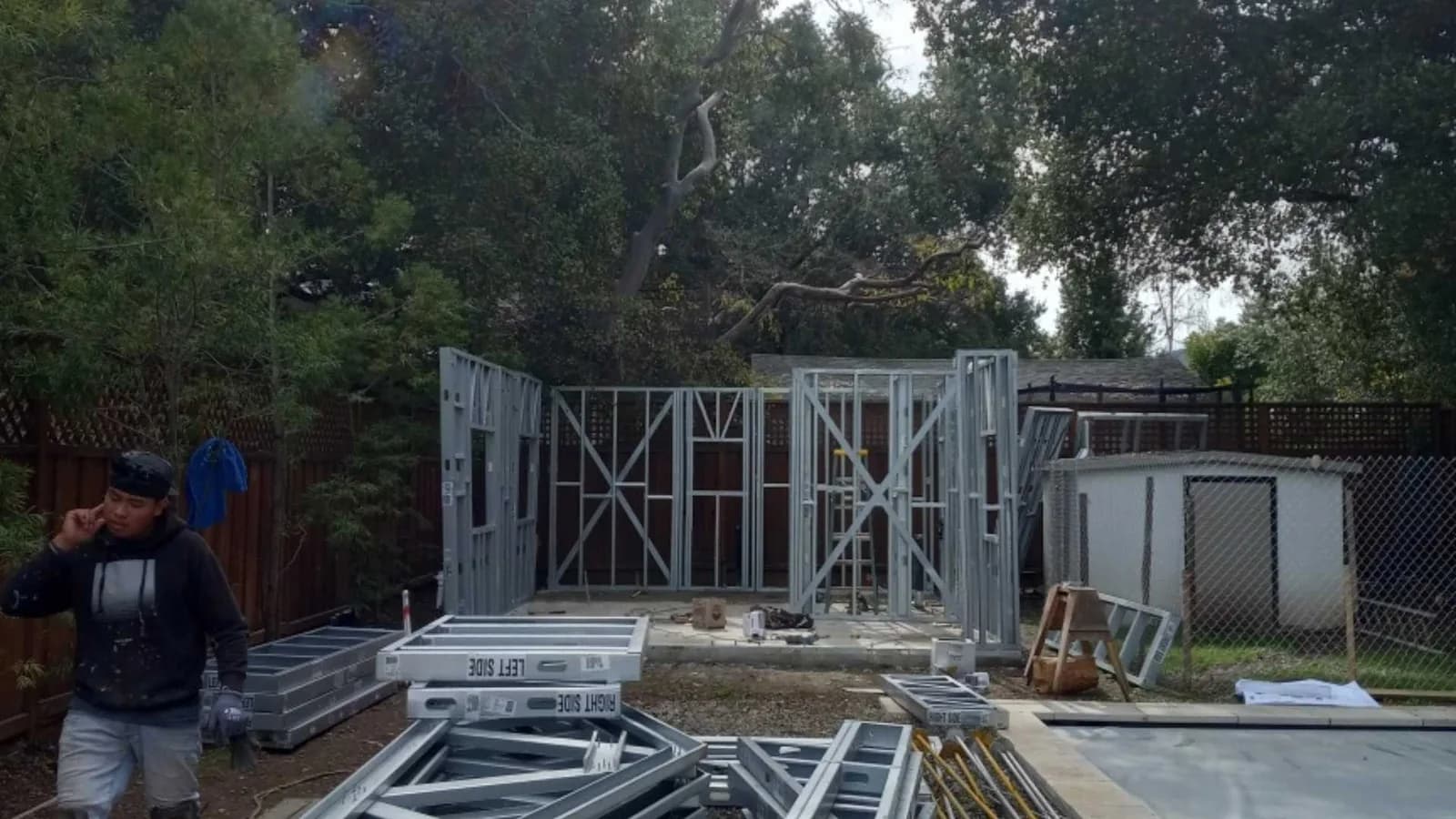
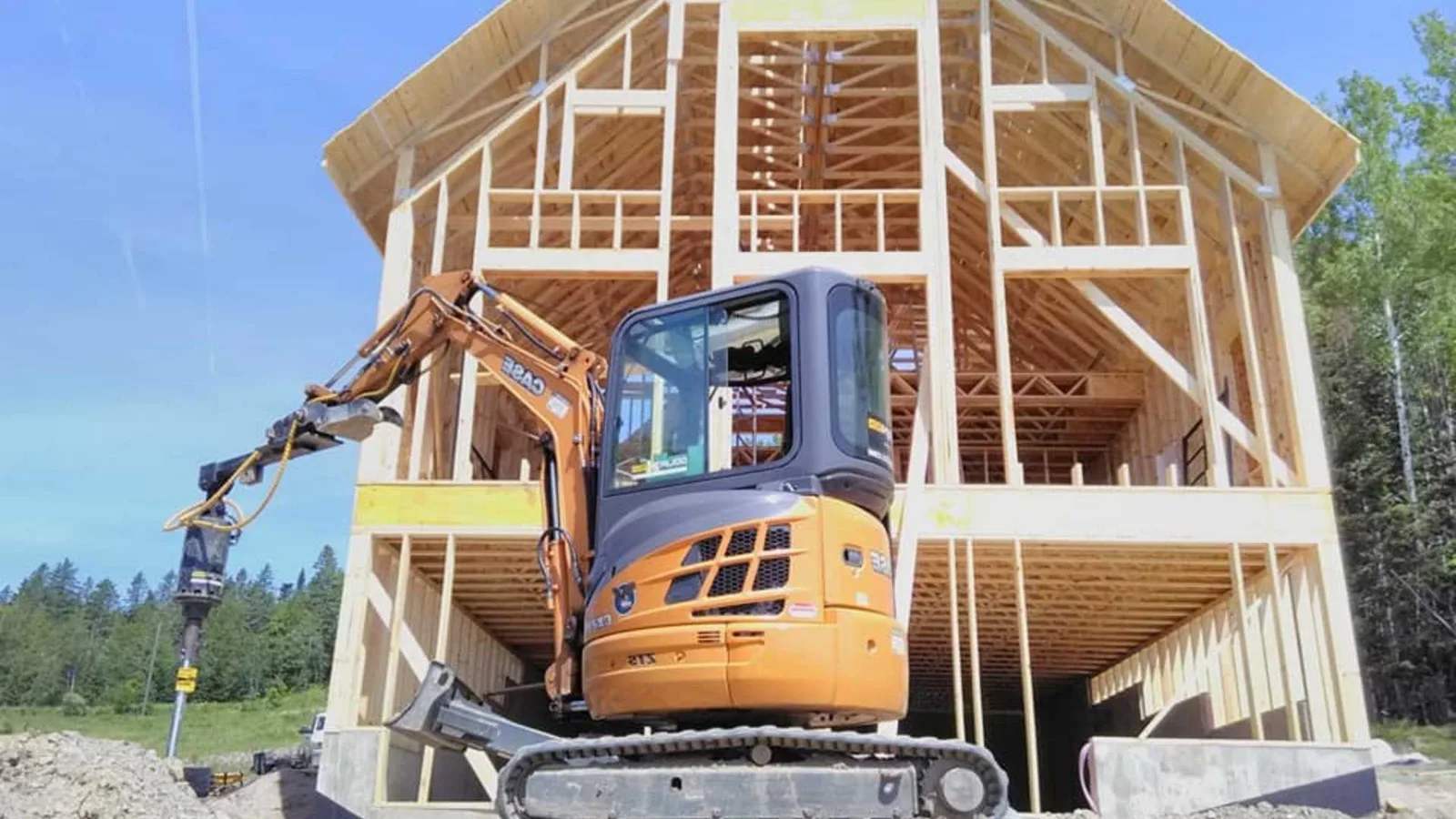
A common misunderstanding is that every prefabricated accessory dwelling unit is a modular ADU. Yes, a modular ADU uses prefab construction. But not all prefabricated ADUs are modular! There are different types of prefabricated ADUs. Some are panelized prefabs—the wall panels arrive on site stacked on a flatbed truck for the crew to erect the walls at double the speed of the regular stick-built construction.
This technology is not new. Sears kit houses were sold from 1908 to 1942. Yes, it all started back in 1908!
“Blueprints and building supplies were ordered from a specialty Sears catalog, and all of these supplies were shipped, by rail (primarily), to the homeowner (who either chose to build the house himself or use a contractor to arrange the construction). One of the most fascinating parts of the story is that the framing lumber was (in most cases) pre-cut and labeled, allowing the homebuilder to follow an instruction booklet to help organize the construction process. Included in the overall purchase were all elements needed for the house, from lumber to roofing; wiring and plumbing; windows and door knobs, and hinges and nails and screws; staircases and all of their parts, pre-mitered; flooring, bathtubs, and sinks and faucets; kitchen cabinets and ironing boards; window screens, window shades, and light fixtures.”
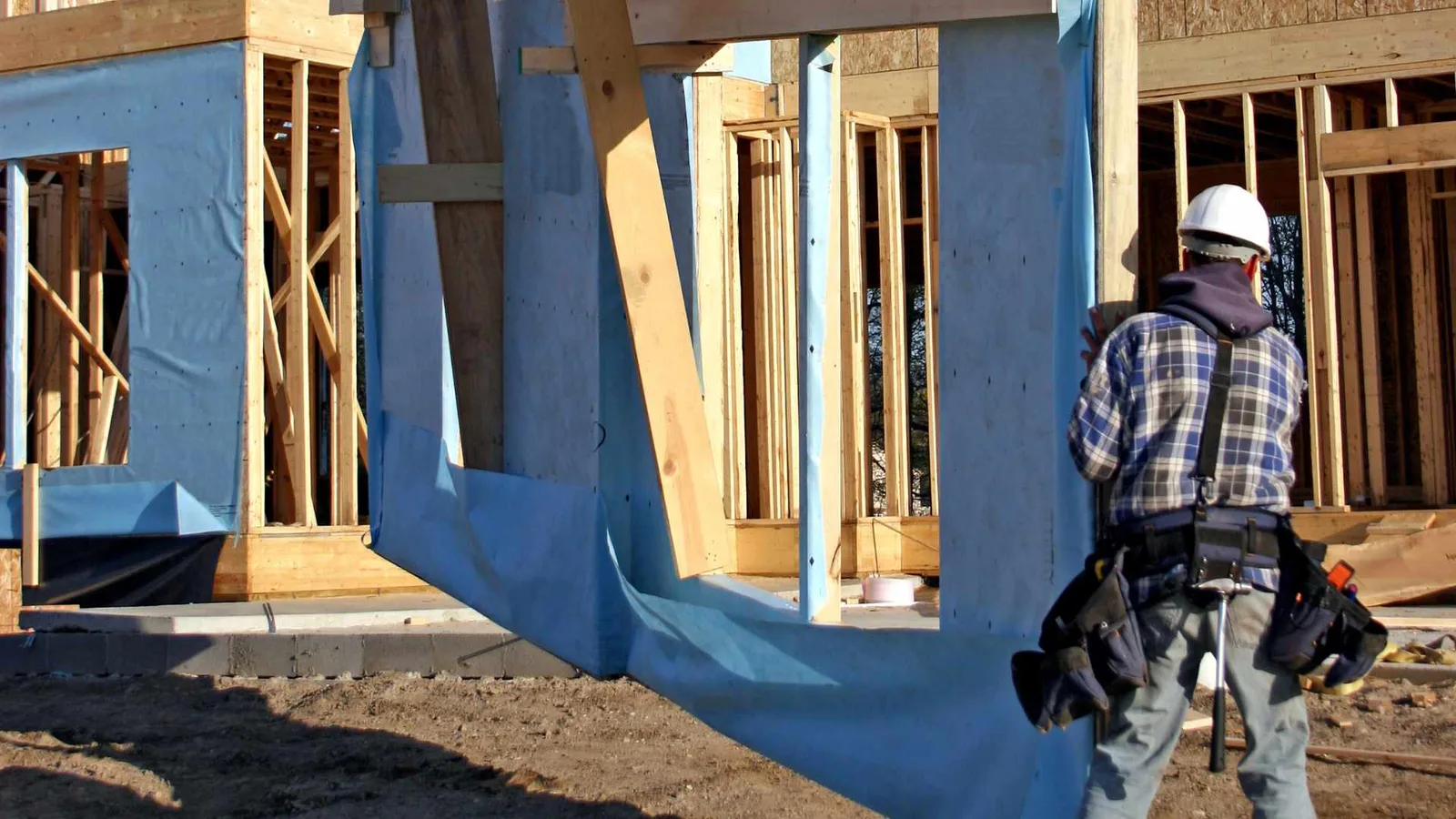
The second myth is that you can build custom ADUs using only traditional construction. Yes, any general contractor can manage a stick-built ADU. If you like the idea of a well-made modern house, you can combine the benefits of a site-built ADU with high-quality prefabrication.
The third myth is that all modular construction is innovative. Guess what? Manufactured homes, also known as mobile homes, have been using the same building process tooted by modular prefab ADU vendors for years. Two main drawbacks of less expensive modular prefabs (manufactured homes) are the lack of large windows and air conditioning. Those modular prefab companies that offer new prefab ADUs usually pay more attention to natural light, air ventilation, and modern looks, but this comes at additional costs.
Planning and developing a prefabricated accessory dwelling unit (ADU) involves thoughtful site selection, understanding permitting requirements, and overseeing manufacturing. These steps ensure that the ADU project aligns with local regulations and is executed efficiently.
We sometimes see articles that mention deciding on a prefab method after the design process is complete. This will be a huge mistake. When designing a new structure, whether a single-family home with an ADU or a stand-alone ADU project, an architect should consider the specifics of the building materials. So should the structural engineer. Otherwise, instead of building cost-effectively, you will be wasting money on re-design and re-engineering, which adds up really quickly.
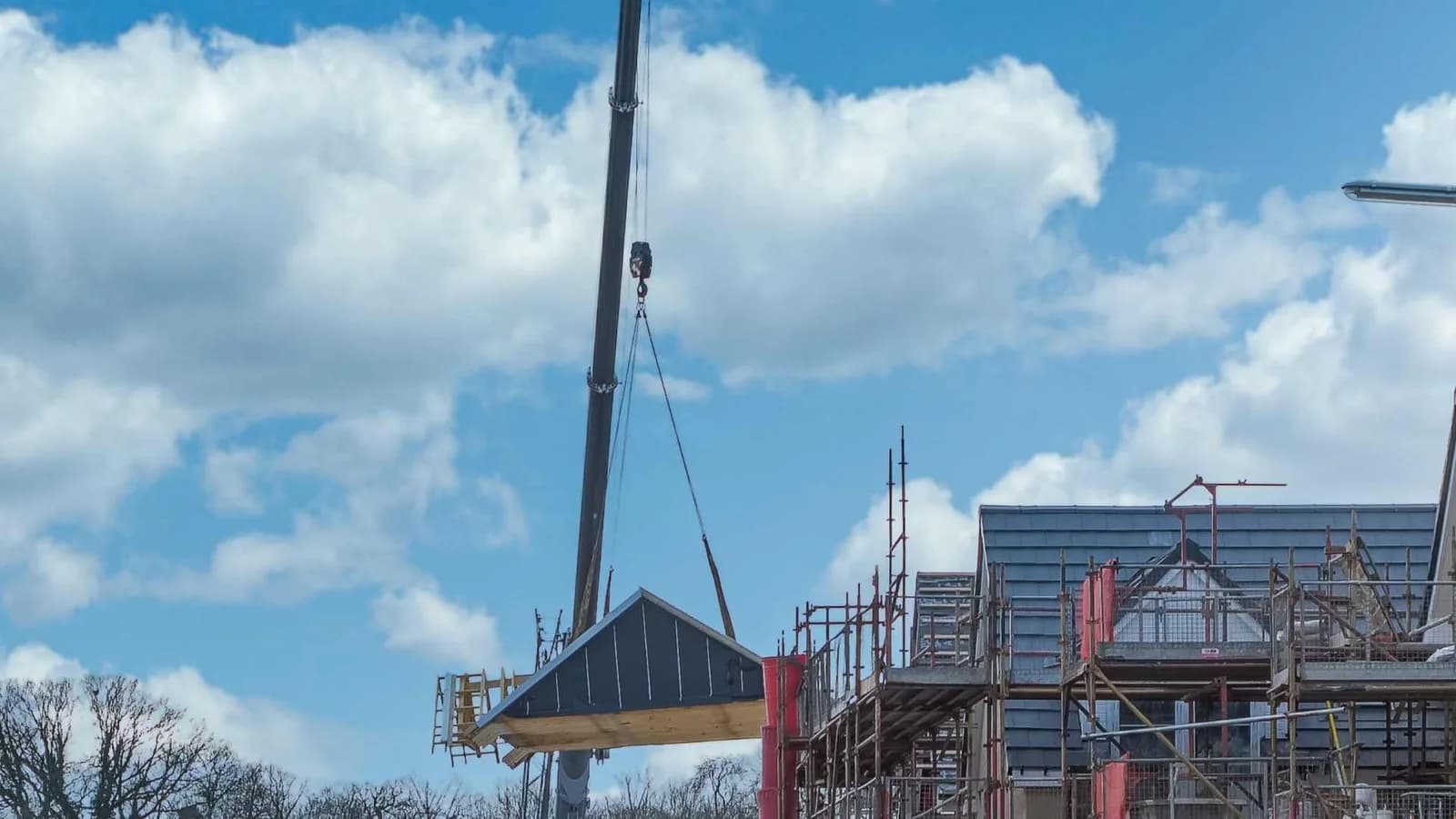
When choosing a location for our ADU, we must consider the size and layout of the lot. It’s essential to evaluate how the unit will fit with the main structure and maintain privacy for both dwellings. Proximity to utilities and infrastructure is also important, as it can impact construction costs and time. Access is another item to consider. If you plan for a modular home, you need access to the backyard free of overhead power lines, with a generous driveway for the unit’s transportation and the space to park a crane.
Local zoning laws play a significant role. We need to review regulations to confirm where ADUs are allowed. Some areas have height restrictions, design criteria, or neighborhood covenants that could limit our options. Consulting with local planning departments early in the process always helps identify any potential hurdles we may face.
Yes, we still do this. Nothing expedites the permit process more than knowing the rules before going into design phase.
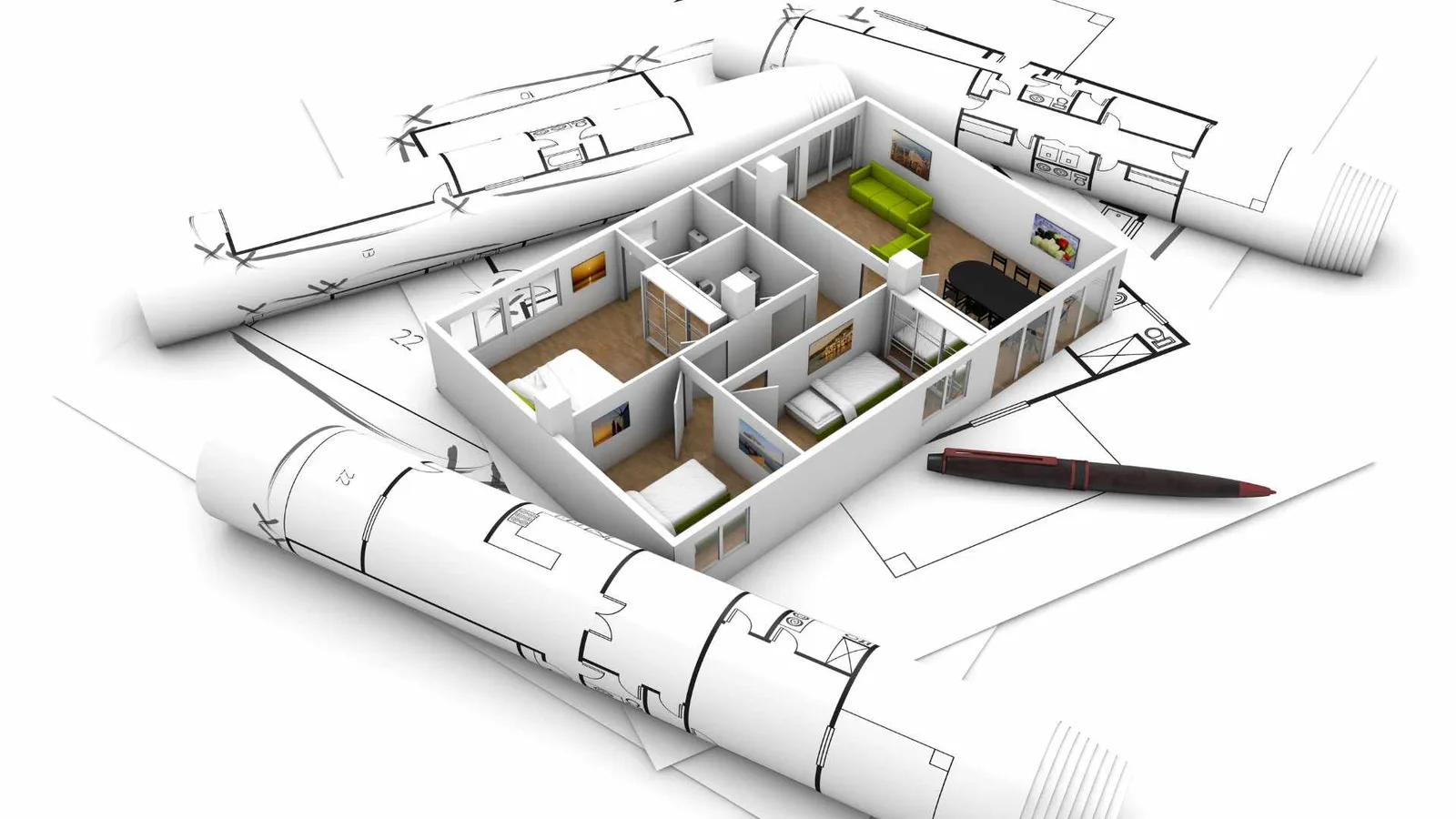
The permitting process varies by location but typically involves multiple steps. First, we discuss a site plan with the local planning department. This plan should illustrate the ADU’s position concerning property boundaries and the main house.
After receiving preliminary approval, we usually need to apply for building permits. This step requires detailed construction plans and compliance with building codes. Working closely with architects or builders ensures everything meets local standards. Throughout these stages, clear communication with officials can prevent delays and surprises.
Prefabrication involves creating components of our ADU in a factory setting. This method offers several benefits, including reduced on-site construction time and potentially lower costs. Factories can produce high-quality materials under controlled conditions, enhancing the durability and efficiency of the ADU.
During this stage, coordination with the manufacturing team is essential. We must ensure the design specifications match the site requirements and comply with all regulations. Once components are ready, they are transported to the site for assembly.
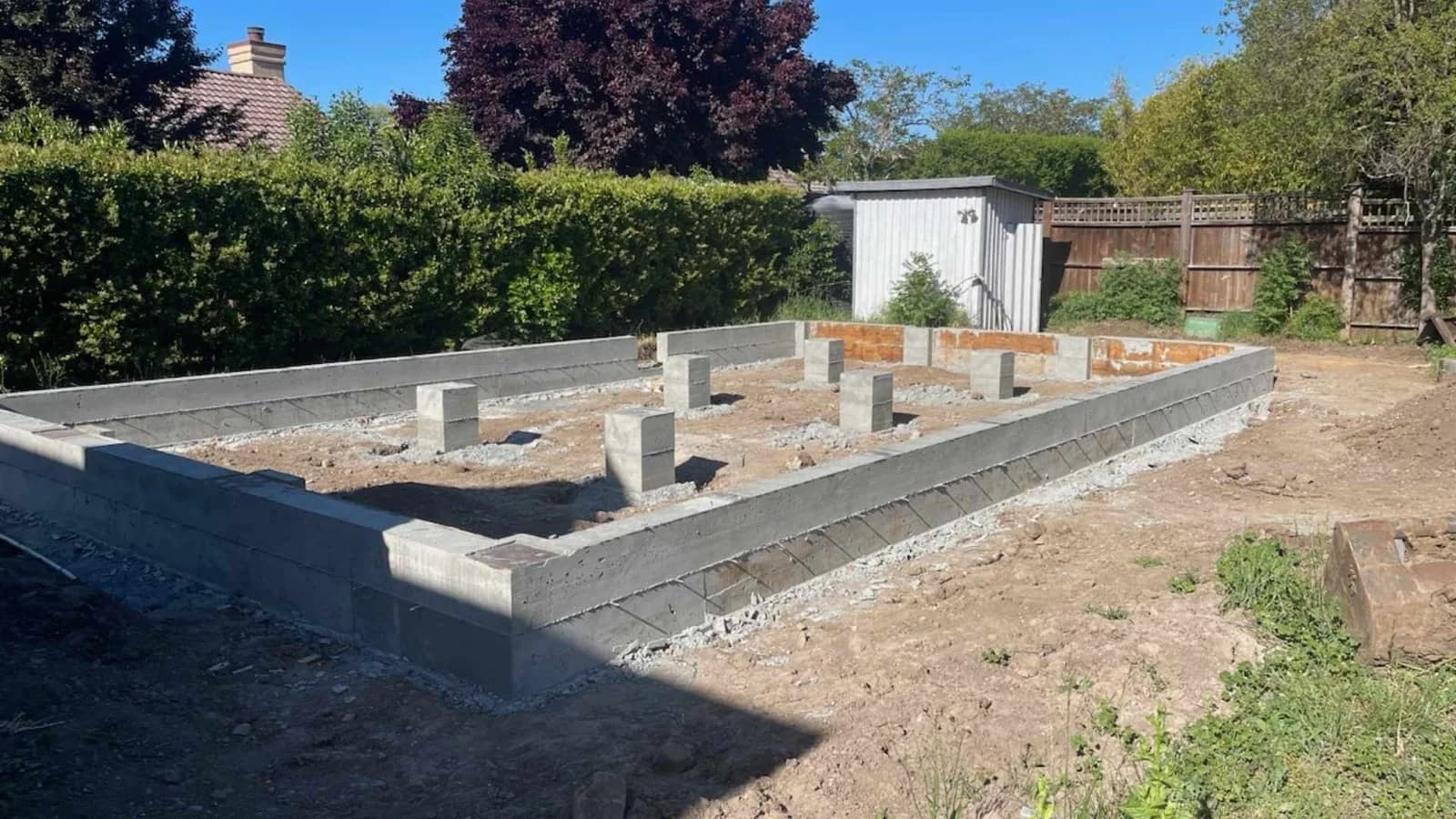
Preparing the site in advance, such as laying foundations and arranging utilities, allows for a quicker installation process. By overseeing these aspects carefully, we can seamlessly transition from factory production to on-site construction.
Every year we hear stories about ADU companies going out of business. When working with a modular company please learn how to make sure you receive ownership for the units after you have paid the vendor. Modular factories charge for the building upfront, before it gets to your backyard. Check if the vendor has an escrow arrangement – this will help claim ownership of the unit in case anything goes South.
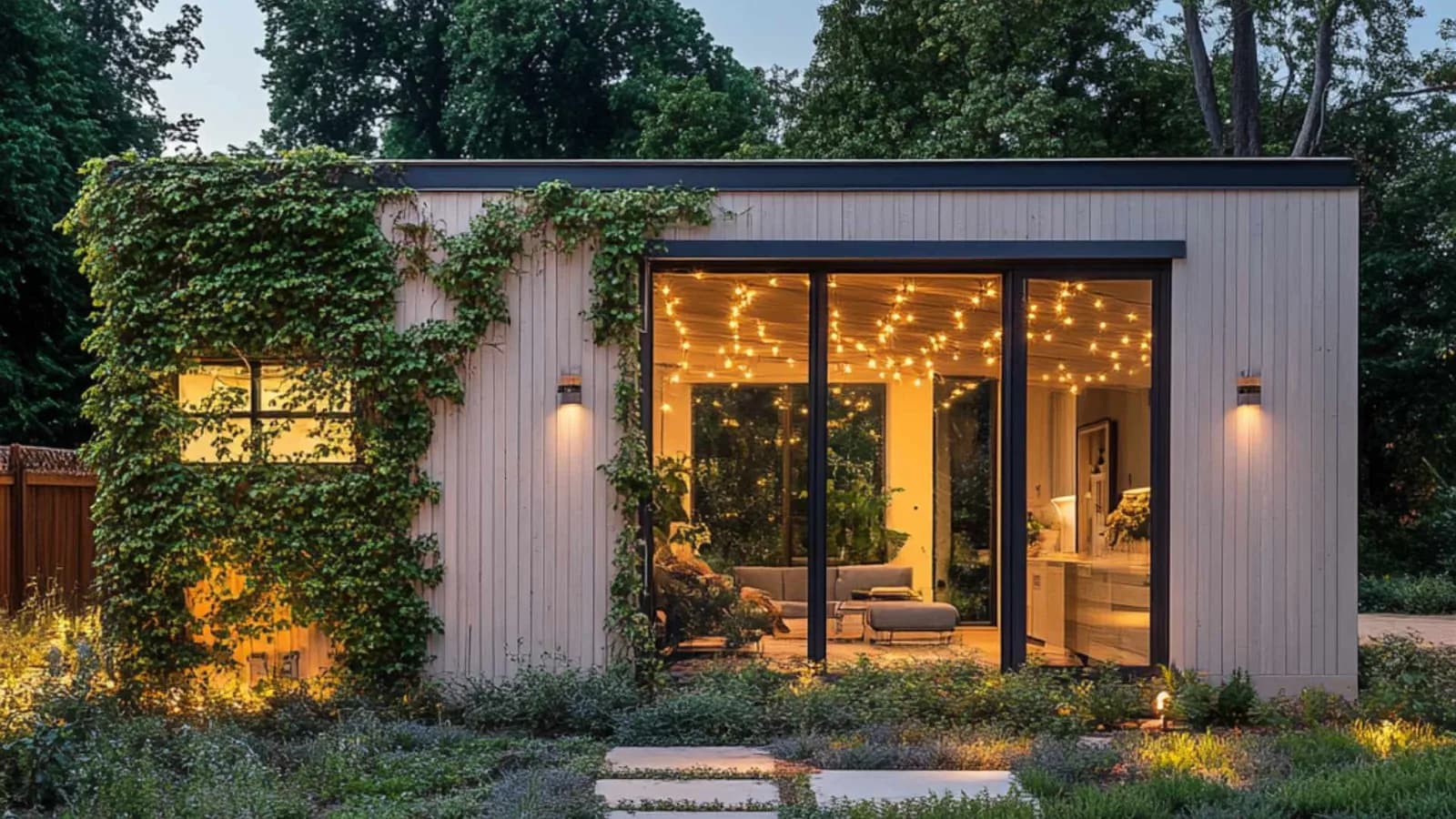
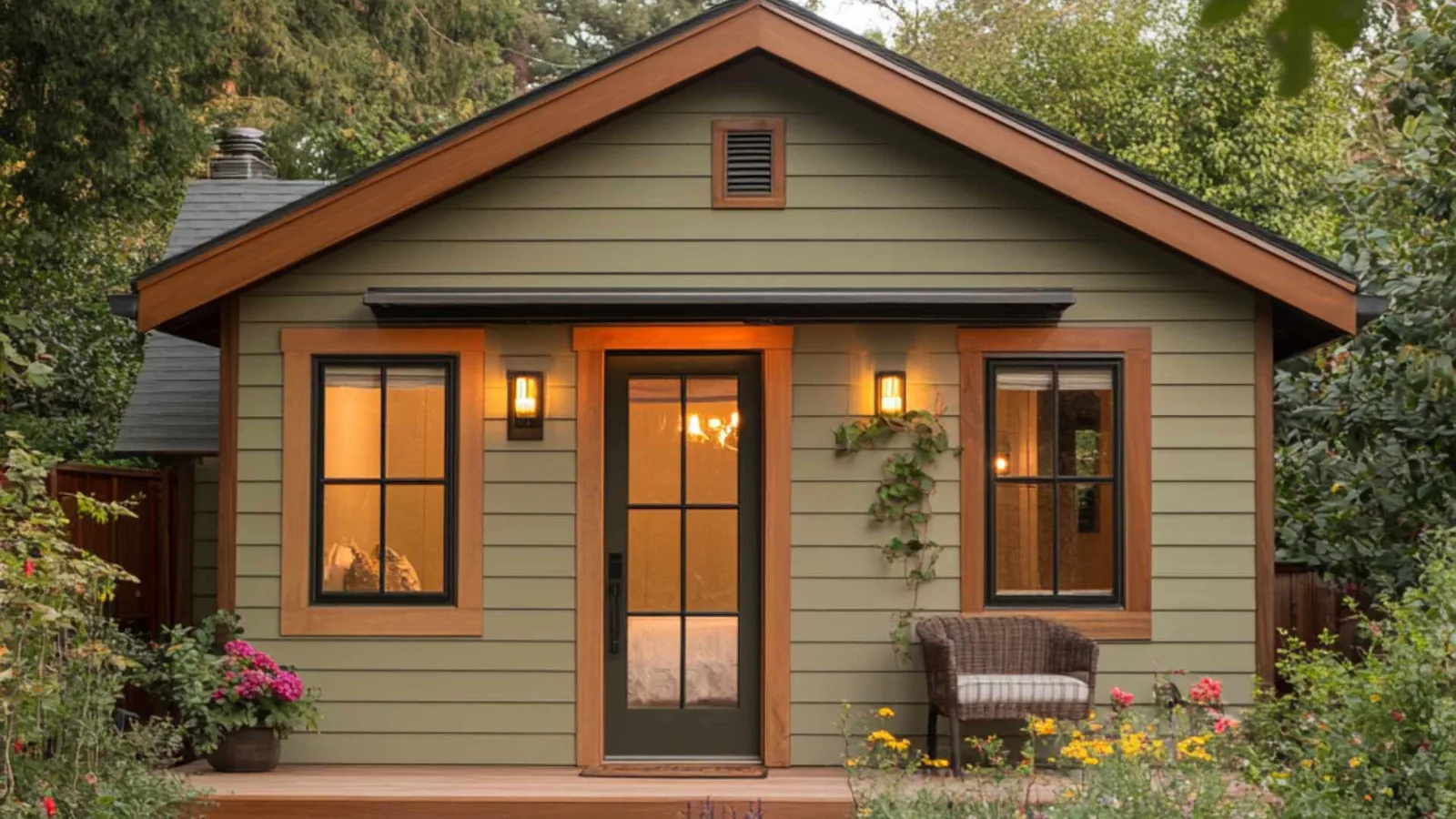
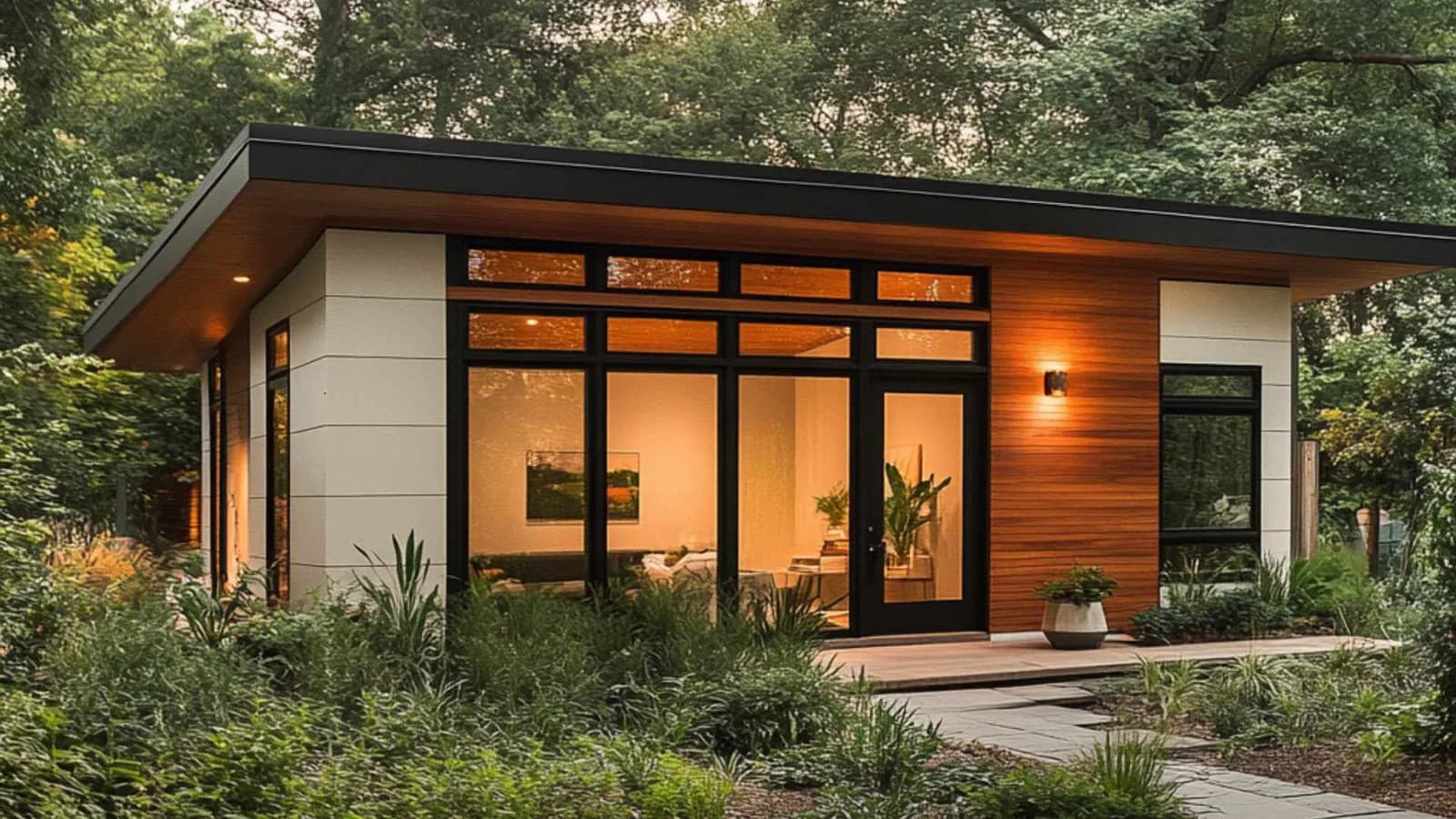
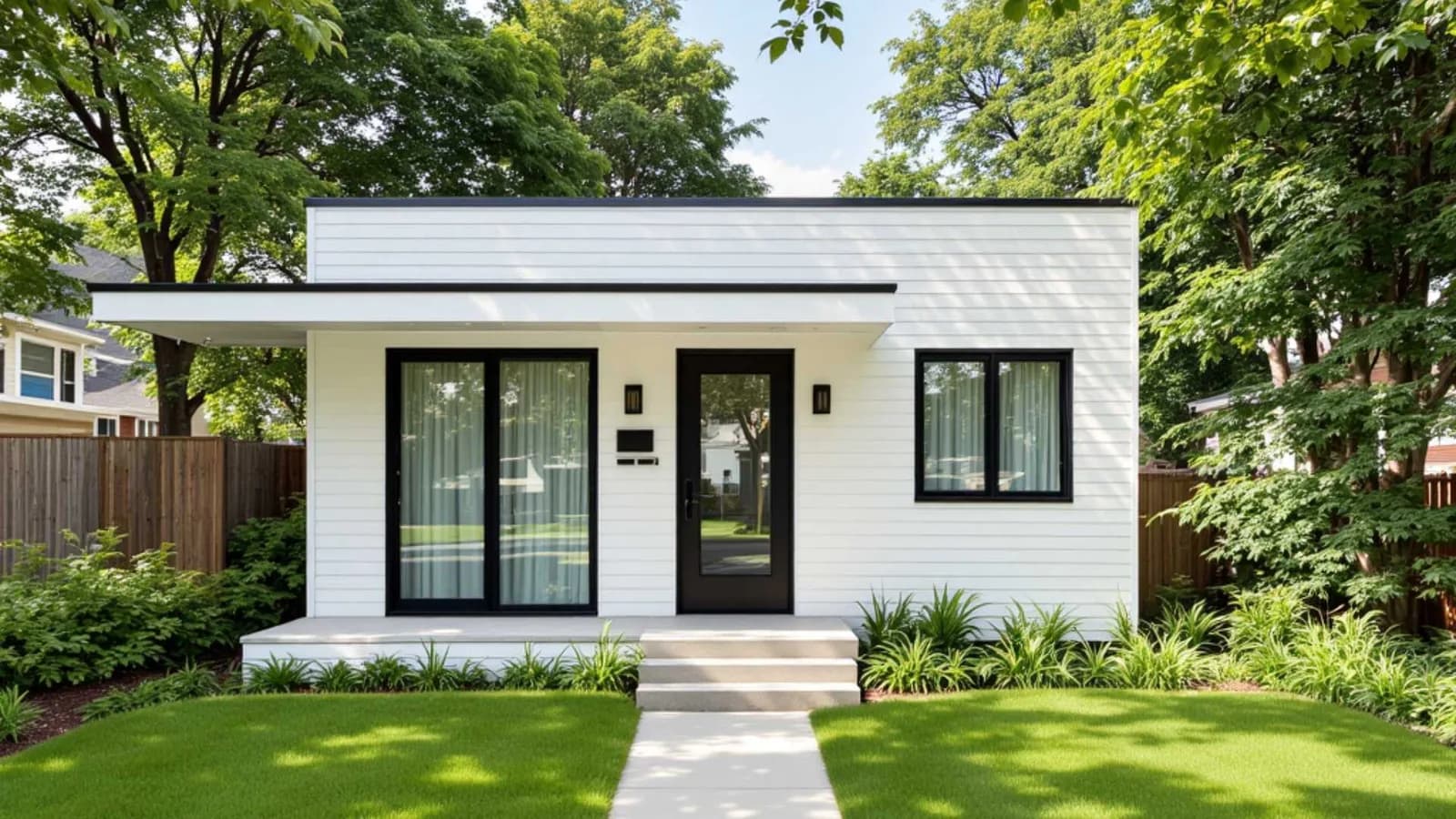
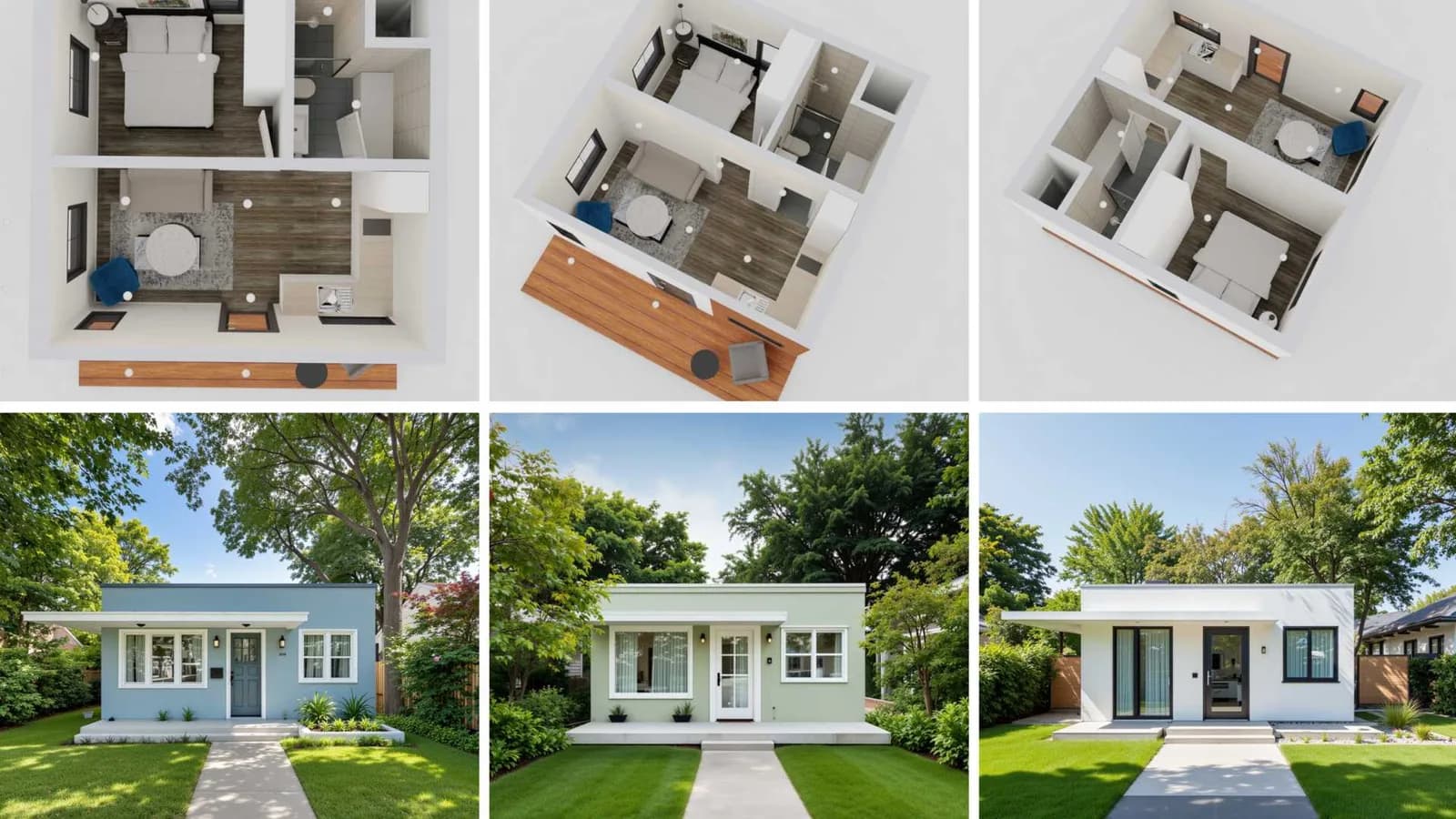
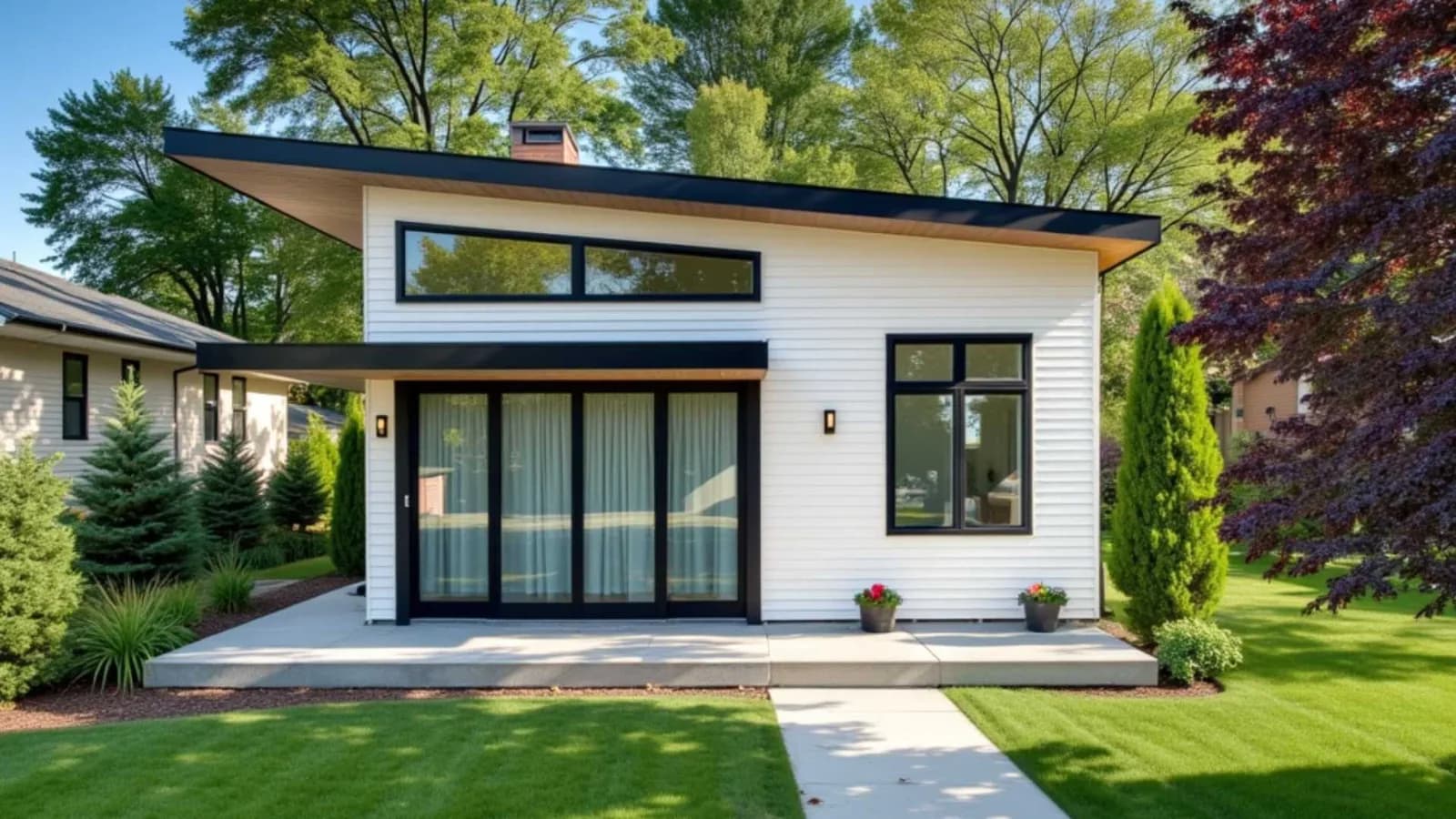
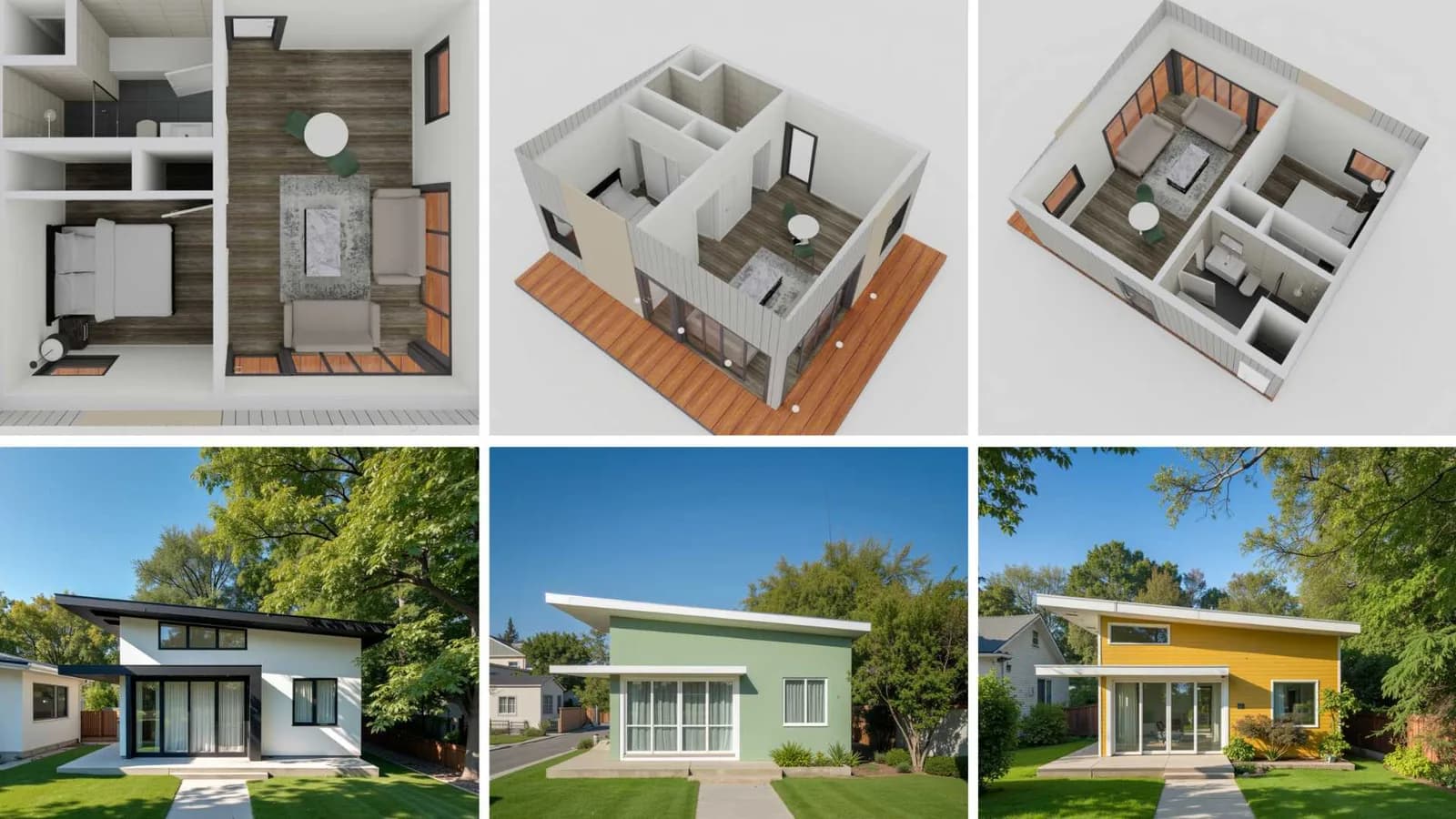
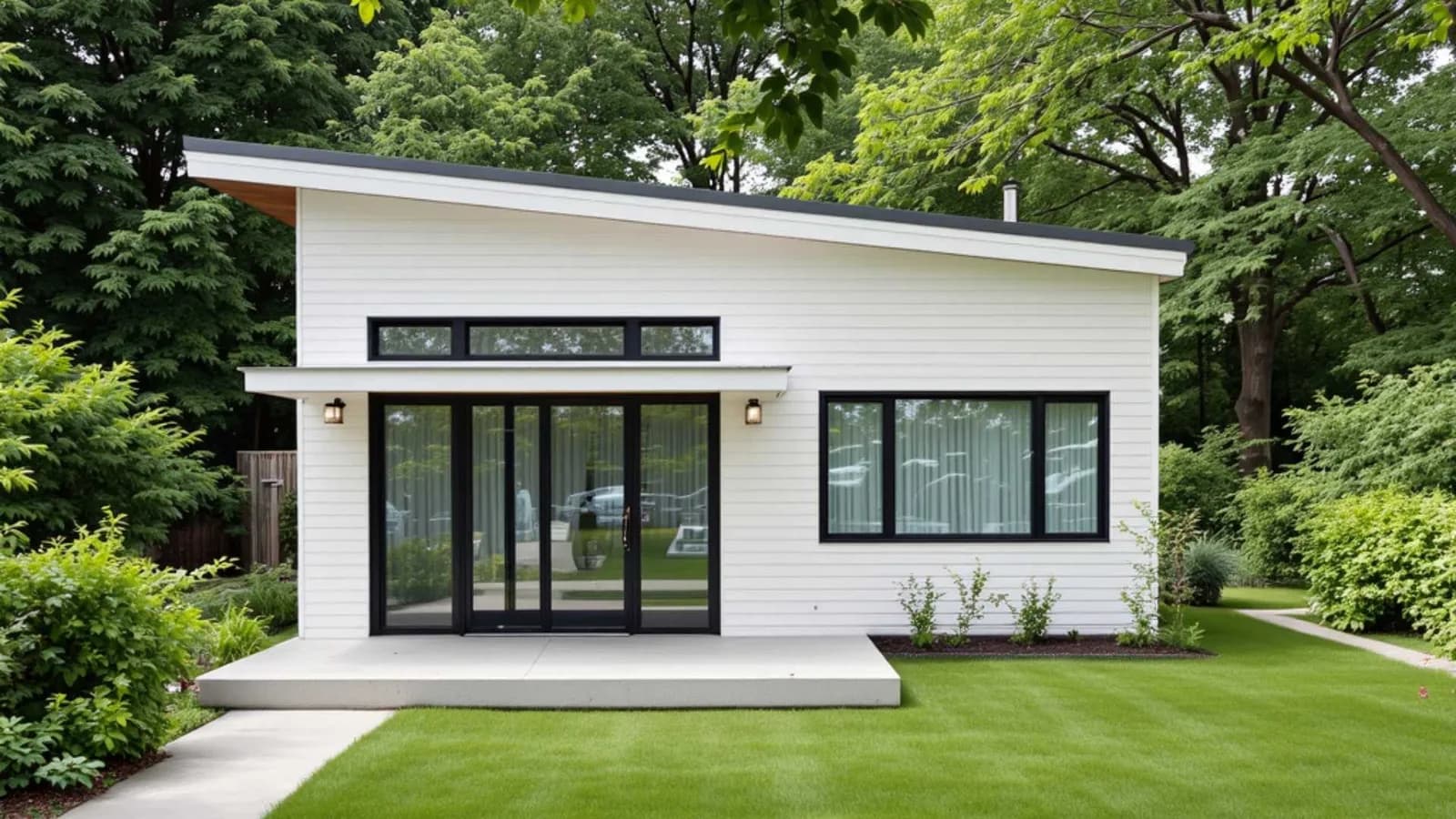
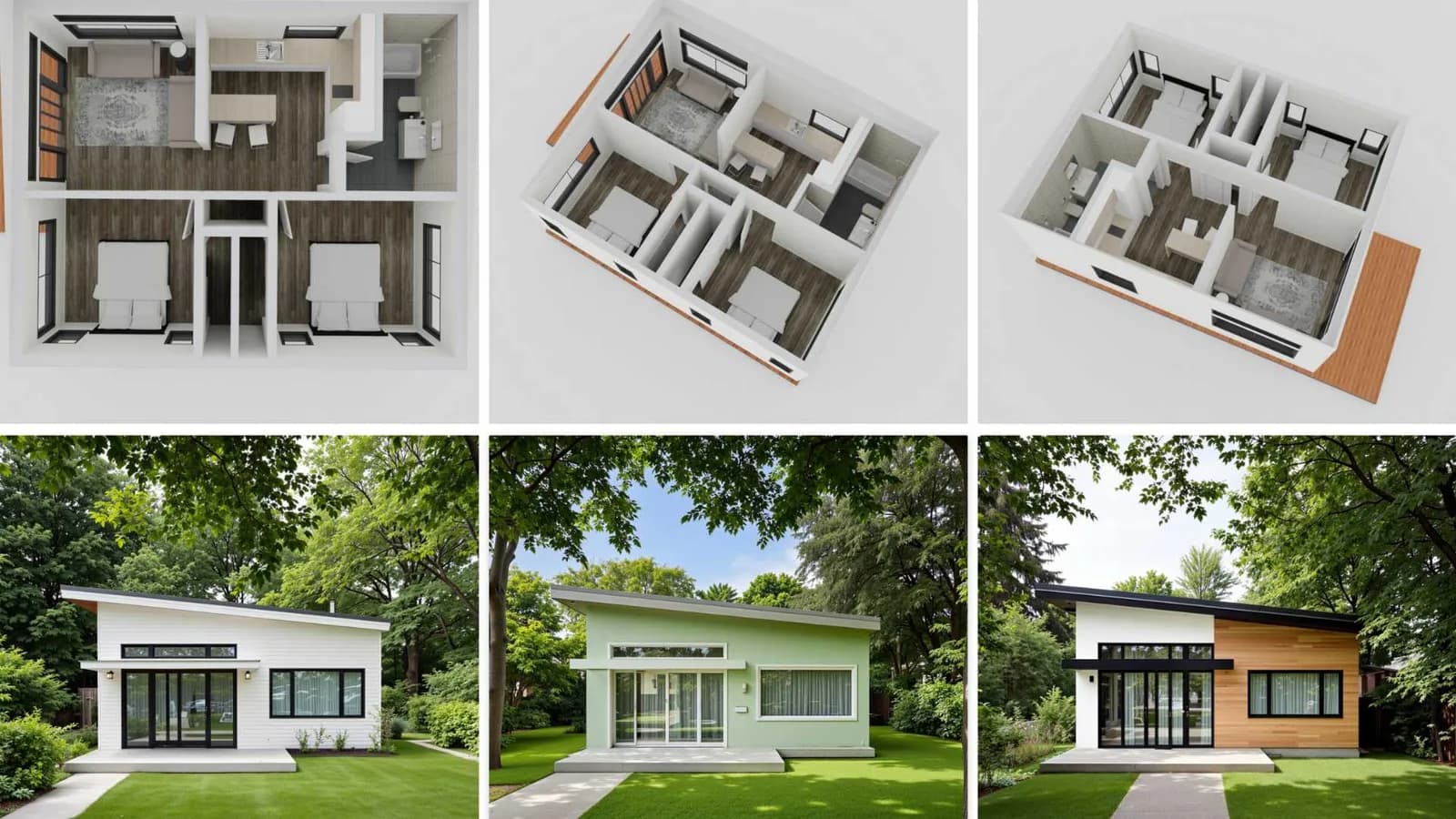
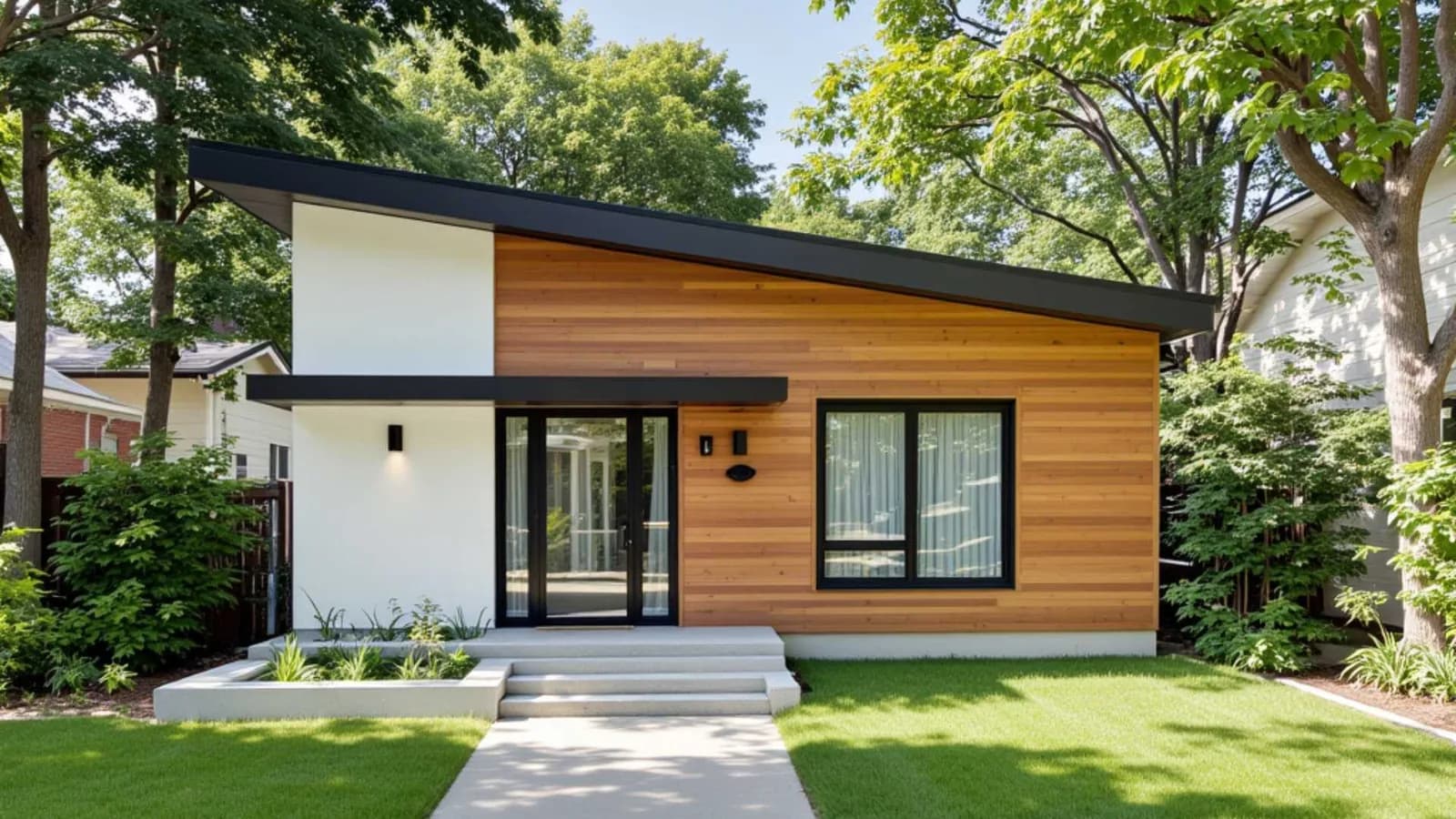
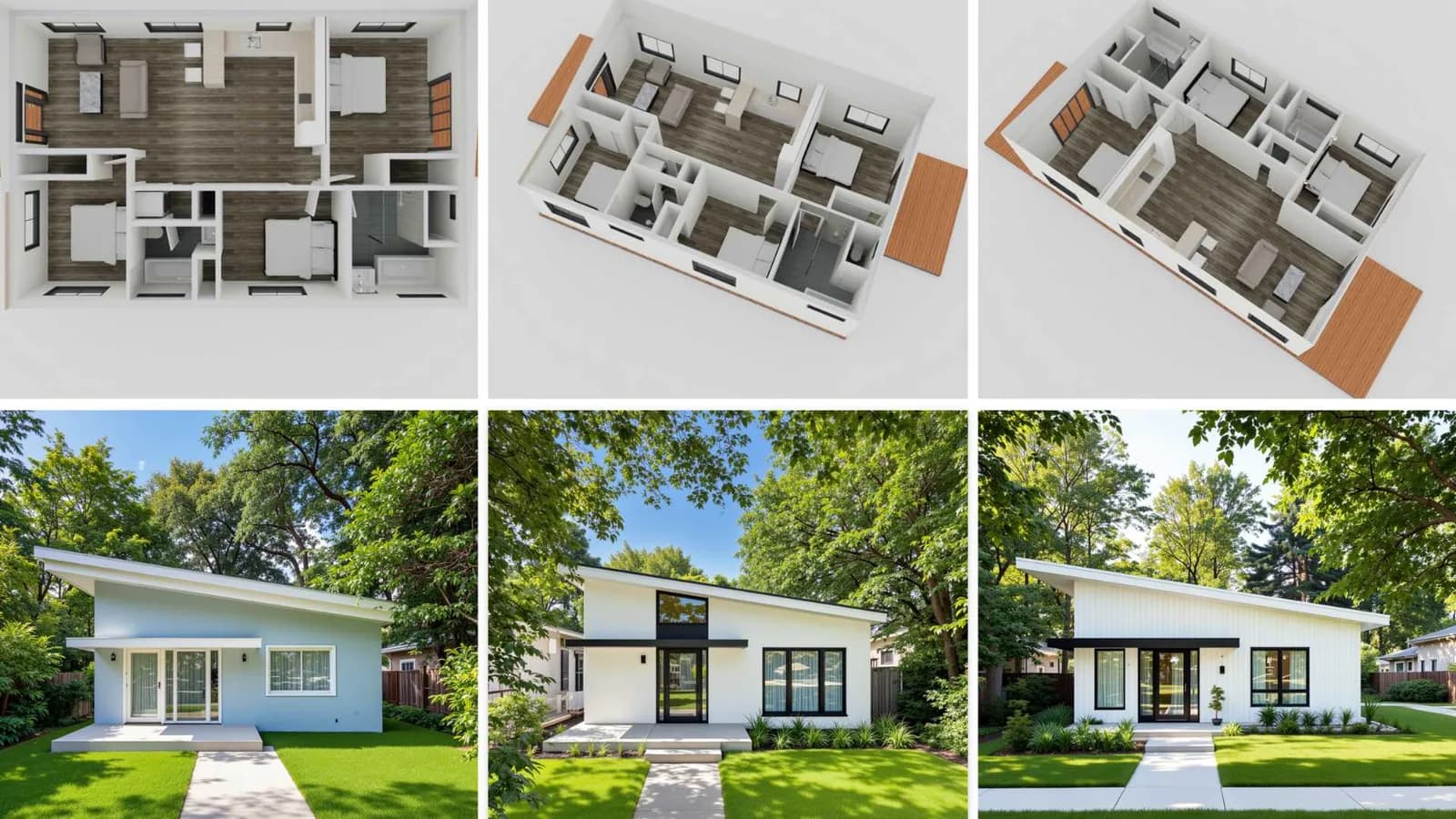
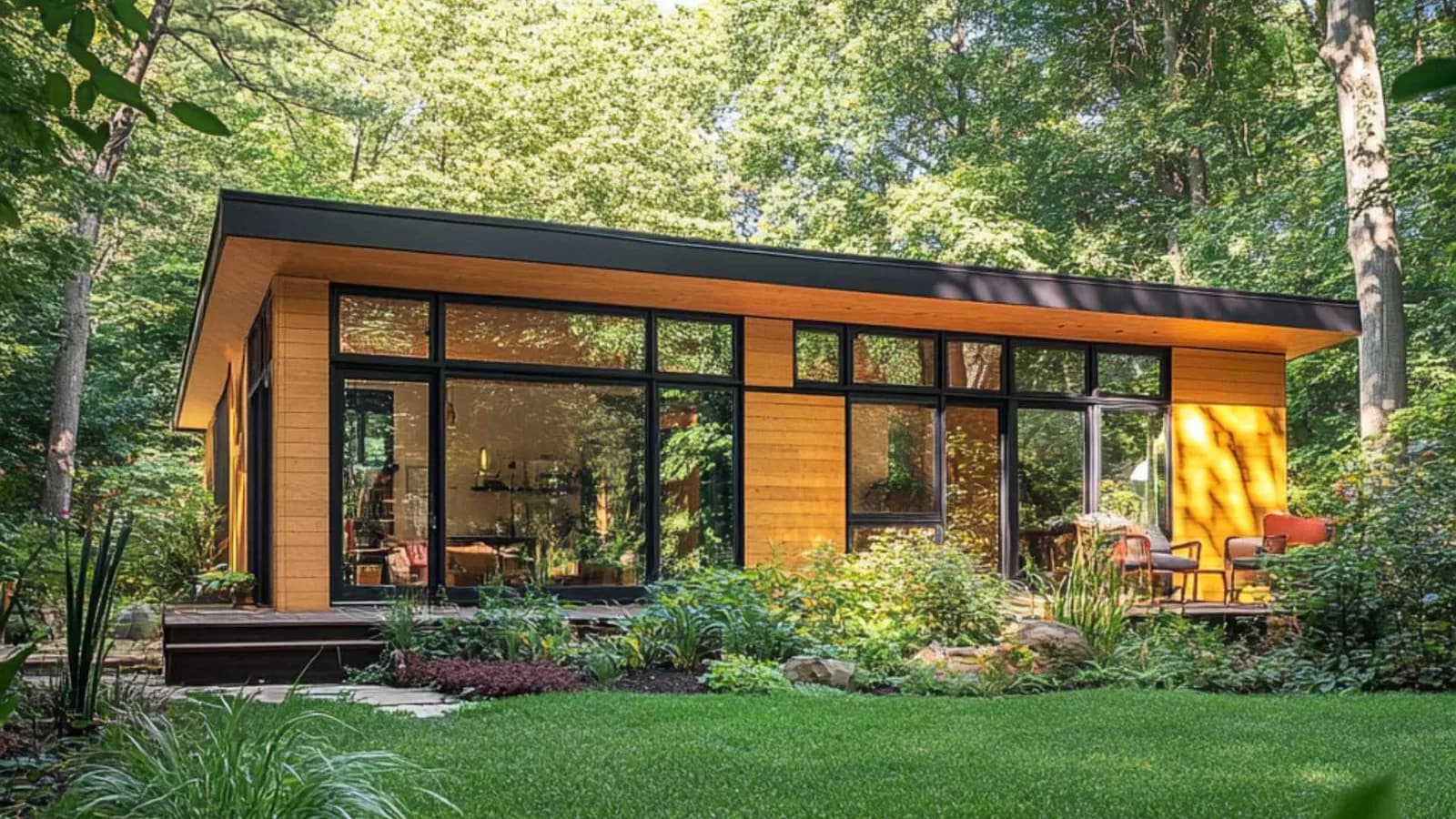
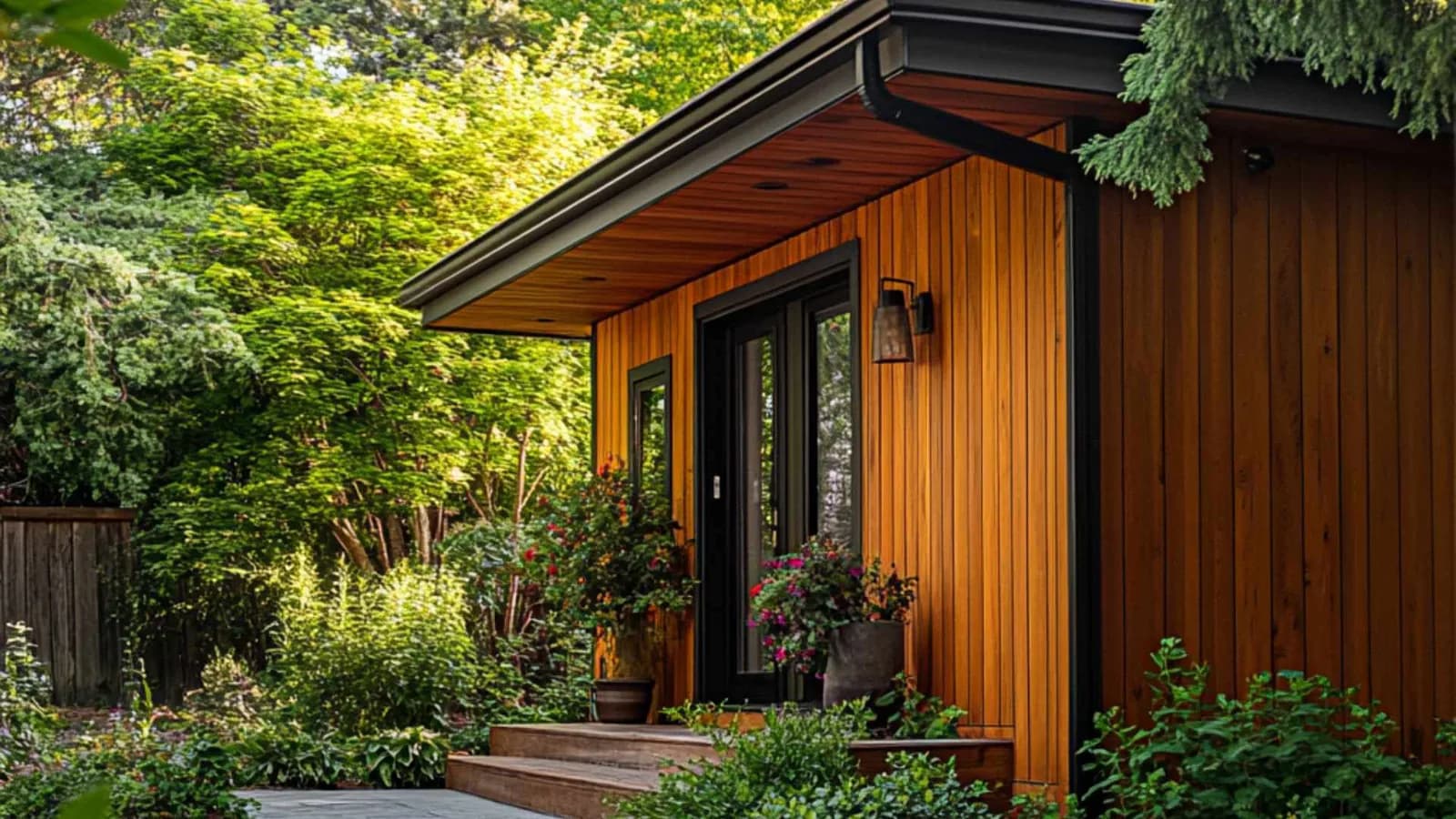
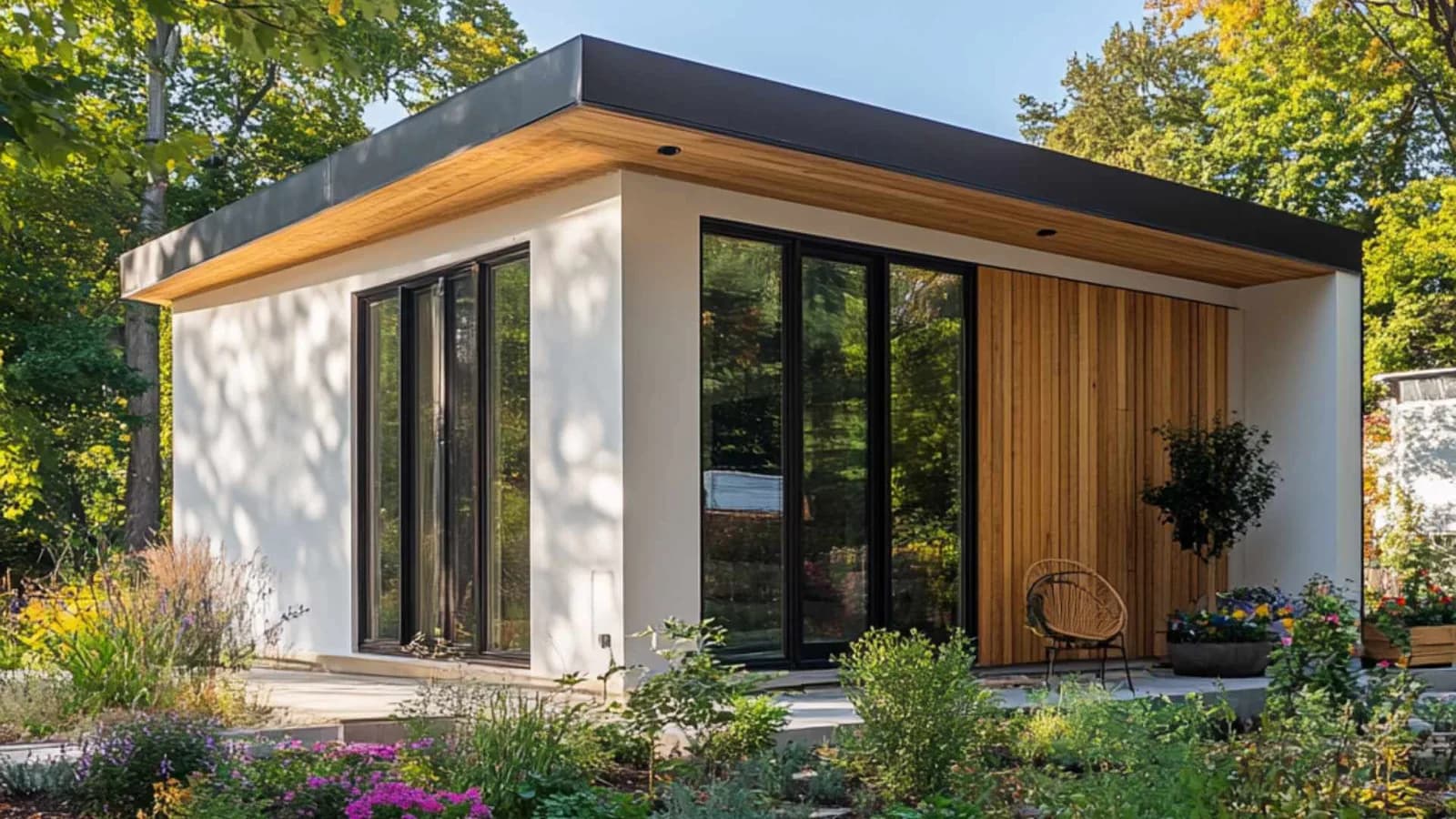
Prefabricated ADUs come with various design options. Many feature modern styles with clean lines and open floor plans. Common materials include wood, steel, and glass, which strike a balance between aesthetics and durability. These units are often customizable, allowing homeowners to choose layouts and finishes that meet their preferences. Any ADU plan in our collection can be built using prefabrication.
Current state regulations focus heavily on energy efficiency. Many of these units incorporate eco-friendly designs, such as solar panels and high-insulation materials. This reduces environmental impact and can also lower utility costs in the long run.
Making accessory dwelling units with cold-form steel panels helps make them not just modern, but also more fire-resistant.
Energy efficiency is a big focus here. Many of these units incorporate eco-friendly designs, such as solar panels and high-insulation materials. This reduces environmental impact and can also lower utility costs in the long run.


The entry door opens to a combination of a living space and dining area. Residents can hit snooze on the bed, relax on the sofa, or take a meal in the dining space.


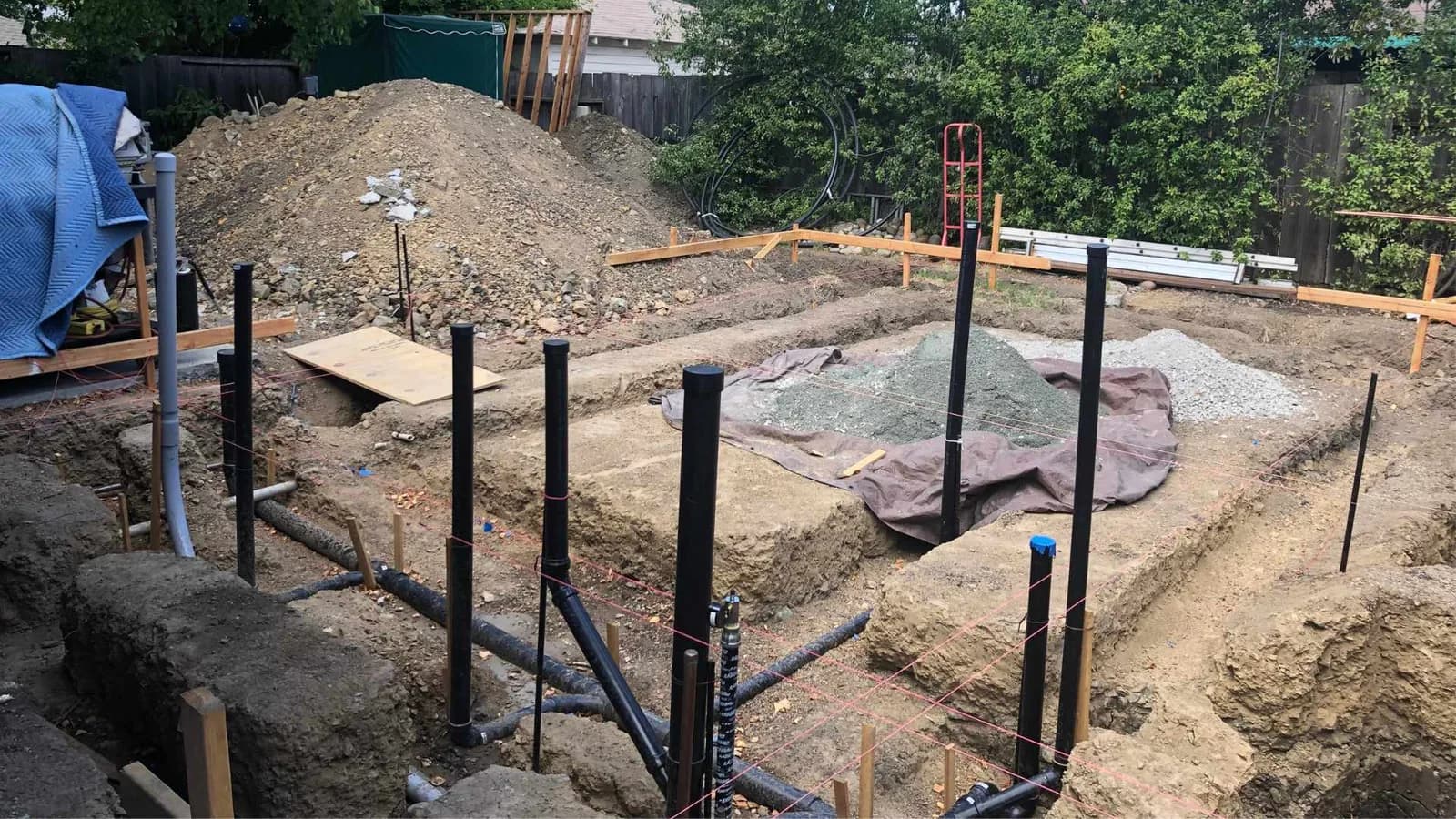
Site work is one phase that you cannot escape, even with modular construction.
When installing a prefabricated accessory dwelling unit, setting up a proper foundation and secure utility connections is essential. I certainly hope that whoever does the foundation is the same company “landing” your modular ADU or erecting the structure. These prefab units are built with precisions, so a 2-inch mistake on a foundation can mess up the project. Assembly may look simple on paper but requires attention to detail. There is a reason the factory includes installation instructions and numbers the wall panels.
We must also plan for finishing details that personalize the outdoor space (think decks, patios, landscape, and lighting).
The first crucial step is creating a solid foundation. Based on the landscape and local regulations, we usually consider slab, pier, or crawlspace foundations. Each type offers different benefits for stability and insulation.
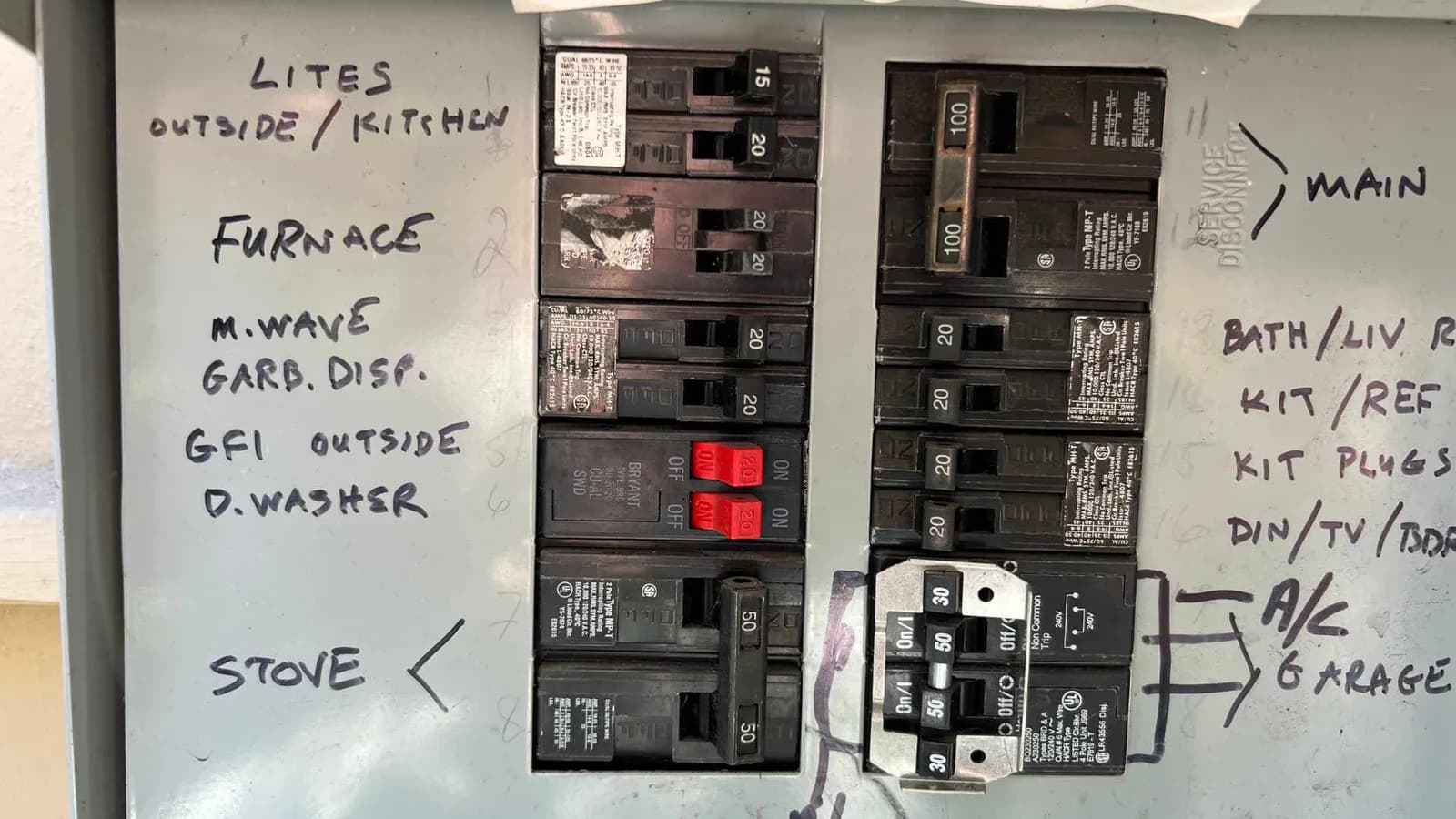
Utility connections such as electricity, plumbing, and gas are integrated into the unit. Local building inspectors ensure that connections meet local codes and safety standards. We often need to coordinate with utility companies to tie the unit seamlessly into existing systems, providing reliable service. Good planning at this stage prevents problems later.
Modular prefab ADUs come with most of the cabinetry installed. Typically, a local contractor installs and straps the water heater and adds the mini-split HVAC unit.
Prefabricated panelized prefabs come with components that are assembled on-site. We follow step-by-step plans to fit walls, roofs, and interiors effectively. Imagine an instruction to a complicated lego set. Or an IKEA cabinetry.
Once the structure stands, our attention turns to the finishing touches. This can include adding exterior siding, insulation, drywall, painting, and landscaping. Interior finishes might involve installing flooring, cabinetry, and fixtures. Making the unit comfortable and aesthetically pleasing is important for practical use and personal taste. We always aim to meet the homeowner’s vision and needs.
When planning a prefabricated accessory dwelling unit (ADU), we must consider the costs and explore financing options. By understanding the budgeting process, identifying various financing sources, and analyzing potential returns, we can make informed decisions about our investment. Avoid “front-loading” – the bad practice of paying for more than what was done for your project.
There are three types of vendors for prefabricated ADUs. One delivers a completed unit, ready to move in after securing to foundation and connecting utilities. The second delivers panels only. The third delivers a more extensive package that may include windows, pipes, drywall, cabinetry etc. The way your estimate looks will be different. Your payment schedule will also differ depending on the type of vendor.
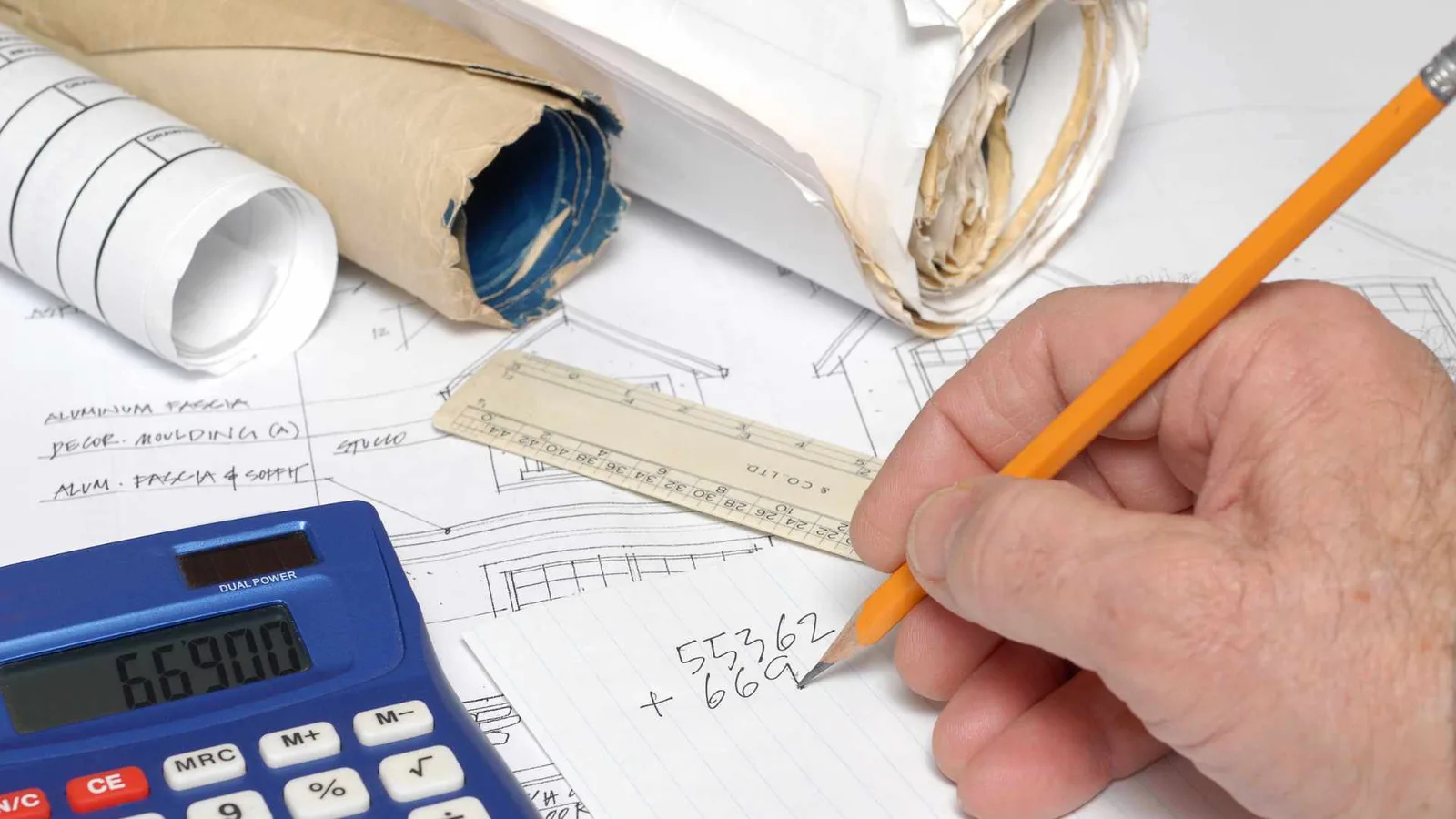
Estimating the cost of a prefab ADU involves several key factors. The main components are material costs, labor charges, and site preparation expenses.
Labor and installation fees depend on the complexity of the setup. Simple designs and flat terrains often result in lower costs. This is the reason no contractor can give you an estimate without seeing the backyard. They need to know how much grading is required, if any retaining walls are involved, and if any other objects in the backyard call for careful handling. Site preparation, such as leveling land and connecting utilities, impacts final pricing. Remember that permits and local zoning requirements may add to costs, so these must be part of the budget. Gathering quotes and seeking professional advice is essential to get a clear picture of the expenses. Our estimates give you the starting point and the items to discuss with your contractors.
There are several ways to secure financing for our prefab ADU. If we have sufficient equity in our primary dwelling, home equity loans and lines of credit (HELOCs) are common options. These options often offer lower interest rates.
Additionally, some banks and credit unions provide loans specifically for ADU construction. Personal or private loans are another possibility, though they might come with higher interest rates due to their unsecured nature. In some areas, government programs or incentives may provide funding assistance. If someone promises you a state-funded loan, please check the State website to confirm. CalFHA 40,000 preconstruction loans created a lot of buzz, but the money ran out fast. As of December 2023, the latest round of ADU funding from CalFHA has been fully allocated. Check the agency for updates.
It’s crucial to evaluate each financing option based on interest rates, repayment terms, and one’s financial situation (income, equity, and credit score). A financial advisor can help determine the best approach to funding your project while managing one’s finances effectively.
Prefab ADUs can yield significant returns in the long run. By renting the unit out, we can generate a steady income stream. The demand for rental properties remains strong, making ADUs a popular choice for additional revenue.
Moreover, a well-maintained ADU can increase the value of our property. When calculating potential returns, it’s important to consider initial costs, ongoing maintenance, and market trends in rental prices.
While returns are not guaranteed, careful planning and research can maximize our investment potential. By focusing on these factors, we ensure that our ADU serves its purpose and adds financial value to our property.
This section addresses common concerns about prefabricated accessory dwelling units (ADUs), including pricing factors, reputable providers, available plans, potential drawbacks, and affordable options. We also look at recent changes in California laws regarding ADUs.
Pricing can depend on size, materials, location, and additional features. Customizations, like eco-friendly options or upscale finishes, might increase costs. Transport fees also play a role if the site is far from the manufacturer.
We regularly research online reviews and ratings, and you can ask for referrals from friends or local contractors. We also visit home shows or expos to help us connect with reputable sellers. Local building departments won’t have recommendations as this becomes a liability issue.
Standard plans usually include studio, one-bedroom, and two-bedroom layouts. Some plans offer lofts or multi-story options. These plans often come with basic kitchen and bathroom designs; some companies allow modifications. We carry over 500 plans that can be customized to become a prefab ADU.
Prefabricated ADUs may face restrictions due to old verbiage in local zoning laws. Some designs lack customization, limiting us if we have specific needs. Transport or on-site assembly complications can also arise, affecting time and cost. Please consult a specialist before making a decision. Do not get carried away by a salesperson’s promises. They do work on a commission.
Modular units require a crane or a wide access to backyard. Overhead power lines and narrow road access remain the main red flags for those considering a modular unit. Some permit-ready designs might lack customization, limiting us if we have specific needs. Transport or on-site access complications can also arise, affecting time and cost.
Payment schedule for these units also tends to be less friendly, than what you get with a site-built unit. In traditional construction you can spread the payments more evenly, with prefab construction, and modular construction specifically, most payments occur before you see the unit.
Choosing small, simple designs reduces costs. Opting for standard rather than custom features also helps. We can also save by handling some tasks ourselves, like interior painting or selecting basic materials. That said, at the time of this writing, building under 300 sq ft is still best done with the site-built method.
California law shifts now favor ADUs, reducing fees and speeding up permits. Some restrictions have been relaxed, allowing more flexibility in size and location. Both homeowners and builders find it easier to pursue ADU projects than home additions or accessory structures.

Choose from one of the 500+ pre-designed ADU plans

Type in your address to view unit on the map of your property

Review preliminary estimate of your selected ADU
P.S. This service is complementary, however login is required.