
Prefab ADU Kits - Magic Homes for Any Backyard
Compare prefab ADU kit methods, sizes, and costs, then see the steps from site plan to a move-in-ready backyard unit in weeks.
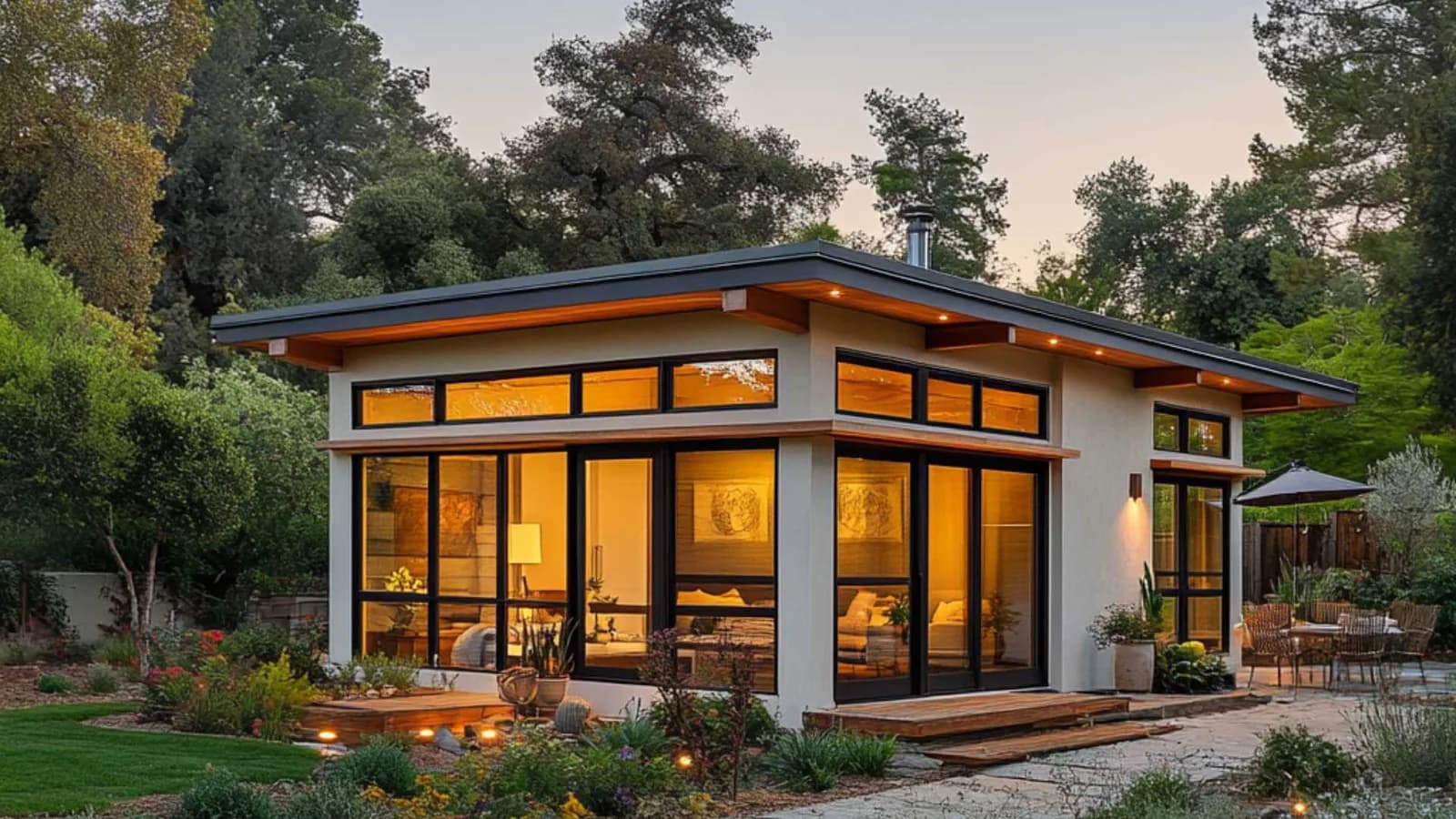
The Rise of Prefab ADU Kits for Modern Living
The real estate landscape is rapidly evolving, and innovative prefab accessory dwelling units (ADUs) are leading the transformation. Whether you’re seeking extra living space, a home office, a modern studio shed, or an in-law suite, prefab ADU kits provide a versatile, affordable, and efficient solution for homeowners across the United States. These modular home and tiny house kits have gained immense popularity for their energy efficiency, faster building process, and high-quality materials, making them the best choice for those seeking additional space or rental income with minimal hassle.
This expert guide will cover everything property owners need to know about prefab ADU kits, from the benefits and building process to floor plans, costs, and the latest modern solutions. Whether you have an existing structure, a backyard ripe for a studio BnB, or simply dream of extra square feet for your growing family members, discover why prefab ADUs are revolutionizing the construction industry.
Methods we have tried over the years
ADU Prefab Options
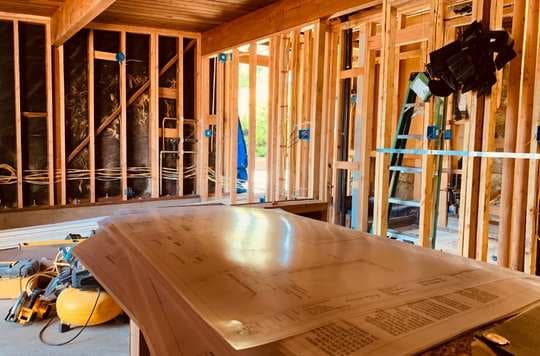
Panelized Construction
Wood panels
Every wall becomes a big wooden frame, several smaller panels fit into this big frame to become a wall.
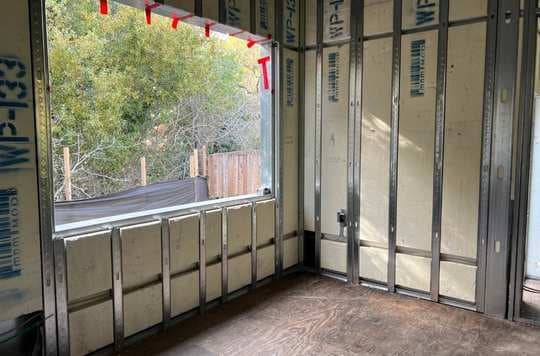
Panelized Construction
Steel Frames
These function same way as wood panels, but are heavier plus fire & termite resistant.
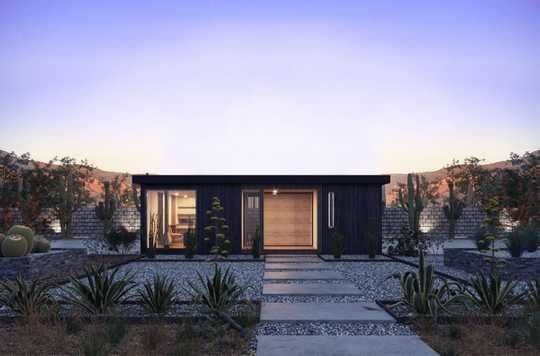
Modular Construction
Container Homes
A container solutions makes it possible to bring you a 1000 sq ft furnished home in 4 containers to be stitched up on site within days. Deck excluded.
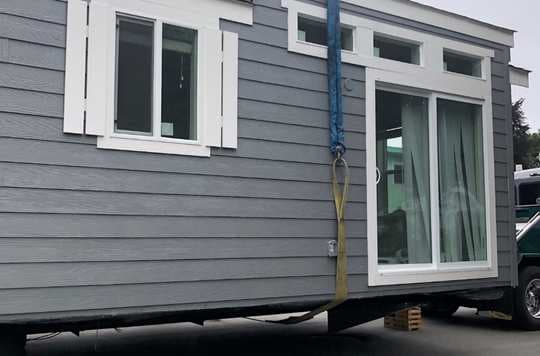
Modular Construction
Wood Frame Homes
Built in modular or manufactured home factories, these are similar to custom built homes – they come in fixed floor plans though with minimal customizations available.
Prefab Home Kits
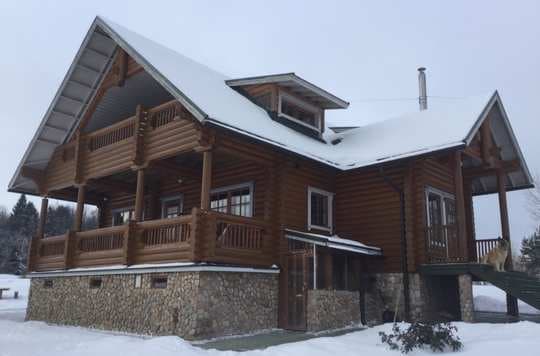
Log Homes
One of the most comfortable to live in home types, environmentally friendly, it can come as a home kit with every log labeled.
Prefab Home kits
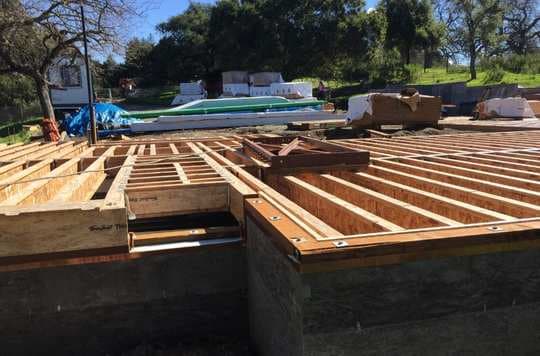
Wood Frame Homes
The closest to custom built homes, the pre-cut lumber arrives packaged and numbered to be assembled according to Lego-like instructions.
What is a Prefab ADU Kit?
A Prefab ADU kit is a pre-manufactured package of materials and components shipped directly to your property for assembly. These kits are used to create accessory dwelling units—secondary dwellings built on the same lot as the main house. Think backyard cottages, tiny homes, or carriage houses, all designed for streamlined, high-quality home construction.
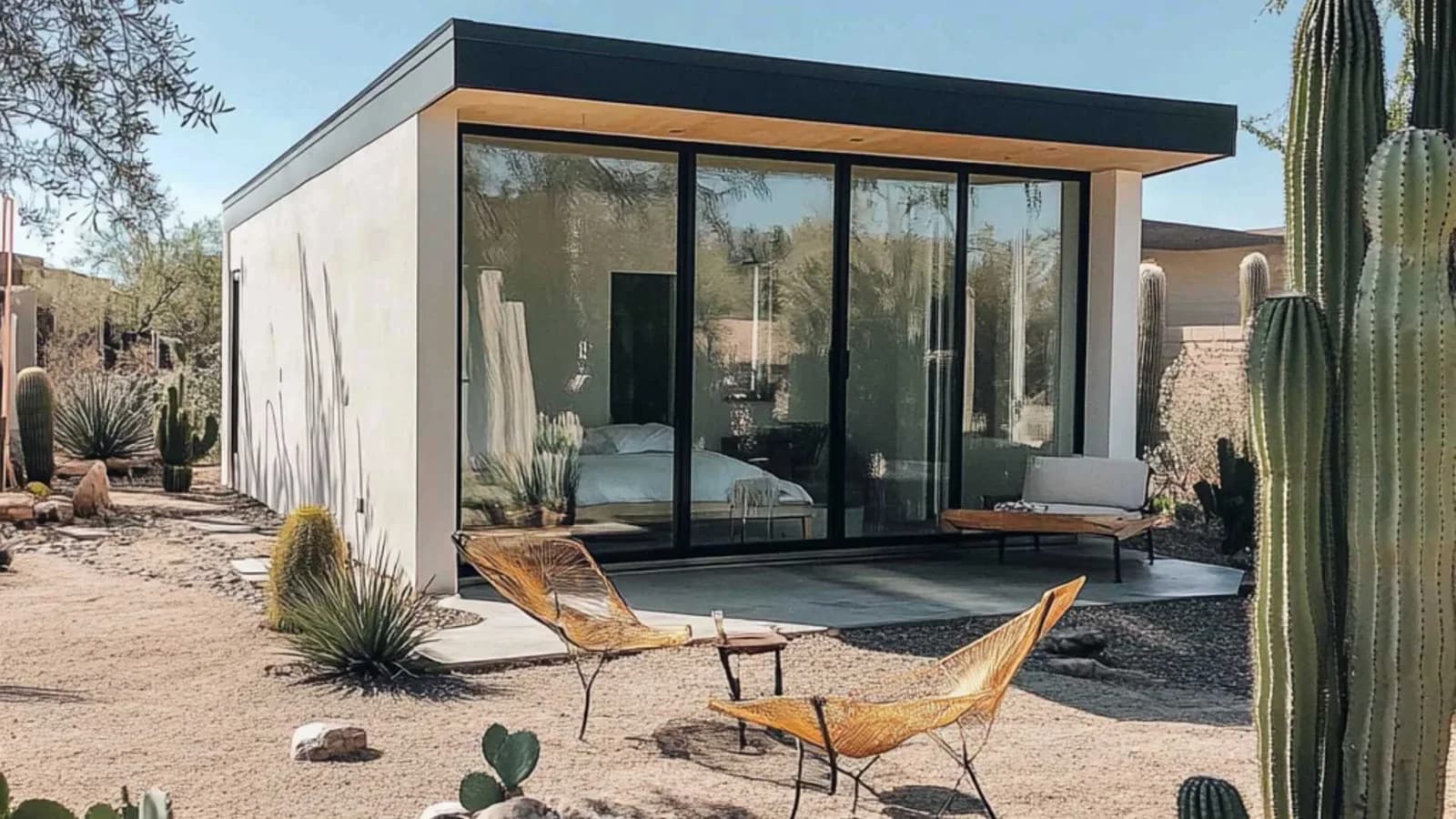
Prefab kits include everything from floor plans and wall panels to roof panels, high-efficiency windows, interior finishes, and even built-in storage. Homeowners can choose various designs, from simple small home kits to modern prefab ADUs with large windows and innovative layouts.
ADU Kit Styles: Which Look Fits Your Backyard?
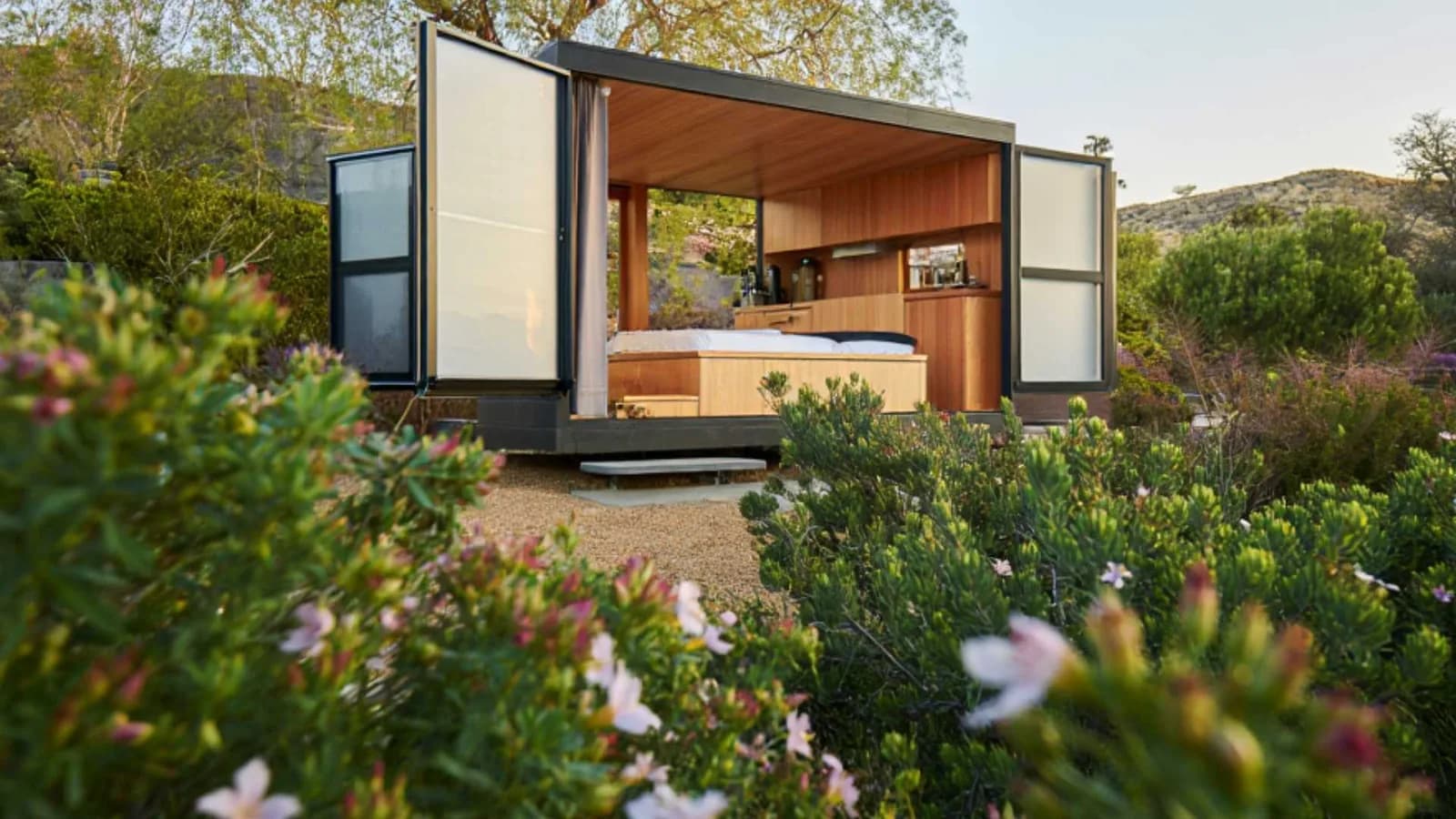
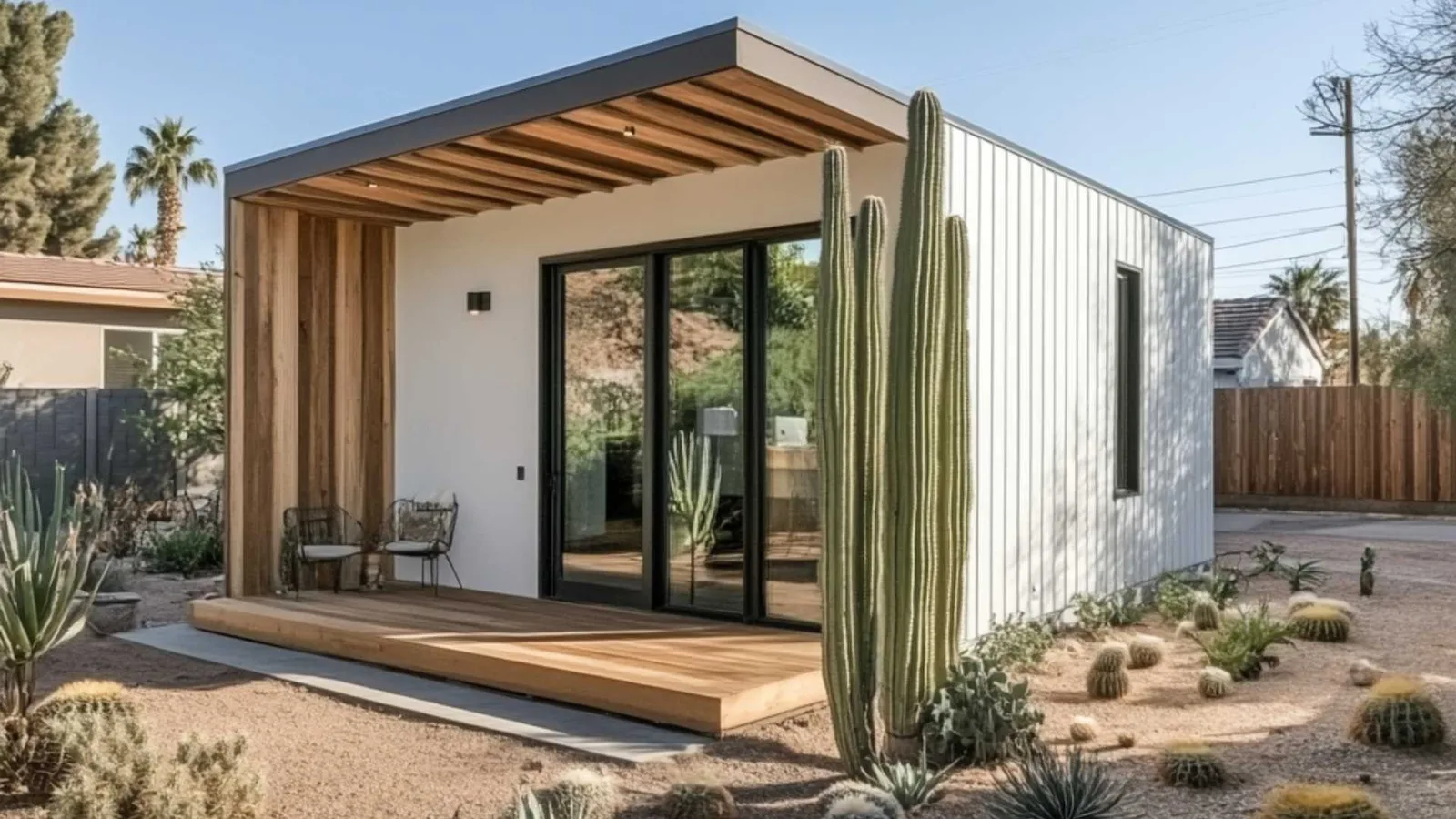
Beyond construction method, most prefab ADU kits fall into a handful of recognizable styles. Picking a look first can help narrow down which builder, floor plan, and materials make sense for your lot:
- Tiny House Kits: Compact footprints built to maximize every square foot — a good fit for smaller lots or owners who want a minimalist, low-maintenance unit.
- Log Cabin ADUs: Rustic charm paired with high-performance insulation, popular in rural communities and with owners who want an eco-friendly, energy-efficient build.
- Prefab Studio Sheds: Simple builds with minimal permit requirements, best suited to home offices, art studios, or a backyard gym rather than full-time living.
- Modular ADU Units: Assembled off-site in larger sections for a faster install with less on-site disruption — a middle ground between a full custom build and a panelized kit.
Key Benefits of Prefab ADU Kits
– Reduced Building Time: Shorter construction process compared to traditional builds.
– High Quality: Factory precision and high-quality materials ensure long-lasting structures.
– Cost-Effective: Lower total cost, with base price options and transparent adu cost breakdown.
– Energy Efficiency: Many kits feature energy-efficient materials, solar panels, and excellent indoor air quality.
– Design Flexibility: Choose from different designs, sizes (ranging from 200 to 1,200 square feet and beyond), and modern solutions.
– Less Disruption: Since much of the construction occurs off-site, site work is minimized, resulting in reduced noise and disturbance.
– Compliance: Many prefab companies design products that meet or exceed local building codes and state regulations, including those in major cities such as Los Angeles and throughout California.
– Added Value: Increase property value and create opportunities for additional income from rental or resale.
Do your research before the purchase
Key Considerations Before You Buy an ADU Kit
Most ADU kits require a foundation, typically a concrete slab with footings. You’ll need to factor in the cost and labor of preparing the building site and pouring the foundation. Consider what foundation materials make sense for your site and budget.
Your ADU will need connections to electricity, water, and sewage. Determine the costs and logistics of extending these utilities to your secondary unit. Check into electrical fittings needs.
Carefully review what is included in the kit. The shell only (exterior walls, roof panels, flooring system, and framing material)? Or with interior package (interior walls, interior finishes, windows )? Factor in the cost of any additional materials you’ll need.
Assess your own DIY skills and experience. While ADU kits simplify the process, some construction knowledge is still required. You may need to hire a general contractor or other professionals for certain building aspects, such as electrical and plumbing work.
Select a floor plan and square footage that meets your needs and complies with local regulations. Many kits range from under 400 square feet to over 1,000 square feet. Consider how the ADU will be used and choose a design that maximizes livable space.
Research the quality of the building materials used in the kit. Many utilize high-quality steel, for instance, in their steel frames or steel frame kits. Others may offer wood or other materials. Energy efficiency should be a key consideration, and it should be transparent.
Exploring the Many Uses for Prefab ADU Kits
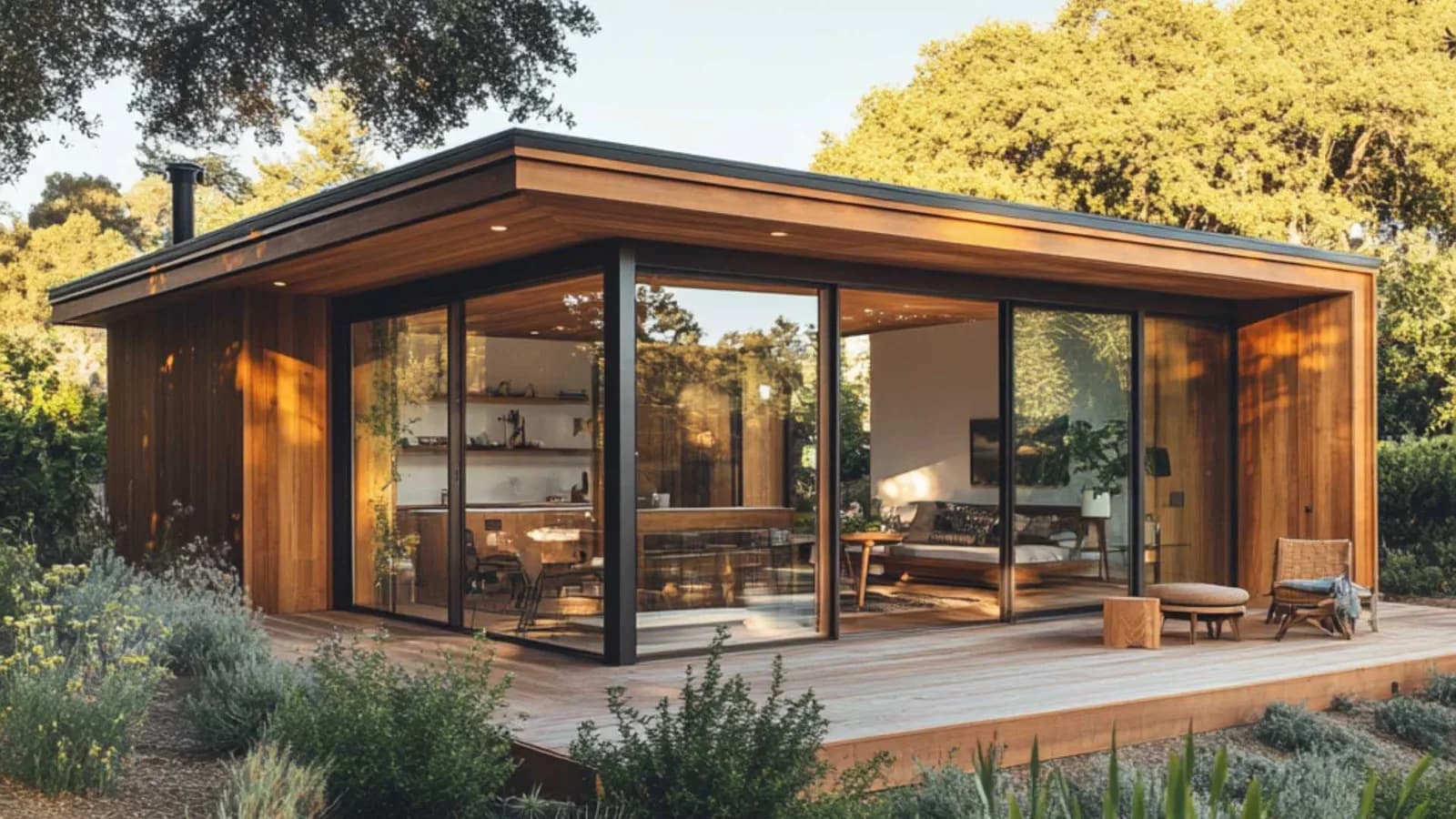
Whether you call it a granny flat, studio shed, guest house, or in-law suite, prefab ADUs can be tailored for a wide range of needs, from additional family housing to a miniature hospitality business with minimal upfront investment for rental income opportunity.
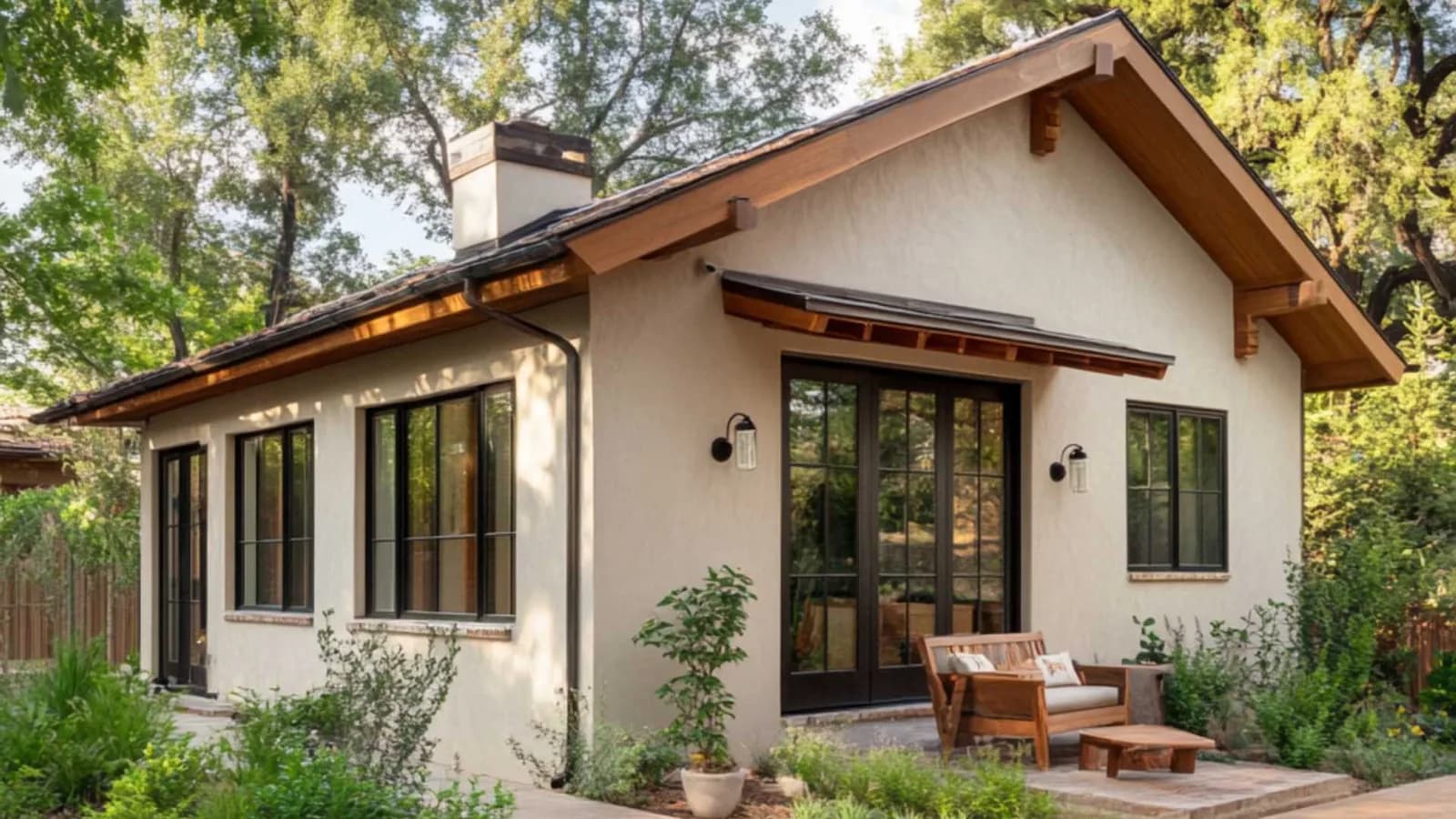
In-Law Suite
Provide independence and privacy for aging relatives or adult children.
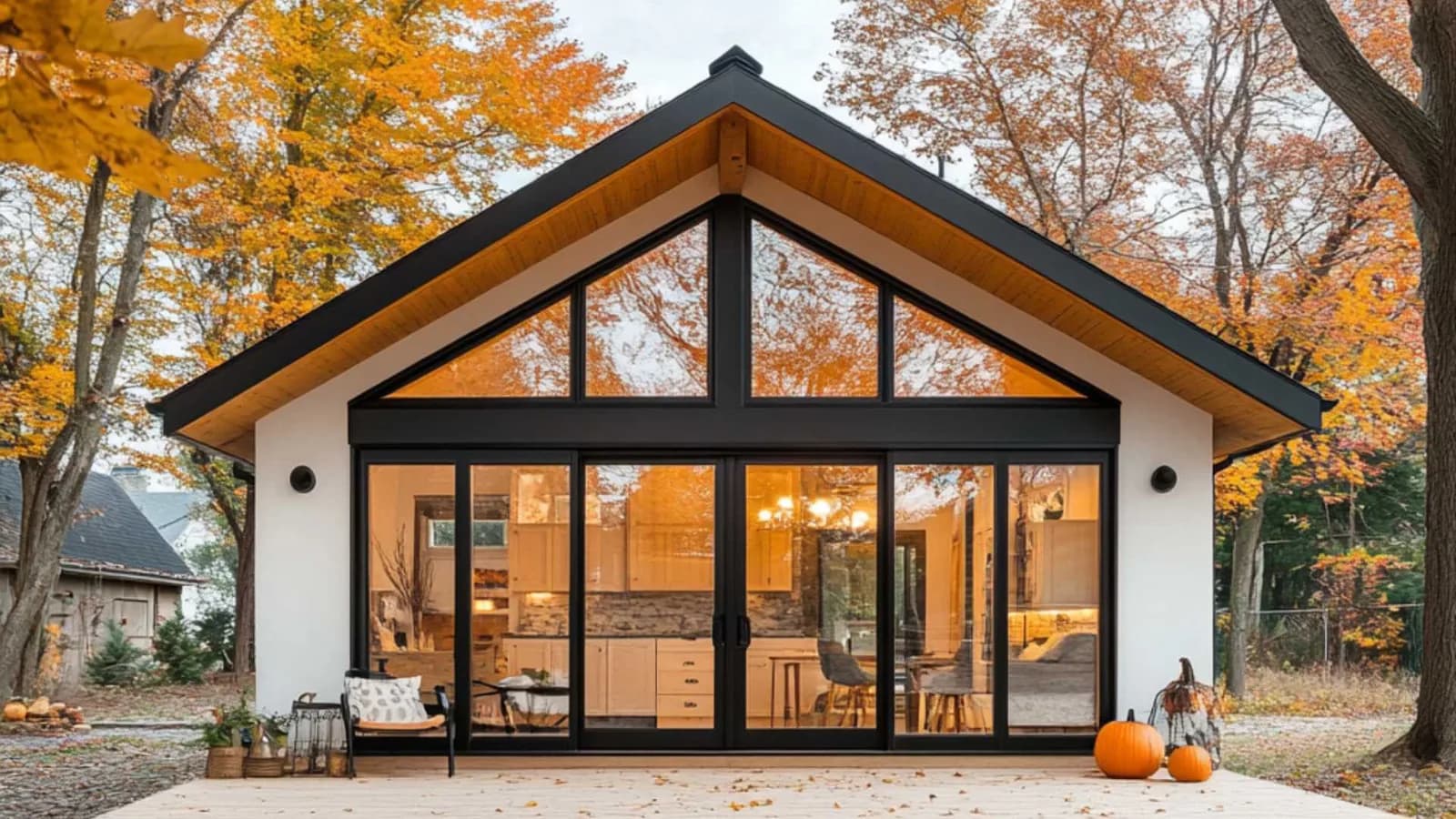
Guest House
Welcome visiting family members or friends in comfort and style.
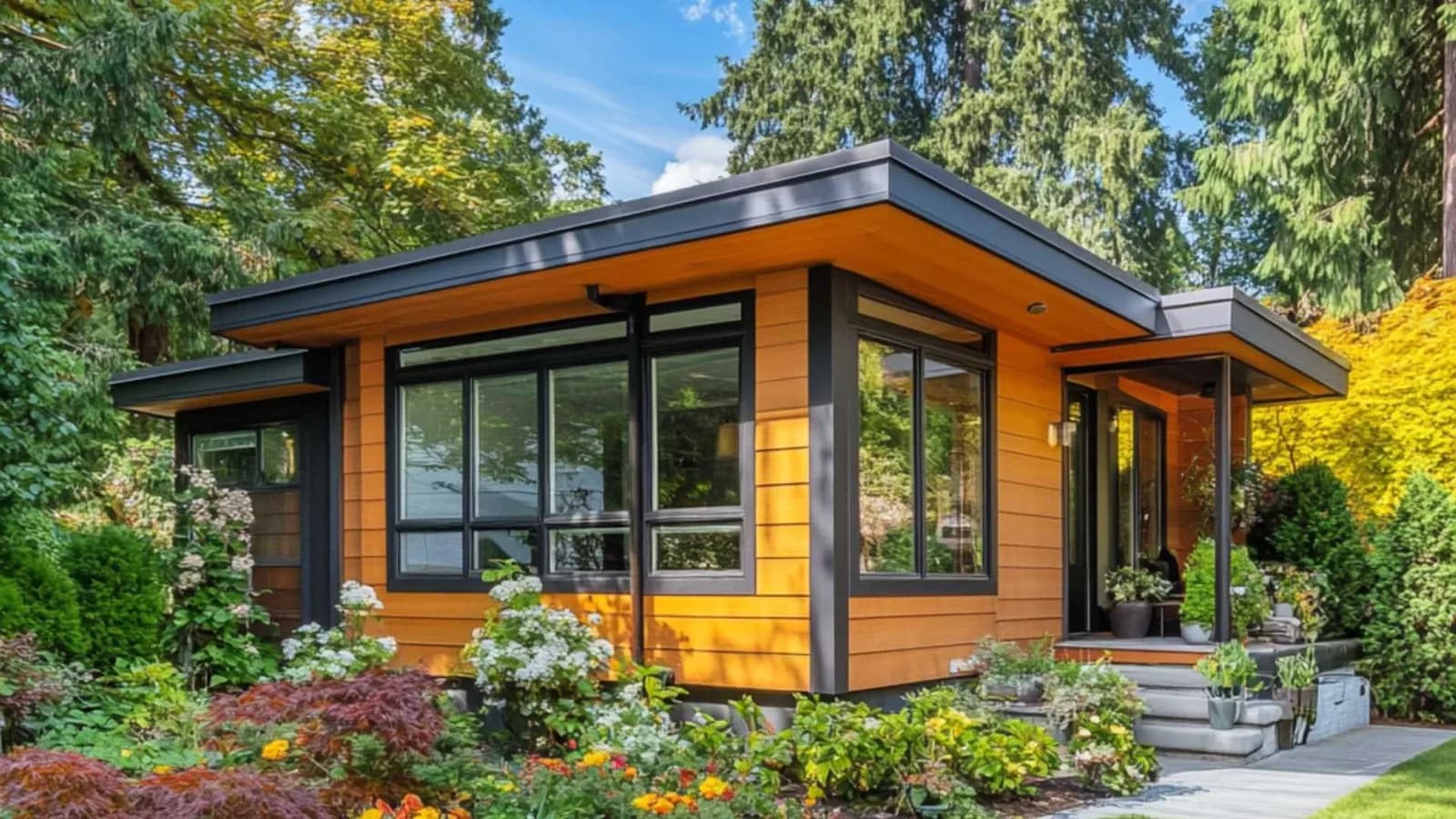
Hospitality Business
Leverage your property’s extra space by creating a backyard cottage for long- or mid-term rental.
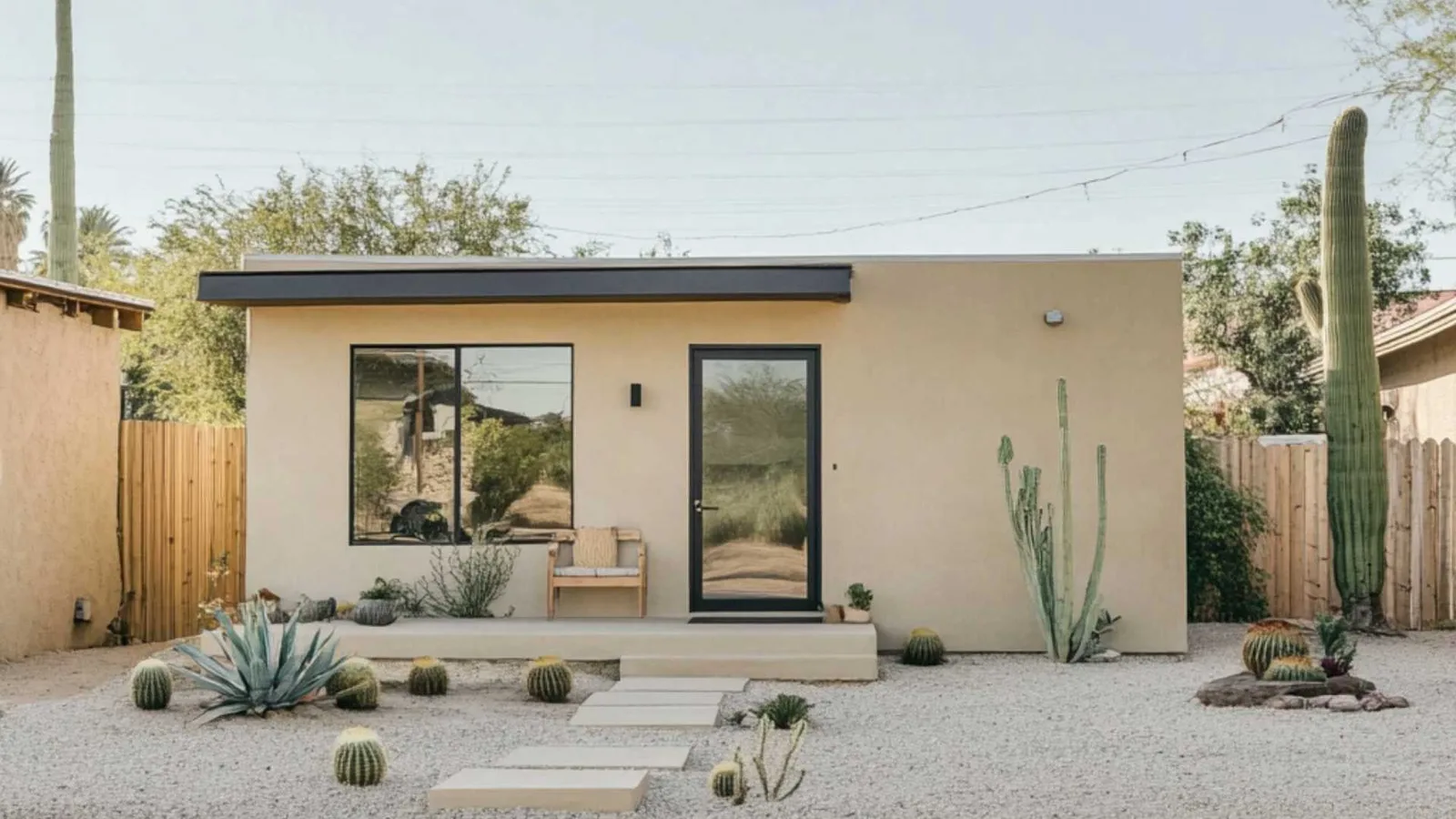
Home Office
Perfect for remote work, creative pursuits, or running a business from home.
The Building Process: From Site Plan to Move-In Ready
Developing the Site Plan & Navigating Local Regulations
Each building site is unique. Site plans must comply with the local government’s building permits, state laws, and local building codes. In California and other states with progressive ADU legislation, property owners have more freedom than ever to add accessory dwelling units.
Material Selection & Panelized Kits of Parts
Prefab companies offer high-quality, pre-cut, panelized kits—comprising wall, floor, and roof panels—optimized for energy efficiency and rapid assembly. Material selection typically includes sustainable and weather-resistant options for enhanced longevity and improved indoor air quality.
Customization & Innovative Designs
Gone are the days of generic tiny spaces or model homes. Today’s prefab companies offer a wide range of custom home options, including modern prefab ADUs with large windows, built-in storage, state-of-the-art kitchens, and spa-like bathrooms. You can select from pre-designed floor plans or collaborate to create custom ADUs tailored to your needs.
The Entire Construction Process
– Permitting: Secure building permits from local jurisdictions. Some prefab companies assist with this step.
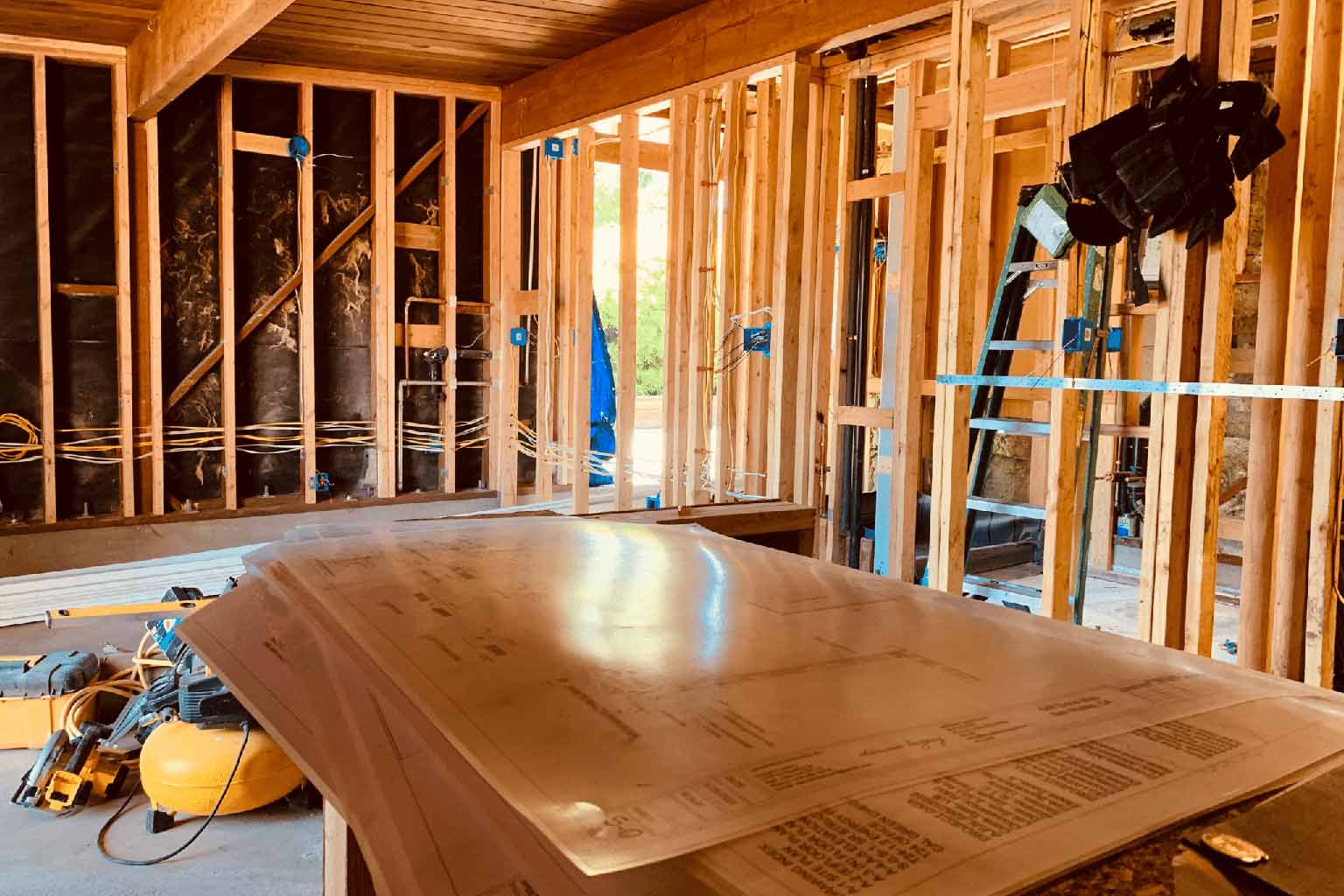
– Site Work: Prepare the foundation, connect utilities, and ensure access to the main home.
– Assembly: Panelized kits enable quick and efficient assembly, often requiring less disruption and less labor costs than traditional builds.
– Interior Finishing: Select finishes, lighting, and built-in features to add a personalized touch.
Moving In & Enjoying Your New Home
In weeks—not months—your accessory dwelling unit is ready for living, renting, or working. The entire process, from placing your order to move-in day, is streamlined for maximum convenience and minimal stress.
Our 3-Step Process
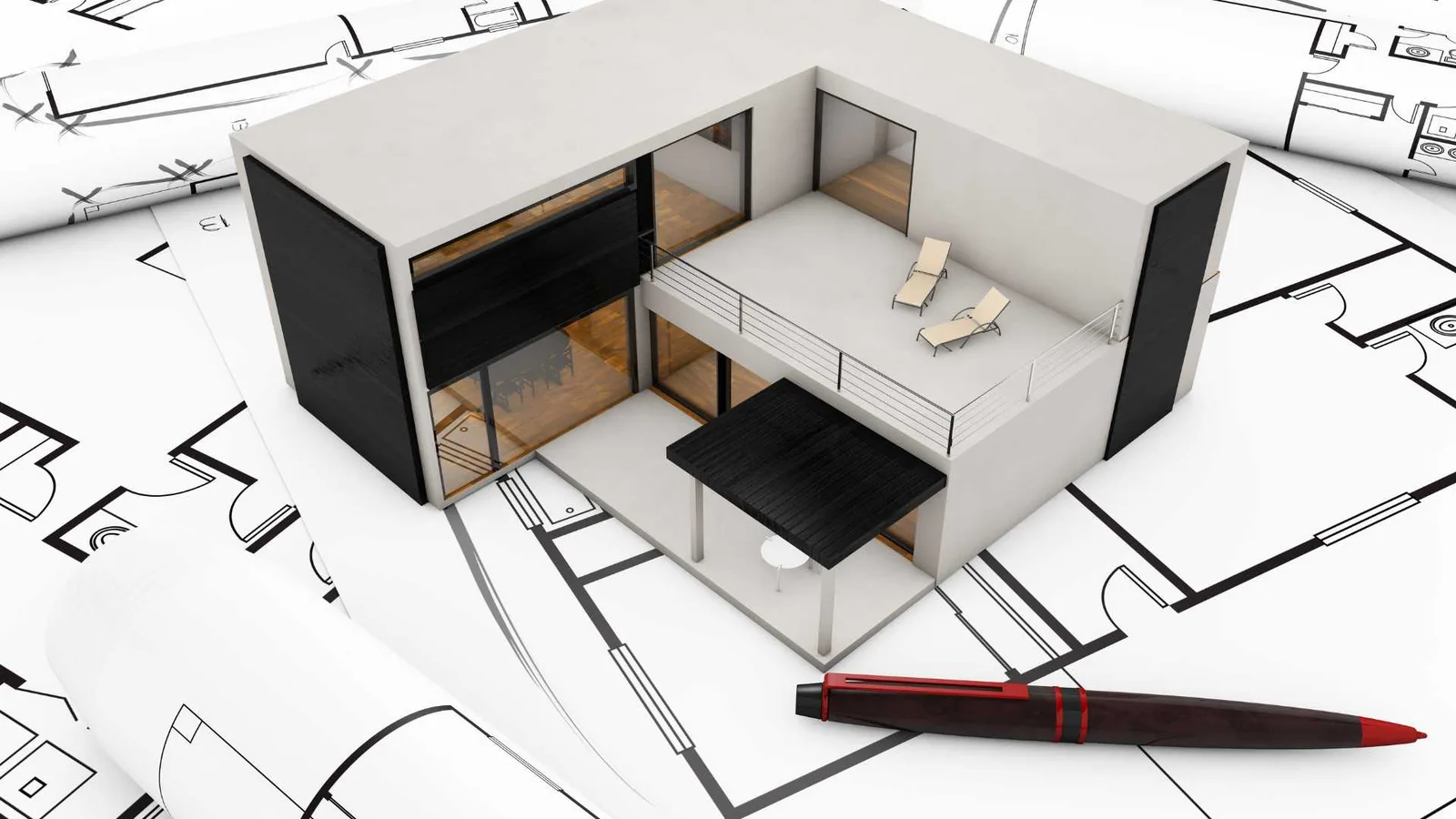
Free Property Review
We assess property eligibility and best-fit ADU options during a zoom session
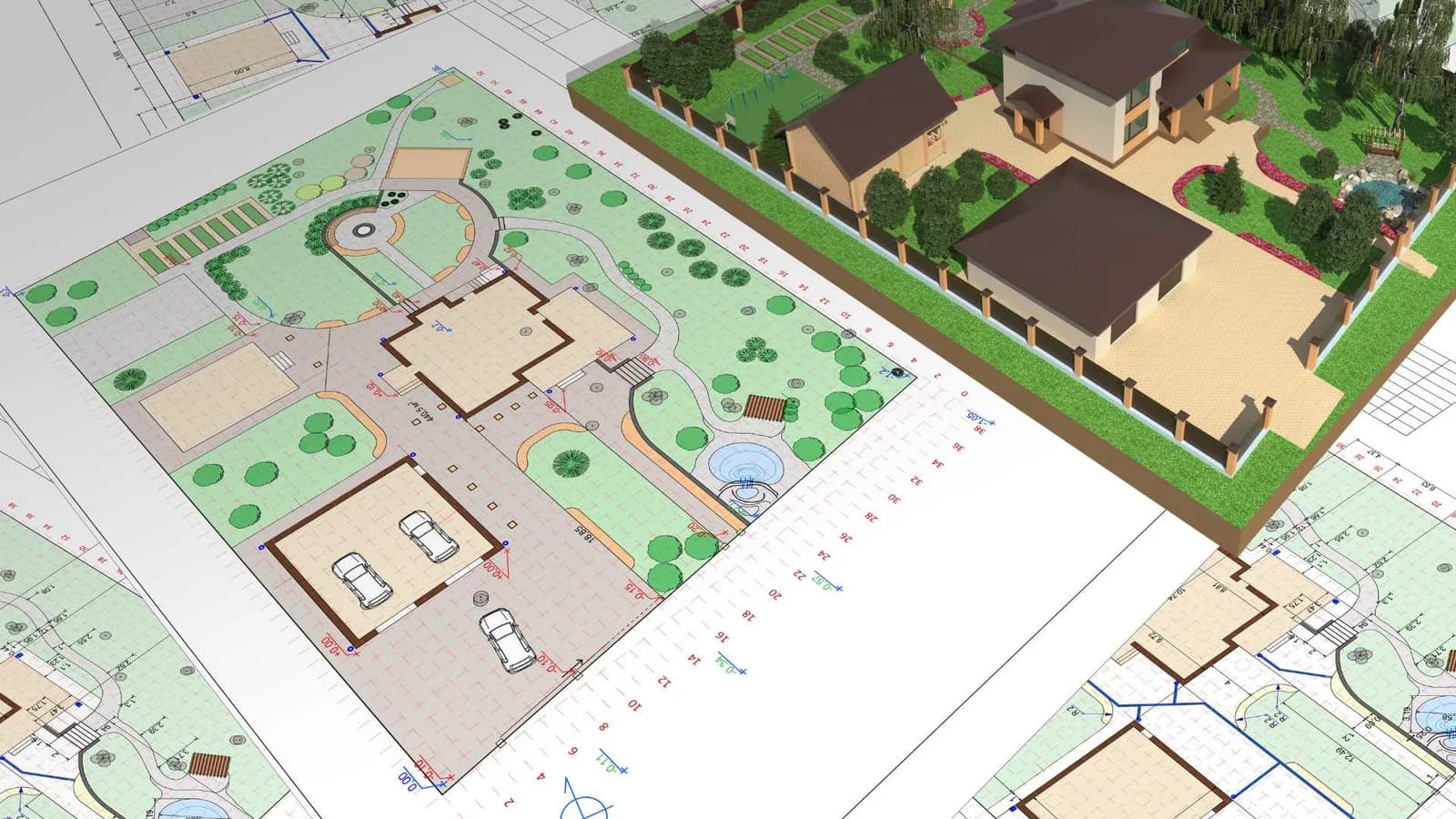
Site Analysis + Plan Creation
Your lot’s layout, utilities, zoning, and city rules are incorporated into the custom site plan for permit.
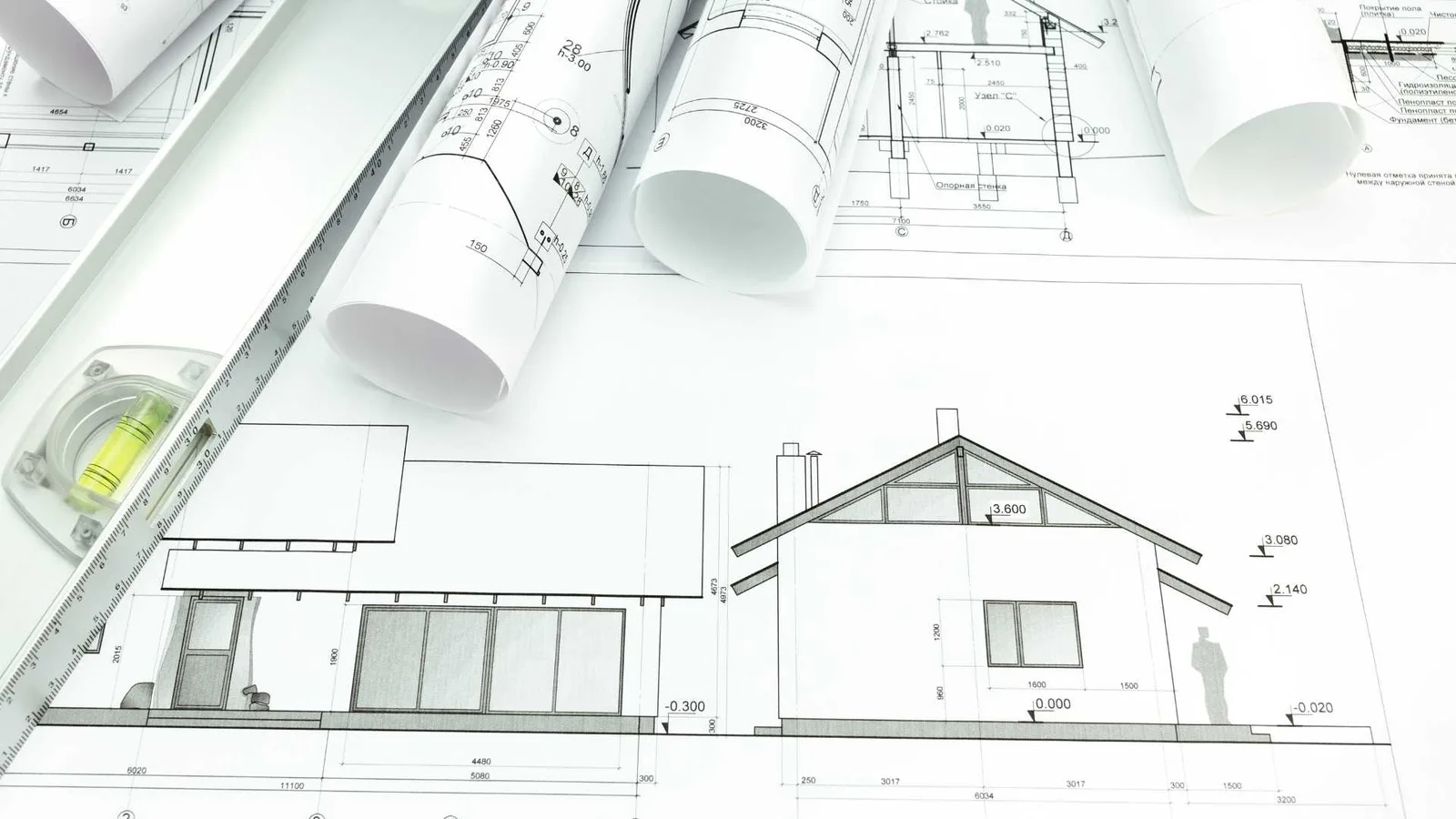
Permit Submission + Plan Check Support
We manage the application and respond to city comments so you get to build your ADU.
Understanding ADU Cost: What Affects the Price?
Base Price vs. Total Cost
– The base price covers the prefab ADU kit, including all building materials and pre-cut panels.
– Total cost includes the kit, site work, permits, labor, utility hookups, additional cost for customization, and sometimes landscaping or furnishing.
Financing Your ADU Kit
Most homeowners cover an ADU kit with a home equity loan or HELOC, a renovation-focused loan such as a RenoFi loan, a cash-out refinance, or a dedicated construction loan. Some cities and utility providers also run local ADU incentive programs, rebates, or reduced permitting fees that can offset part of the total cost.
Ready to see what you can borrow? Pre-qualify with our financing partner in minutes, or compare kit costs against your budget on our ADU cost guide before committing to a floor plan.
Cost Factors
– Square Feet/Square Foot: Naturally, larger homes or more complex floor plans increase costs.
– Material Selection: High-quality materials, energy-efficient features, and large windows can raise the price—but may offer long-term savings and value.
– Building Site Conditions: Sloped lots, difficult access, or foundation requirements can impact site work and labor costs.
– Local Regulations: Some cities or states impose higher permitting fees or stricter building codes.
– Custom Features: Solar panels, high-end finishes, or advanced HVAC systems incur additional costs.
Pro Tip:Always ask prefab companies for a detailed breakdown that covers every aspect of the building process so you can compare total costs and make an informed decision.
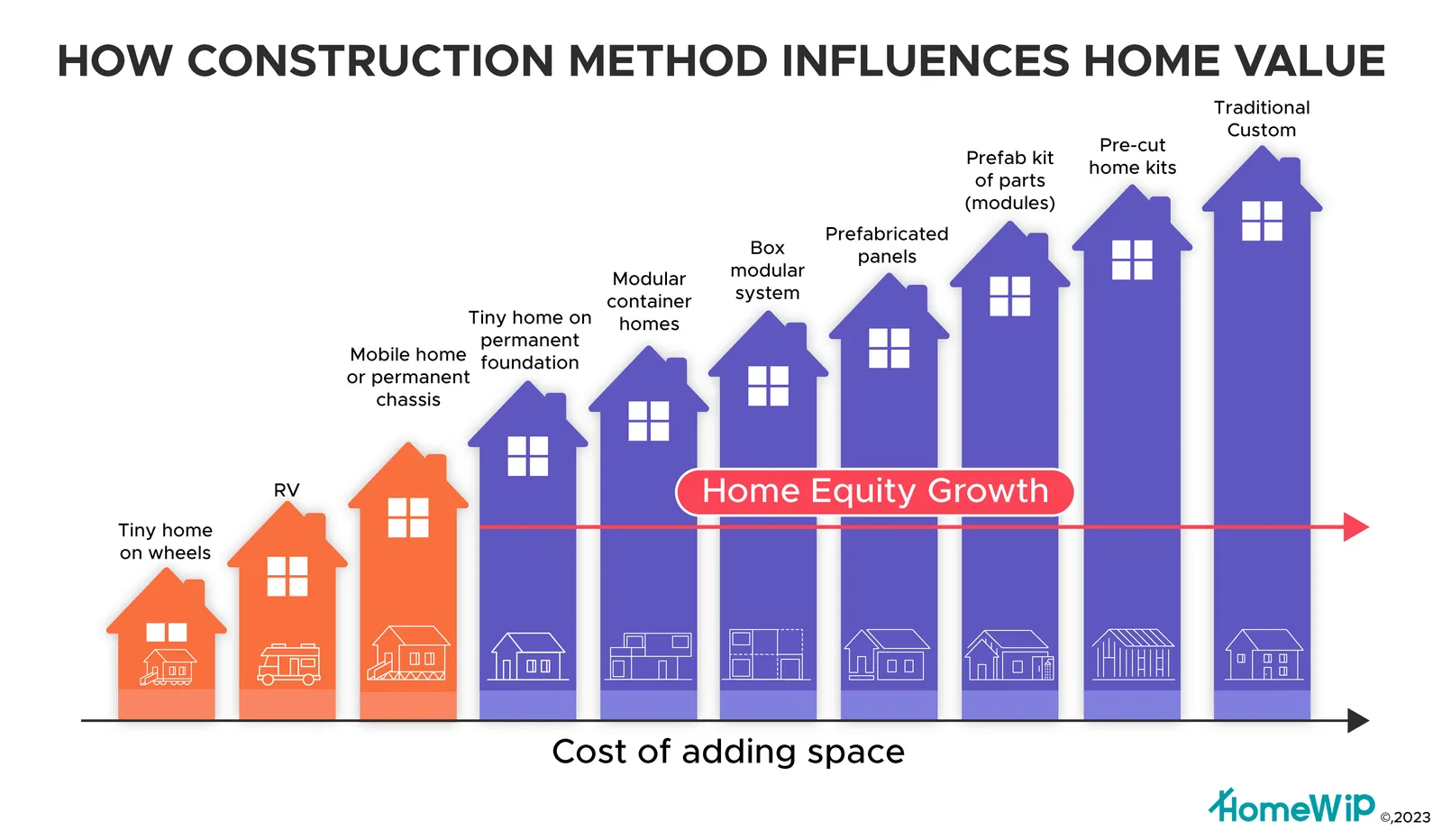
How Prefab ADUs Boost Property Value and Generate Additional Income
Prefab ADU kits are more than just a practical solution for adding extra space—they’re a powerful wealth-building tool for property owners. Here’s how:
– Increase Property Value: Secondary dwellings, such as in-law suites or backyard cottages, consistently raise home value, especially in major cities with a high demand for flexible living arrangements.
– Generate Rental Income: ADU homes are ideal for Airbnb rentals, long-term rentals, or hosting family members at minimal cost.
– Flexible Living Space: Adapt the space as family needs evolve—from housing parents to creating a home office or hobby studio.
– Futureproof Your Investment: With state laws increasingly supporting ADU construction, your property becomes more attractive to future buyers or tenants.
Key Considerations for Property Owners: Navigating Local Rules and Requirements
Local laws and zoning regulations regarding ADUs vary significantly. Check with your city or county planning department for permits, minimum size requirements, setbacks, and other rules.
A site plan will likely be required for your permit submissions.
Every local government and jurisdiction enforces unique building permits, site requirements, and local regulations for Accessory Dwelling Units (ADUs). Here’s what to keep in mind:
– Check Local Building Codes: Confirm that your planned free-standing ADU, carriage house, or backyard structure is permitted according to local regulations.
– Secure Building Permits: The permitting process can take several weeks; prefab companies often provide assistance with this process.
– Understand State Regulations: For example, California and Los Angeles encourage ADU development with relaxed rules, but requirements still vary by city.
– Comply with Local Jurisdictions: Some neighborhoods or HOA rules may have additional restrictions regarding square feet, height, or setbacks.
Today’s prefab ADU market showcases remarkable advancements:
– Innovative Designs: Creative floor plans, multi-use spaces, and bright, airy interiors with large windows maximize every square foot.
– Eco-Friendly Building Materials: Improved indoor air quality and energy efficiency.
– Solar Panels & Green Energy: Reduce running costs and environmental impact.
– Custom ADUs: From sleek studio sheds to spacious family homes, there’s a prefab kit for every vision and budget.
– Autonomous ADUs: Smart home features and off-grid capability are now available from leading prefab companies.
- Engage a Local Builder or General Contractor familiar with prefab kits and local requirements to ensure the entire process is above board.
The Future of Small Home Construction Lies in Prefab ADU Kits
Prefab ADU kits represent a significant shift in the way Americans build and enjoy their homes. Whether you’re in Los Angeles, another major city, or a rural setting, these modern, modular, and energy-efficient solutions provide the extra space, design innovation, and affordability that today’s homeowners crave. With a focus on high-quality materials, minimal disruption, flexible living spaces, and compliance with local regulations, prefab accessory dwelling units are an ideal solution for in-law suites, home offices, generating rental income, or simply enjoying more space for your family.
For property owners ready to take the next step, the great options available from expert prefab companies deliver all the benefits of a prefab ADU—boosted property value, additional income, and a smoother, faster building process.
Embrace the future—and discover how a prefab ADU kit can transform your backyard, your home, and your lifestyle.
We can supply any of our plans as a prefab ADU kit
Choose from one of the 500+ pre-designed ADU plans
Type in your address to view unit on the map of your property
Review preliminary estimate of your selected ADU
Common questions about prefab ADU kits
Most kits range from about 200 square feet for a junior ADU or studio shed up to 1,200+ square feet for multi-room models. You pick a floor plan and square footage that fit your needs and your local size limits.
Expect roughly 2 to 6 months from order to move-in once you factor in site work, permits, and customization. The on-site assembly itself often takes only weeks since the panels arrive pre-cut and numbered.
We've worked with panelized wood and steel framing, container modules, and full prefab home kits like log and wood-frame builds. Container solutions can deliver a 1,000 sq ft furnished home in four containers stitched together on site within days.
Most kits sit on a concrete slab with footings, so budget for prepping the site and pouring the foundation. You'll also need to extend electricity, water, and sewage connections to the unit, which usually means hiring professionals.
The base price covers the kit itself: the building materials and pre-cut panels. Total cost adds site work, permits, labor, utility hookups, customization, and sometimes landscaping or furnishing, so always ask for a detailed breakdown.
Yes. Many high-quality prefab kits can serve as a new home or primary residence as long as they meet your local building codes.
Some experienced DIYers can handle parts of the assembly, but most prefab companies recommend hiring professionals for the foundation, utility hookups, and electrical and plumbing work.