
A simple guide to junior accessory dwelling units in Ca
Junior ADUs add a 150 to 500 sq ft unit inside your California home. Learn the rules, costs, and how a JADU differs from a regular ADU.
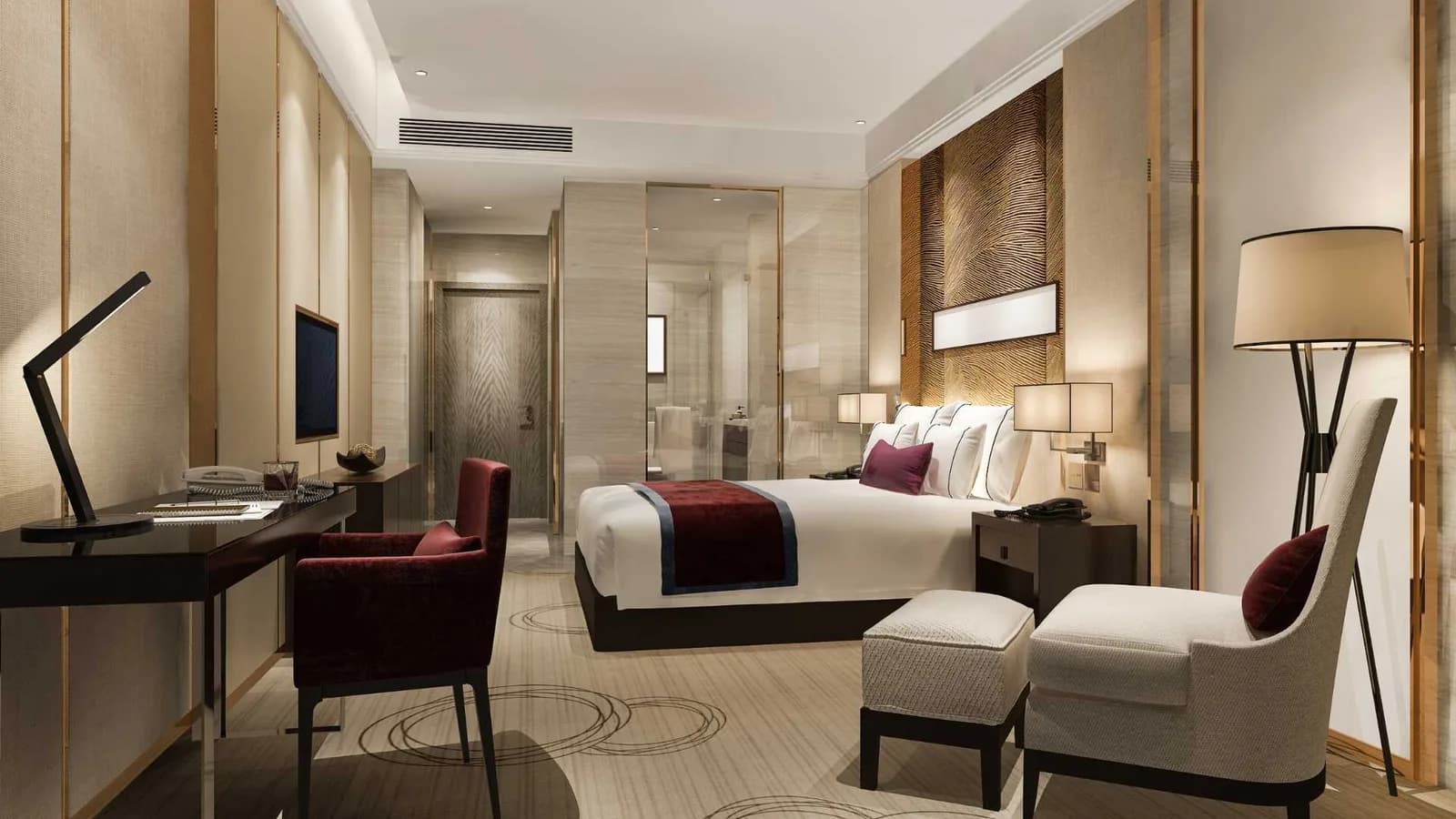
Looking for more space in your main house? You may have heard of additions and ADUs. However, your backyard may be too small, house a colossal heritage tree, or its slope may make construction costs prohibitive.
Have you ever considered a Junior Accessory Dwelling Unit? If you have unused space inside the main home and you’re looking for a secondary unit of no more than 500 square feet, a JADU may be a great fit!
A junior ADU can house family members (like your mother-in-law) or be repurposed as your home office—it’s a secluded space, so it will offer enough privacy! You can also use your JADU to generate some extra rental income.
However, a Junior ADU and a regular ADU have some differences. Which one should you choose? Before you can make the decision, let’s look into the details of JADUs and learn all about them. Keep reading for your ultimate guide to Junior Accessory Dwelling Units!
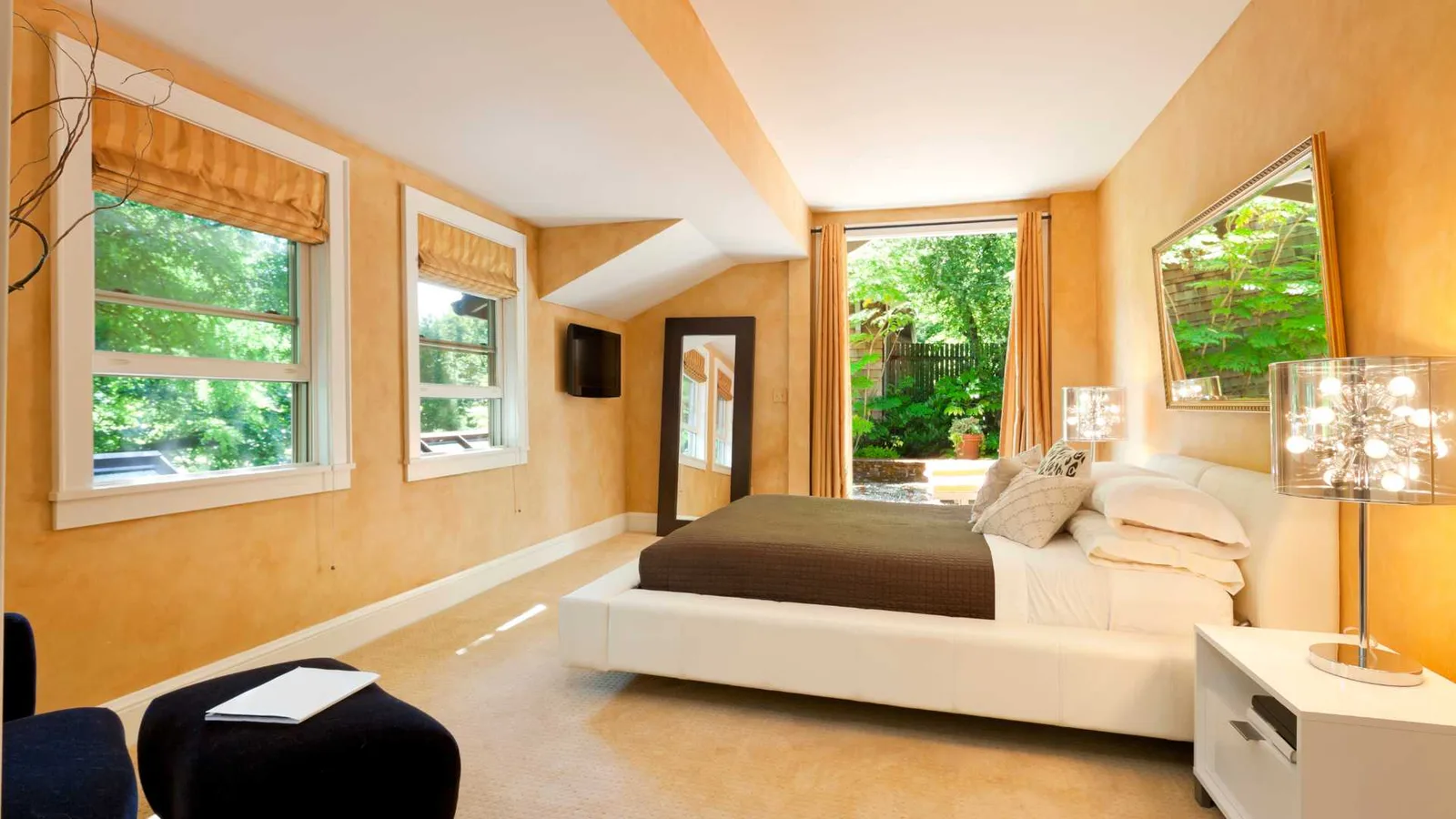
What is a Junior Accessory Dwelling Unit (JADU)?
You know those traditional ADUs—the units built in the backyard for additional living space. A junior accessory dwelling unit (a.k.a. JADU) is basically a smaller and more flexible version of that. It is, however, built within the existing footprint of your home. The JADU may be created within the walls of the proposed or existing single-family residence, including attached garages, as attached garages are considered within the walls of the existing single-family residence.
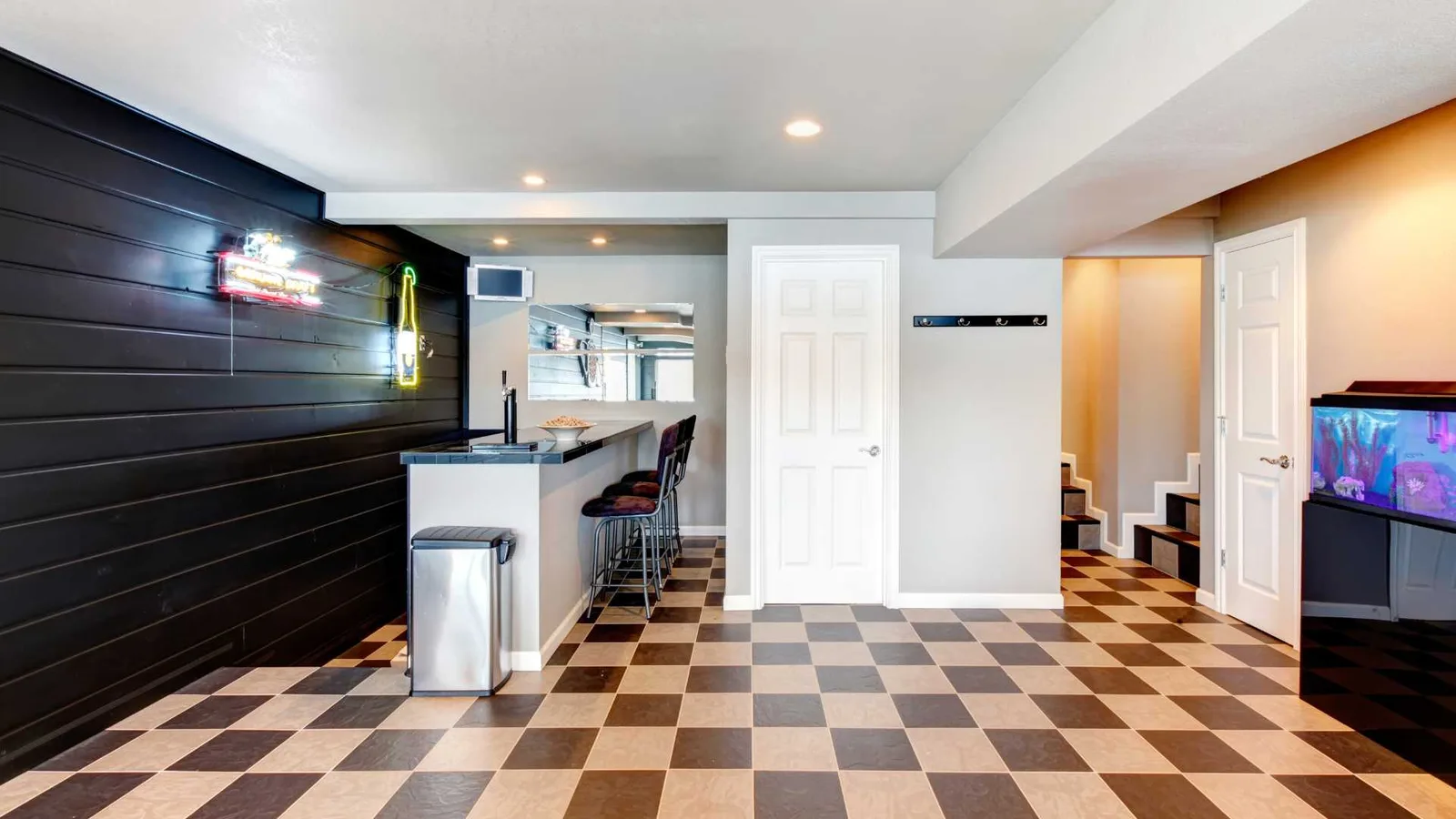
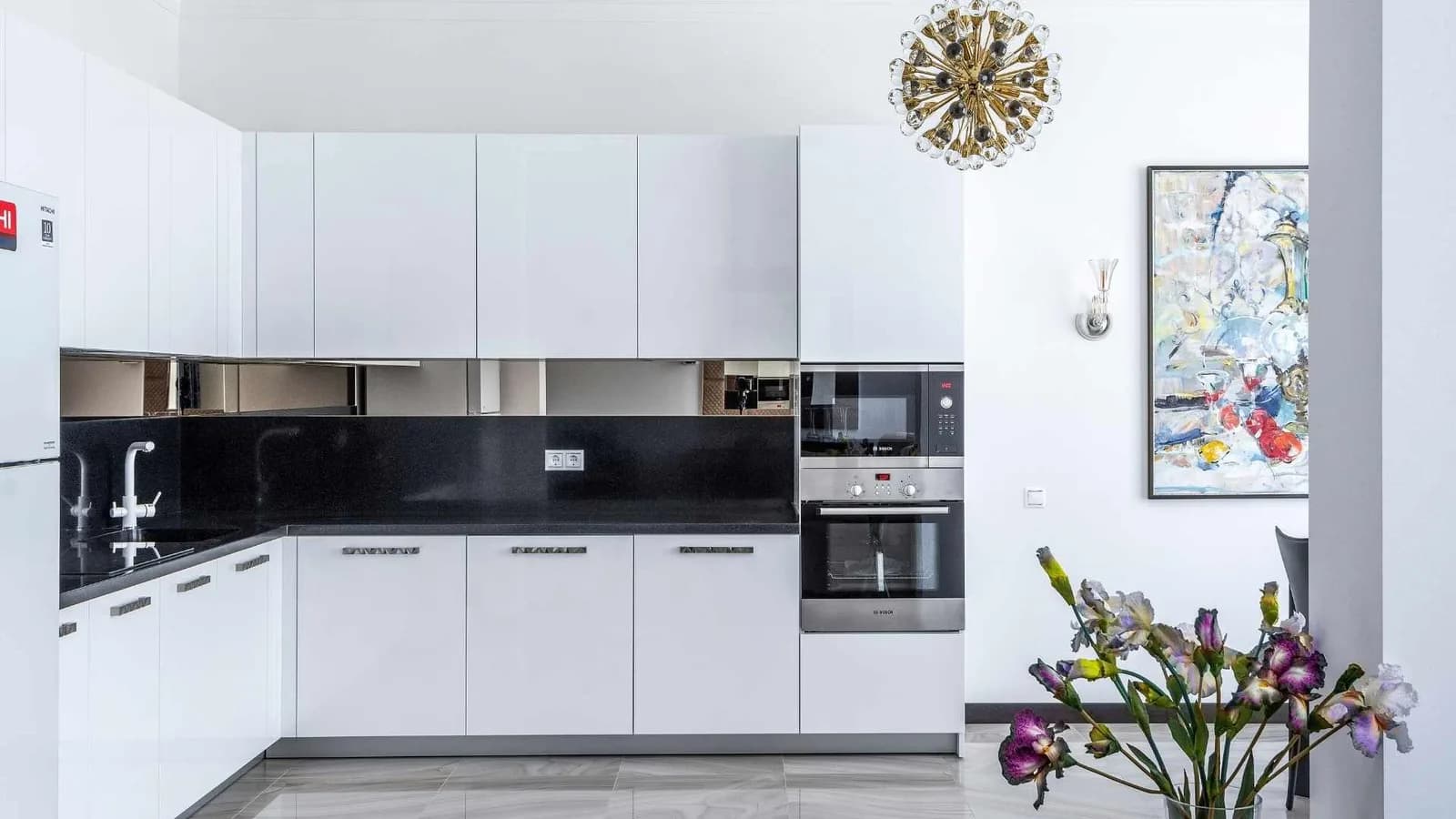
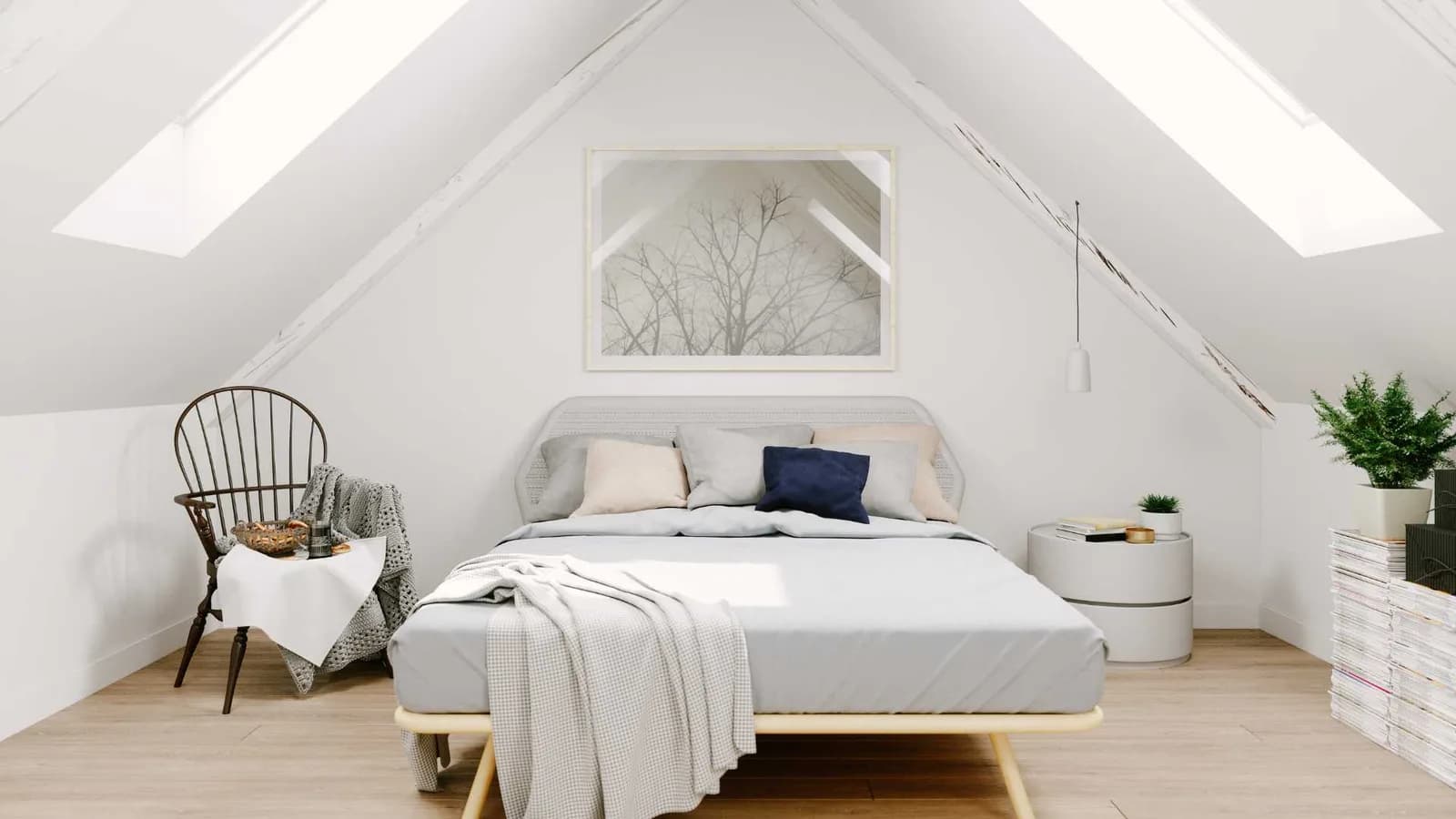
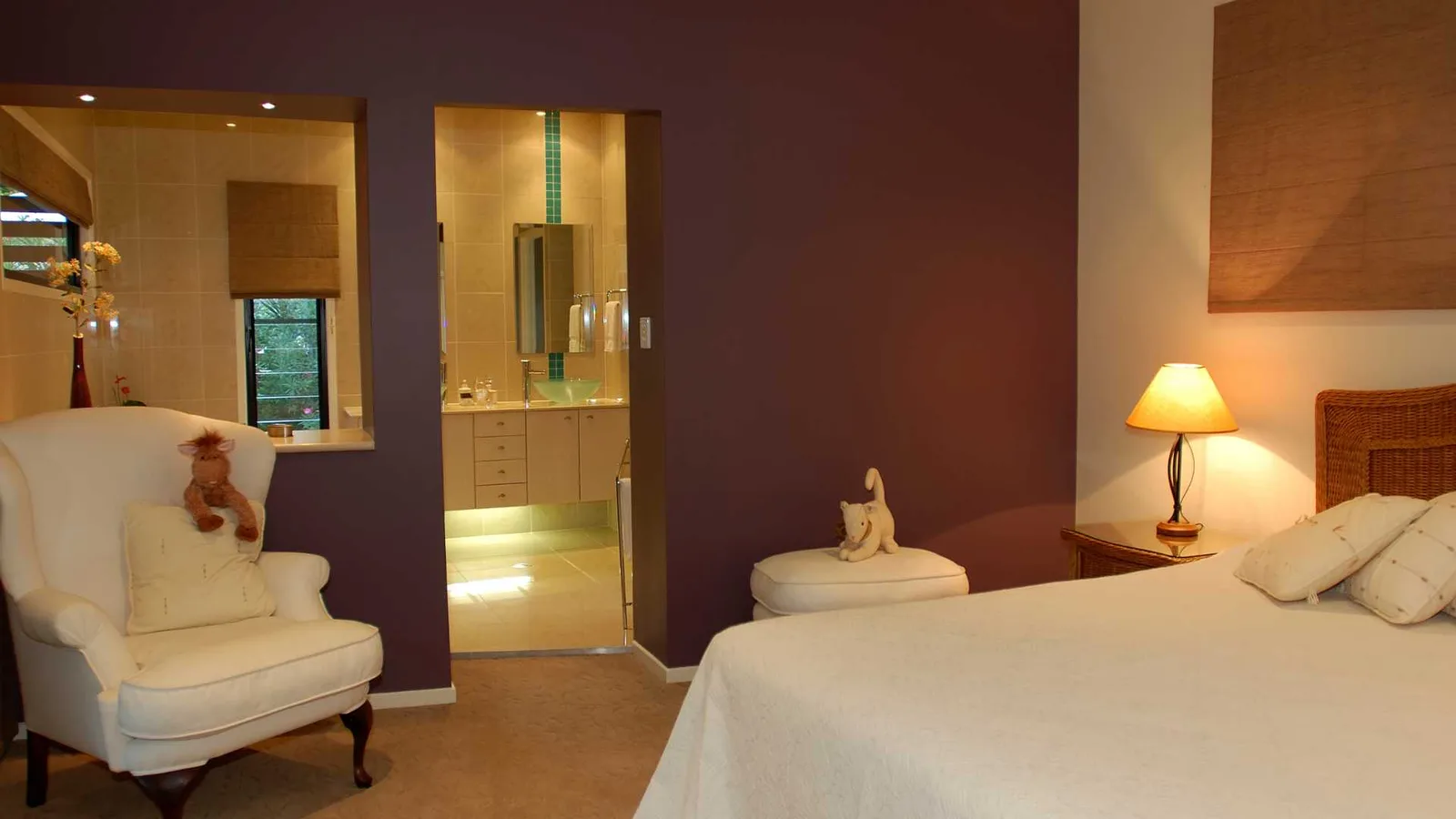
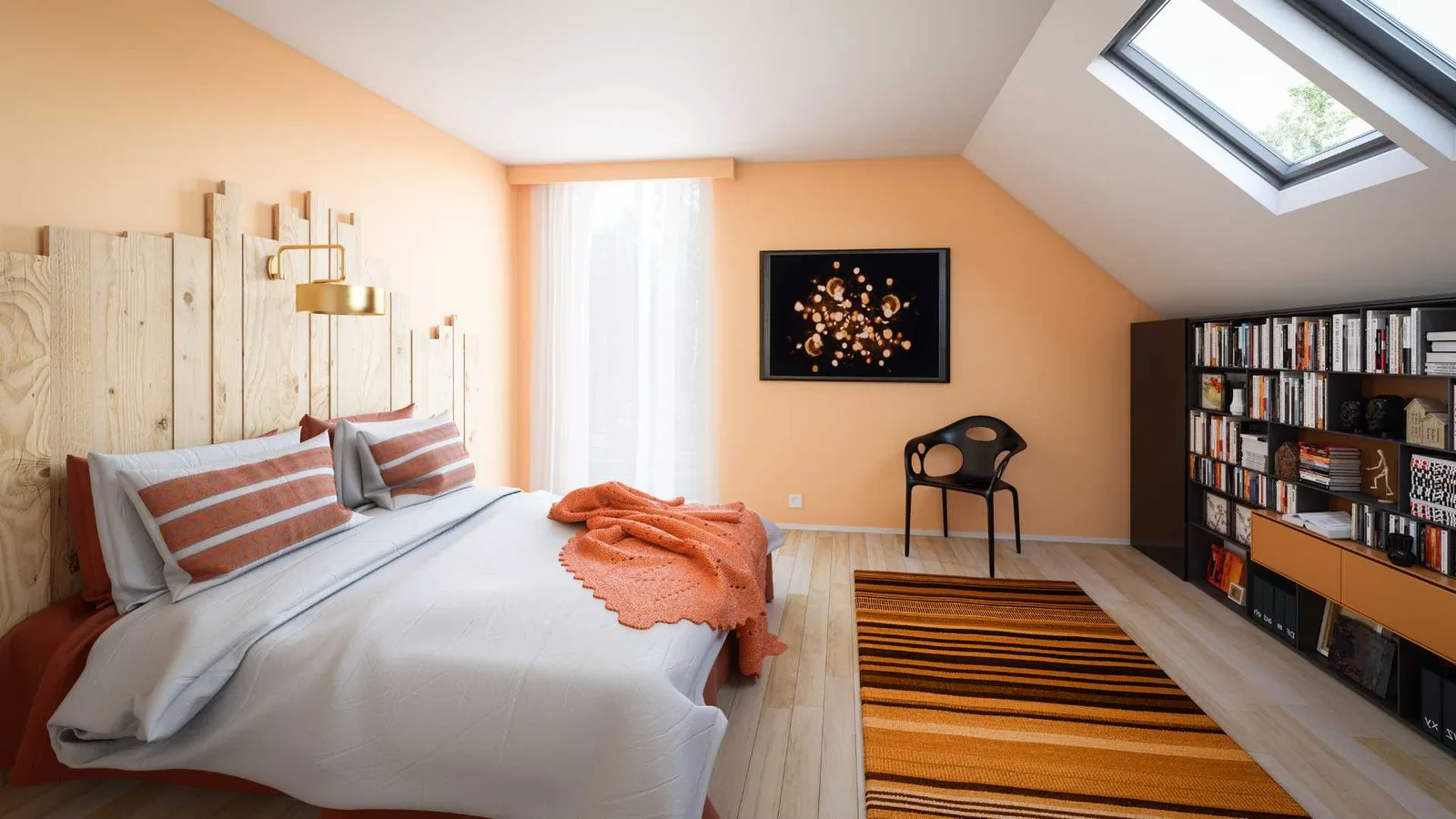
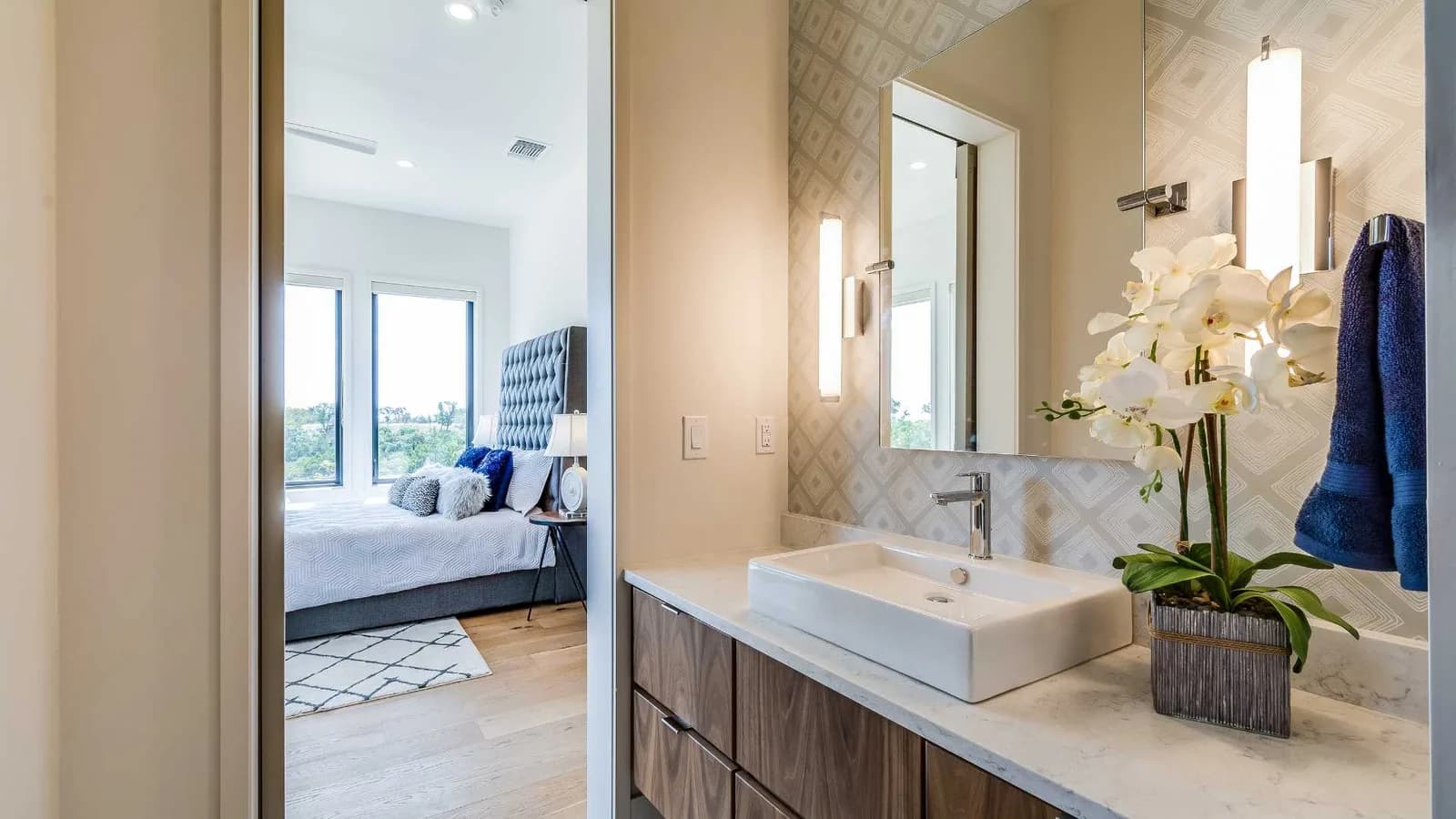
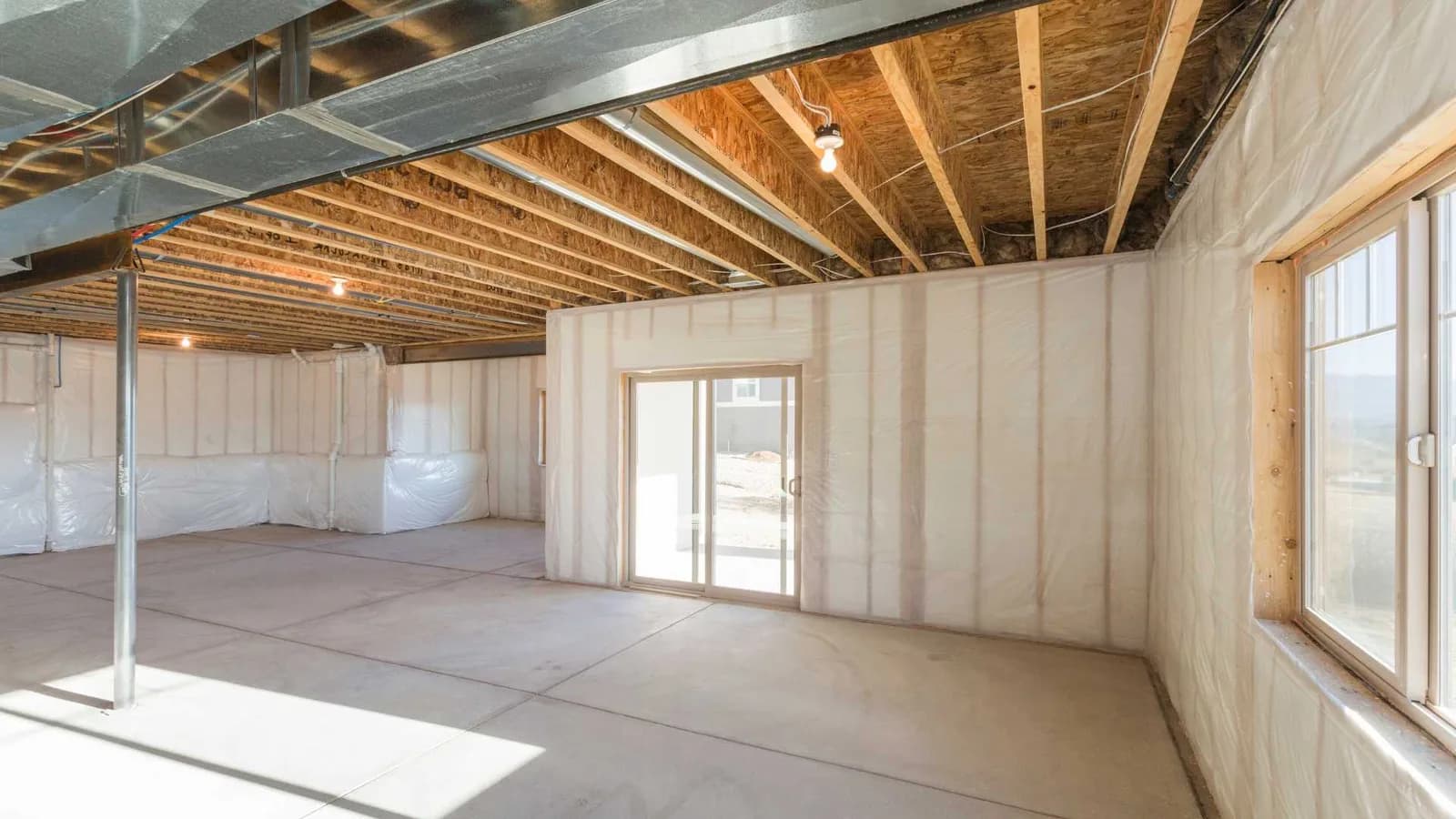
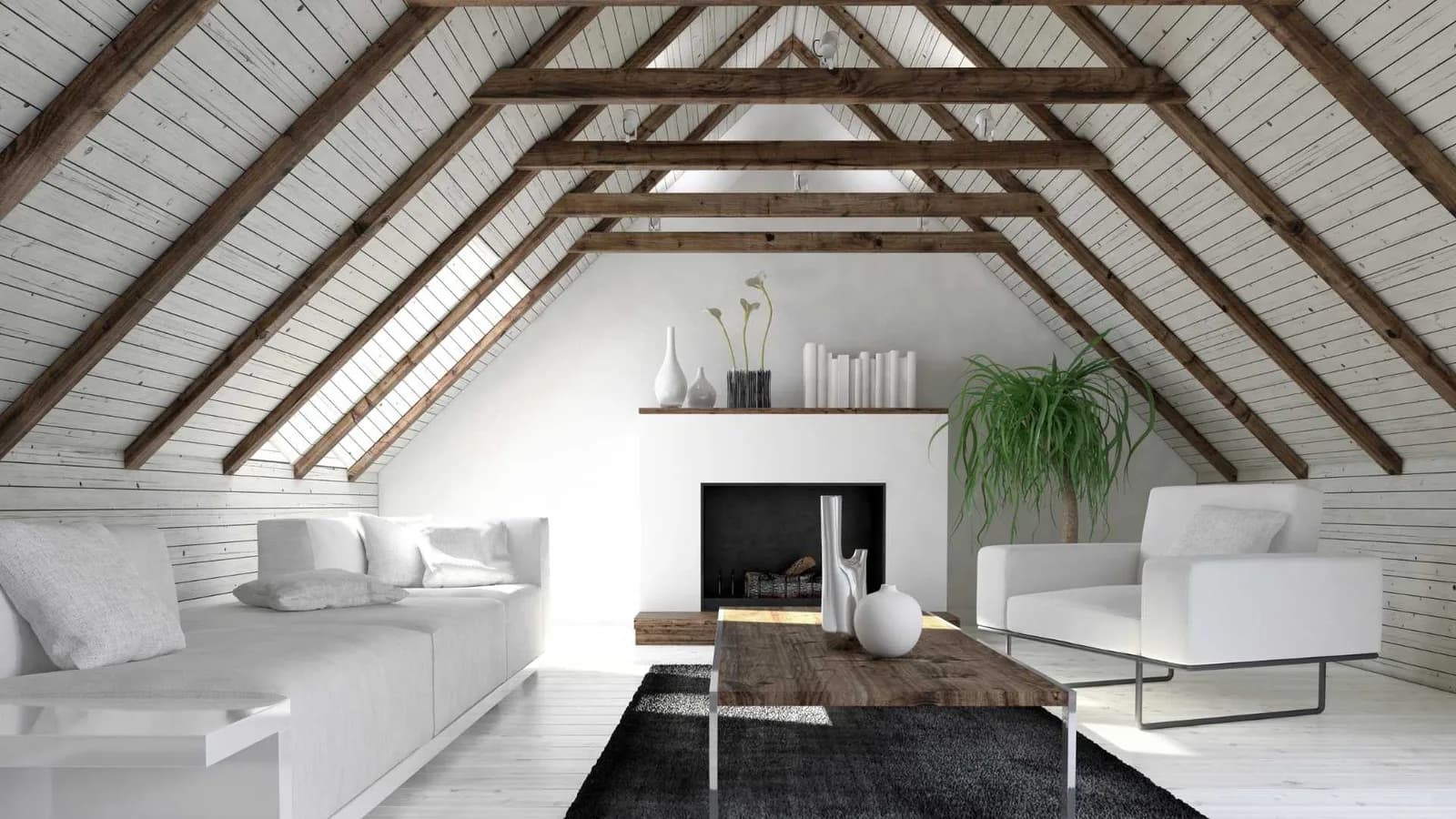
This means it is part of your primary residence. Think of a converted basement, attic, etc. The most frequently used conversion by real estate investors is a primary bedroom. Why? It already has an en suite bathroom! Just add a kitchenette, and you have a new rental unit.
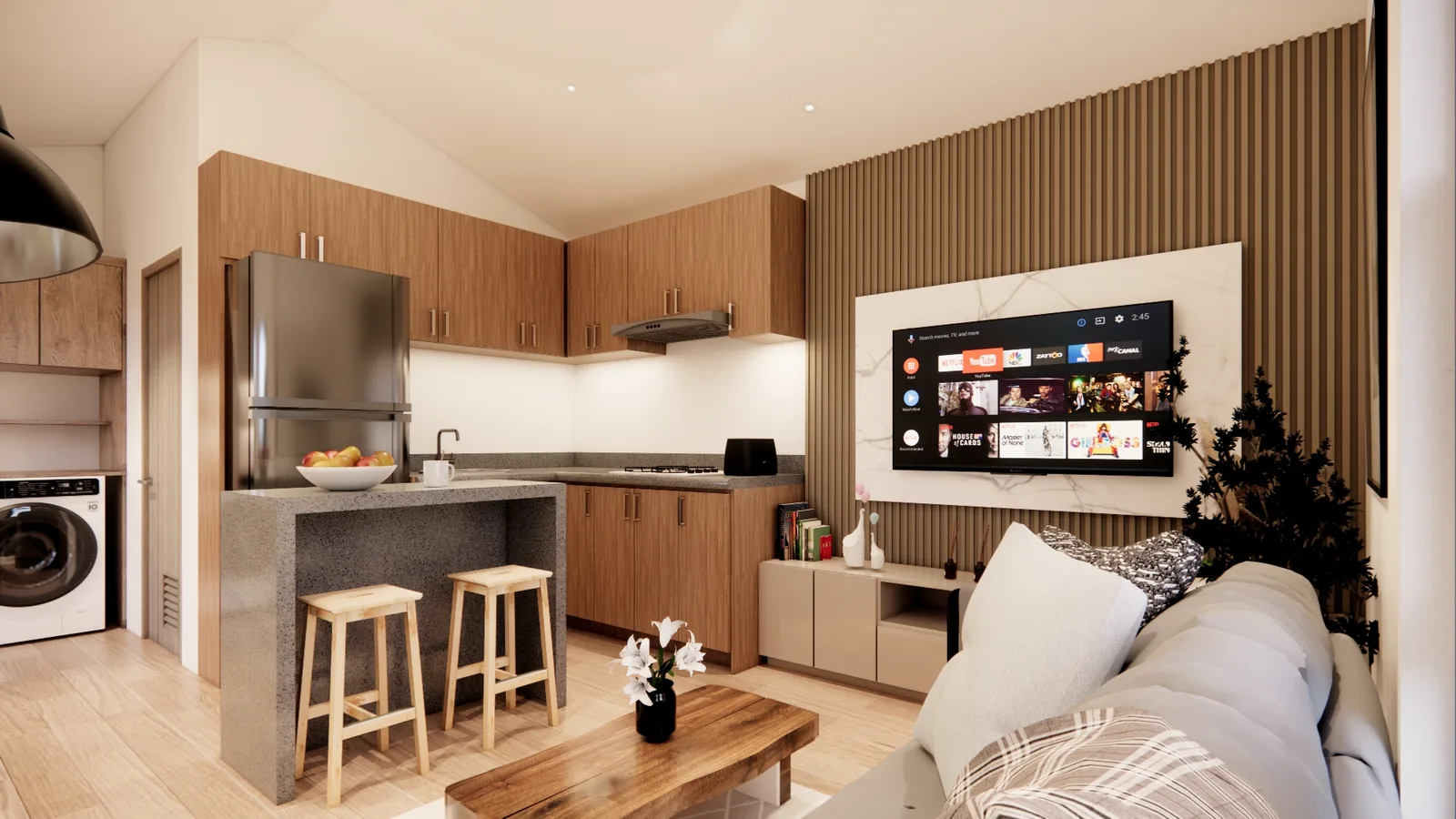
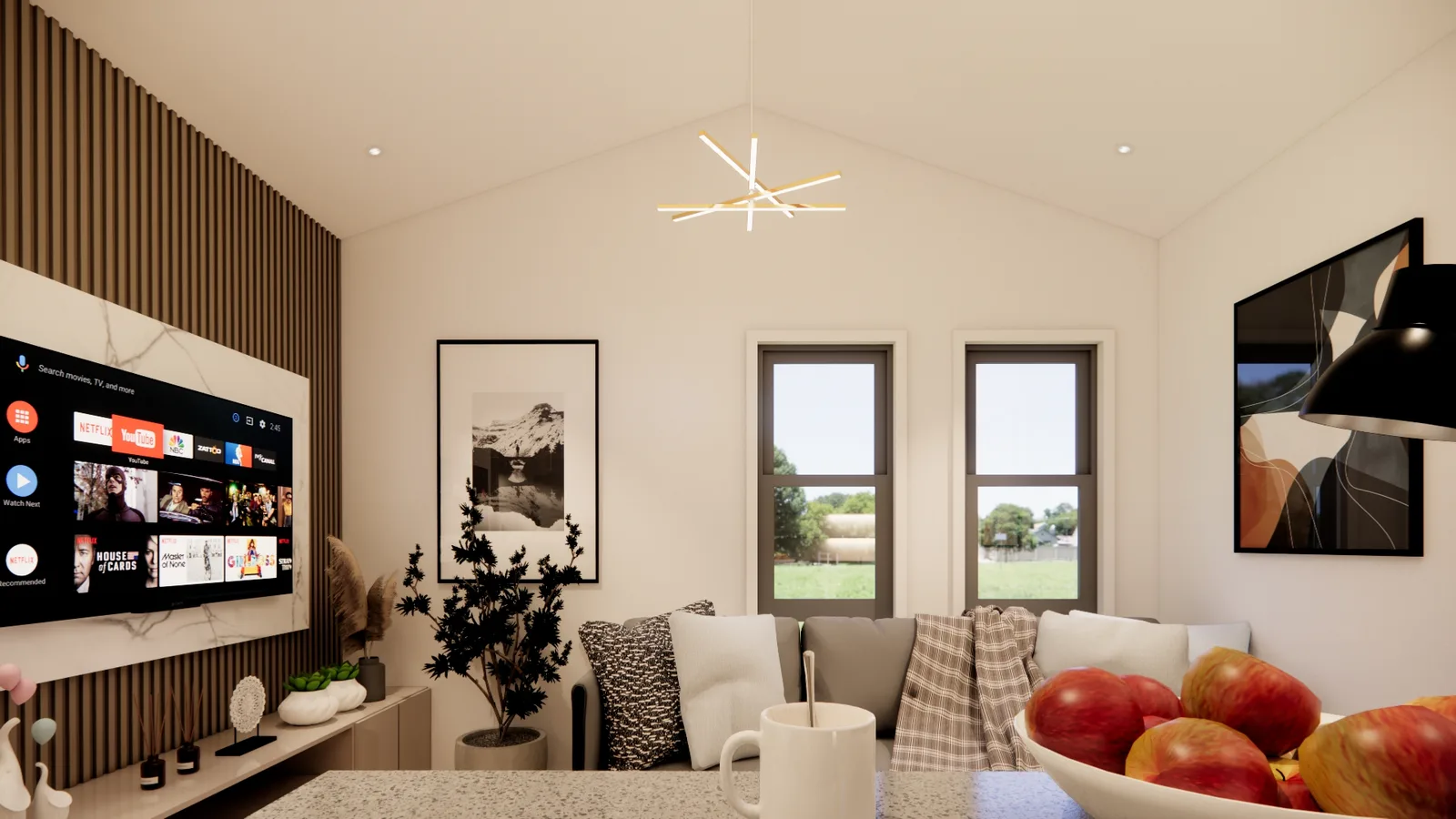
A junior ADU would be between 150 and 500 square feet in size. Although this may seem extremely small, a Junior ADU is strategically planned so every square inch is used well! This may involve sharing some amenities with the primary home, such as the bathroom.
Turn your unused space into a tiny dwelling unit
Formal dining room to JADU
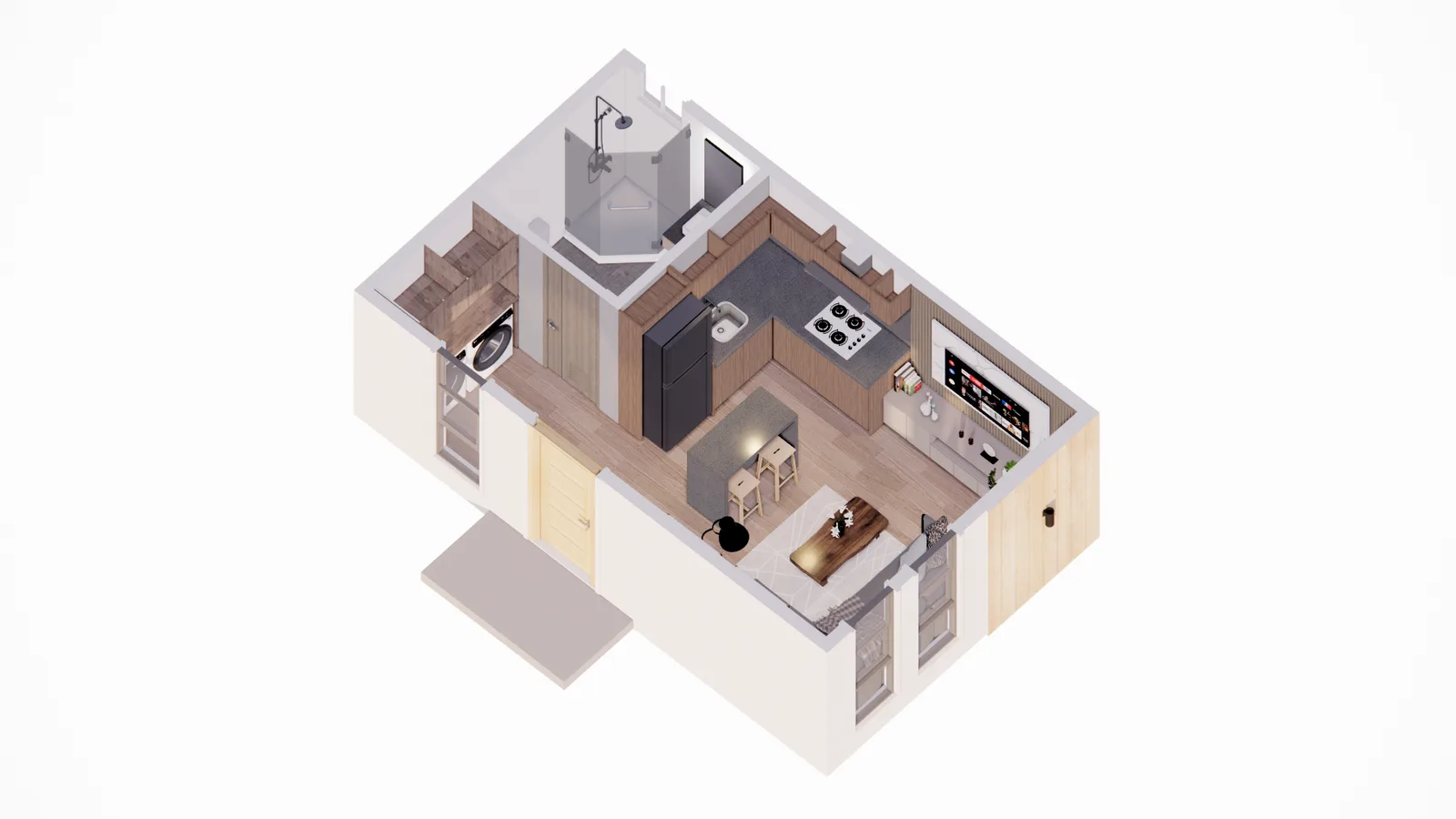
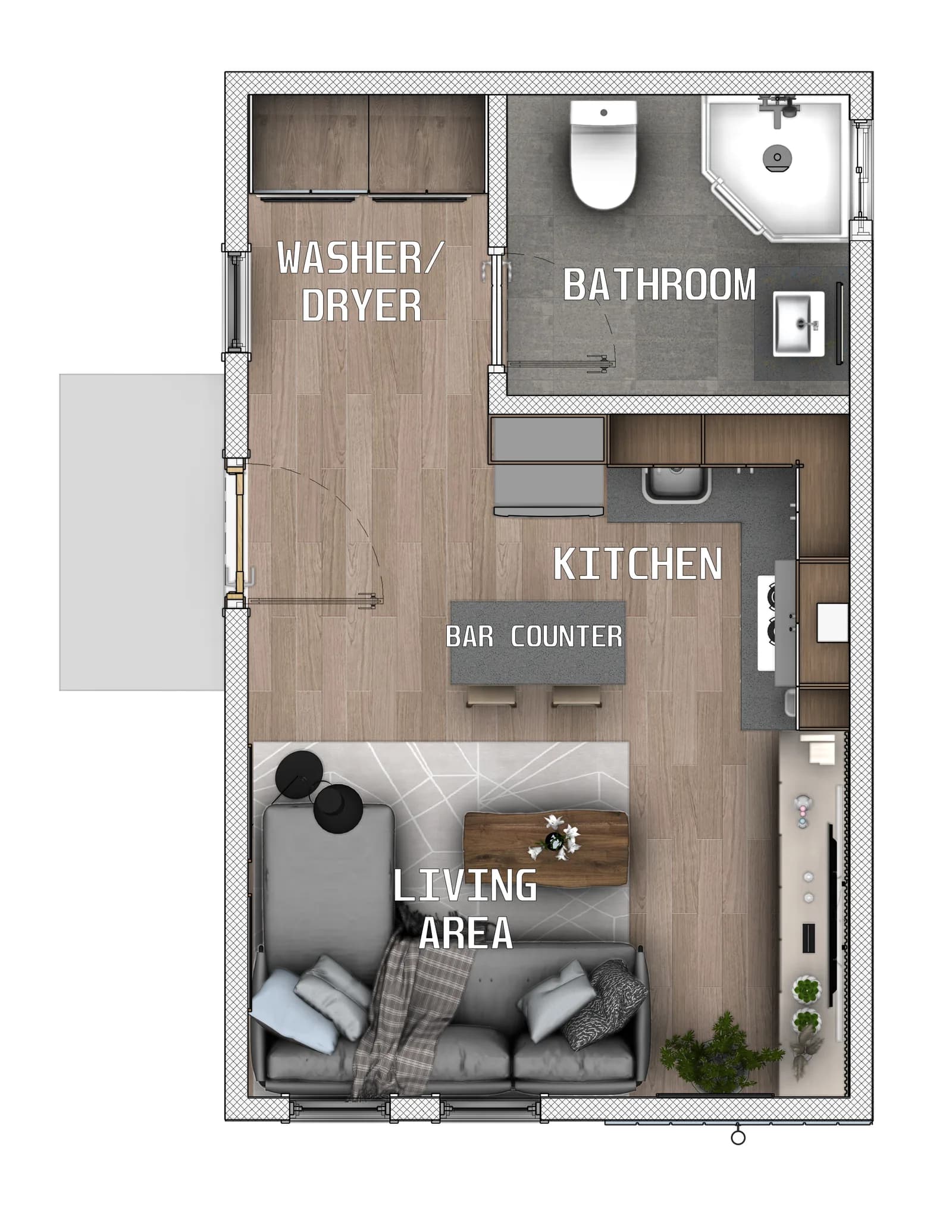
Features of a Junior ADU
While the exact features depend on your state’s law, you can expect the following when building a Junior ADU in California.
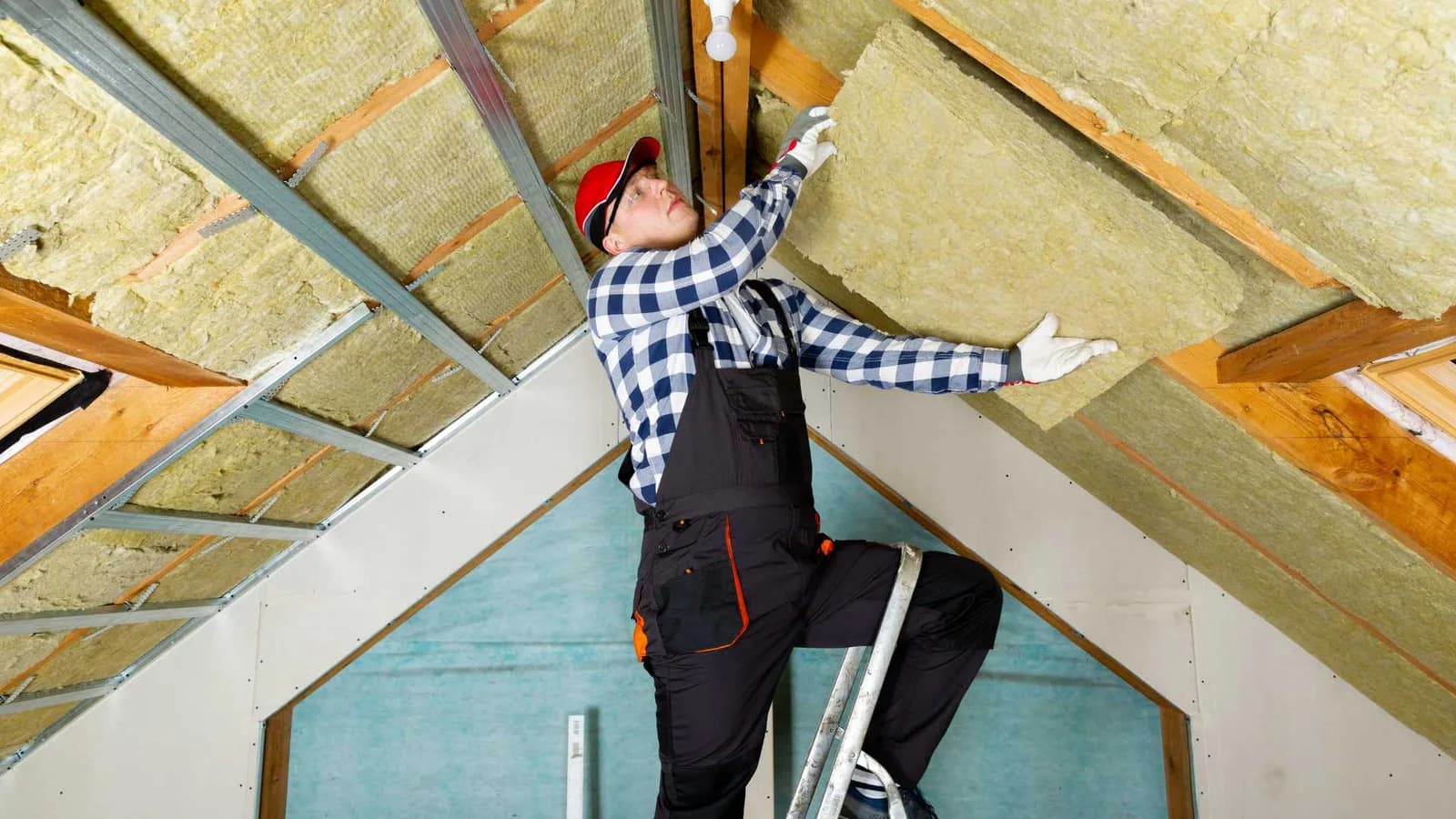
Location: Built within the premises of your existing home. You can carve a JADU out of any unused space—an existing garage, basement attic, perhaps even a spare bedroom. However, it must be part of the primary dwelling unit. It cannot be converted out of the accessory structure.
Size: This can be a minimum of 150 square feet and a maximum size of 500 square feet.
Amenities: It has to be a self-contained living unit. One must-have amenity for a JADU is a kitchenette. This should be fully functional with a sink, counter space, and essential appliances (not requiring a range). A separate bathroom would be desirable. But even if you can’t fit it in the floor plan, that’s alright. Sharing with the main house will do – plan for an interior access in this case.
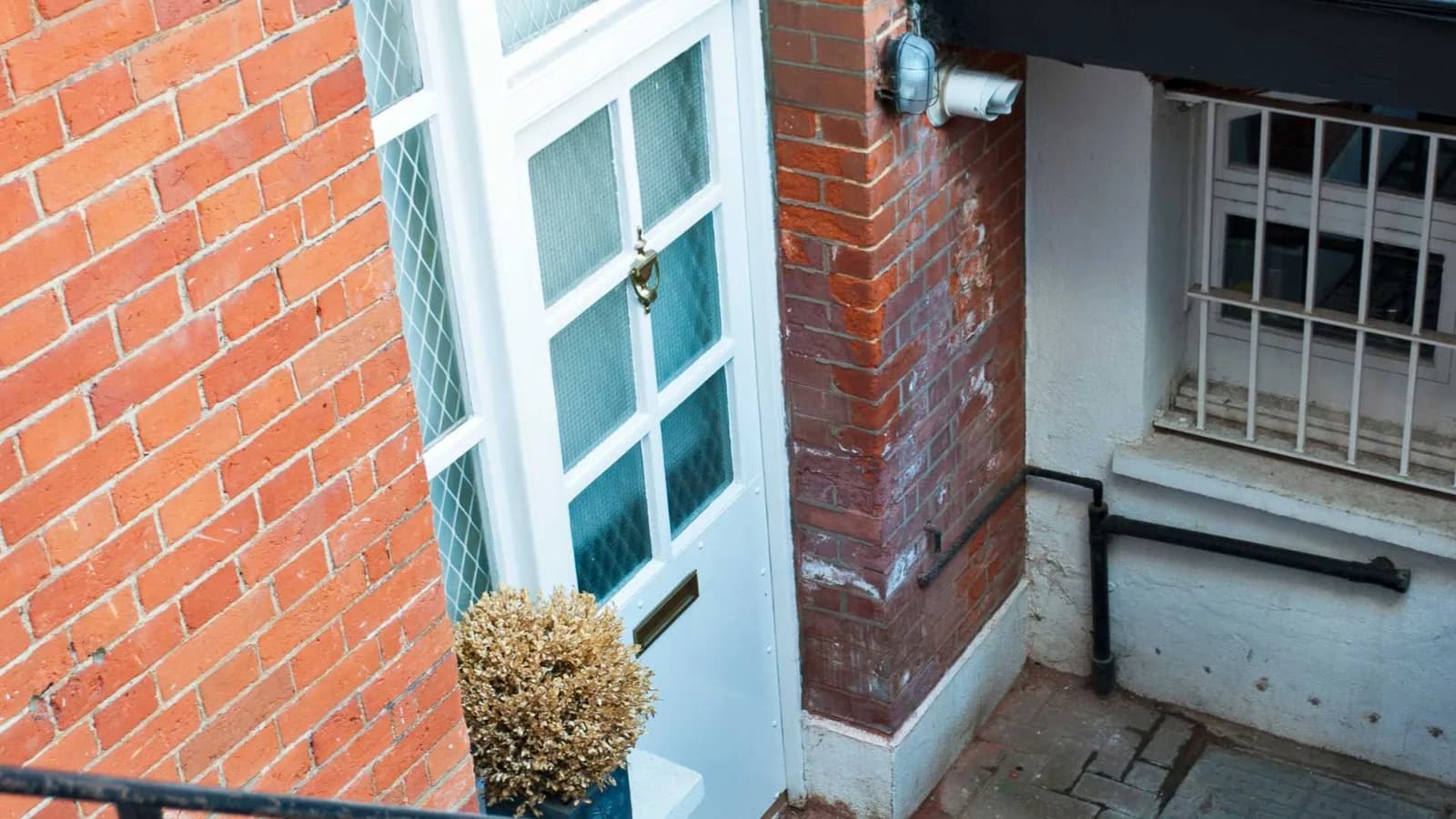
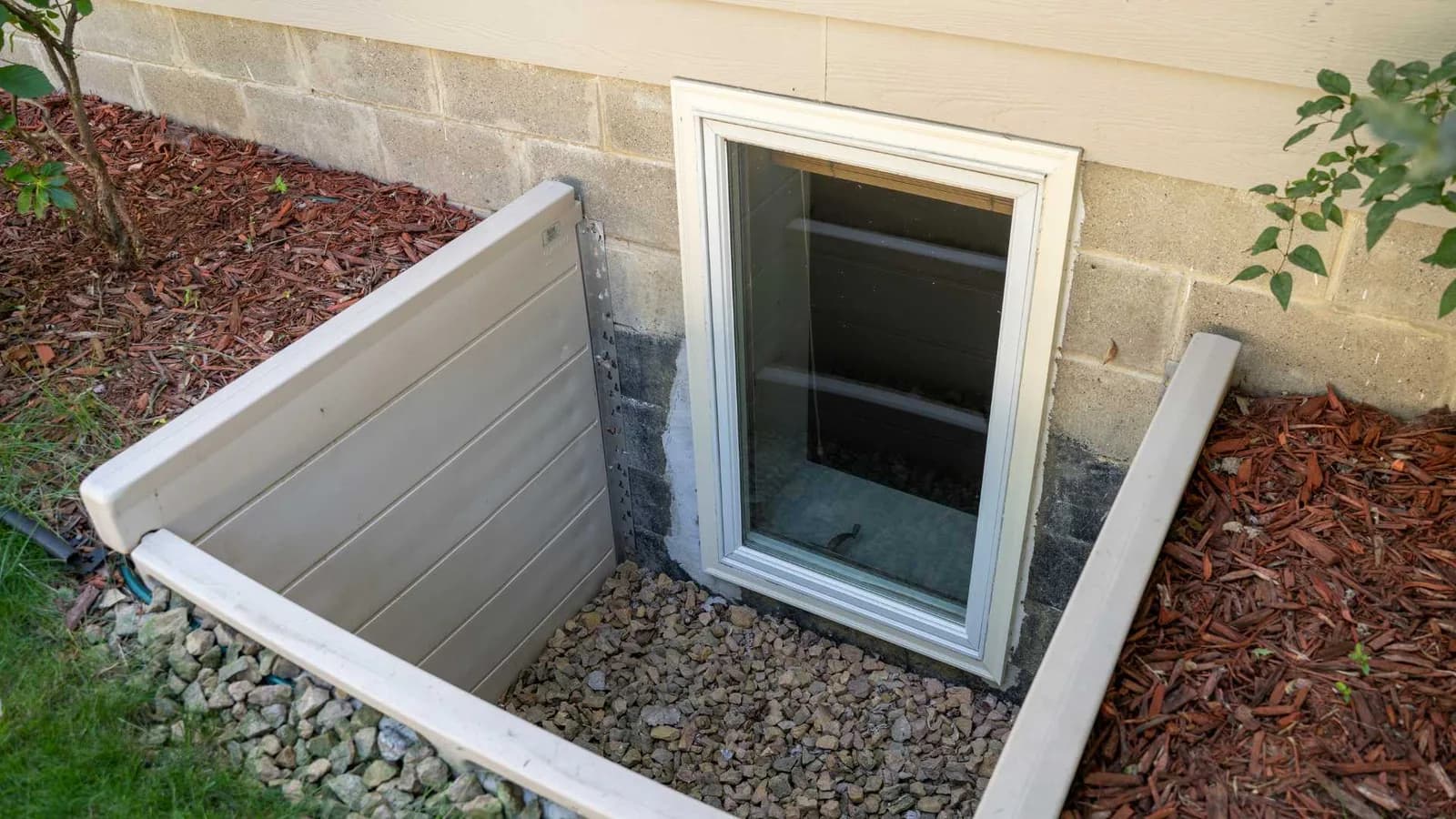
Entrance: Your JADU should have a separate entrance. This must be exterior (so you can enter from outside, not just from within the home). This ensures residents can independently access the space.
Parking: May be required.
Difference Between ADU and JADU
Both units extend the livable space in your home. A permit application for an accessory or a junior accessory dwelling unit shall be considered and approved ministerially without discretionary review or a hearing within 60 days of receipt of a completed application.
Both will be considered residential units after the final inspection.
But what are the differences? Let’s find out!
JADU Definitions Can Vary!
Before building your JADU, it’s important to note that these definitions can vary for every state. Check your State law, plus other local ordinances created by governmental agencies. Different cities/counties can create their own local ordinances around JADUs. While they may conflict with our above definition, they follow the same idea.
Here are some questions to ask your local planner:
- Is it true the JADU can use the bathroom facilities of the main home? Or do they need separate sanitation facilities?
- Are there any specific requirements for the kitchenette (countertop space, size of fridge, specifications for appliances)?
- What are the parking requirements for JADU?
With so many definitions, knowing what you should follow can be tricky. To start—find out which jurisdiction you fall under. One way to do this is by looking at your address and city/county. Next, visit your local government’s website and read their guidelines for JADUs. You must follow the rules because you’ll be expending quite some effort!
If you cannot find local JADU regulations, contact your local planning department and speak to them directly.
Advantages of Junior ADUs
So, why exactly should you build a Junior Accessory Dwelling Unit? It is one of the most affordable housing options. The effort brings plenty of benefits for you and your property, including—
Cost-Effective Option
JADUs are much cheaper to build ( compared to ADUs) because they utilize existing infrastructure. There is no need for separate utility connections. The permitting process is simplified, and building permit fees are also lower. There is no need for new construction—no new foundation, no soil haul-off. Impact fees may be waived entirely.
Additional Property Value
Adding a JADU increases the livable space in your home, increasing the property value of your single-family residence. Generally, an ADU can boost your property value by 30%.
Maximized Existing Space
If you have unused areas around your home, put them to good use with a Junior ADU. You can repurpose that empty room or garage into a home office, in-law suite, guest suite, etc. You do not have to worry about site setbacks.
Fast-track Permitting
If that complex permitting process puts you off, a JADU will give you a smooth process. Getting a permit will be much easier because you’re not opting for structural changes (in most cases). Plus, some jurisdictions don’t need building or fire code upgrades. That said, a fire-rated wall may be required between your main home and the junior unit.
Multigenerational Living Benefits
Keeping loved ones nearby is a blessing, but privacy concerns are real! If you’re struggling with the same, a JADU will allow you to keep family members from several generations under the same roof. But with their own private living spaces!
Flexibility
If you plan to rent j ADU out (you want to check who is allowed to stay in the JADU in your county), you can also generate extra income. You can create a JADU in addition to an ADU. That means a triplex on your single-family residency without any change in zoning —and increasing rental income.
Disadvantages of Junior ADUs
Building a Junior Accessory Dwelling Unit has all its benefits but has some limitations, too. These include:
- Smaller size limit—Junior ADUs have a size limitation of 500 square feet. So, a JADU may not be the right fit if you want something bigger. JADUs cannot be increased up to 150 square feet when created within an existing structure to provide for ingress—this refers only to ADUs .
- Required deed restriction – this unit cannot be sold separately from the primary residence.
- Owner-occupancy requirements: The owner must reside in either the remaining portion of the primary residence or the newly created JADU.
- Sharing amenities (such as the bathroom) can be a challenge. You should consider your daily routines to ensure privacy is not compromised.
- If your property is subject to Homeowner Association regulations, there may be some restrictions on building a JADU. Be sure to check your HOA guidelines before proceeding.
- JADUs created in the attached garage are not subject to the same parking protections as ADUs. They could be required by the local governmental agency to provide replacement parking.
You want to weigh these cons against the pros and decide what works for you.
Junior ADU: Planning and building guide
To get started, prepare all the necessary documents, including a site and floor plans for the existing single-family dwelling. Use our ADU Planner as a guide.
Building permit applications must include the floor plan of the existing residence, often with some floor area calculations.
Consider your budget.
The cost to develop a Junior Accessory Dwelling Unit in your home can vary. The exact figure depends on the materials you use, the type of construction you’re willing to do, etc. But generally, a breakdown of costs will look like:
- Construction Costs. Looking to add something to your existing infrastructure? You’ll require some construction for that—and consequently, some expense. This also applies to renovating, say, your basement. Even shifting up plumbing fixtures comes with a cost.
- Permit Cost. The process is relatively easy, but some fees are still associated with getting the required permits. Plus, there can be some plan review fees (according to local regulations).
- Admin Costs. Your project will also have administration and supervision costs, such as hiring a general contractor with experience in additions, conversions, and Junior ADUs.
- Utilities. Developing a JADU can sometimes require extending your existing utilities (e.g., electricity, plumbing). Fire sprinklers may be required. These can add to the total cost.
The amount you’ll be spending depends on the nature of your project. When deciding on the amount—be sure to factor in unexpected costs! The extra dollars used as a cushion can help avoid delays in your project.
Tentative Cost Range
You can expect to pay between $20,000 and $100,000 for a JADU. You’d need to be lucky to get the project done for $20,000. Think of a room with an ensuite bathroom and an exterior door that requires an efficiency kitchen and city fees paid. However, this is not the case for most people.
Tips to Spend Less on Your Junior Accessory Dwelling Unit
Here are some tips to save money while developing your JADU. First off, get quotes from multiple contractors. You want to compare prices (while keeping quality in mind) when you choose your contractor. When deciding on a layout, think about a simple one that will be easy to achieve. You also want to utilize existing infrastructure (instead of thinking of building/extending infrastructure). And if you’re handy—you can even take up some non-critical tasks to save labor costs.
What to Consider Before Getting a JADU
Does a Junior Accessory Dwelling Unit sound like your thing? That’s great! Here are a few things to consider before you develop one.
- First, check with your local building regulations to learn what they say about Junior ADUs.
- Carefully examine your home to discover the places most suitable for your JADU. (This one would require the least investment and maintain privacy for the residents.)
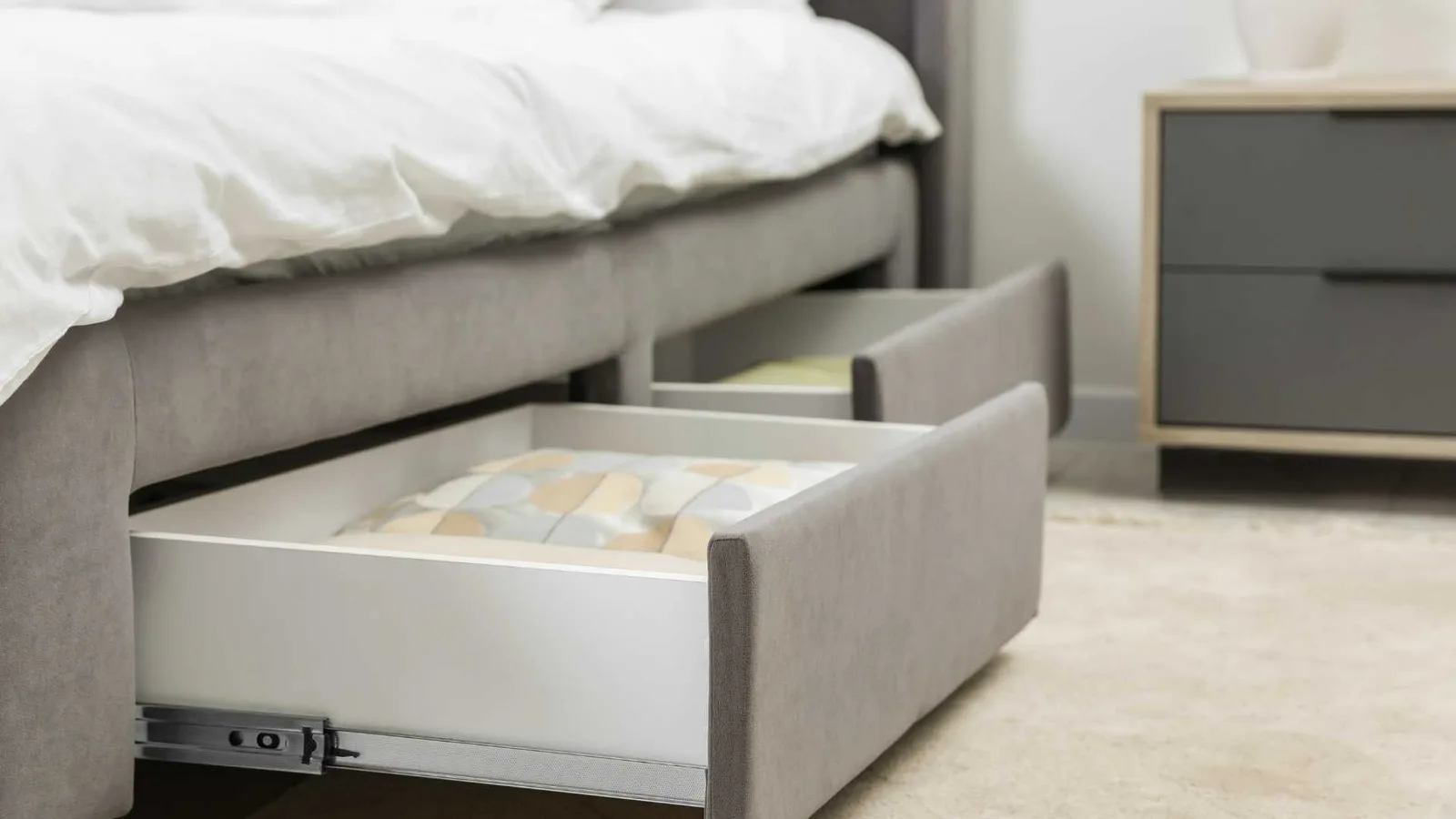
- Think about clever design solutions that provide a functional living space. For example, space-saving furniture.
- If your JADU will be sharing amenities with the main house—consider how these will impact the daily routines of all residents. Remember the owner occupancy requirement.
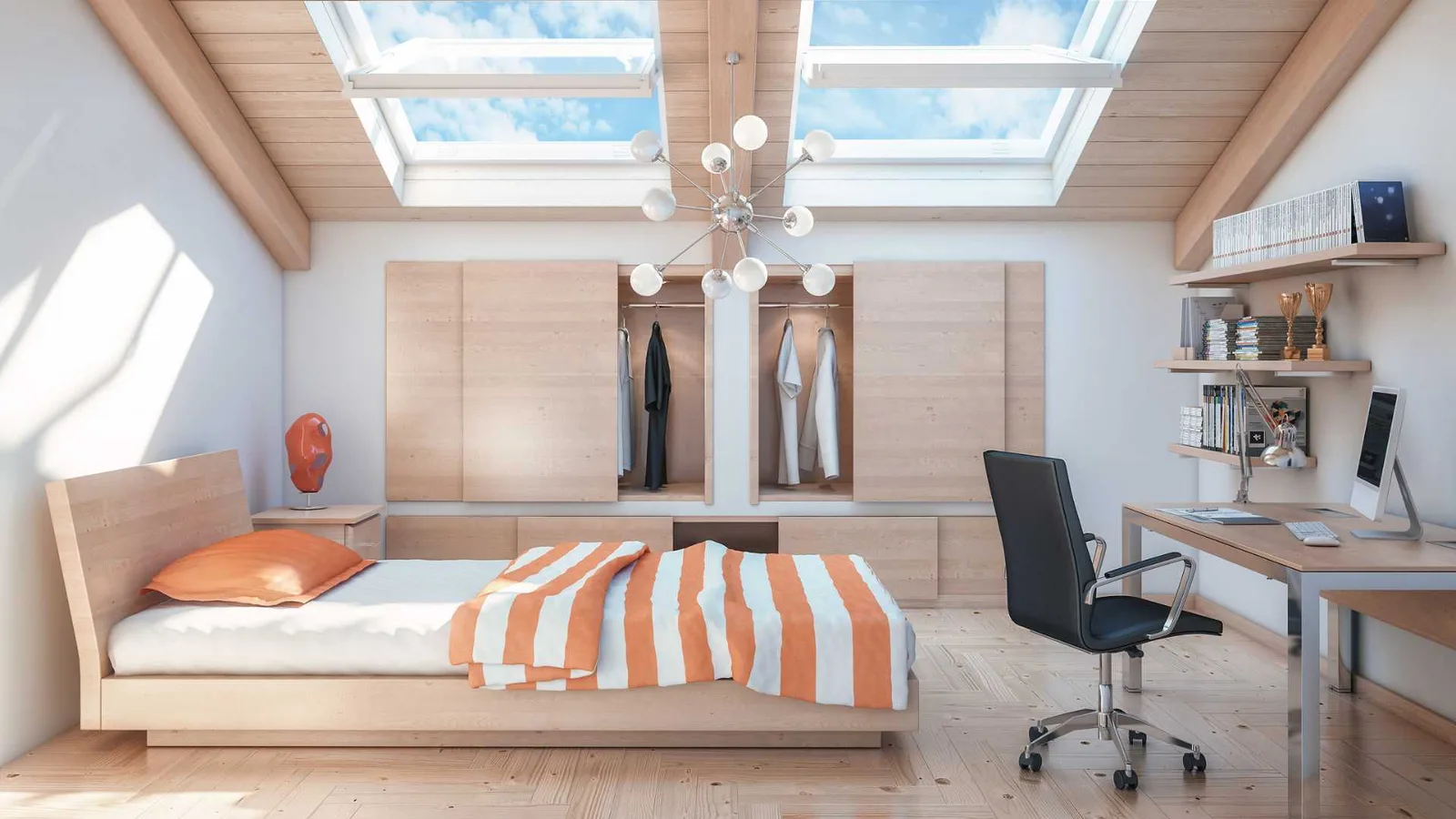
Here are some ideas for you:

Final Words
If a Junior Accessory Dwelling Unit suits you (and your family), go for it! It’s an investment that will really pay off in the long run. It will open new opportunities in terms of multigenerational living and rental income. Plus, it helps you utilize the space that would otherwise remain unutilized.
We are always on standby to give you a helping hand.
Common questions about JADUs
A junior ADU runs between 150 and 500 square feet. It is built within the existing footprint of your home, so every square inch gets planned to work hard.
A regular ADU is usually a standalone unit built in the backyard. A JADU is smaller and lives inside the walls of your existing single-family home, including an attached garage, and can share some amenities like the bathroom with the main house.
A JADU must have a kitchenette with a sink, counter space, and basic appliances, though it does not need a full range. A separate bathroom is nice to have, but you can share the main home's bathroom if the floor plan does not allow one, as long as there is interior access.
Yes. Your JADU needs its own exterior entrance so residents can come and go from outside on their own, not only through the main home.
No. A JADU comes with a deed restriction that keeps it tied to the primary residence, so it cannot be sold on its own. The owner also has to live in either the main house or the JADU.
Most JADUs run between $20,000 and $100,000. The low end is rare and usually means a room that already has an ensuite bathroom and an exterior door, where you just add an efficiency kitchen and pay city fees.
A completed application for a JADU or ADU must be reviewed and approved ministerially, with no hearing, within 60 days of the city receiving it.