
Granny Pods as a solution for independent retirees
What granny pods are, what they cost, and how these backyard units give aging parents independence with safety and accessibility close to home.
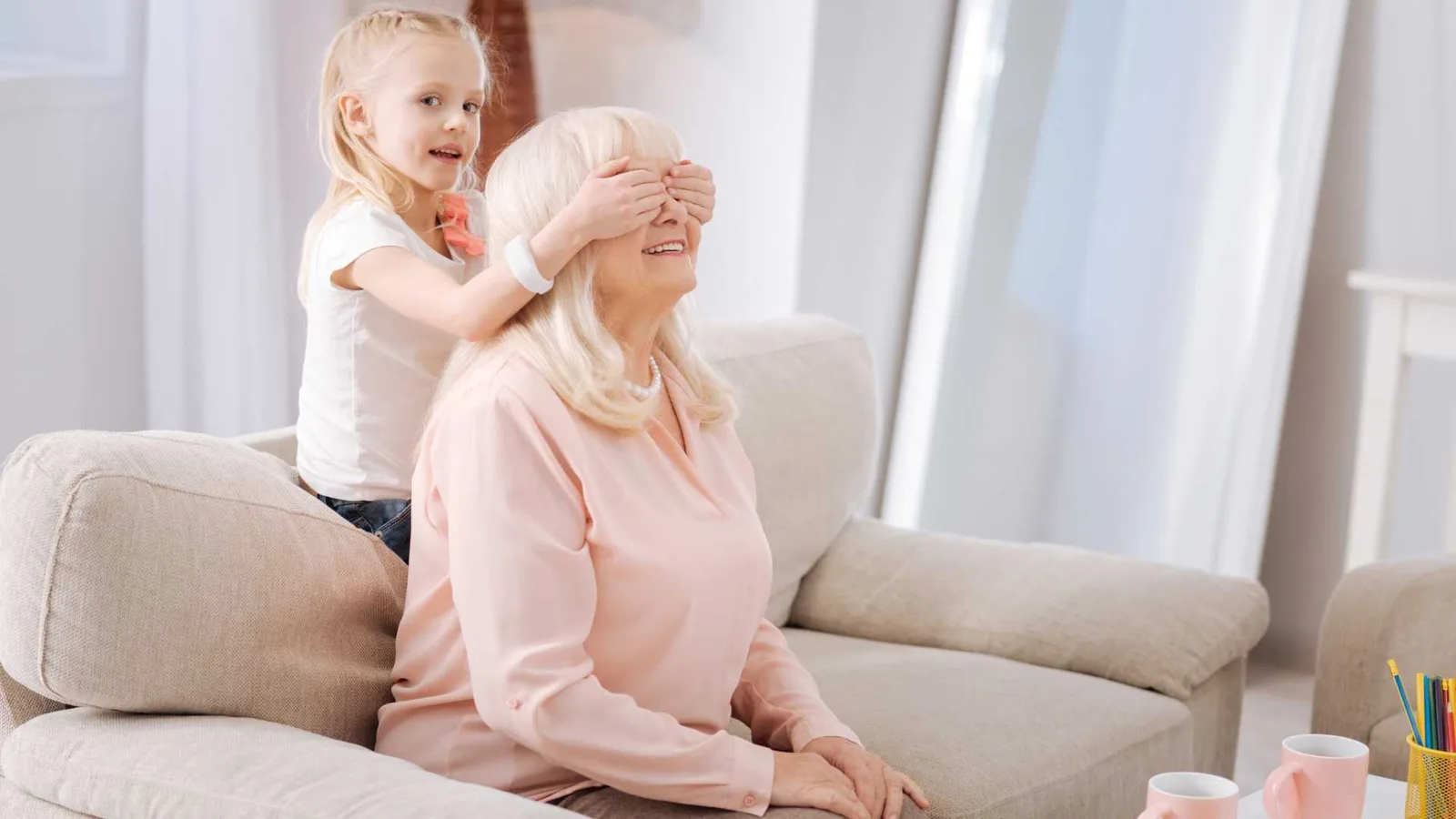
Granny pods, sometimes known as accessory dwelling units (ADUs), granny flats, guest houses, in-law pods, backyard cottages, or small granny pods, have become one of the fastest-growing housing solutions for families seeking practical, affordable housing and elder care options for their aging parent or elderly family members. If you’re looking for the best way to balance independence and support, understand the cost of a granny pod, or learn whether a prefab granny pod, stick-built unit, or modular home is right for you, this comprehensive guide will cover everything you need to know.
Granny pods have started coming up in conversations more often. Have you noticed how conversations with friends that once centered around concerns for younger family members are turning more and more to worries about our older loved ones? It seems that all of us face very similar issues as we see their physical and mental capacities slowly decline with age.
You naturally want to do your best for your older family members.
But what can we do? Maybe we live many miles away and cannot be on call to offer help when it is needed. Or maybe distance is less of a problem than time. You have your own life, job, hobbies and other family members and friends who all demand your time and attention. You know your family member doesn’t need residential care just yet, but you can’t just ignore their needs. After all, they may have spent many years caring for you when you were a child, so surely you should do the same for them now?
Should they move in with you?
One option that is often discussed is having your family member move in with you. You have a spare bedroom and, if you’re an empty nester, there’s plenty of living space for everyone. But anyone who has done this will tell you that living full-time with an older person can be fraught with difficulties.
All of us can get very set in our ways as we get older and unwilling to change habits that have developed over a lifetime. Turning a parent-child dynamic on its head by requiring them to fit in with your lifestyle can be the stuff of nightmares.
And being constantly on hand is not necessarily in an older person’s best interests either. Maintaining as much independence as possible, both physical and emotional, is a very important part of successful aging.
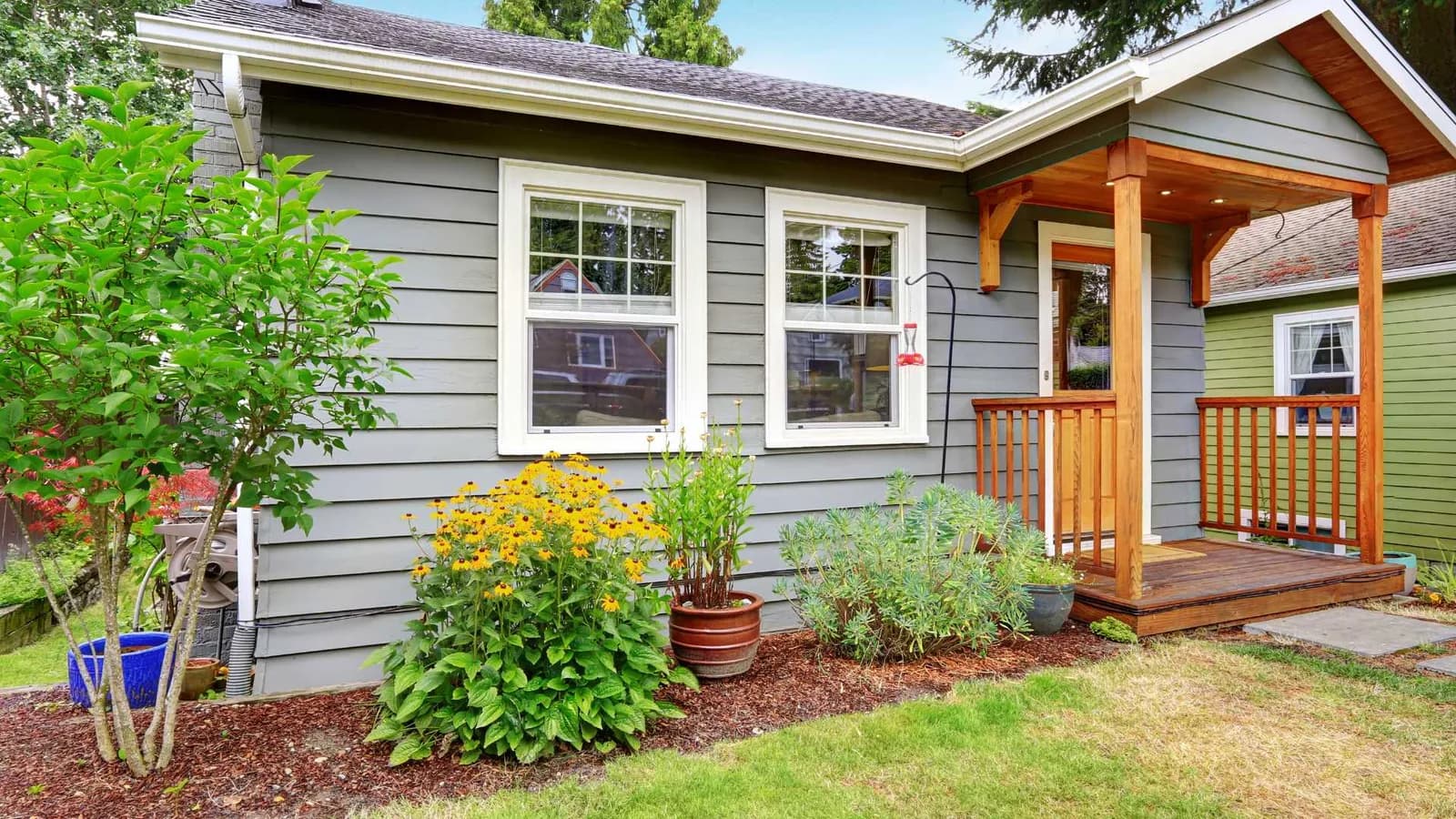
What Are Granny Pods? Understanding This Modern Solution
A granny pod is a small dwelling—typically between 250 and 900 square feet—installed in the backyard or adjacent to the main home (the “main residence” or “main house”) of a family’s property. Designed to serve as a safe, accessible living space for older adults—such as a 67-year-old retiree, elderly parents, or even adult children seeking independence—these units are a great option for multigenerational living or as a retirement home solution.
Granny pods can take several forms, including:
– Prefab (prefabricated) granny pods
– Modular homes
– Park models
– Stick-built backyard cottages
– Custom granny pods
– Tiny homes
Built off-site or on your property, a granny pod is a permanent structure or a semi-permanent unit featuring a bedroom, living room, bathroom, galley kitchen, and often safety features and medical extras to support senior housing and elder care. Many families find these living spaces help address the challenges of aging in place by providing proximity, comfort, and the extra help that an aging parent may need.
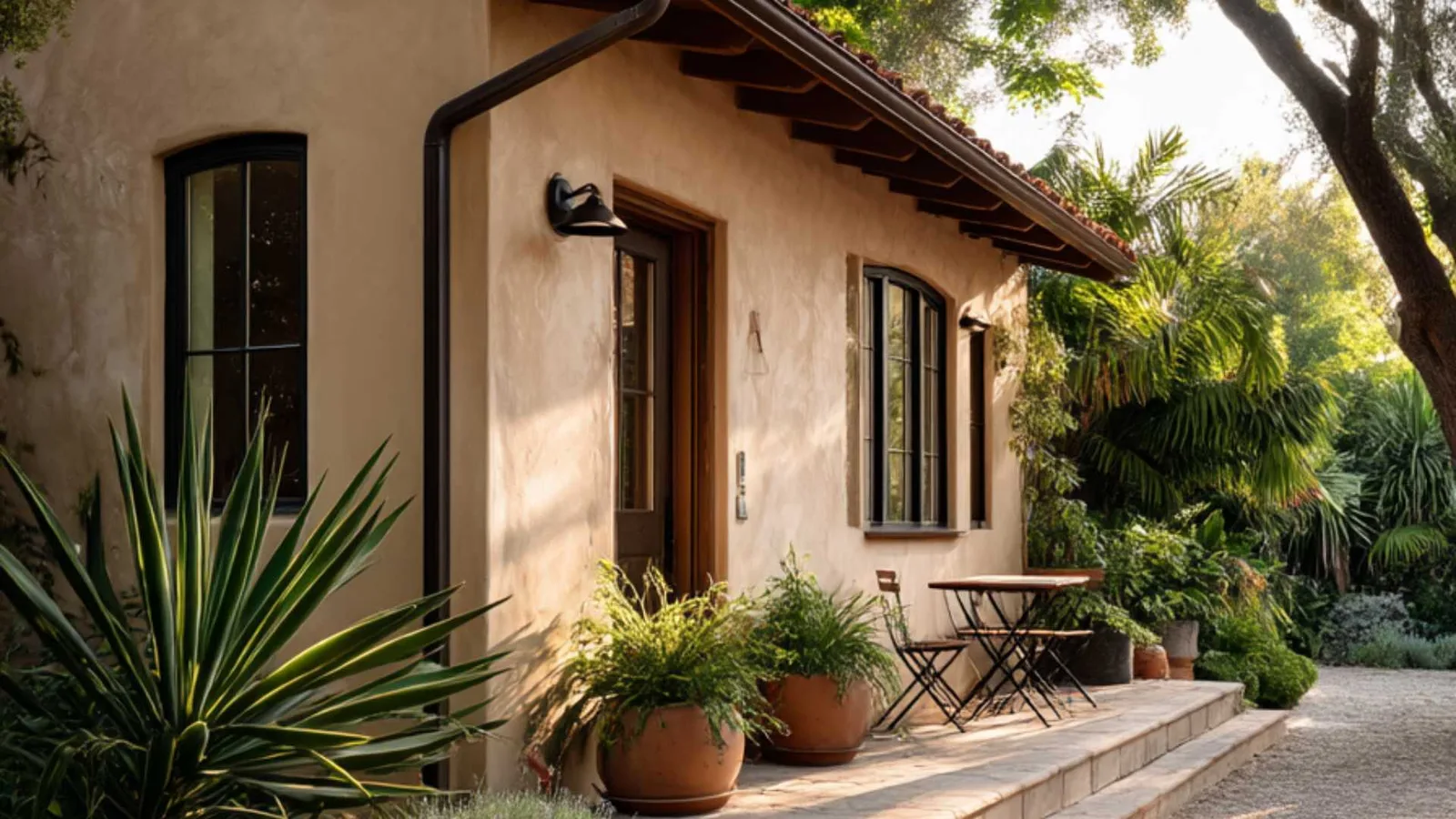
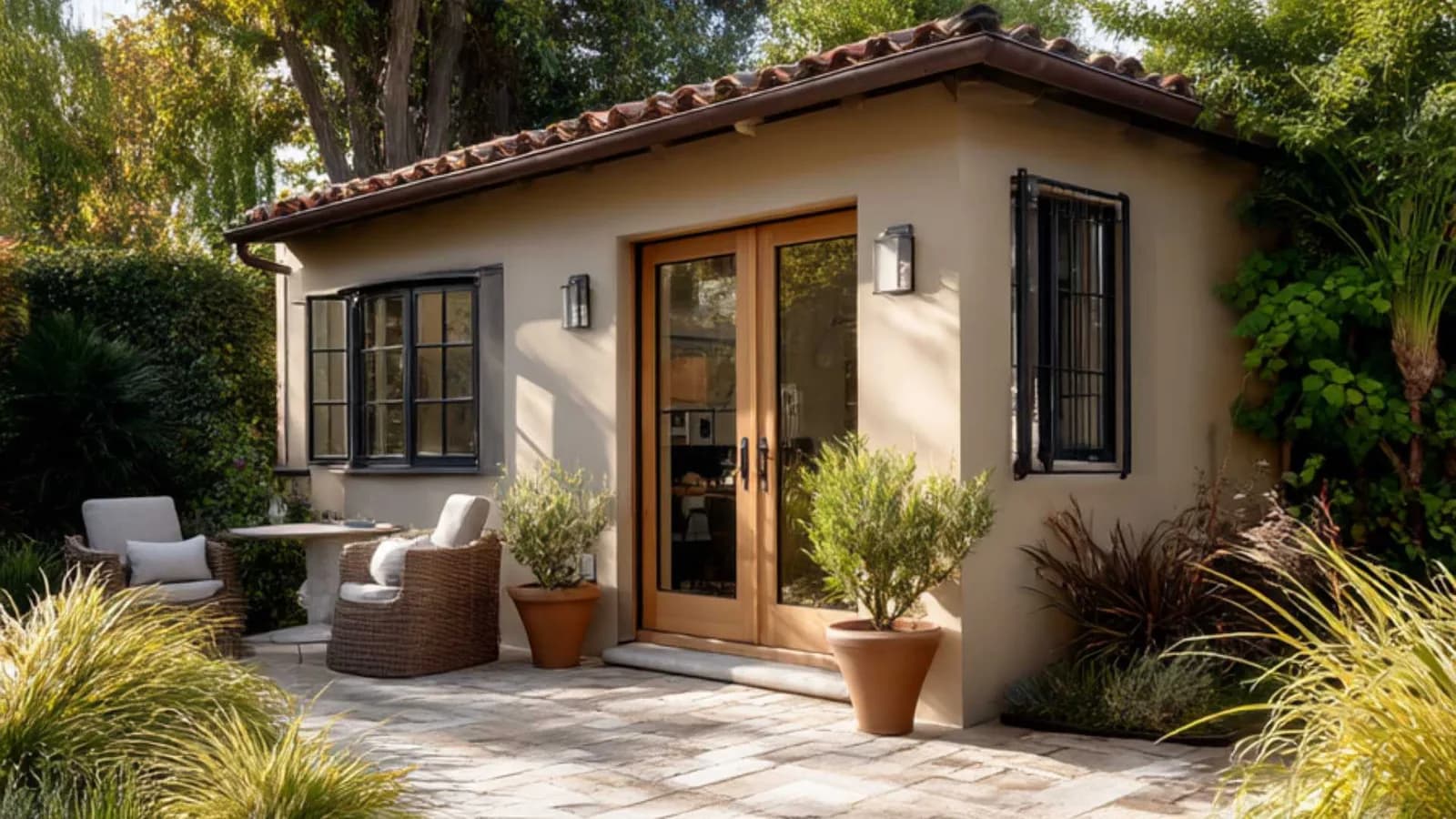
The term “granny pod” began gaining popularity in the early 2010s. It generally refers to small, prefabricated homes designed to be placed in a backyard, offering an independent living space for elderly family members. These units provide a more convenient and close-knit alternative to traditional nursing homes.
While there isn’t a specific date for when the phrase was first coined, the concept rose in recognition as people sought innovative ways to care for aging relatives without needing full-time care facilities. The idea is often linked with the broader rise in accessory dwelling units (ADUs) and tiny home trends around the same time.
Also known as in-law units, granny flats, or, more formally, Accessory Dwelling Units (ADUs), these are small detached buildings specially designed for the needs of older people and sit in your backyard, like a guest house. You may also have heard the term “mother-in-law suite” or “in-law cottage.”
They allow all the advantages of independent living but with the reassurance that family is just a stone’s throw away. Families often opt to move in to one property, though a lot of conversations are needed to reach a multi-generation agreement.
Granny pods are becoming more and more popular in the USA as families appreciate just what a cost-effective and flexible solution to elder care they are. But they are not a new idea. Americans have been building extra homes on their land for centuries, but it became largely illegal after World War II as tighter zoning codes permitted just one home per building lot, whatever its size.
By the 1980s however, faced with the need to provide more affordable urban housing, granny pods started to make a comeback. The trend has accelerated since 2000 as more and more cities and counties have changed their zoning codes to allow ADUs for a whole variety of purposes.
Given that the number of seniors in the country is expected to reach over 70 million by 2030, their suitability for offering family-centered and affordable elder care is a major reason for the growth in their numbers.
Consider the costs of elder care. Independent living communities cost an average of $1,500 to $4,000 per month. In assisted living facilities, the monthly range skyrockets to between $3,500 and $10,500.
These are the numbers you have to keep in mind when considering potential granny pods in your backyards. As we like to say, a backyard granny pod is an investment into your own property. Monthly costs of assisted living facilities are exactly that – a cost, a monthly expense.

Why Granny Pods? Multigenerational Living and Changing Family Needs
With housing prices, the hassle of traditional home additions, and the rising cost of senior living communities, more families are searching for alternatives. Granny pods offer:
– Affordable housing: Compared to larger home purchases or moving to a dedicated nursing facility, the cost of a granny pod can be significantly lower.
– Independent living: Seniors or older adults get their own space and privacy, while remaining close to loved ones in the main house.
– Connection and care: Families can more easily provide elder care, monitor daily tasks, or help with child care.
– Flexibility: The unit can serve as a guest house, rental unit, or accessory apartment for future use, adding to your property value.

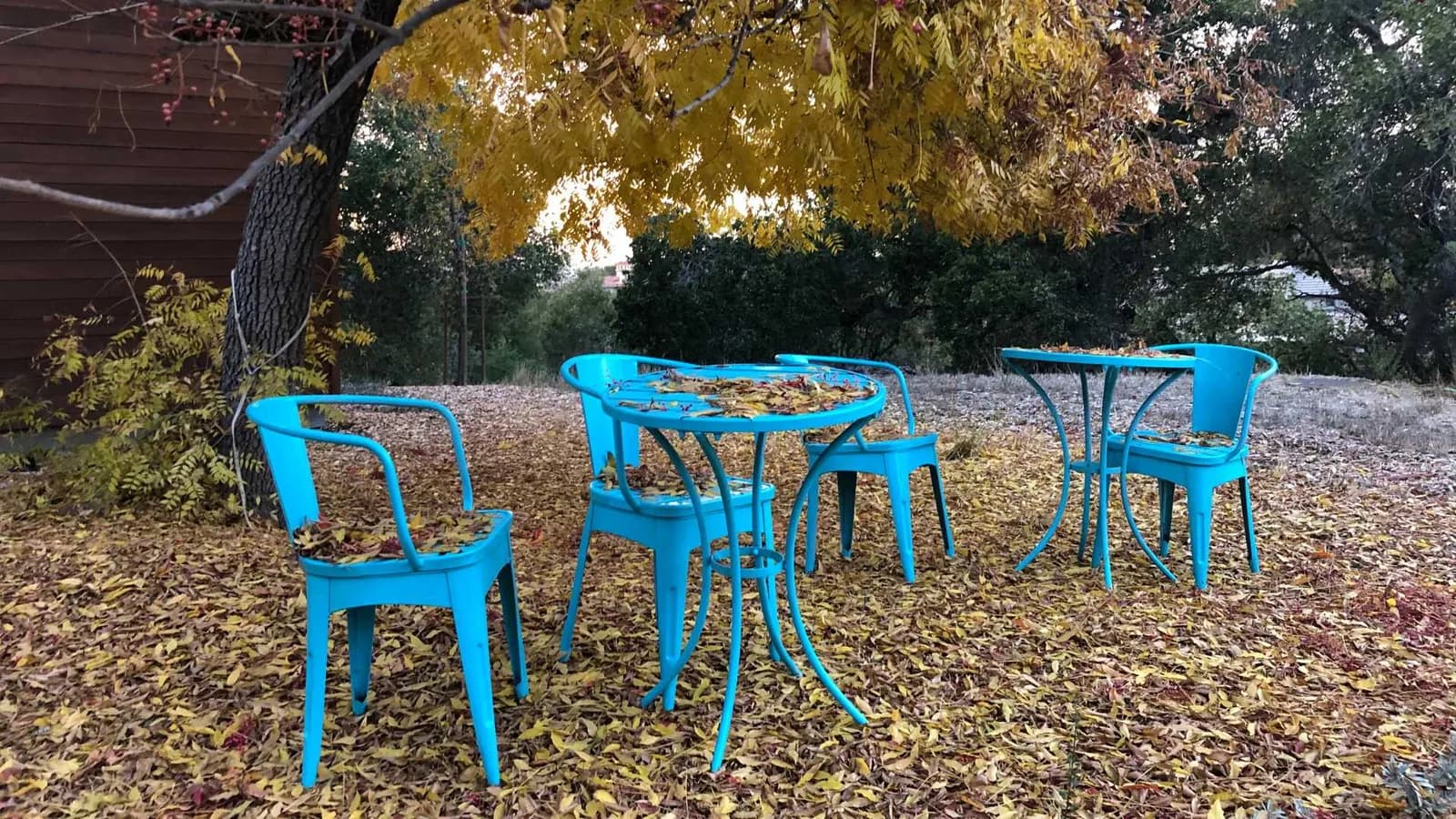
You might be surprised by what granny pods can offer!
One size and shape does NOT suit all
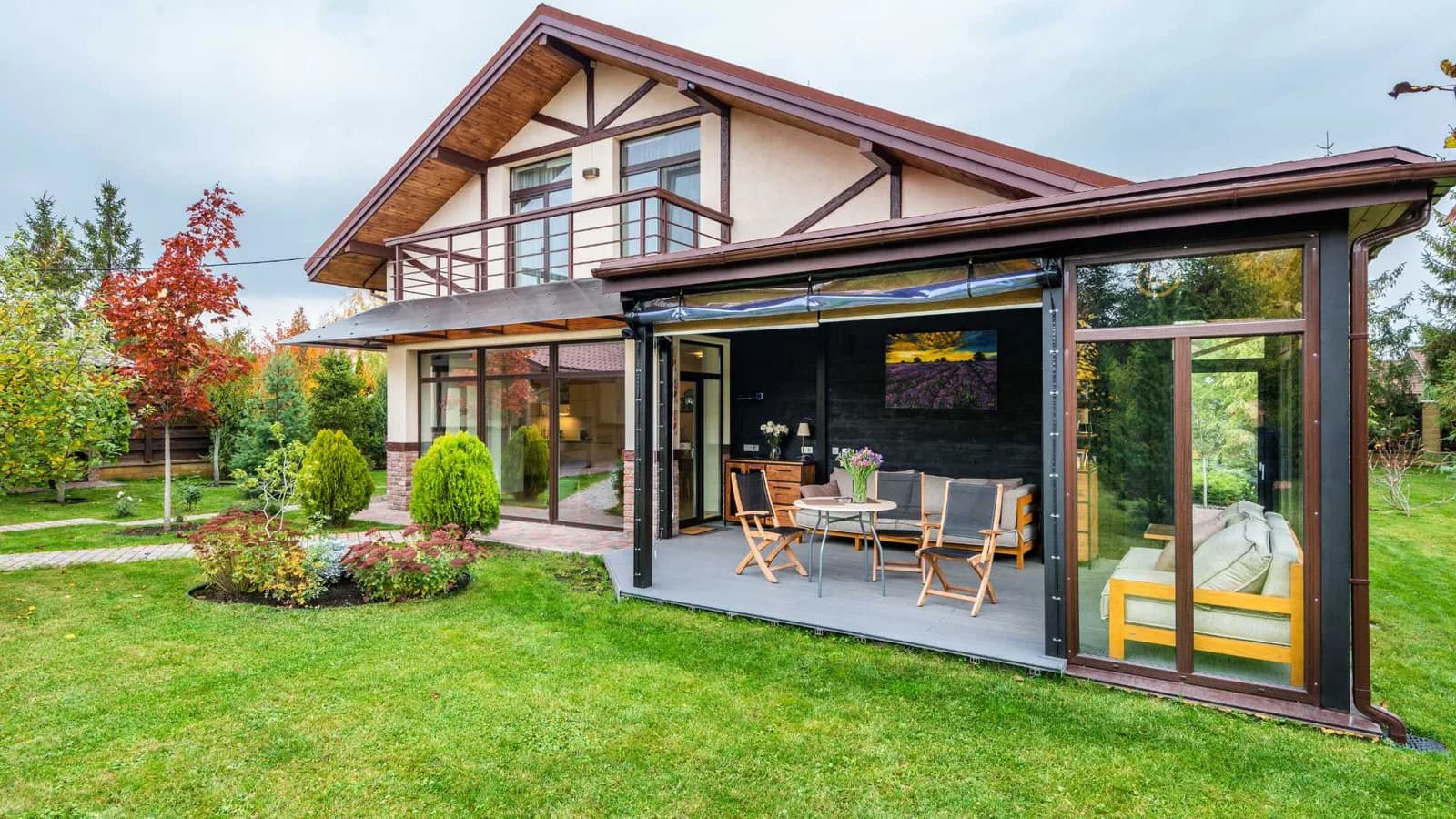
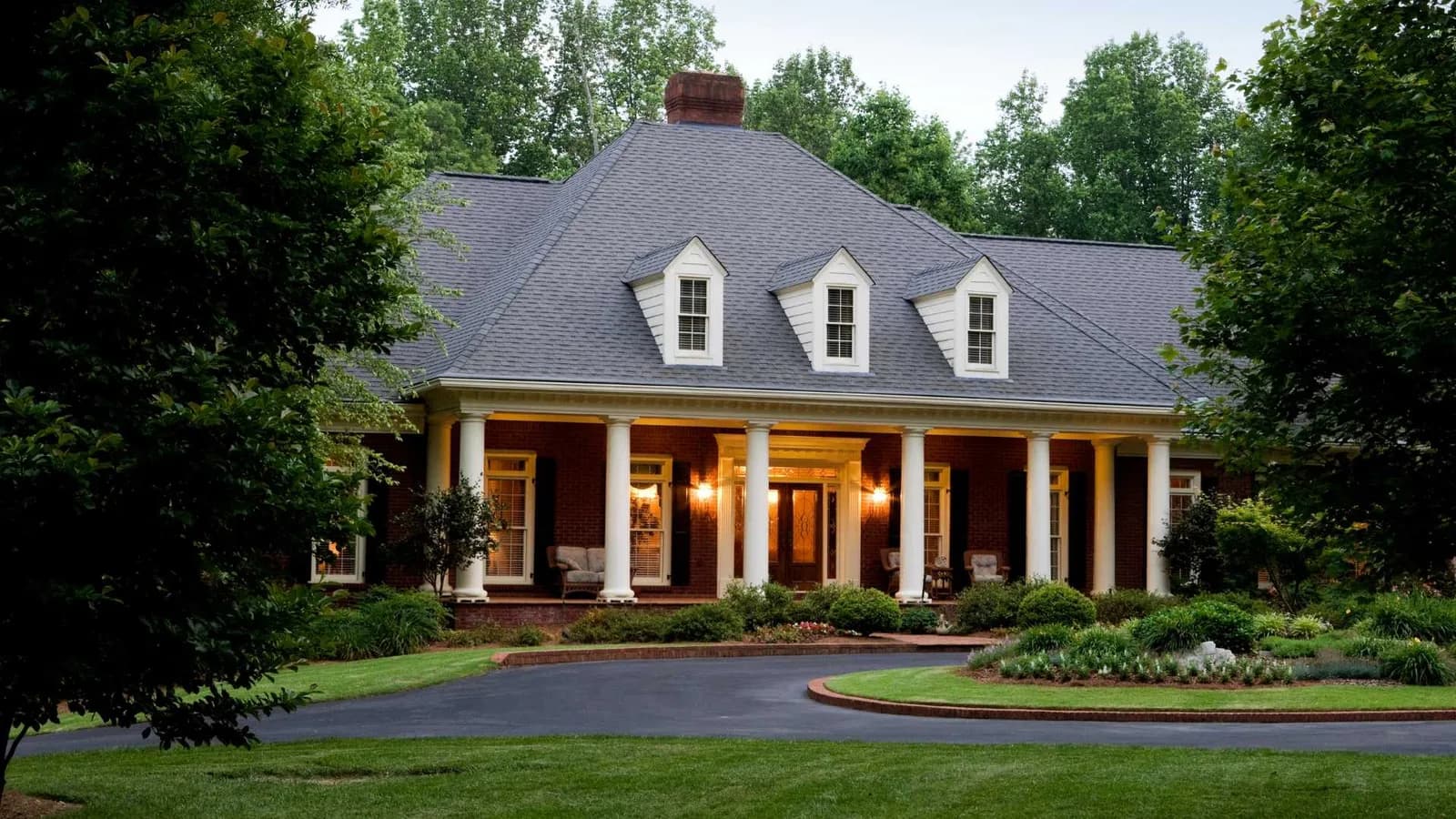
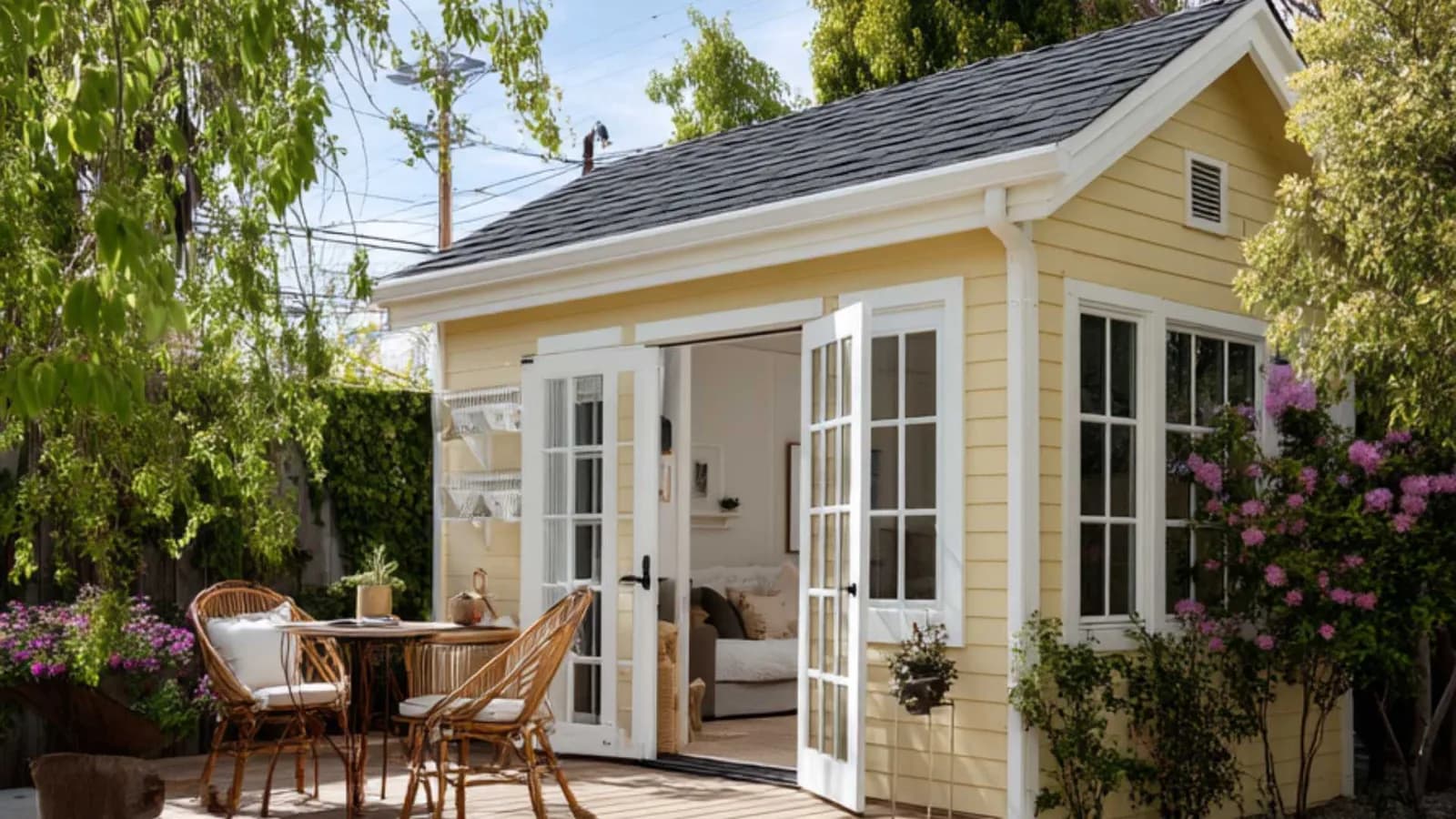
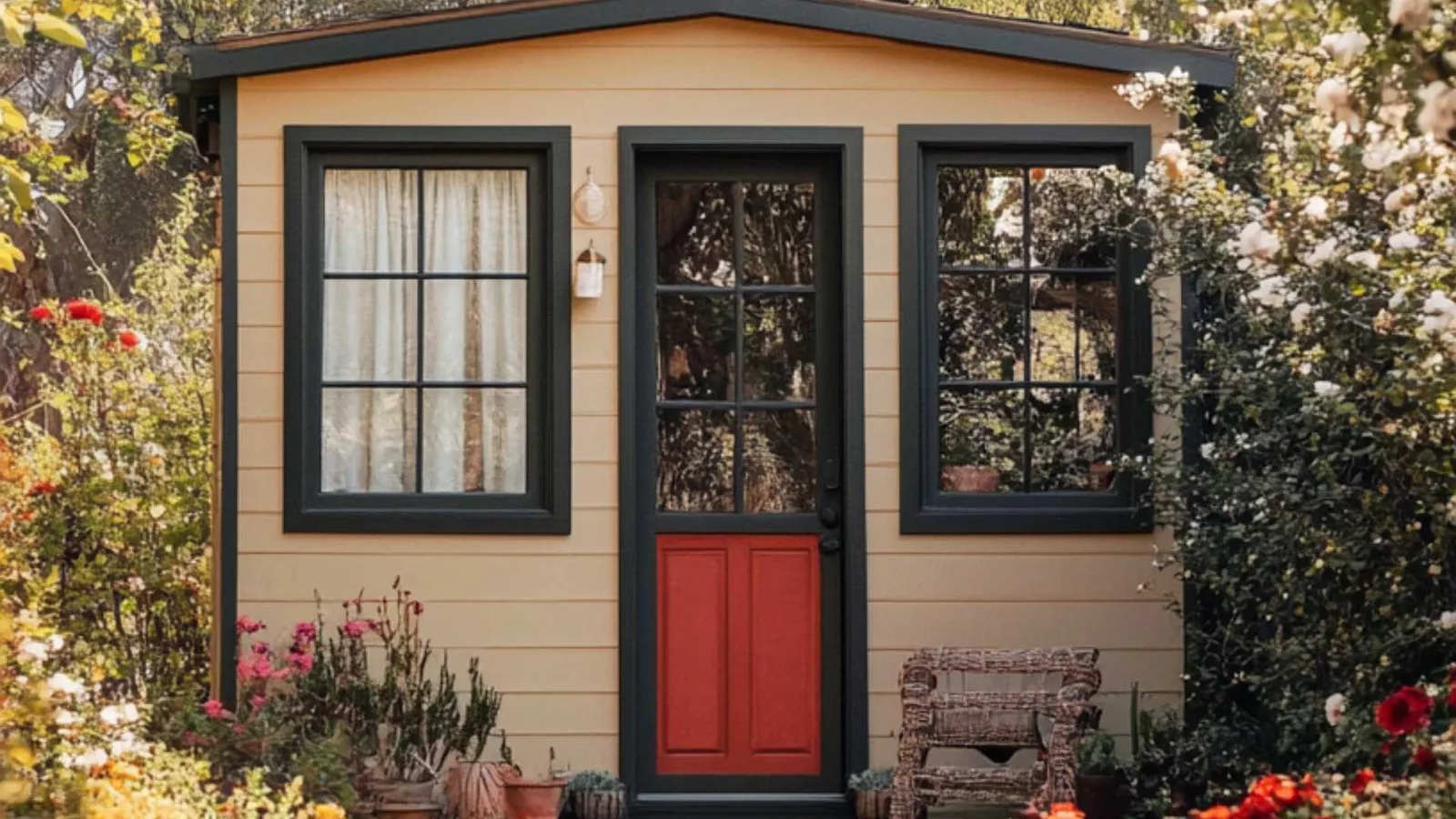
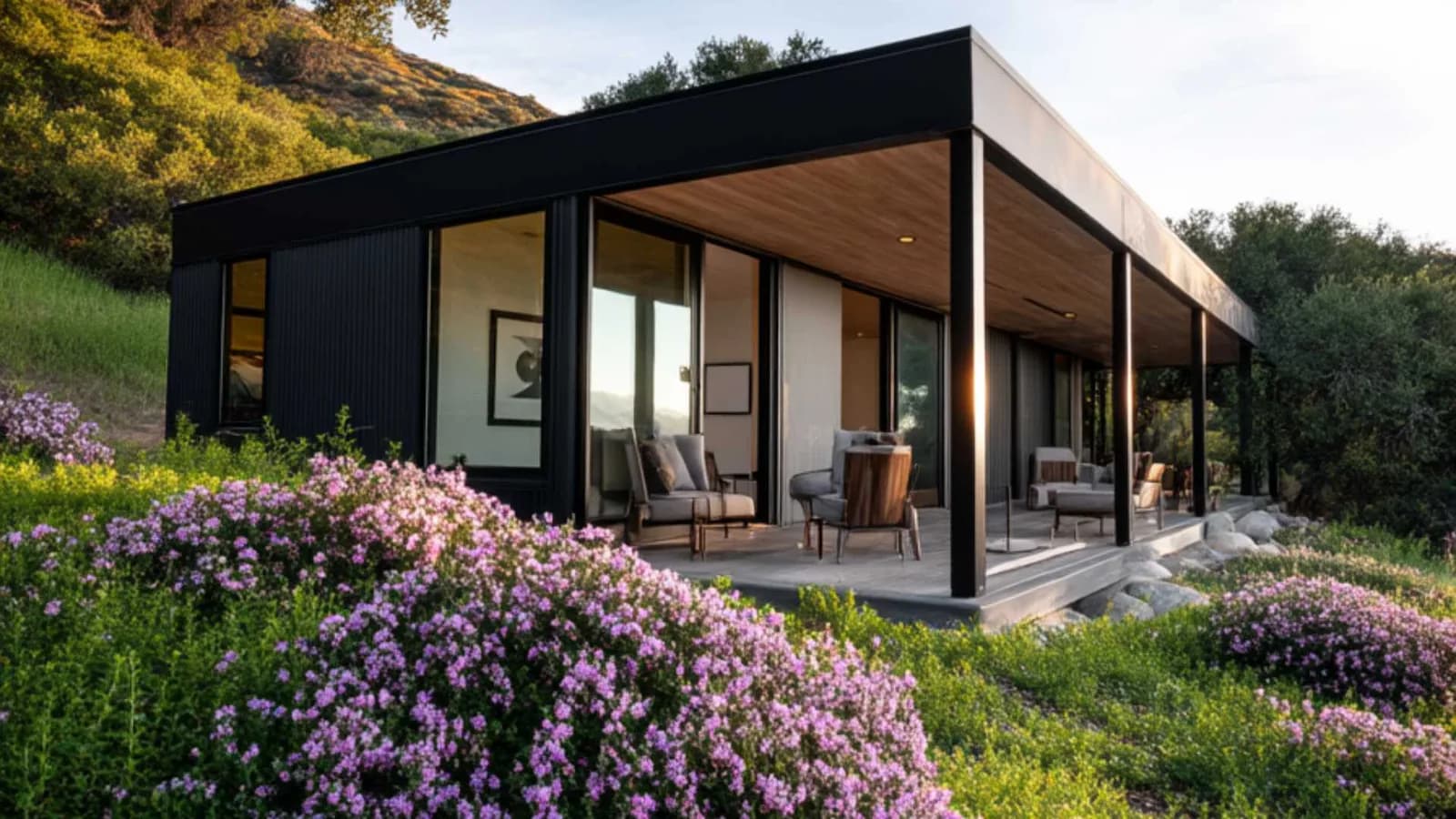
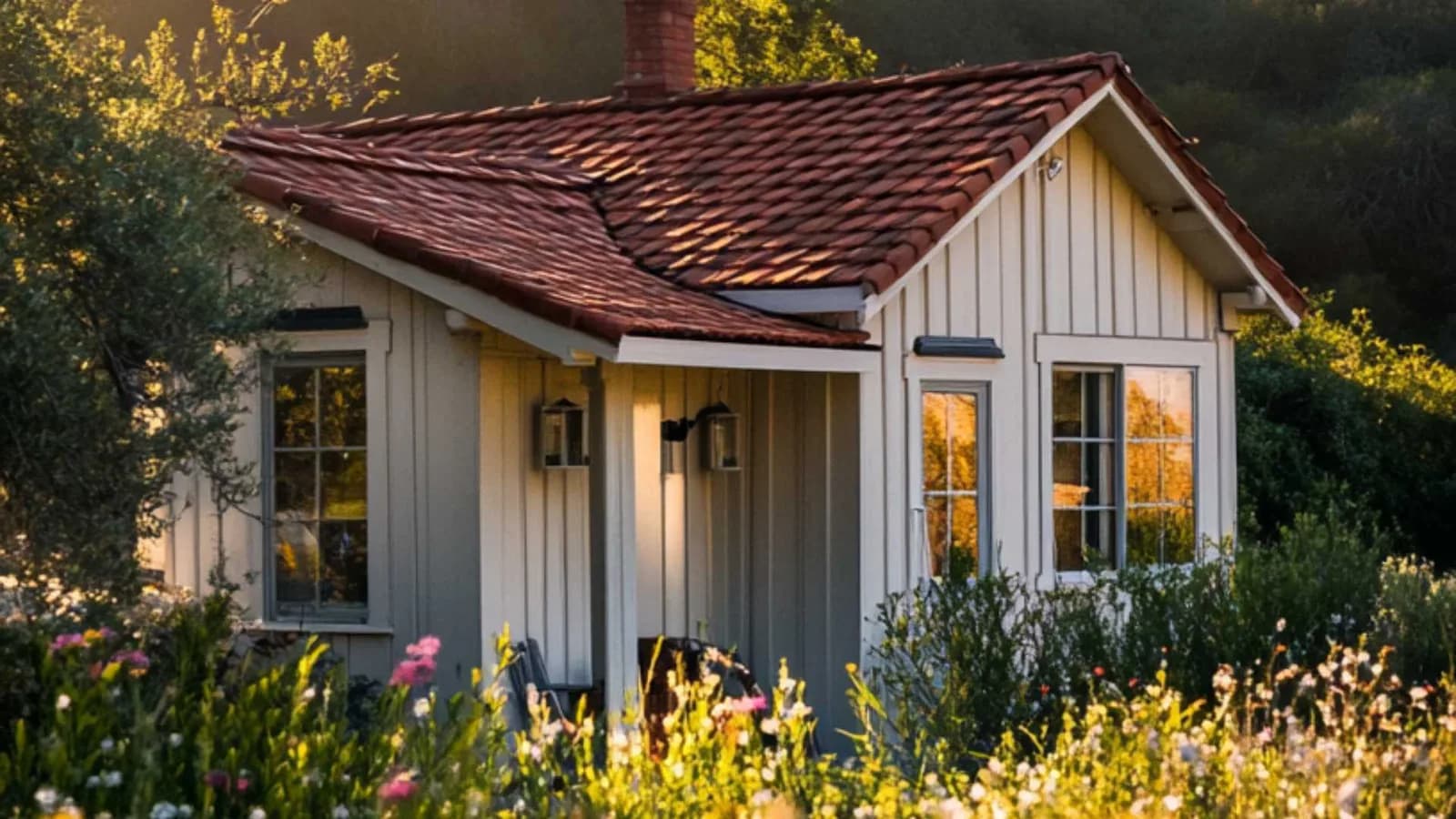
Granny pods do not need to be a charmless box just sitting in your backyard like it’s blown in on the wind. There’s a huge variety of architectural styles on offer, ranging from cute cottage styles to the sleek and modern. Choose whatever complements your existing home so the new arrival looks like it’s always been there.
Neither are you limited by a standard size and shape. It’s up to you to decide how much space you want the unit to take up and how it can best fit in with its surroundings. Sizes can range from as little as 400 to over 1200 square feet and units can be designed to accommodate slopes, tight corners or to take advantage of views.
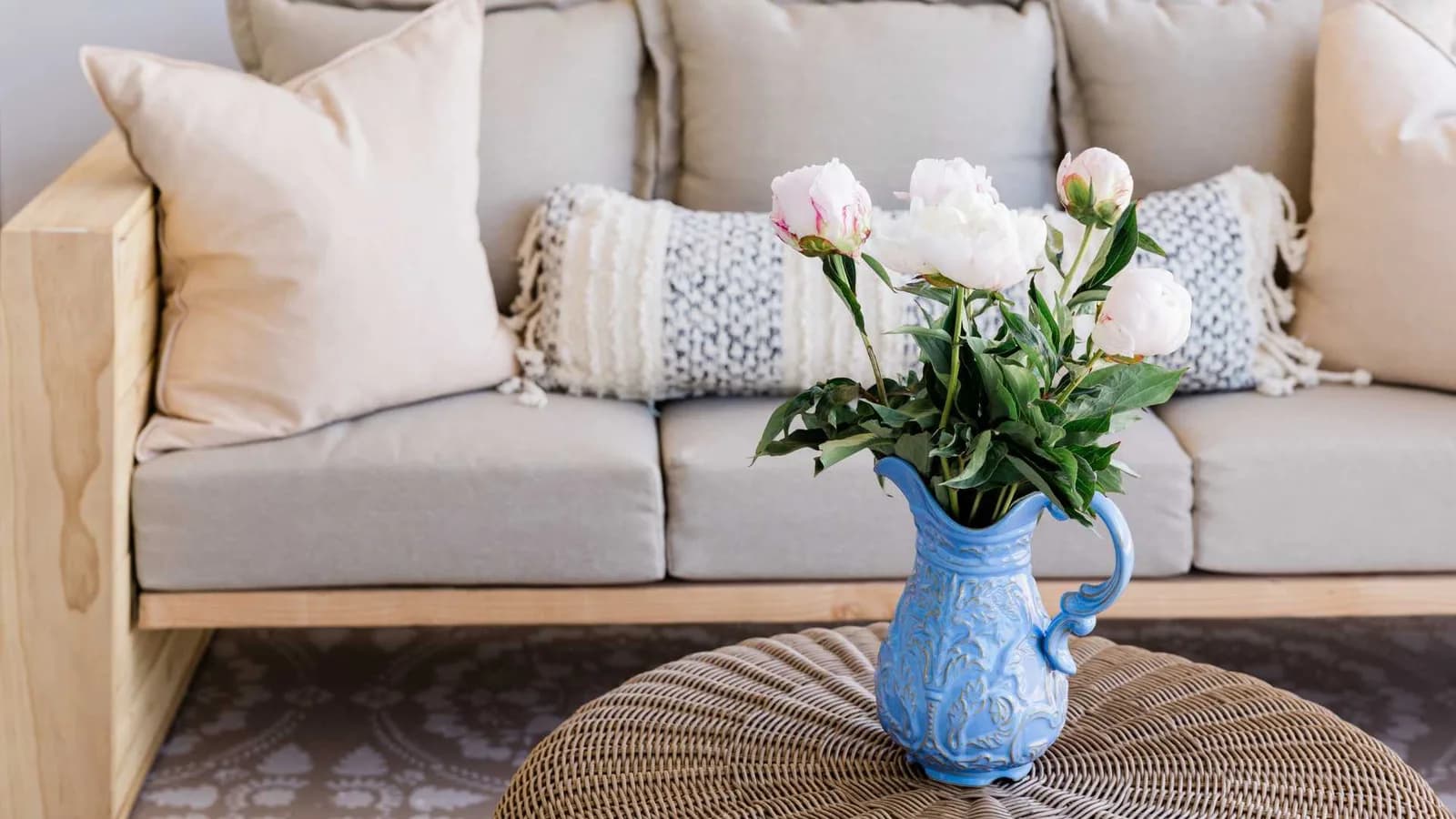
Types of Granny Pods: Prefab, Stick-Built, Modular, and More
Depending on local codes and your family’s needs, you can choose from several designs:
Prefab Granny Pods
These turnkey granny pod solutions are built in a factory and delivered to your property fully equipped or close to completion. Prefab granny pods often offer premium materials, modern comfort, wide doorways, and the latest safety features. They’re fast to install and are widely available nationwide, making them a reliable granny pod builder option.
Stick-Built Granny Pods
A stick-built granny flat or in-law pod is constructed on-site, usually custom designed to blend with your main residence. These can be tailored to very specific needs, with flexible layouts and high-end touches, but may require more construction time and a significant upfront cost.
Modular Homes & Tiny Houses
Prefab or modular homes and tiny homes are delivered in sections and assembled on-site. They are a good balance between speed, customization, and affordable housing.
Accessory Apartments
Also known as accessory dwelling units (ADUs), these can be attached to or detached from your current home. Other names include mother-in-law suites, guest houses, or long-term backyard residences.
A granny pod typically includes:
– Living room and bedroom
– Efficient galley kitchen
– Bathroom with safety grab bars
– Wide doorways for mobility devices
– Step-free entryways and floors
– Emergency alert systems/medical extras
– Insulated, energy-efficient design
– Modern comfort and privacy
Larger homes or custom granny pod options may feature additional space or luxury upgrades. Whatever the design, the unit should prioritize accessibility and safety for older adults or anyone with limited mobility.
Granny Pods Features. Checklist.
How Will Your Granny Pod Look? You decide!
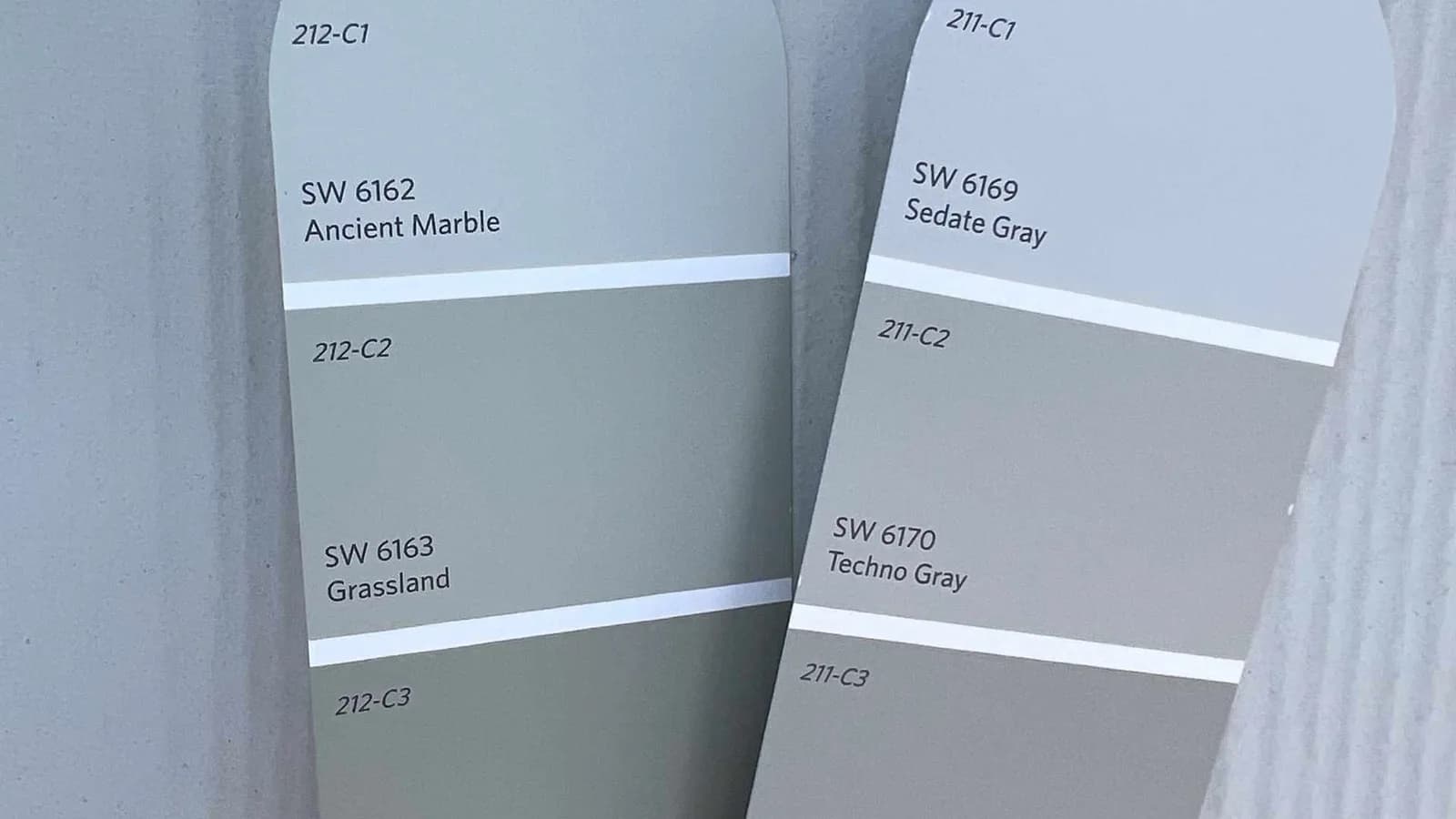
We will guide you on what it needs to have to be comfortable. The style, traditional or contemporary, the colors – are all for you to choose from our curated selection of materials and vendors.
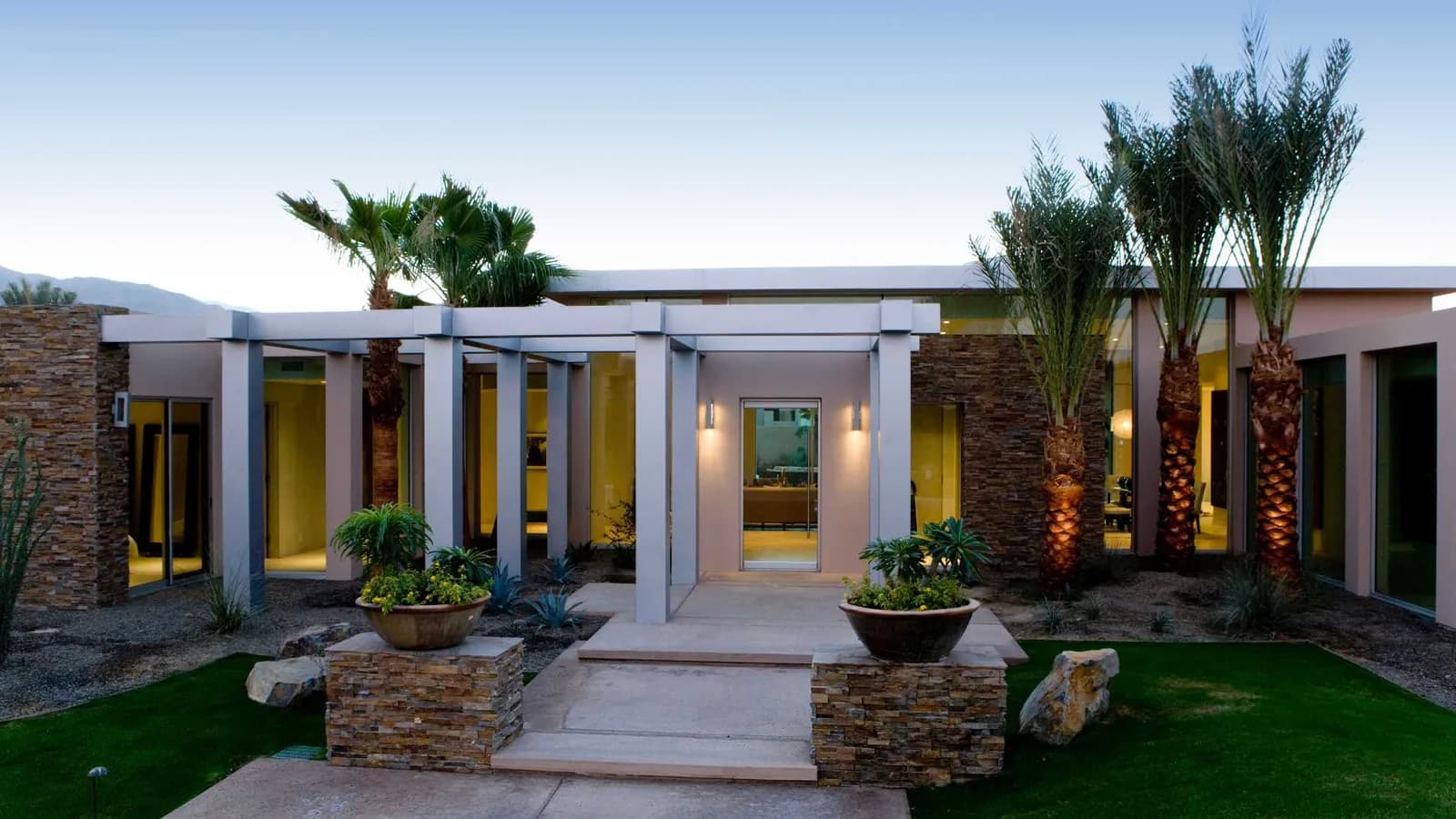
Exterior features
- Lighting fixture at front door and lowered door viewer
- Automatic garage opener
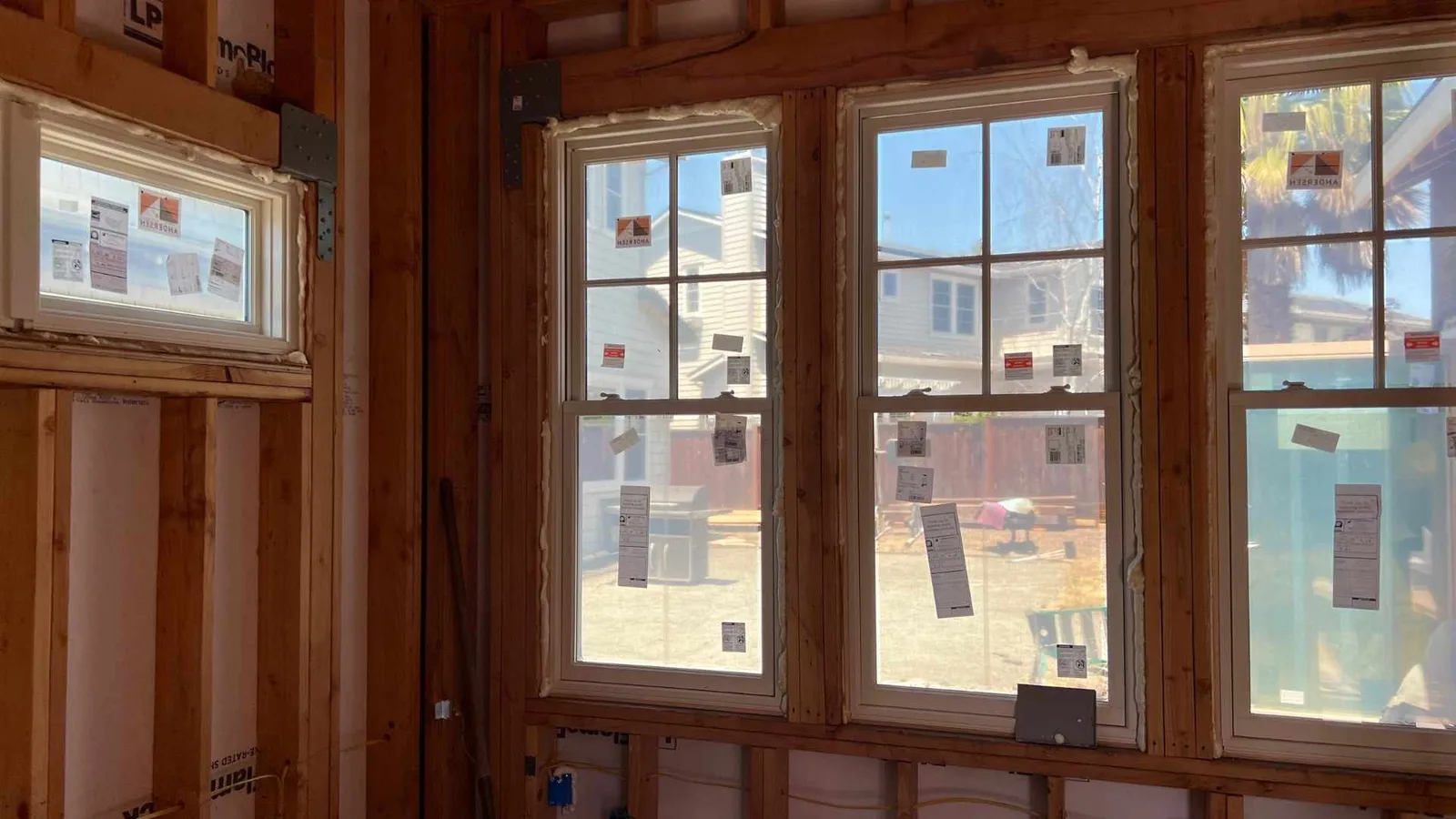
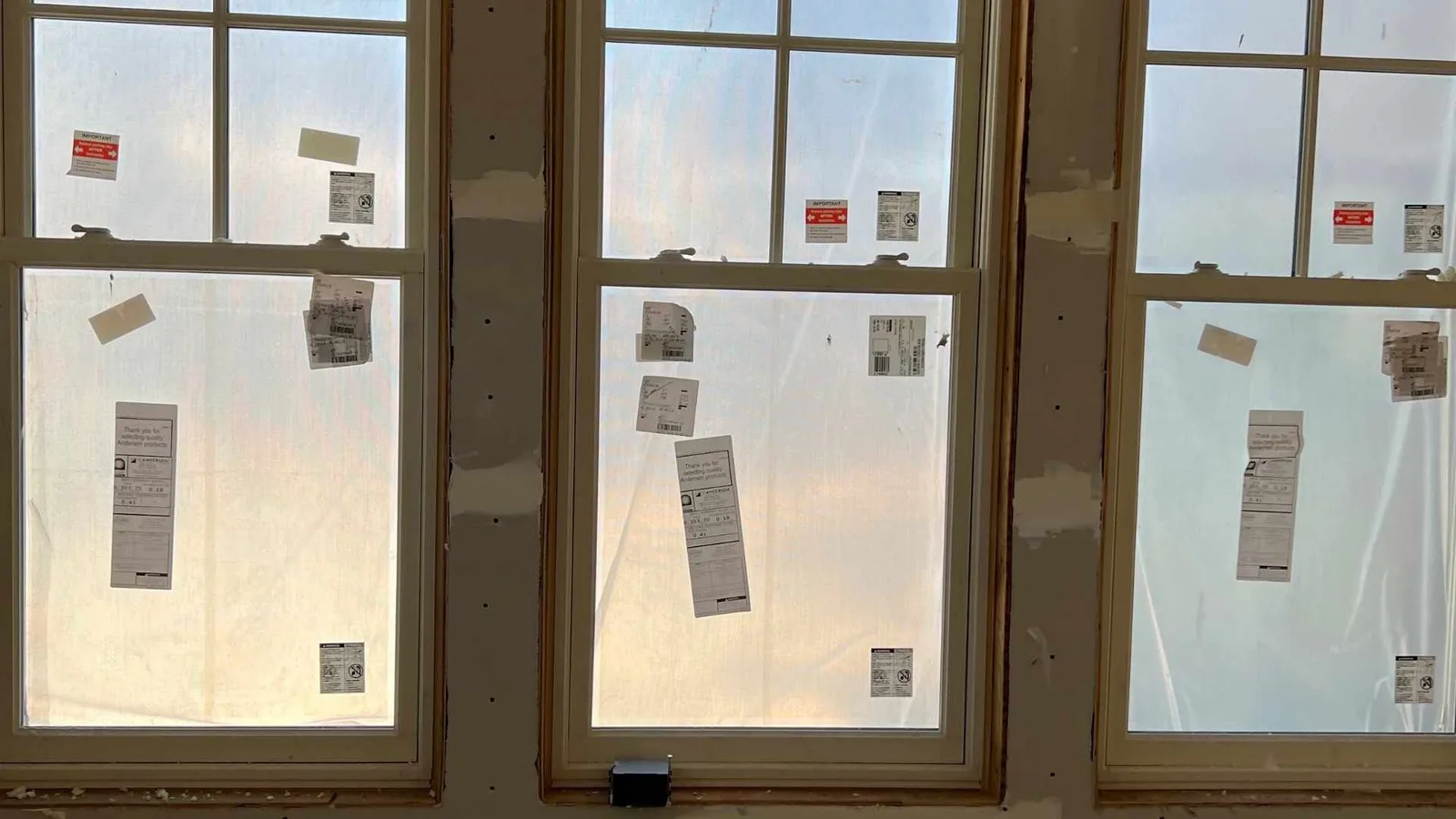
- Dual pane windows for comfort, egress windows for safety
- No step entrance or ramp, low profile doorway
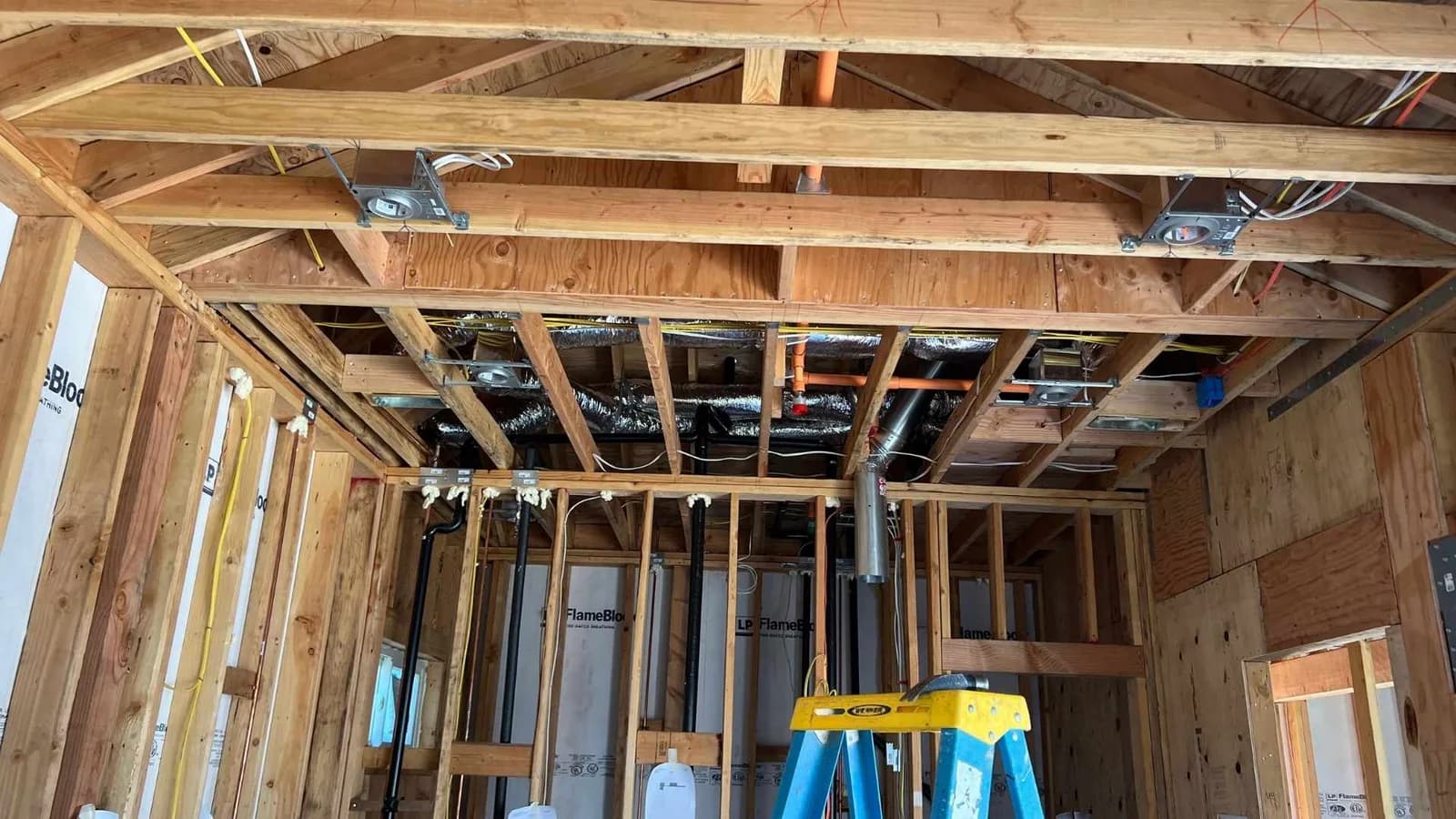
- Fully insulated floor, walls and ceiling
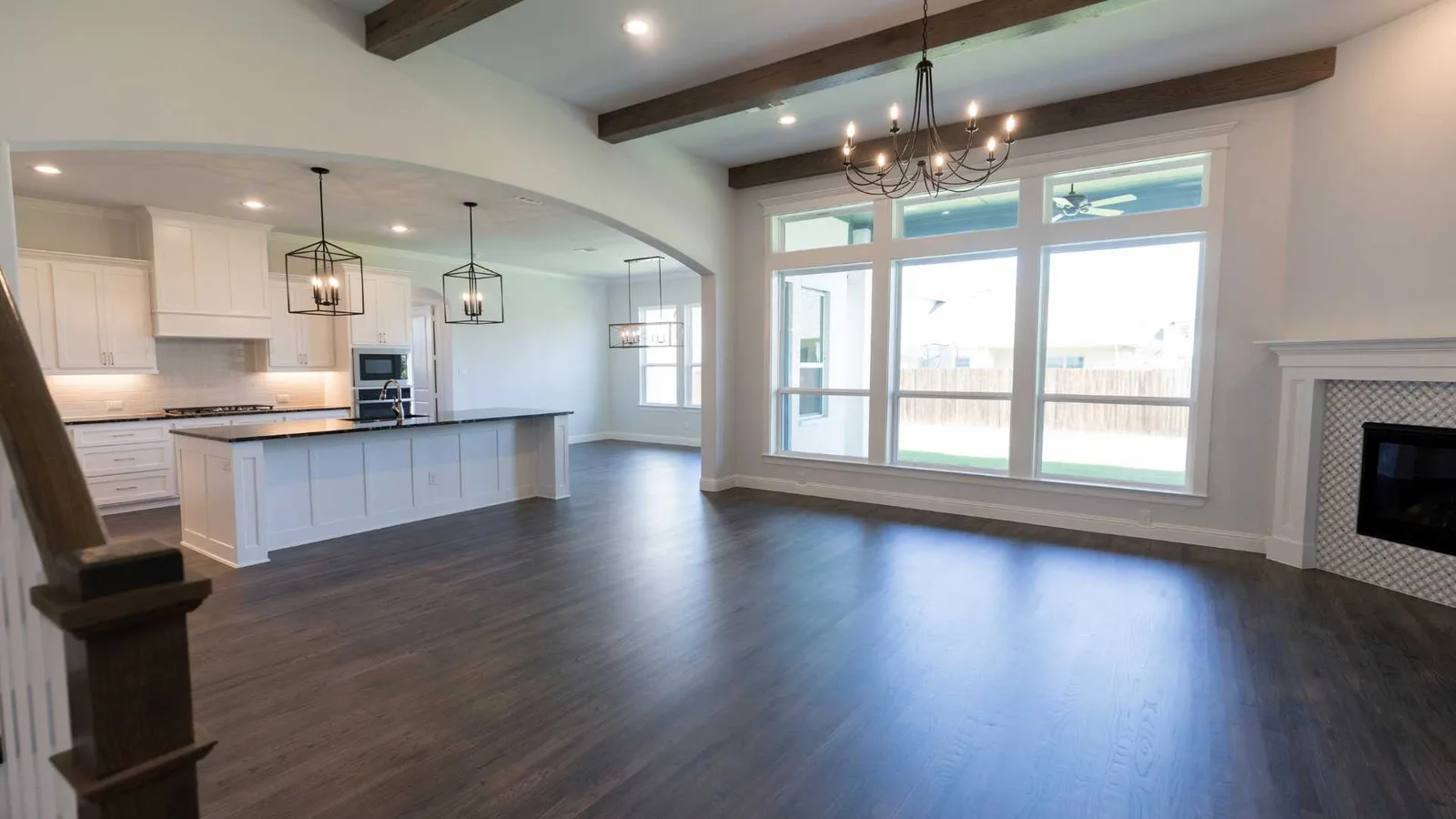
Interior features
- Dimmable LED lights
- 36'' min doorways and hallways
- First-floor one-level bedroom, bathroom, laundry
- Air conditioner unit
- Lever door handles
- Slip-resistant low-maintenance flooring
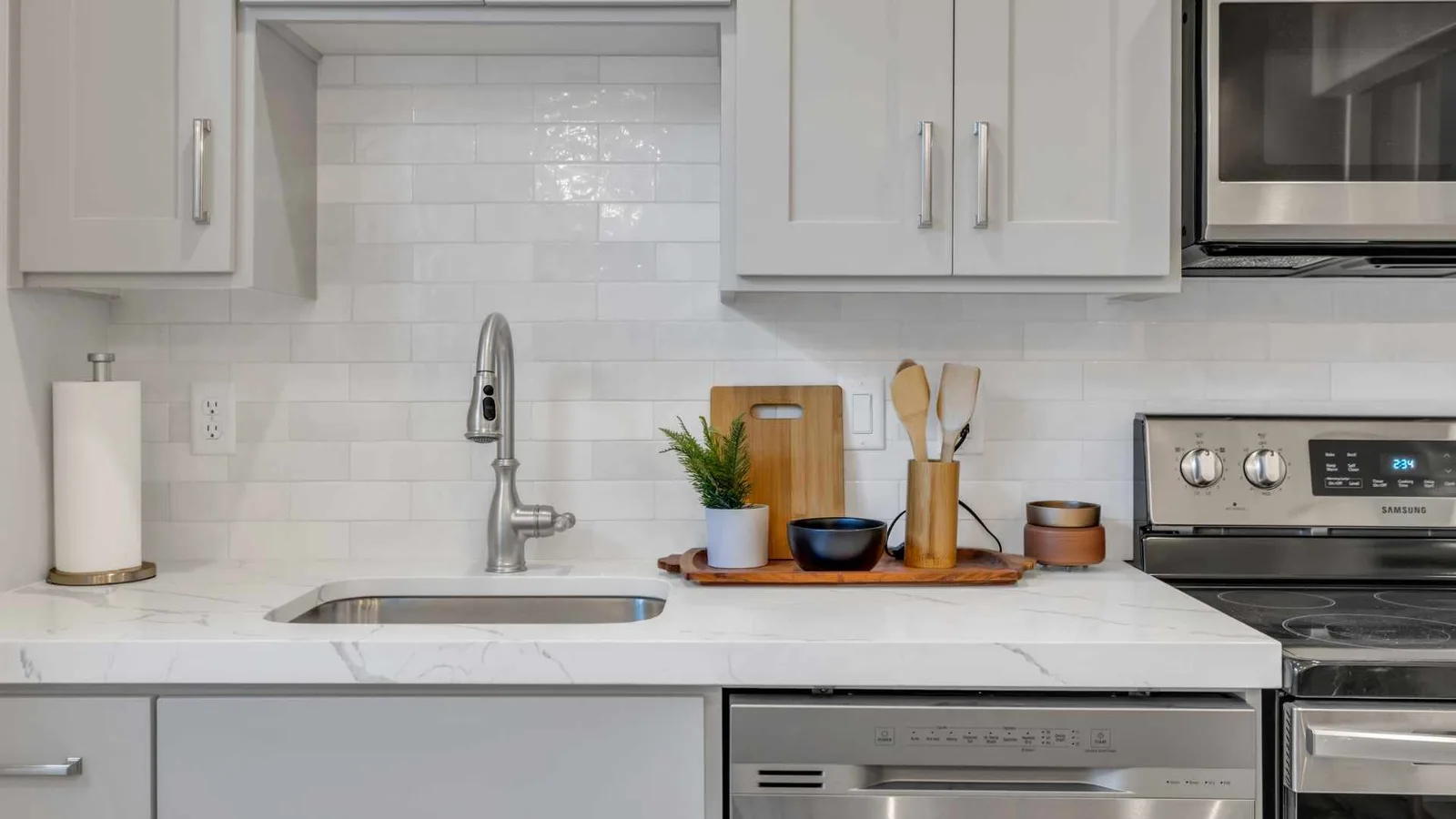
Full Kitchen
- Color-contrasting countertop
- Adjusted countertop and appliances heights
- Large-size glowing, two-way light switches
- Smoke and carbon monoxide detectors
- Ergonomic pulls (not knobs) for cabinetry hardware
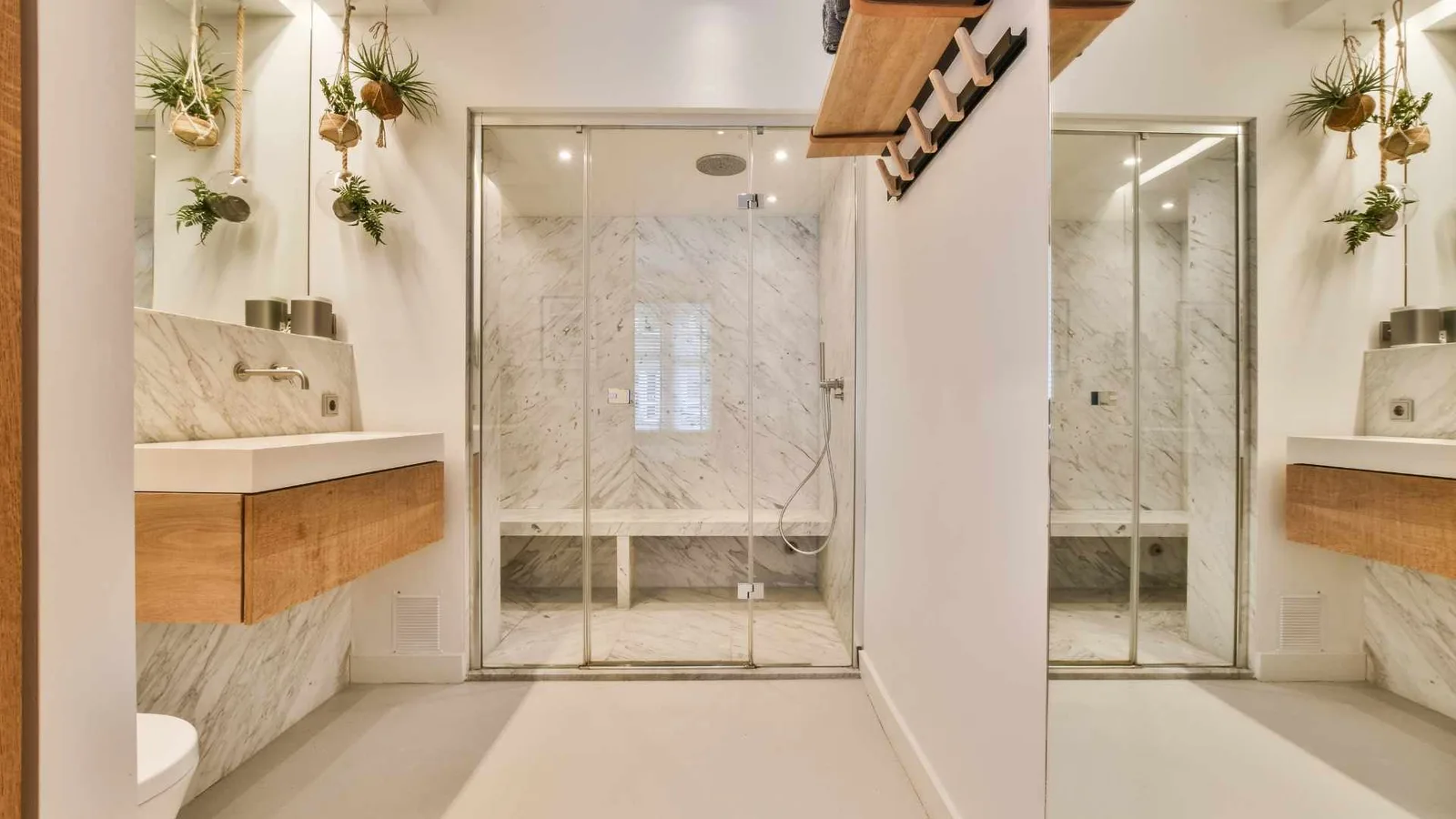
Full Bathroom
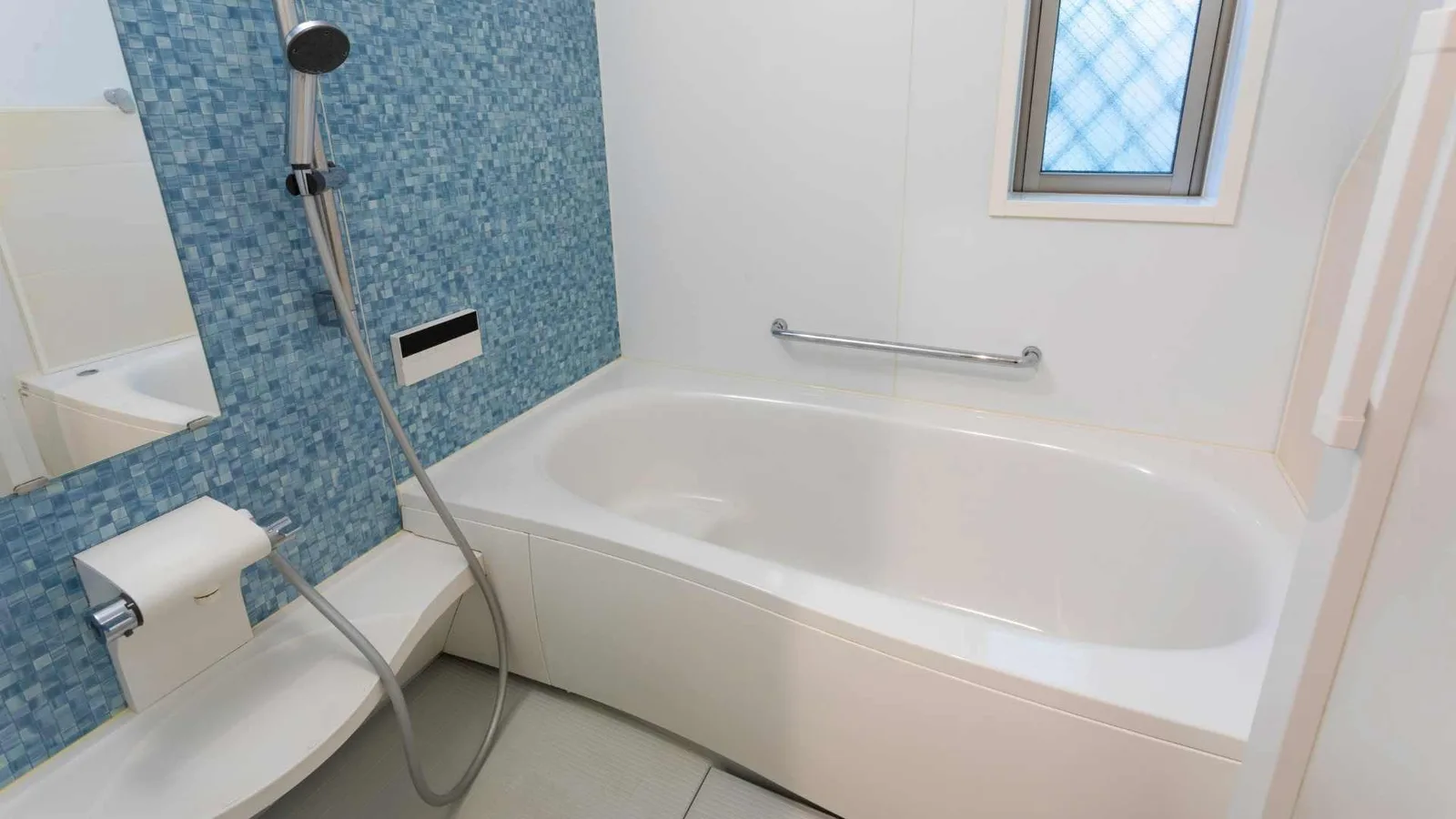
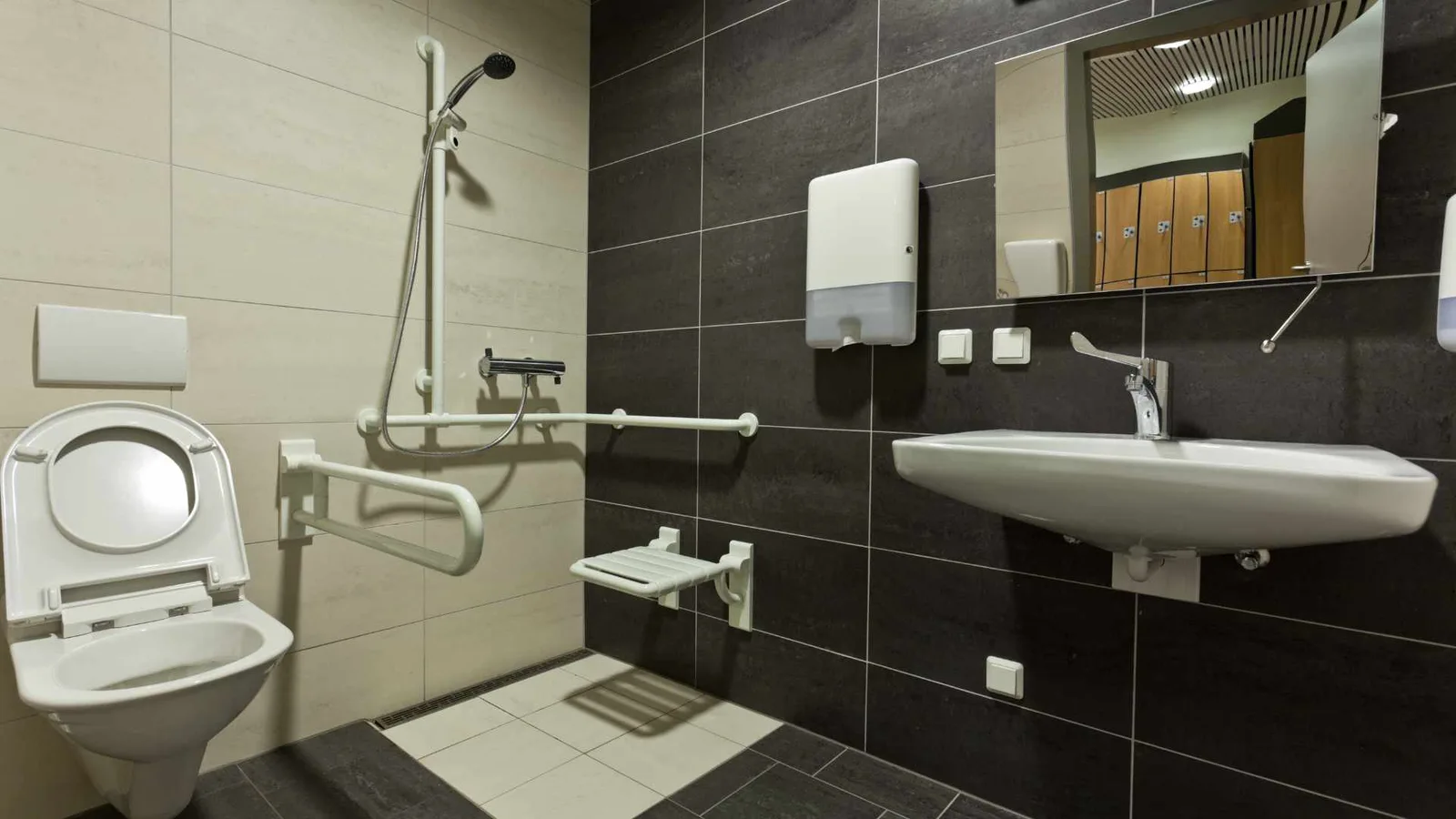
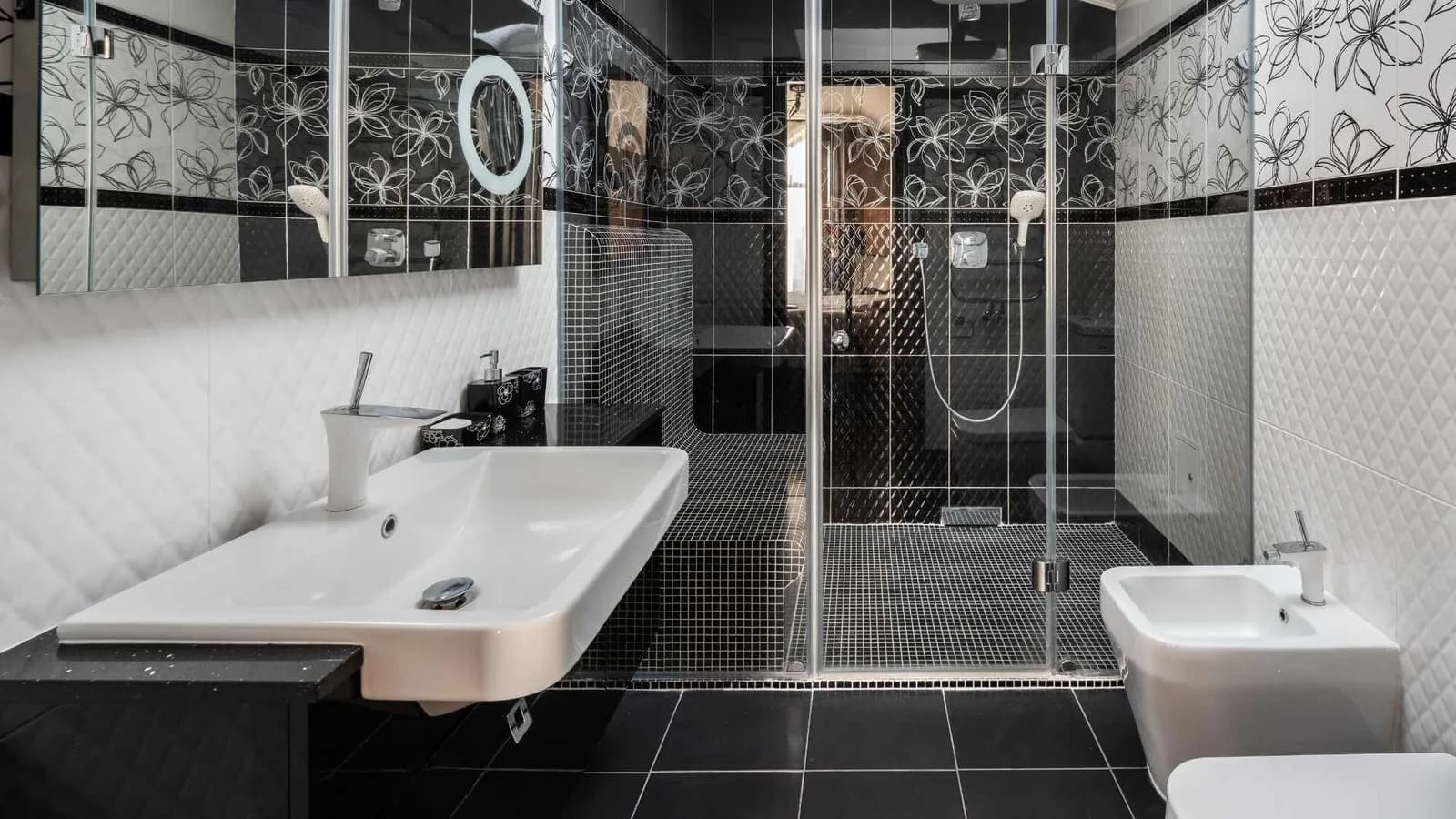
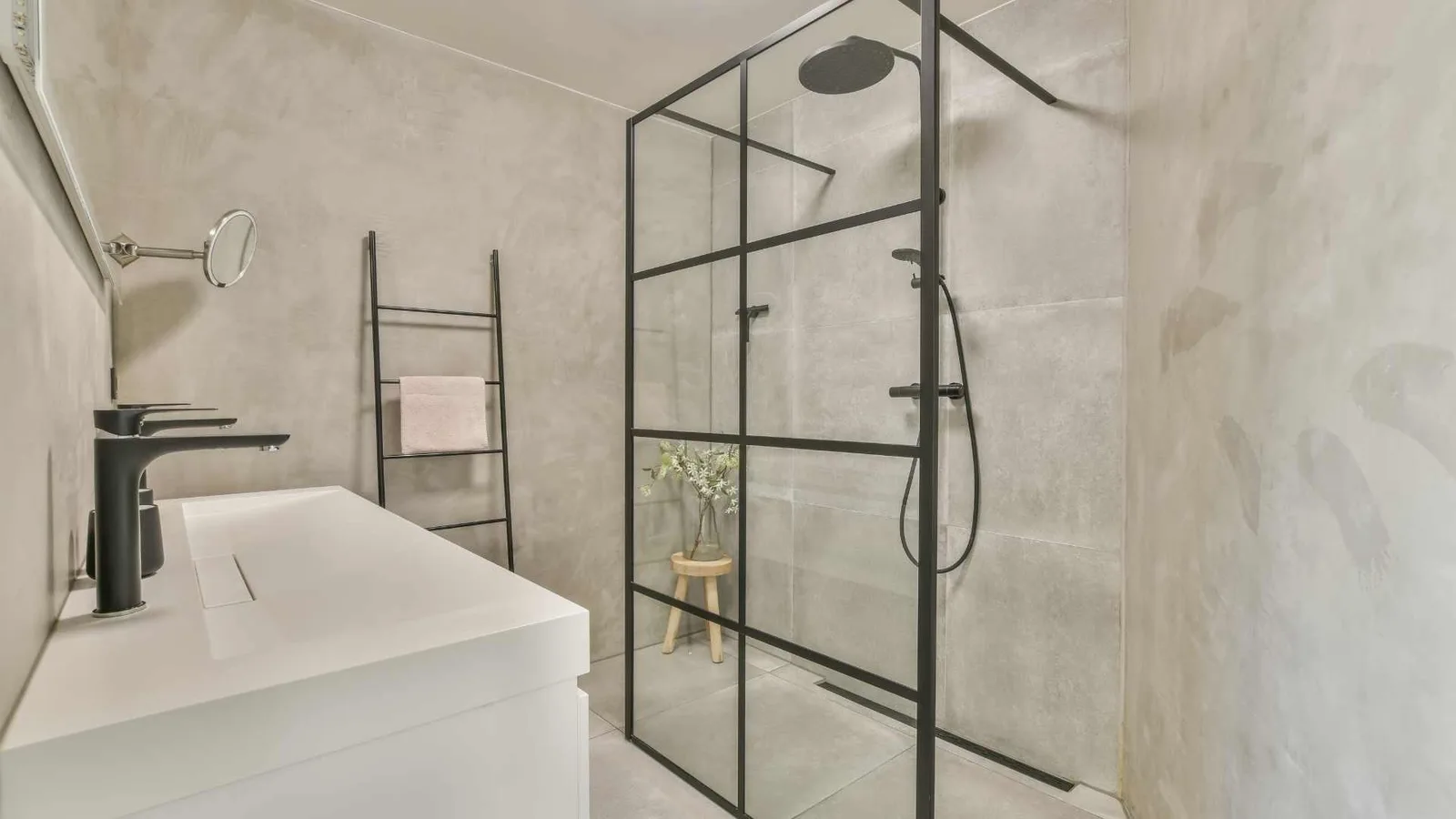
- Roll-in shower
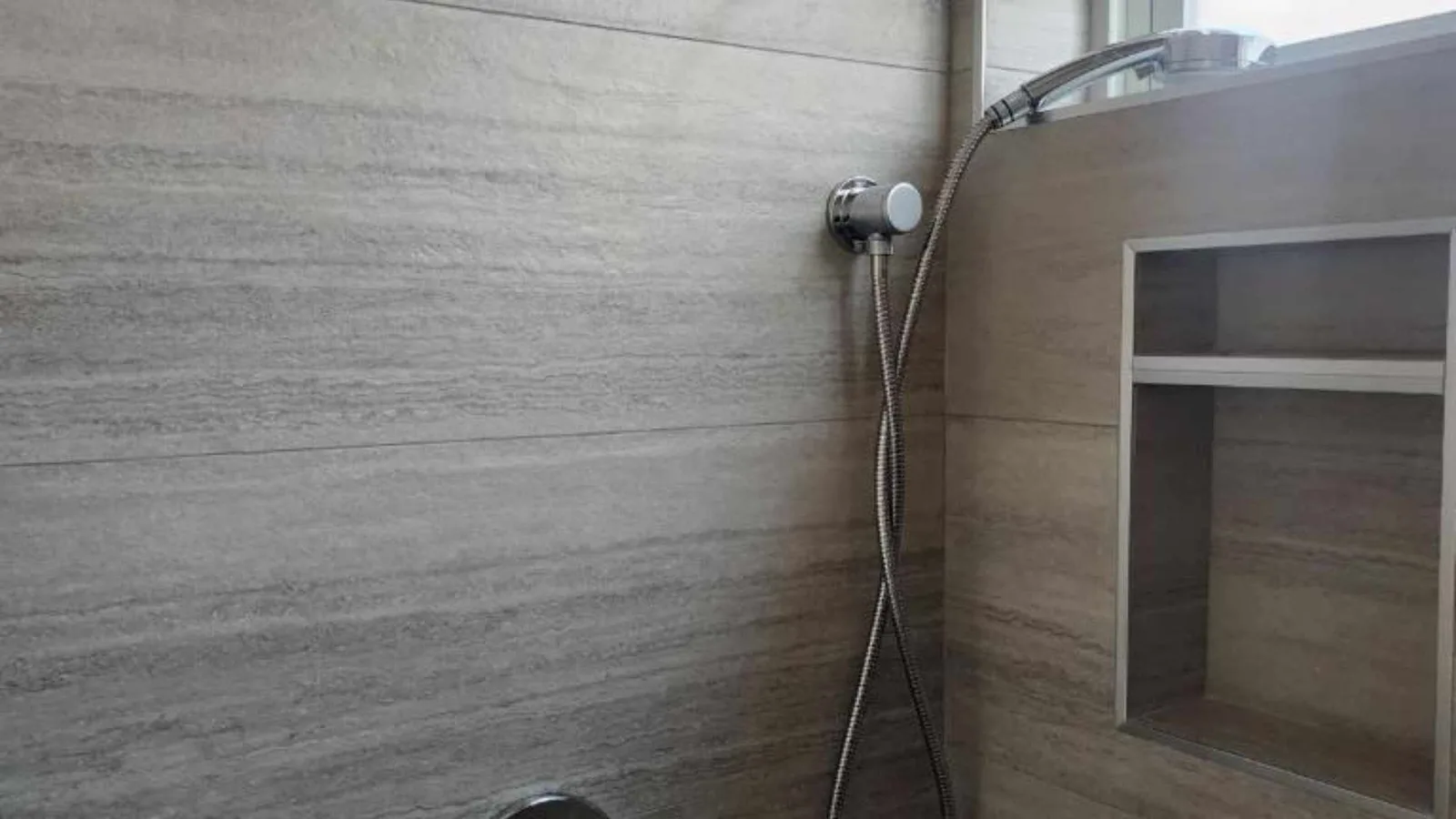
- Hand-held showers and shower seats
- Grab bars and hand rails
- Raised toilet seat
- Medicine cabinet with vanity light and outlet
- Energy efficient water heater
- Exhaust fan
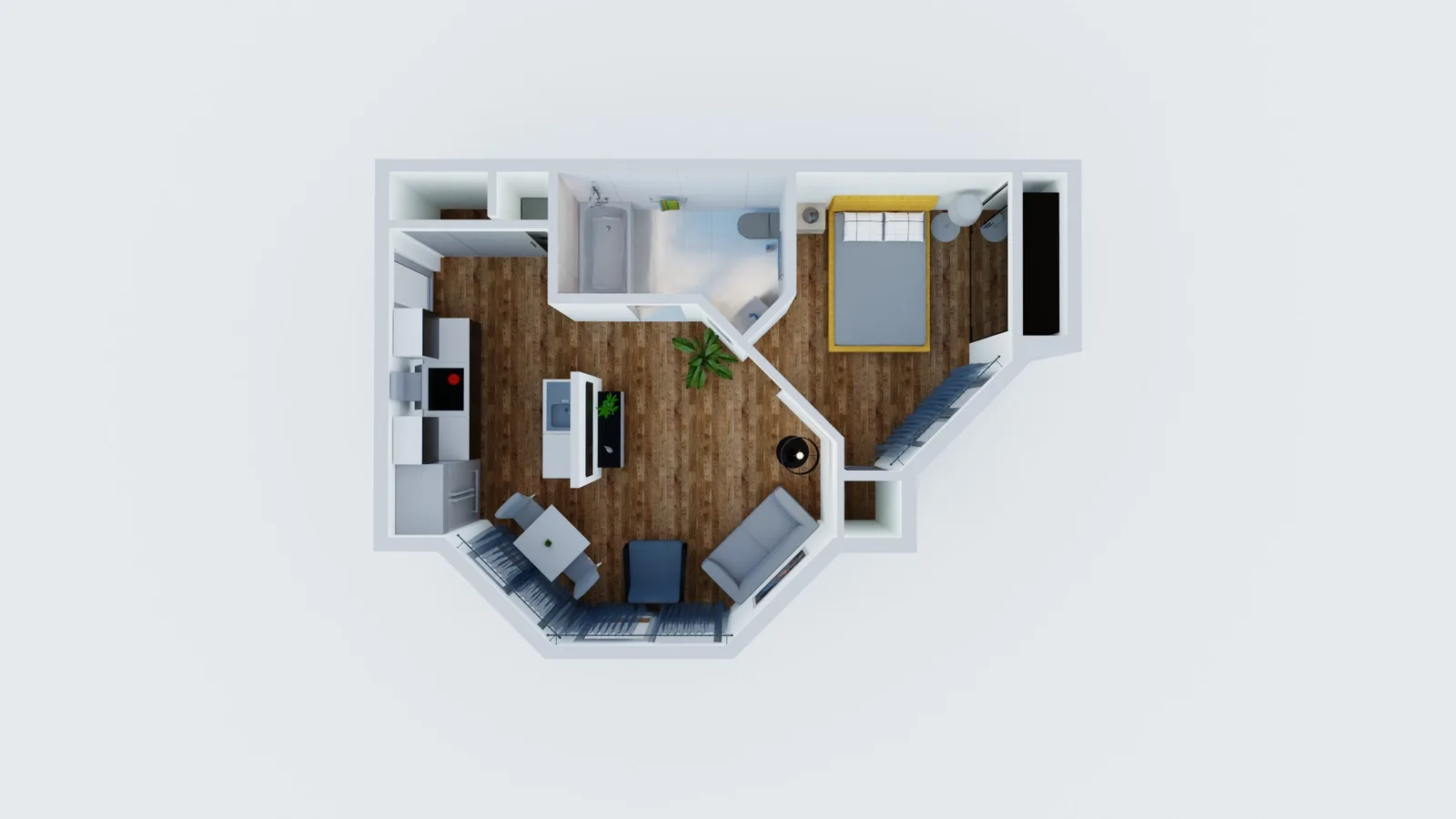
Case study: One bedroom ADU Floor Plan
One of our 1 bedroom ADU plans: 600 sq ft with one bathroom
Requirements
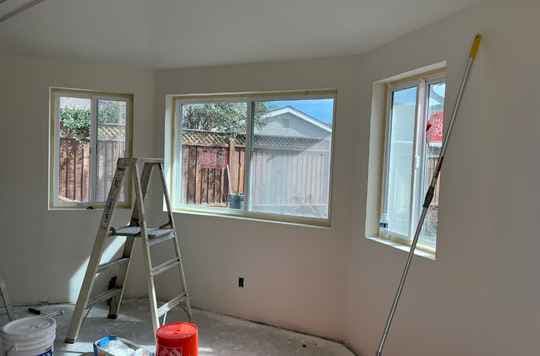
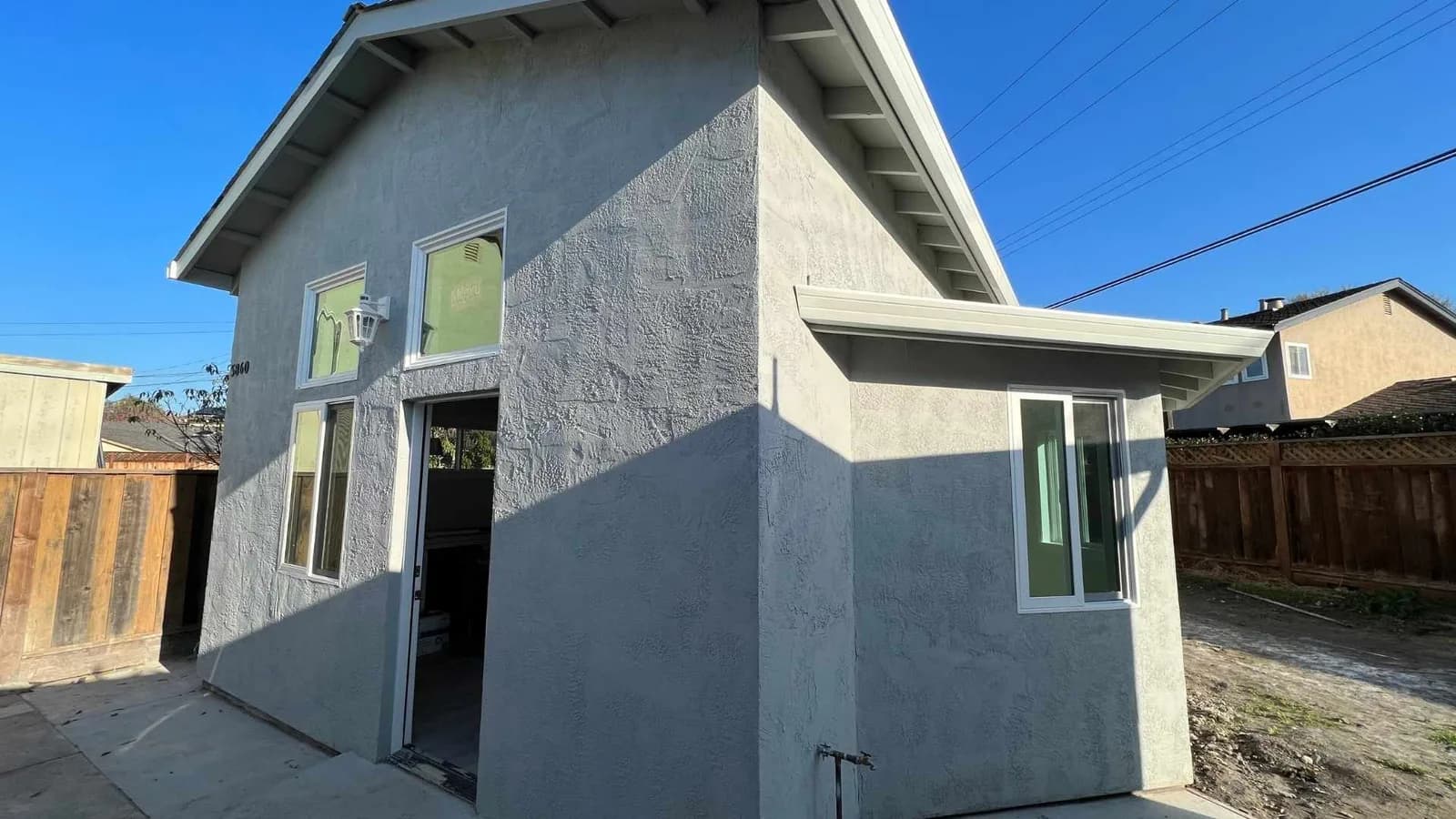
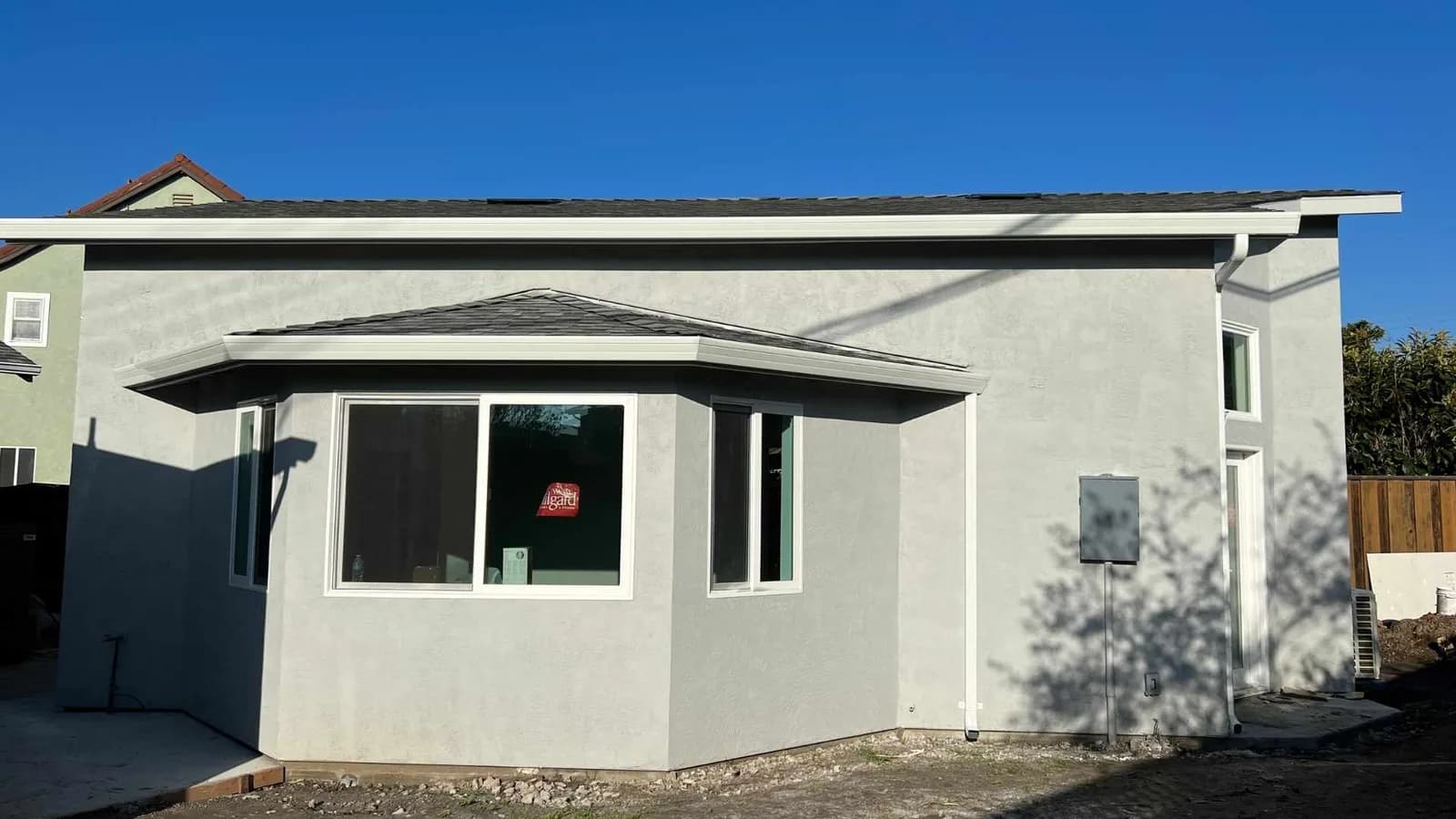
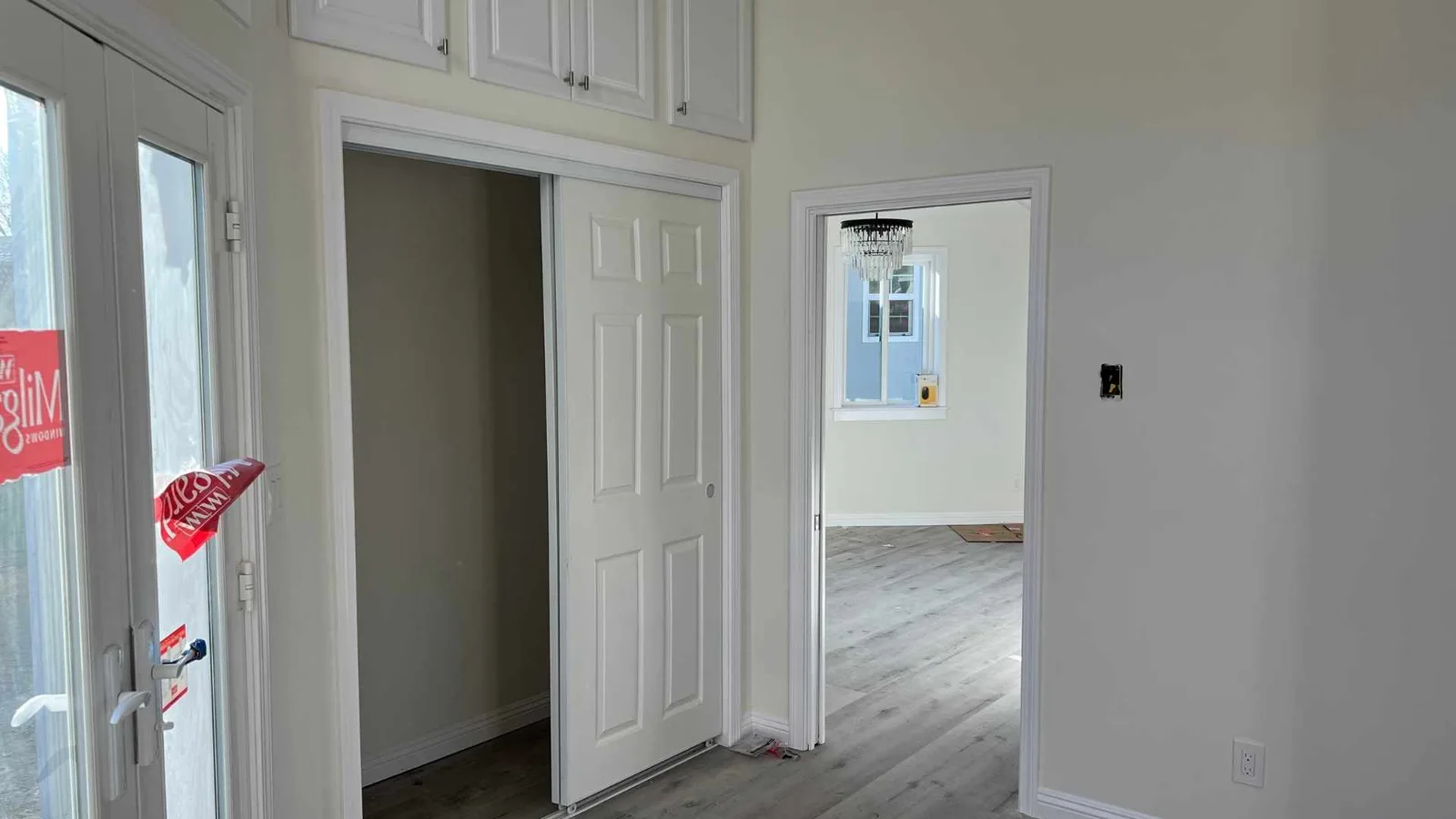
The homeowners were looking to maximize the size of the ADU. Even though it would have been possible to crane in a modular unit, the size of it would have been ~400 sq ft. While with a custom design, we were able to fit 600 sq ft one bedroom ADU.
- Designed for grandma
- With space for favorite furniture
- Easy in cleaning and maintenance
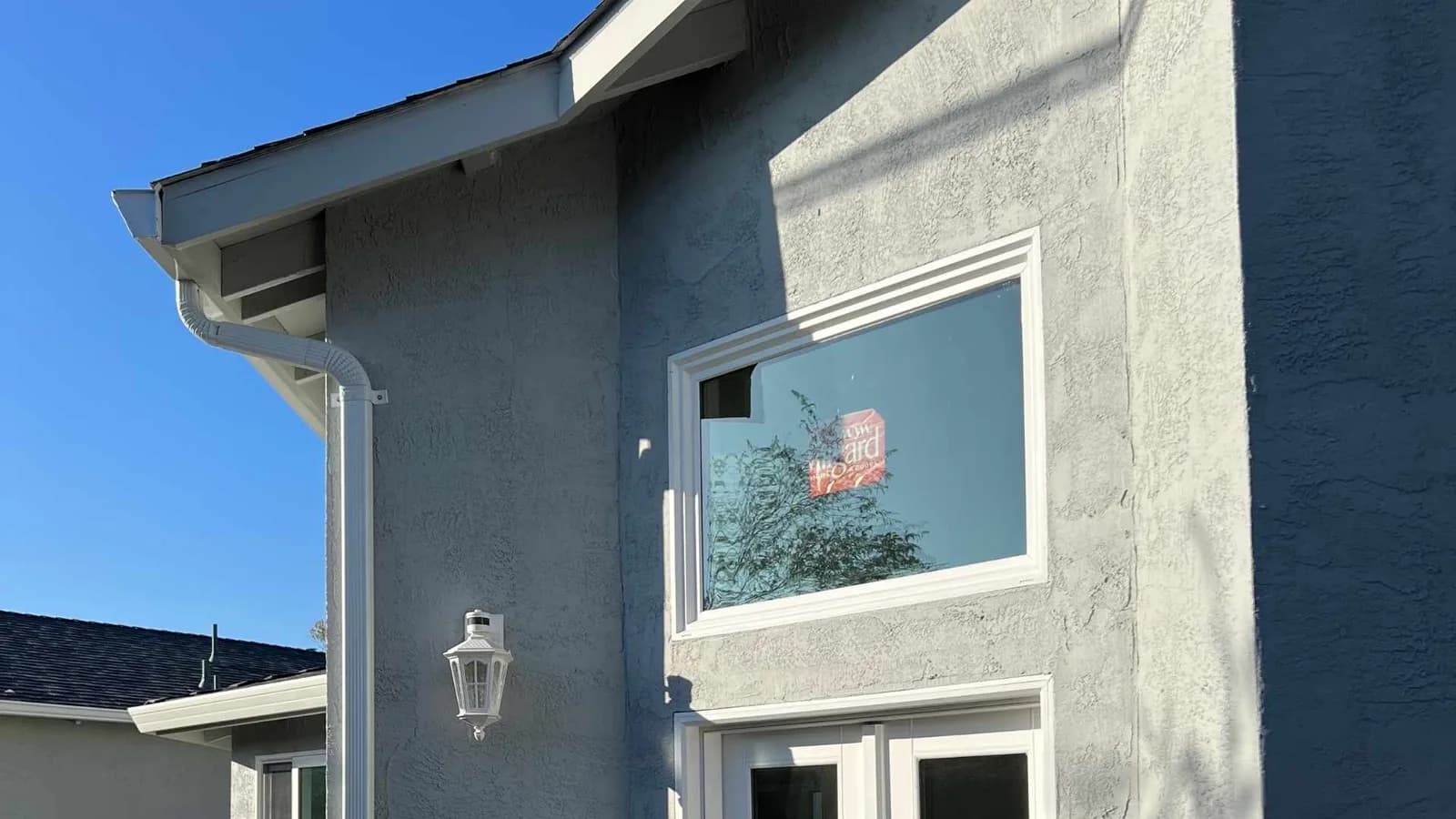
- Matching the look and style of main house
Restrictions
The size of this ADU was determined by the distance to the property line, distance to the walls of the main house, property lines and public utility easement.
The shape was driven by the pieshape of the lot.
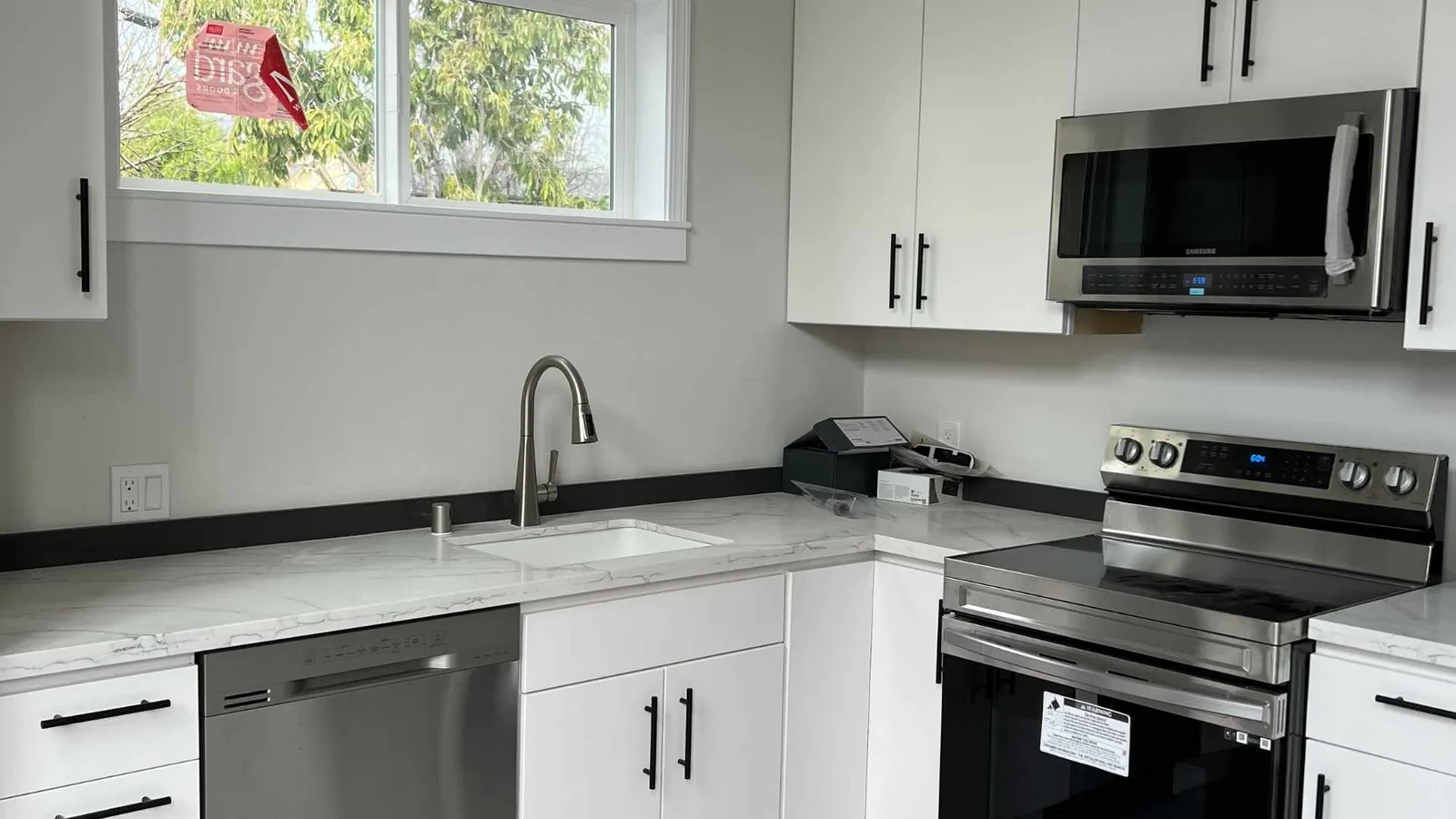
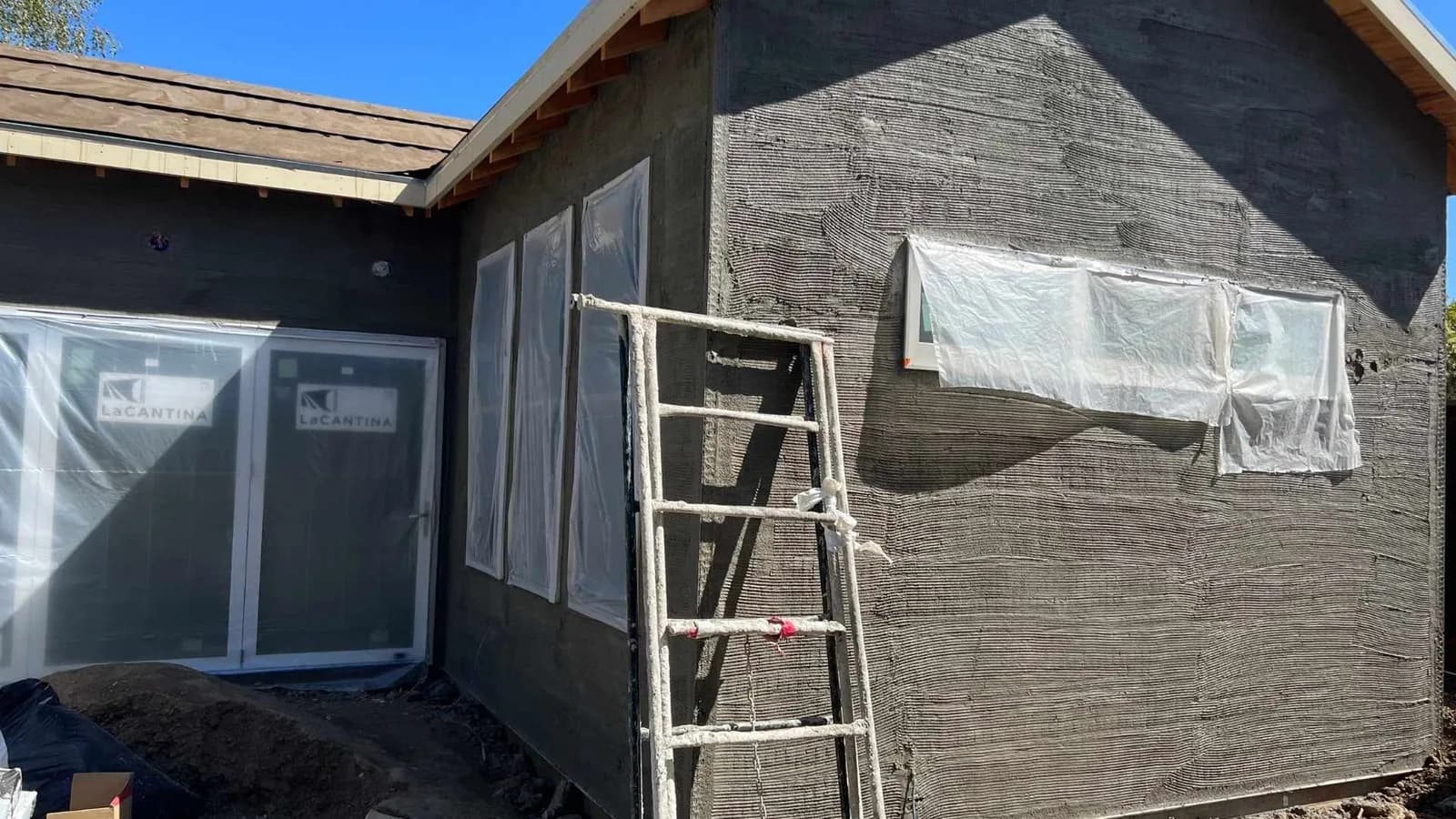
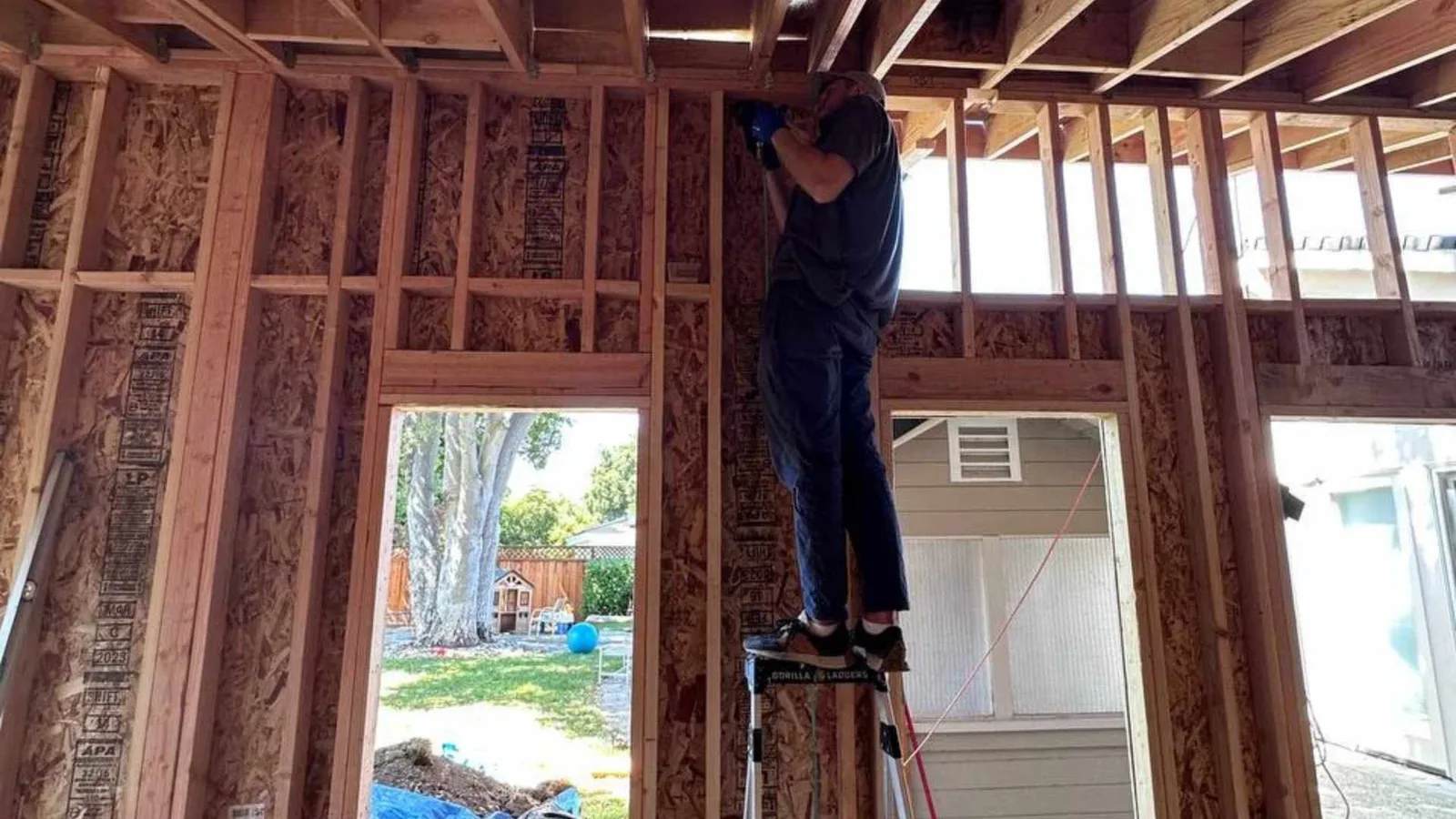
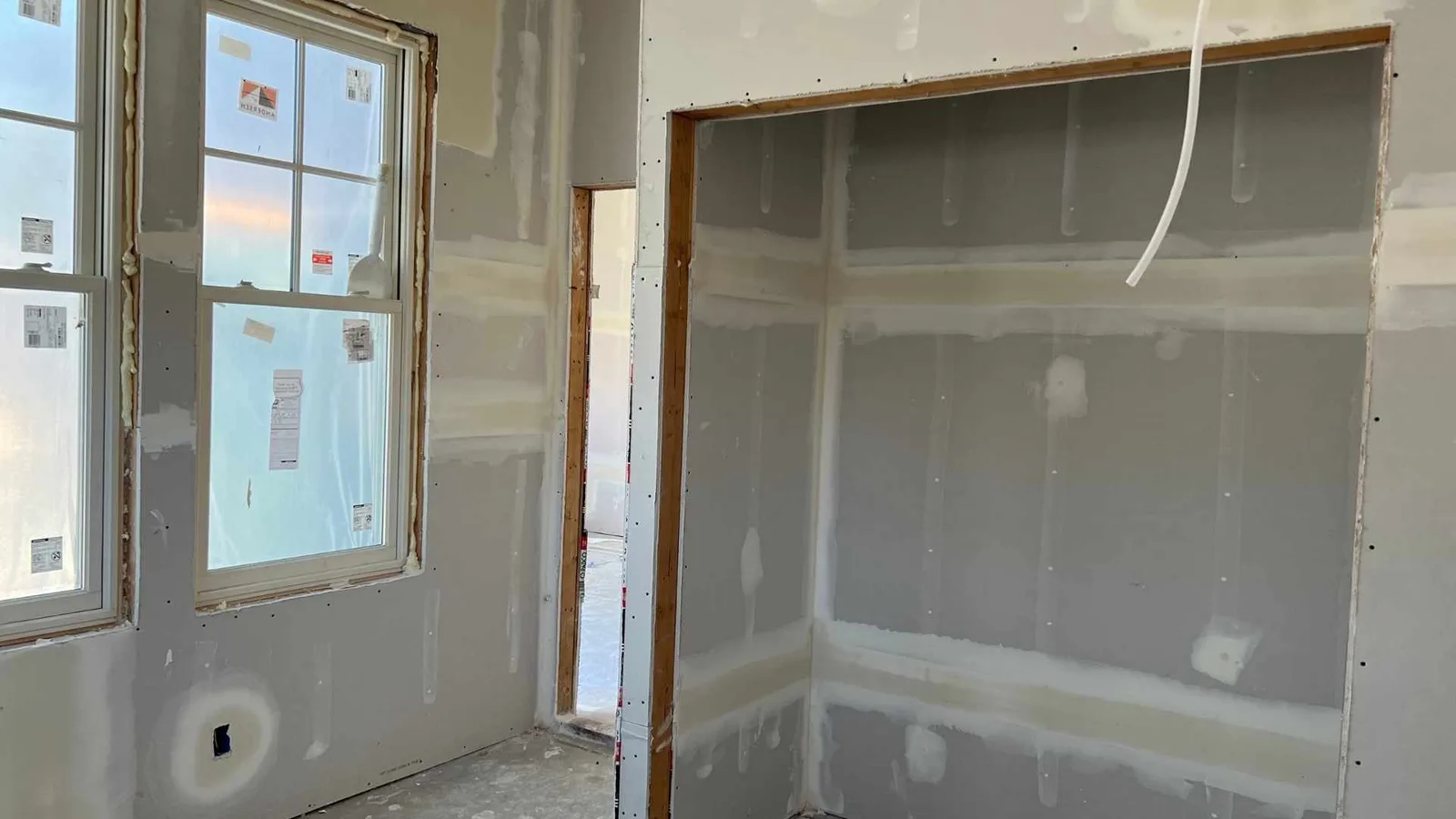
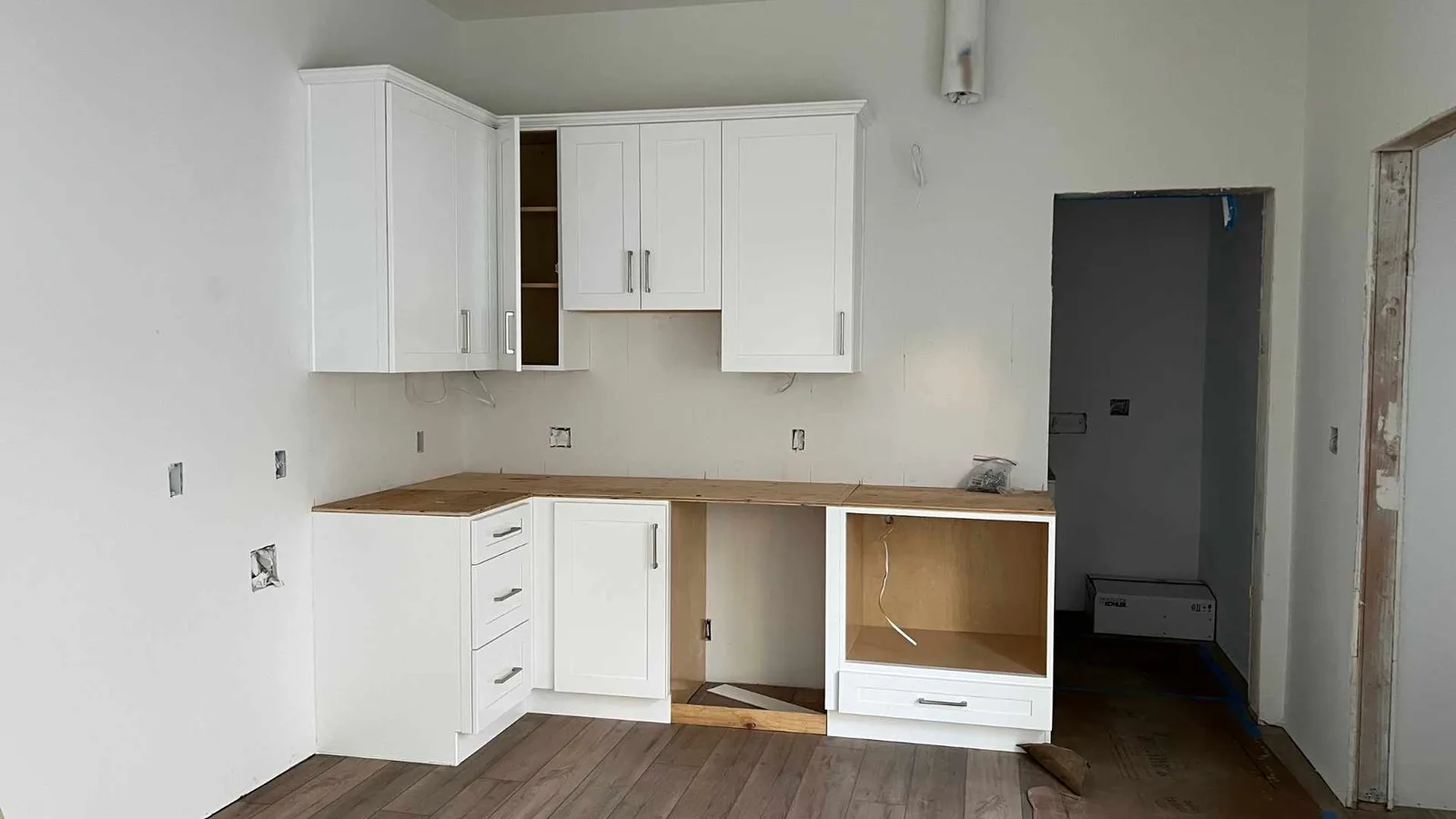
Currently in construction
Result
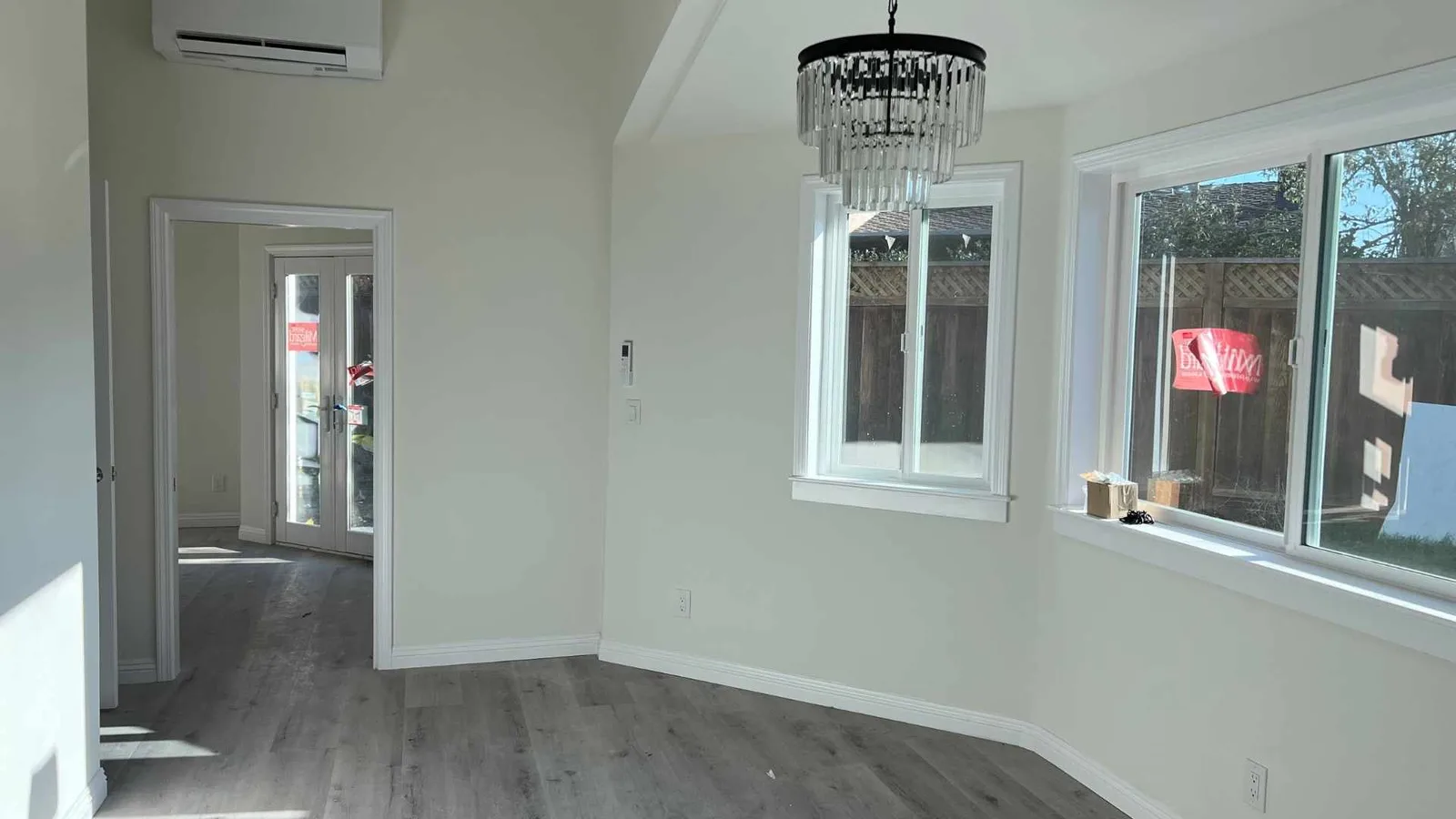
A bigger bathroom accommodates the necessary area for a wheelchair turnaround if it is ever needed, has a spacious “walk-in” shower.
The living room has vaulted ceilings with a bay window looking into the backyard.
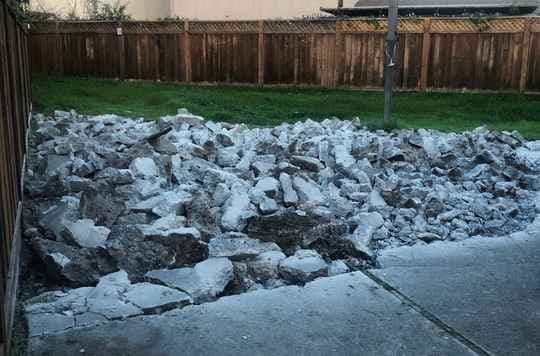
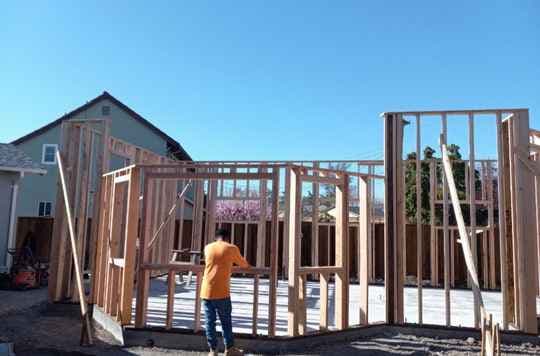
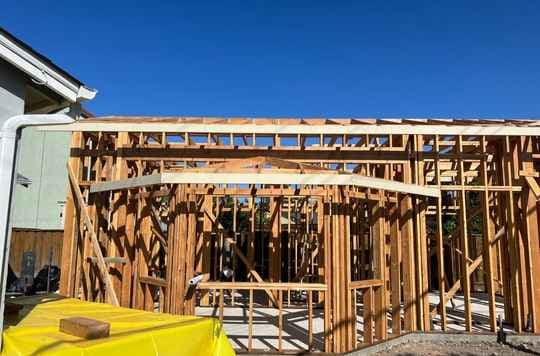
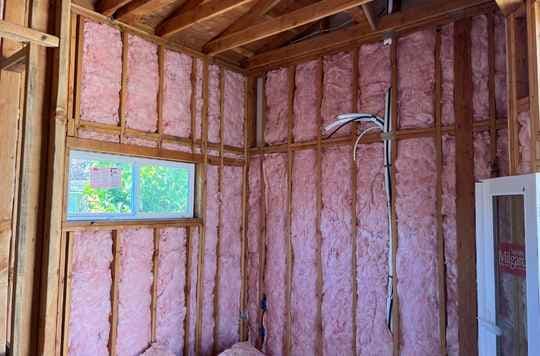
How Much Does a Granny Pod Cost?
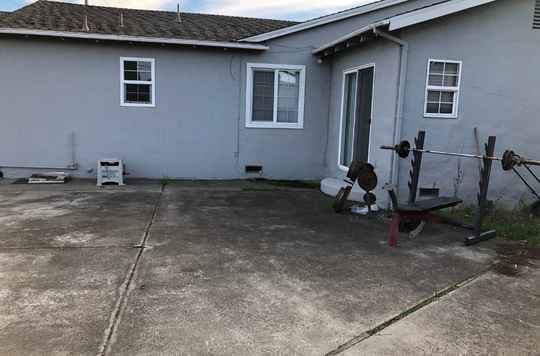
The cost of a granny pod varies by location, size (in square feet), materials, medical extras, and design choice. As of last year, turnkey prefab granny pods range from $50,000 to $250,000+. Stick-built or custom models may go higher. There is often a significant upfront cost, but many families recoup part of the investment via added property value, potential rental unit income, or by saving on nursing home or assisted living costs.
Consider the following when budgeting:
– Site preparation (utilities, foundation)
– Local codes and permits, plus time to permit
– Park model registration (if relevant and required in your city)
-Transportation costs and traffic permits (for modular units)
– Premium materials and upgrades
Legal Considerations and Potential Drawbacks
Always check local codes, HOA rules, and zoning laws before starting construction. Some regions—like Los Angeles and other urban hubs—may have specific requirements for new structure permits, parking, or long-term backyard residences.
The outside can be as individual as the inside!
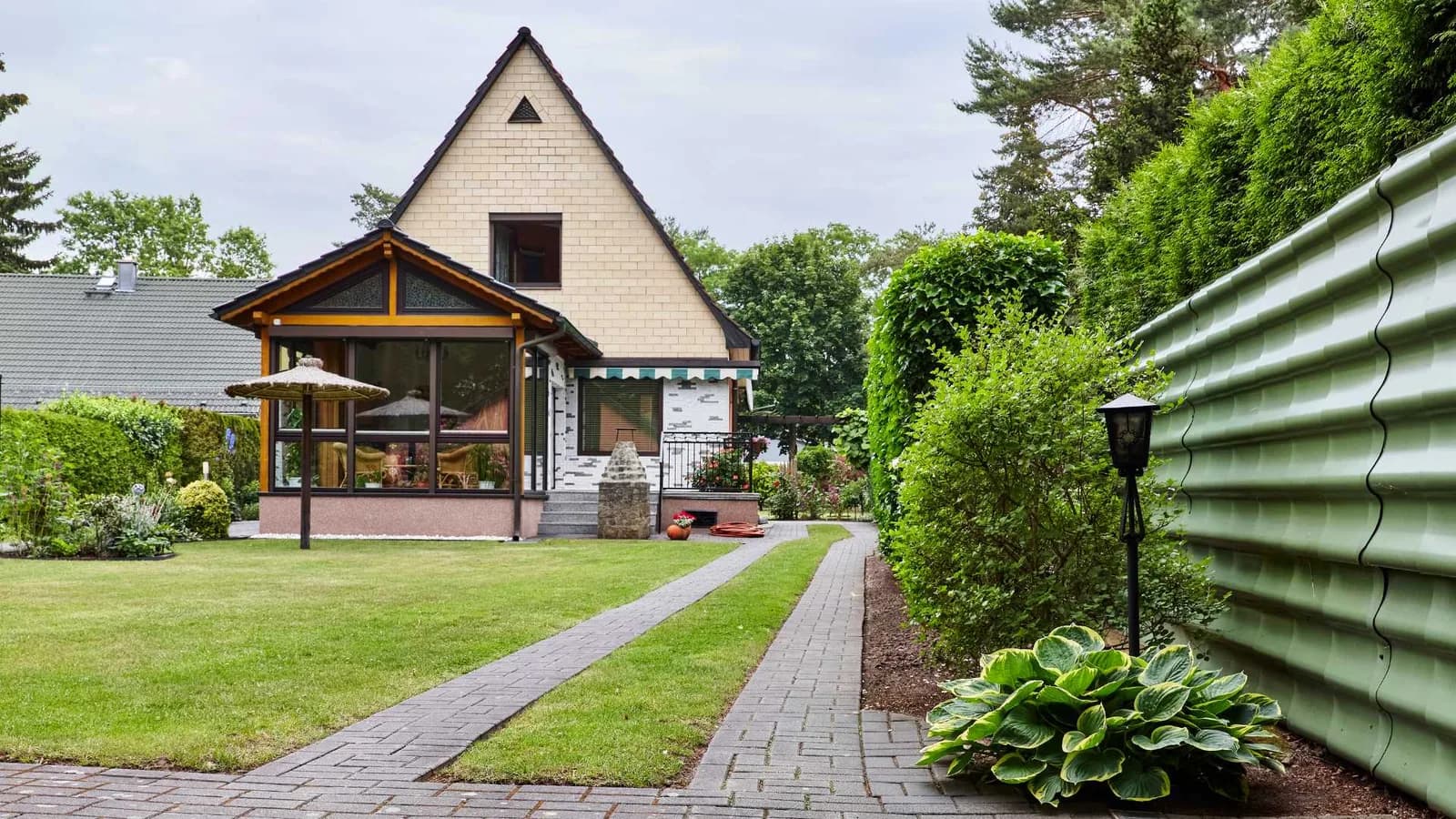
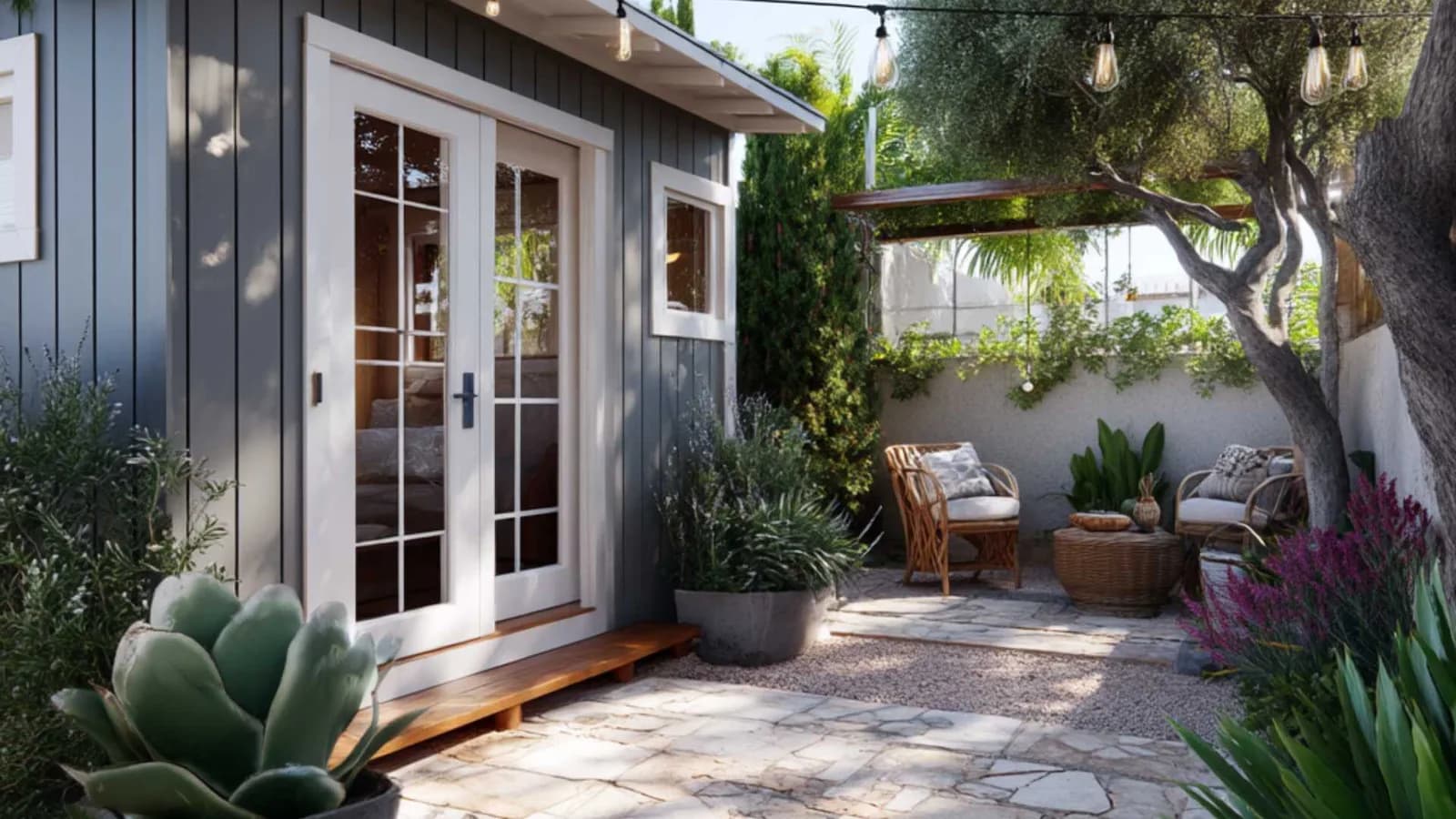
For many people, a home is as much about what’s outside as what’s inside. If someone enjoys sitting outdoors, then a covered deck or porch area, complete with seating and planters would be very welcome. Or why not create a small garden area that blends the unit into the rest of the outside environment?
If gardening is something they enjoy, then incorporating raised beds for flowers or vegetables are ideal when bending over is more difficult. Low fences or hedges around the area can create a sense of privacy and ownership of personal space.
Granny pod a dapted interiors come with style .
No need for ugly retrofitting of all those interior features that make seniors’ homes safer and more comfortable to live in. Everything is built into the design from the foundations up so a sleek finish is ensured. For example, doors can be made wide enough for wheelchairs or walking frames, thresholds eliminated between rooms to avoid trip hazards and easy-to-reach controls and switches installed.
In the kitchen worktop height can be made to measure and appliances selected with ease of use in mind. Bathrooms, potentially dangerous spaces for seniors, can incorporate features like walk-in showers, shower seats, non-slip surfaces and easy-to-operate faucets.
These newly built granny pods often look and function better than the main house.
Eco-credentials are a priority
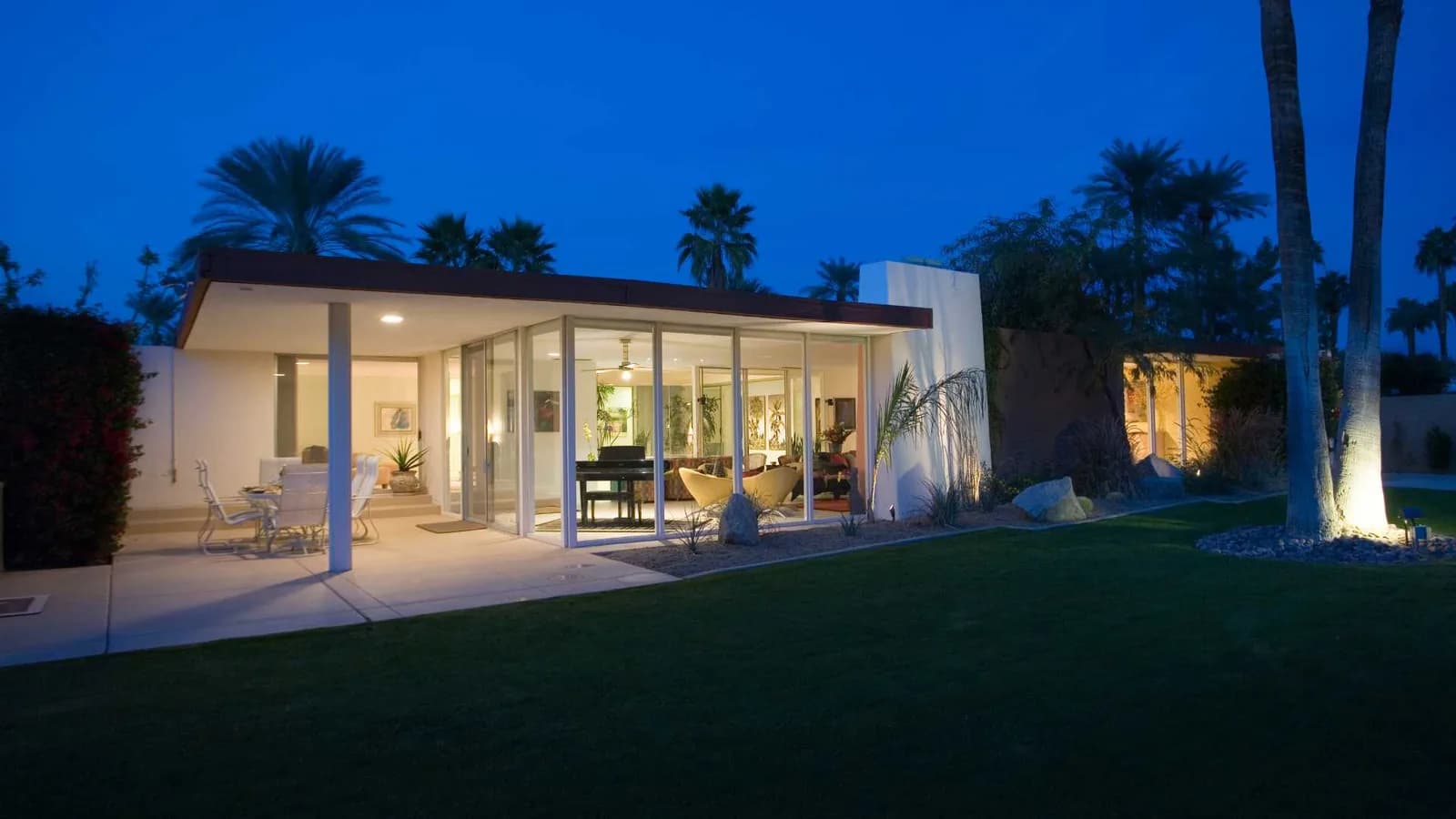
Older people can be heavy users of energy for heating and cooling but your granny pod’s eco-credentials can help avoid sky-high utility bills. They are built to be very energy efficient, using the most modern insulation materials and dual pane windows, making them warm in winter and cool in summer.
Solar panels are a popular option to cut down on energy usage still further.
You won’t believe the advanced safety features available in granny pods
An amazing variety of sophisticated safety features can be fitted if necessary. Falls are one of the main dangers to an older person so special soft flooring and floor-level lighting can reduce the dangers of falls. Interactive video, floor cameras and sensors and alarms can provide 24-hour monitoring. There are even systems that let you check on someone’s vital signs and if they have taken medications.
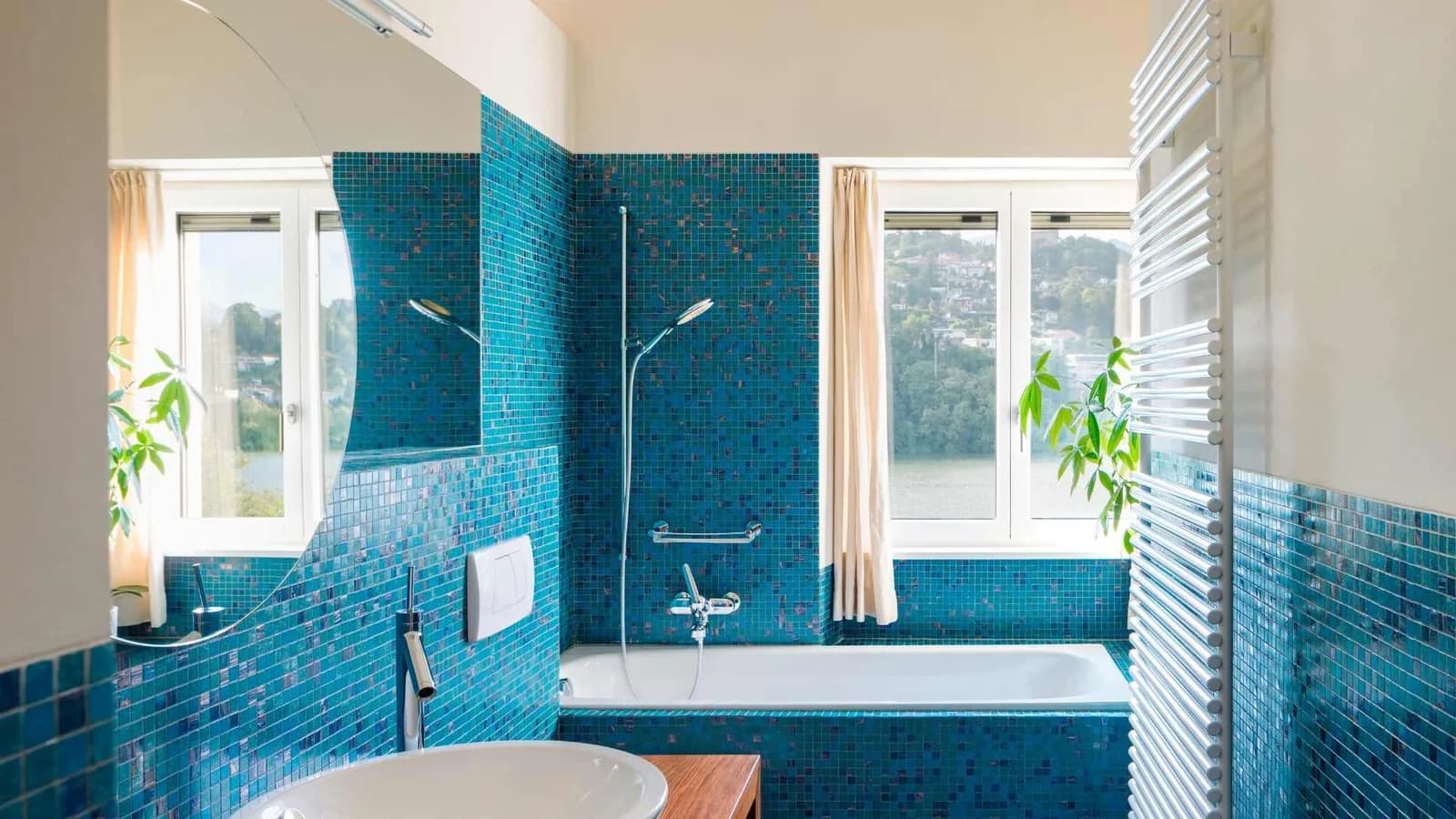
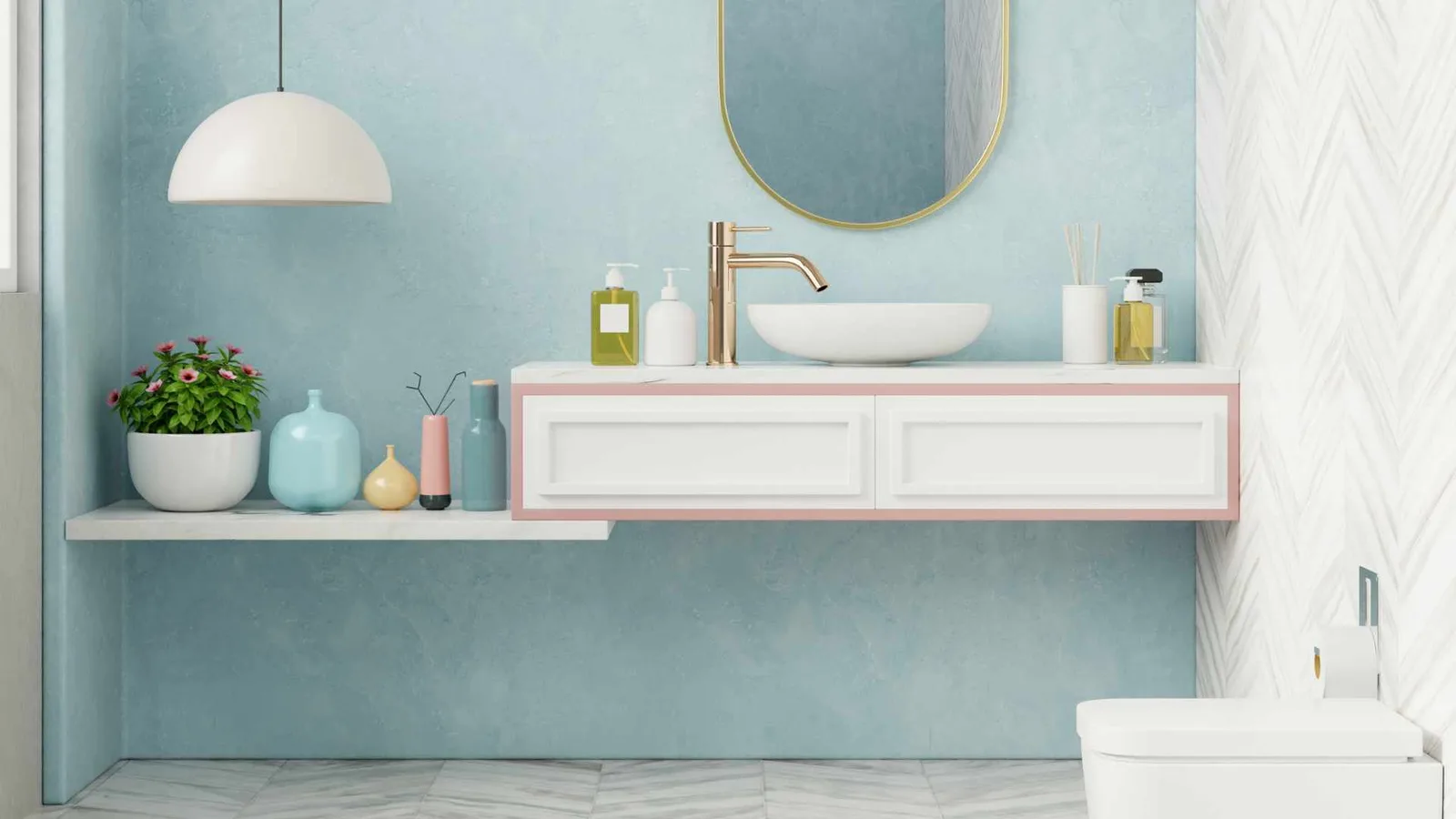
Make sure to follow best practices when planning a bathroom in an ADU for a senior.
Granny Pods vs Senior Living: What’s the Best Way Forward?
Granny pods are more than a tiny house trend—these long-term backyard solutions promote multi-generational living, spark property value growth, and provide a dignified, independent alternative to institutional care. For many retirees, aging parents, and adult children, they create the right place for the golden years: secure, connected, private, and full of options.
Whether you choose a turnkey granny pod, custom build, or modular tiny home, the path to affordable, independent, and supportive living is easier than ever.
Ready to move forward? Explore your specific needs, research builders with nationwide availability, and join the growing number of families prioritizing multigenerational living, modern comfort, and elder care on their family’s property with a backyard granny pod.
Need more inspiration for your granny pod?
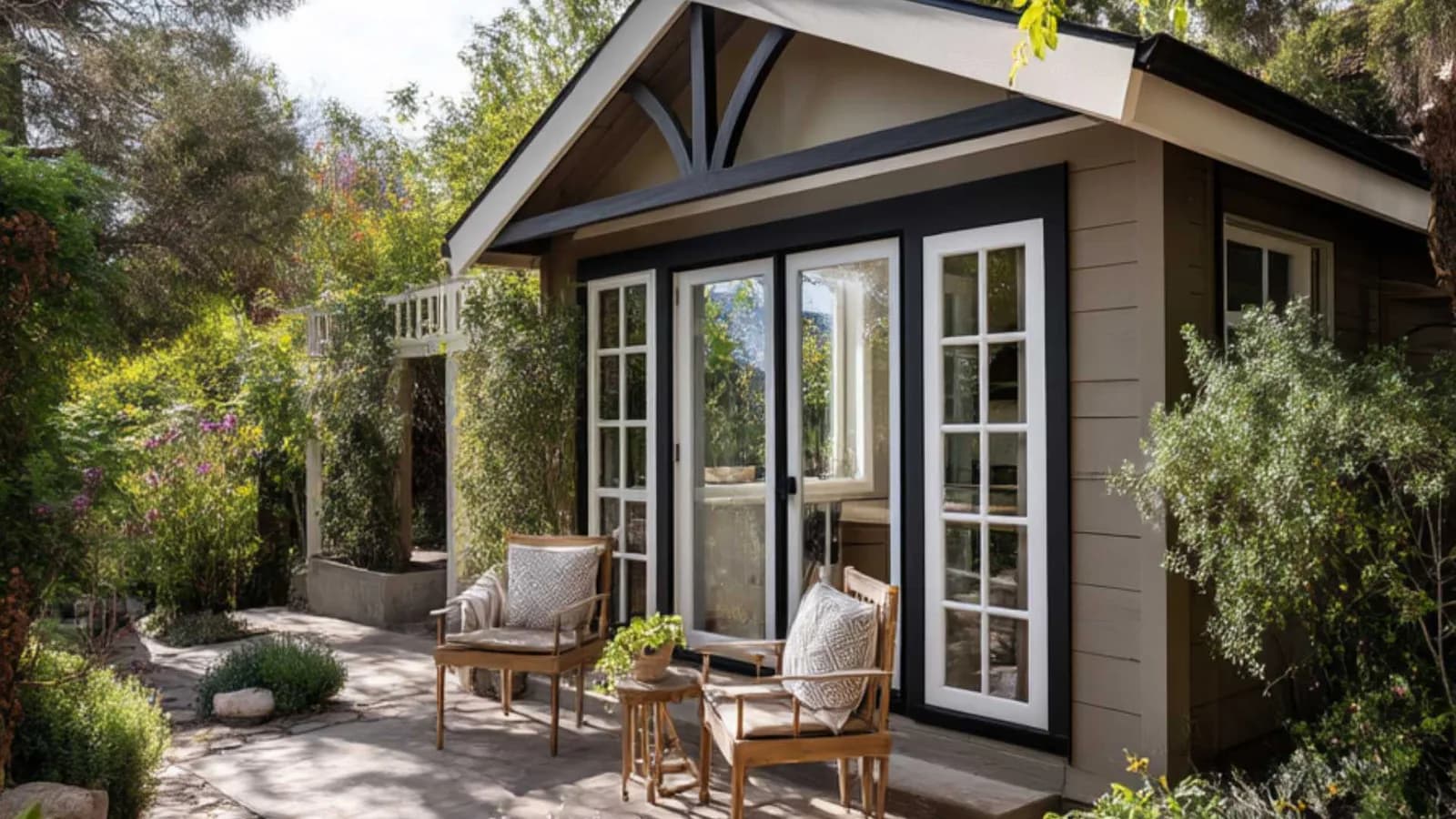
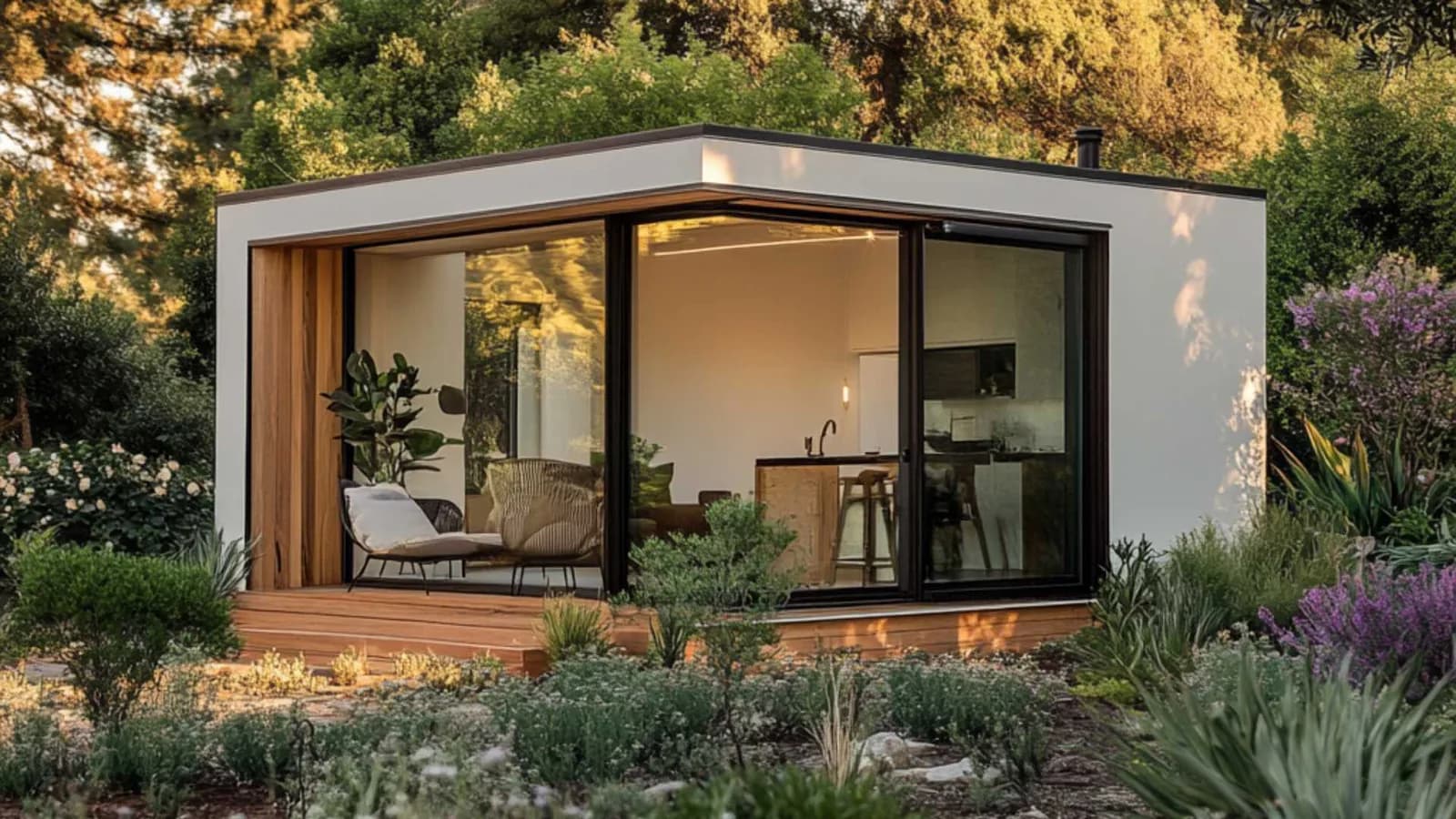
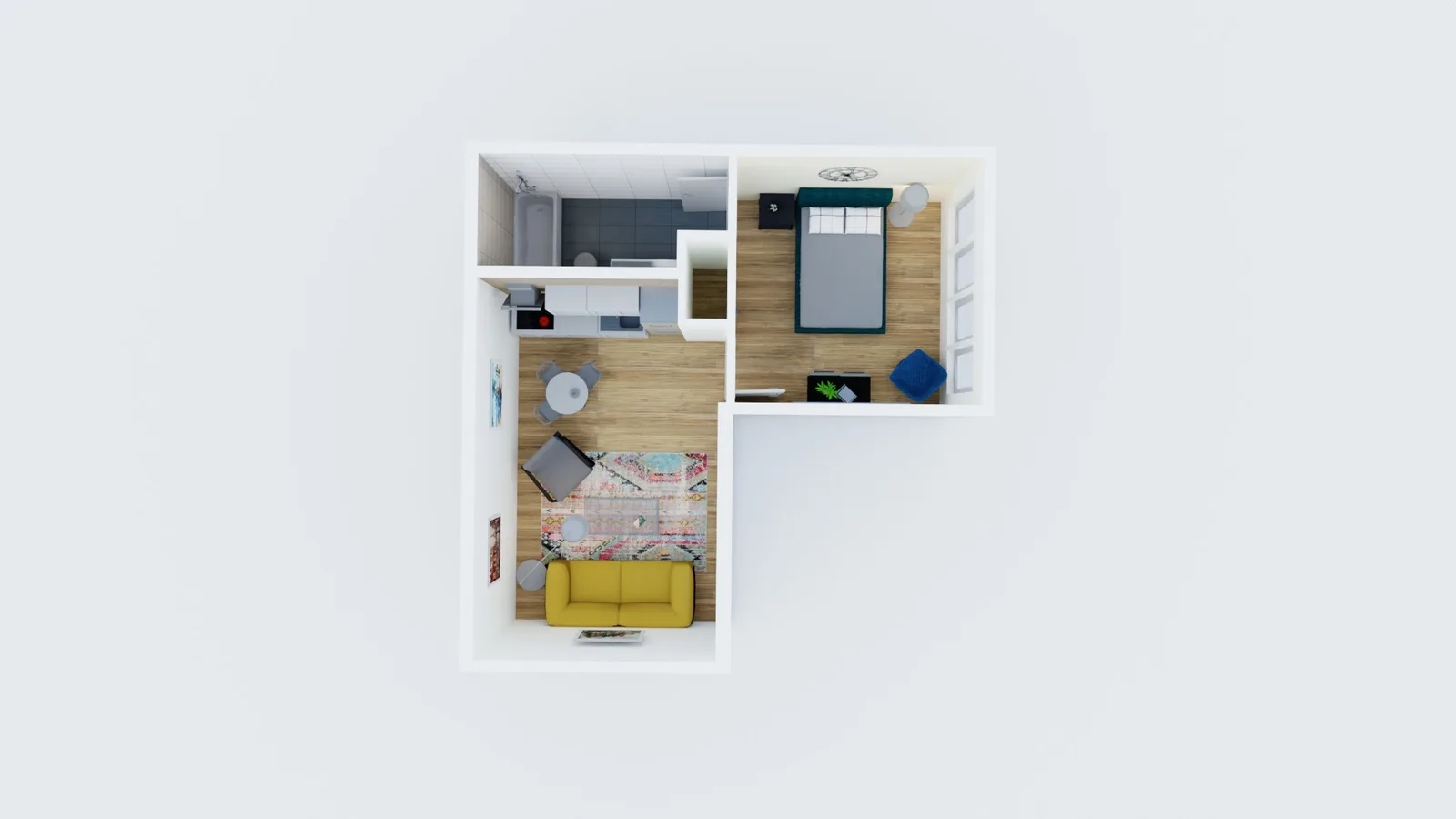
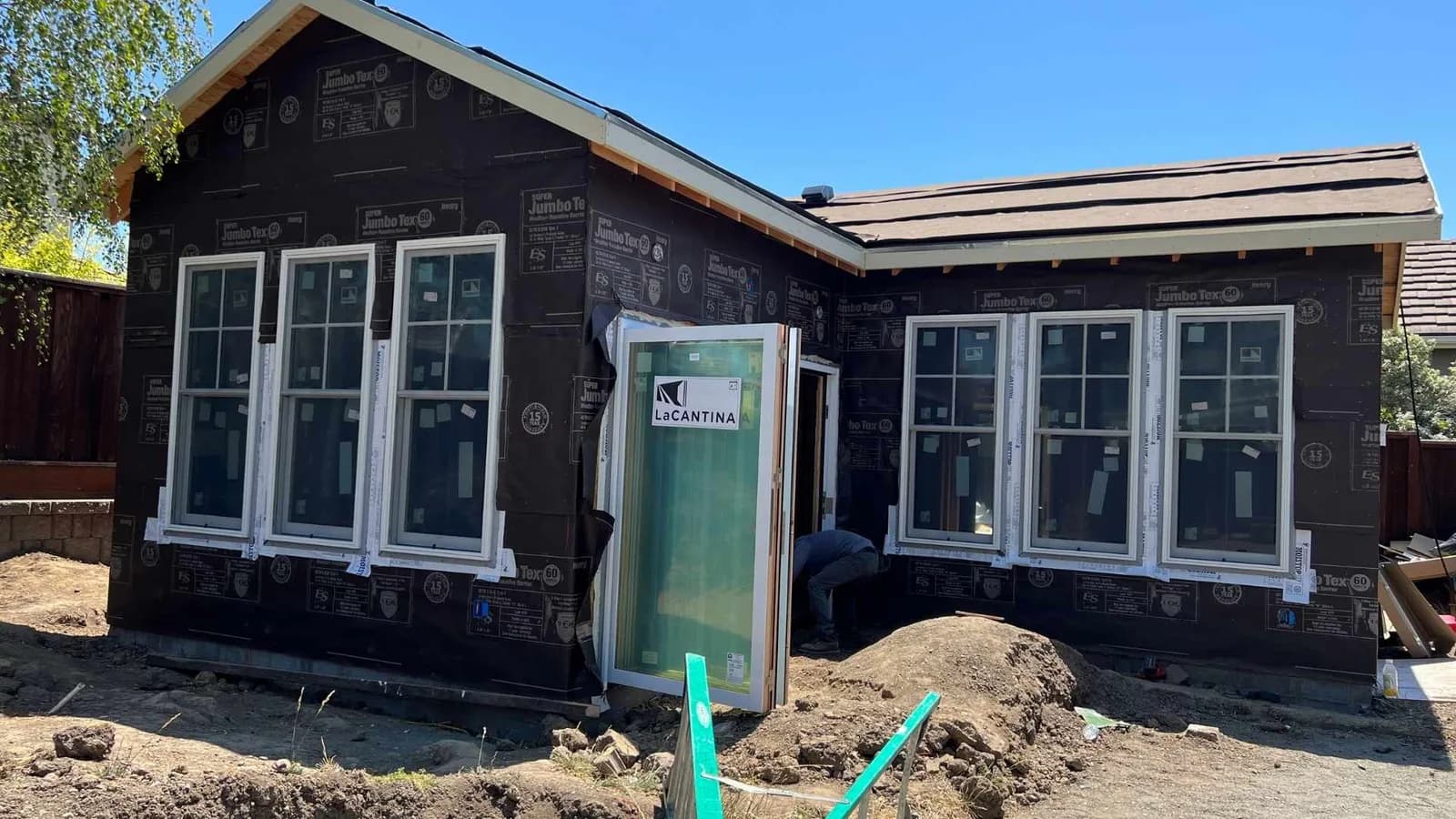
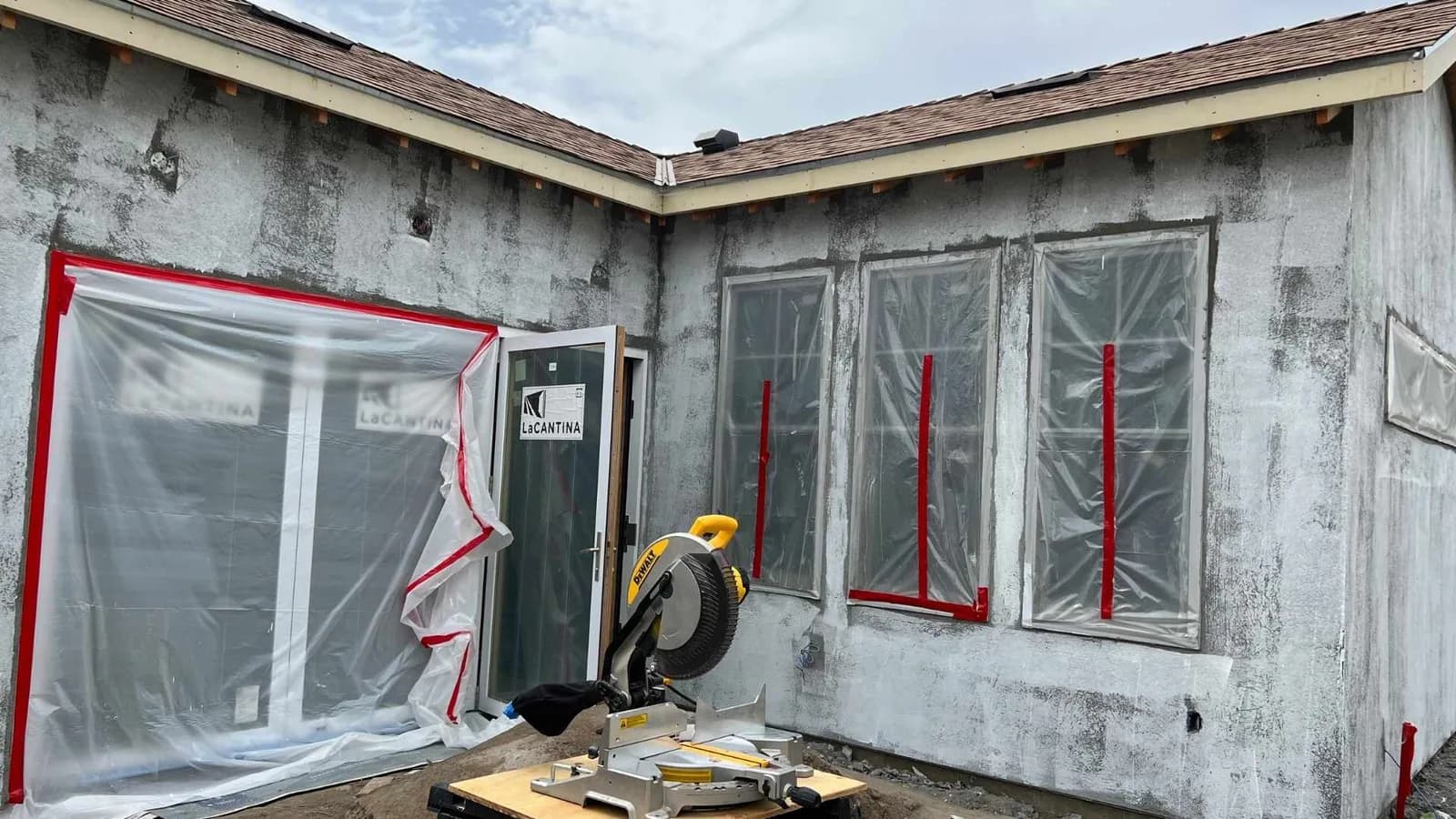
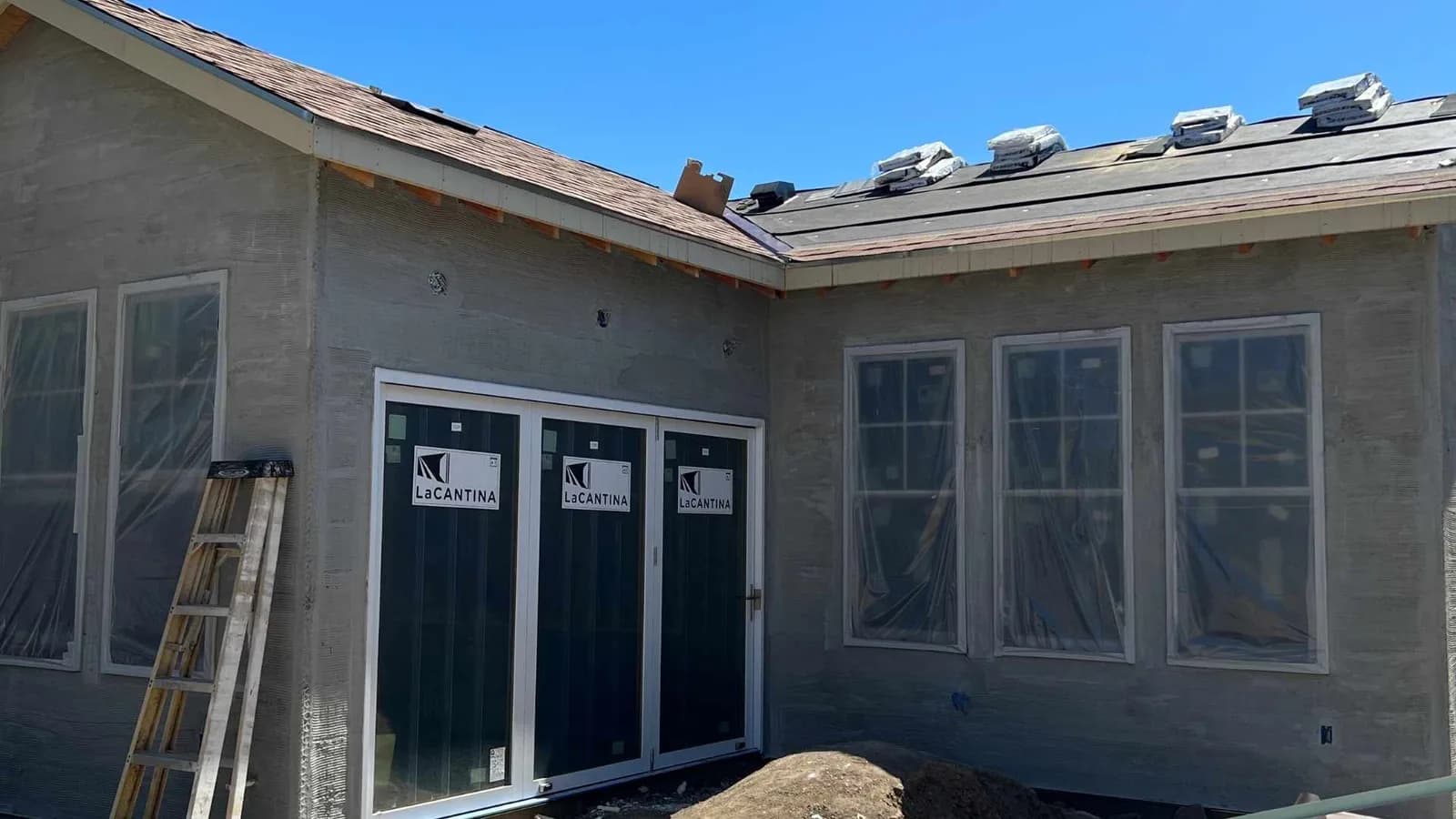
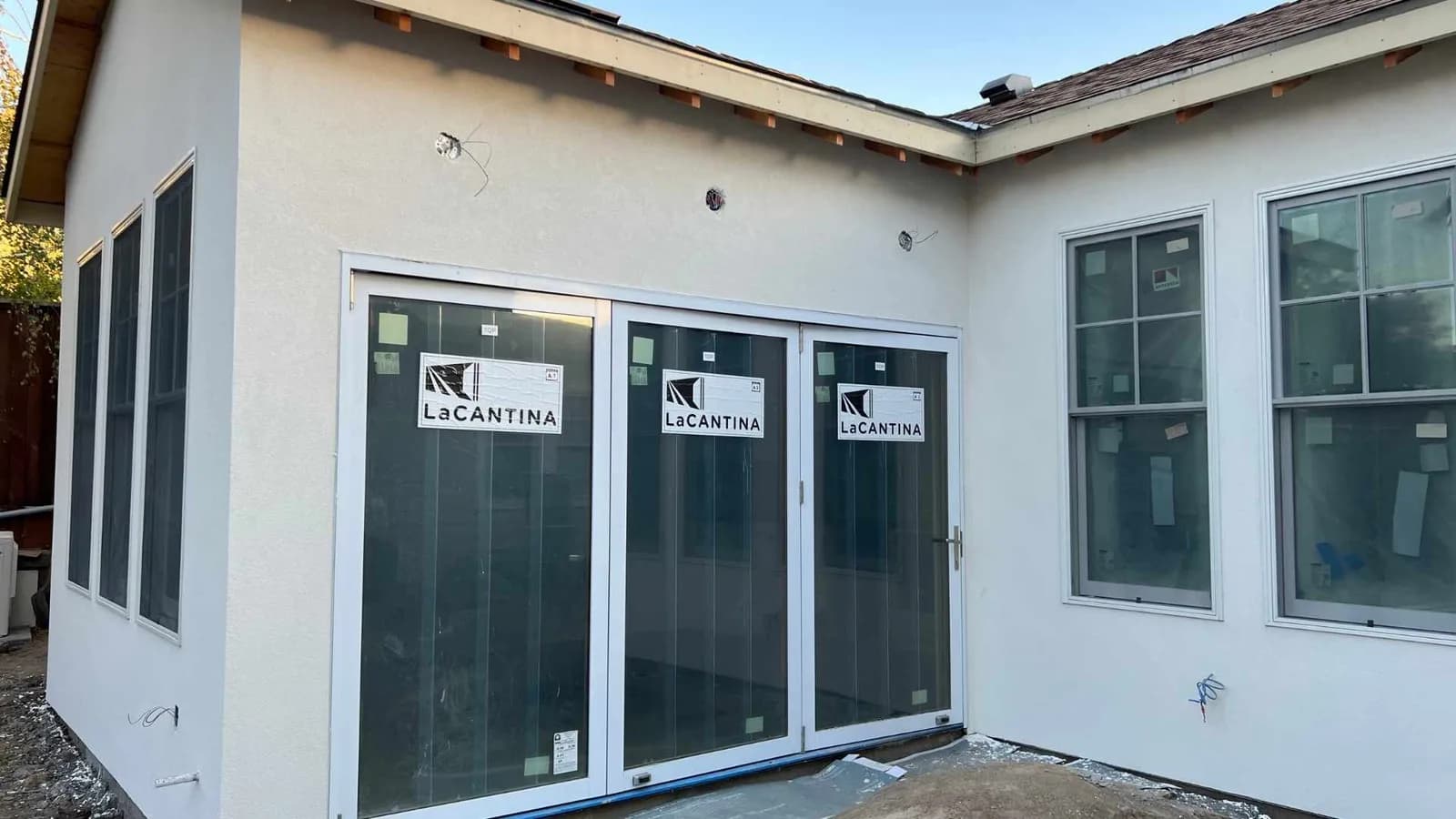
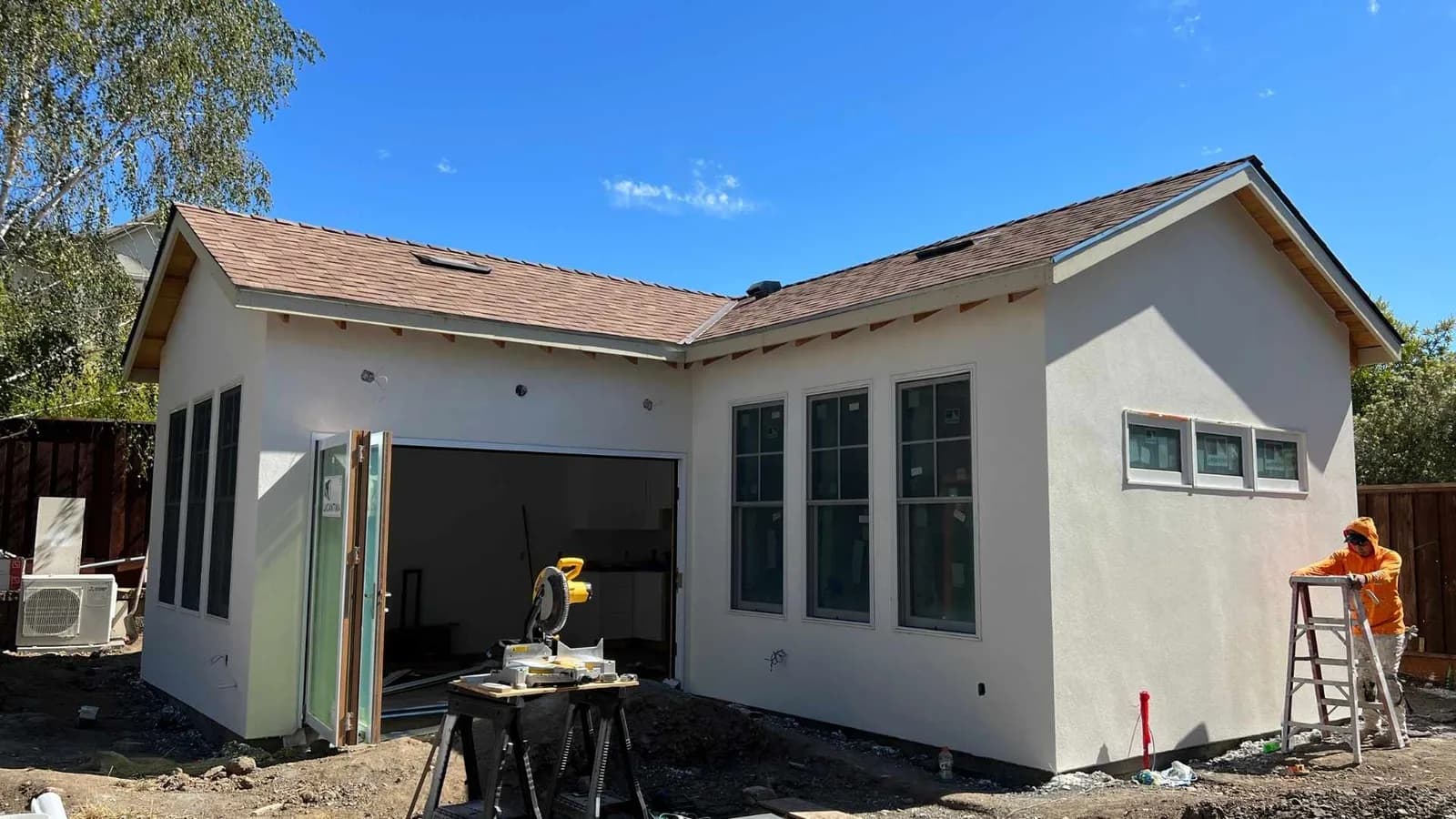
Case study: 1Bed 1 Bath ADU Floor Plan
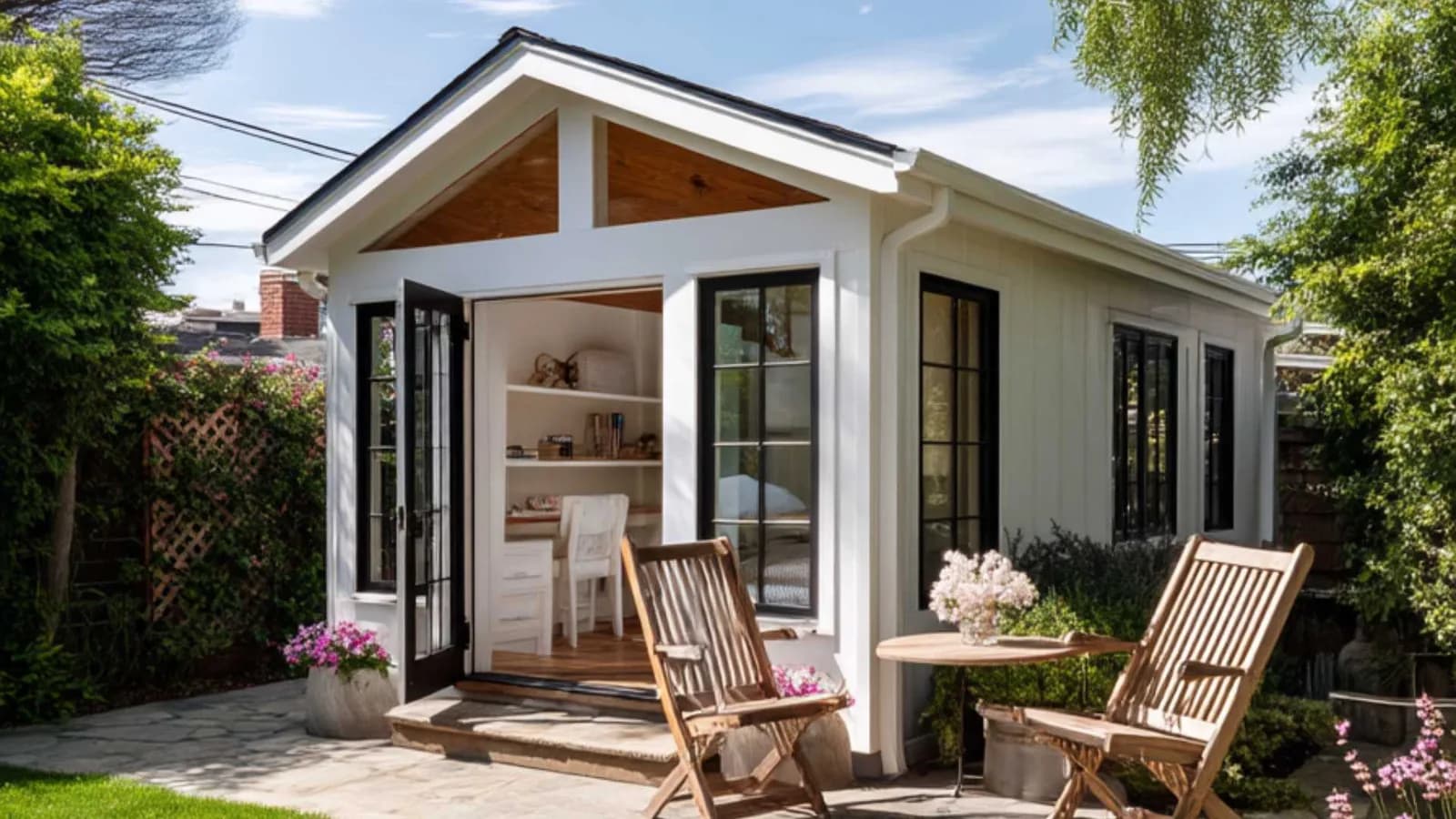
1Bed 1 Bath Detached ADU for Visiting Parents
Requirements
The homeowners were looking to transform the backyard – adding outdoor spaces (fireplace, dining area and outdoor kitchen) and a guest house for their parents to stay in.
- Keep small footprint to leave space in a backyard for outdoor activities
- Arrange for a comfortable bathroom
- Folding door to open up completely
Restrictions
A healthy benefit between comfortable space and small square footage.
Fire sprinklers.
Completed in 2022
Result
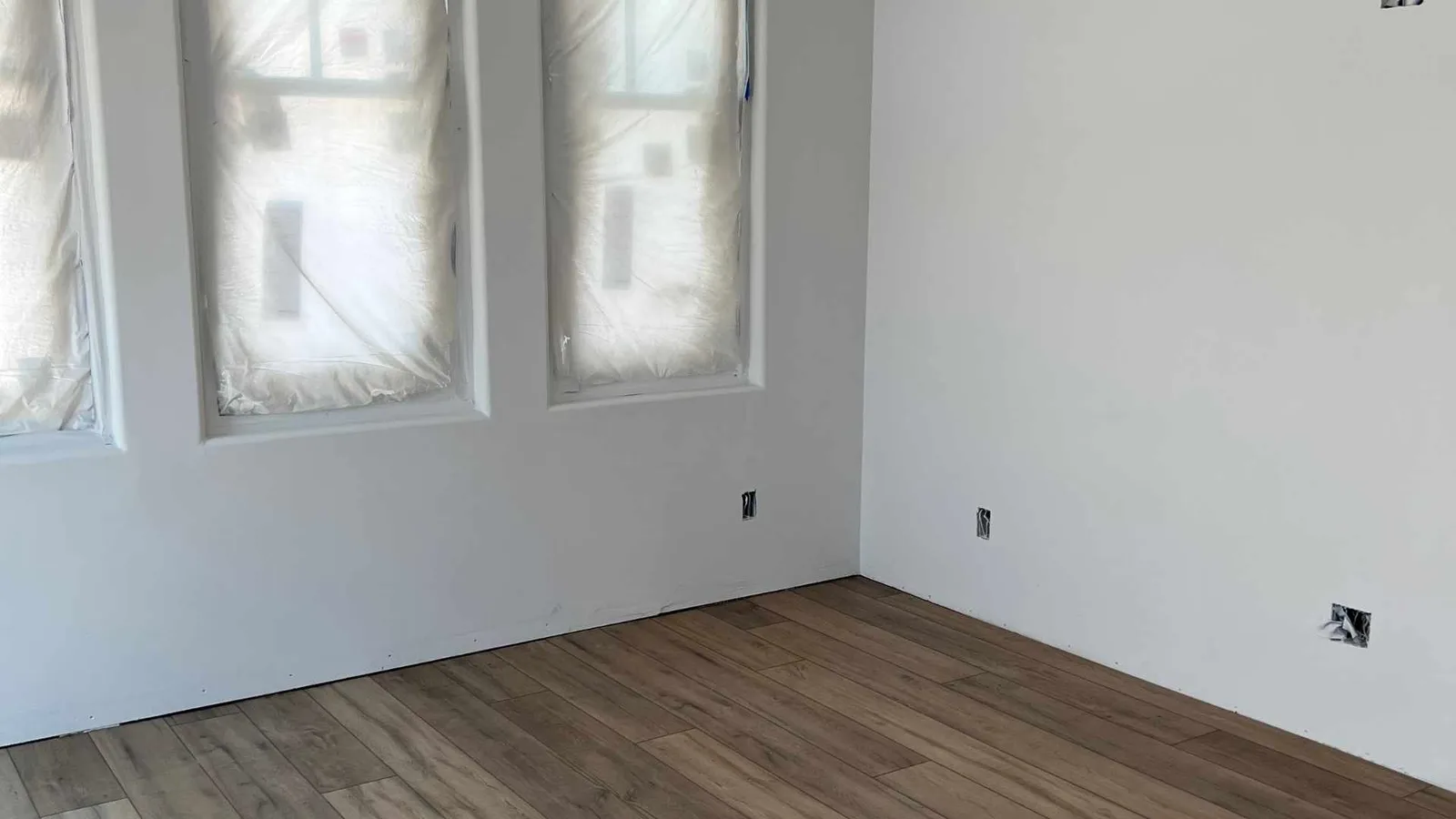
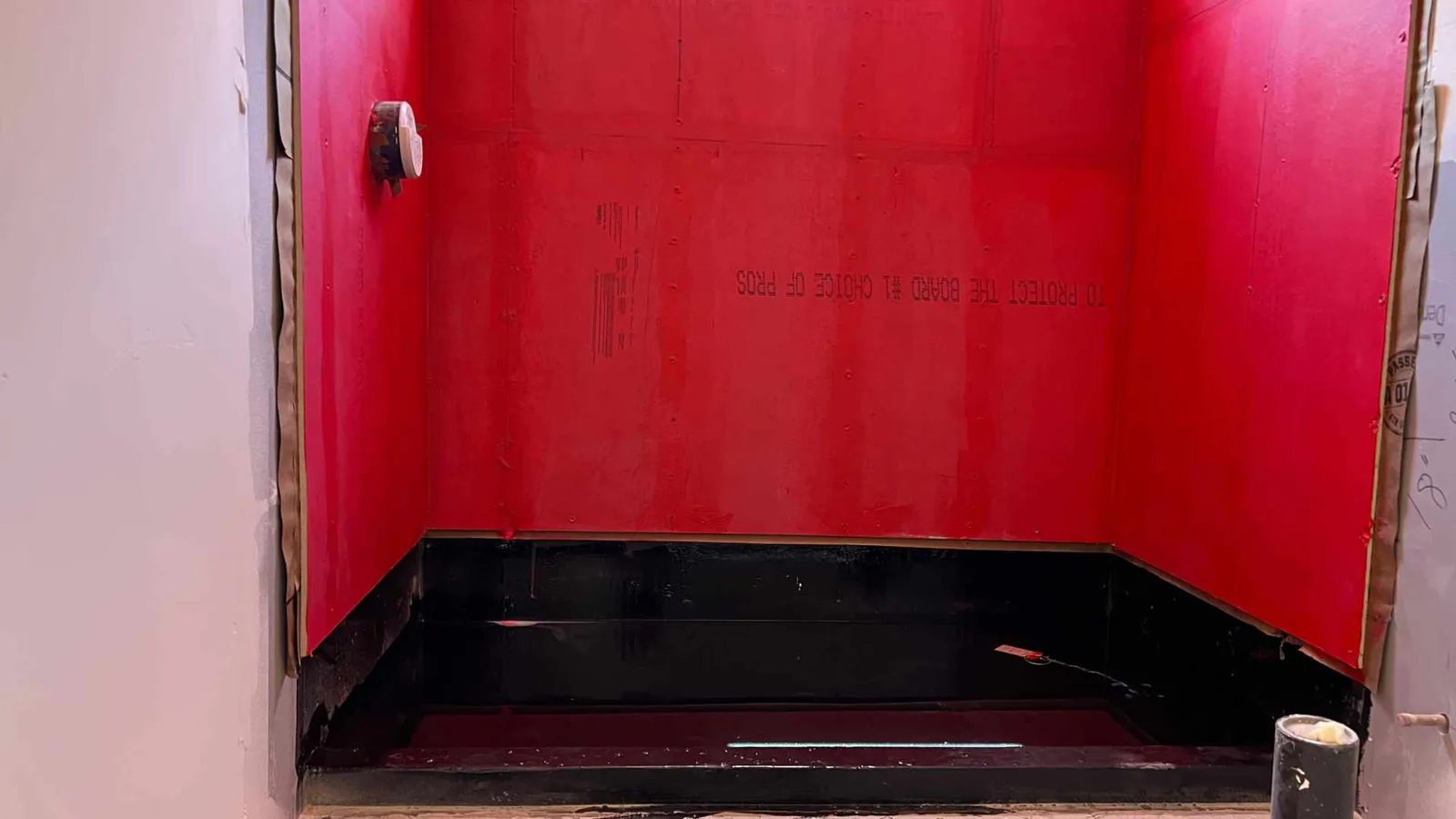
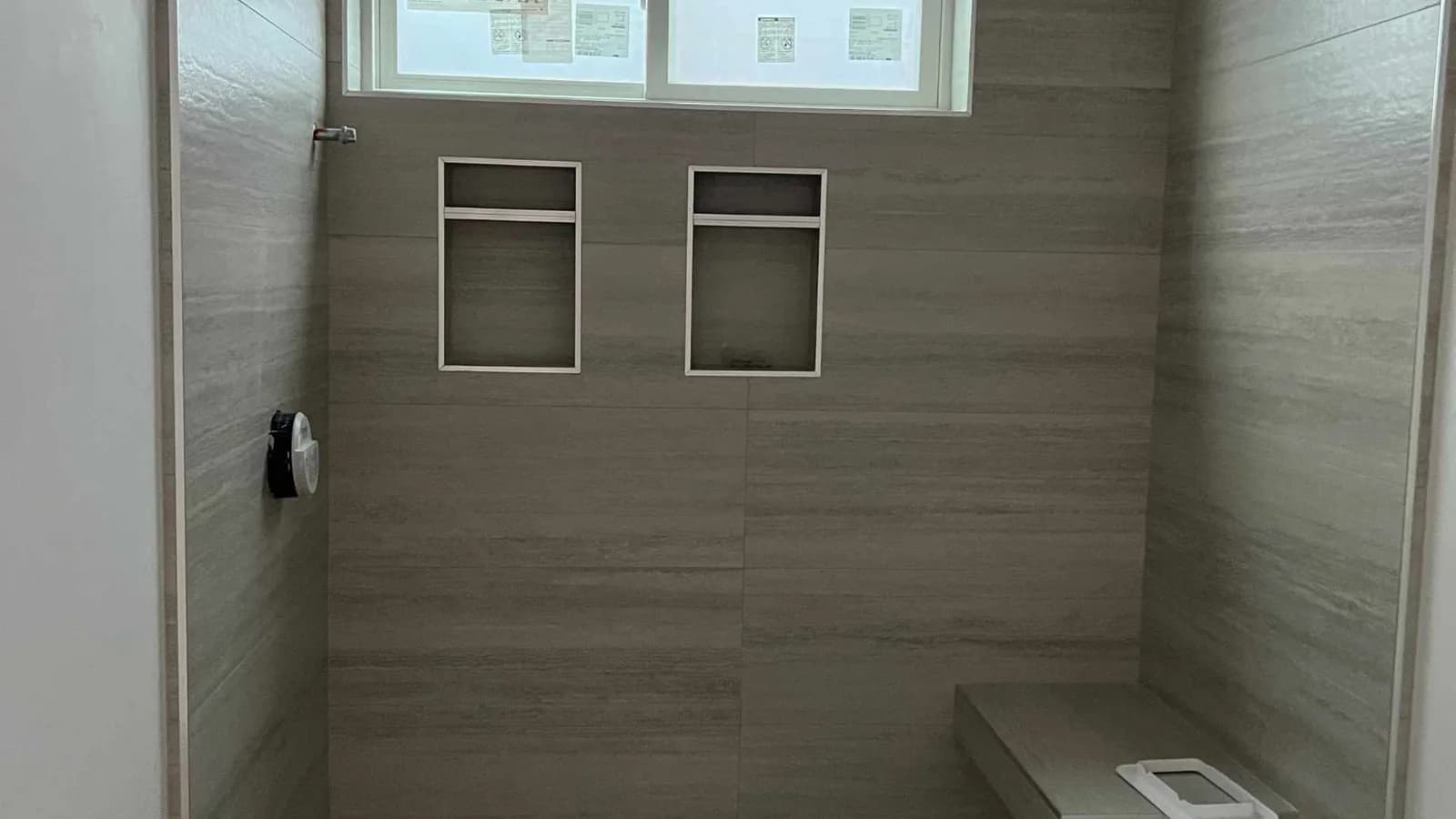
A comfortable bathroom accommodates a spacious “walk-in” shower and laundry.
The open space living room and kitchen area has a folding door looking into the backyard and letting natural light into the space.
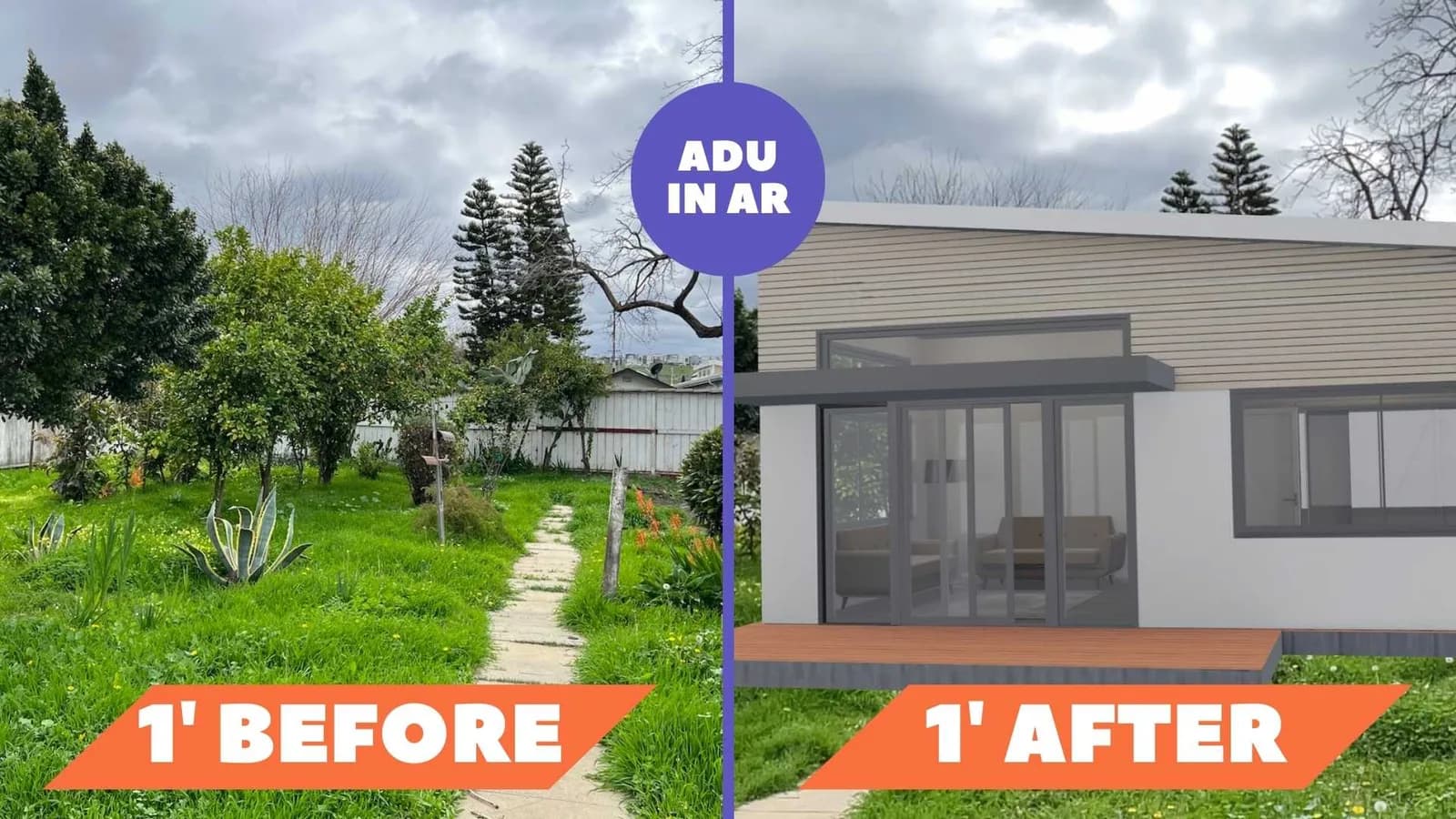
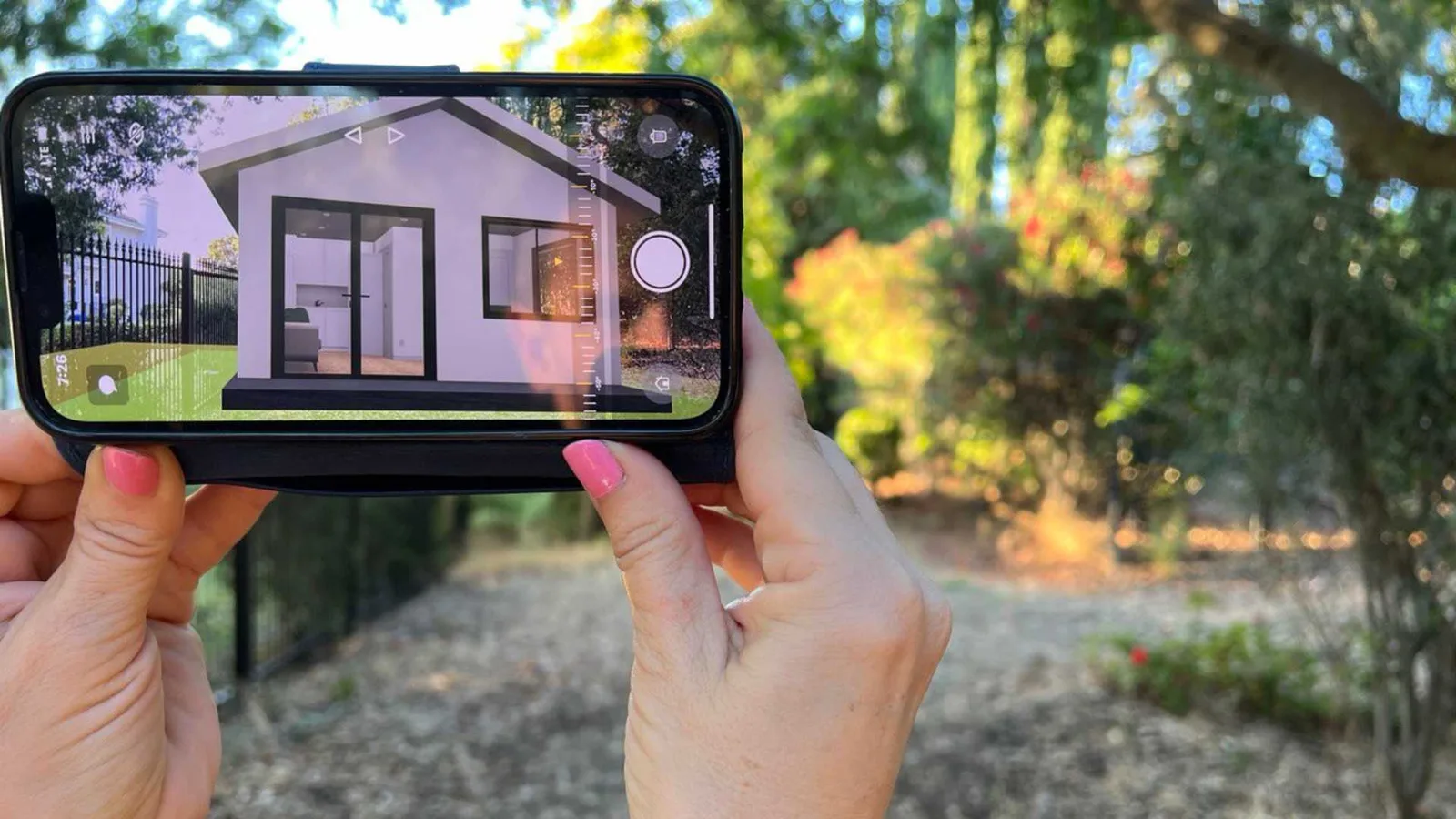
Try 50+ Granny Pods in Augmented Reality - Right Now in Your Backyard.
Frequently asked questions
A granny pod is a small dwelling, typically 250 to 900 square feet, built in the backyard or next to the main house. It usually has a bedroom, living room, bathroom, and galley kitchen, and is designed as a safe, accessible space for an aging parent or other family member who wants to stay close but keep their independence.
Turnkey prefab granny pods generally run from $50,000 to $250,000 or more, and stick-built or custom models can go higher. Cost depends on location, size, materials, design, and any medical extras. Many families recover part of that through added property value, potential rental income, or by avoiding ongoing assisted living fees.
Often, yes. Independent living communities average $1,500 to $4,000 a month and assisted living runs roughly $3,500 to $10,500 a month, all of which is recurring expense. A backyard granny pod is a one-time investment in your own property rather than a monthly cost that never ends.
The main options are prefab pods built in a factory and delivered ready to install, stick-built units constructed on-site for full customization, and modular homes or tiny houses delivered in sections and assembled on your lot. Accessory apartments, attached or detached from the main home, are another route. The right choice depends on your local codes, budget, and how much customization you want.
Because the design is built in from the foundation up, features are seamless rather than retrofitted. Common ones include step-free entries, 36-inch doorways for wheelchairs and walkers, roll-in showers with grab bars and shower seats, slip-resistant flooring, lever handles, and emergency alert systems. More advanced setups can add fall-reducing soft flooring, floor-level lighting, sensors, and even health monitoring.
Yes. Always check your local codes, HOA rules, and zoning laws before construction. Some areas have specific requirements for permits, parking, or backyard residences, and factors like setbacks from property lines and utility easements can affect the size and shape of what you can build.
Absolutely. Styles range from cottage to sleek modern, and units can be shaped to fit slopes, tight corners, or specific views, from around 400 to over 1,200 square feet. You can also add outdoor touches like a covered porch, raised garden beds, or low hedges, and energy-efficient features such as solar panels and dual-pane windows.