
A Carriage House today: modern above-garage apartments
A guide to carriage houses: their history, design, zoning rules, and costs. Learn how converting one can boost property value and add flexible space.
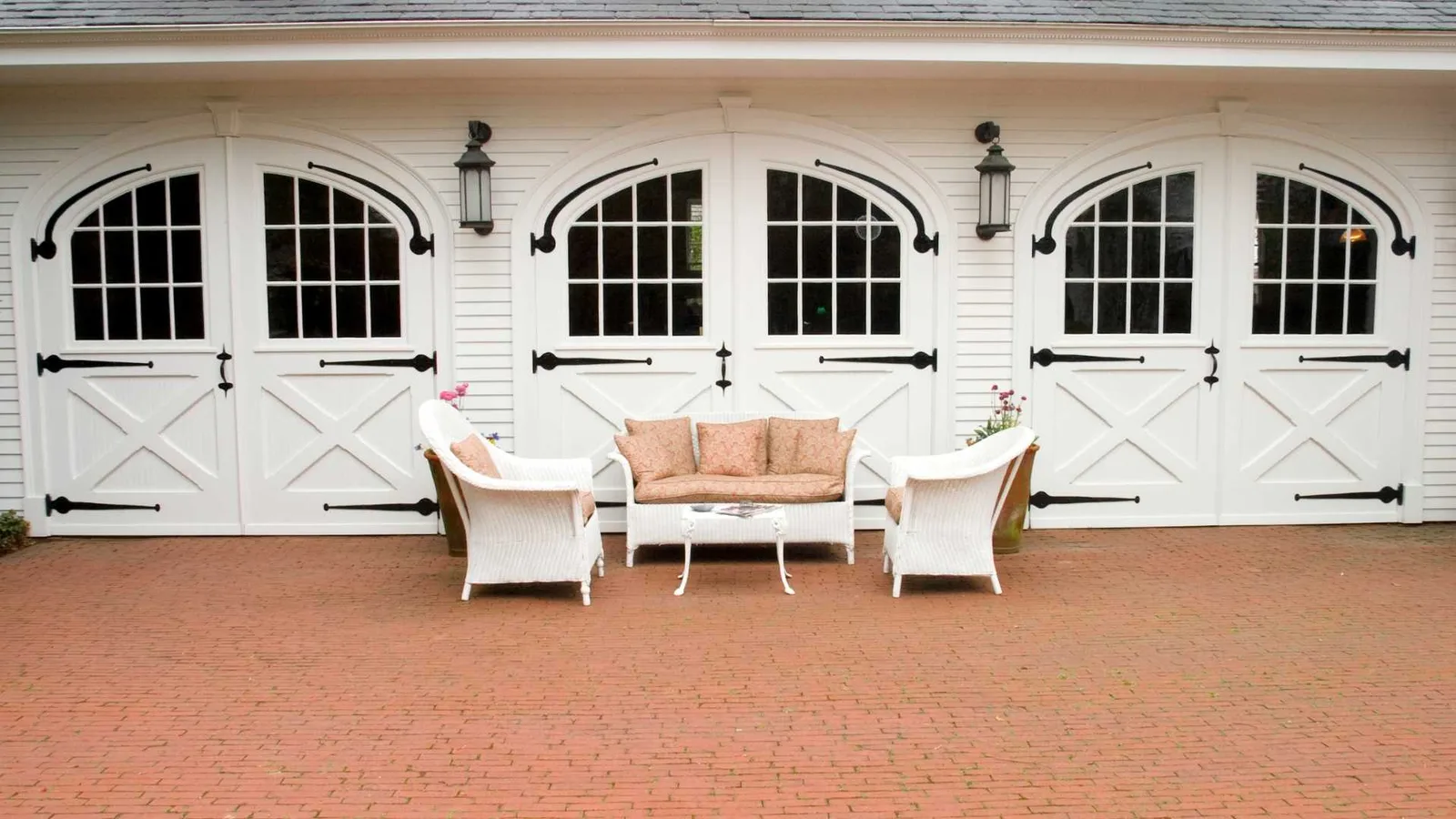
Carriage houses evoke a sense of charm and nostalgia, reminding us of a time when horses and carriages were common in our neighborhoods. These unique structures, often perched behind larger homes, were initially designed to store horse-drawn vehicles and provide living quarters for staff. Today, they are versatile spaces that can transform into stylish guest houses, studios, or cozy homes.
Exploring the history and architecture of carriage houses allows us to appreciate the craftsmanship that went into these buildings. We’ll discover how they have evolved over the years and what makes them a sought-after feature in modern real estate. Their adaptable nature means they can fit seamlessly into various architectural styles, adding character and functionality to our properties.
Join us as we dive deeper into the world of carriage houses, uncovering creative ideas for their use and how they can enhance our living spaces. Whether we’re looking to renovate, build from scratch, or simply dream about the possibilities, carriage houses present a fascinating opportunity for enhancing our homes.
History of Carriage Houses
Carriage houses have a rich history rooted in transportation and architecture. They evolved with societal changes, reflecting various cultural and functional aspects worldwide.
Origin and Evolution
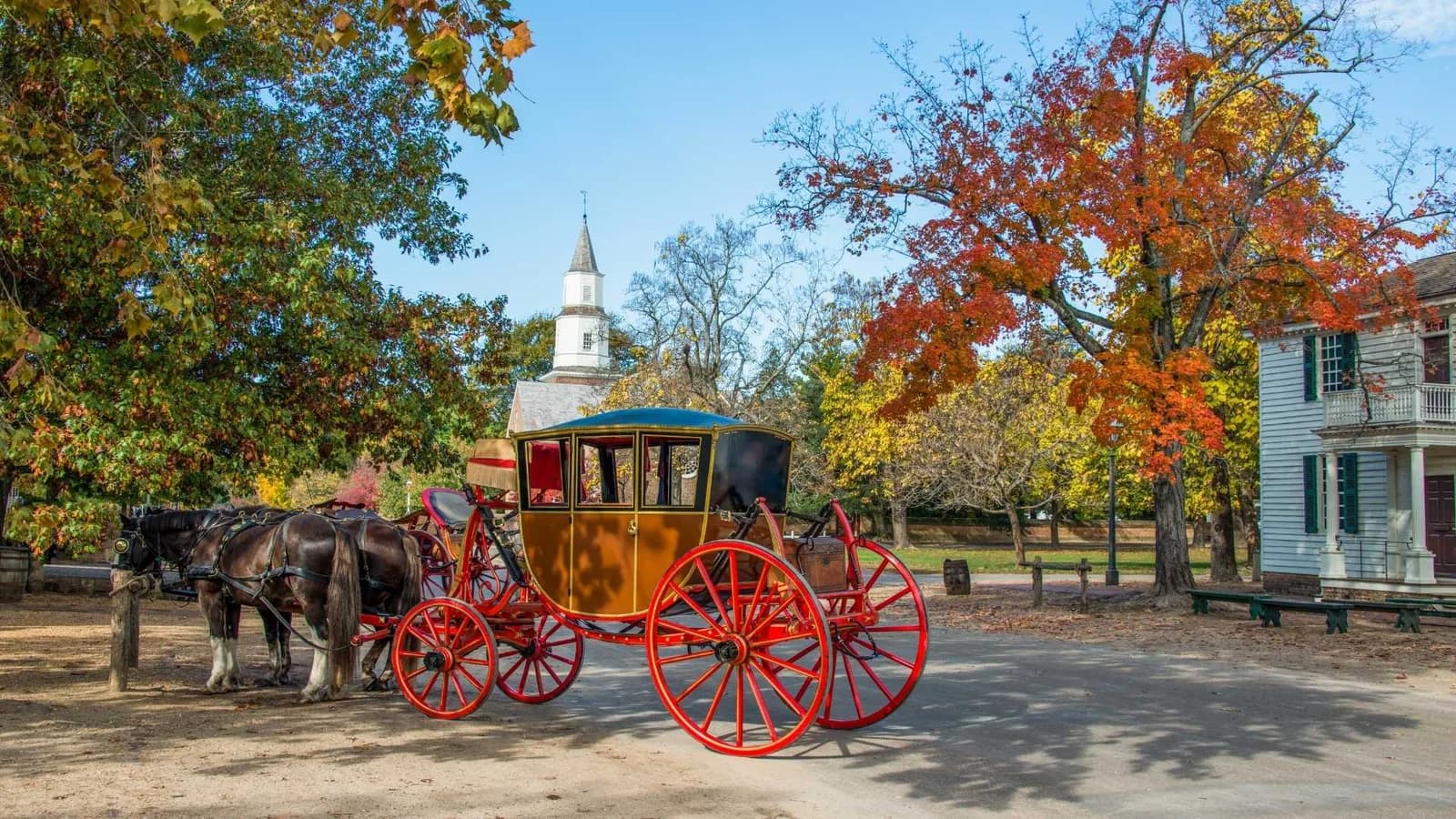
Carriage houses originated in the 19th century, primarily in the United States and Europe. Their primary function was to shelter horse-drawn carriages, horses, and related equipment.
As urbanization increased, these structures evolved. We began to see adaptations in design; some became more decorative, often featuring large doors and stylish windows.
With the advent of the automobile in the early 20th century, carriage houses transitioned to accommodate cars. This shift largely influenced their architectural design, leading to spacious interiors suited for contemporary vehicles.
Historical Significance
The significance of carriage houses extends beyond mere storage. They represented wealth and social status in the areas where they were built. Families often constructed elaborate carriage houses to showcase their affluence.
Additionally, they played a crucial role in their owners’ daily lives. Carriage houses often contained workshops and service areas to maintain carriages and horses, becoming vital functional spaces on estates.
Preserving these structures today helps us understand historical lifestyle patterns and the evolution of transportation methods over time.
Global Variations
Carriage houses vary greatly around the world, adapting to local climates and cultural nuances. In North America, large, multi-story structures are often converted into guest cottages or studios.
In contrast, European carriage houses tend to be more compact. They frequently incorporate living spaces for stablehands and caretakers.
In Asia, variations might include traditional designs that reflect local architectural styles, often featuring intricate woodwork and thatched roofs. These differences highlight how carriage houses served specific community needs while remaining functional and aesthetically pleasing.
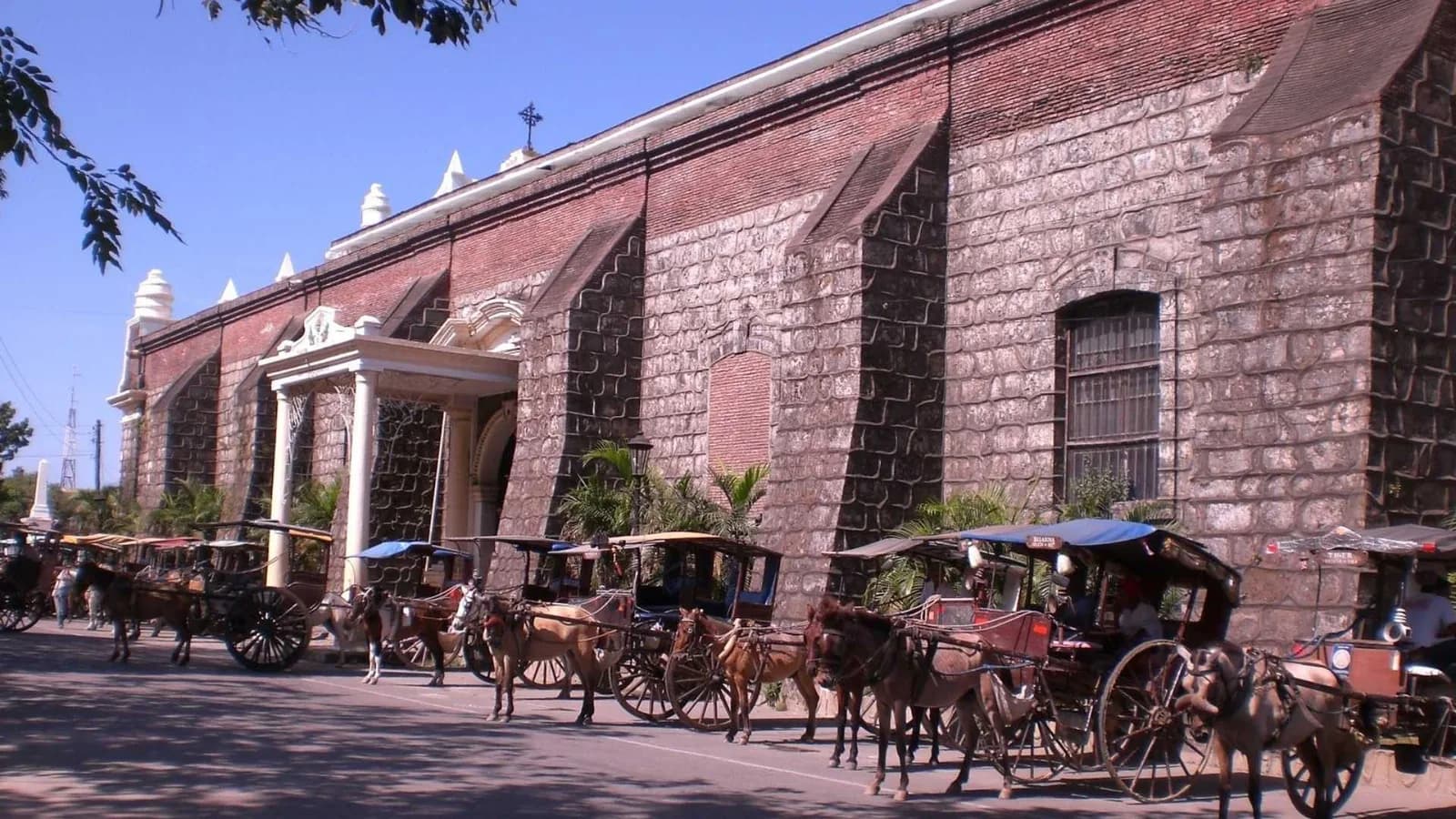
Carriage House: Architecture and Design
Carriage houses exhibit a unique blend of functional and aesthetic features that reflect their historical significance. Their architecture and design include distinct features, materials, and thoughtful landscaping to enhance their charm.
Typical Features
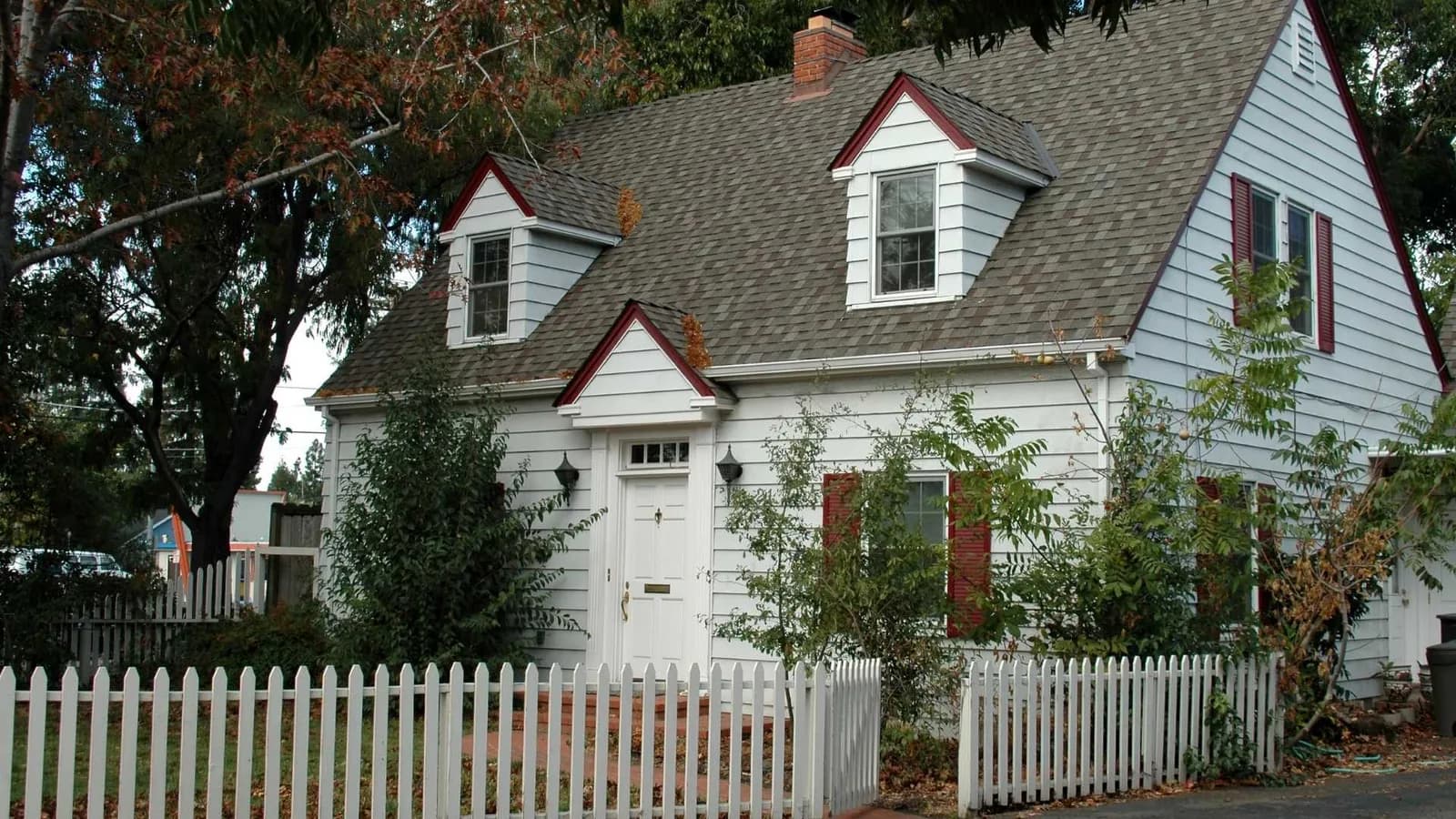
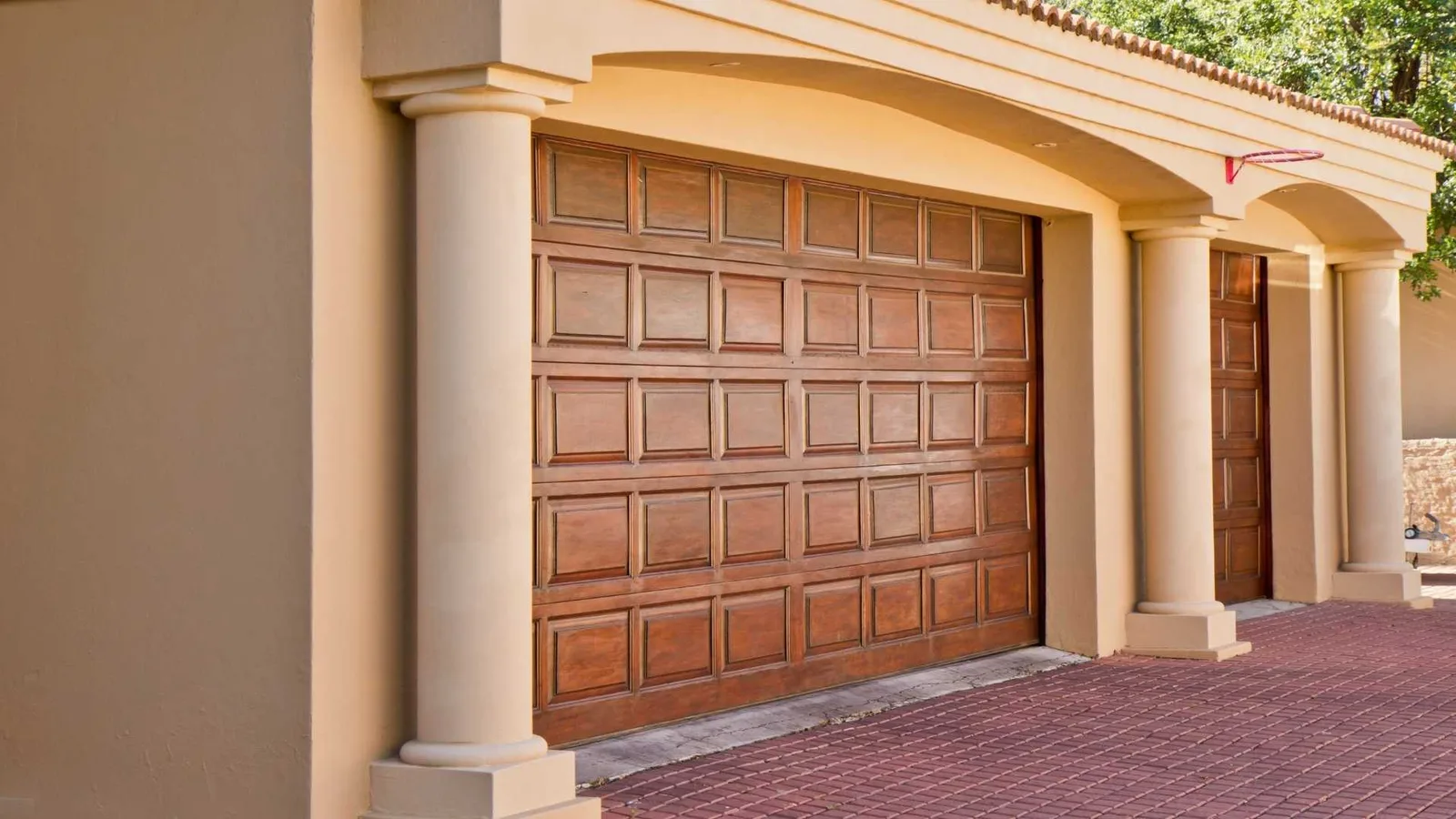
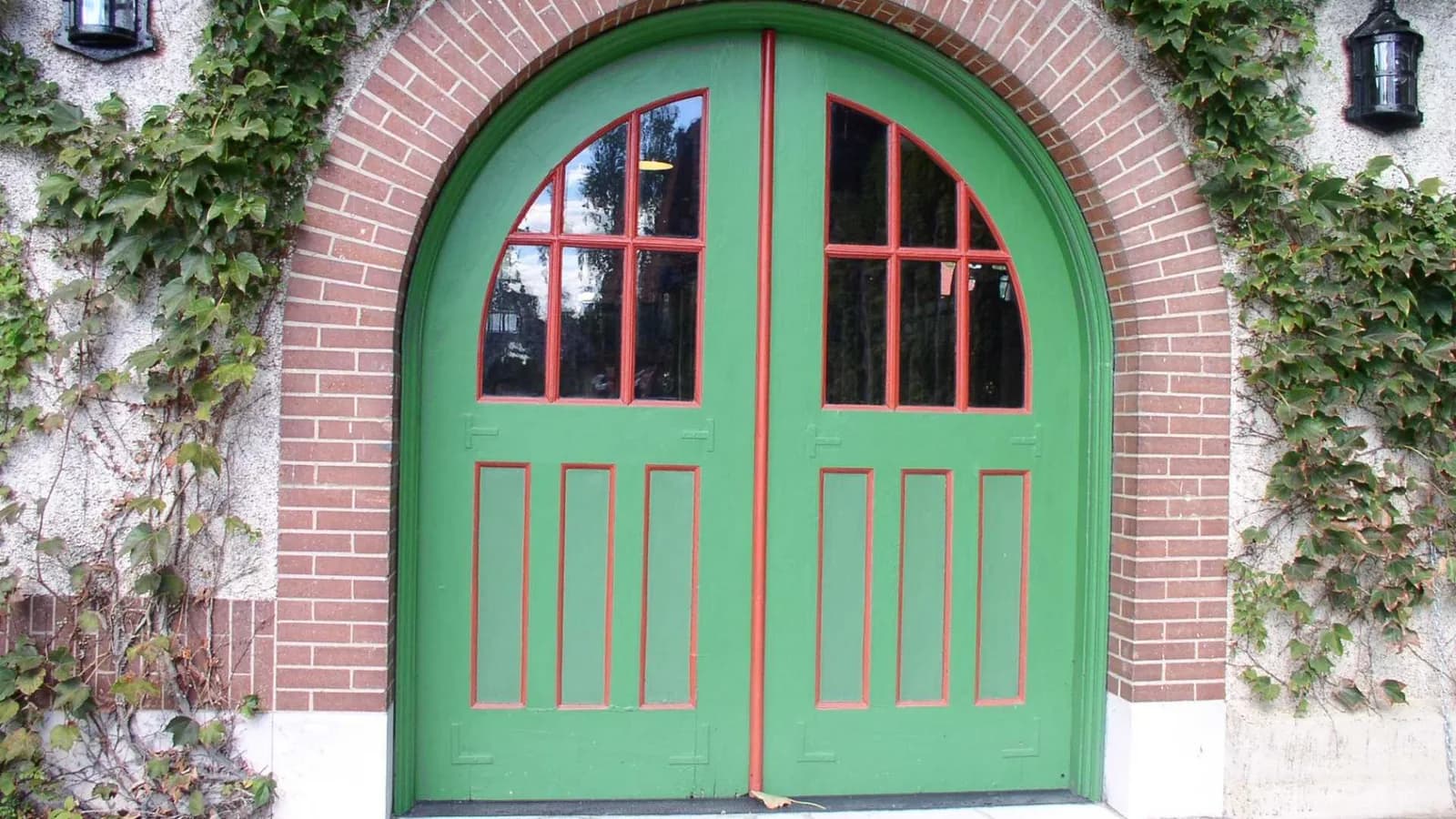
Carriage houses typically have a combination of large doors for vehicle access and smaller entryways for foot traffic. They often have asymmetrical facades, with gables and dormers that add character.
The floor plans can vary, but many incorporate open layouts with ample storage space for tools and equipment. Inside, you might find exposed beams and high ceilings, contributing to a spacious feel.
Additionally, windows are prominent and designed to allow natural light while maintaining privacy. Decorative elements like shutters and gabled roofs often highlight a carriage house’s charm.
Materials Used
The materials we choose for carriage houses often reflect local traditions and available resources. Commonly used materials include wood, stone, and traditional brick.
Wood provides a warm, inviting look, while stone adds durability and a rustic feel. Depending on the desired aesthetic, we might opt for reclaimed materials that tell their own story.
Furthermore, metal accents—like wrought iron or steel—are frequently incorporated for structural support or decorative purposes. These materials complement the overall design while ensuring longevity, which is essential for any structure.
Landscaping Considerations
Landscaping plays an essential role in enhancing the appeal of carriage houses. We often design gardens that frame the building, using a mix of evergreen shrubs and seasonal flowers to maintain visual interest throughout the year.
Pathways made of natural stone or gravel lead to the entrance, creating a welcoming approach and integrating the house with its surroundings.
Incorporating trees not only provides shade but also adds vertical interest. Utilizing native plants can further promote sustainability, reducing the need for excessive water or maintenance.
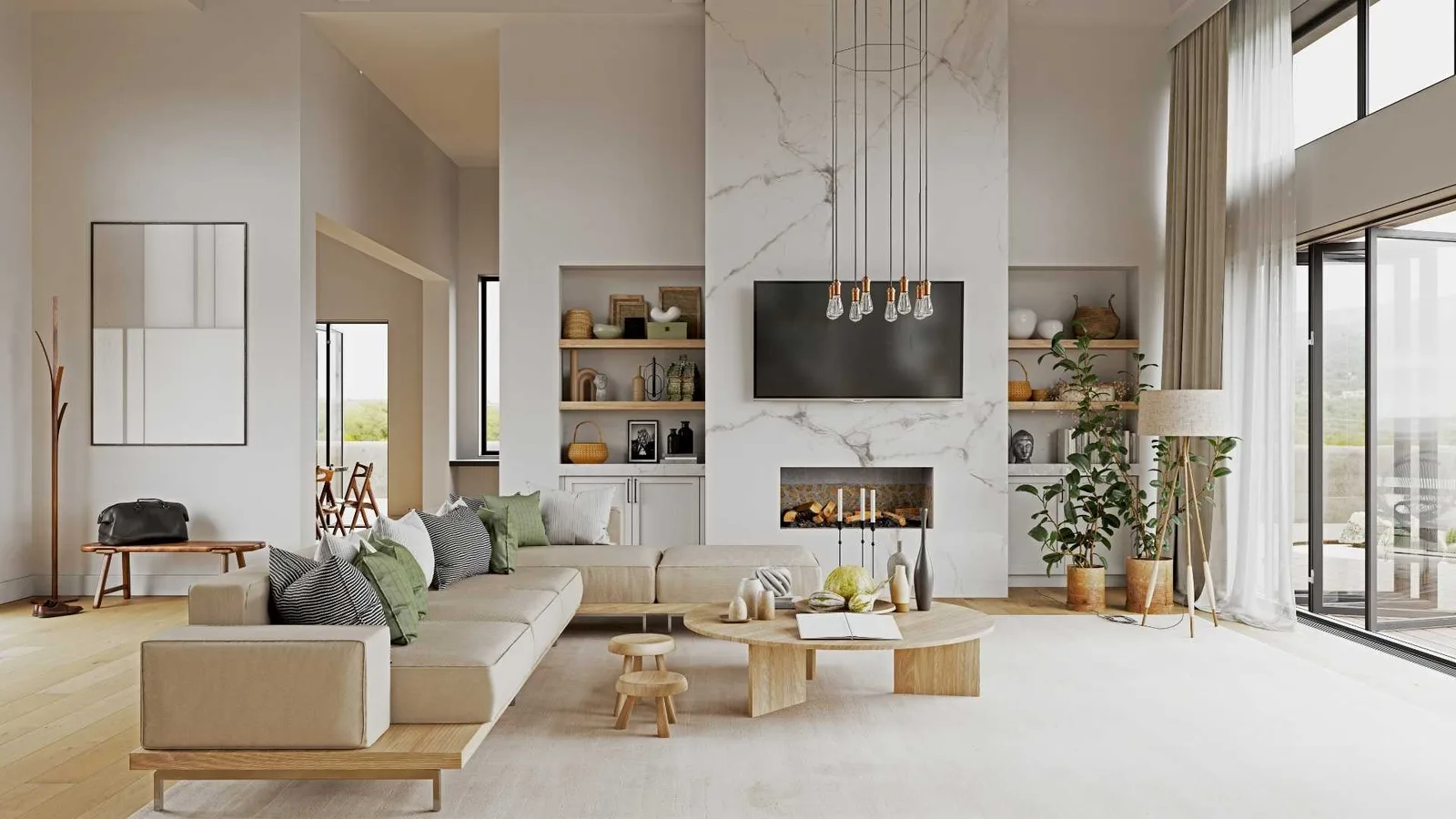
Modern Adaptations
Carriage houses have evolved to meet contemporary needs while preserving their historic charm. We explore how these structures are converted, repurposed, and maintained in today’s world.
Carriage House Conversions
Many carriage houses are now converted into residential spaces. This process involves updating the interior while maintaining key architectural features like exposed beams and brick facades.
Key considerations in conversions:
- Zoning regulations: We need to check local laws regarding residential use.
- Structural integrity: Ensuring the building is safe and up to code is essential.
- Design balance: Blending modern amenities with historical aesthetics is crucial for appeal and value.
These conversions can result in unique homes that blend history with modern convenience.
Contemporary Uses
In addition to residential purposes, carriage houses serve various modern functions. They are often used as:
- Art studios
- Home offices
- Guest accommodations
The spacious layouts lend themselves well to creativity and flexibility. We can appreciate how these multifunctional spaces cater to lifestyle changes, such as remote working or artistic pursuits.
Utilizing carriage houses in this way often enhances property value and adds unique character to neighborhoods.
Preservation and Renovation
Renovating carriage houses requires a thoughtful approach to preservation. We should strive to keep original elements like doors and windows intact while ensuring the structure meets contemporary standards.
Important preservation techniques include:
- Restoring original materials: We use reclaimed wood and bricks when possible.
- Energy efficiency upgrades: Implementing solar panels or insulation ensures the building is sustainable.
By prioritizing both preservation and modernization, we can maintain carriage houses’ charm while ensuring they serve practical purposes in our communities.
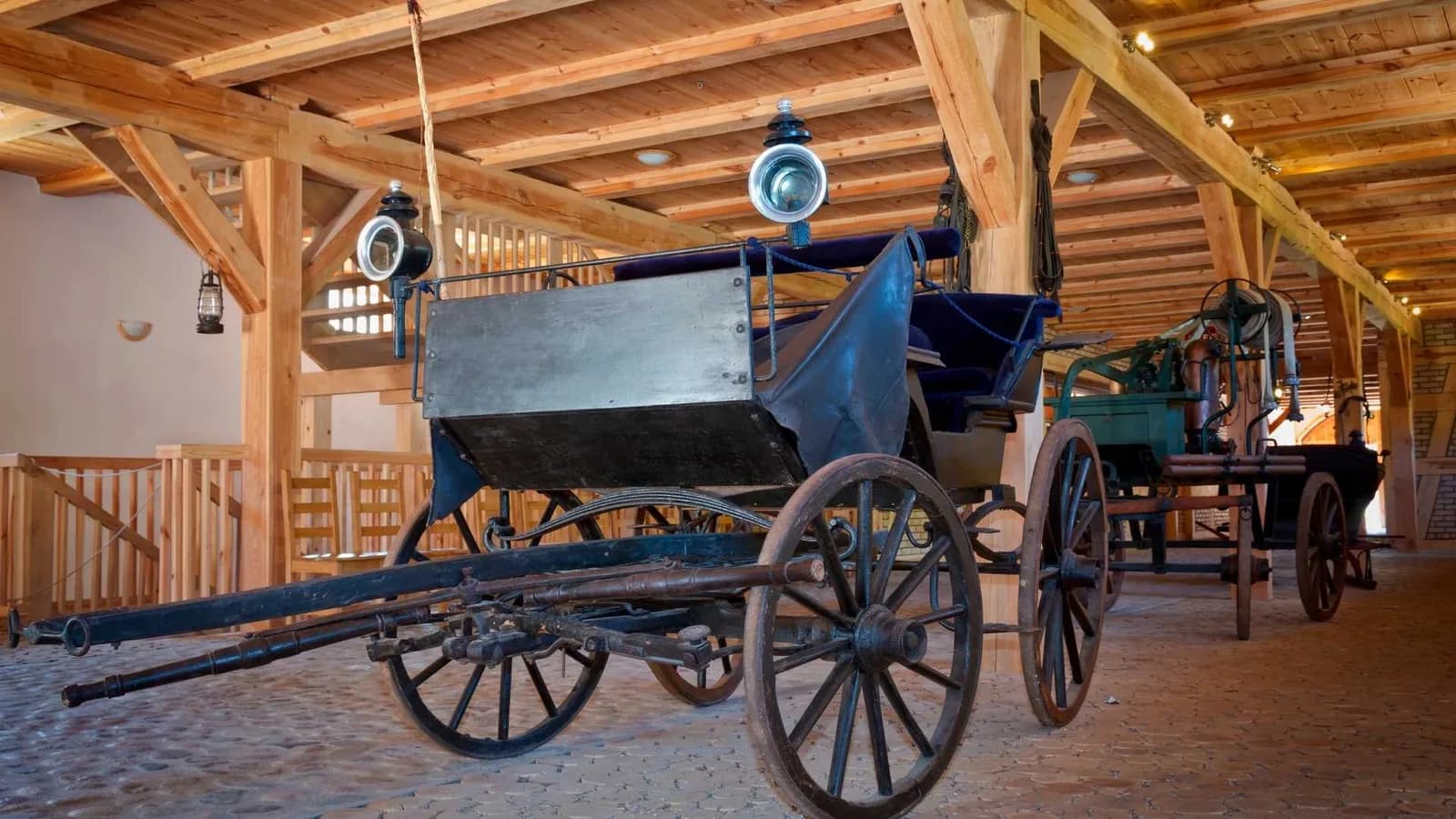
Functionality and Purpose
Carriage houses originally served practical roles in their owners’ lives. Today, they have evolved, reflecting both their historical significance and modern versatility.
Traditional Uses
In the past, carriage houses primarily functioned as storage spaces for horse-drawn carriages and related equipment. These structures were often located near the main residence, allowing for easy access.
Typically, they included separate stalls for horses, which were essential for daily transportation.
Key features of traditional carriage houses:
- Stalls: Individual spaces for each horse.
- Storage Areas: Room for carriages, saddles, and harnesses.
- Workshops: Spaces for maintenance and repairs.
Carriage houses were crucial in supporting the lifestyle of those who relied on horses for travel and work.
Modern-Day Function
Today, carriage houses are repurposed for various uses. Many homeowners transform these spaces into guesthouses, studios, or even home offices.
Popular modern functions include:
- Guest Accommodations: Offering privacy and comfort for visitors.
- Creative Spaces: Art or music studios that inspire creativity.
- Home Offices: Providing a quiet area to work.
We appreciate carriage houses’ charm and historical context while adapting them to our current needs. This flexibility enhances both the functionality and character of our properties.
Legal and Zoning Considerations
When considering a carriage house, it’s essential to understand the legal and zoning aspects involved. We must know permits, restrictions, and local building codes to ensure compliance and avoid potential issues.
Permits and Restrictions
Before starting any construction, we must check the local regulations regarding carriage houses. Many municipalities require specific permits for building or modifying structures.
These permits may include:
- Building permits : Necessary for any new construction.
- Zoning permits : Ensuring compliance with local zoning laws.
- Historic preservation permits : Required if the property is within a historically significant area.
It’s also crucial to be aware of any restrictions tied to the property, such as:
- Setback requirements : Determining how far the structure must be from property lines.
- Height restrictions : Limiting how tall the building can be.
Understanding these factors helps us plan effectively and stay within legal boundaries.
Building Codes
Building codes play a significant role in the construction of carriage houses. These codes establish safety standards for construction materials, electrical systems, plumbing, etc.
In our planning, we should pay special attention to:
- Structural integrity : Ensuring the building can withstand environmental pressures.
- Fire safety regulations : Implementing measures like firewalls and smoke detectors.
- Energy efficiency standards : Complying with local energy codes.
Working with local building officials can help us navigate these requirements and secure the necessary inspections. This process ensures our carriage house meets safety standards and is a secure addition to our property.
Economic Aspects
Exploring the economic aspects of a carriage house reveals its influence on property value and the associated maintenance costs. Understanding these components can help us make informed decisions about such investments.
Property Value Impact
Carriage houses can significantly impact property values. Often considered unique and desirable, they add character and increase market appeal. According to recent studies, properties with carriage houses can see a value increase of anywhere from 10% to 30%.
Factors contributing to this increase include:
- Historical Appeal : Many buyers seek out properties with architectural significance.
- Versatility : These structures can serve multiple purposes, such as guest accommodations or rental units.
In many real estate markets, a carriage house can make a property stand out, attracting more potential buyers and allowing for higher pricing.
Cost of Maintenance
Maintaining a carriage house requires consideration of various factors. The costs can vary widely based on condition, size, and intended use.
Key expenses include:
- Routine Repairs : We should anticipate costs for roof maintenance, plumbing, and electrical systems.
- Upgrades : Bringing older structures up to current standards can lead to additional expenses.
Budgeting for these costs is essential, as they can affect our overall investment. Regular inspections and upkeep can help manage long-term expenses, making them worthwhile considerations for any property owner.
Carriage House Lifestyle
Living in a carriage house offers a unique blend of community, character, and sustainable living. This lifestyle often emphasizes strong connections with neighbors and a commitment to smaller, eco-friendly living spaces.
Community and Neighborhood
Carriage houses are often nestled in vibrant neighborhoods filled with history and charm. These areas foster a sense of belonging among residents.
Many of these homes are located in walkable neighborhoods, where local markets and cafes are just a stroll away. This accessibility supports local businesses and encourages us to engage more with our surroundings.
Community events are common in these areas, allowing us to meet neighbors and build lasting friendships. Living in close quarters can cultivate a supportive network, enriching our daily lives.
Living Small and Sustainable
Choosing a carriage house often leads us toward a lifestyle that embraces minimalism and sustainability. These homes are typically smaller than traditional houses, encouraging us to simplify and prioritize what truly matters.
In these compact spaces, we can more easily adopt eco-friendly practices. For example, utilizing energy-efficient appliances, solar panels, and rainwater collection systems can significantly reduce our ecological footprint.
Additionally, many carriage houses integrate organic gardens or outdoor spaces that promote self-sufficiency. Cultivating our own vegetables or herbs enhances our meals and connects us to nature.
This lifestyle aligns with our values of sustainability, making it easier to enjoy life while being mindful of our environmental impact.
Case Studies and Notable Examples
Exploring carriage houses can reveal fascinating stories and unique designs. Here are a few notable examples.
- The Bush House (New York): Originally built in the 1800s, this carriage house showcases Gothic revival architecture. It was converted into a modern home, maintaining original doors and brickwork.
- The Peabody Estate (New Jersey): This stunning example features a large carriage house turned into a guest suite. It highlights reclaimed wood and vintage finishes, blending historical charm with comfort.
- The McDonald Residence (California): This property includes a carriage house that now serves as a home office. Their design emphasizes sustainability, using solar panels and rainwater collection.
- The Archibald Carriage House (Massachusetts): Located in an urban environment, it has been transformed into trendy lofts. It incorporates modern amenities while keeping classical architectural elements.
These examples demonstrate the versatility of carriage houses. They can serve various functions, from guest suites to home offices, while preserving historical significance. We appreciate how each project reflects a blend of creativity and respect for history.
Future Trends in Carriage Houses
As we look ahead, carriage houses are evolving to meet contemporary needs. Adaptive reuse is becoming popular, allowing us to transform these spaces into versatile living, working, or recreational areas.
Sustainability is another key focus. We can expect to see more eco-friendly materials and energy-efficient designs incorporated into carriage house renovations. This approach benefits the environment and can reduce long-term costs.
Smart home technology will also play a significant role in the future of carriage houses. We can enhance our comfort and safety with innovative solutions, from smart lighting to automated security systems.
Community engagement is a growing trend, too. Many of us are exploring ways to share these spaces with neighbors for events or co-working opportunities, which fosters a sense of belonging and connection.
Lastly, the aesthetic of carriage houses will continue to blend traditional and modern influences. Interior designs will reflect personal styles, merging the charm of historical elements with contemporary conveniences.
As we embrace these trends, carriage houses will remain relevant and functional. This blend of old and new keeps our spaces exciting and adaptable to our ever-changing lifestyles.
Don't have a carriage house?
Let us build you one!
Choose from one of the 500+ pre-designed ADU plans
Type in your address to view unit on the map of your property
Review preliminary estimate of your selected ADU
P.S. This service is complementary, no credit card required. However email login is required.
Common questions about carriage houses
Properties with a carriage house can see a value increase of roughly 10% to 30%. Buyers are drawn to the historical appeal and the versatility of a structure that can work as a guest suite or a rental unit.
Most municipalities require building permits for new construction and zoning permits to confirm residential use is allowed. If the property sits in a historically significant area, you may also need a historic preservation permit before any work begins.
Start by checking zoning regulations and confirming the structure is sound and up to code. From there it's about balancing modern plumbing, electrical, and insulation with original features like exposed beams and brick facades.
Wood, stone, and brick are the most common, often reflecting local traditions and available resources. Metal accents like wrought iron or steel are frequently added for structural support or decorative detail.
Yes. It needs to meet local zoning laws and building codes first, and you can add a separate entrance and amenities to give renters their own privacy.
Setback requirements dictate how far the structure must sit from your property lines, and height restrictions cap how tall it can be. Both vary by municipality, so check local rules before finalizing your design.
Costs depend on the building's condition, size, and use. Budget for routine repairs to the roof, plumbing, and electrical, plus upgrades to bring an older structure up to current standards. Regular inspections help keep long-term expenses in check.
Would you like to see our design portfolio of projects that include a garage?