
The housing landscape in the United States is rapidly evolving. Faced with a housing crisis, high housing costs, and housing shortages, homeowners and city planners alike are turning to innovative solutions.
One of the most promising is the Backyard ADU, also known as an Accessory Dwelling Unit. This comprehensive guide will explore everything you need to know about backyard homes, from the basics to the intricacies of building one and the exciting possibilities they offer.
An Accessory Dwelling Unit (ADU) is a smaller, independent residential dwelling unit on the same lot as a primary residence (your main house). Think of it as a secondary housing unit – a complete, self-contained living space within your existing property. Backyard ADUs specifically refer to ADUs situated in the backyard space of a single-family lot.
These units go by many names, reflecting their diverse forms and functions. You might hear them called:
* Tiny Homes: Although often associated, not all ADUs are “tiny,” but the principle of efficient, small spaces design is often embraced.
* Granny Flats: Referencing their common use as housing for elderly parents or relatives.
* In-Law Suites: Similar to granny flats, highlighting their suitability for family members.
* Guest House: Perfect for hosting visitors and providing their own space.
* Backyard Cottage: Evoking a charming, self-contained dwelling.
* Carriage House: Traditionally, a building above a garage, now often referring to any detached ADU.
* Backyard Studios: Ideal for artists and writers or as a dedicated home office.
* Rental Unit: Highlighting the potential for generating rental income.
The biggest difference between an ADU and a simple room addition is that an ADU functions as a completely independent living space, with its own kitchen, bathroom, and sleeping area, often a separate entrance.
They are often built on small footprints.
The popularity of Backyard ADUs is soaring, and for good reason. They offer many benefits for homeowners, communities, and even the environment.
For the Homeowner:
* Additional Income: A backyard ADU can be a lucrative rental property, providing rental income and much-needed cash flow. This can help offset mortgage costs, fund retirement, or provide financial security. Even short-term rental options (where permitted by local regulations) can be a significant source of income. 30-day rental is a popular minimum.
* Increased Property Value: A well-designed and constructed ADU can significantly enhance property value. It adds usable square footage and versatility to your real estate, making it a more attractive investment.
* Flexible Living Arrangements: ADUs offer incredibly flexible living options. They can provide housing for adult children returning home and elderly relatives needing more effortless access to care or serve as a comfortable guest house for visiting family members.
* Home Office or Studio Space: An ADU can function perfectly as a dedicated home office, providing a quiet and separate workspace away from the distractions of the main home. It can also be a creative studio for artists, musicians, or hobbyists.
* Aging in Place: For elderly parents or property owners, an ADU can allow for aging in place, providing a comfortable and accessible living space close to family while maintaining independence.
For the Community:
* Addressing the Housing Crisis: ADUs provide a gentle way to increase housing density in existing neighborhoods, helping to alleviate housing shortages without dramatically altering the community’s character.
* More Affordable Housing Options: ADUs often offer more affordable housing options than traditional apartments or single-family homes, making them attractive to young adults, students, and those seeking less expensive small homes.
* Sustainable Living: ADUs typically have a small footprint, encouraging resource efficiency and minimizing environmental impact.
* Great options and creative ways to have a part of your home for many more common uses.
ADU types can vary widely, catering to different needs and site conditions. Here are some common configurations:
* Detached ADU: This is a completely separate structure from the primary dwelling, offering maximum privacy and independence. It is the classic “backyard cottage” or “carriage house” concept.
* Attached ADU: This is an addition to the main house, sharing a wall but maintaining a separate unit with its own entrance.
* Garage Conversion: Transforming an existing garage into a living space. This can be a cost-effective option, but it’s crucial to ensure the converted space meets all local regulations and building codes.
* Above-Garage ADU: Building a new living room and living space above an existing garage.
* Basement ADU: Converting an existing basement into a separate living unit.

Co-buyers will account for 27% of all U.S. home purchases.
ADU regulations allow to turn one single family property into three homes. Add SB9, and you can have four homes on one lot.
25% of homeowners are planning an addition.
Bought your home more than 5 years ago? ADU gets you extra space without raising taxes on your main house. ADU will add taxes on its value alone.
89% of homeowners want to age in place in their own homes.
ADU solves for loneliness (neighbors on the same lot) and maintenance (your ADU will be built better than the main house).

Minimal size of an accessory dwelling unit in California by law is 150 sf ft. We are able to fit a bathroom and small kitchenette into a 200 sf ft studio. The most expensive price per square foot.

This one bedroom one bathroom can be built with a flat roof or with a more traditional pitch roof depending on the wind and snow load in your location.

This two bedroom one bathroom ADU has a primary en suite bathroom and an additional bathroom with access from the living area. Best value for money.

This two bedroom two bathroom ADU has a primary en suite bathroom and an additional bathroom with access from the living area. The kitchen has an option to become a separate room for those who like to cook spicy food.
Before embarking on any ADU construction, it’s absolutely essential to understand your local regulations. ADU rules of many towns and cities vary significantly across the United States, and, to give you an example, even within one state of North Carolina, different jurisdictions (e.g., Wake County, City of Asheville) will have their own specific design standards and requirements.
Here’s what you need to investigate:
* Zoning Bylaws: Contact your local planning department to determine if ADUs are permitted in your residential districts. Some areas, particularly historic districts, may have restrictions or outright prohibitions.
* Land Use Regulations: Understand the rules regarding setbacks, lot coverage, height restrictions, and parking requirements.
* Building Codes: Ensure your ADU construction meets all applicable building codes for safety and habitability. This includes requirements for fire safety, ventilation, and structural integrity.
* Permitting Process: Understand the steps involved in obtaining the necessary building permits. This typically involves submitting detailed plans, undergoing inspections, and paying fees.
New zoning bylaws are frequently adopted to encourage ADU development, so it’s crucial to stay informed about the latest changes in your local jurisdiction.
Remember that local laws and ADU rules are crucial.
Building an ADU is a significant project; careful planning is key to a successful outcome. Here’s a general outline of the construction process:
1. Homeowner Plan and Feasibility Study: Determine your goals for the ADU, assess your budget, and evaluate the suitability of your property.
2. Design Path: Work with an architect or designer experienced in ADU design to create plans that meet your needs and comply with local regulations.
We will guide you on what backyard ADUs need to be comfortable for all ages. The style, traditional or contemporary, the colors – are all for you to choose from our curated selection of materials and vendors.


3. Financing: Explore financing options, such as home equity loans, construction loans, or even a reverse mortgage (for eligible homeowners).
4. Permitting: Obtain the necessary building permits from your local jurisdiction.
5. General Contractor Selection: Choose a reputable general contractor with experience in ADU construction.
6. Construction: The construction phase involves site preparation, foundation work, framing, roofing, plumbing, electrical work, interior finishing, and landscaping. It needs to be adapted to the location’s weather.
7. Inspections: Regular inspections by the local planning department will ensure the project meets code requirements.
8. Final Approval and Occupancy: Once all inspections are passed, you’ll receive a certificate of occupancy, and the ADU can be legally occupied.
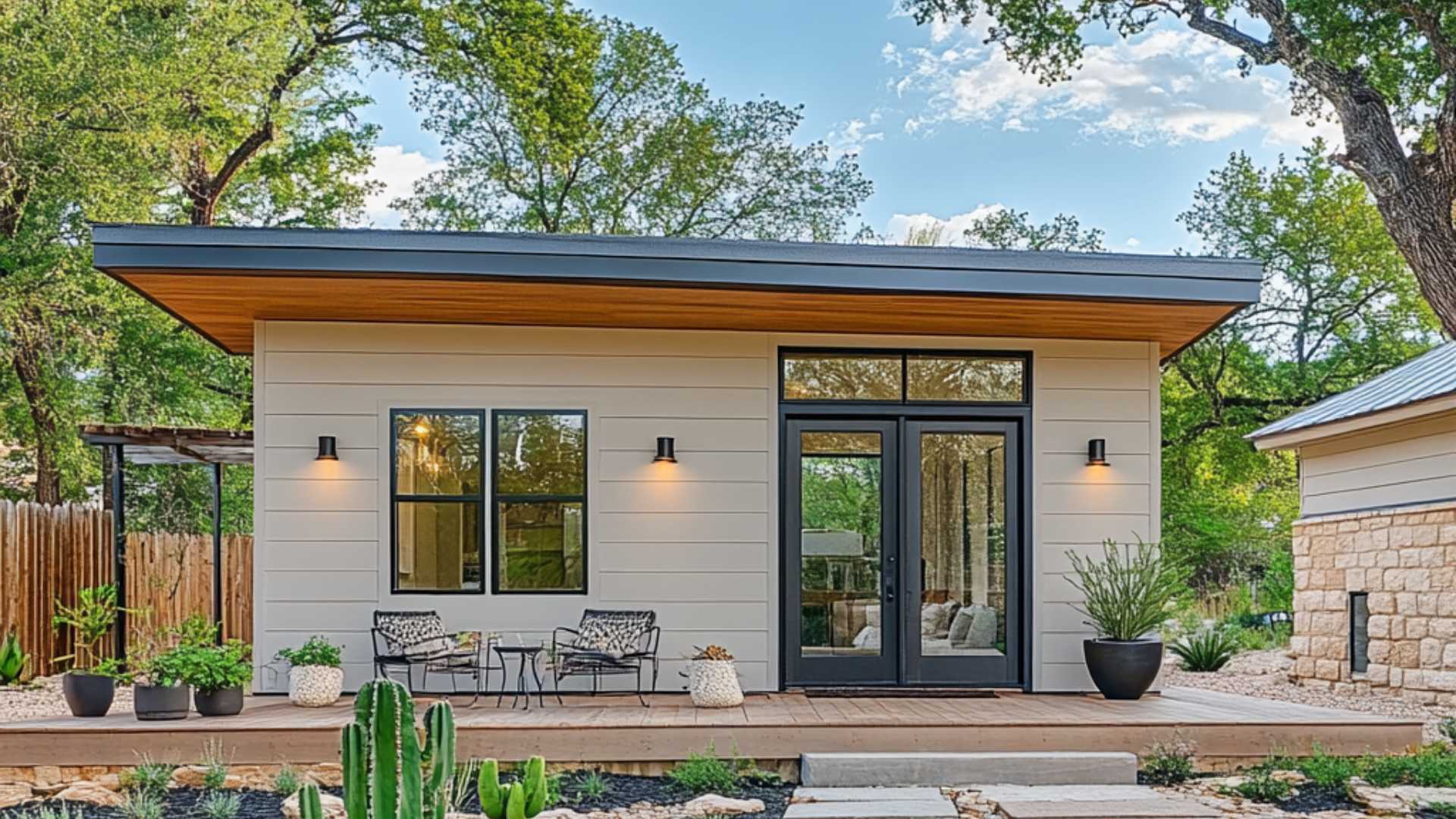
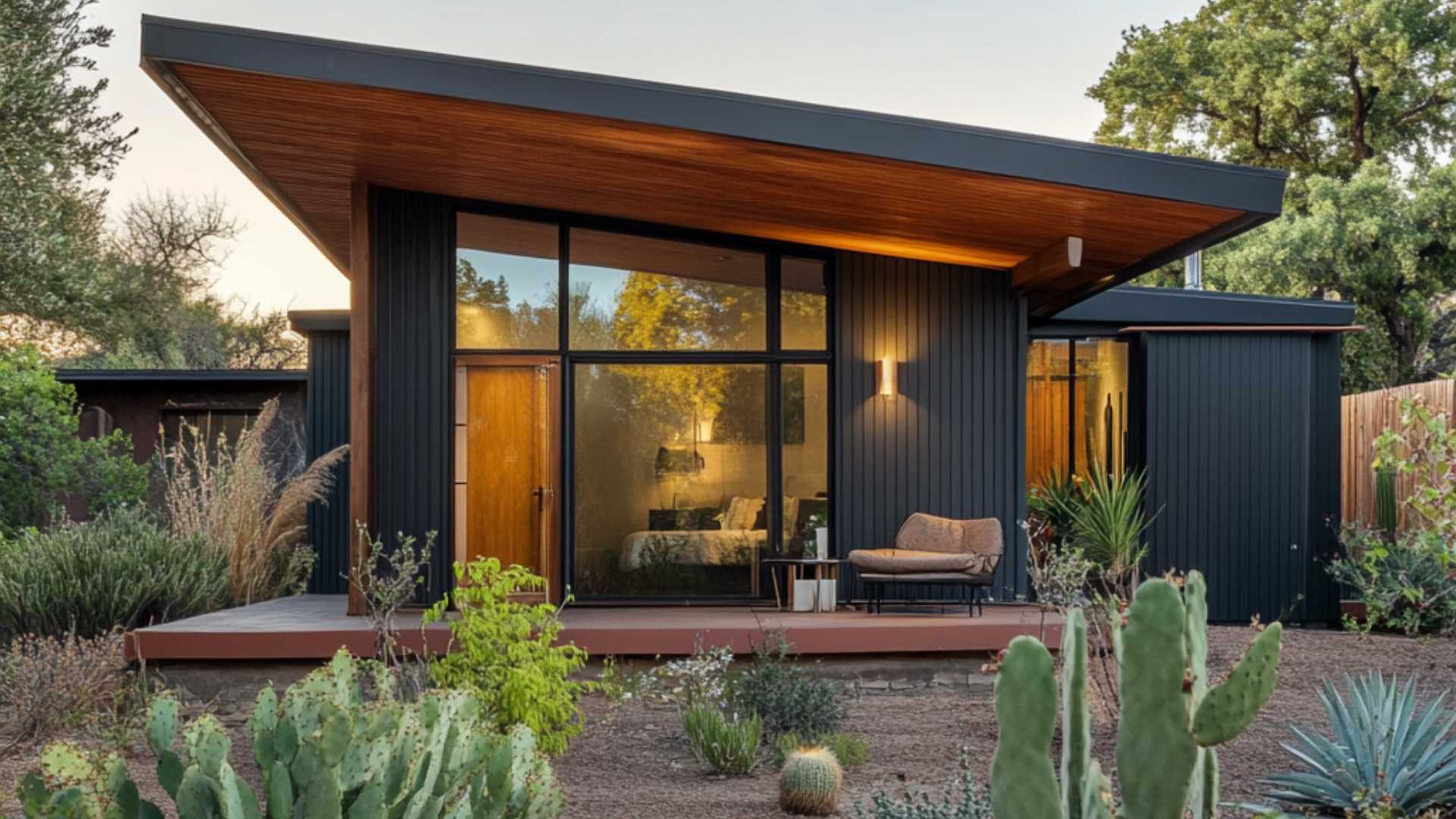
Prefab ADUs are gaining popularity as a faster and often more cost-effective alternative to traditional construction. These units are built off-site as a module or kit of parts in a factory and then transported and assembled on your property.
Benefits of Prefab ADUs:
* Faster Construction: The construction process is significantly quicker, often taking weeks instead of months.
* Reduced Labor Costs: Factory construction can be more efficient, lowering labor costs.
* Controlled Environment: Building in a factory minimizes delays due to weather and ensures consistent quality.
* Sustainable Practices: Many prefab manufacturers prioritize sustainable materials and construction methods.
* Innovative prefab solution: Some companies, like Studio Shed or Boxabl, specialize in backyard studios and offer factory tours.
Companies like PrefabADU and Samara specialize in prefab ADU construction, offering a range of models and some customization options. The Summit Series from Studio Shed, for example, provides various options for internal space and square footage.
More traditional solutions can help you on your personal design path.
The ADU cost can vary widely depending on factors such as:
* Size (Square Footage): Larger ADUs naturally cost more, while smaller ADUs cost more per square foot.
* Type of Construction: Detached ADUs are generally more expensive than garage conversions.
* Materials and Finishes: High-end materials and finishes will increase the cost.
* Location: Construction costs vary by region. For instance, building an ADU in San Diego might be more expensive than in other parts of the country and less expensive than building an ADU in San Francisco.
* Site Conditions: Difficult site conditions, such as sloping lots or limited access, can add to the cost.
* Permitting Fees: Local permitting fees can vary significantly. Remember to check for impact fees.
It’s essential to get detailed cost estimates from multiple contractors and factor in all potential expenses, including design fees, permit fees, and utility connections.
The biggest price increases are associated with the type of general contractor selected, site conditions, and size.
Backyard ADUs represent a great way to address many housing needs, offering many benefits for homeowners and communities. From providing additional income and flexible living arrangements to addressing the housing crisis, ADUs are a powerful tool for creating more sustainable, affordable, and adaptable living spaces.
With careful planning, a thorough understanding of local regulations, and the guidance of experienced professionals, you can unlock the perfect accessory dwelling unit potential of your backyard space and create a valuable asset to benefit for years to come.
We are open from Monday to Friday / 10:00 – 18:00
171 Main St , S.261
Los Altos 94022 CA USA
+1 (650) 316-8083
concierge@homewip.com