
Attached ADU or Detached ADU? A Quick Planning Guide.
Compare attached and detached ADUs in California: size caps, 4-foot setbacks, JADUs, costs, and the permit steps to plan your build.
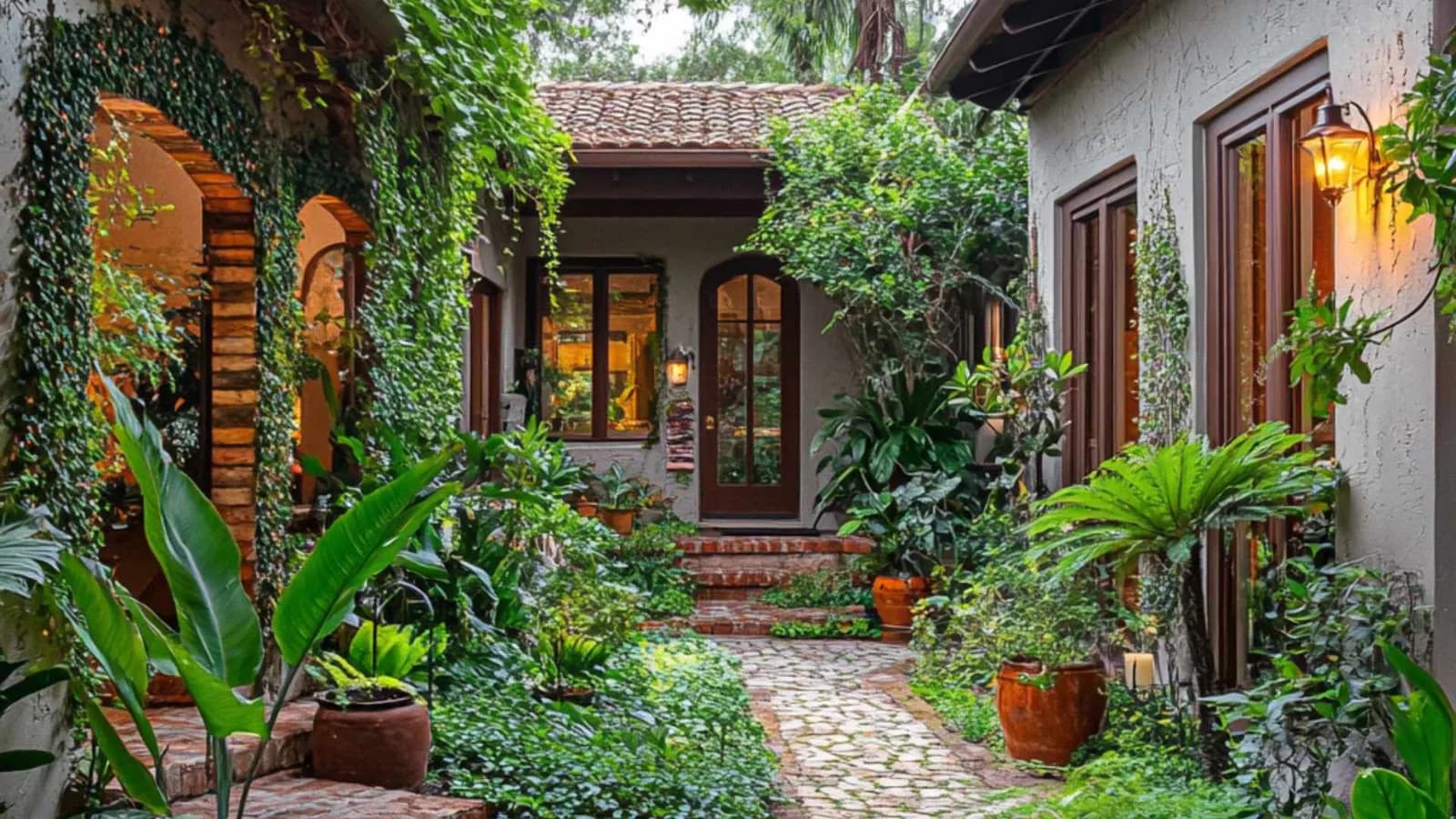
Attached ADUs vs. Detached ADUs: What is the Difference in California? Here is our comprehensive guide to planning your attached Accessory Dwelling Unit.
Planning on adding an accessory dwelling unit (ADU) to your property in California? You’re not alone! ADUs, also known as granny flats, in-law units, or secondary housing units, are becoming increasingly popular as a way to increase housing stock, provide housing for family members, or generate rental income. But before you embark on your ADU project, it’s crucial to understand the different types of ADUs available and which best suits your needs and property. This guide focuses on the key differences between attached ADUs and detached ADUs, helping you navigate the ADU process and make informed decisions.
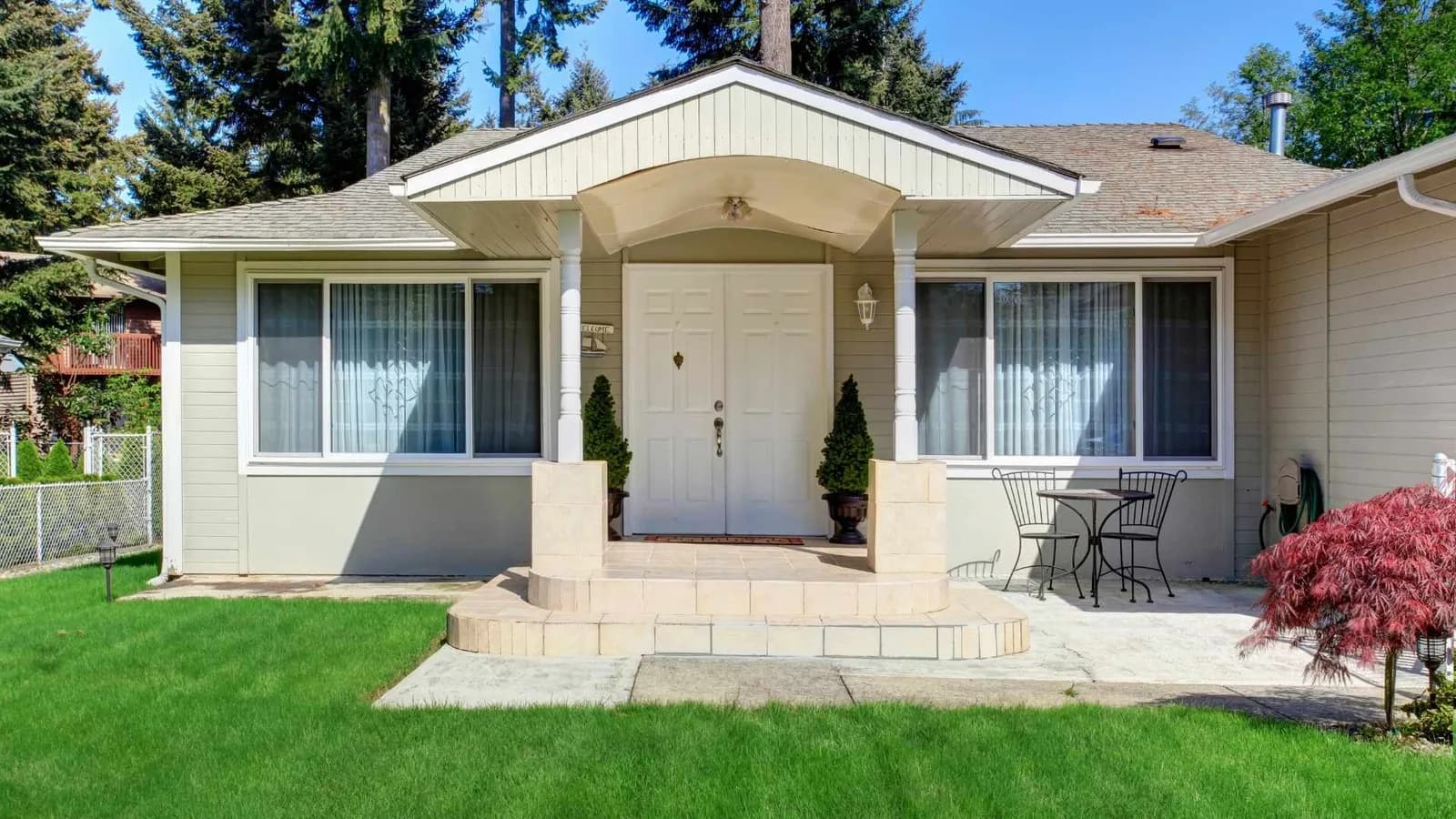
What is an Attached ADU?
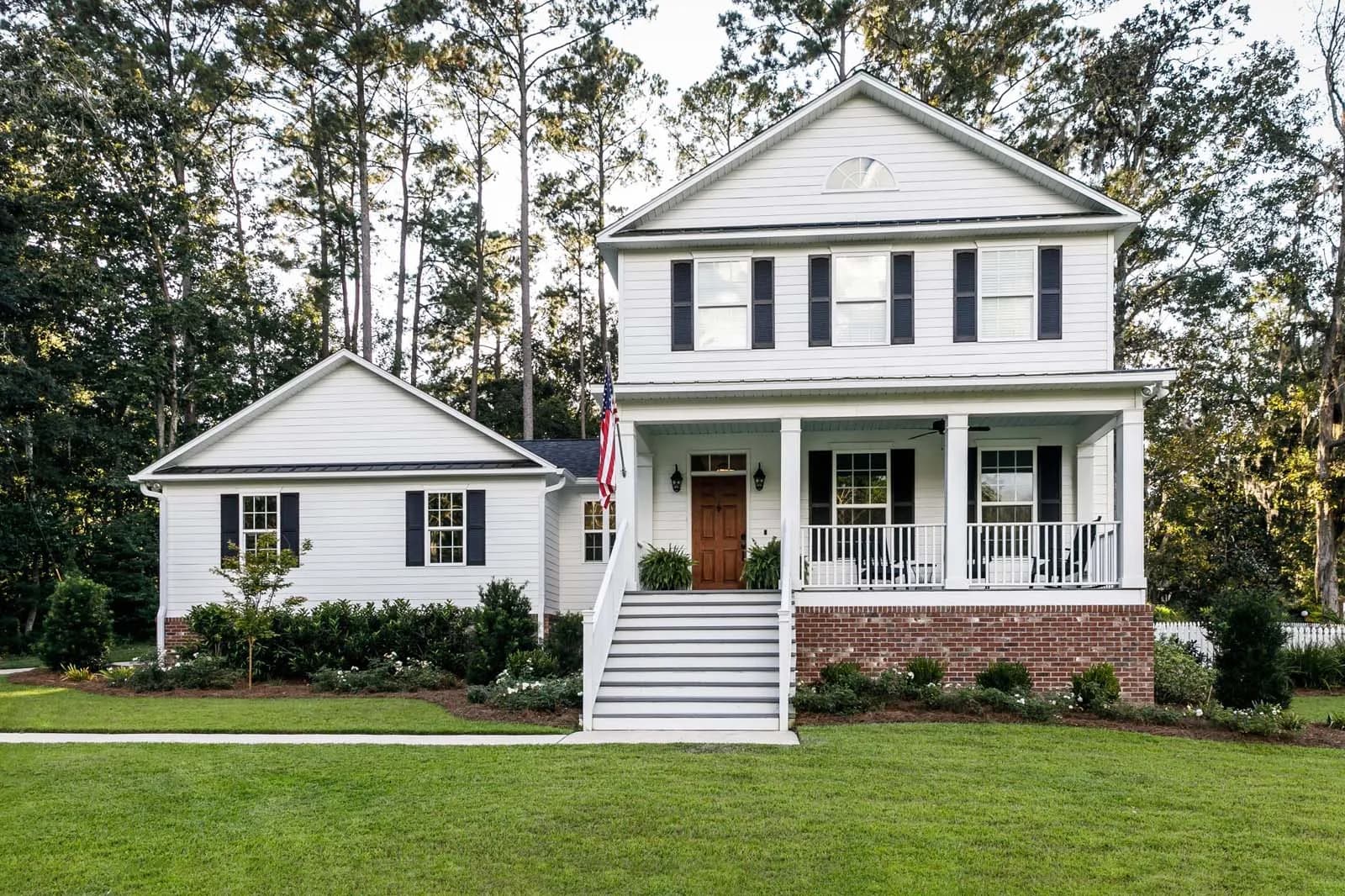
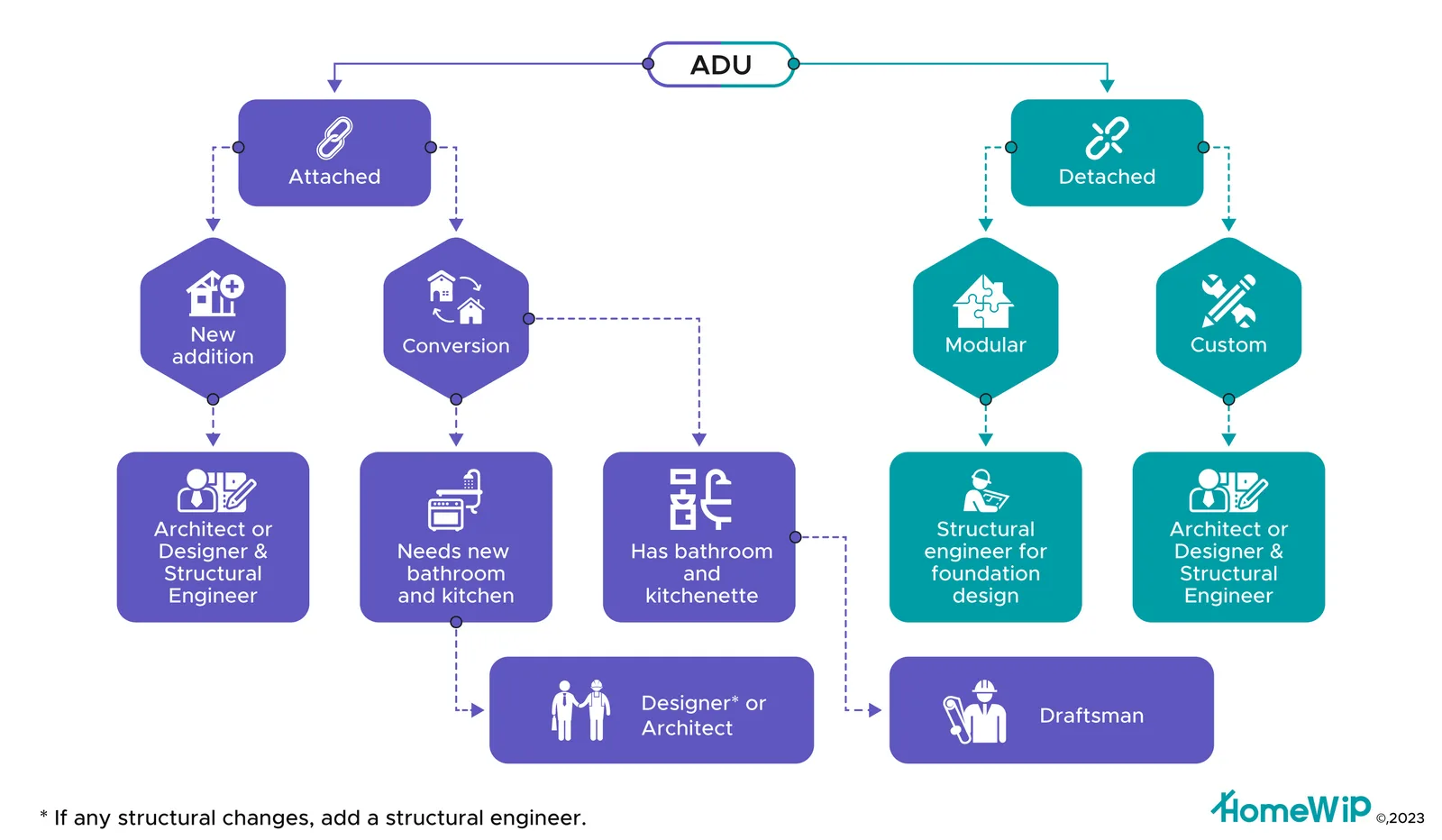
An attached ADU is a residential dwelling unit physically connected to the primary residence or accessory structure (a garage) on a single-family home lot. This connection can be through a shared wall, a shared roofline, or even an attached garage. The attached ADUs are an addition to the existing structure, adding to the overall footprint of the main home. A common example is an attached garage conversion, where the existing garage is transformed into a living space or a new addition connected to the house’s side or back.
Key features of attached ADUs:
* Shared Wall/Roofline: The defining characteristic is the physical connection to the main dwelling.
* Internal Access: It may have direct access from the primary dwelling (with a double-side lock) and must have a separate entrance.
* Size Limitations: State law and local regulations often dictate the maximum square footage or floor area allowed for an attached ADU, often expressed as a percentage of the primary home’s square feet. In California, attached ADUs cannot be larger than 50% of the main house.
* Setback requirements: California State law allows a minimum 4-foot setback for attached ADUs for side and rear property lines. Check your local regulations, your city requirements may be different.
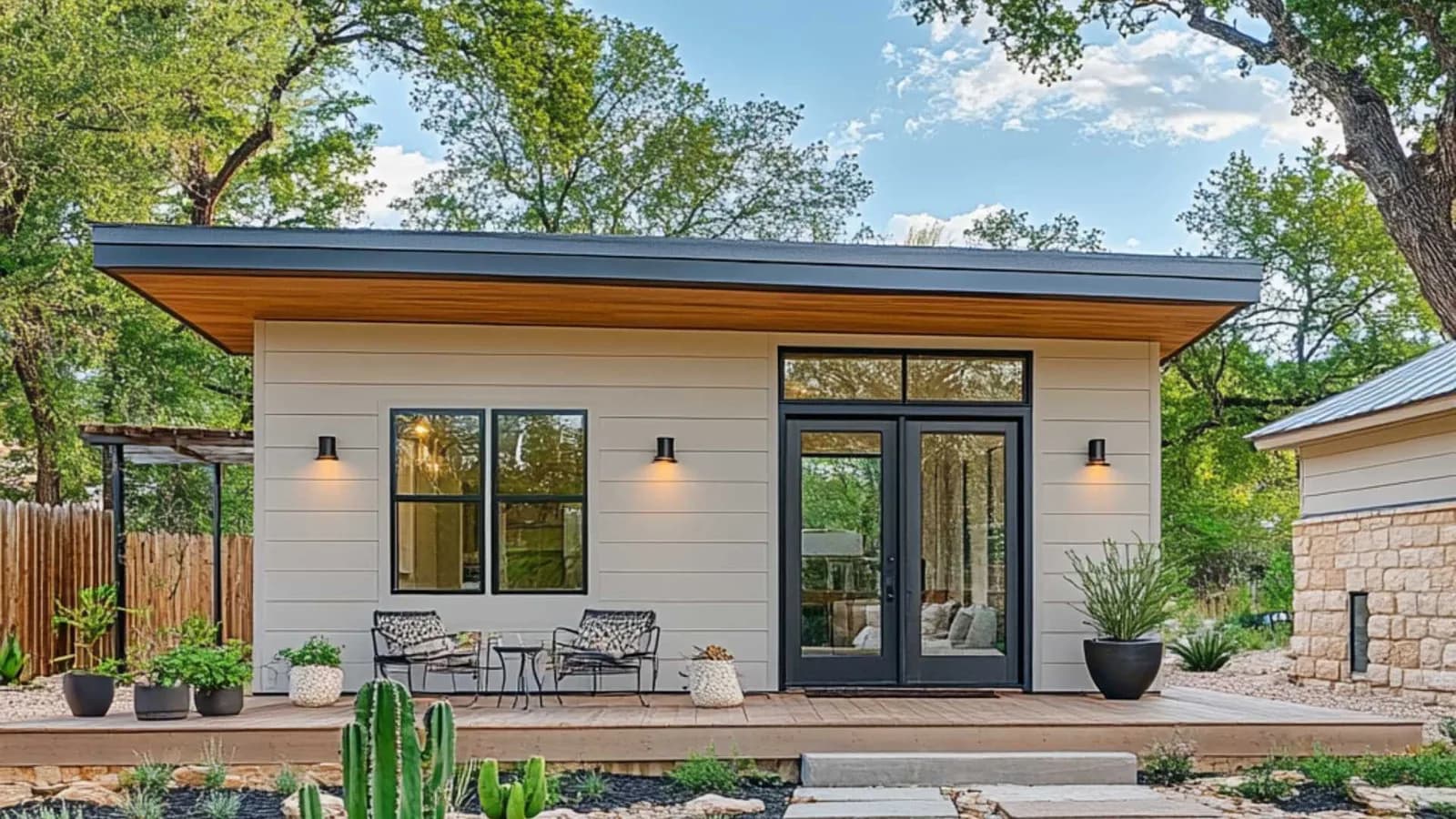
What is a Detached ADU?
As the name suggests, a detached ADU is a standalone unit entirely separate from the main residence. These are often called backyard cottages and represent a new structure built independently on the property. A detached ADU is a completely self-contained home with its own entrance, kitchen, bathroom, and living area.
Key Features of Detached ADUs:
* No Shared Walls: Completely independent from the main house.
* Separate Entrance: Always has its own separate entrance.
* Greater Design Flexibility: Generally offers more freedom in terms of architectural design and floor plan.
* Potentially Larger Size: Local jurisdictions may allow for larger square footage for detached units compared to attached ones, though still subject to development standards.
* Setback requirements: For side and rear property lines, state law allows a minimum 4-foot setback for detached ADUs.

Attached ADU vs. Detached ADU: Key Differences
Connection to main house. Entrance. Design flexibility. Size. Privacy. Construction costs. How do these two types compare?
Attached ADU
- Physically connected (shared wall/roofline)
- May have internal and must have separate entrance
- More limited due to connection
- Often a percentage of main house (ex. under 50%)
- Potentially less privacy
- Potentially lower (using existing infrastructure)
Detached ADU
- Completely separate (standalone unit)
- Always has a separate entrance
- Greater design freedom
- Potentially larger, subject to local regulations
- More privacy
- Potentially higher (trenching for utilities and connections)
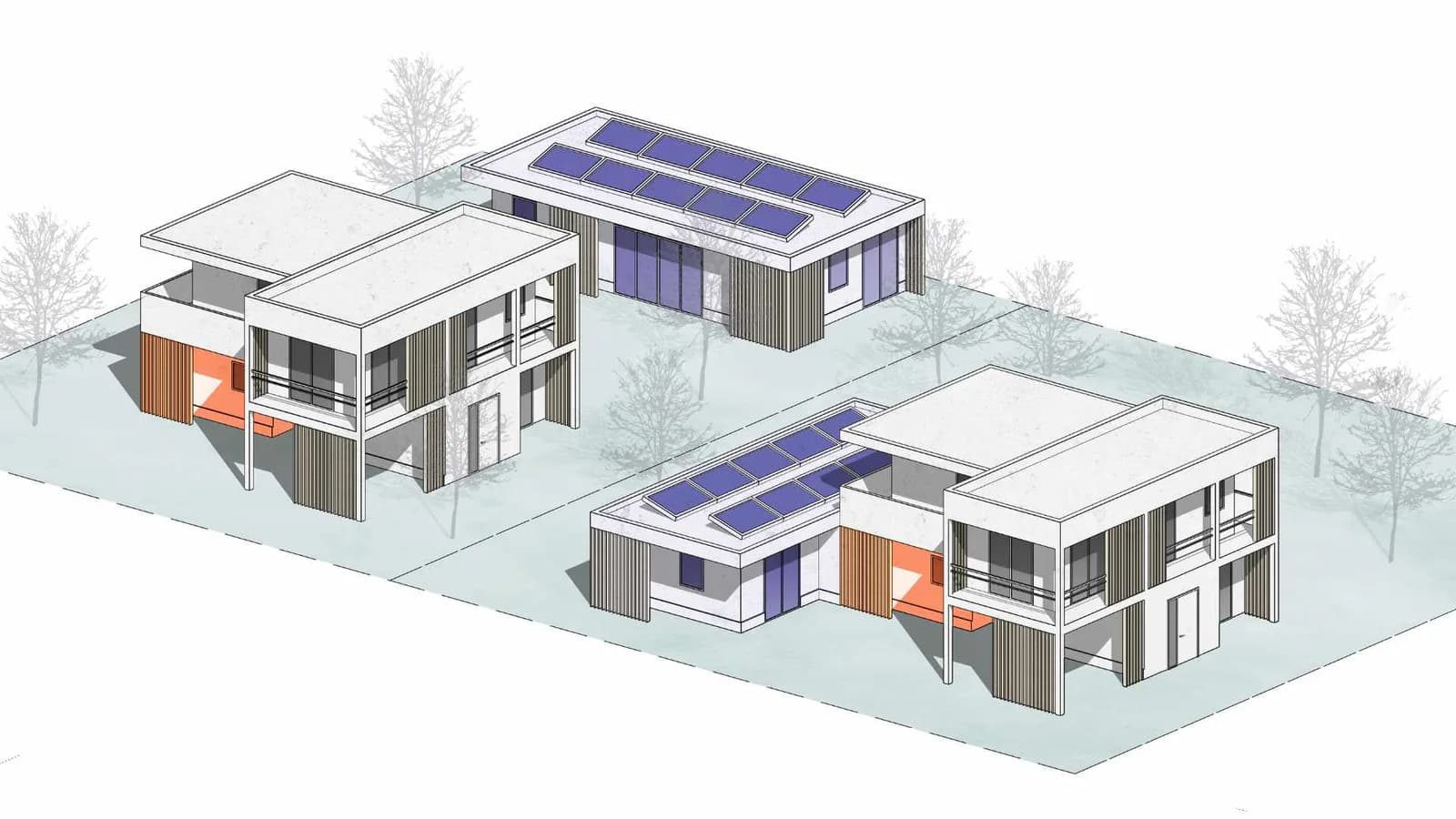
Choosing the Right ADU Type for Your Property
The best ADU type for you depends on several factors:
* Your Goals: Are you looking to house adult children or other family members, create a home office for remote work, generate rental income, or add additional living space?
* Your Property: Your options will be influenced by the size and layout of your lot, the location of your main residence, and any existing structures (such as an existing garage).
* Local Regulations: Your local ADU ordinance will dictate specific requirements regarding ADU size, setbacks, parking requirements, height limits, and other development standards. Contact your planning department to understand the local regulations in your area (Los Angeles, for example, has its own specific ADU ordinance).
* Budget: Construction costs can vary significantly between attached and detached ADUs. Garage conversions into attached ADUs can sometimes be more cost-effective than building a new structure.
* Privacy: If privacy is a major concern for both the occupants of the main residence and the ADU, a detached ADU might be preferable.

THE PROCESS
Navigating the ADU Process in California
Building an ADU in California involves a specific process.
Research Local Regulations
Thoroughly research your local ADU ordinance. Contact your local agencies and planning department to understand the requirements.
Develop a Floor Plan
Create a detailed floor plan meeting all building codes and regulations. Consider working with an architect or architectural designer experienced in ADU design. Some jurisdictions offer preapproved plans to streamline the process.
Obtain a Building Permit
Submit your plans to the planning department for review and plan check. You'll need a building permit before starting any construction.
Construction
Once your permit is approved, you can begin building the ADU. Be sure to follow all applicable building codes and work with licensed contractors.
Final Inspection
After construction is complete, the building department will conduct a final inspection to ensure compliance with all regulations.

Interior conversions
Junior Accessory Dwelling Units (JADUs)
California law also allows Junior Accessory Dwelling Units (JADUs) or junior ADUs. These are even smaller units created within the existing structure of a single-family residence.
You may convert a part of your house into an independent dwelling unit, there is a key difference what is considered a junior ADU.
Junior ADUs must have an efficiency kitchen but may share a bathroom with the main home. They have a maximum size of 500 square feet.
Key Considerations for Attached ADUs
* Additional Plan Requirements: Your local jurisdiction will require the elevations of the main house to be included on the plan set and to show how the proposed attached ADU will change the exterior look of your house.
* Parking Spaces: While state law often relaxes parking requirements for ADUs, local governments may still require additional parking depending on the location and size of the ADU.
* Owner Occupancy: Some jurisdictions may have owner-occupancy requirements, meaning the property owner must live in either the main residence or the ADU.
* Short-Term Rental: Be aware of any restrictions on renting your ADU short-term. State law and local jurisdictions may have specific rules.
Both attached and detached ADUs can significantly increase your property value. The extent of the increase depends on factors such as construction quality, the ADU size, location, and the overall real estate market. Rental units derived from ADUs are great additions to any rental housing portfolio.
ADUs offer a flexible and valuable solution for addressing housing needs and maximizing property potential. By understanding the differences between attached and detached ADUs and carefully navigating the ADU process, property owners can create a separate unit that meets their specific needs and enhances their property’s value. Remember to always consult with your local jurisdictions and professionals to ensure compliance with all applicable permanent provisions and regulations.
Common questions about attached and detached ADUs
An attached ADU is physically connected to the main house through a shared wall, roofline, or garage, so it adds to the home's existing footprint. A detached ADU is a standalone structure built separately on the property, with no shared walls.
In California, an attached ADU cannot be larger than 50% of the main house's square footage. Detached units may be allowed at a larger size, but that still depends on your local development standards.
State law allows a minimum 4-foot setback from the side and rear property lines for both attached and detached ADUs. Your city may set different requirements, so check your local regulations first.
A Junior ADU is a smaller unit created within the existing structure of a single-family home, capped at 500 square feet. It must have an efficiency kitchen but is allowed to share a bathroom with the main house.
It often can be. Attached ADUs frequently reuse existing infrastructure, and a garage conversion can be more cost-effective than building a new standalone structure. Detached units may cost more because of trenching for separate utility connections.
Research your local ADU ordinance, develop a floor plan that meets building codes, obtain a building permit through plan check, complete construction with licensed contractors, then pass a final inspection by the building department.
If privacy matters for both the main residence and the ADU occupants, a detached ADU is usually the better fit since it has no shared walls. An attached unit can mean less separation between the two homes.