
ADU Planner for your accessory dwelling unit with 700 designs
Use our free ADU planner to explore pre-designed plans, get all-in estimates, and follow a clear permit-to-build path. Boost your home value 20–30%.
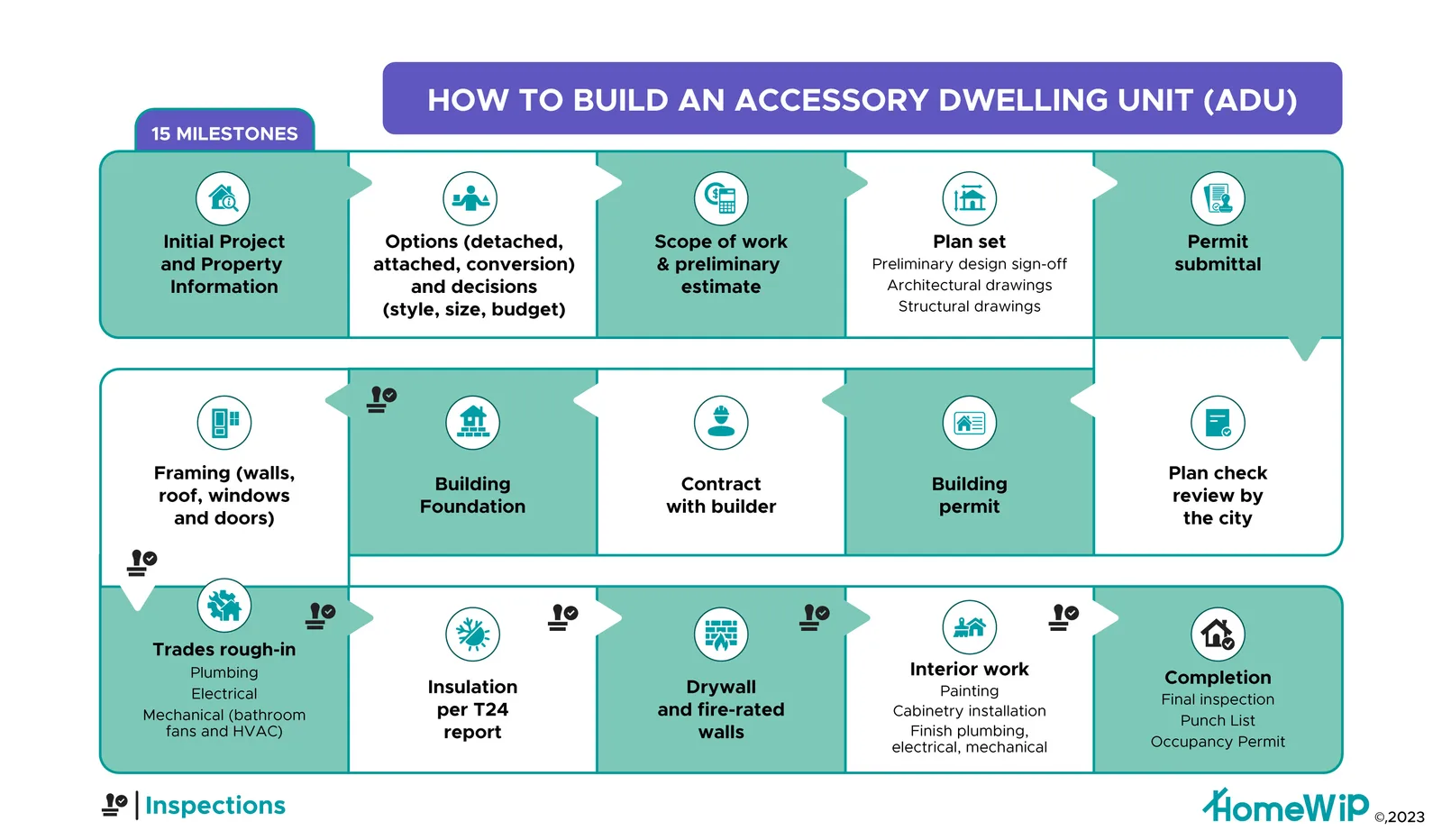
This ADU Planner is the result of our work on multiple ADU projects in the Bay Area, California.
Today, backyard cottages are a popular choice in California and across the United States. They may seem like a brand new solution to new property owners. However, many people remember them as granny flats, guest houses or carriage houses. In some cities, like Las Vegas, they are still called accessory structures that can be used as habitable space – with plumbing fixtures.
Do not get sidetracked by fancy ADU builders’ titles —what you need is an experienced general contractor – with a track record – who knows how to build houses.
Building an Accessory Dwelling Unit (ADU) on your property is a wise investment that can unlock numerous homeowner benefits.
Why you need an ADU
Boost Your Property Value
One of the most compelling reasons to build an ADU is the significant increase in property value it can provide. Adding an ADU can boost your home’s value by 20-30%, making it an excellent long-term investment. This added value stems from the increased square footage and the potential for rental income, making your property more attractive to future buyers.
Generate Extra Income
An ADU offers a fantastic opportunity to create a steady stream of passive income. You can rent the unit to long-term tenants or use it for mid-term rentals through platforms like Furnished Finder.
This additional income can help offset mortgage payments, cover property taxes, or provide extra cash flow for other expenses or investments.
Enjoy Flexible Living Arrangements
ADUs can adapt to your changing needs over time. An ADU is perfect for housing aging family members or adult children, allowing for proximity while maintaining privacy and independence. Use your ADU as a comfortable and private guest house for visiting friends and family. Create a dedicated workspace separate from your main living area, ideal for remote work or pursuing creative hobbies.
Benefit your community
ADUs contribute positively to your local community by addressing housing shortages in urban areas.
They promote diverse, multigenerational neighborhoods and indirectly support local businesses by increasing population density. You can offer housing to a young teacher, a firefighter or a nurse.
ADU planner: jump-start your project
If you use our ADU planner right, you will get a proper feasibility analysis for your property and receive an estimate upfront, with all-in pricing that includes design, permits and construction costs.
The ADU construction process begins with determining the project’s feasibility by assessing your property.
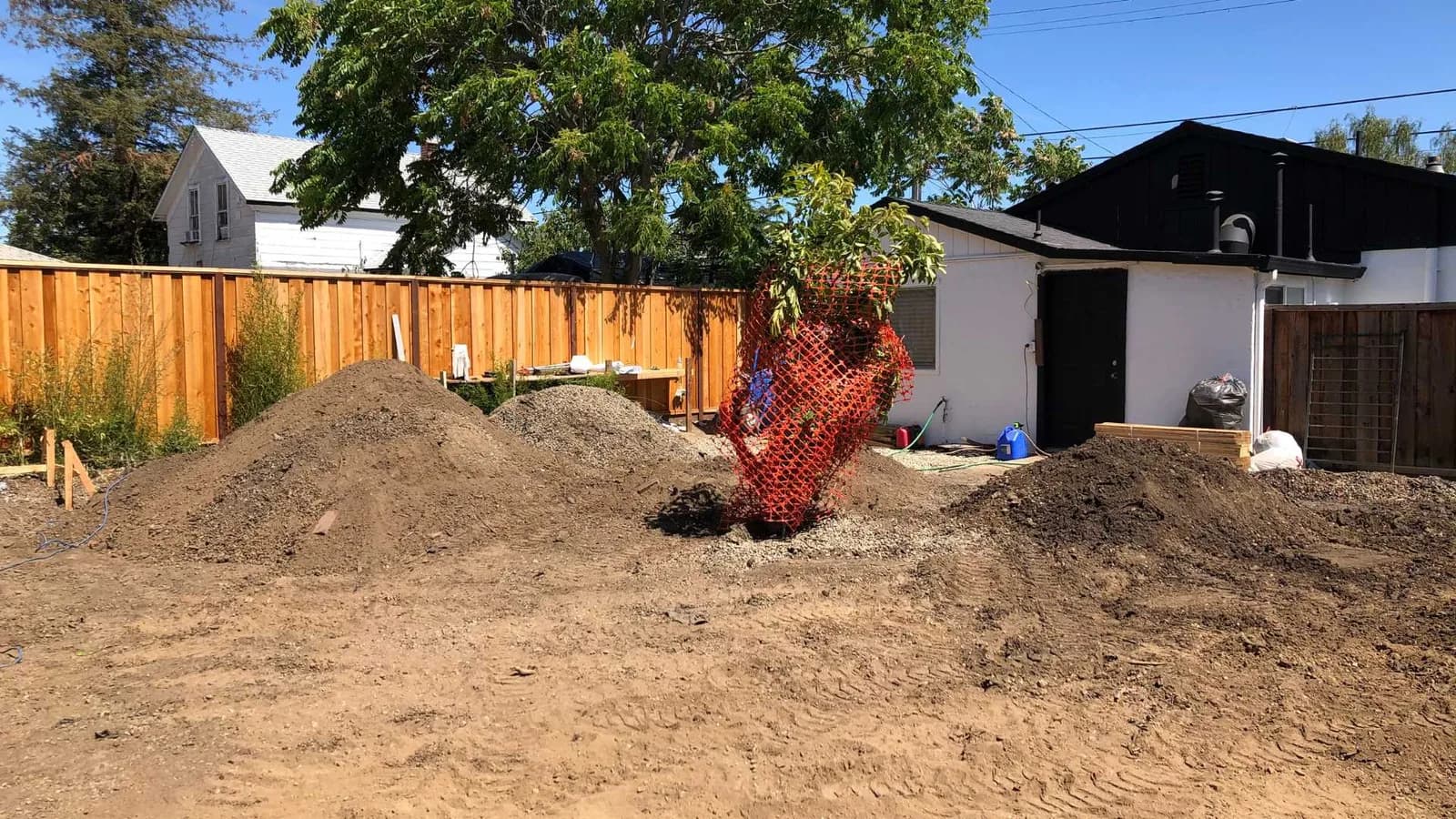
Start with a site plan to consider the property layout and the shape of the future ADU. Site-specific factors of your building lot impact ADU development a lot.
On day one of your project, expert guidance is the most cost-effective way to achieve your ADU dream. Believe us, you do not want to wait 6 months for a panel upgrade with the ADU completely finished but standing without power. We will say it again: you can only save money before applying for the building permit – that is why we pay a LOT of attention to pre-construction activities.
As the saying goes, if you think competence is expensive, try incompetence. Preliminary cost estimates done by a professional familiar with local construction costs are an invaluable resource to guide your decisions.
What our ADU expert checks during the site visit
Three factors that impact ADU budget
Utilities
Your electrical panel and connection to utility pole, size of water meter, diameter of a sewer pipe or size of a septic tank, closest hydrant.
Exterior & site
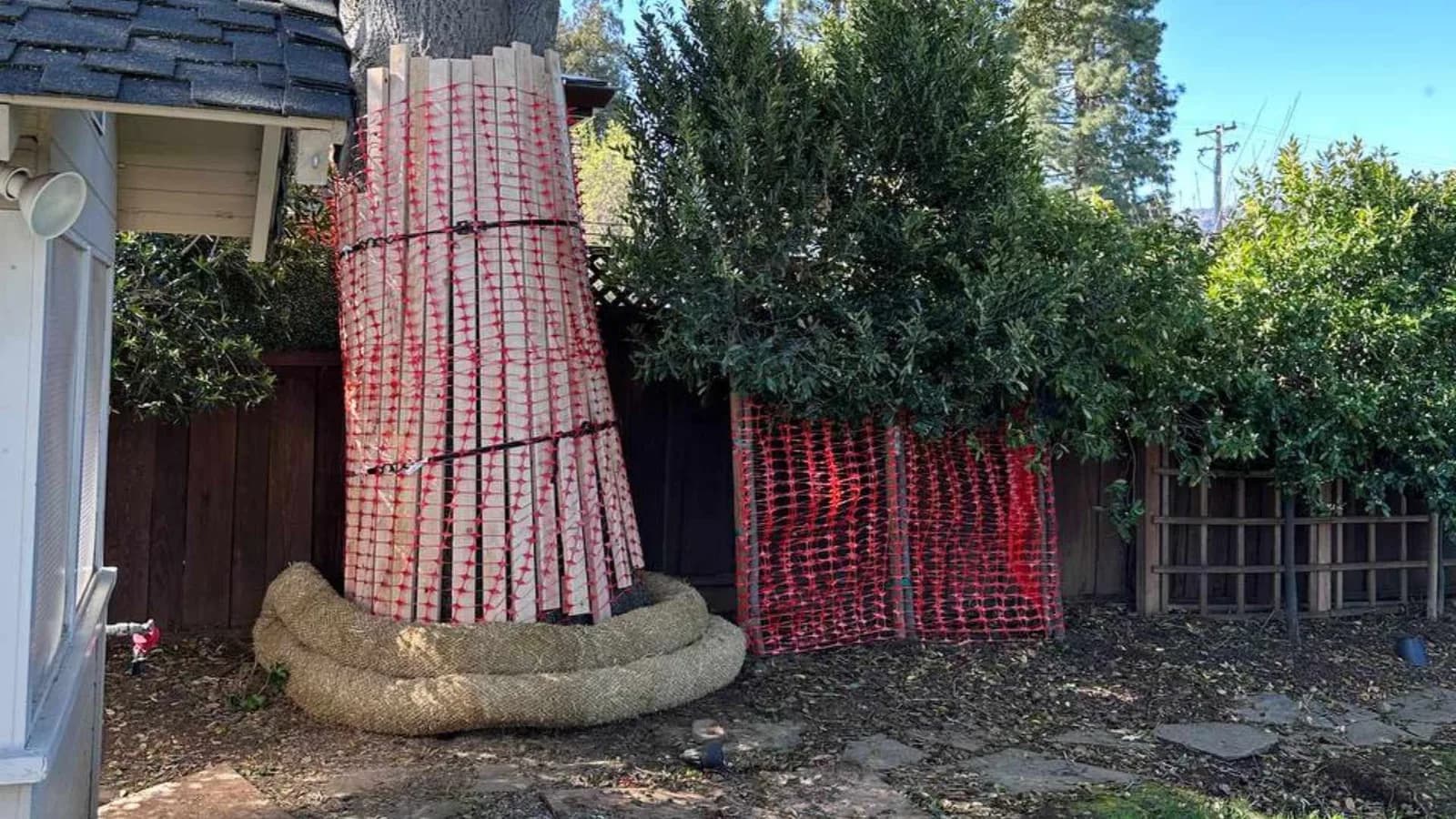
Type of exterior (stucco or siding), window frames (black or white), yard access, heritage trees, fire sprinklers.
Documents
Title report, geotechnical report (soils), boundary survey, floor plan of main house, previous building permits.
Why Use ADU Planner?
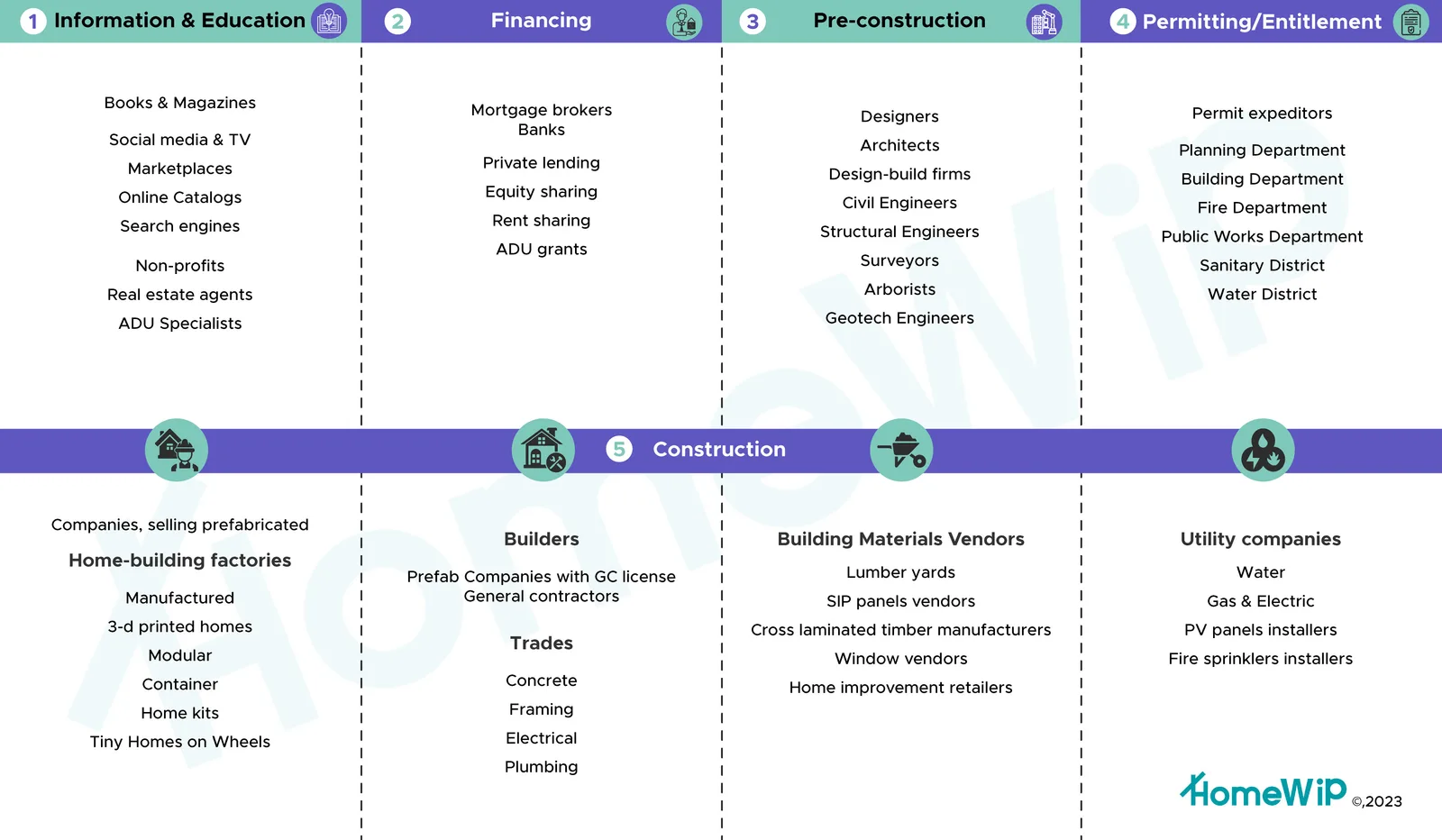
The number of professionals involved in the ADU project can be overwhelming. We are offering an easier way to turn your extra space into an extra home. We can help you assess the property, draw plans, handle city permitting, assign contractors, supervise construction, handle city inspections and procure appliances, fixtures and finishes.
In the Bay Area, our estimates include design fees, permit fees, finish and fixtures costs – in other words, after a consultation you get an “all-in”bid.
You do not have to do it alone.
Understanding the ADU Construction Process with ADU Planner
Embarking on an ADU project involves several key steps.
Do not get overwhelmed by stories about building permits. California updates building codes every three years, and permit requirements change when ordinances change. We work with multiple local building departments to get your project permitted and save you the hassle.
Do not get sidetracked by fancy ADU builders’ titles —what you need is an experienced general contractor with a track record who knows how to build houses.
The chart below represents a typical ADU project. Schedule a consultation to confirm it works for your project.

ADU Planner: Design and Permit
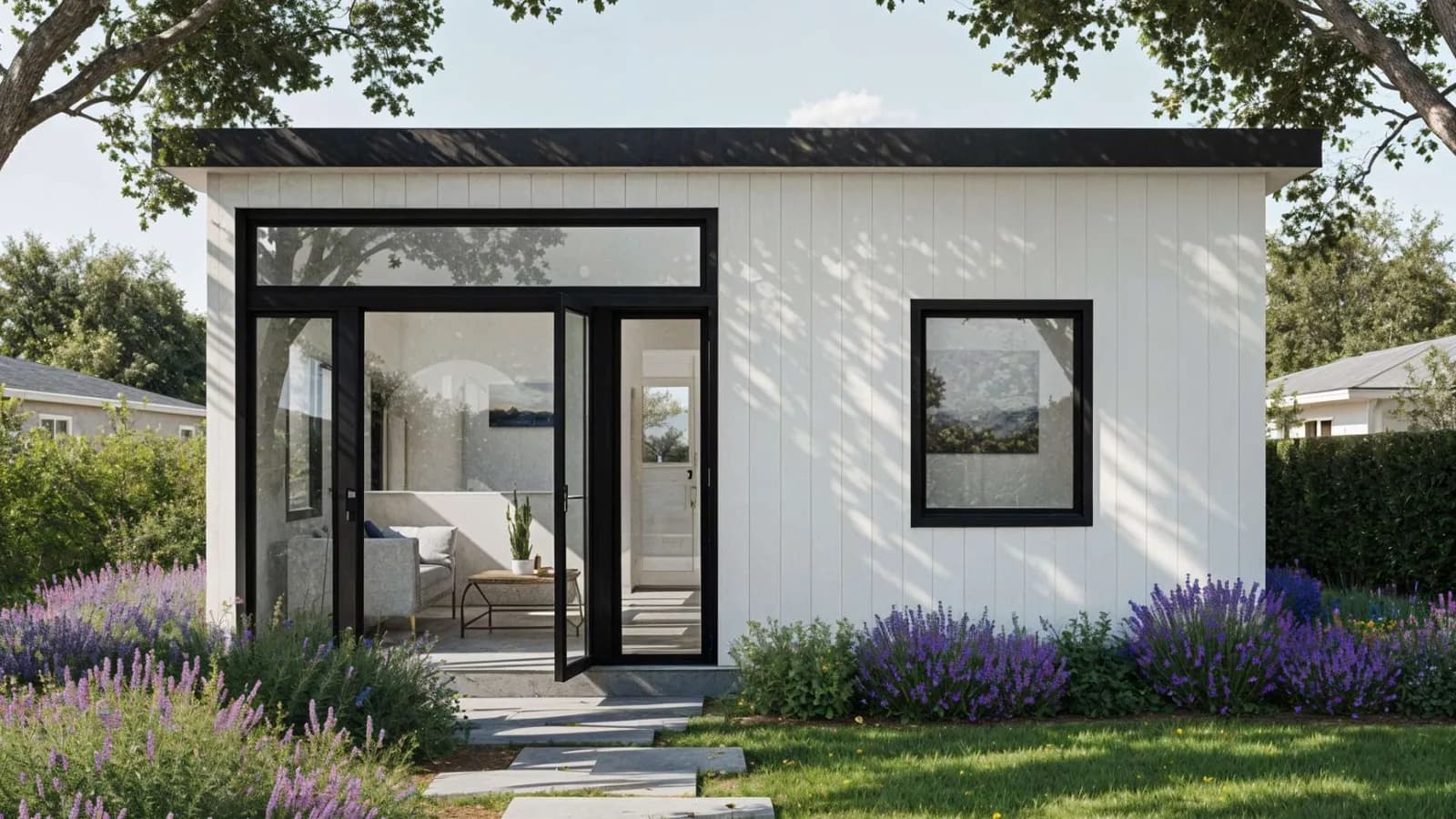
Modern ADU designs offer a wide range of options to suit your specific requirements. Choose from various sizes and layouts of accessory dwelling unit floor plans to fit your property and budget. Incorporate energy-efficient features for sustainable living. Select finishes and amenities that complement your primary home’s style and aesthetic appeal.
Diverse ADU designs answer specific needs. Consider the primary use of the ADU. In-law suites will look different from rental units. Window placement to avoid staring into the primary residence may be the only common feature for both.
Study a pre-approved standard plan to familiarize yourself with what to expect. Detailed plans are not an opt-in premium feature. They are the first step to a fast-track permitting process.
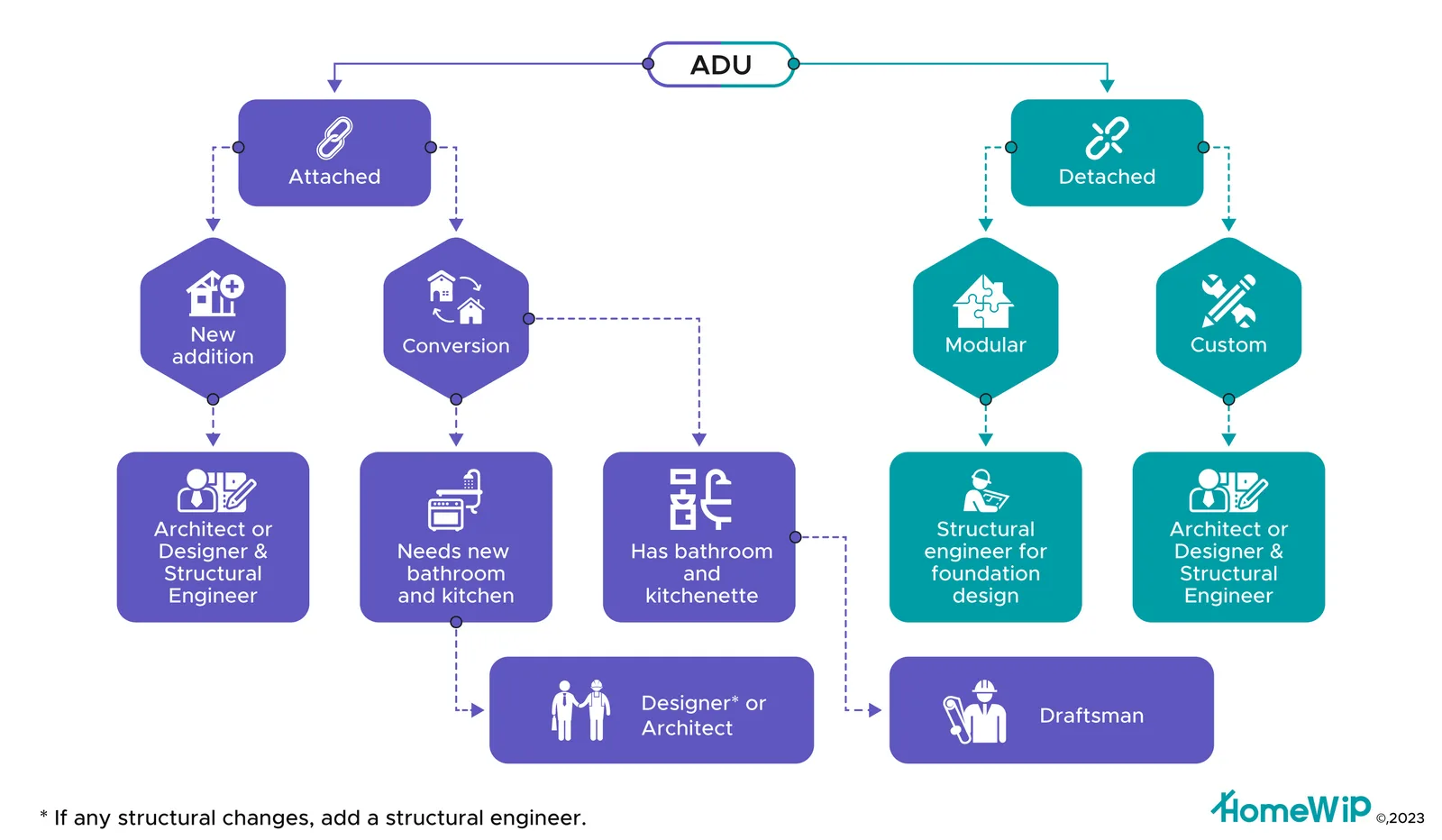
You’ll need to work with an architect for a unique architectural design. That is if your budget is north of half a million. You can also engage a designer and a structural engineer to create plans that comply with local regulations. We encourage you to check their experience with your particular city or County.
Or you can work with us.
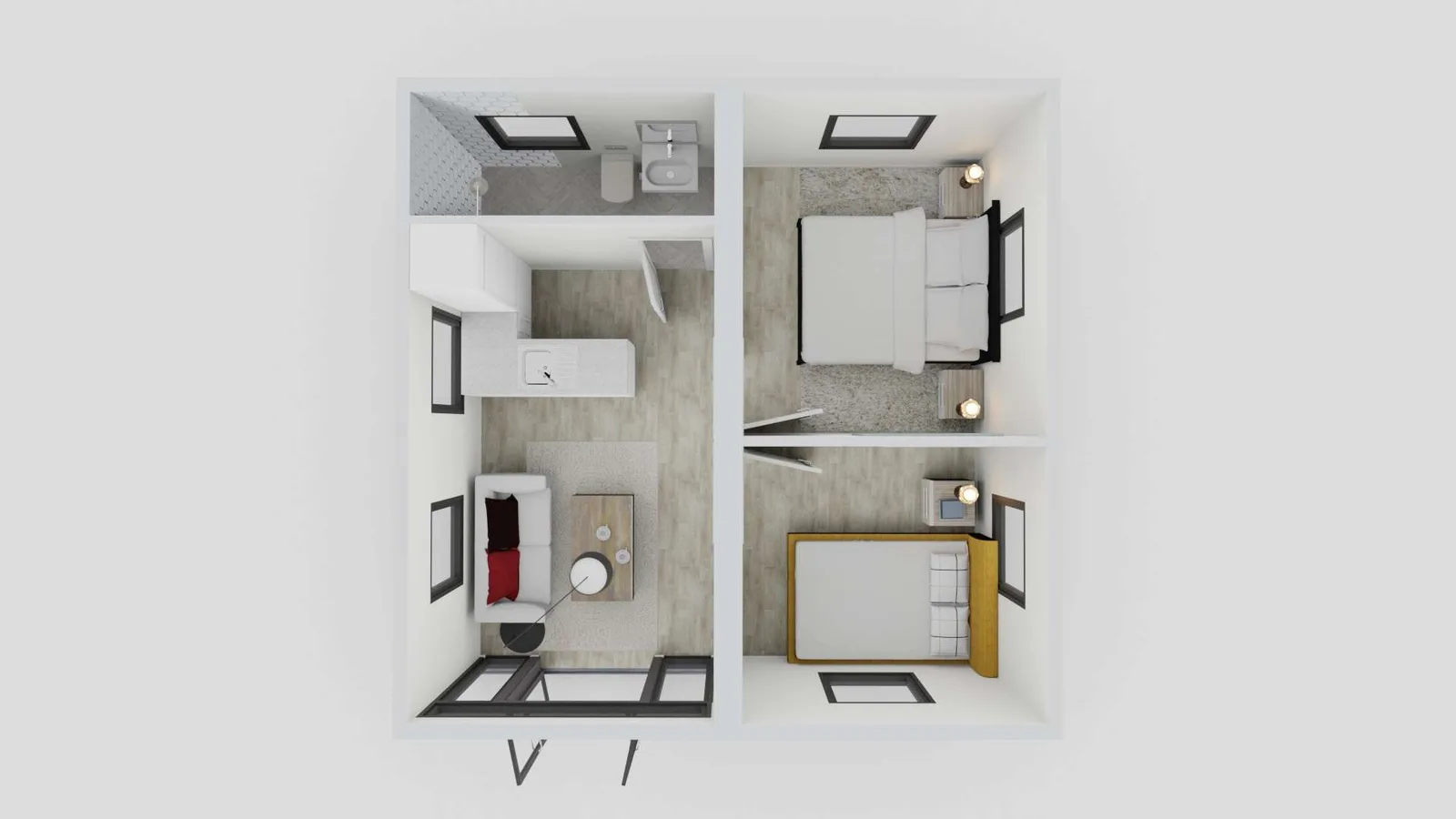
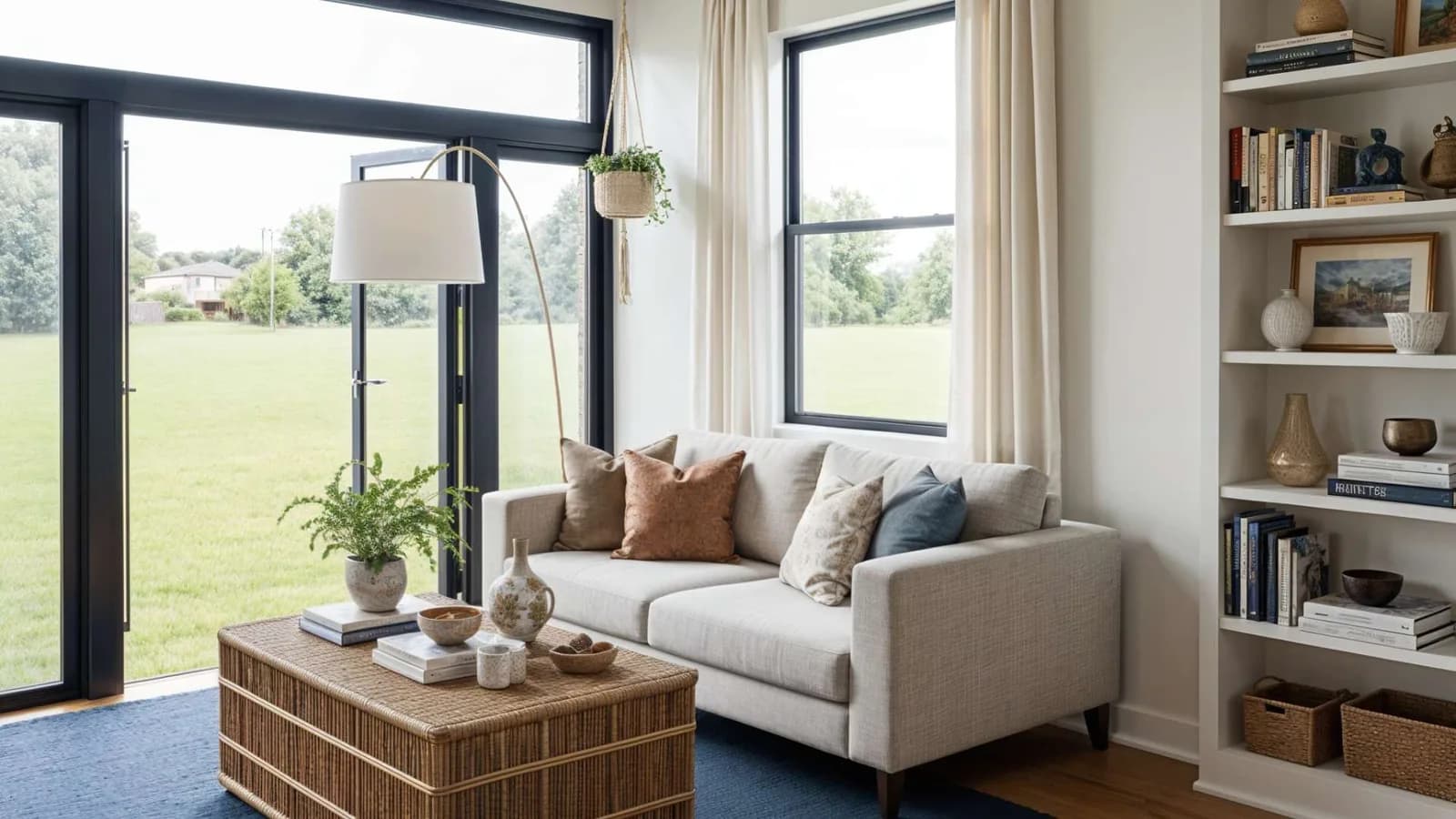
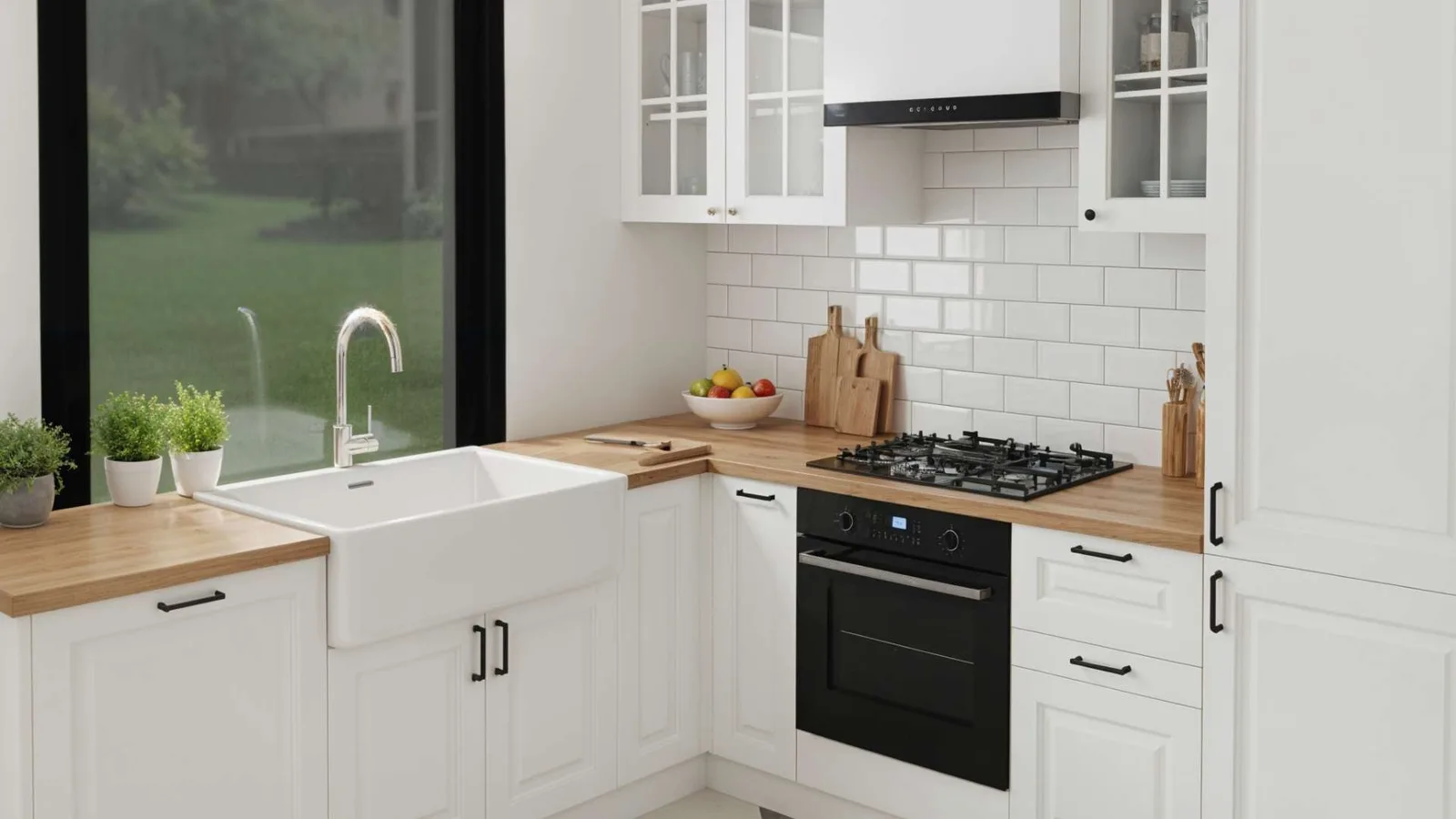
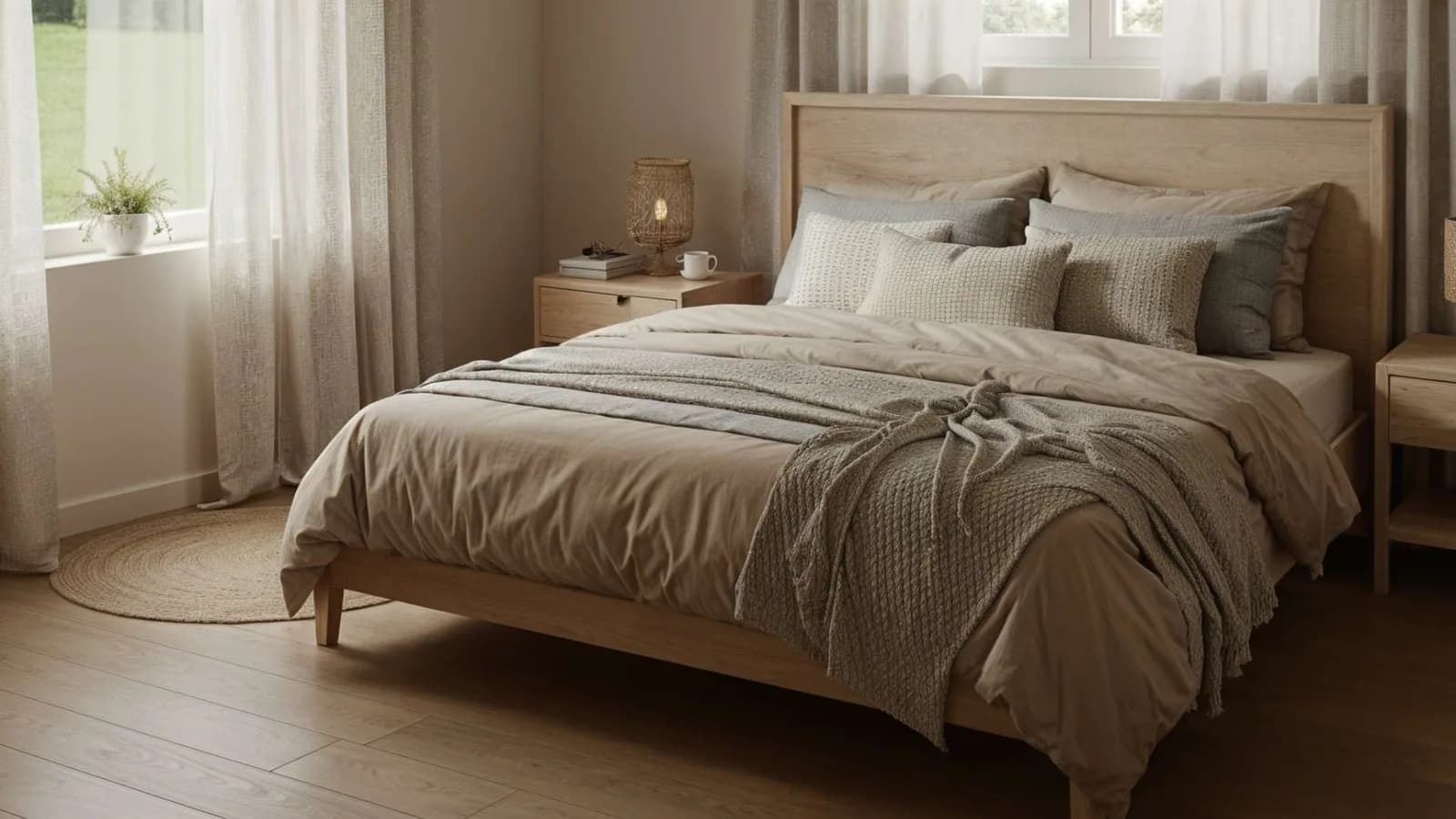
We have a collection of ADU floor plans in a wide array of styles – a treasure trove to inspire you. You can fast-track the design process by selecting a plan from our curated library.
With a property address input, you can try schematic plans on your property map one by one. Best-designed ADUs efficiently use space and mirror the primary house’s style for the backyard’s cohesive look.
Choose from one of the 500+ pre-designed ADU plans
Type in your address to view unit on the map of your property
P.S. This service is complementary, however login is required. Here is what you can expect to see for each ADU: floor plan, exterior and interior designs, estimates.
ADU Planner: Build
Once the plans are approved, you can obtain the necessary building permits from your local jurisdiction and hire a licensed contractor to begin construction.
During the construction phase, various stages are completed, including site preparation, foundation work, framing, and the installation of utilities. If you are looking for more details, you can read our article on how to build an ADU.
Inspections will be conducted throughout to ensure compliance with building codes. Once all inspections are completed, you obtain a certificate of occupancy, allowing you to occupy the ADU.
Often, it is not a separate document, but a permit job card complete with signatures for final inspections passed. Note plural: at minimum you will need a sign off from the Fire Department and Building Department. Check your permit to confirm the list of the inspections.
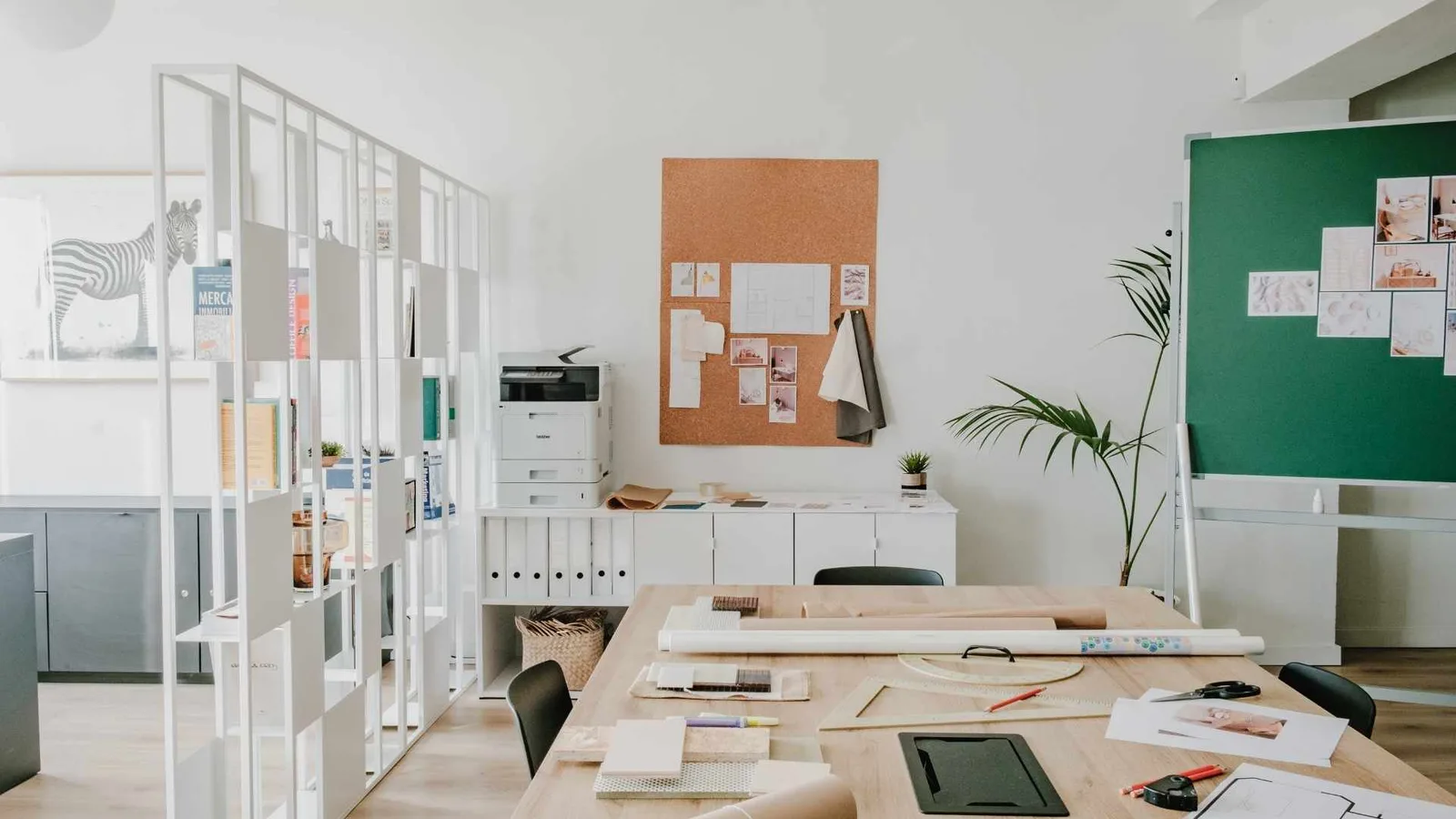
Smart Investment Strategy
Building an ADU is a savvy financial move. The return on investment can be substantial, often outpacing traditional home improvements. ADUs can help offset rising property taxes and insurance costs through rental income. They provide a hedge against market fluctuations by diversifying your property’s uses.
Would you like to gain confidence in your decision? Here are two ways to de-risk your project.
See how much you should spend — based on your home's value — to make an ADU a smart investment, not a money pit.
The first question usually is “What can I build?”. With current iPhone technology and our ADU Viewer app we can now show what is possible and how it will look.
Increased Property Functionality
An ADU can transform your property’s functionality.
Separate Workspace: Use the ADU as a professional office or studio, eliminating commute
times and creating a more productive environment.
Recreational Space: Convert your ADU into a game room, home gym, or entertainment area for
added enjoyment.
Downsizing Option: As you age, you can move into the ADU and rent out the main house,
allowing you to stay in your familiar neighborhood while potentially living mortgage-free.

Future-Proofing Your Property
An ADU is an investment in your property’s future:
- Adapt to changing family dynamics over time
- Provide a potential retirement living option
- Increase your property’s marketability when it’s time to sell
By building an ADU on your property, you’re not just adding square feet; you’re creating new possibilities for income, living arrangements, and property value. With the potential for significant returns on investment and the flexibility to adapt to your changing needs, an ADU is a brilliant addition that can benefit you now and for years to come.
Feel free to reach out for expert support.
Sustainable and Affordable Housing Solution
ADUs contribute to more sustainable communities by:
Affordable housing
Providing affordable housing options in high-cost areas.
Less sprawl
Reducing urban sprawl by increasing housing density in existing neighborhoods.
Energy efficiency
Offering more energy-efficient living spaces compared to larger homes.
Common questions about planning your ADU
Adding an ADU can boost your home's value by 20-30%. The lift comes from the extra square footage and the potential for rental income, which also makes the property more attractive to future buyers.
In the Bay Area our estimates roll design fees, permit fees, and finish and fixture costs into one number. After a consultation you receive an all-in bid instead of a stack of separate quotes.
You can only save money before you apply for the building permit, which is why we put so much attention into pre-construction activities. Once the permit is filed, your options for cutting cost shrink fast.
You only need an architect for a unique custom design, and that usually makes sense when your budget is north of half a million. Otherwise a designer and a structural engineer can produce plans that comply with local regulations, or you can pick from our 500+ pre-designed plans.
We look at three budget drivers: your utilities (electrical panel, water meter, sewer or septic, nearest hydrant), exterior and site factors (stucco vs siding, window frames, yard access, heritage trees, fire sprinklers), and your documents (title report, soils report, boundary survey, main-house floor plan, prior permits).
Once all inspections pass you receive a certificate of occupancy. Often it is not a separate document but a permit job card signed off for final inspections, and you will need sign-offs from at least the Fire Department and the Building Department.
Don't. A panel upgrade can take up to six months, and you do not want a finished ADU sitting without power. We flag utility work like this early so it doesn't stall the project at the end.