

Virginia ADU Laws (2026): What's Settled, What's Still Local
Can you build an ADU in Virginia? Yes, by right in single-family zones starting July 1, 2027, unless your locality already had its own ADU ordinance. Even where Virginia's new ADU laws apply, your locality can require you to live on the property when you apply and can set ADU parking. Last verified Nov 15, 2026.
- W.i.P.Statewide law, with gaps
- Set locallyMax ADU size (floor: 350/500 sq ft)
- At applicationOwner-occupancy check
- Set locallyExtra parking spaces
On this page
- Can You Build an ADU in Virginia?
- What's Settled, What's Still Local
- Size and Design Limits
- Owner-Occupancy and Parking
- Approval and Fees
- What Your Locality Still Decides
- How to Check Your Locality's Rules
- Virginia in the News
- How HomeWiP Helps
- FAQ

The short answer
Can You Build an ADU in Virginia?
Yes, from July 1, 2027, if your locality didn't already have its own ADU rules.
Virginia's ADU law, Va. Code § 15.2-2292.4, was signed April 13, 2026 and takes effect July 1, 2027. Single-family zoning will be "deemed to include" ADUs, and the locality "shall issue the permit" for a compliant ADU.
The exception: the law doesn't apply to "a locality that adopted an ADU ordinance prior to January 1, 2026". These localities had ADU rules in their codes before then: Arlington (2019), Fairfax County and Alexandria (2021), Loudoun and Richmond (2023), and Norfolk (amended 2025). There, expect the local code to keep governing; confirm with the planning office.
Where the law applies, your locality can still require owner-occupancy (checked once, when you apply) and ADU parking. Until July 1, 2027, local rules apply everywhere.
At a glance
Virginia's ADU Law: What's Settled, What's Still Local
Last verified Nov 15, 2026 against Va. Code § 15.2-2292.4. Each rule below takes effect July 1, 2027.
W.i.P.: Va. Code § 15.2-2292.4
Work in progress: a statewide law that skips localities with older ADU rules and leaves parking local.
Settled: by right from July 2027
From July 1, 2027, single-family zones include ADUs, and your locality must issue the permit for a compliant plan.
Partly local: owner-occupancy
Your locality may require you to live in the house or the ADU, checked once, when you apply.
Left to your locality: parking
Your locality may require replacement parking and a dedicated ADU space.
Settled: attached or detached
Attached and detached units both count. Expect one per lot: ADUs can be barred where a lot already has more than one home.
Settled: $500 fee cap, size floor
Permit fee: $500 at most, plus building fees. Size caps can't go below 350 sq ft, or 500 sq ft on lots of 2,500 sq ft or more.
Size and design
What Are Virginia's ADU Size and Design Limits?
From July 1, 2027, where the state law applies: your locality sets the cap, within the state floor.
Detached ADU
- Cap of at least 350 sq ft (lots under 2,500 sq ft) or 500 sq ft (larger lots)
- Within 500 ft of the main house
Attached ADU
- Same 350 / 500 sq ft floor
- Building code (USBC) still applies
Height and setbacks
- Side and rear setbacks: the lesser of the house's or an accessory structure's
- Height, lot size, coverage, frontage: no stricter than for a single-family home
- No required street improvements
ADUs per lot
- Barred on lots with more than one unit already
- No separate sale or subdivision
Occupancy and parking
Does Virginia Require Owner-Occupancy or Off-Street Parking for an ADU?
Virginia's ADU law leaves both partly to each locality.
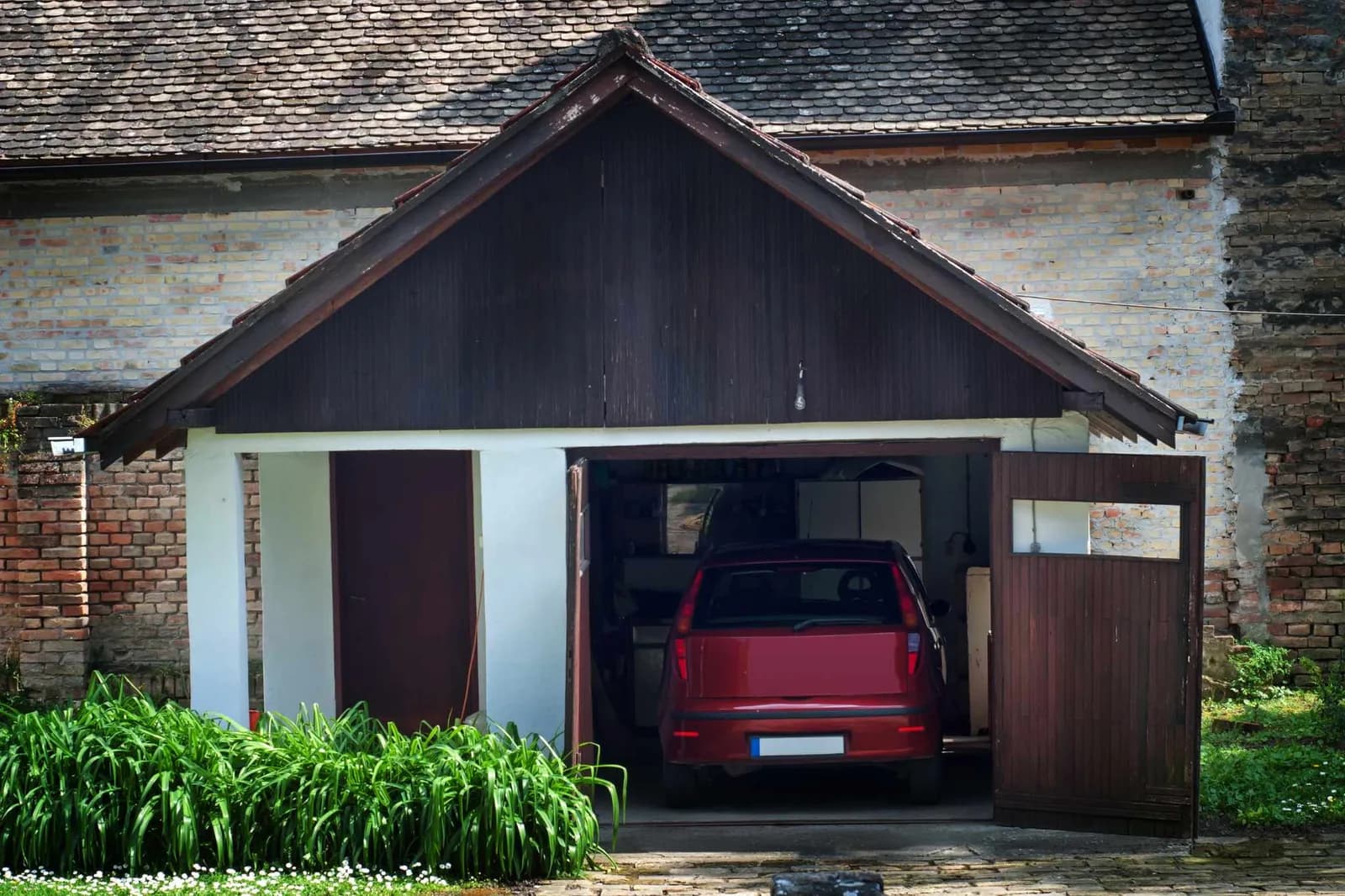
Owner-occupancy: at application only
Your locality may require you to live in the house or the ADU, checked only at application. Norfolk's older code asks owners to live on site while the ADU is rented.
Parking: left to your locality
Your locality may require replacement parking plus a dedicated ADU space.
Approval
Is ADU Approval By-Right in Virginia, or Does It Require a Public Hearing?
By right from July 1, 2027 where the state law applies: the locality must issue the permit for a compliant ADU. Localities with older rules may still require a special permit, as Fairfax County does for detached units.
Where the state law applies, your locality can't add requirements beyond the state's list.
The statute sets no review deadline; your locality's queue sets the pace.
The ADU permit fee is capped at $500, on top of building, site and inspection fees.
Local rules apply today. Localities may adopt a substantially compliant ADU ordinance first, and permits approved before July 1, 2027 aren't affected by the new law.
Even with a local cap, a locality covered by the state law can't set it below 500 sq ft on lots of 2,500 sq ft or more.
Start with our 500 sq ft ADU floor plans, then check them against your locality's cap.
Local control
What Does Virginia Law Still Leave Up to Your Locality?
Your locality controls these details. Where it had ADU rules before 2026, those rules likely decide.
Not covered: older ADU rules
If your locality adopted an ADU ordinance before Jan 1, 2026, the state law doesn't apply; its own code decides.
Fairfax County: owner on site
Fairfax County's own rules require the owner to live in the house or the accessory living unit.
Arlington: keep your parking
Arlington's own rules require owners to keep existing off-street parking.
Zoning overlays
Historic, corridor, flood-zone and military air-zone (AICUZ) rules can add limits.
Utilities and septic
Water, sewer, septic, emergency-access and stormwater rules still apply.
Short-term rentals
Your locality can require ADU leases of 30 days or longer, which rules out renting by the night.
Checklist
How to Check Your Locality's ADU Rules in Virginia
Check whether your locality had ADU rules before 2026
Ask the planning department, in writing, whether it treats itself as exempt under § 15.2-2292.4(I).
Find your zoning district
Look up your parcel on the zoning map; the state rule covers single-family zones.
Read the local ADU ordinance
Search for "accessory dwelling unit," "accessory dwelling" (Arlington, Alexandria) and "accessory living unit" (Fairfax County).
Check overlays and your HOA
Overlays can add limits. Virginia's law doesn't override HOA rules or covenants.
Ask about utilities
Ask about water, sewer or septic capacity and connection fees for a second unit.
Time your application
State rules apply from July 1, 2027. Book a pre-application meeting before you finalize plans.
The State of Virginia in the News
"Fairfax City Council approves detached accessory dwelling units"
Jul 30, 2026 · FFXnow
The council voted 4–2 on July 28 for by-right detached ADUs, up to 20 ft or the home's height, whichever is less. Each home needs two off-street spaces.
"Developer uses city's ADU law to build 100 backyard cottages"
Jun 7, 2026 · The Richmonder
Richmond has issued permits for nearly 117 ADUs since allowing them by right in September 2023. One landlord holds more than 50.
"A new law will make it easier to build a tiny house in your back yard, starting next year"
Apr 16, 2026 · Virginia Mercury
Gov. Spanberger signed SB 531, sponsored by Sens. Srinivasan and Salim. It takes effect July 1, 2027 and caps the ADU permit fee at $500.
How HomeWiP helps
How HomeWiP Helps Virginia Homeowners
7+ years designing ADUs, 700+ pre-designed plans, 20+ California cities. Start from a pre-designed plan, then confirm the details with your locality.
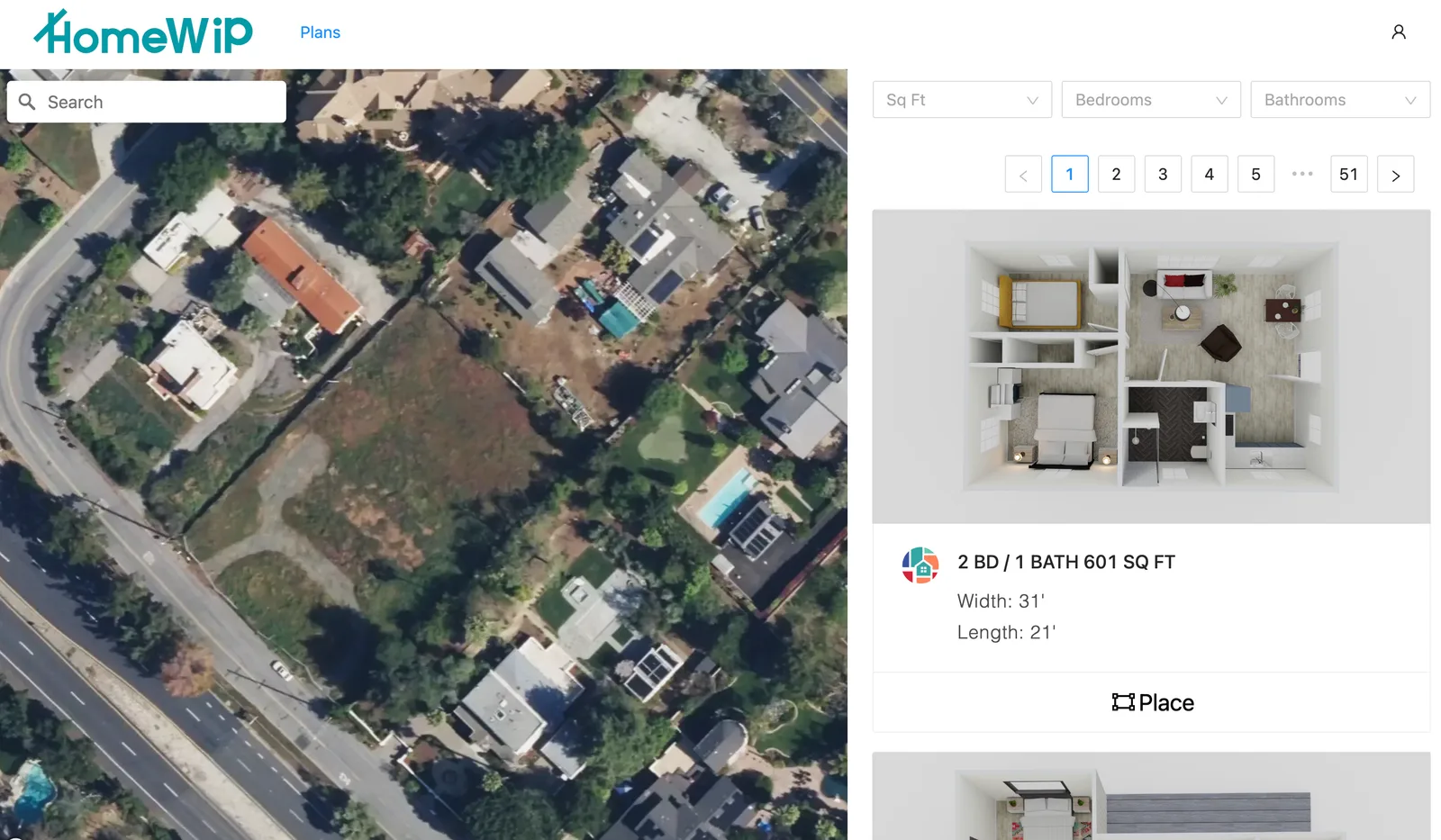
- View pre-designed plans in your backyard
Pre-designed ADU plans
Browse 700+ plans and see one placed in your own backyard.
- Contact HomeWiP
Questions about our plans
Have questions about our plans? Send them to us.
Virginia ADU Laws: Frequently Asked Questions
Both. From July 1, 2027, ADUs are a permitted use in single-family zones, and your locality must permit a compliant unit. The law skips localities that adopted an ADU ordinance before January 1, 2026. Covered localities can still require owner-occupancy at application and parking.
It depends on your locality. From July 1, 2027, where the state law applies, it may require you to live in the main house or the ADU, but it can check only once, when you apply. It can also require leases of at least 30 consecutive days, which rules out nightly rentals.
It can. Virginia's ADU law sets limits for localities, not for your HOA or for private covenants. Read your HOA documents and deed restrictions before you pay for plans. If they bar a second unit, Virginia's ADU law doesn't override them.
Virginia's ADU law sets no review deadline, so timing depends on your locality's permit queue. Ask for current review times at a pre-application meeting. What it does cap is the ADU permit fee: $500, with normal building, site and inspection fees on top.
The state sets a floor; your locality fills in the rest. From July 1, 2027, a covered locality must allow ADUs in single-family zones, can't cap size below 350 or 500 sq ft, and can't charge over $500 for the ADU permit. Owner-occupancy, parking, leases and overlays stay local.
Often, yes. The state law says "accessory dwelling unit." Fairfax County calls it an "accessory living unit," and Arlington and Alexandria use "accessory dwelling." Search your local code for each of these terms before you conclude it has no ADU rules.
Possibly. The law skips localities that adopted an ADU ordinance before January 1, 2026, but doesn't define "ADU ordinance." The introduced bill excluded rules that made ADUs a special use. The enacted law dropped that, so special-permit rules may count. Ask your planning office in writing.
Start Your Virginia ADU From a Pre-Designed Plan
Next step
Your locality sets the size cap. Browse pre-designed plans and see one placed in your own backyard, then check it against your locality's rules before you apply.
Sources
- Va. Code § 15.2-2292.4 (effective July 1, 2027)
- 2026 Acts of Assembly, ch. 895 (SB 531)
- Mercatus Center, A Taxonomy of State ADU Laws (tier criteria only)
- Last verified: November 15, 2026.