
North Carolina ADU Laws (2026): What's Settled, What's Still Local
Yes, you can build an ADU in North Carolina's larger inland cities from Jan. 15, 2027; elsewhere, your town or county still decides. North Carolina's ADU law will reach 22 cities of 50,000+ outside the 20 coastal counties, by the state's latest estimate. Owner occupancy and approval steps stay local. Last verified Nov 15, 2026.
- W.i.P.Statewide law, with gaps
- 800–1,000 sq ftRange for your city's ADU size cap
- Set locallyOwner-occupancy rules
- NoneParking minimums in covered cities
On this page
- Can You Build an ADU in North Carolina?
- Which Cities Must Allow ADUs?
- What's Settled, What's Still Local
- Size and Design Limits
- Owner-Occupancy and Parking
- How Approval Works
- What Your City Still Decides
- How to Check Your City's Rules
- North Carolina in the News
- How HomeWiP Helps
- FAQ
The short answer
Can You Build an ADU in North Carolina?
Yes, in larger inland cities from Jan. 15, 2027. Elsewhere, your town or county still decides.
North Carolina's ADU law, Session Law 2026-59, Sec. 44, was signed Aug. 11, 2026. For permit applications filed from Jan. 15, 2027, a covered city "shall allow the development of at least one accessory dwelling unit" with each single-family detached home in residential zones.
The catch is scope. The law "applies only to cities with a population of 50,000 or greater, that are not in the coastal area". Smaller towns, county land and the 20 coastal counties, Wilmington and Jacksonville included, fall outside it.
Cities without compliant rules by July 1, 2027 will have to allow ADUs "without any limitations".
Which North Carolina Cities Must Allow ADUs?
These 22 cities and towns have 50,000+ residents by the state's 2025 certified estimate and sit outside the 20 coastal counties. Under North Carolina law, "city" includes towns.
- Charlotte (Mecklenburg)
- Raleigh (Wake)
- Greensboro (Guilford)
- Durham (Durham)
- Winston-Salem (Forsyth)
- Fayetteville (Cumberland)
- Cary (Wake)
- High Point (Guilford)
- Concord (Cabarrus)
- Asheville (Buncombe)
- Greenville (Pitt)
- Gastonia (Gaston)
- Apex (Wake)
- Huntersville (Mecklenburg)
- Chapel Hill (Orange)
- Burlington (Alamance)
- Mooresville (Iredell)
- Kannapolis (Cabarrus)
- Rocky Mount (Nash)
- Wake Forest (Wake)*
- Wilson (Wilson)*
- Holly Springs (Wake)*
*Over 50,000 only in the 2025 certified estimate. The law doesn't name a count, so confirm with your planning department.
Wilmington (New Hanover) and Jacksonville (Onslow) sit in coastal counties, so the law's text leaves them out. Next in line, at 41,000 to 48,000 residents: Hickory, Fuquay-Varina, Indian Trail, Garner and Monroe.
At a glance
North Carolina's ADU Law: What's Settled, What's Still Local
Last verified Nov 15, 2026 against S.L. 2026-59, Sec. 44. Every rule below starts Jan. 15, 2027.
W.i.P.: G.S. 160D-917 (S.L. 2026-59)
Work in progress: the law will apply only in inland cities of 50,000+, from Jan. 15, 2027.
Partly local: the approval process
Your city will have to allow the ADU and can't require conditional zoning. The law doesn't say approval is automatic.
Left to your city: owner-occupancy
The law is silent, so your city decides. Long-term rental of both units will be protected.
Settled: no parking minimums
No minimum parking or other parking restrictions for an ADU, conversions included.
Settled: attached or detached
Attached or detached, built with the house or later. It must be smaller than the house.
Settled: size cap 800–1,000 sq ft
The local cap must sit between 800 and 1,000 sq ft. Fees no higher than for a similar house. Setbacks: 10 ft at most.
Size and design
What Are North Carolina's ADU Size and Design Limits?
In covered cities from Jan. 15, 2027. Your city sets the cap inside the state's range.
Size cap
- No local cap below 800 or above 1,000 sq ft
- Smaller than the house
Setbacks
- 10 ft, or the zone's general setback if that's smaller
Placement
- Your city may require the ADU beside or behind the house
ADUs per lot
- One ADU per single-family detached home
- No lot split to separate it from the house
Occupancy and parking
Does North Carolina Require Owner-Occupancy or Parking for an ADU?
Parking minimums end in covered cities on Jan. 15, 2027. Owner occupancy stays local.
Owner-occupancy: ask your city
The state law doesn't address it. Before you design, ask your planning office whether you'll have to live in the house or the ADU.
Parking: local outside covered cities
In smaller towns, county land and the coast, local parking rules still apply, so check them before siting the ADU.
Approval
How Will ADU Approval Work in North Carolina?
What the state sets, and what your city keeps.
From Jan. 15, 2027, a covered city will have to allow the ADU and can't require conditional zoning. Your city's review process still applies.
The statute sets no review deadline. Your city's permit queue sets the pace.
Fees no higher than for a similar single-family home. Your city can't block hookups to existing utilities with capacity.
Local rules apply today. Covered cities without compliant rules by July 1, 2027 will have to allow ADUs "without any limitations."
From Jan. 15, 2027, a covered city's ADU size cap can't go below 800 sq ft.
Our 900 sq ft floor plans fit a 900–1,000 sq ft cap when your house is larger. Capped at 800? Go smaller.
Local control
What Does North Carolina Law Still Leave Up to Your City or County?
What stays local in covered cities, and where the law doesn't reach.
Not covered: towns under 50,000
Smaller towns, county land and the 20 coastal counties are outside the law. Local rules decide there.
Not covered: historic districts
Historic preservation districts and National Historic Landmark properties are excluded.
Private covenants and HOAs
The law doesn't override covenants. HB 1212, which would limit HOAs, has sat in committee since May 2026.
Short-term rentals
The law protects long-term rentals only. Renting the ADU by the night is your city's call.
Placement and design
Your city can require side or rear placement and keeps design rules the law doesn't touch.
Not covered: unconnected ADUs
ADUs not connected to water and sewer, or well and septic, fall outside the law. Local rules decide those.
Checklist
How to Check Your City's ADU Rules in North Carolina
Check whether your city is on the list
Near 50,000? Ask the planning department which population figure it uses.
Check your county
In the 20 coastal counties or outside city limits, the state law doesn't apply.
Find your zoning district
Look up your parcel on the zoning map. The state rule covers zones that allow single-family detached homes.
Read the local ADU rules
Search the development ordinance for "accessory dwelling unit." Ask whether new rules are coming before the July 1, 2027 deadline.
Check historic status and your HOA
The state law doesn't override either.
Time your application
The state rules apply to applications filed from Jan. 15, 2027. Book a pre-application meeting first.
The State of North Carolina in the News
NC lawmakers changed the rules for growth. Here's what it means for Holly Springs, Apex and Fuquay-Varina
Sep 25, 2026 · Holly Springs Update
It counted Apex in and put Holly Springs just under 50,000. The 2025 estimate, published Oct. 1, puts Holly Springs at 50,499.
Read at Holly Springs Update →
Stein approves budget additions, expands access to 'granny flats' in NC cities
Aug 11, 2026 · WRAL
Gov. Josh Stein signed SB 445: cities of 50,000+ can set size and design rules but can't ban ADUs. The rules start Jan. 15, 2027.
NC lawmakers send sweeping regulatory reform bill to Stein's desk
Aug 5, 2026 · Carolina Journal
The ADU section bars parking minimums and caps under 800 sq ft, with a July 1, 2027 deadline for local rules.
Pending ADU bills
HB 1212 would stop HOAs from limiting code-compliant ADUs that zoning allows. It has sat in House Rules since May 5, 2026. Track HB 1212 at the NCGA →
How HomeWiP helps
How HomeWiP Helps North Carolina Homeowners Plan an ADU
7+ years designing ADUs, 700+ pre-designed plans, 20+ California cities. Start in the 800–1,000 sq ft range and check your city's rules.
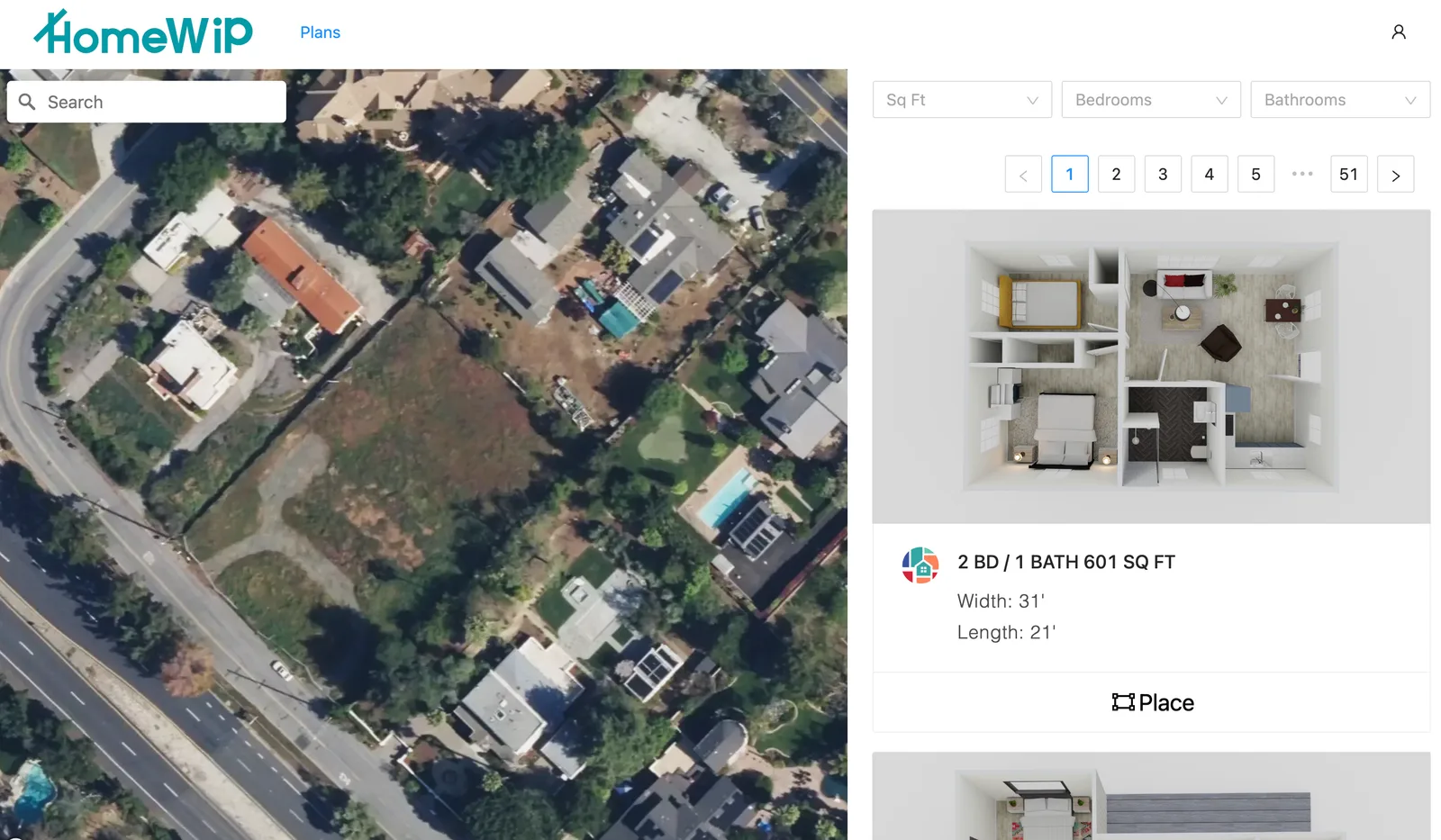
- View pre-designed plans in your backyard
Pre-designed ADU plans
Browse 700+ plans and see one placed in your backyard before you call the planning office.
- Contact HomeWiP
Questions about your lot
Send us your questions about your lot, and we'll suggest plans to check against your city's rules.
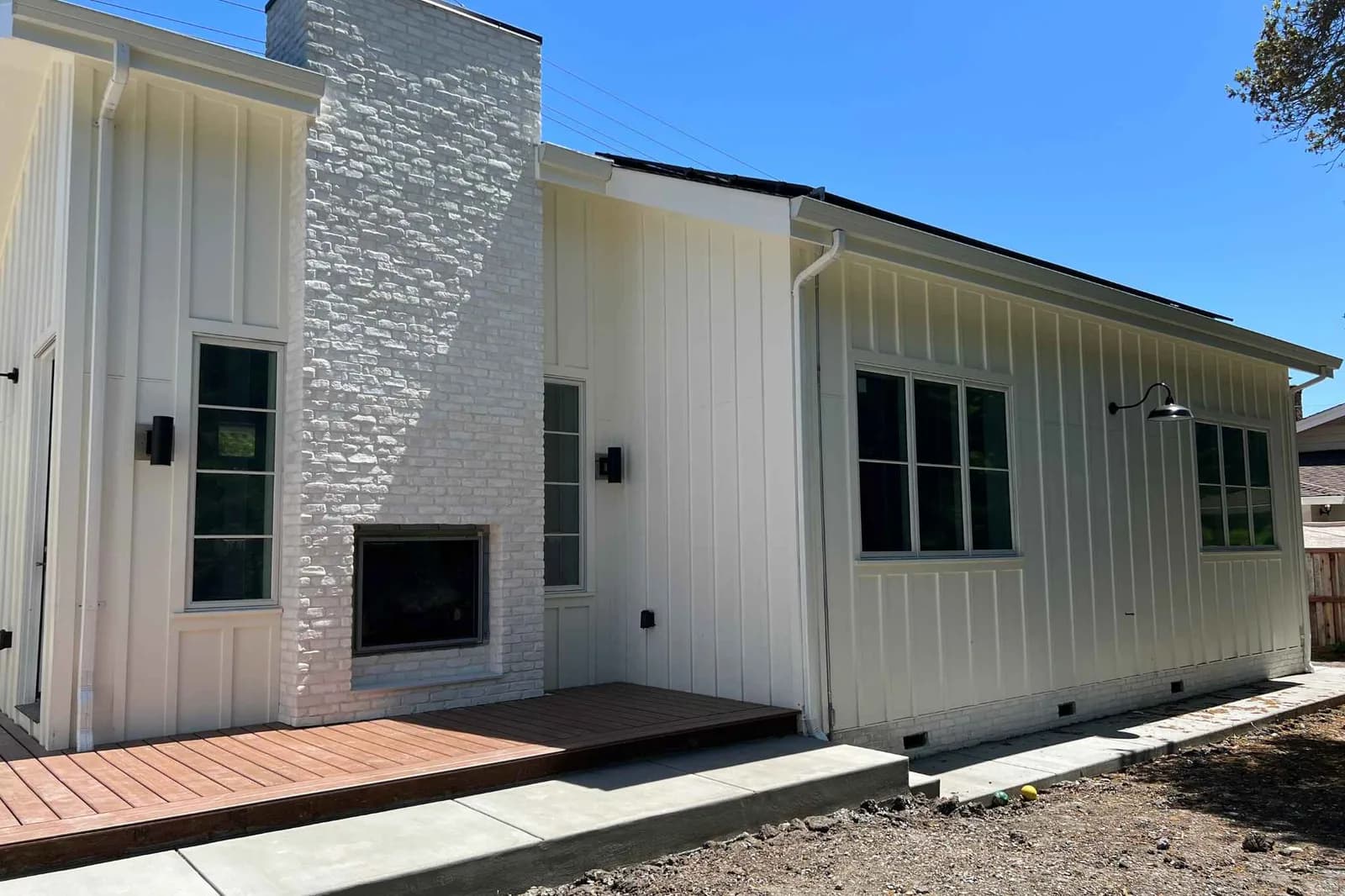
North Carolina ADU Laws: Frequently Asked Questions
It depends on where you live. From Jan. 15, 2027, cities of 50,000 or more outside the 20 coastal counties will have to allow one ADU with each single-family home. Everywhere else, including smaller towns, county land and the coast, local rules decide.
The law's text leaves Wilmington out. It applies only to cities outside the coastal area, and New Hanover is one of the 20 coastal counties. Jacksonville, in Onslow County, is in the same position. In both cities, the local code decides.
The state law doesn't say, so your city decides. It does settle renting: from Jan. 15, 2027, a covered city can't ban long-term rental of the house and the ADU to separate households. Short-term rentals stay up to your city.
It can, if your covenants restrict second units. The state ADU law doesn't override private covenants. HB 1212 would limit that power, but it has sat in committee since May 2026. Read your HOA documents and deed restrictions before you pay for plans.
The state sets no review deadline, so your city's permit queue sets the pace. From Jan. 15, 2027, covered cities can't require conditional zoning or charge more than for a similar house. Ask about current review times at a pre-application meeting.
If a covered city hasn't adopted rules by July 1, 2027, the law says ADUs will be allowed "without any limitations." A city whose existing ordinance already complies doesn't need new rules. Ask your planning department how it will handle permits.
The law applies at 50,000 residents but doesn't say which count to use. Chapter 160D lets cities use the latest state-certified estimate, which put Wake Forest, Wilson and Holly Springs over the line. If your town is close, ask which figure it relies on.
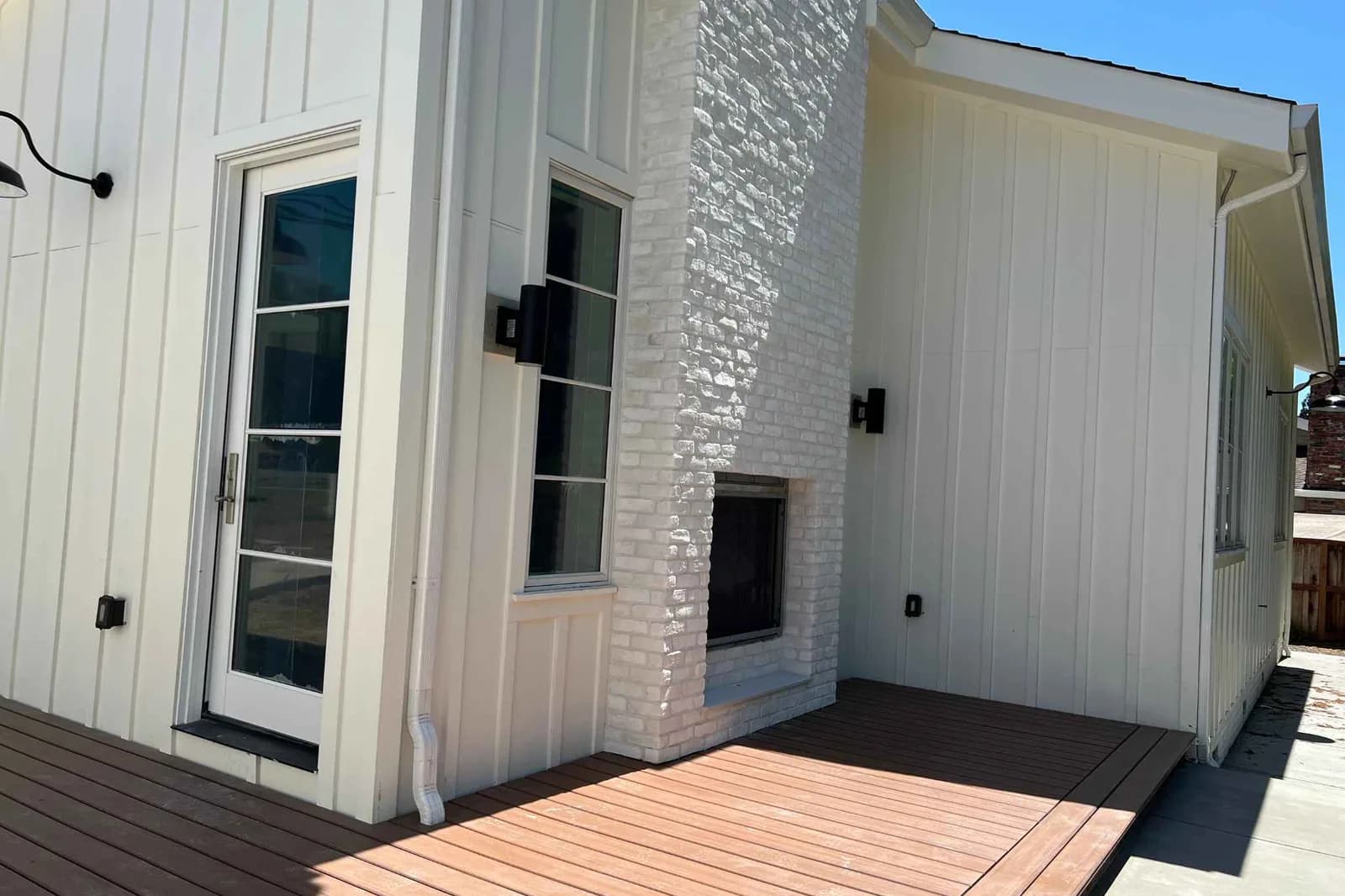
Plan Your North Carolina ADU With a Pre-Designed Plan
Next step
From Jan. 15, 2027, size caps in covered cities will land between 800 and 1,000 sq ft. Pick a plan in that range and see it in your backyard.
Sources
- Session Law 2026-59, Sec. 44
- SB 445 bill history
- N.C.G.S. Chapter 160D (population rule, § 160D-202)
- OSBM certified population estimates
- NC DEQ: CAMA counties
- Mercatus Center, A Taxonomy of State ADU Laws (tier criteria only)
- Last verified: November 15, 2026.