

Maryland ADU Laws (2026): What's Settled, What's Still Local
Maryland ADU law says yes for lots with a detached single-family house. Since 2025, it has required every county and town to allow ADUs there, up to 75% of the main home's size. Rowhouse and townhouse lots aren't covered, and your county still sets the approval path and owner-occupancy rules. Last verified Nov 14, 2026.
- W.i.P.Statewide law, with gaps
- 75% of main homeMax ADU size
- —Owner-occupancy rule
- Study firstBefore any extra parking rule
On this page
- Can You Build an ADU in Maryland?
- What's Settled, What's Still Local
- Maryland ADU Size Limits
- Owner-Occupancy and Parking
- Approval, Timeline and Fees
- What Your County Still Decides
- How to Check Your County's Rules
- Maryland in the News
- How HomeWiP Helps
- FAQ

Maryland ADU law
Can You Build an ADU in Maryland?
State law says yes if your main home is a detached single-family house, but your county decides how you get approved. Maryland's ADU law, HB 1466 (Chapter 197), took effect Oct 1, 2025. Rowhouse and townhouse lots fall outside it. It applies in every county and town, Baltimore City included.
Under Land Use §4-504, each county and town had until Oct 1, 2026 to adopt its own ADU law. That date has passed, and the law says nothing about jurisdictions that missed it. The deadline is "not a blanket authorization" to build, so read your county's ordinance first.
Three provisions in the bill drafts never became law: a 90-day decision deadline, a fee waiver for ADUs under 750 sq ft, and a one-space parking cap.
Settled vs. local
Maryland's ADU Law: What's Settled, What's Still Local
Maryland's 2025 law makes every county and town allow ADUs, but leaves approval and owner-occupancy to them.
Work in progress: LU §§4-501–4-504
Covers lots with a detached single-family home. Rowhouse and townhouse lots fall outside it.
Left to your county: approval
Your county can use by-right review, a conditional use, or a special exception.
Left to your county: owner-occupancy
State law is silent on whether the owner must live on site. Montgomery County requires it.
Partly settled: parking
A county can add an off-street parking rule only after a parking study, and it has to offer a waiver.
Settled: attached and detached
Every local law has to allow both attached and detached ADUs in some form.
Partly settled: 75% size cap
An ADU can't be larger than 75% of the main home. Fees stay local, and counties may cut them.
Size and design
What Are Maryland's ADU Size Limits?
A percentage cap, not a square-foot one. Your county sets most other design rules.
Detached
- A separate structure on the same lot
- Measure the main home's finished living area above grade, per state planners
- Montgomery County's current cap is 1,200 sq ft or 50% of the lot or footprint
Attached
- Built as an addition to the main home
- Units inside the house are your county's call
Height and setbacks
- Side and rear setbacks can't be stricter than for other accessory structures
- Maryland's ADU statute has no height rule
ADUs per lot
- Counties may allow more than one ADU per lot
- ADUs don't count toward density or growth limits
Owner-occupancy and parking
Does Maryland Require Owner-Occupancy or Parking for an ADU?
Maryland ADU regulations skip owner-occupancy and put limits on extra parking rules.
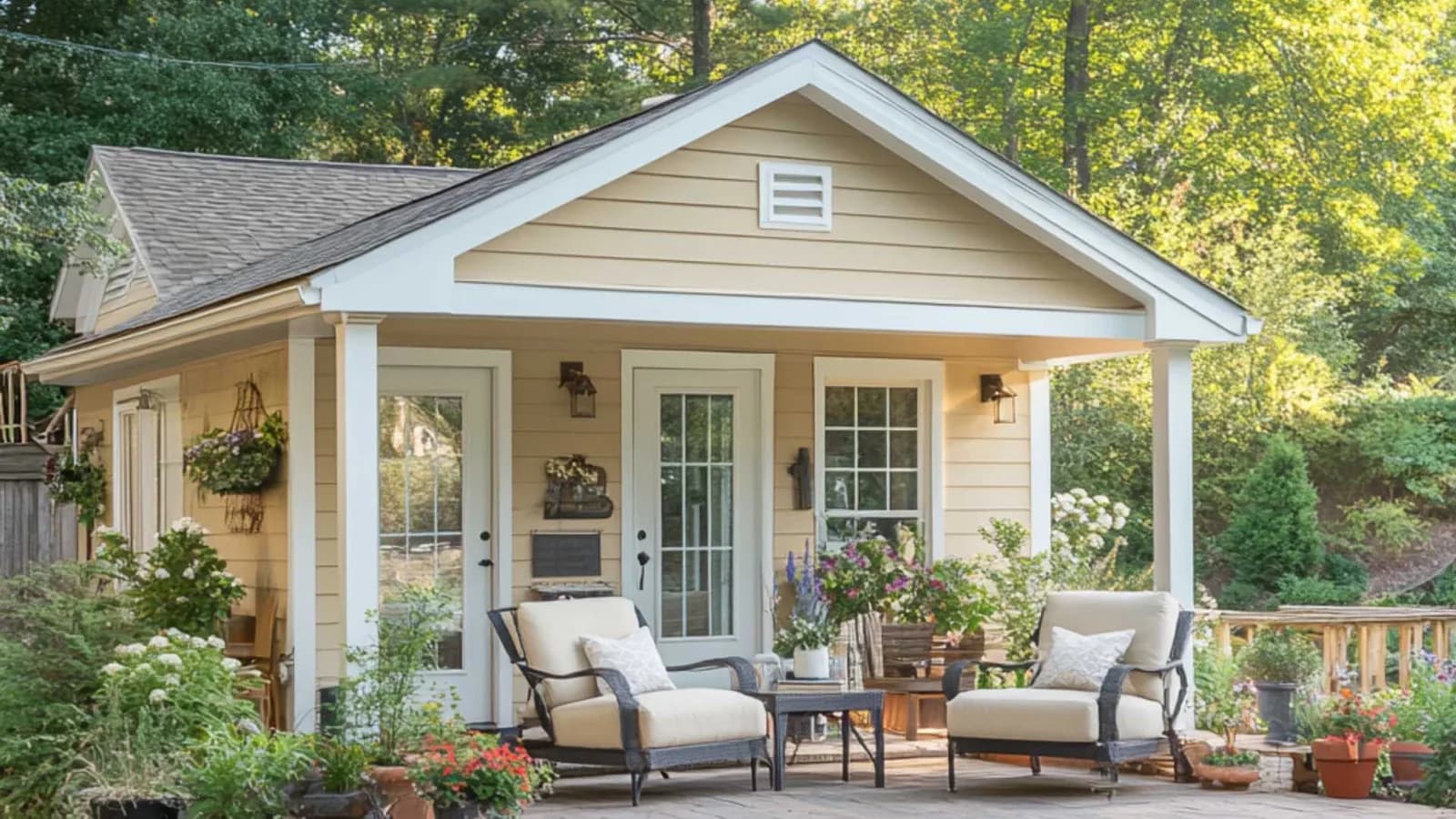
Owner-occupancy: left to your county
State law is silent. Montgomery County requires the owner to live in the main home or the ADU.
Parking: study and waiver first
Extra parking needs a study and a waiver process first. Montgomery exempts lots within 1 mile of Metro, Purple Line or MARC.
Approval and fees
Is ADU Approval By-Right in Maryland?
Not necessarily. Your county picks the approval path, timeline and fees. Sprinklers are the statewide add-on.
Counties choose between by-right review, a conditional use and a special exception. Howard County keeps ADUs by right.
Maryland law sets no review deadline. The 90-day clock in the bill drafts never became law.
Fees are local, and counties may reduce or waive them. The drafts' 750 sq ft fee waiver never became law.
New ADUs need residential fire sprinklers under the state building code. Budget for them from day one.
How big is 75% of your house? Maryland caps an ADU at 75% of the main home. Start with 500 sq ft ADU floor plans, then check one against your lot with the site visit tool.
Still local
What Does Maryland Law Still Leave Up to Your County?
State law sets the floor. The rest comes from your county or town, your HOA, or your property's history.
Garages on alley-only lots
Your county may bar converting an accessory structure, such as a garage, whose only vehicle access is from an alley.
Local safety standards
Your county may set its own ADU safety standards, so ask for them along with the zoning rules.
Not covered: rowhouse and townhouse lots
On lots without a detached single-family home, local zoning alone decides.
Short-term rentals
HOAs may limit them, and counties keep their powers. Montgomery bans short-term rental in ADUs.
Utilities and public facilities
Adequate-public-facilities rules still apply. Ask early about water and sewer capacity.
Historic properties
The HOA protection doesn't apply to properties listed in, or eligible for, the Maryland Register of Historic Properties.
Before you plan
How Do You Check Your Maryland County's ADU Rules?
Confirm your lot is covered
Your main home must be a detached single-family house. Then ask your county, in writing, for its approval path and owner-occupancy rule.
Find your local ADU ordinance
Every county and town had to adopt one by Oct 1, 2026. Prince George's County's ordinance takes effect Nov 16, 2026.
Search the code with the right terms
Search for "accessory dwelling unit" and for "accessory apartment," the term Montgomery County uses.
Read your HOA documents
Maryland law limits what an HOA can block, though short-term rental limits still hold.
Ask about utilities and sprinklers
Confirm water and sewer capacity under adequate-public-facilities rules, and plan for residential fire sprinklers.
Bring a plan to the planner
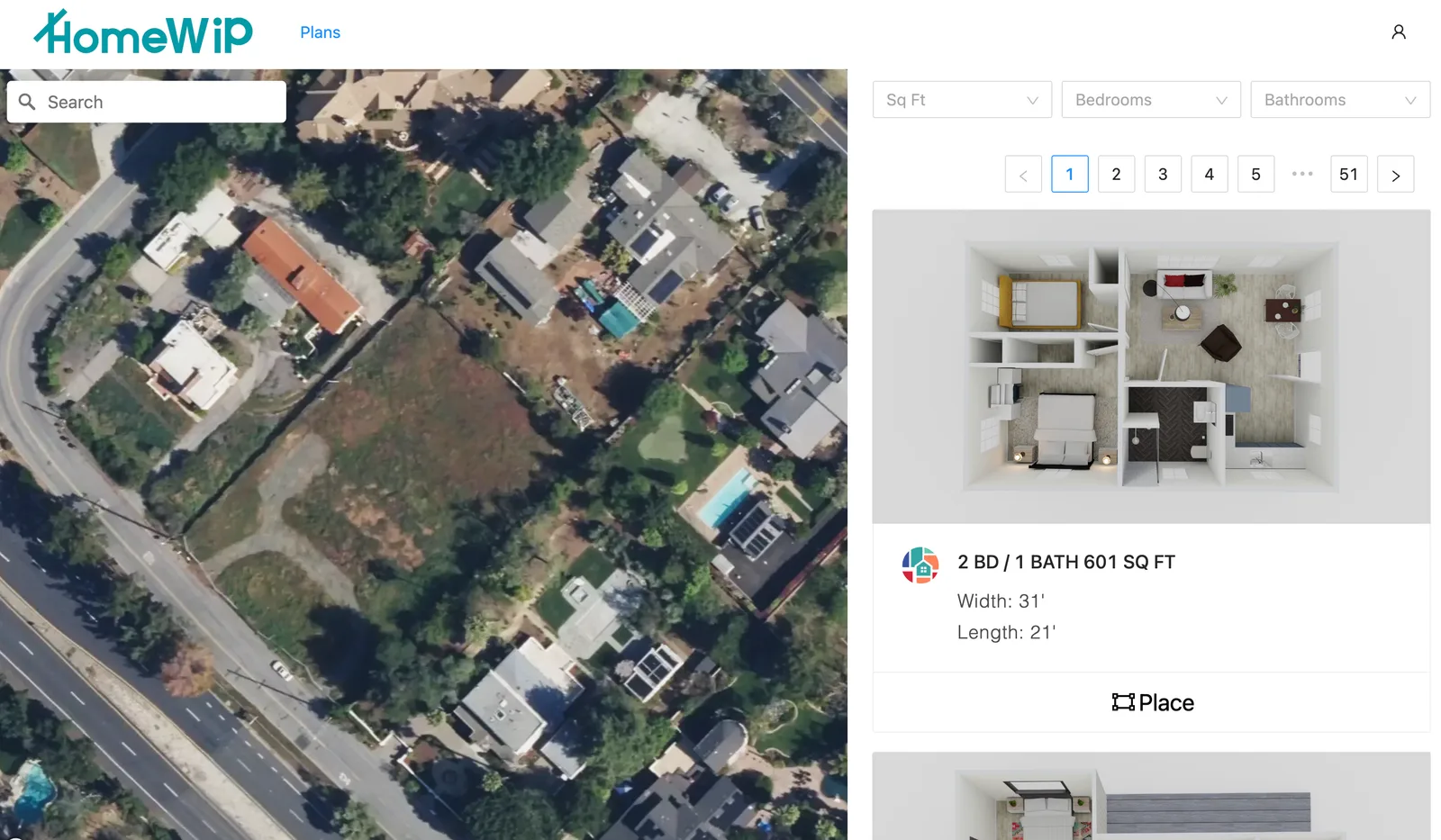
Pick a plan and run HomeWiP's site visit tool, so the planner sees a real layout.
The State of Maryland in the News
Oct 15, 2026, WJLA: New Maryland, Virginia laws aim to make backyard homes easier to build. Prince George's County's new ADU ordinance takes effect Nov 16, 2026, and Montgomery County already allows accessory apartments and detached ADUs.
Apr 15, 2026, MACo Conduit Street: 2026 end-of-session wrap-up: housing and community development. HB 1538, which would have required one internal and one external ADU per lot, did not pass. With the session over, no ADU bill is pending.
How HomeWiP helps
How Does HomeWiP Help With ADUs in Maryland?
HomeWiP doesn't handle permits in Maryland. We've focused on ADUs for 7+ years and have 700+ plans. Our projects in 20+ California cities and counties ran end to end, from design to final inspection. Permit rules differ by state, but houses are built alike and need similar utility connections.
- Choose a plan and start a site visit
Start with a plan, then check your site
Pick a pre-designed plan and place it on your lot with the site visit tool. The calculator checks your budget, and the AR viewer shows the ADU in your yard.
- Contact us
Talk to your county, then to us
Take your plan to your county or town planner and ask about the approval path and owner-occupancy. Then contact HomeWiP with what you learned.
FAQ
Maryland ADU Laws: Frequently Asked Questions
Both. Since Oct 1, 2025, state law has required every county and town to allow ADUs on lots with a detached single-family home, with local laws due by Oct 1, 2026. Your county still chooses the approval path and the owner-occupancy rule, so read your local ordinance first.
Not under state law, but your county may require it. Maryland's ADU statute is silent on owner-occupancy, so each county or town decides. Montgomery and Howard counties both keep the rule, and in Montgomery the owner must live in the main home or the ADU. Check before you plan to rent either unit.
Not outright. Maryland bars deeds, covenants and HOA rules from unreasonably limiting building or renting an ADU, including rules that ban one in effect. HOAs can still restrict short-term rentals and may treat the ADU as a separate lot for voting and assessments. The protection doesn't cover Maryland Register historic properties.
Maryland sets no deadline. Early drafts of HB 1466 had a 90-day decision clock, but it was struck before the bill became law. Timing depends on your county's path: by-right review, a conditional use, or a special exception. Ask your county planner for current review times.
State law sets the floor. It requires attached and detached ADUs, caps size at 75% of the main home, keeps setbacks no stricter than for other accessory structures, leaves ADUs out of density counts, and allows parking rules only after a study. Your county sets the rest, including the approval path, owner-occupancy, fees and design details.
Often, yes. State law says "accessory dwelling unit," while Montgomery County's code uses "accessory apartment." Other counties and towns may use their own names. Search your local zoning code for each term before you talk to a planner, so you find the right section.
Not under the state law. It covers only lots where the main home is a detached single-family house, so rowhouse and townhouse lots fall outside it. Your county or town can still allow ADUs there through its own zoning, so ask the planning office before you rule it out.
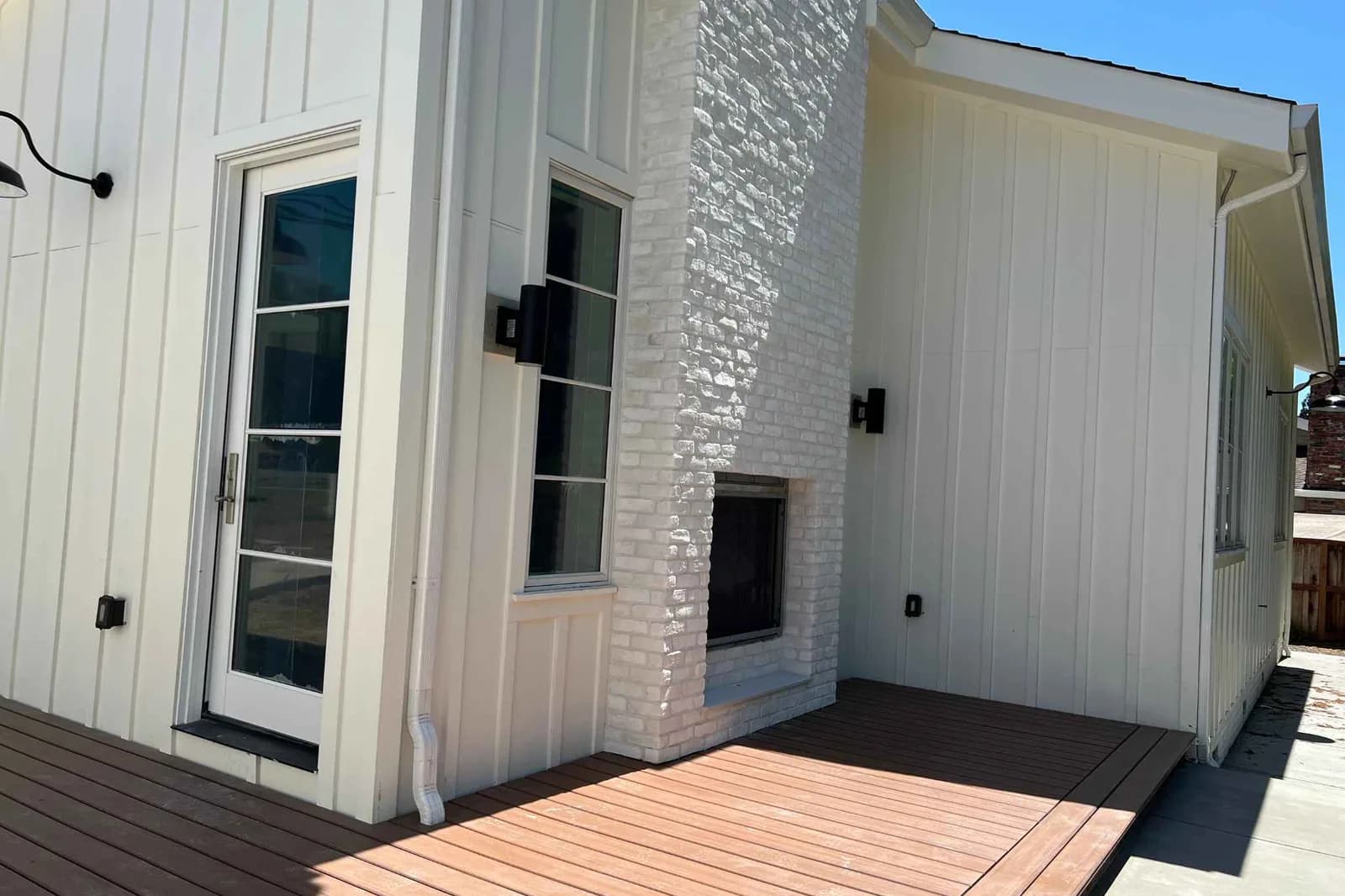
Plan an ADU That Fits Maryland's 75% Cap
Next step
Maryland caps an ADU at 75% of your main home. Pick a pre-designed plan, see it in your backyard, and bring real dimensions to your county planner.
Sources
- Maryland Land Use §4-501 (definitions)
- Maryland Land Use §4-504 (local ADU laws)
- Maryland Real Property §2-126 (covenants and HOAs)
- DLS Fiscal and Policy Note, HB 1466 (2025)
- Maryland Department of Planning, HB 1466 FAQ for Local Governments
- Mercatus Center, A Taxonomy of State ADU Laws 2025 (tier criteria only)
Last verified: November 14, 2026.