
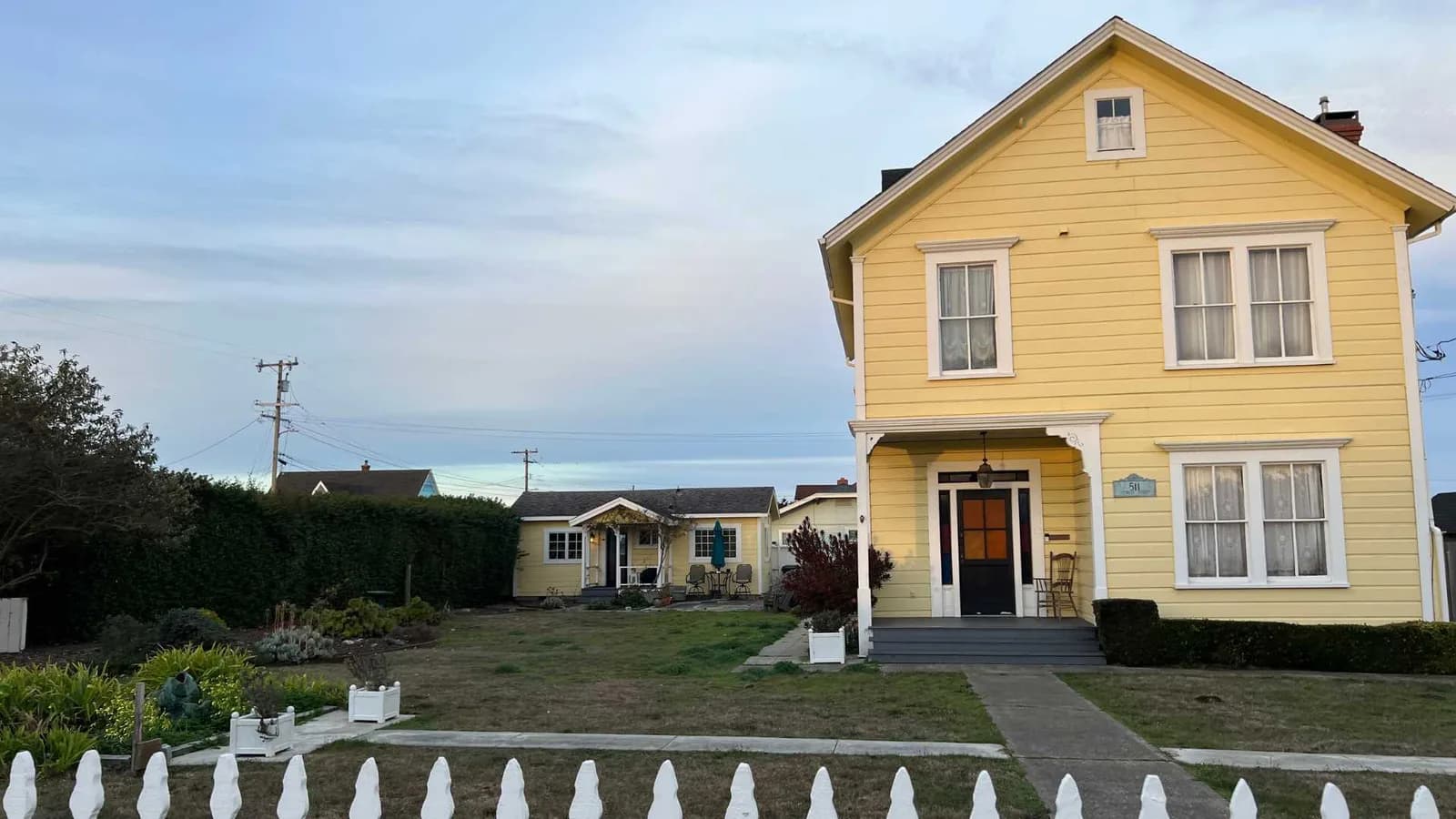
ADU in Real Estate: Everything You Need to Know
Learn about Accessory Dwelling Units (ADUs) in real estate. Discover their types, benefits, legal considerations, and how they boost property value and flexibility.
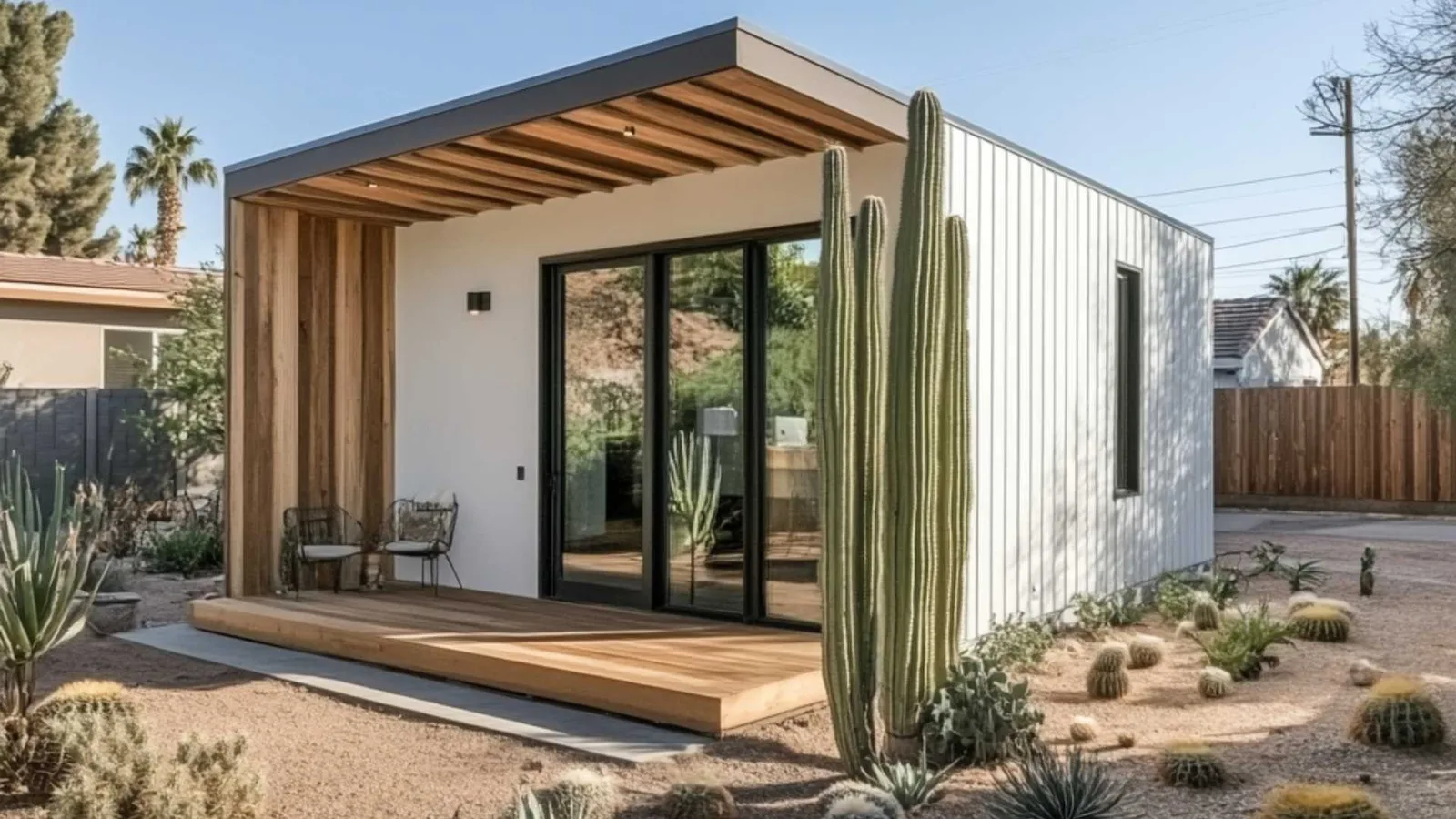
ADU in real estate have become an appealing choice for homeowners and real estate investors. An accessory dwelling unit, or ADU, is a small, self-contained house located on the same property as a larger home. Because they provide extra living space and can boost property value, ADUs offer both financial benefits and housing flexibility. They can serve as rental units, space for family, or even a private office.
ADUs come in different forms, including basement apartments, garage conversions, or lofts. They are often praised for their ability to add living space without major construction.
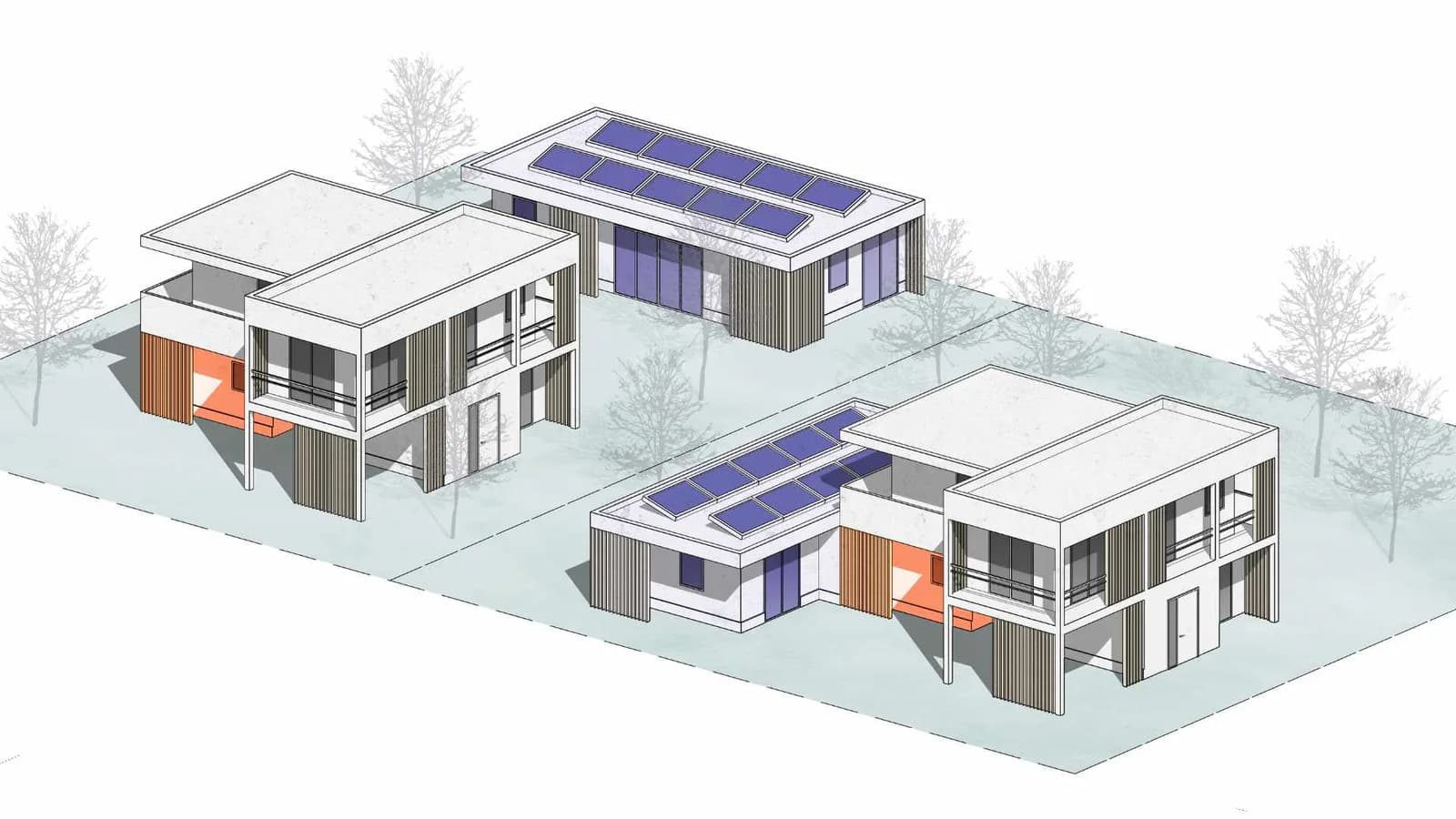
ADUs can be built as separate backyard cottages or as attached dwellings with a common wall between a new unit and existing main house. ADUs support multi-generational living and can help solve housing shortages.
As we see an increase in urban populations and rising housing costs, ADUs represent a practical solution. Communities benefit from the added housing, and homeowners enjoy increased income potential. Exploring ADUs could be the key to enhancing our living space and financial future.
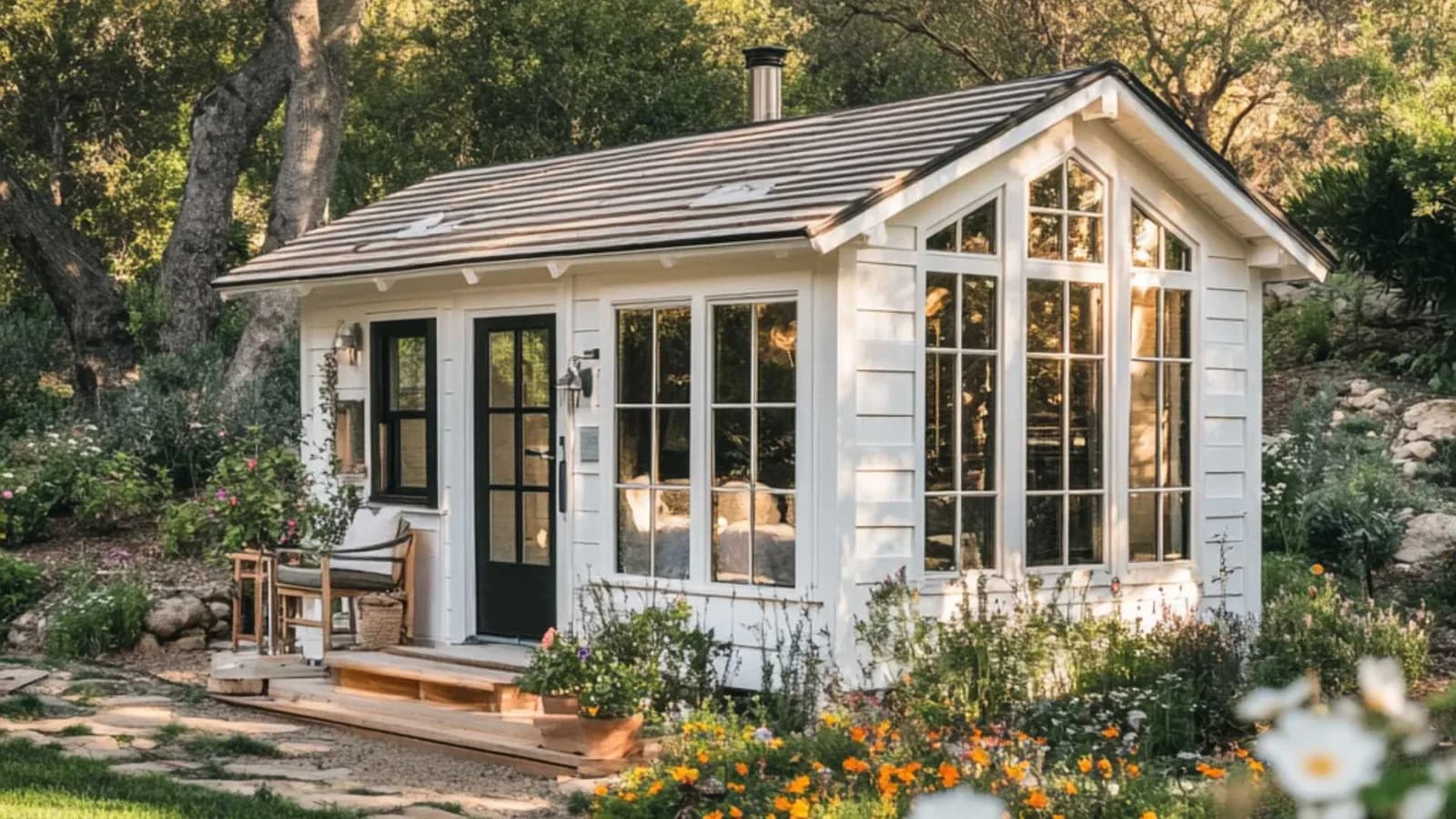
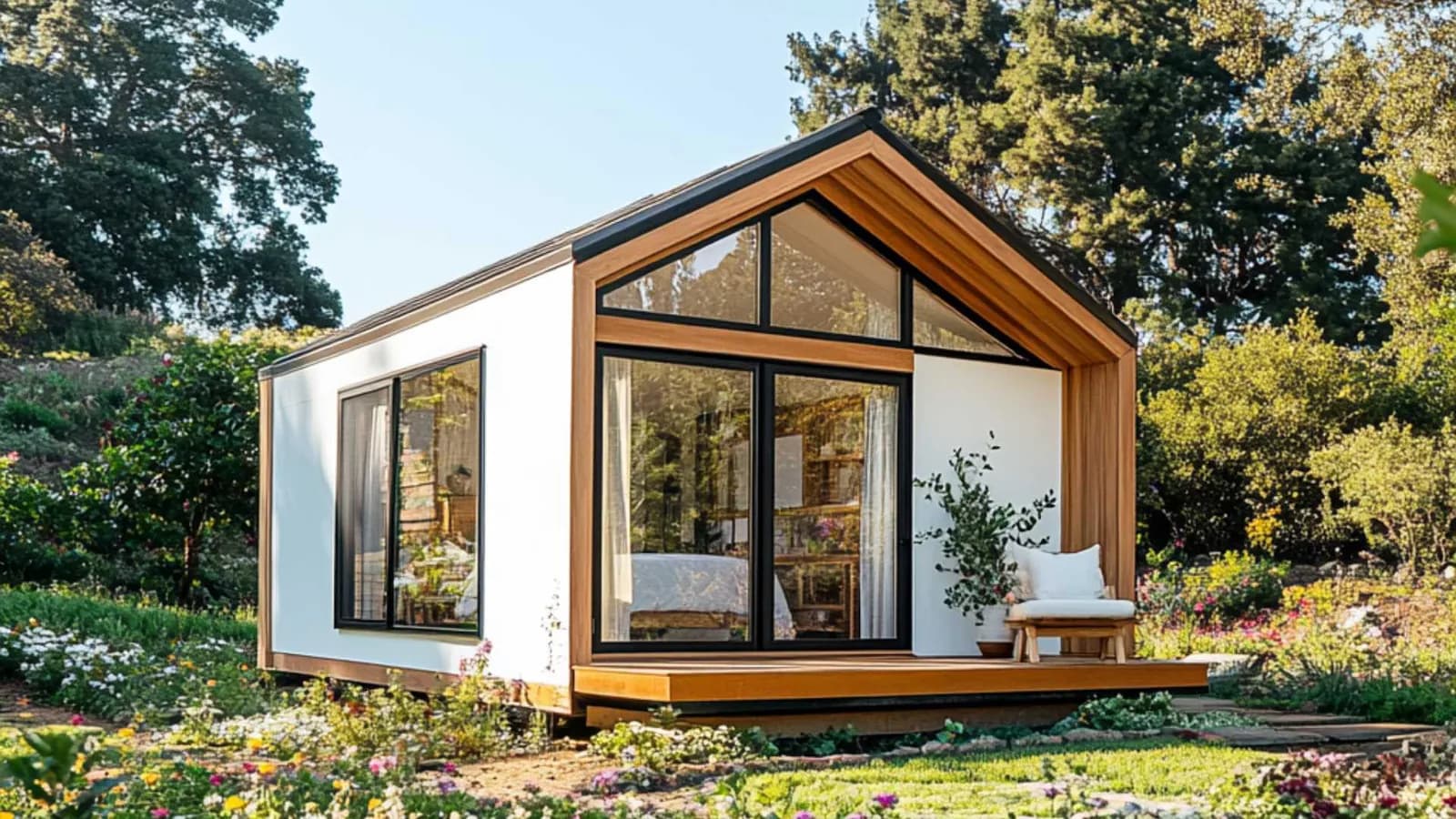
Understanding ADU in Real Estate
Accessory Dwelling Units (ADUs) have become a significant part of modern real estate. They offer flexible housing solutions, historical significance, and many advantages for property owners and communities alike. Let’s explore the definition, evolution, and benefits of ADUs.
Definition and Types of ADUs
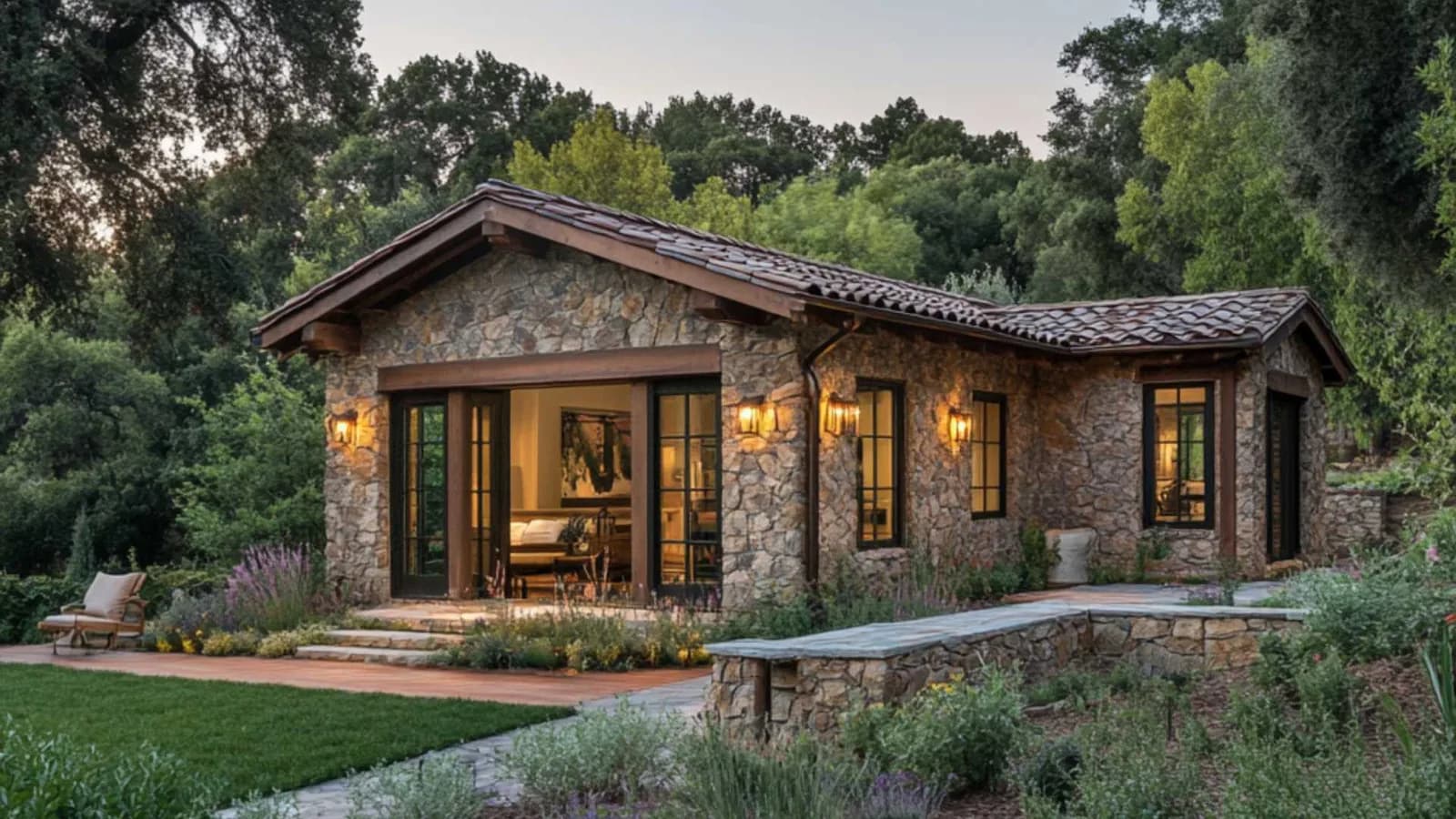
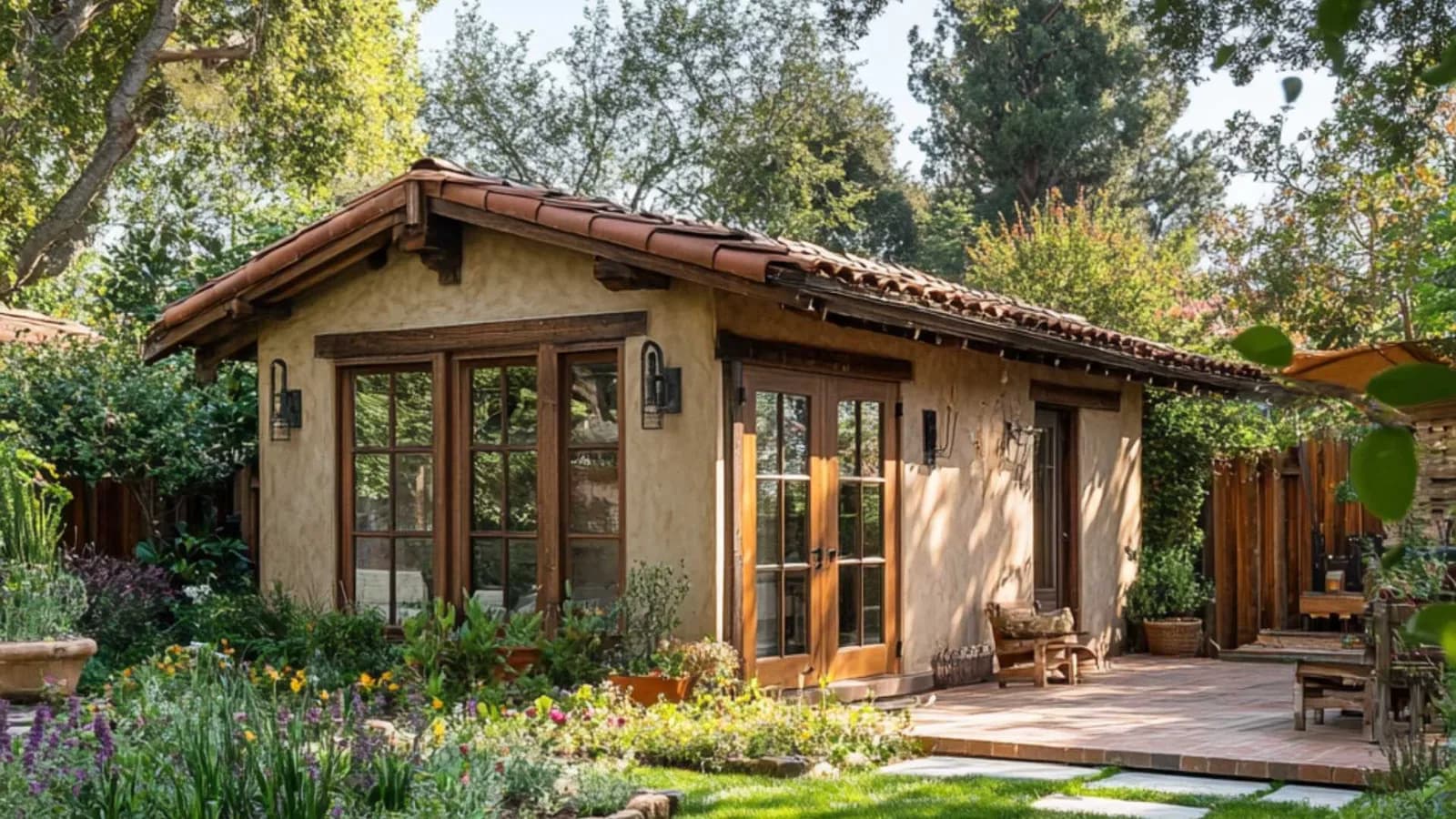
ADUs are secondary housing units on single-family residential lots. These can be detached structures like cottages or attached units, often converted from garages or basements. They’re independent living spaces with kitchens, bathrooms, and entries.
We see a range of types like granny flats, basement apartments, and backyard cottages. Each serves unique purposes and suits different lifestyle needs. Their versatility makes them popular in urban planning and housing strategies.
Historical Context and Evolution
The concept of ADUs isn’t new. Historically, they’ve existed under different names, serving as living spaces for domestic workers or family members. Over the years, zoning changes and urban growth have influenced their development.
In the mid-20th century, interest waned due to zoning restrictions. Recently, they’ve seen a resurgence, driven by housing shortages and changing family dynamics. Cities now reevaluate zoning laws, promoting ADUs as sustainable housing solutions.
Benefits of ADUs in Real Estate
ADUs offer several benefits. They provide additional rental income opportunities, making them attractive investments. Owners can enhance property value by leveraging unused space efficiently.
ADUs support multi-generational living without sacrificing privacy. Families benefit from closeness while maintaining independence. Communities also gain affordable housing options, easing local housing crises.
Their role in urban settings is crucial in maximizing land use and addressing the housing gap. ADUs help integrate more livable space into existing neighborhoods.
Our construction expertise at your service 24/7
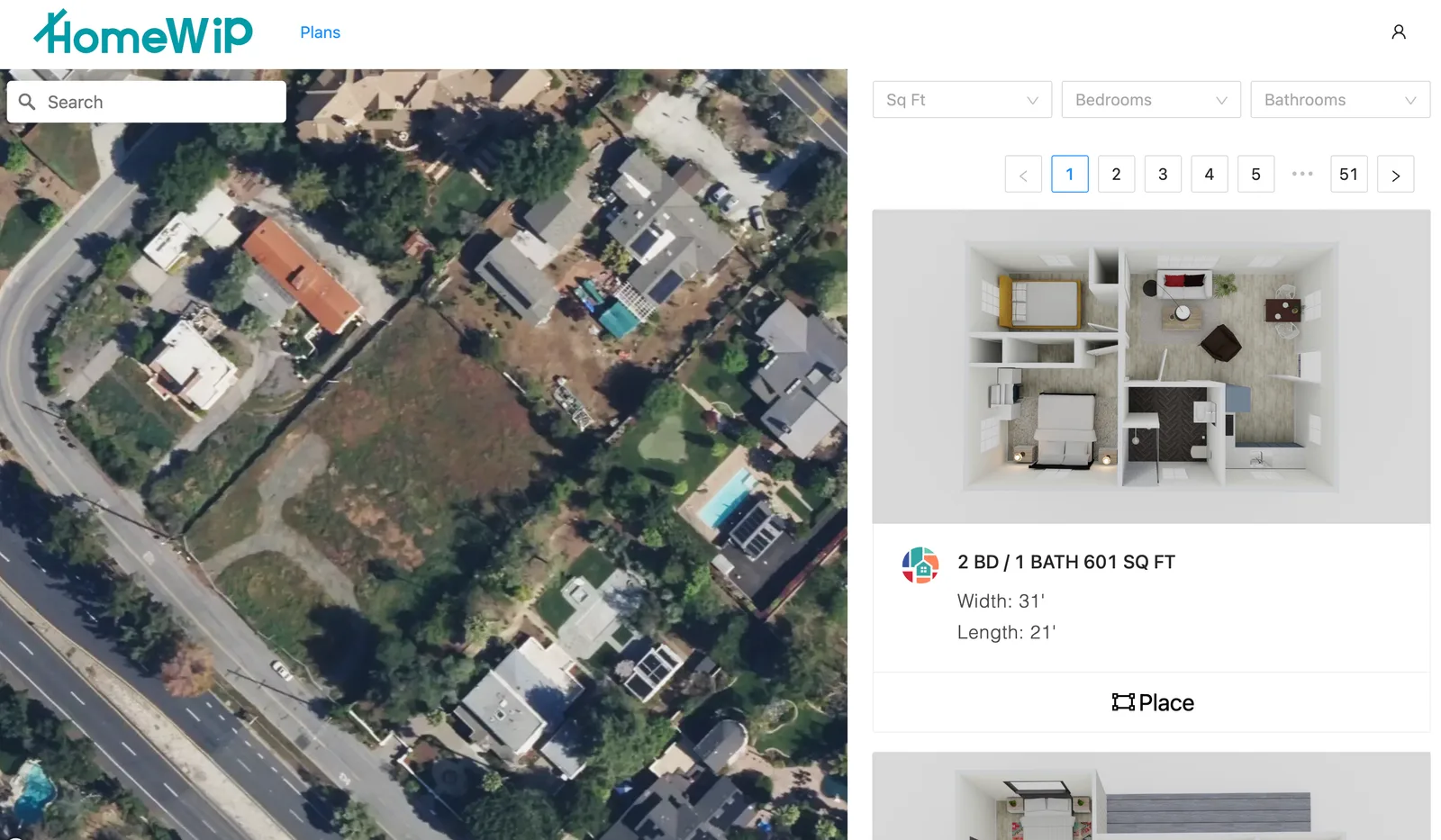
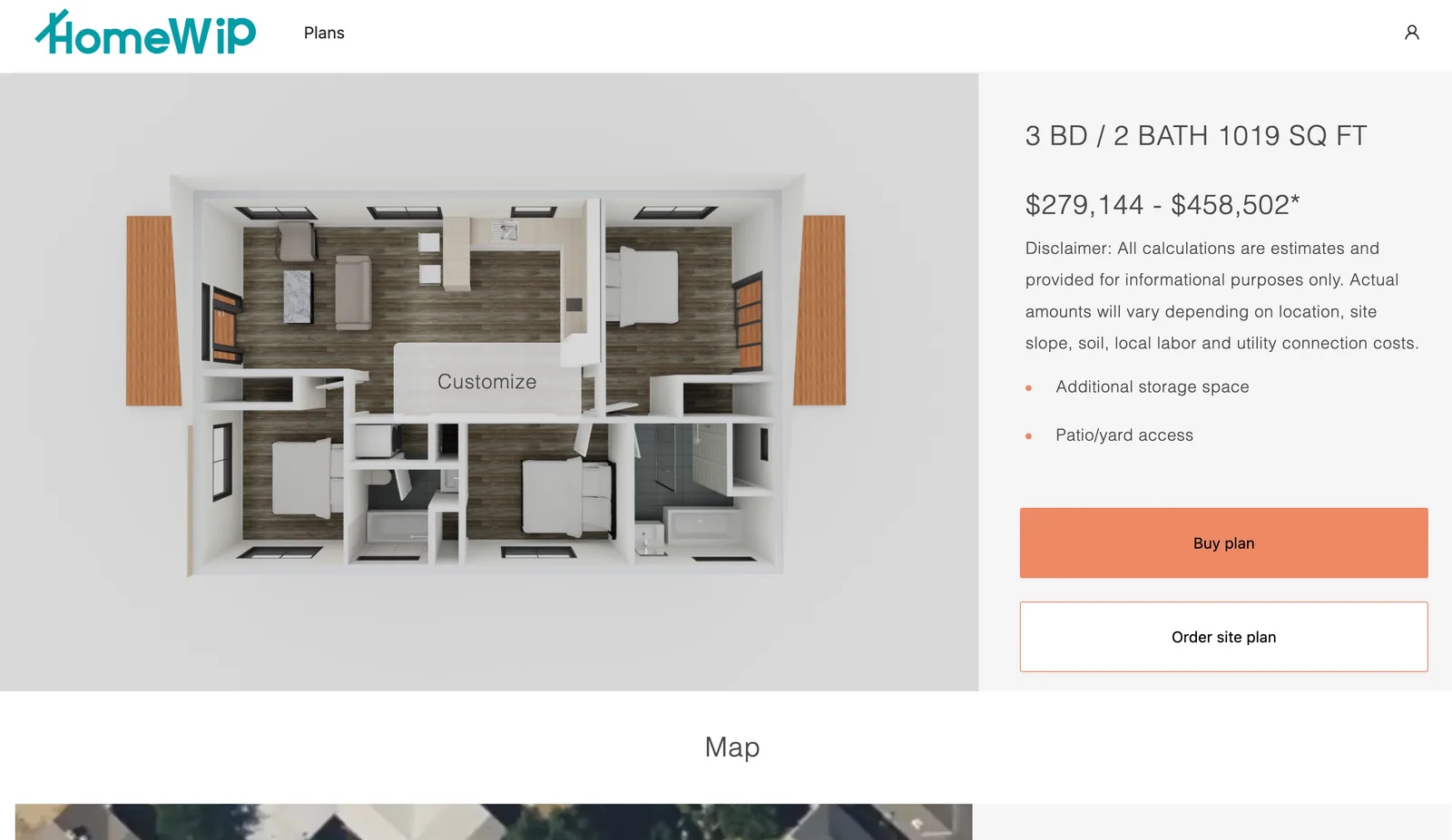
Will an ADU fit in your backyard?
Select
Choose from one of the 500+ pre-designed ADU plans
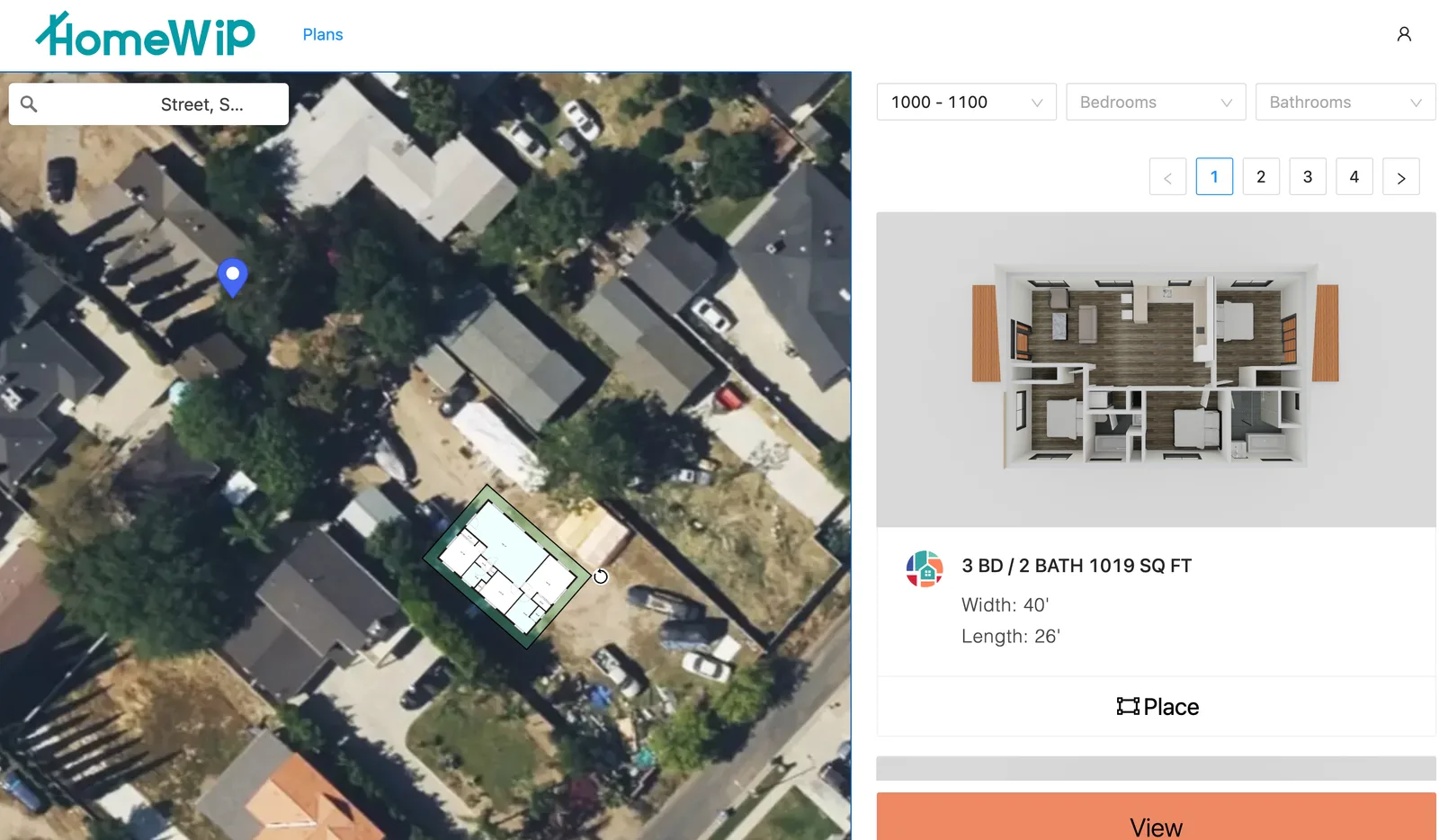
Place
Type in your address to view unit on the map of your property
Consider
Review preliminary estimate of your selected ADU
Legal and Zoning Considerations for ADU in Real Estate
When adding an Accessory Dwelling Unit (ADU) to a property, understanding legal and zoning considerations is crucial. Let us explore the impact of zoning laws, building codes, and permit processes on ADU development.
Zoning Laws and Regulations
Zoning laws determine where ADUs can be built. Local governments often have specific zones where these are allowed. These laws might dictate the size and location of the unit on a property.
Some areas limit the number of ADUs in a neighborhood. It’s essential to check local ordinances. Homeowners Associations (HOAs) might have additional rules. Understanding these can prevent legal issues. We firmly believe that spending time on preconstruction activities will save you time and money during construction.
Building Codes and Standards
Building codes ensure ADUs meet safety and health standards. These codes cover elements like electrical systems, plumbing, and structural integrity.
When you are building an ADU close to the main house, materials used must comply with fire safety rules. There are specific codes for energy efficiency too. Builders will need to meet these requirements. It’s vital that all codes are strictly followed to avoid penalties or the need for future repairs.
Permits and Compliance Procedures
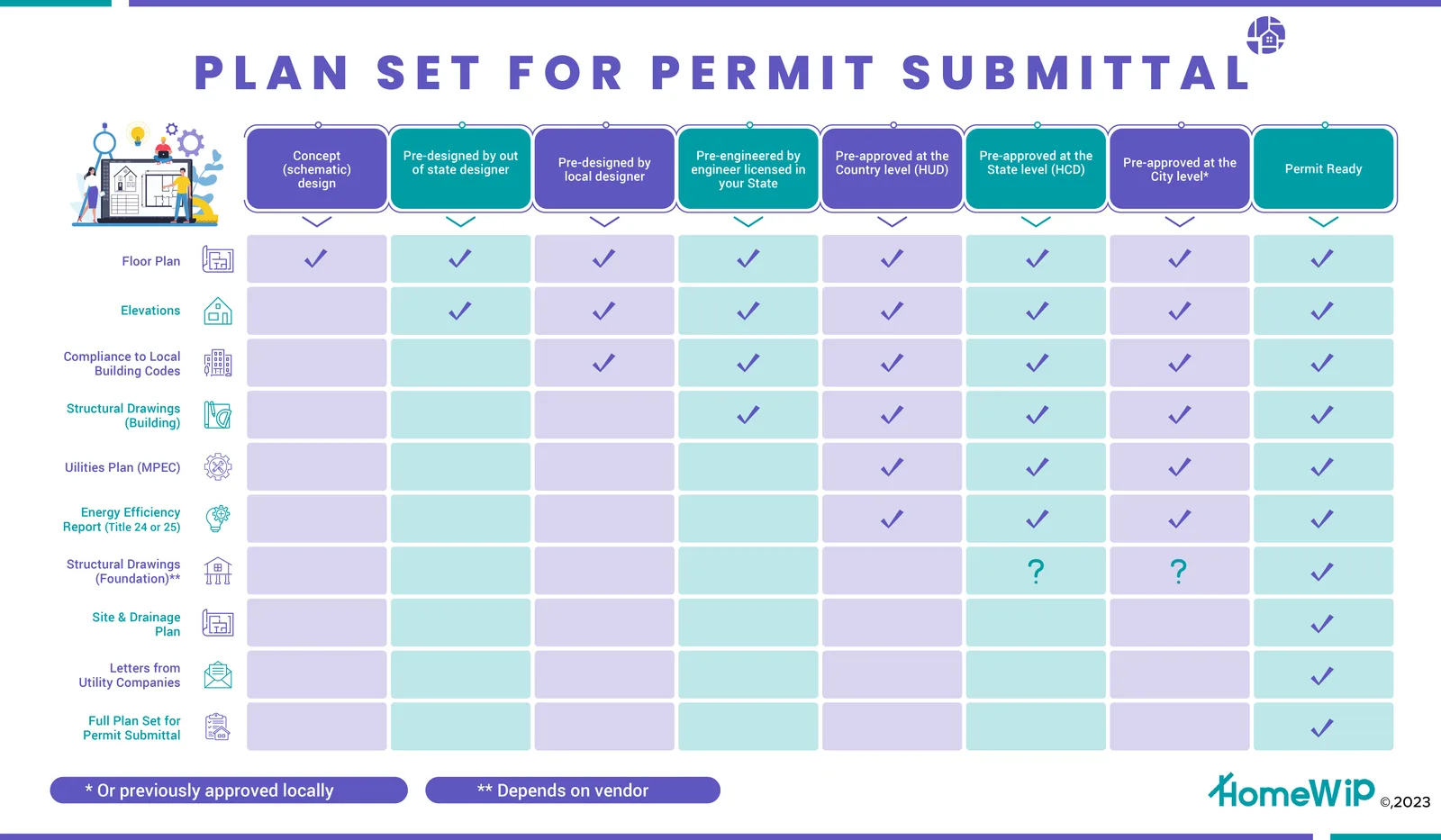
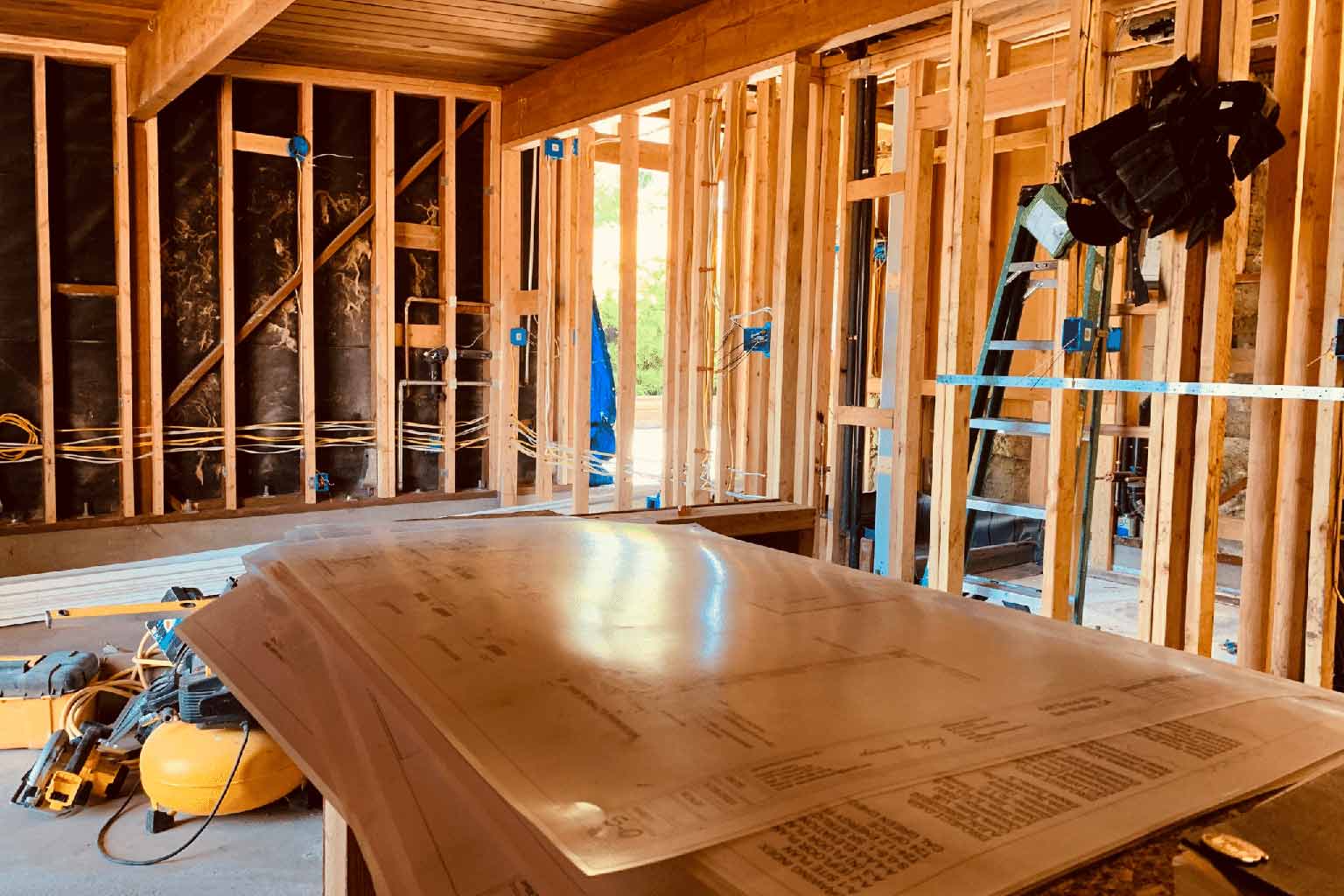
Obtaining permits is a critical part of the ADU process. This involves submitting detailed plans for approval. Local authorities review these to ensure compliance with laws and codes.
Fees are usually associated with these permits. The process can be time-consuming, so starting early is beneficial. Working with a professional contractor can simplify navigating permit procedures. We recommend checking timelines regularly to stay on track with your project.
There is a number of ways to build an ADU, and thus there is a number of ways to get a permit. Familiarize yourself with different options.
ADU in Real Estate: Development and Construction
In this part, we look into how ADUs are designed, funded, and built. We’ll explore key factors in planning an ADU, options for financing, and dealing with possible construction challenges.
Designing an ADU
When designing an ADU, we have to consider both space and function. It’s important to balance living space with the size of the available land. We often find that maximizing natural light makes a big difference in making the unit feel welcoming.
Materials should be durable and complement the main house. For example, choosing matching exterior finishes can provide a cohesive look. Floor plans should aim for efficiency, using every square foot effectively. Including multi-purpose furniture can help make small areas more versatile, giving residents a comfortable living experience.
Financing ADU Projects
Funding an ADU can be a complex part of the process. There are several options available to us, like home equity loans, personal loans, and government programs designed to support ADU developments. Each has its pros and cons.
We have to assess our financial situation to determine the best route. Home equity loans typically provide lower interest rates compared to personal loans. Meanwhile, government programs may offer incentives or grants. It’s key to understand each option fully to avoid unexpected costs during the project’s lifecycle. We highly recommend talking to several banks and mortgage brokers before making the decision on how to finance an ADU.
Construction Challenges and Solutions
Building an ADU can come with various hurdles. Regulations often require thorough checking before construction begins. This includes zoning laws and building codes, which can vary significantly by location. Navigating these can be difficult, but it’s essential for us to ensure compliance to avoid fines or delays.
We might also face space restrictions or utility hookup issues, needing creative solutions. For instance, using compact designs or an attached ADU can help overcome limited space. Working with experienced contractors can ease utility challenges. There is a reason we keep talking about utilities at the very start of the project. You will be surprised how many stories we hear about an ADU completed but sitting without power because the panel upgrade permit had not been filed on time. Keeping an open line of communication with local authorities can also help in swiftly resolving potential legal or technical issues.
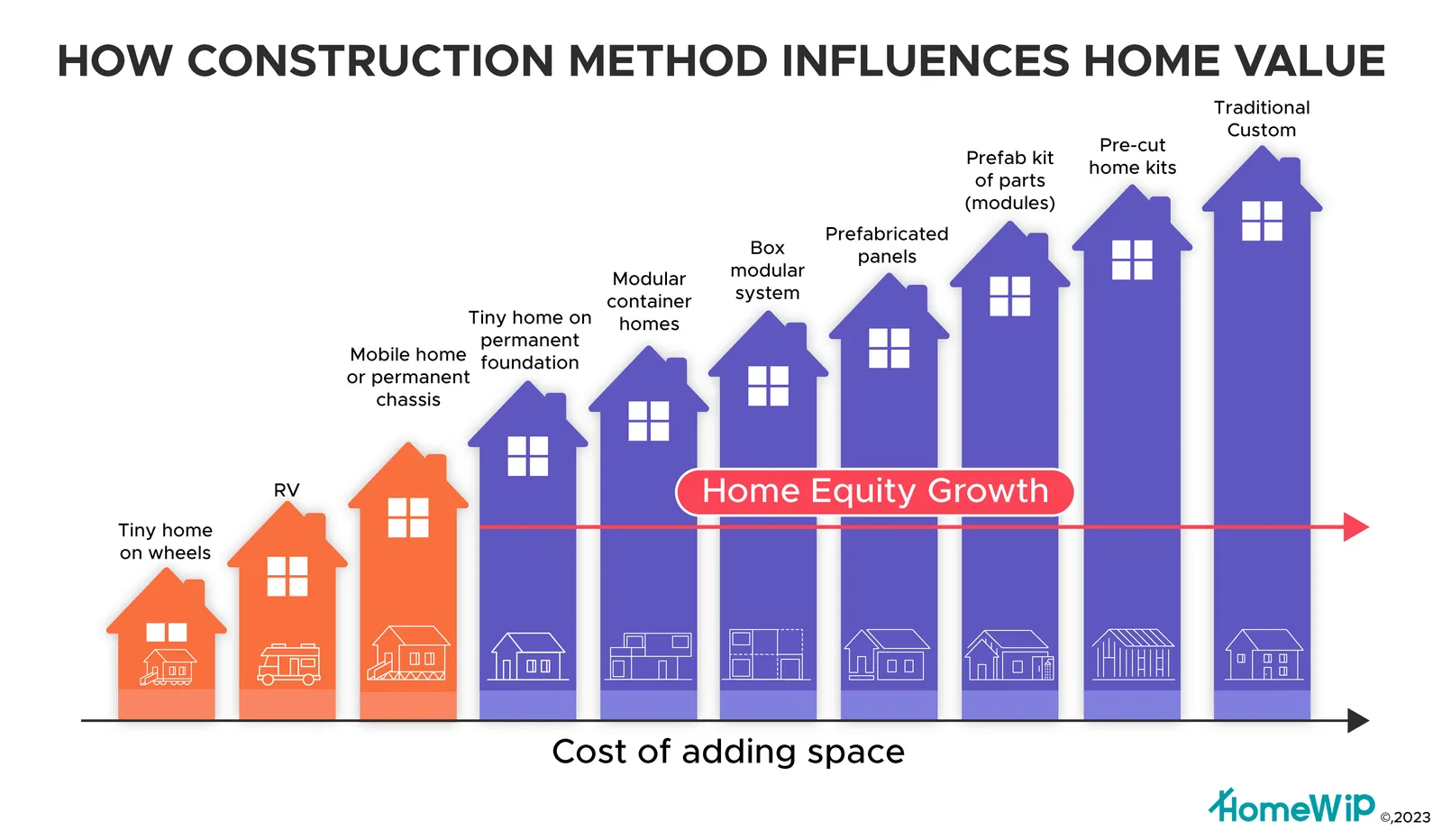
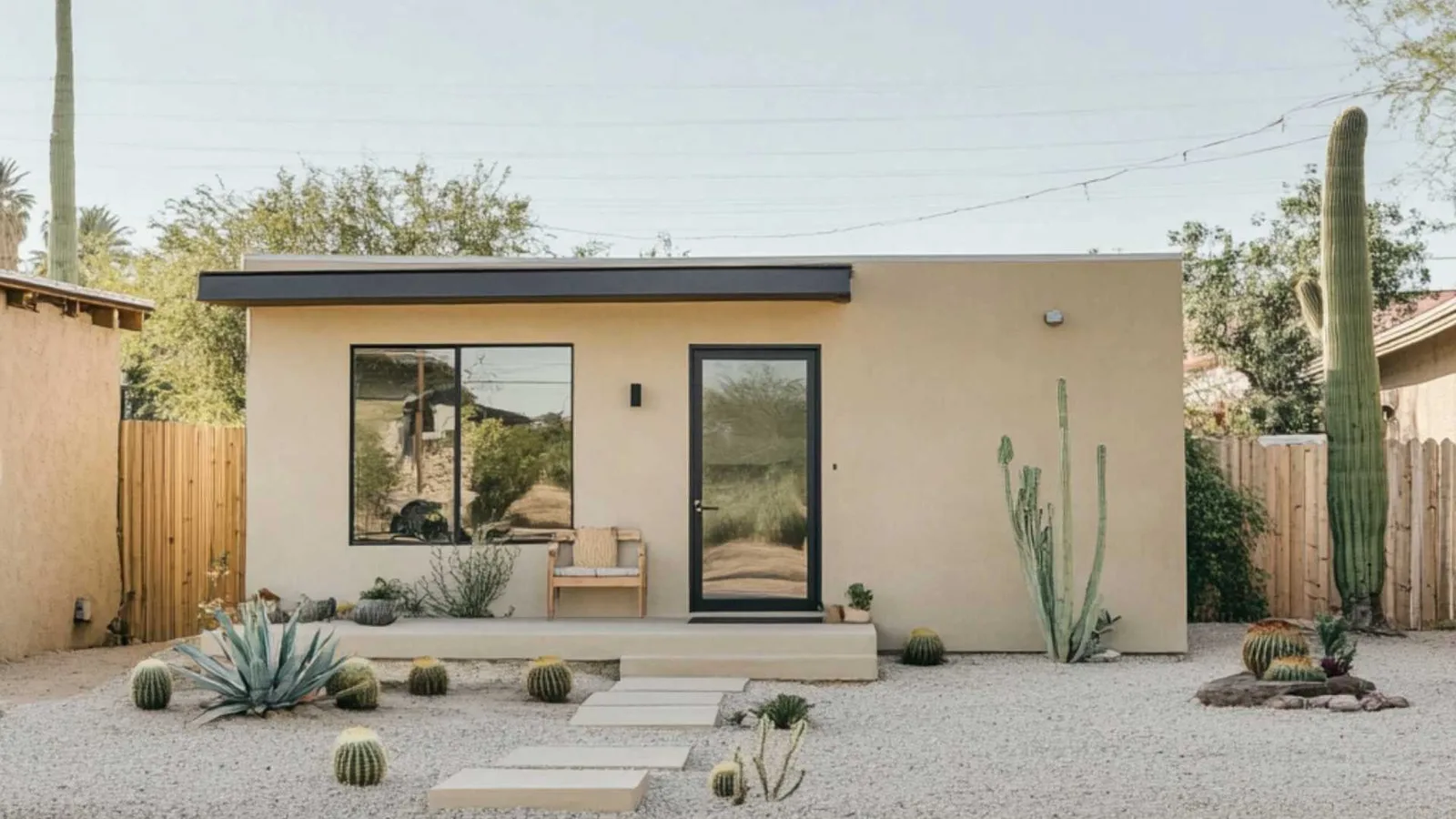
ADUs and the Real Estate Market
Accessory Dwelling Units, or ADUs, are becoming more popular in real estate. They can meet housing needs, change property values, and offer investment opportunities.
Market Trends and Demand
The demand for ADUs is rising due to housing shortages and the desire for multi-generational living. Many cities now support ADU development through relaxed zoning laws. As more people seek affordable housing alternatives, ADUs become an attractive choice.
We observe a boost in ADU construction, especially in high-cost areas. Homeowners are adding these units to provide rental income or space for family members. This trend shows a shift towards flexible housing solutions.
The increased interest in ADUs reflects changes in how we live and use our homes.
Impact on Property Values
ADUs can positively affect the value of a property. Adding an ADU often leads to an increase in property value due to the extra living space it offers. This added space is especially appealing to buyers looking for rental income potential or additional family housing.
However, the impact on property value can vary. In some areas, ADUs are highly desirable and lead to significant value bumps.
Local market conditions and regulations play a key role. It’s crucial to understand how these factors influence property values when considering an ADU.
ADUs as Investment Opportunities
ADUs present a promising investment opportunity. Renting out an ADU can provide a steady income and help offset mortgage costs. This is appealing in cities with high rental demand. Investors see ADUs as a cost-effective way to increase rental revenue without purchasing separate properties.
Building an ADU may require an initial investment, but the potential returns can be significant. Rental income and increased property value offer long-term financial benefits.
We find ADUs are emerging as a smart choice for those seeking to expand their real estate investment portfolios. They offer flexibility and potential profitability.
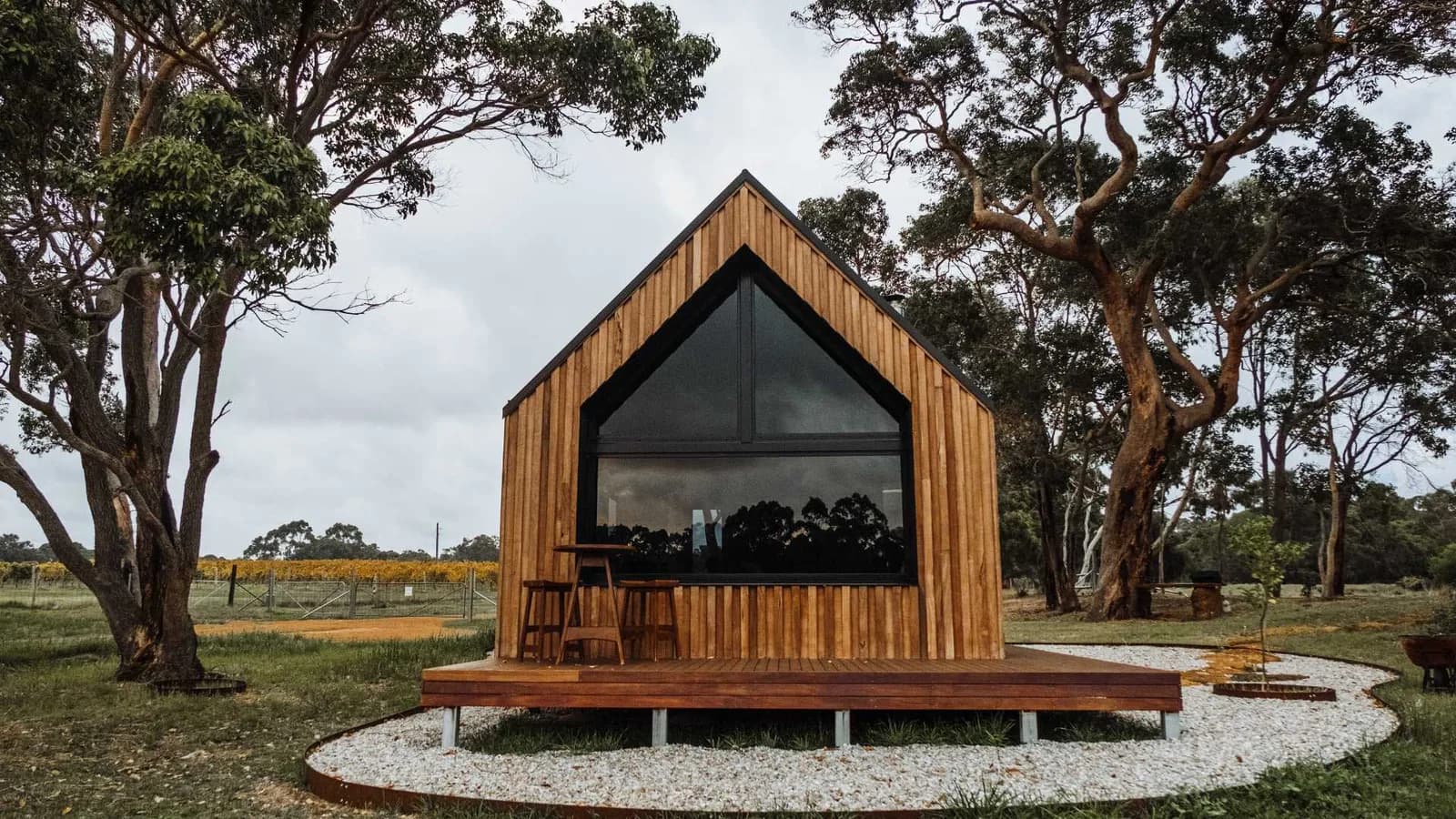
Frequently Asked Questions (FAQs)
Accessory Dwelling Units (ADUs) can increase the value of a property and provide extra living space. Here, we explore zoning rules, costs, potential drawbacks, and examples of ADUs.
Zoning requirements for ADUs vary by location. We must check with local government offices to understand specific rules in our area. Common rules may include lot size, ADU size limits, and placement on the property.
The cost of building an ADU can range from $80,000 to over $600,000. Factors influencing the cost include size, design, materials used, and local labor rates. It’s important to budget for permits and utility connections as well.
Adding an ADU may lead to increased property taxes. It might also require additional maintenance and management. When thinking of renting an ADU, the homeowner should be ready to become a landlord or landlady. One should consider parking limitations and possible neighborhood opposition too.
Eligibility for ADU grants depends on location and specific program criteria (income could be one such criteria). We often need to demonstrate the ADU will provide affordable housing or meet community needs. Checking with local housing authorities provides the best guidance.
ADUs can increase property value by adding living space and providing rental income potential. They also add flexibility for housing family or guests. However, market conditions and neighborhood demand will ultimately determine value changes.
Common types of ADUs include garage conversions, detached units in backyards, and basement apartments. Each type offers different benefits and challenges regarding space, privacy, and cost. We can select the best fit based on our needs and property layout.
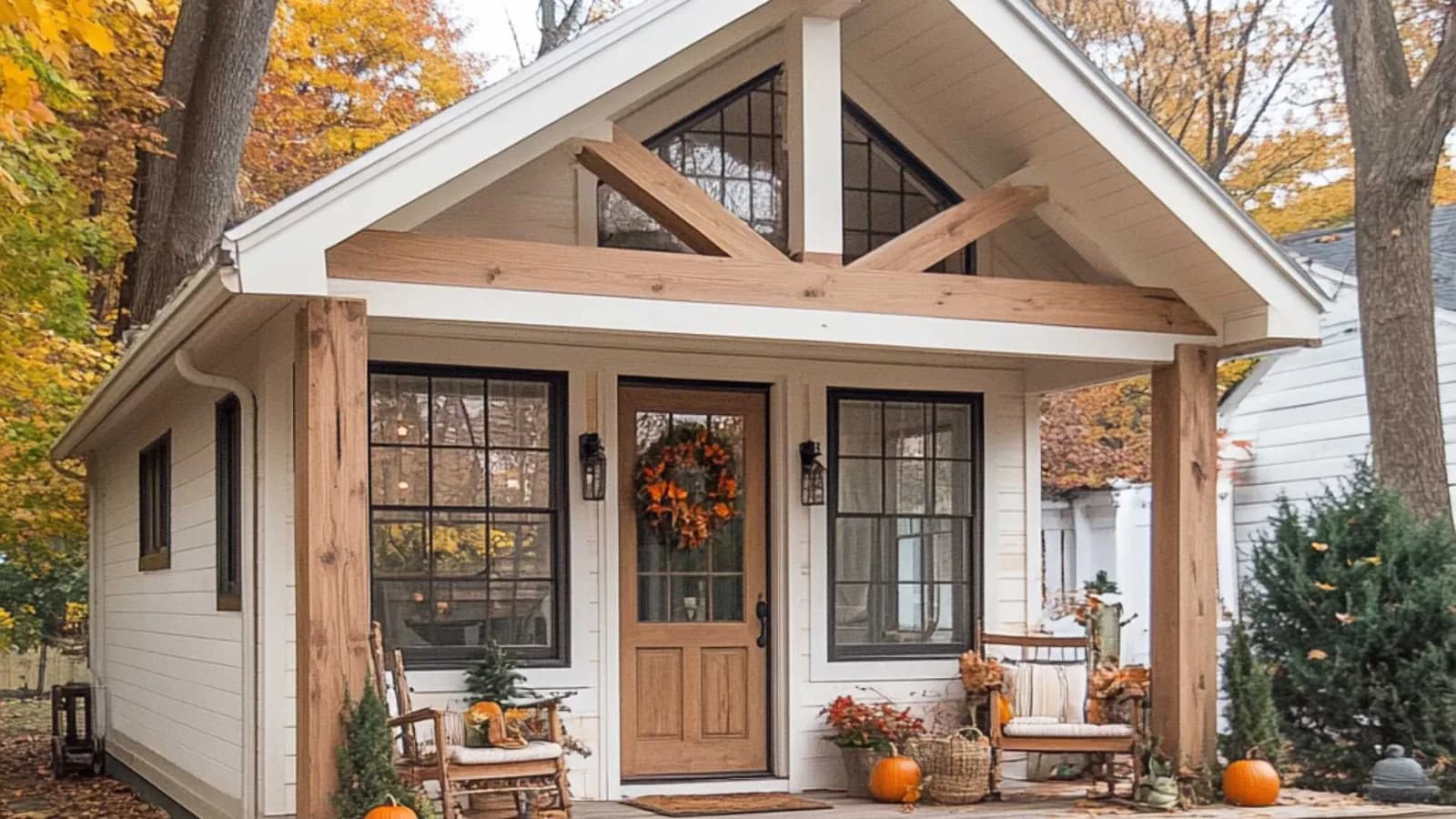
Our expertise at your service 24/7
Select a house for your backyard
From the comfort of your sofa.
Without talking to anyone.
- Find out if it fits
- Browse exterior options
- Estimate how much it may cost