
ADU Construction: A Complete Step-by-Step Guide to Building an Accessory Dwelling Unit
A complete step-by-step guide to ADU construction, from first consultation and permits to costs, build stages, and final move-in day.
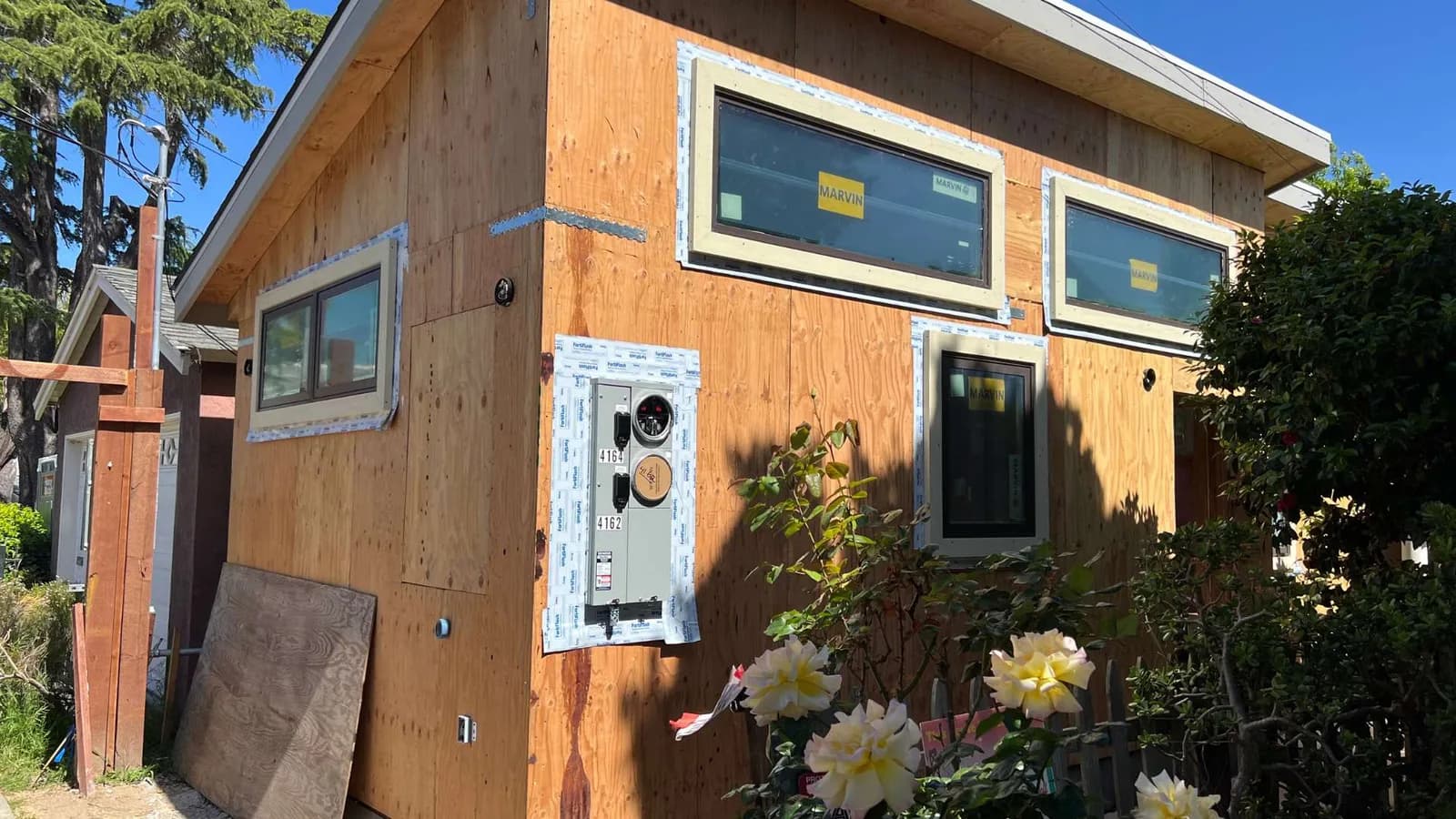
Thinking about adding an ADU to your property? This step-by-step guide walks you through the entire ADU construction process — from first consultation to move-in day — so you can build with confidence.
What Is an ADU and Which Type Is Right for Your Property?
An Accessory Dwelling Unit (ADU) is a secondary housing unit on a single-family residential lot. It’s a fully independent living space with its own entrance, kitchen, bathroom, and living area — yet it shares the same lot as your primary home.
ADUs come in several forms, and the right choice depends on your lot, budget, and goals:
Types of ADUs
- Detached ADU: A stand-alone structure like a backyard cottage or carriage house. Offers the most privacy and can be up to 1,200 square feet in many jurisdictions.
- Attached ADU: An addition connected to your main home, sharing at least one wall. Often more affordable than detached since it uses existing infrastructure and is closer to utilities of the main house.
- Internal ADU: A conversion of space within your main home, such as an en suite bedroom, a basement apartment or attic suite.
- Garage conversion: Transforming an existing garage into a self-contained living space — one of the most cost-effective options.
- Junior ADU (JADU): A small unit of up to 500 square feet converted from existing space within the main house. Most California jurisdictions allow a JADU in addition to a standard ADU.
You may also hear ADUs called granny flats, in-law suites, secondary units, guest houses, or backyard cottages. Regardless of the name, they all serve the same purpose: adding a legal, independent living space to your property.
Why Should You Build an ADU?
ADUs offer a rare combination of financial and personal benefits that few home improvements can match:
- Rental income: A well-designed ADU generates reliable monthly income from long-term tenants or, where permitted, short-term rentals.
- Increased property value: Adding livable square footage to your lot typically boosts your home’s overall value and equity.
- Affordable housing: ADUs increase the housing supply in established neighborhoods without changing the street’s character.
- Family flexibility: House aging parents nearby, give young adults an independent space, or create a dedicated home office.
- Aging in place: A single-story ADU with accessible features lets you or a family member live comfortably as needs change.
- Sustainability: Modern ADUs are built with energy-efficient materials, compact footprints, and smart design that reduces waste.
Whether your primary motivation is income, family, or future resale value, an ADU is one of the smartest investments a homeowner can make.
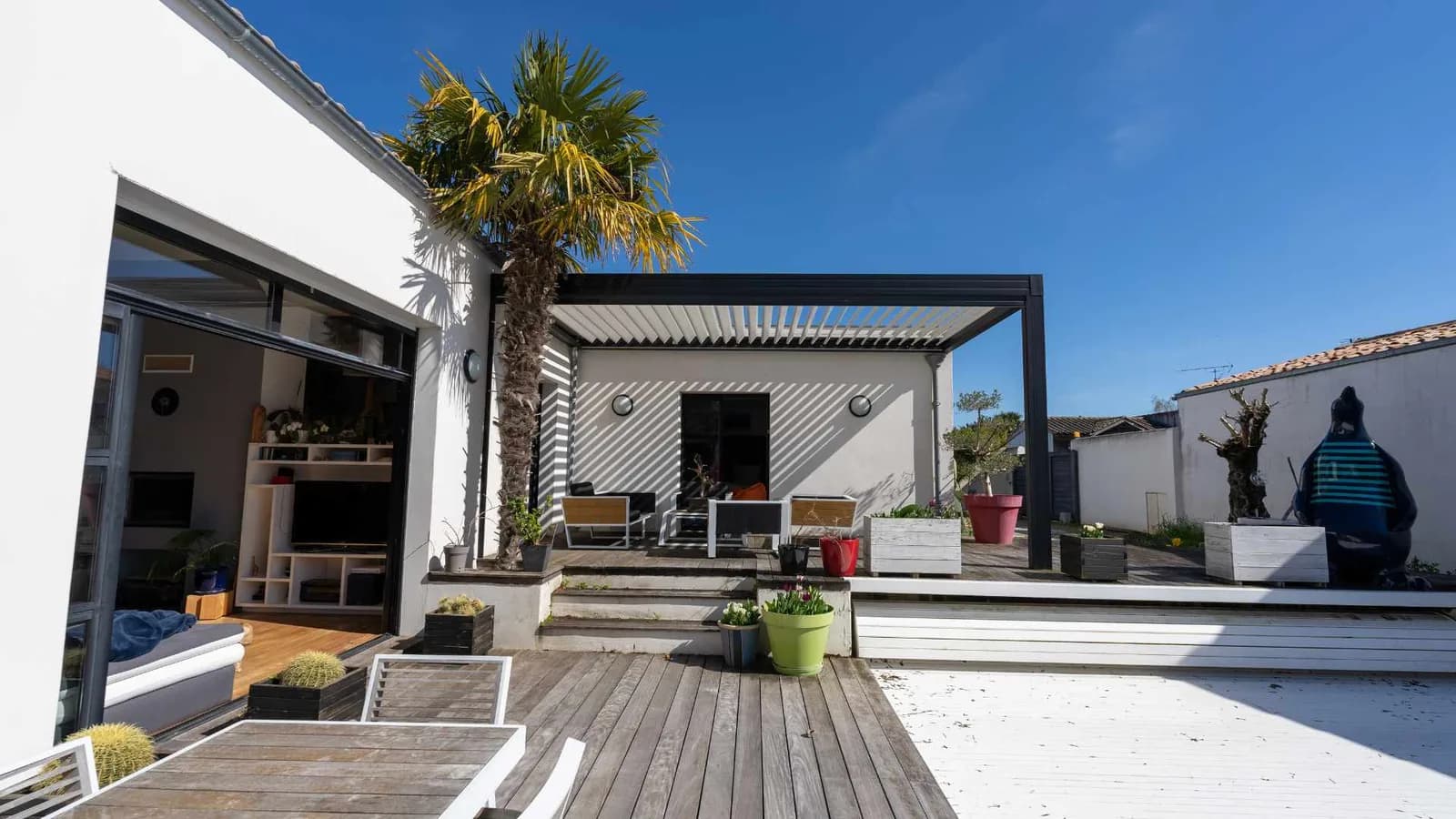
Building an attached ADU lets you expand your property’s livable space while sharing existing infrastructure
Thinking about building an ADU?
Our team can help you evaluate your lot, understand local regulations, and plan the right ADU for your property.
What Are the Key Steps in ADU Construction?
Building an ADU involves eight major stages. Here’s what to expect at each one:
Initial consultation and vision
Start by clarifying why you want an ADU — rental income, housing a family member, or boosting property value. A certified ADU specialist, an architect with ADU experience or specialized ADU contractor will evaluate your site, assess feasibility, and help you understand your zone district and local regulations.
Choose your ADU type and size
Decide between detached, attached, internal, or garage conversion based on your lot, budget, and goals. Most local governments set maximum sizes — typically up to 1,200 square feet for detached ADUs and 500 square feet for junior ADUs.
Understand local regulations
ADU rules vary by jurisdiction. Contact your local planning department to clarify zoning laws, setback requirements, height limits, parking rules, and whether preapproved plans are available to speed up permitting.
Secure permits
Submit detailed plans (often prepared by a team consisting of at minimum architectural designer and structural engineer) and complete your permit application. Your design must comply with all building codes, including separate entrance requirements, utility hookups, fire safety standards, and certain accessibility features.
Finalize design and materials
With permits in hand, collaborate with your contractor to finalize the design. Focus on natural light, optimal use of space, energy-efficient materials, and how the ADU relates to your main home in terms of privacy and aesthetics.
Arrange financing
ADU construction typically costs between $100,000 and $400,000+ depending on type, location, and scope. Common financing options include home equity loans, property refinancing, personal loans, and specialized ADU construction loans.
Construction
The build unfolds in stages: site preparation, foundation, framing and roofing, plumbing, electrical, and HVAC, insulation and drywall, interior finishes, and finally landscaping and exterior details. Your jurisdiction’s building department will conduct inspections at key checkpoints throughout.
Final inspection and occupancy
Once your ADU passes its final inspection, you’ll receive a certificate of occupancy. At that point, you can begin using it as a legal secondary housing unit — whether for family, long-term tenants, or short-term rental where permitted.
How Much Does ADU Construction Cost?
Costs vary widely based on the type of ADU, square footage, location, and material choices. Here are the general ranges:
- Garage conversion or basement apartment: $70,000–$175,000
- Internal ADU: $50,000–$120,000
- Detached ADU: $200,000–$400,000+
- Tiny homes: $80,000–$150,000
Factors that affect your final price
- Demolition or modification of an existing structure
- Utility connections — water, sewer, and electricity
- Material upgrades for energy efficiency or accessibility
- Local permit fees and impact fees
- Site conditions like slope, soil type, or limited access
Get several bids from experienced ADU builders to compare costs and timelines. Ask the contractors to walk you through their bids. Make sure you understand what is included and what is excluded. Factor in all expenses — design, permitting, utility connections, construction, and final finishes — so there are no surprises.
What Permits and Regulations Do You Need to Know?
ADU regulations vary significantly by state and city. Here’s a snapshot of the major markets:
California
State law actively encourages ADU development to expand affordable housing. Most residential lots can add one ADU and one JADU. Detached ADUs can be up to 1,200 square feet (though most city try to max it at 800 square feet in their local ordinances), and no minimum lot size is required.
Los Angeles
LA is one of the most progressive cities for ADU policies, offering preapproved plans and expedited permitting. Parking requirements are reduced or eliminated near transit.
New Jersey
Traditionally more restrictive, NJ municipalities are now piloting broader ADU allowances to address housing shortages. Rules vary by jurisdiction, so always verify with your local planning department.
District of Columbia
DC encourages both standard ADUs and affordable dwelling units (ADUs with income restrictions) in designated zones, expanding options beyond single-family residential uses.
Regardless of where you’re building, always check for the latest ADU regulations in your specific jurisdiction before starting your project.
How Do You Choose the Right ADU Builder?
The right builder makes or breaks your ADU project. Choosing a contractor who specializes in ADUs means fewer surprises, smoother permitting, and better results. Look for:
- Experience with your local jurisdiction’s building inspection process
- A strong portfolio of ADU projects
- Familiarity with specific regulations and local building codes
- Positive client reviews and a collaborative approach
An experienced ADU designer is especially valuable for maximizing your design vision, optimizing square footage, and ensuring seamless integration with your existing property.
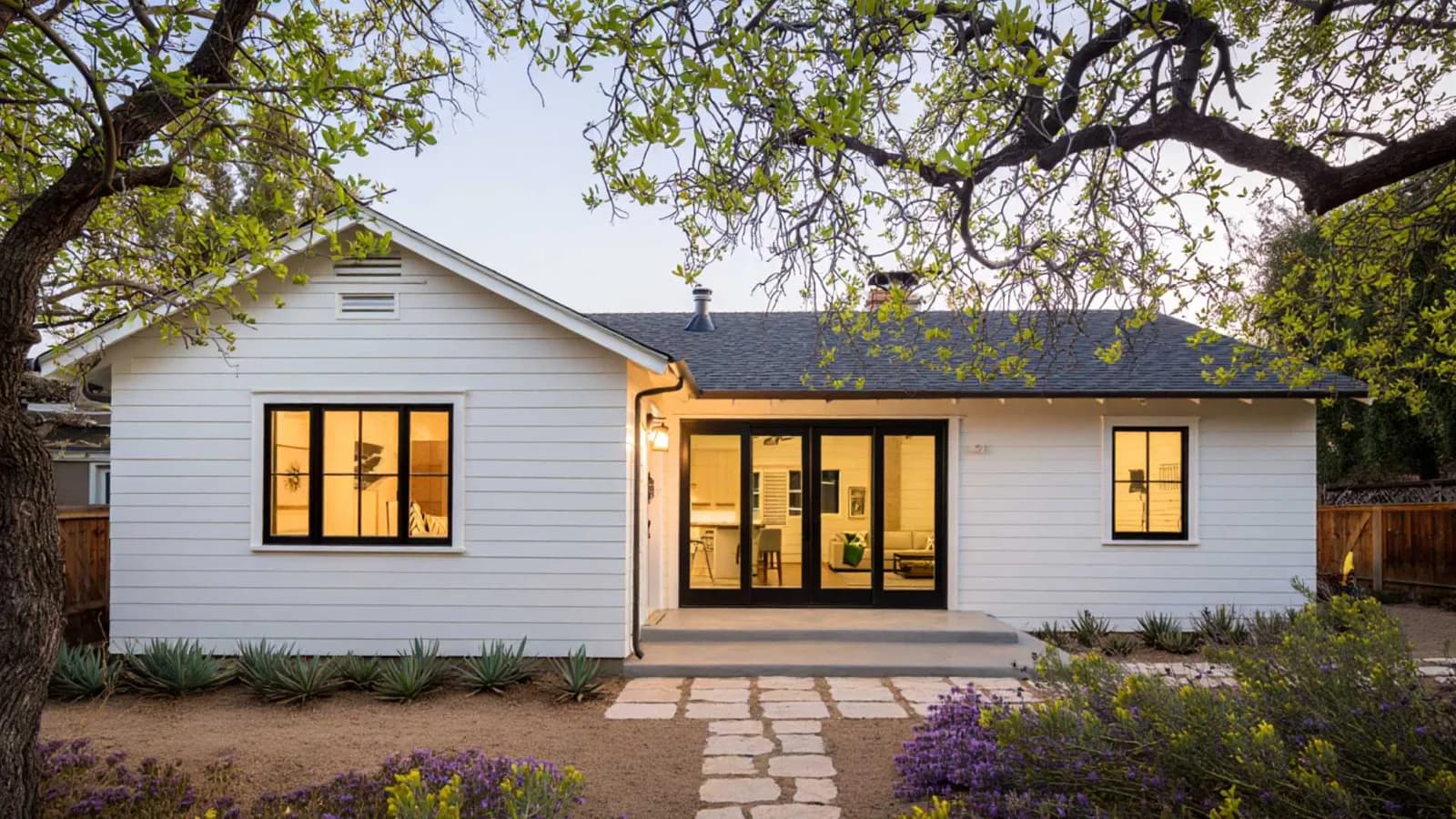
A well-designed ADU adds livable space, rental income, and long-term value to your property
Frequently asked questions
Ready to start your ADU project?
Get expert guidance on planning, permits, and construction — no commitment required.