
Backyard Cabin Ideas: Practical Design for Your Outdoor Retreat
Practical backyard cabin ideas covering style, materials, layout, and permits. Learn how to design a compact, comfortable outdoor retreat.
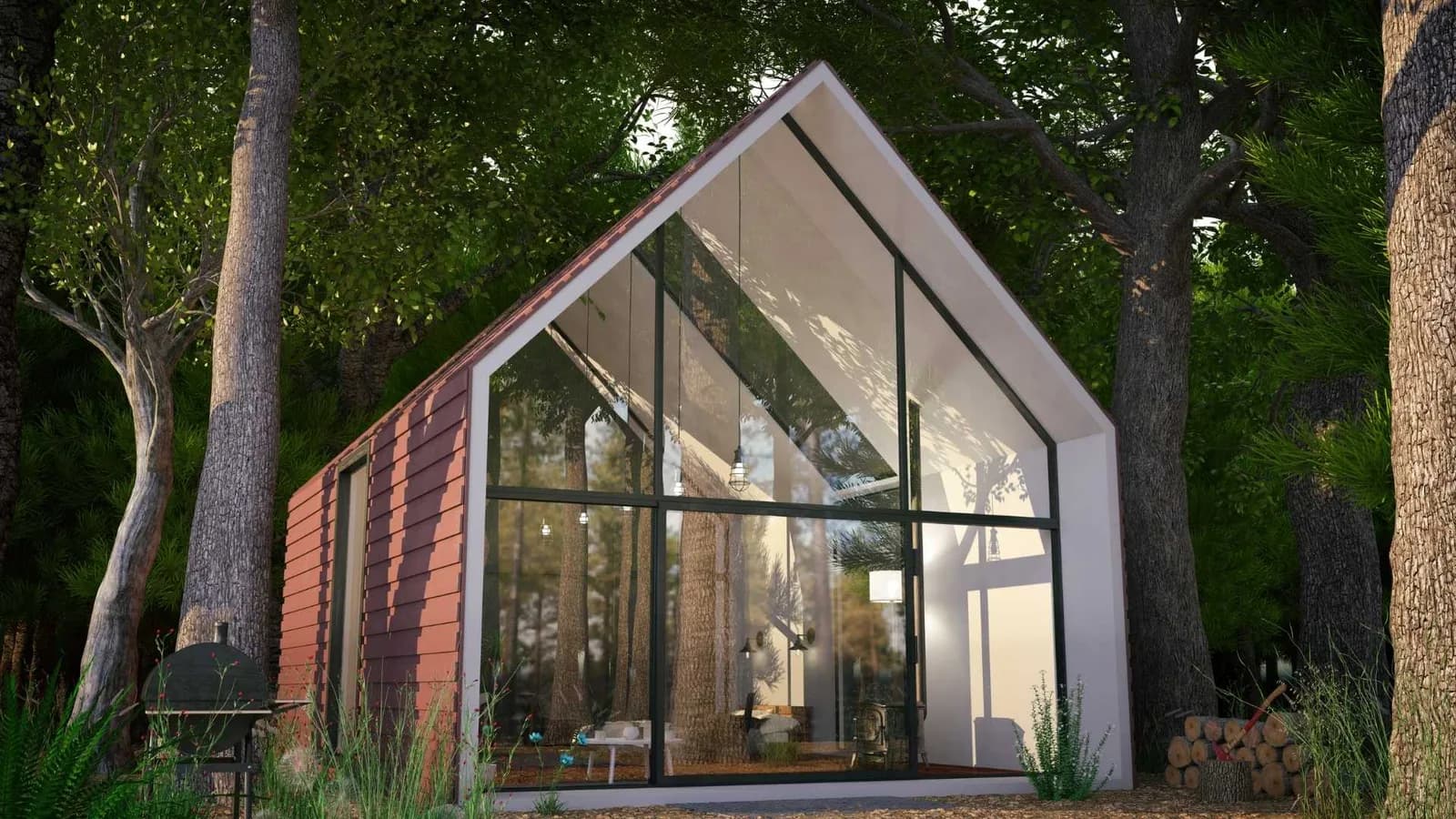
Creating a backyard cabin can provide a perfect retreat for relaxation, creativity, or even guest accommodations. By carefully planning the design, materials, and layout, we can turn our outdoor space into a cozy haven that meets our specific needs. Whether we envision a rustic getaway or a modern workspace, the options for customization are endless.
As we embark on this journey, considering the practical aspects of construction and legal requirements ensures we make informed decisions. With the right approach, we can magically fit our cabin into the existing landscape, enhancing its aesthetics and functionality. Whether we are looking for DIY plans or will eventually seek professional help building, for now, our goal is to create a space that not only complements our lifestyle but also adds value to our property.
Key Takeaways
- Thoughtful design is key to maximizing the cabin’s potential.
- Choosing appropriate materials supports durability and aesthetic appeal.
- Understanding legal requirements helps us avoid future complications.
Backyard Cabin Ideas
Designing Your Backyard Cabin
We must consider style, space, and light when creating our backyard cabin. Each element plays a crucial role in enhancing both aesthetics and functionality. The best part? We make it easy to visualize what is possible. Note that you can learn a lot of tricks from the sources that cover topics like a backyard cottage, tiny home, guest house, or garden shed. Cabins tend to be under 800 square feet, so all the great ideas for small spaces from tiny house designs are great for inspiration.
Choosing the Right Style
Selecting a style that resonates with our personal taste is a great way to ensure our additional living space will be a pleasure to be in.
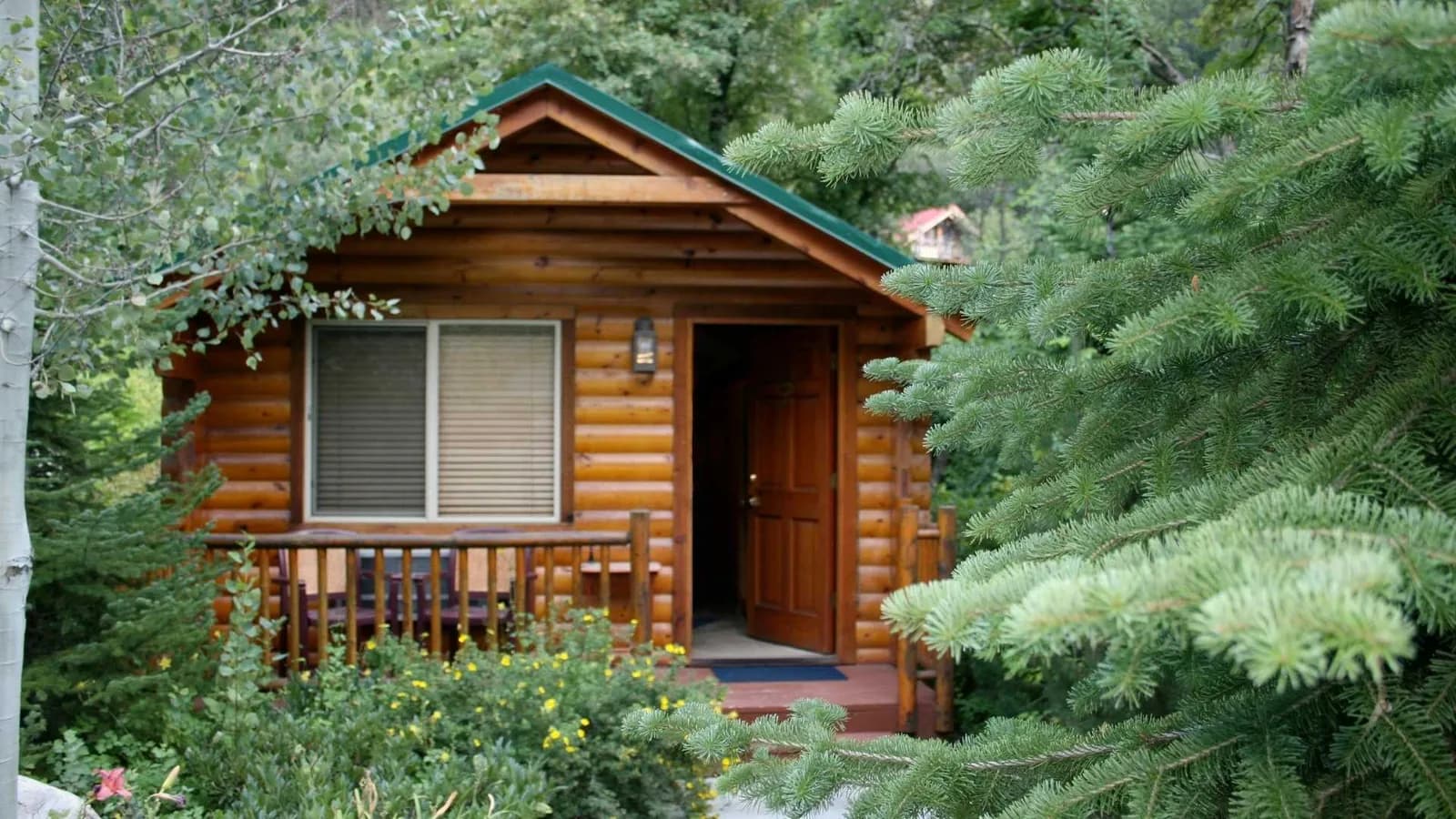
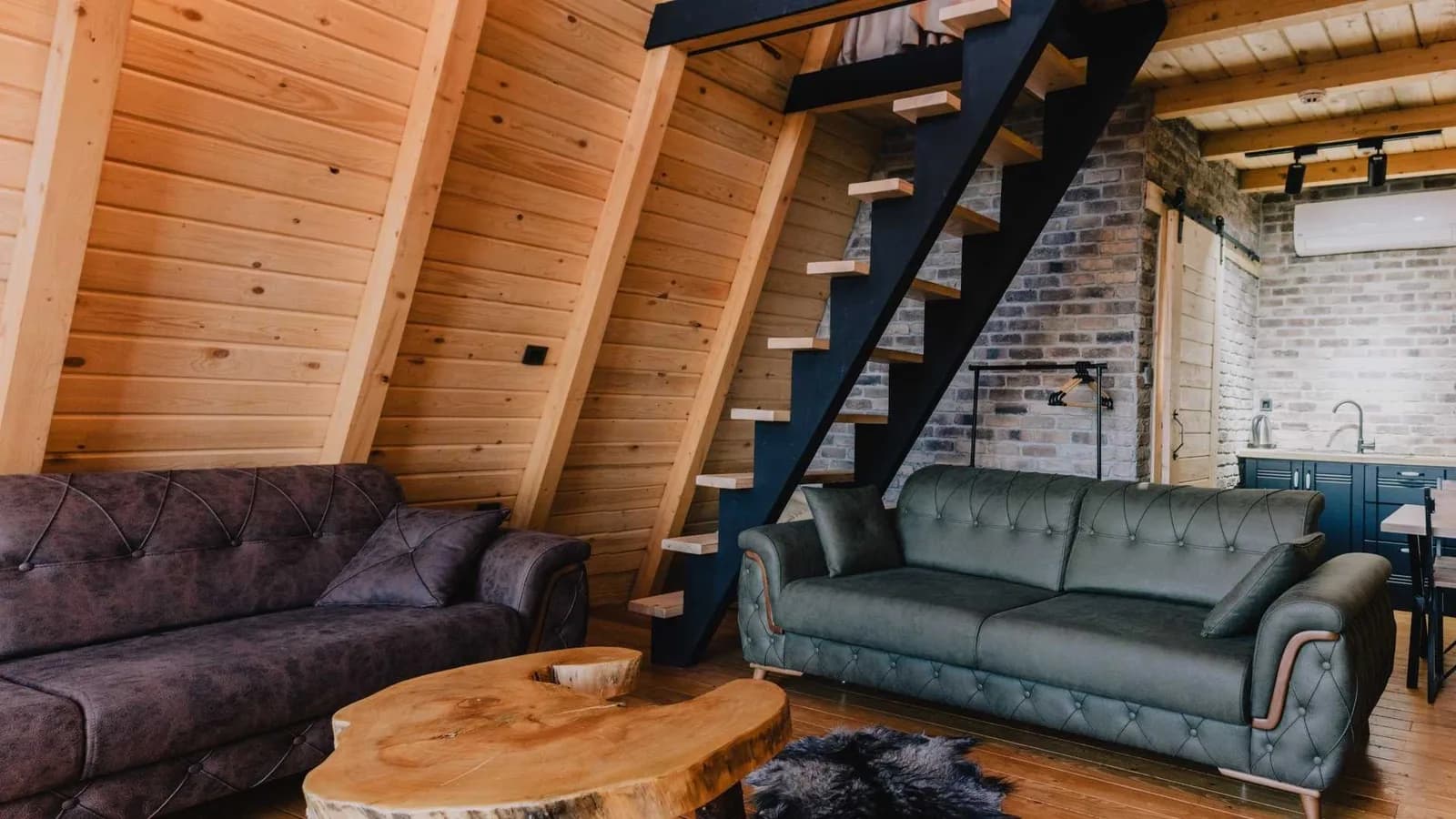
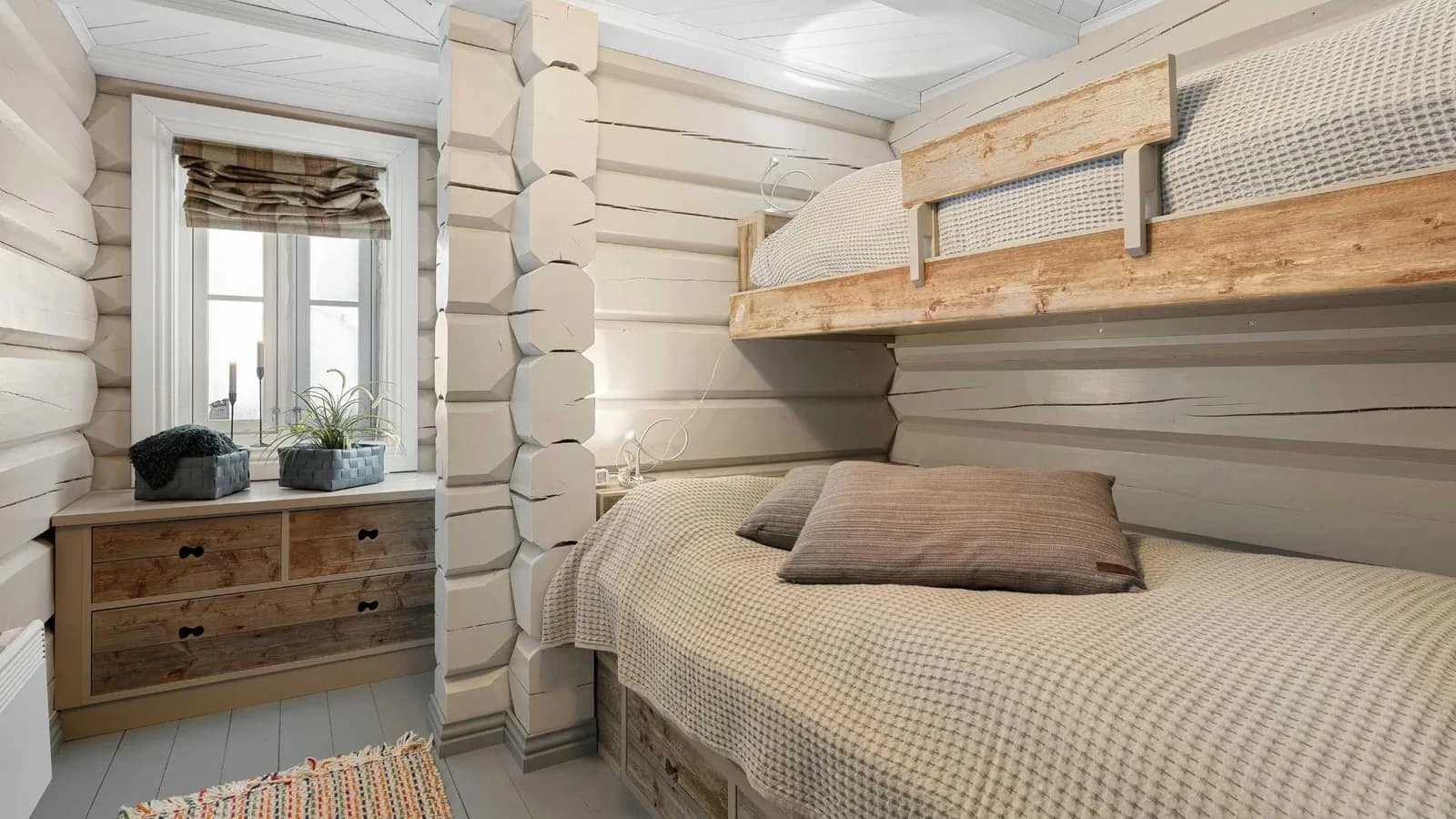
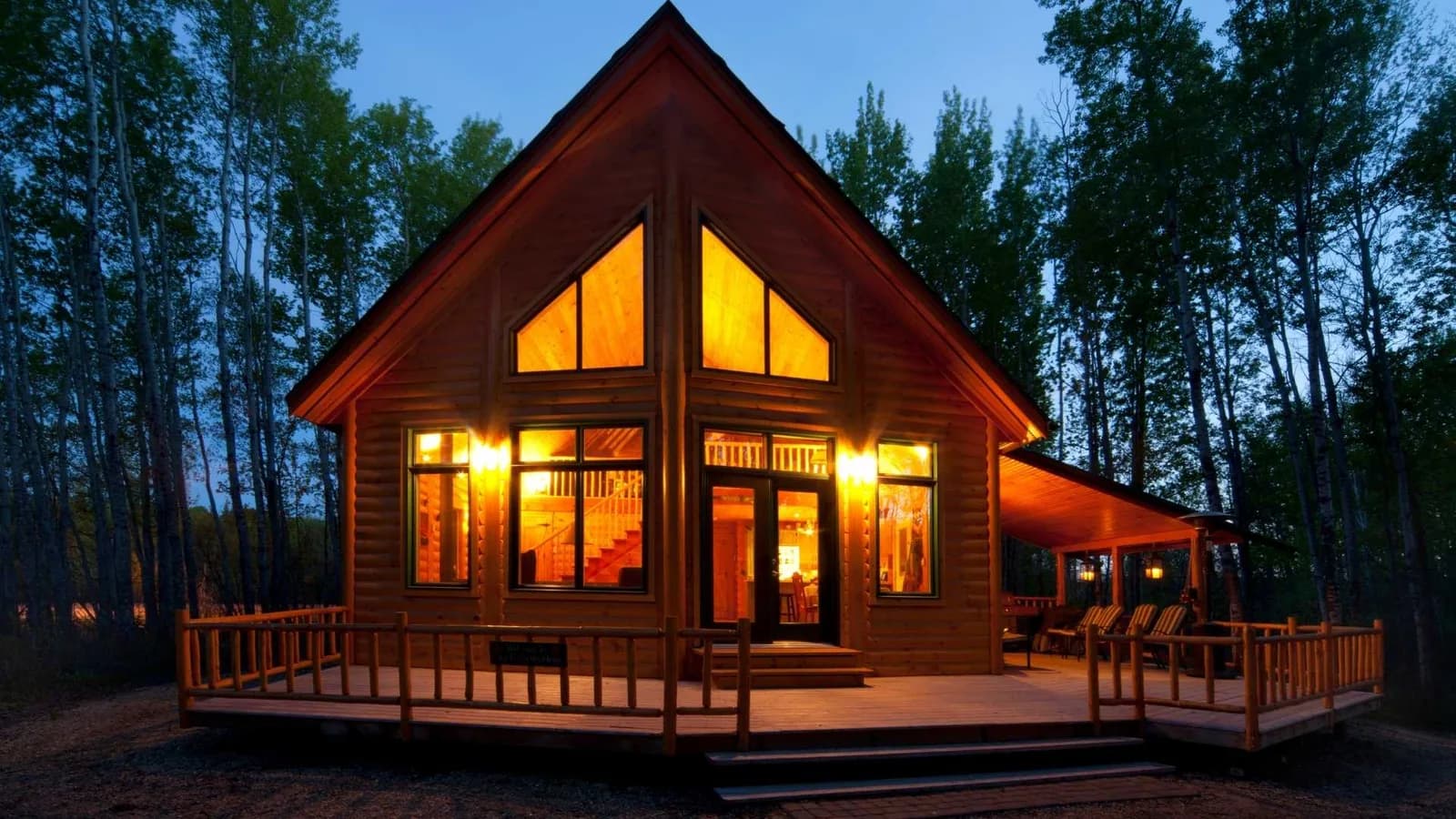
Popular design options include rustic, modern, or minimalist aesthetics. For instance, a rustic cabin reflects a classic design and often features wood tones with logs or wood paneling. Add a wood-burning stove, and you can create a cozy retreat.
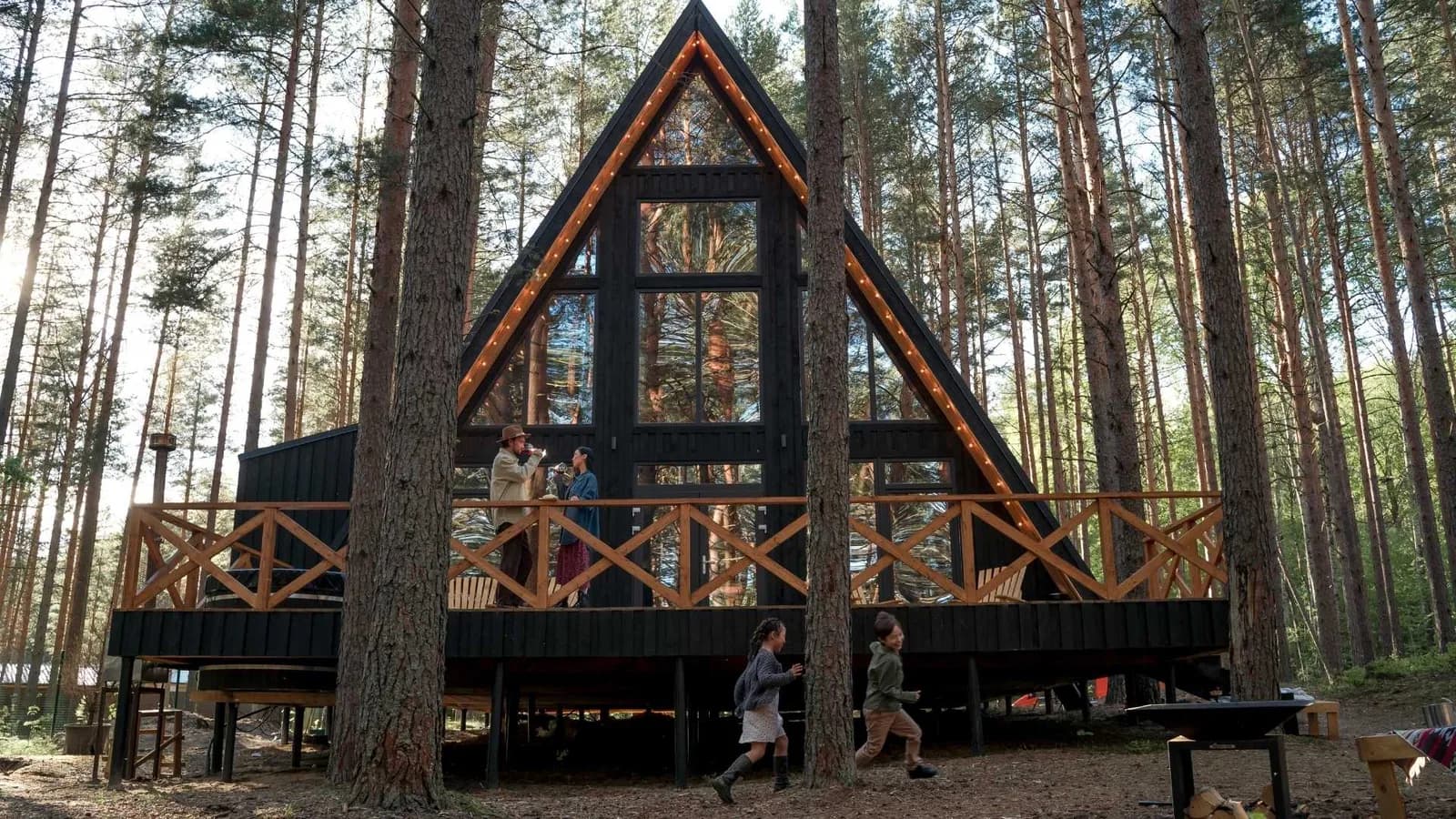
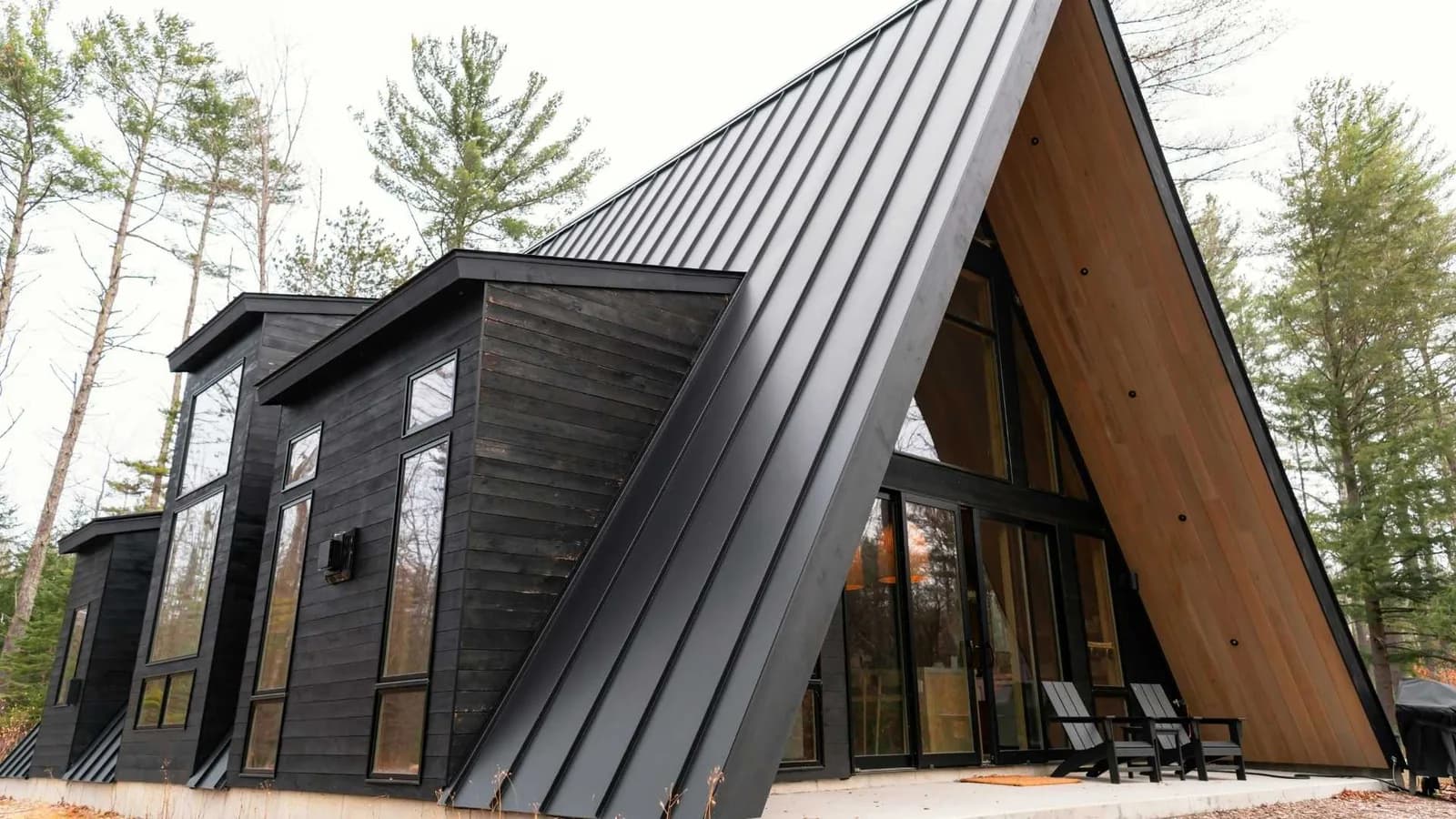
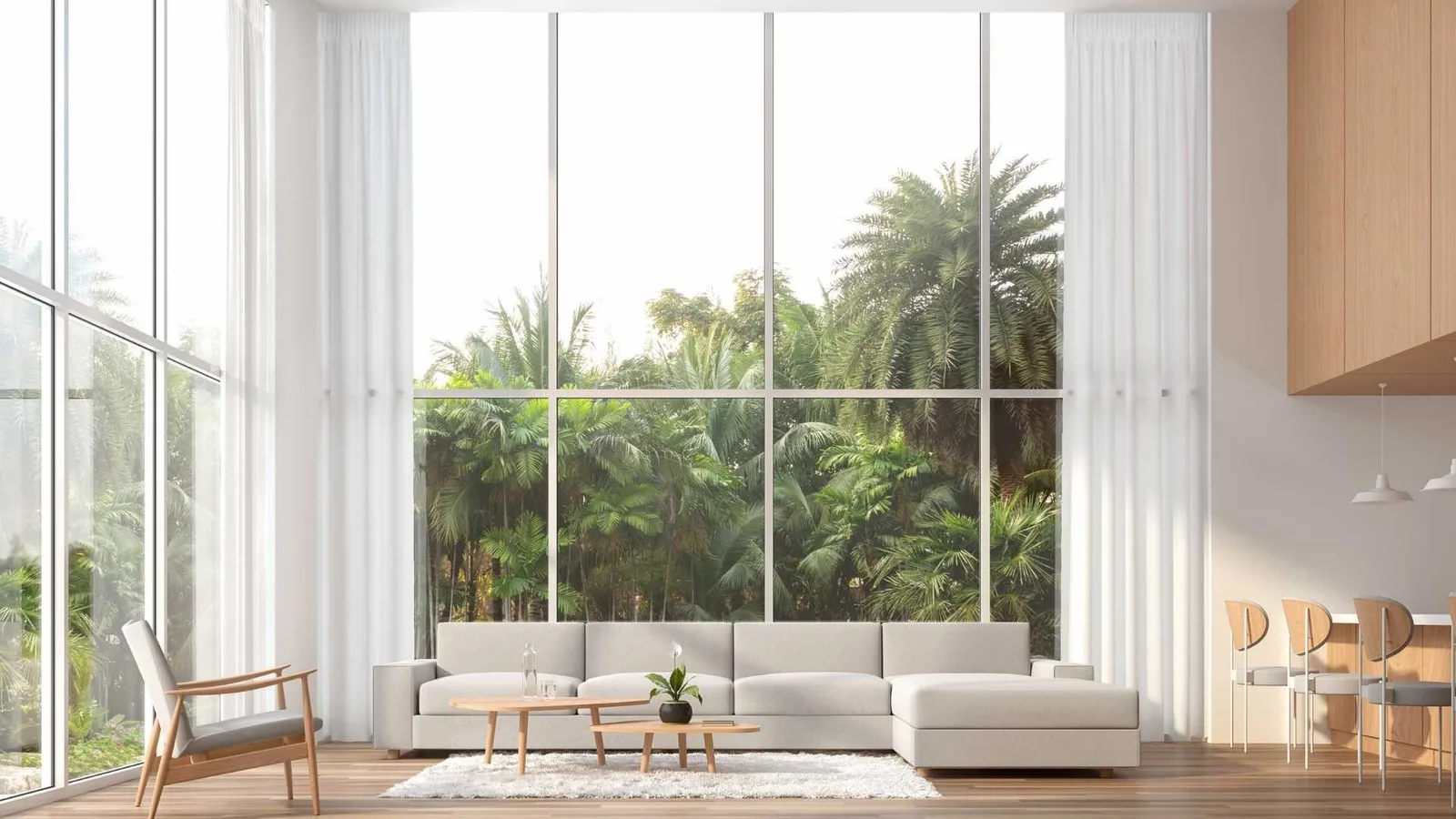
A modern design may include large windows, clean lines, and a blend of materials like metal and glass.
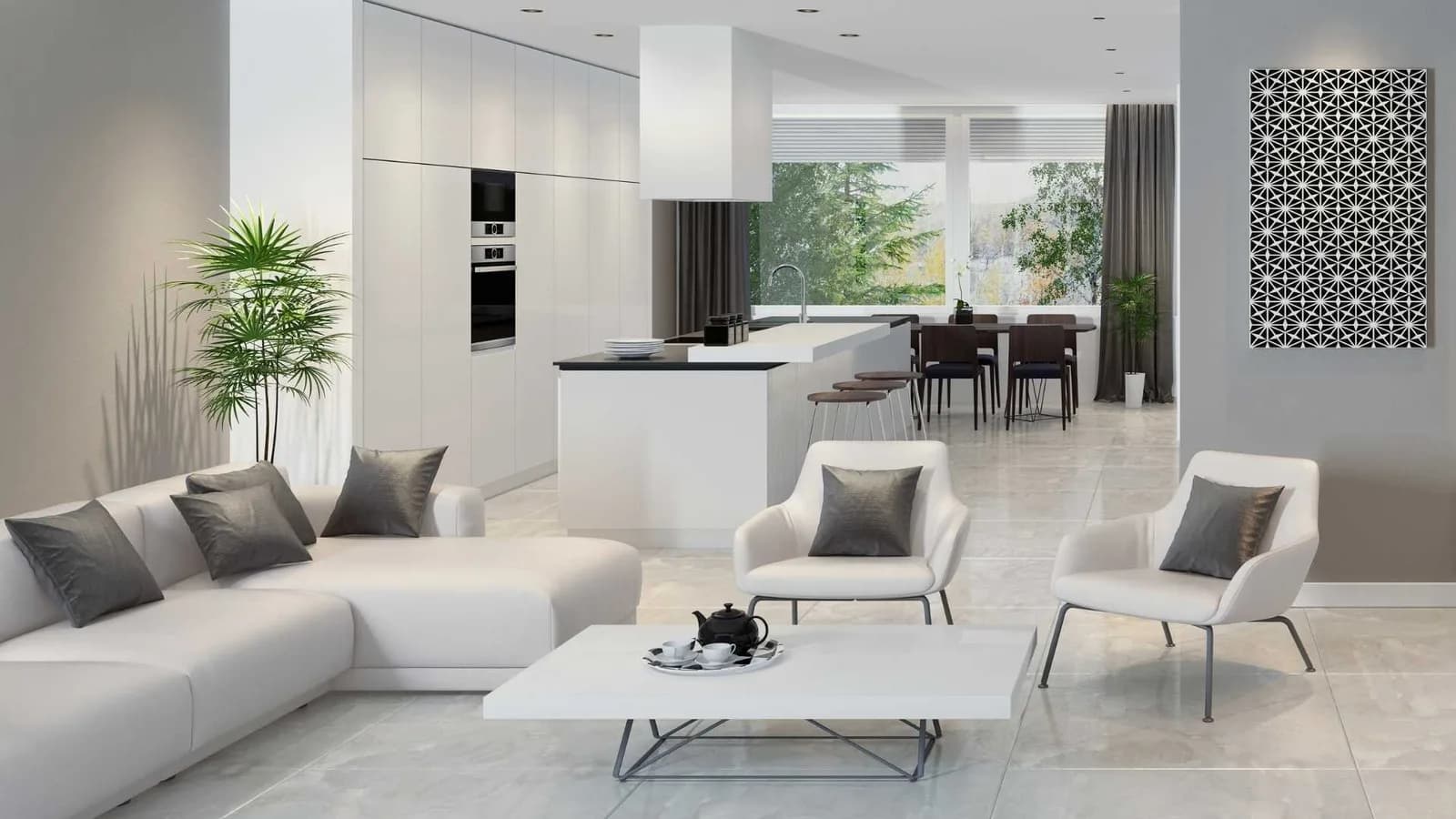
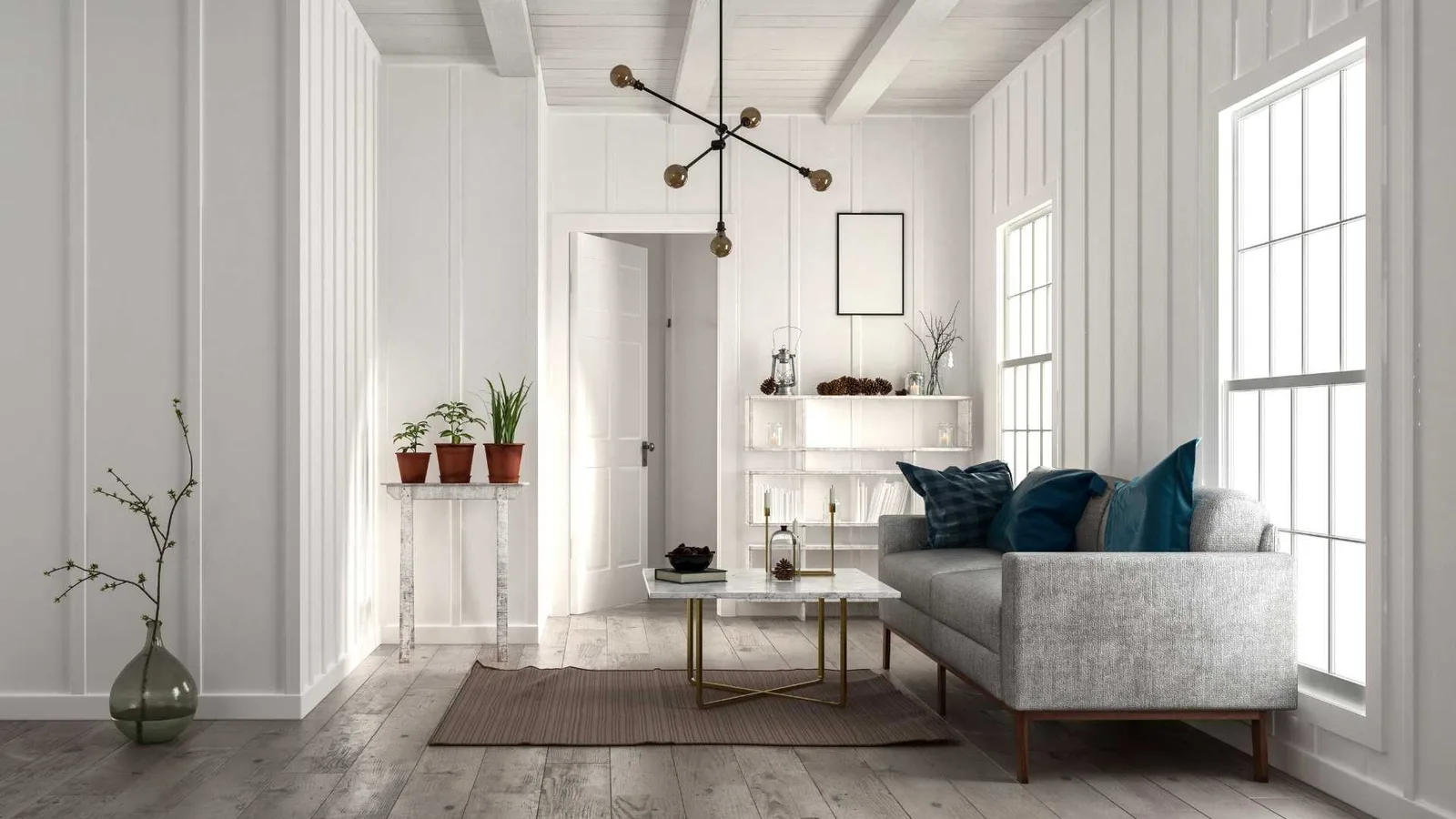
A minimalist aesthetic does not mean a bare concrete slab; it calls for white walls and can easily pass as a man cave.
We should also consider how the cabin integrates with the landscape. Choosing colors that complement the surrounding environment can create a harmonious look. For example, earthy tones tend to blend seamlessly with nature. Ultimately, the selected style reflects our personality and preferences, enhancing our enjoyment of the backyard space.
Maximizing Space and Functionality
Efficient use of the compact space is a top priority in cabin design. We can achieve this by considering multifunctional furniture that serves various purposes. For example, a sofa bed can provide daytime seating and sleeping space at night.
Built-in floor-to-ceiling shelving units can save floor space while offering enough room for books or decorative items. Maximizing vertical space, such as using tall cabinets, can keep our cabin organized and tidy.
It’s also beneficial to lay out the cabin for an open, flowing feel. Open floor plans make the space feel larger and can improve our overall experience by fostering communication and interaction.
Incorporating Natural Light
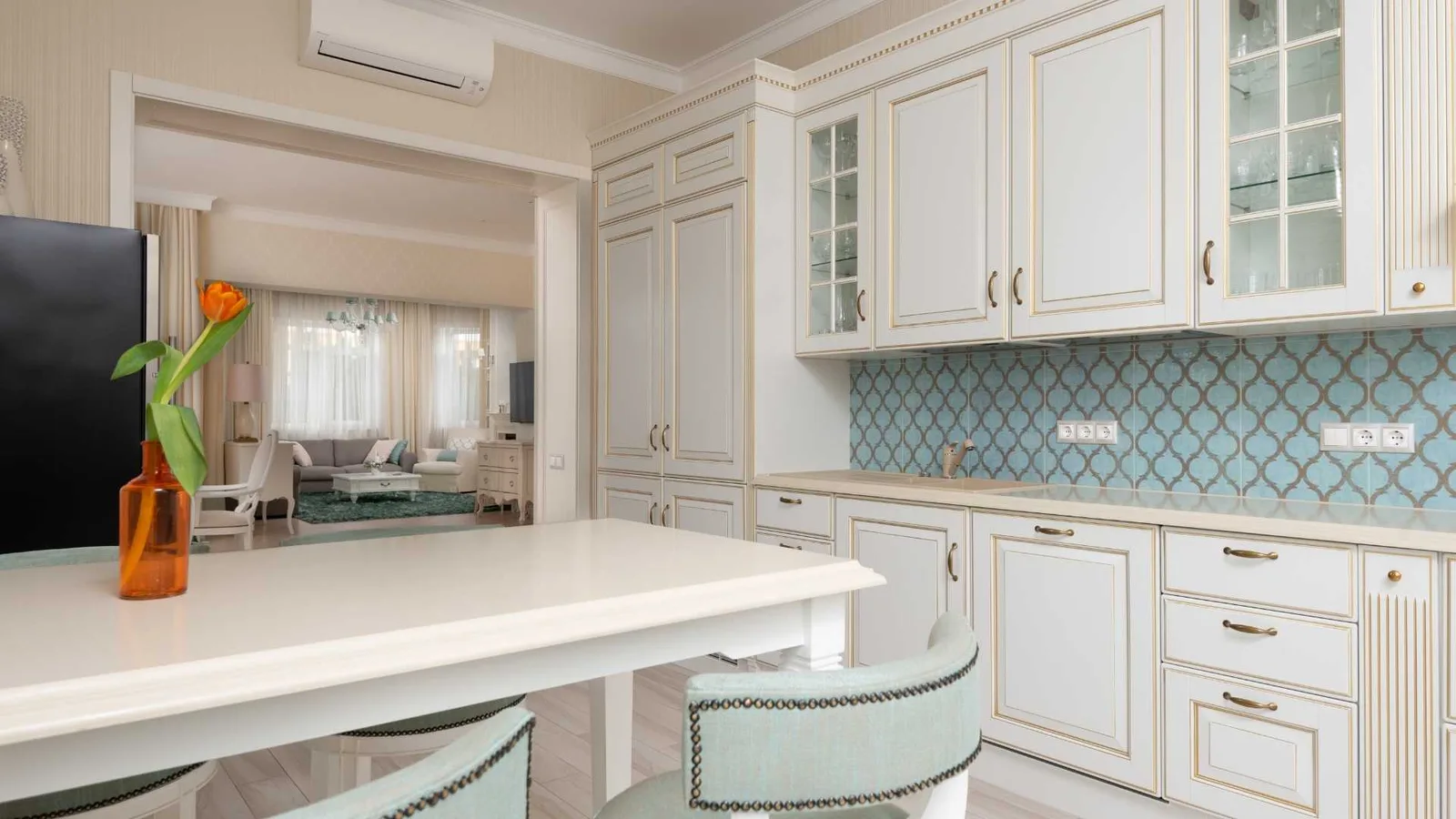
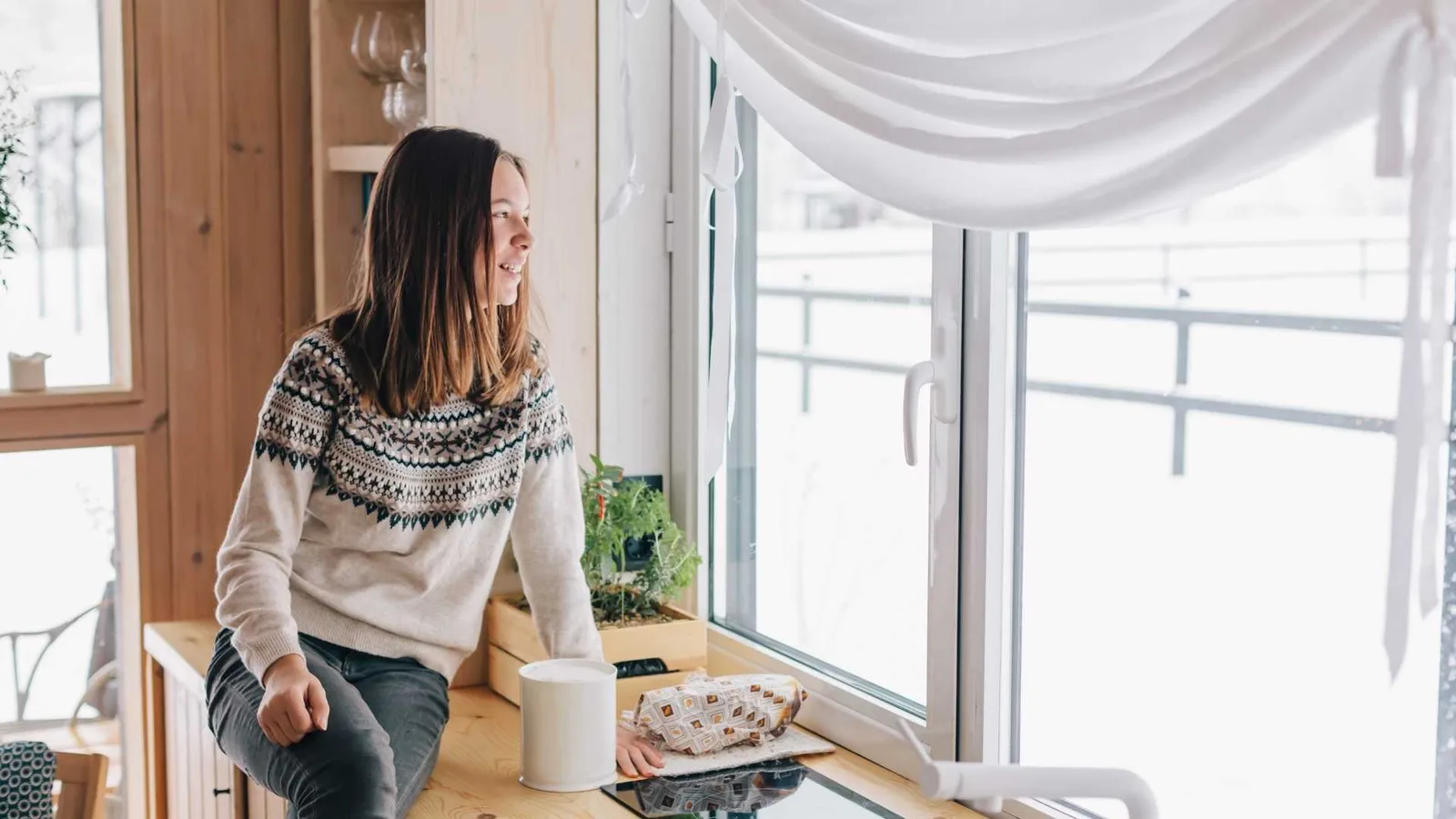
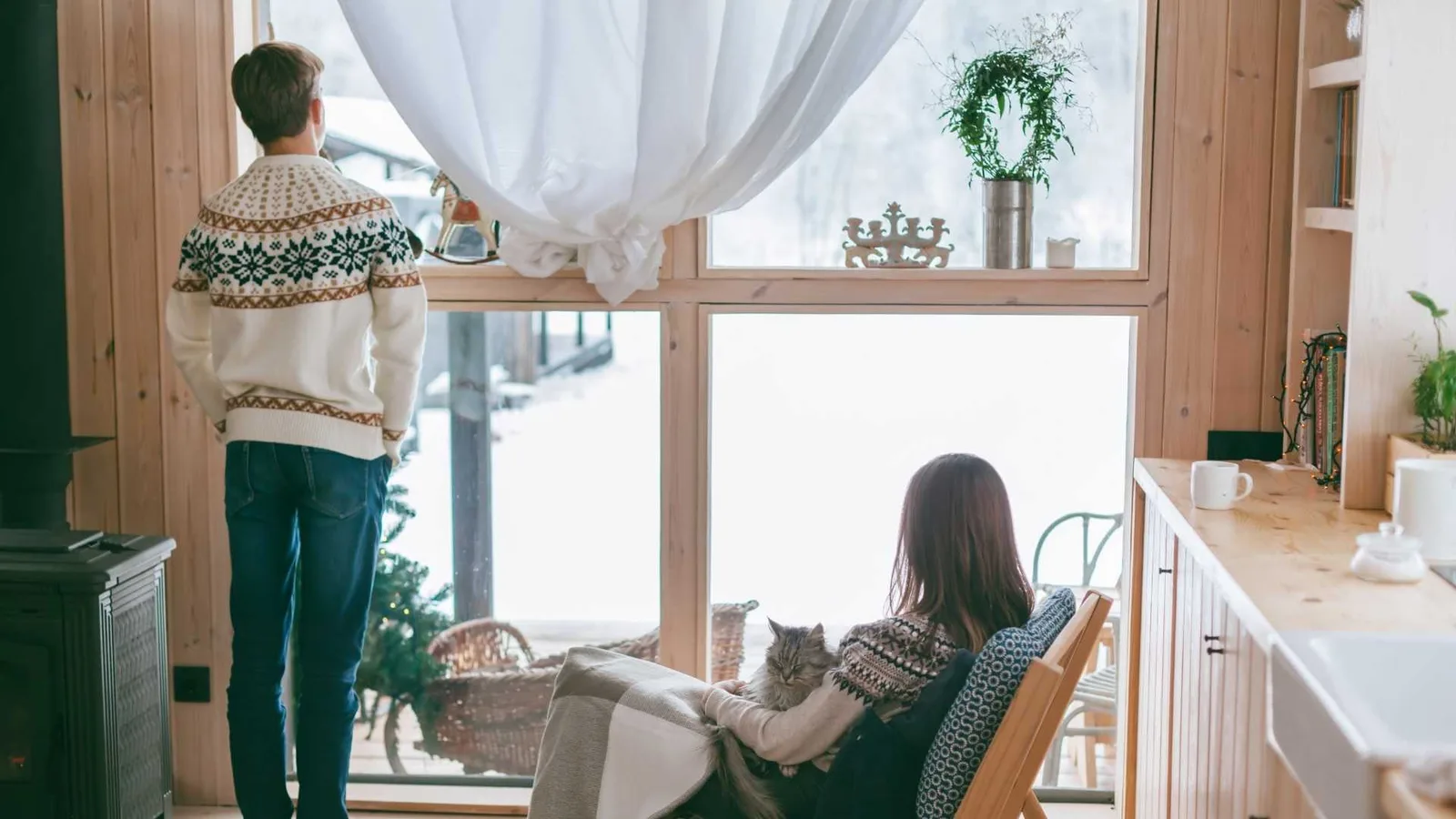
Natural light can significantly enhance our cabin’s ambiance. We can incorporate large windows, skylights, French doors, or sliding doors to bring in ample sunlight. Strategically placing windows can also provide beautiful views of the outdoors, connecting us to nature. Imagine having a cup of tea by the large kitchen windows with the view of our own backyard.
Choosing light-colored interior walls and reflective surfaces can amplify brightness inside. We should also consider implementing outdoor spaces, like decks or porches, which extend living areas and invite natural light in. A swing strategically placed on the front porch will be calling your name. Is a hot tub on your bucket list? Combine it with an outdoor shower, and this will be your favorite spa destination for year-round use.
Finally, we can use window treatments that allow flexibility in controlling light and privacy. Sheer curtains can diffuse sunlight softly, while blackout options can provide darkness when desired.
Backyard Cabin Ideas
Materials and Construction
When planning our backyard cabin, the choice of materials and construction methods is essential for ensuring durability and sustainability. You can opt for a modular cabin or go with a traditional general contractor. Selecting the right materials can significantly impact the cabin’s longevity and comfort.
Sustainable Building Materials
Using sustainable building materials is a responsible choice that benefits both the environment and our cabin’s aesthetics. Options like reclaimed wood, bamboo, and recycled metal are excellent for reducing our carbon footprint.
- Reclaimed Wood : This material looks rustic and charming and reduces the demand for new lumber.
- Bamboo : Known for its strength and rapid growth, bamboo is a great eco-friendly alternative.
- Recycled Metal : Using recycled roofing or siding materials can enhance durability and resist pests.
We can also consider eco-friendly insulation materials, such as cellulose or sheep’s wool, which improve energy efficiency while minimizing environmental impact.
Weatherproofing for Longevity
Effective weatherproofing is vital to ensure our cabin withstands the elements. This involves using materials and techniques that protect against moisture, wind, and UV exposure.
- Sealants : High-quality sealants around windows and doors prevent drafts and water infiltration.
- Weather-resistant Siding : Choosing materials like fiber cement or treated wood for siding can significantly improve resilience against weather.
- Roofing : Options such as metal or asphalt shingles provide excellent protection and can last decades when correctly installed.
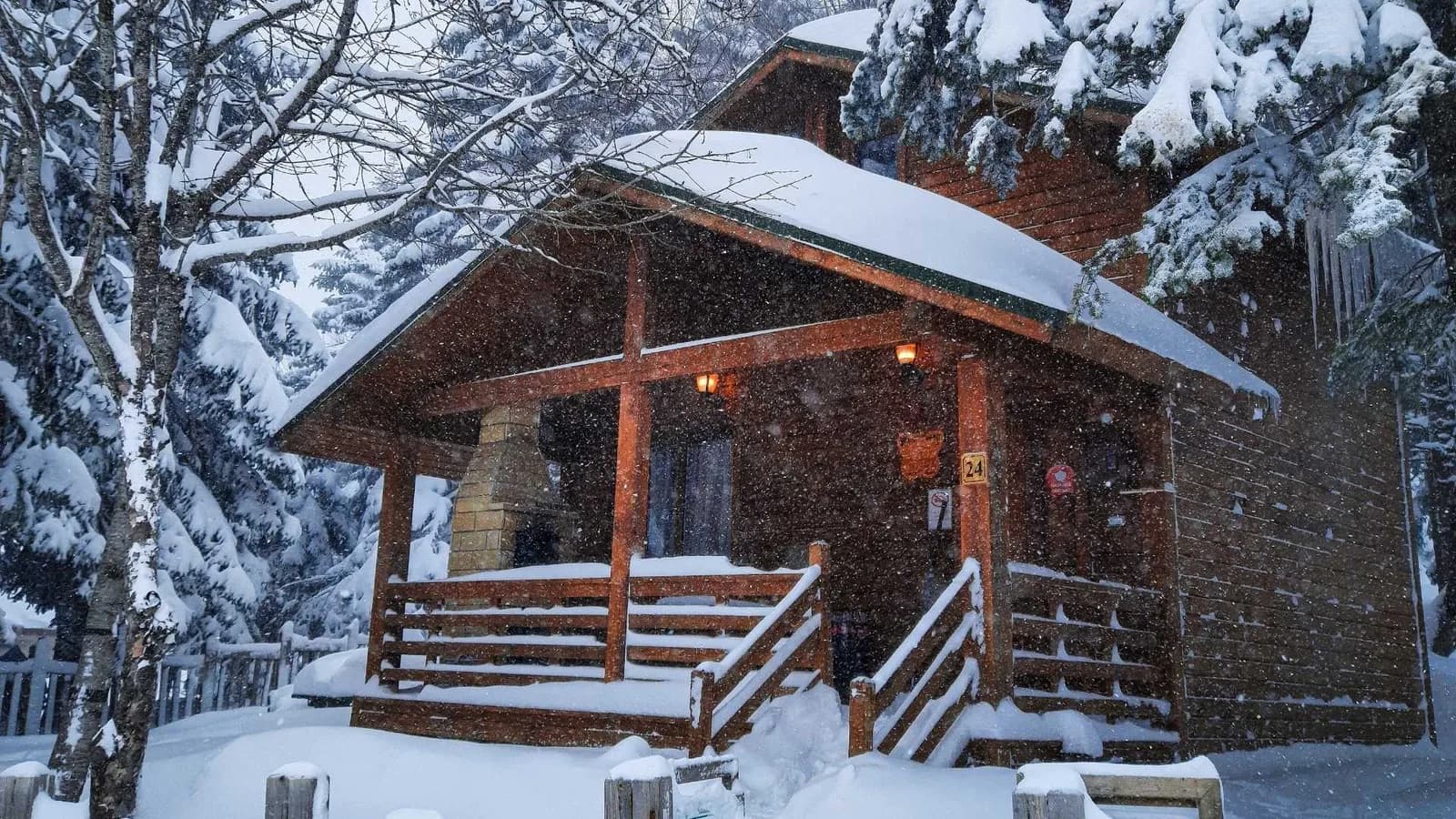
The property’s flood and fire zones will guide the exterior design of the compact building to make it weather-resistant. Employing techniques like elevating the cabin on piers can help prevent water damage from flooding and improve ventilation. Regular maintenance checks will also help us identify and address any issues before they become serious.
Backyard Cabin Ideas
Interior Layout and Design
When designing our backyard cabin, we have the opportunity to create a functional and aesthetically pleasing interior. Key considerations include using space efficiently and selecting appropriate color schemes and decor that complement our lifestyle and surroundings.
Efficient Use of Space
Maximizing space in our cabin is crucial to ensure comfort and functionality. We can achieve this by opting for an open-concept layout, which promotes a sense of flow between living areas.
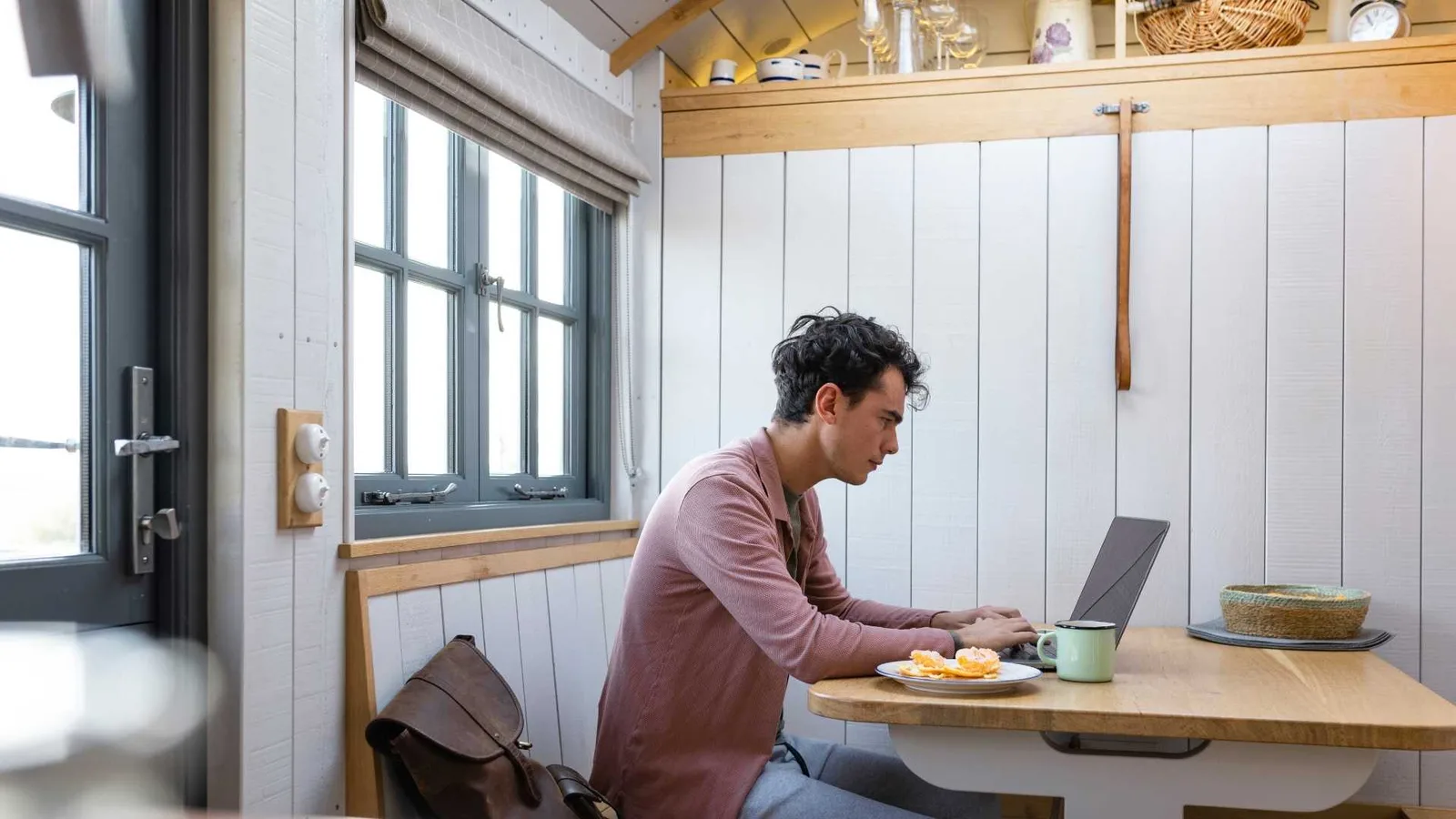
Another effective strategy is to utilize multifunctional furniture. For example, a fold-out table can serve as both a dining space and a workspace. Additionally, built-in storage solutions, such as shelves or benches with storage underneath, help keep the area organized.
We should also consider our cabin’s layout in relation to natural light. Larger windows can provide an airy feel, while thoughtfully placing furniture can create cozy nooks or gathering spots.
Color Schemes and Decor
Choosing the right color scheme is essential for enhancing the cabin’s atmosphere. Neutral tones often work well as they promote tranquility and cohesiveness with nature.
To create personalized touches, we can add pops of color through decor items like pillows, throws, or artwork. Using natural materials in decor—such as wood accents or stone elements—can further connect our cabin with its surroundings.
Incorporating layered lighting, including ambient, task, and accent lights, will also enhance the overall design. Chandeliers or pendant lights can add a rustic charm, while softer lamps provide cozy illumination in living areas. The outdoor living area will have its own outdoor lighting.
By blending practical layouts with thoughtful color selections and decor, we can craft a serene and inviting space in our backyard cabin.
Backyard Cabin Ideas
Landscaping and Outdoor Features
Creating a beautiful outdoor environment surrounding our cabin magnifies its charm and usability. We can seamlessly integrate various landscaping elements and outdoor features to turn the backyard into a serene retreat.
Integrating with the Surrounding Environment
To harmonize our cabin’s landscape with its natural surroundings, we can use native plants that thrive in the local climate. Incorporating local flora enhances the aesthetic and supports the local ecosystem.
We suggest using stone pathways that mimic natural trails. This adds texture and guides guests through our outdoor space. Retaining walls can be employed to create terraces, maximizing space while preserving the land’s natural slope.
Adding mulched areas can define garden beds while reducing maintenance and water usage. We could also include natural wood features, like logs or stumps, to create rustic seating or decorative elements that blend perfectly with the environment.
Outdoor Seating and Entertainment
Designing dedicated outdoor seating areas allows us to enjoy our backyard fully. We can create a cozy fire pit area with comfortable seating, making it ideal for gatherings or quiet nights under the stars.
Incorporating a porch or deck extends our living space outdoors. Water features add charm and bring tranquility. Any outdoor living space will benefit from a kitchen area with a wood stove. Place durable outdoor furniture and bright-colored outdoor cushions next to it, and we have created a perfect place, ideal for relaxing and entertaining.
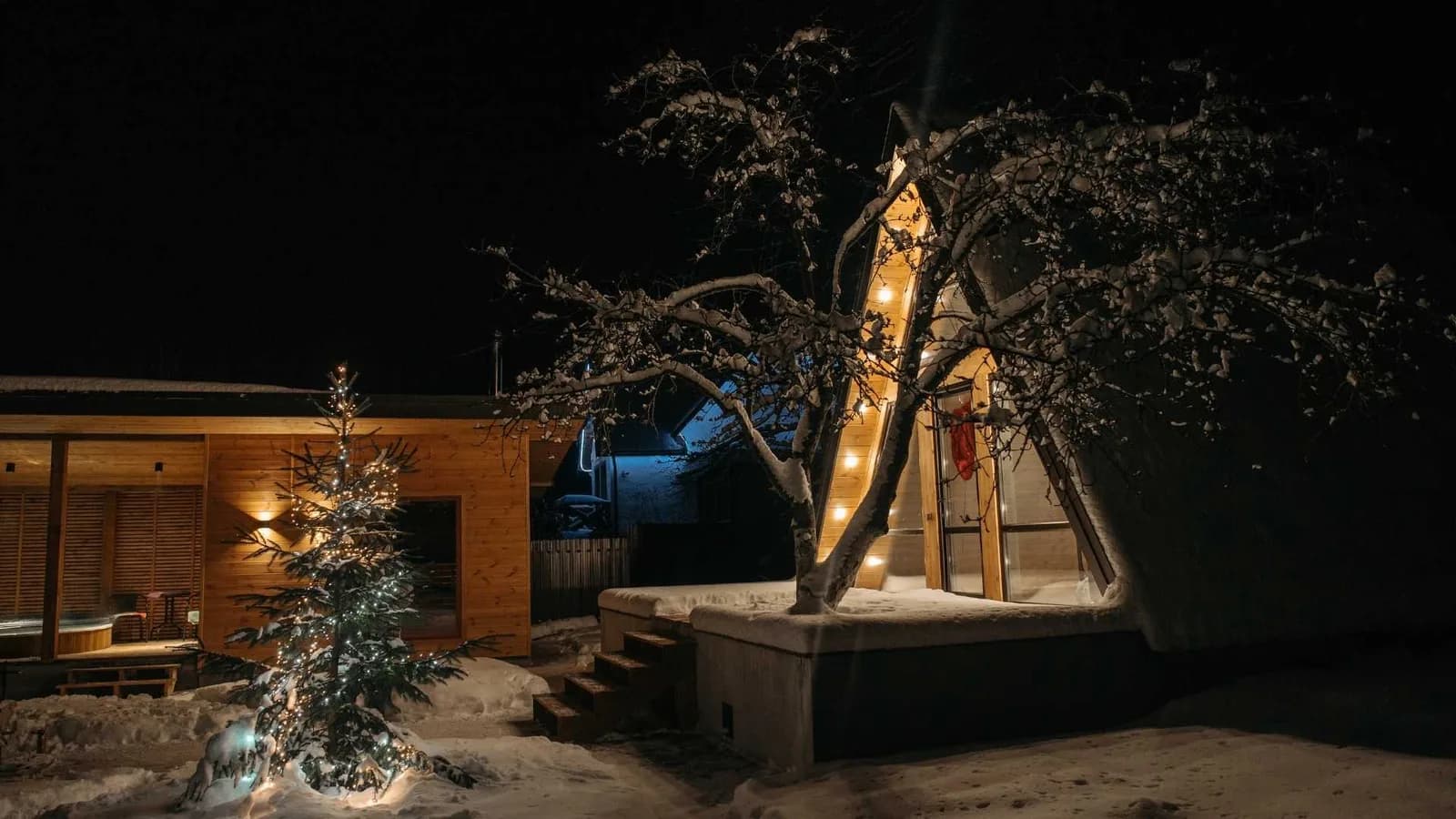
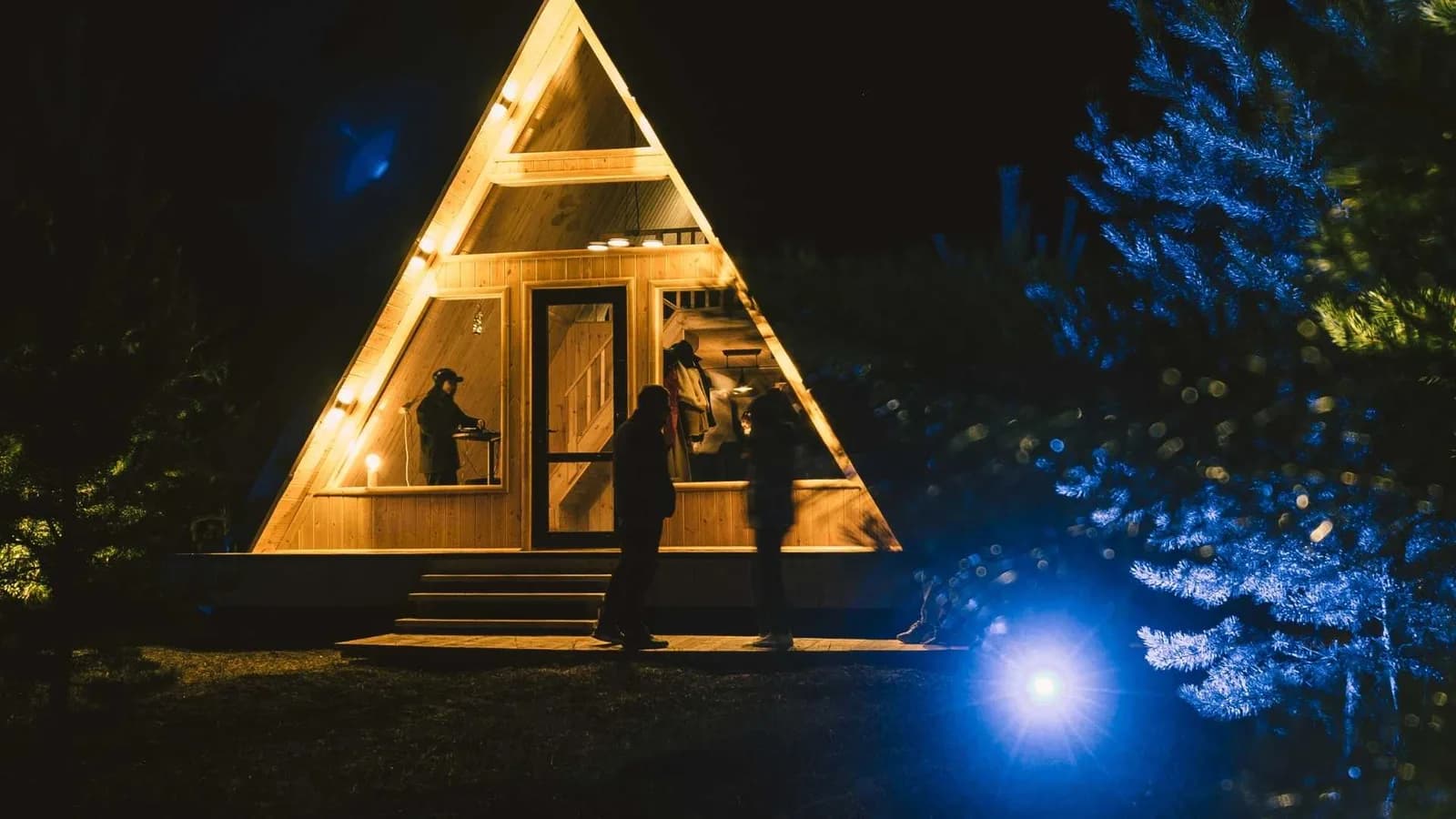
Consideration of shade structures, like pergolas or umbrellas, enhances comfort during warmer months. String lights can add ambiance, creating an inviting atmosphere for evening events.
With careful planning, our outdoor spaces can become multifunctional areas promoting relaxation and social interaction, boosting our cabin’s allure.
Backyard Cabin Ideas
Legal Considerations and Permits
When planning to build a backyard cabin, we must consider various legal requirements. Each locality has specific construction regulations.
Zoning Laws
We need to check local zoning laws. These laws determine if we can build a cabin on our property and may restrict the size and type of structure. It is essential to ensure compliance with these regulations.
Building Permits
Obtaining a building permit is often necessary. We must submit an application to our local building authority. This includes detailed plans and specifications of our cabin design.
Planning Permits
In addition to a building permit, we may require a planning permit. This permit verifies that our cabin meets zoning and land-use regulations. We will need to include information about the cabin’s location, size, and design in the application. In California, any structure under 1000 square feet with a kitchen and bathroom built in the backyard of the main house will be considered an accessory dwelling unit (ADU). In this case, the planning and building plan checks will happen simultaneously.
Property Restrictions
It’s vital to review any property restrictions, such as homeowners’ association guidelines or easements, as they may impose additional limitations on our construction.
Environmental regulations may exist depending on our location, especially if our property is near protected areas like creeks or open spaces. We should ensure that our cabin construction does not negatively impact the surrounding ecosystem.
By considering these factors, we can avoid legal issues and ensure a smooth building process.
Backyard Cabin List for Spacious and Functional Design
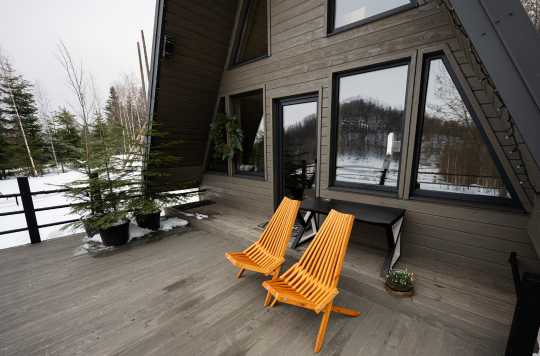
Exterior Features
- Lighting fixture at front door
- 100 amp electrical panel
- Dual pane windows
- Composite Roof Shingles
- Fully insulated floor, walls and ceiling
- 2 exterior weatherproof power outlets
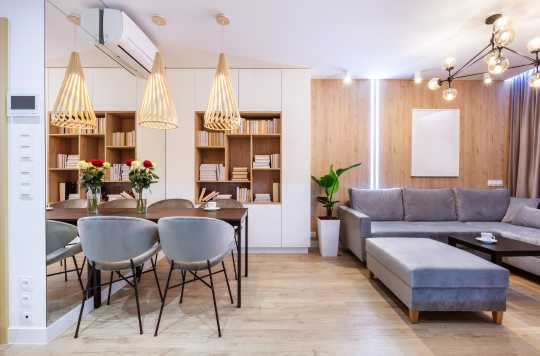
Interior features
- Dimmable LED lights
- 10 electrical outlets
- Storage cabinets and closets
- Air conditioner unit
- Large loft
- Washer/Dryer
- Low maintenance flooring
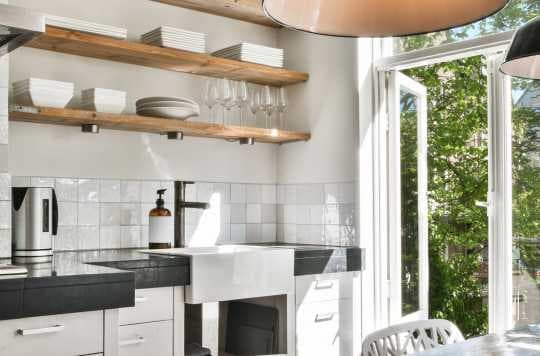
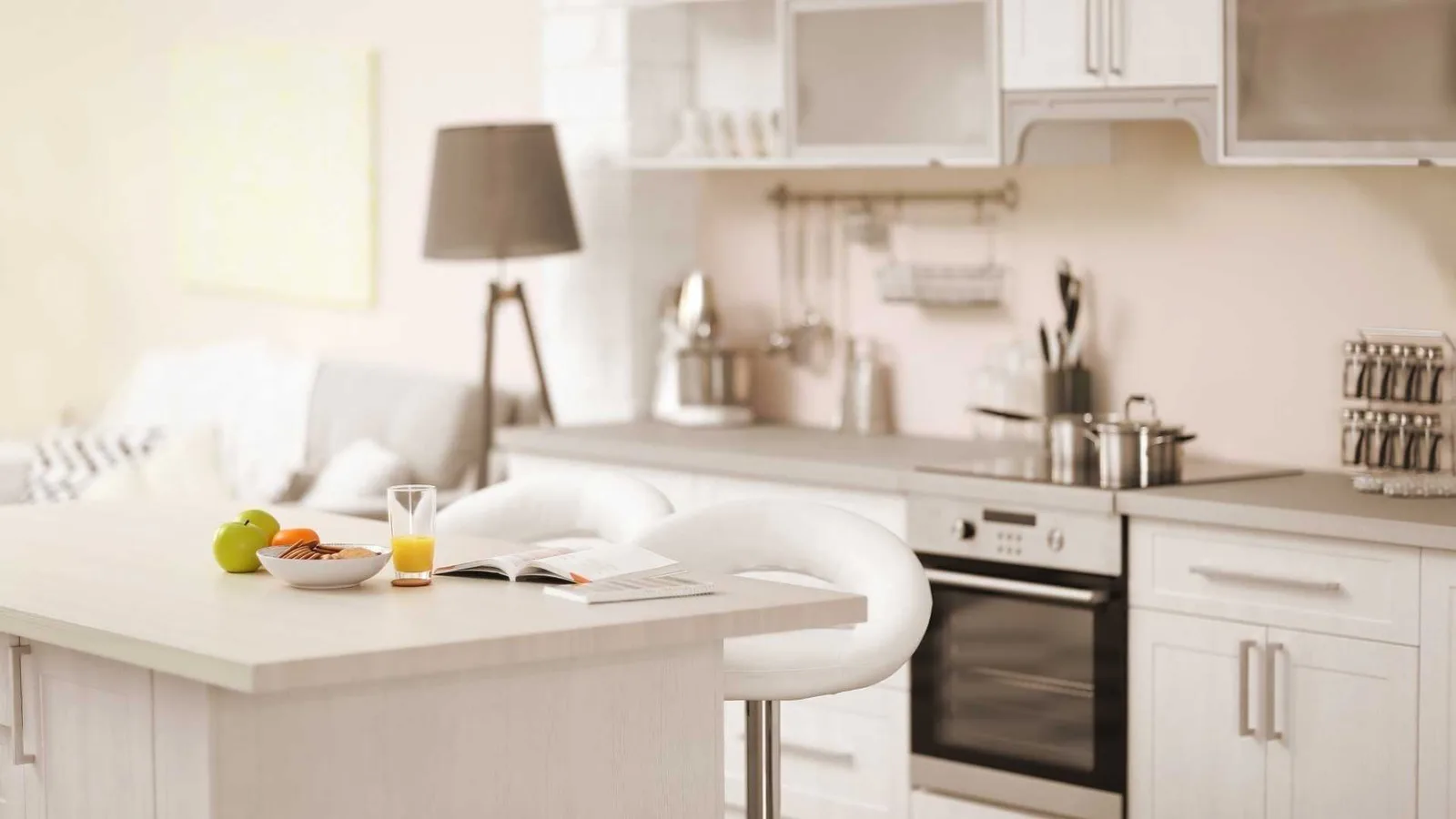
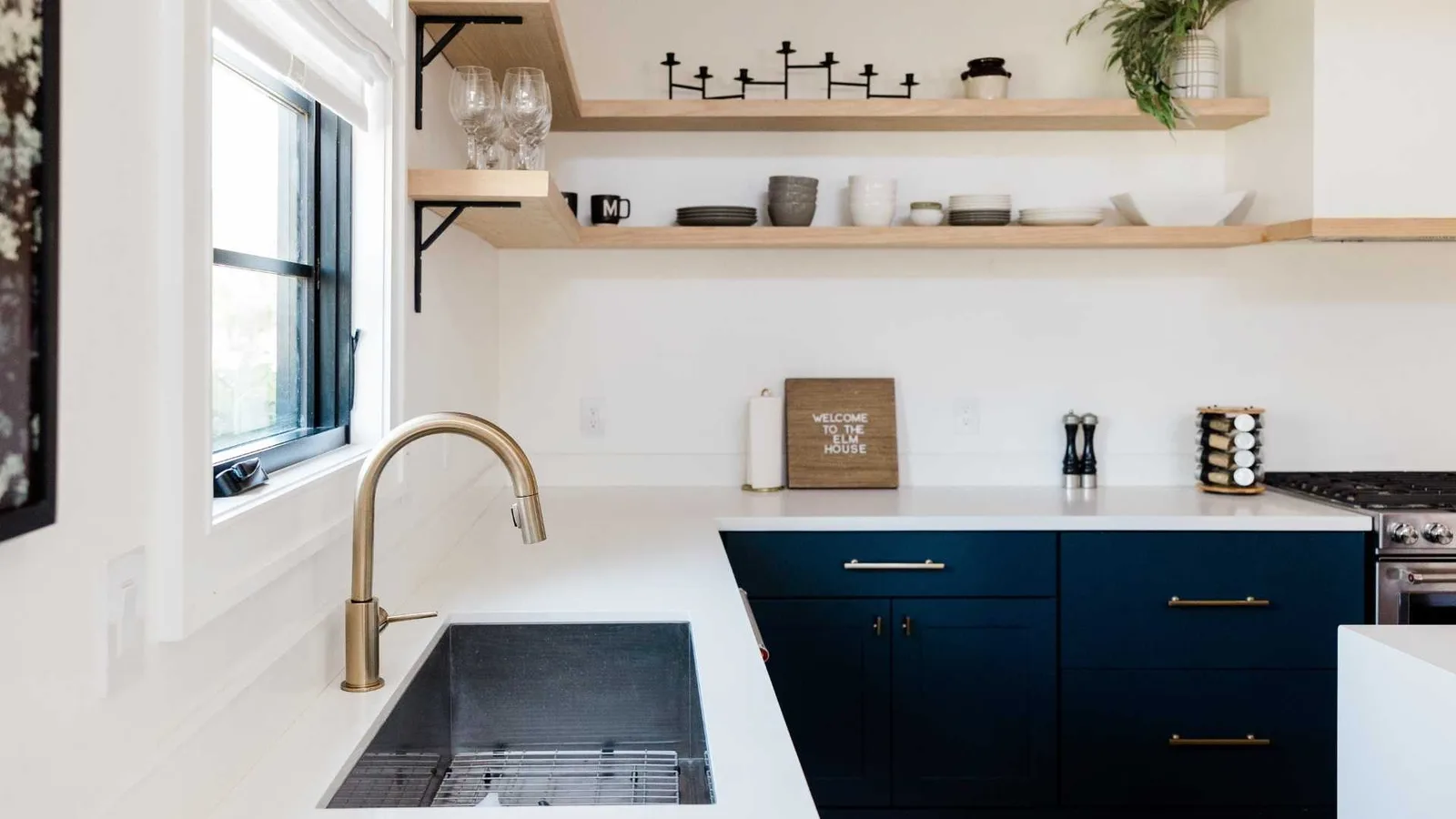
Full Kitchen
- Granite countertop & backsplash
- Custom cabinetry, shelves and hooks
- Electric cooktop & hood
- Sink & faucet
- "Apartment-size" fridge
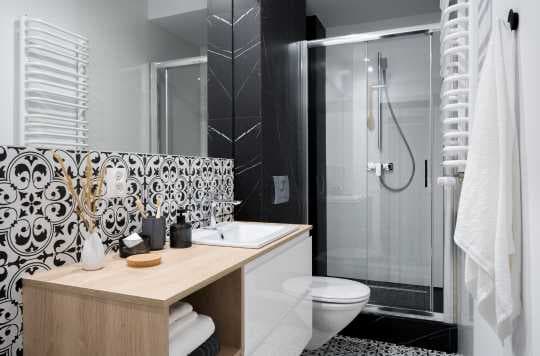
Full Bathroom
- Shower enclosure with glass door
- Vanity, countertop & sink faucet
- Vanity light with outlet
- Toilet
- Energy efficient water heater
- Medicine cabinet
- Exhaust fan
Common questions about backyard cabins
Cabins tend to come in under 800 square feet, so the small-space tricks that work for tiny homes apply here too. Keeping it compact also makes it easier to fit the cabin into your existing landscape.
Usually yes. Most localities require a building permit, and you may also need a planning permit that confirms the cabin meets zoning and land-use rules. Check your local zoning laws first, since they decide whether you can build at all and may cap the size.
In California, any structure under 1,000 square feet with a kitchen and bathroom built in the backyard of the main house is treated as an accessory dwelling unit. When that's the case, the planning and building plan checks happen at the same time.
We like sustainable options such as reclaimed wood, bamboo, and recycled metal. For durability, pair them with weather-resistant siding like fiber cement or treated wood, plus metal or asphalt shingle roofing that can last decades when installed correctly.
Go with an open-concept layout and multifunctional furniture, like a sofa bed or a fold-out table. Built-in floor-to-ceiling shelving and tall cabinets use vertical space, and large windows or skylights bring in light that makes the room feel airy.
Your property's flood and fire zones should guide the exterior design. Elevating the cabin on piers helps prevent water damage and improves ventilation, and regular maintenance checks catch small issues before they turn serious.
A porch or deck extends your living space outdoors, and a fire pit with comfortable seating is great for gatherings. Many owners add a hot tub, an outdoor shower, or shade structures like pergolas, with string lights for evening ambiance.