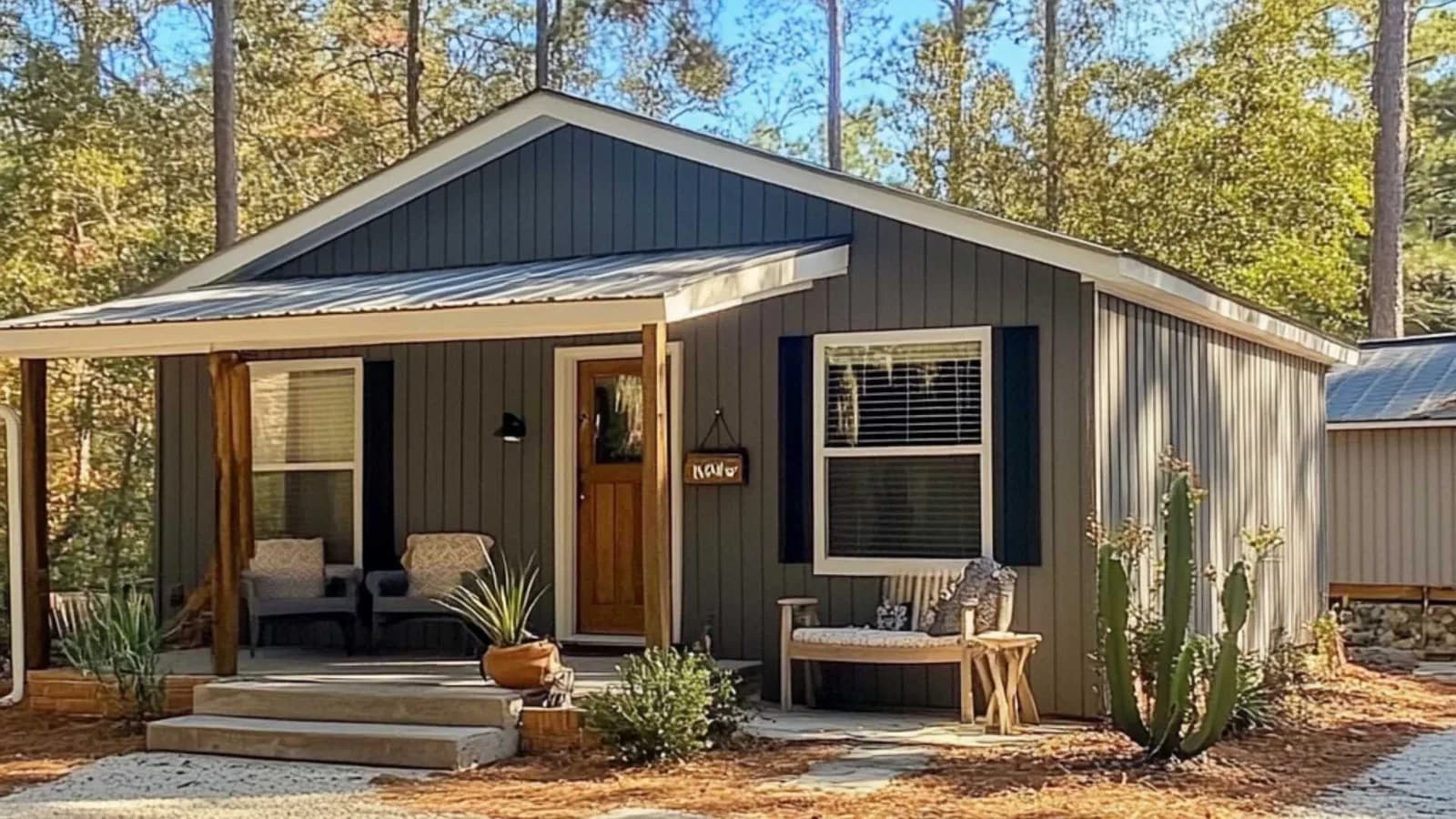
ADU House: Innovative Solutions for Modern Living
Thinking about adding more space to your property? Accessory Dwelling Units (ADUs) might just be the answer. ADUs, often called granny flats or backyard cottages, are smaller homes built on the same lot as a primary residence. They offer a practical way to accommodate family members, boost rental income, or just provide more living space.
More and more homeowners are exploring the benefits of ADUs. These compact living spaces are flexible, providing a separate area for guests, an office, or even a rental property. This flexibility makes an ADU a smart choice for those looking to maximize their property’s potential.
What’s more, ADUs contribute to sustainability by using smaller parcels of land efficiently. They promote smart growth in urban areas and can help address housing shortages. By exploring ADUs, we’re taking a step towards making the most of our living spaces.
ADU names reflect their versatility and history
ADUs go by many names
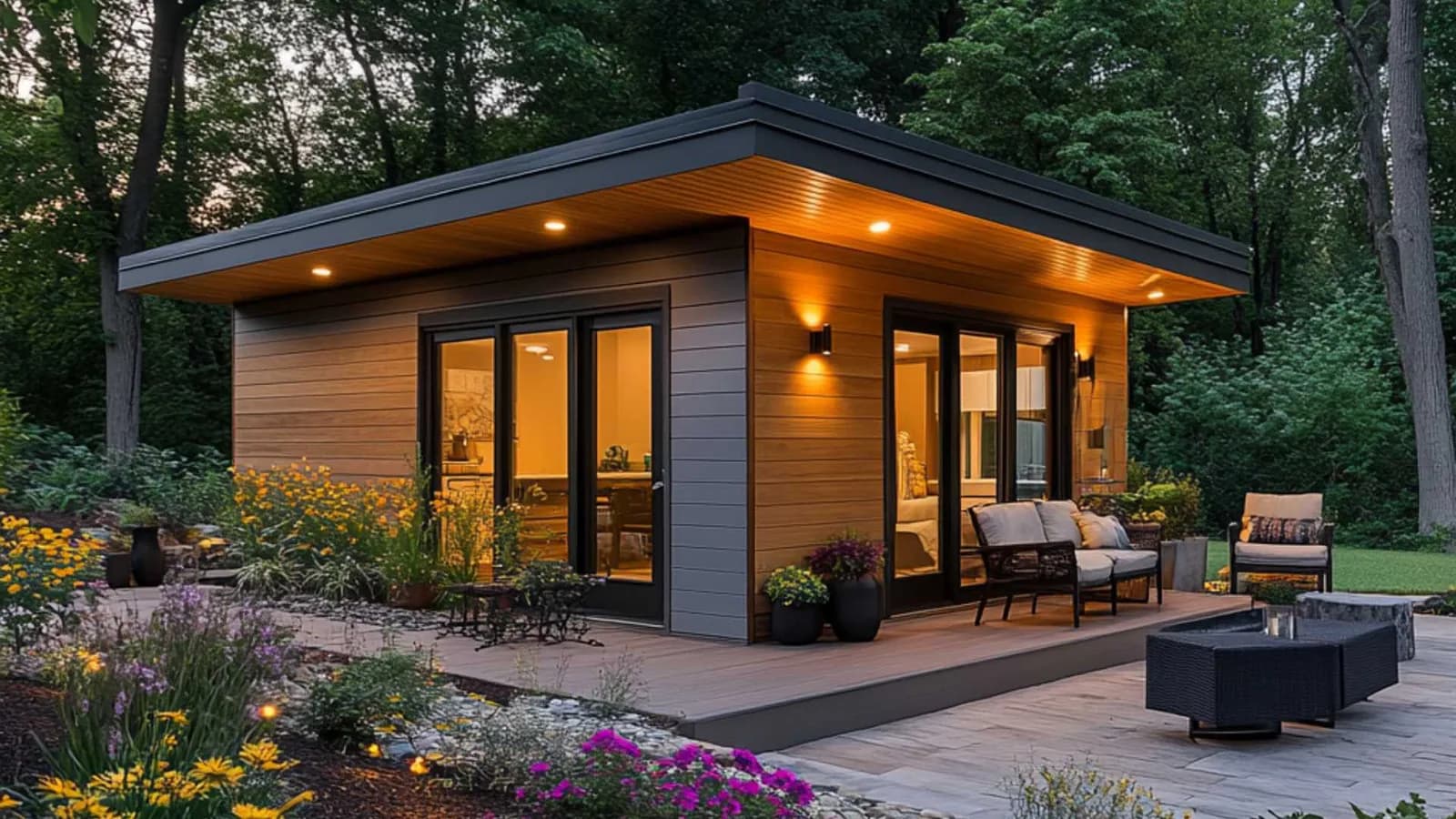
Granny flats
Often built to house an elderly parent, grandparent or relative.
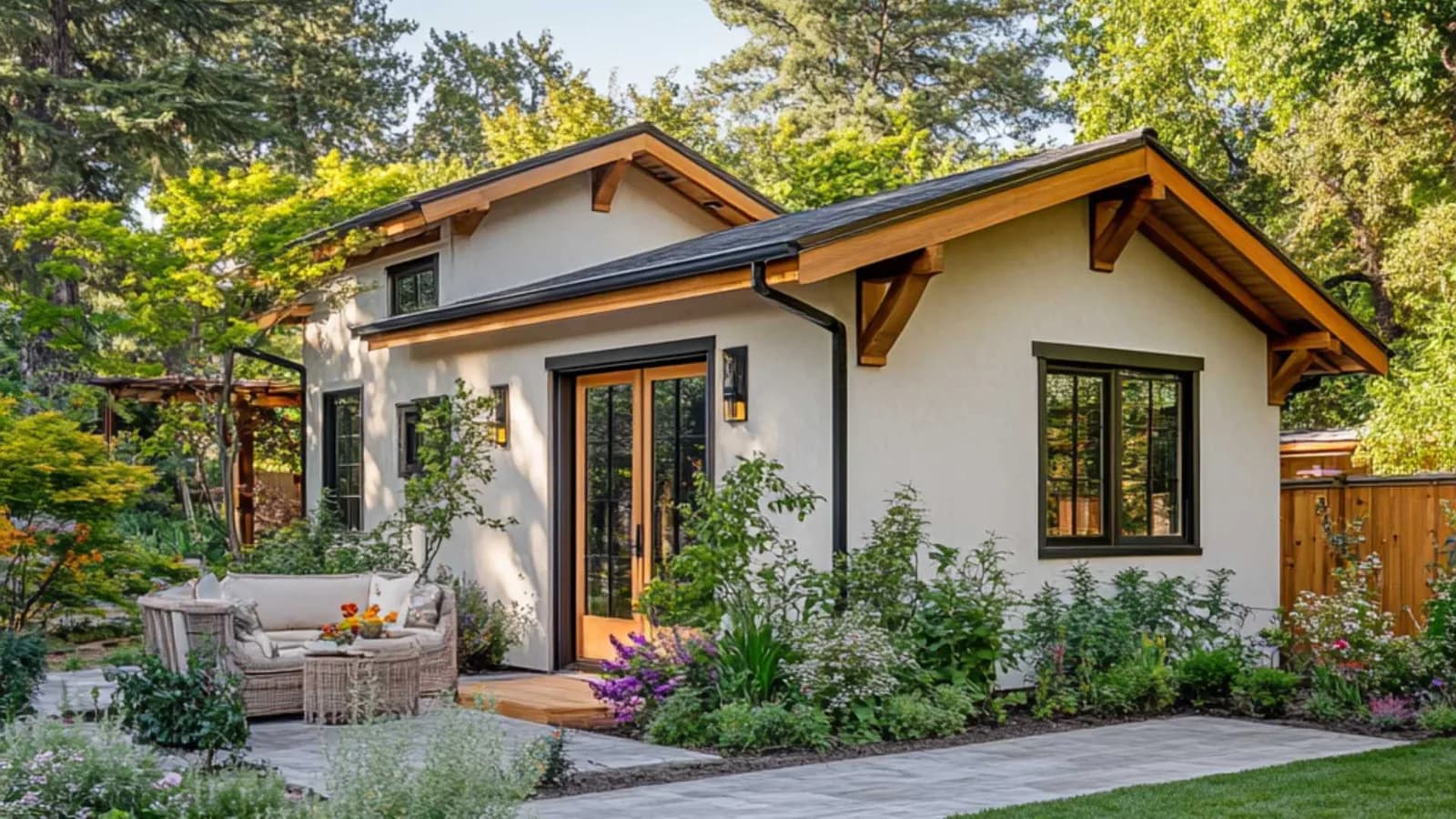
In-law suites
Of a similar purpose, these provide separate quarters for the close family members.
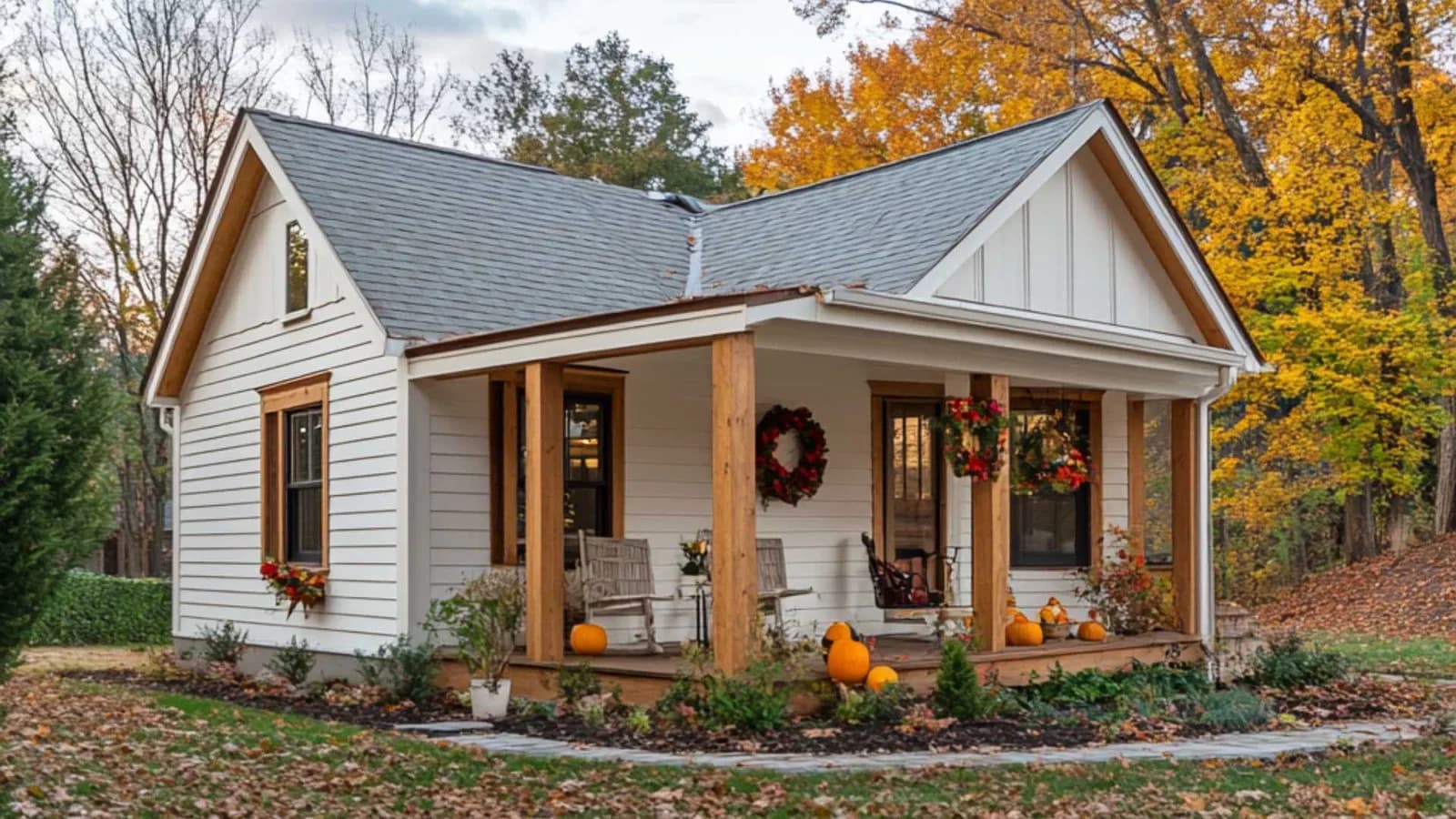
Backyard cottages
Typically refers to a detached ADU in the backyard.
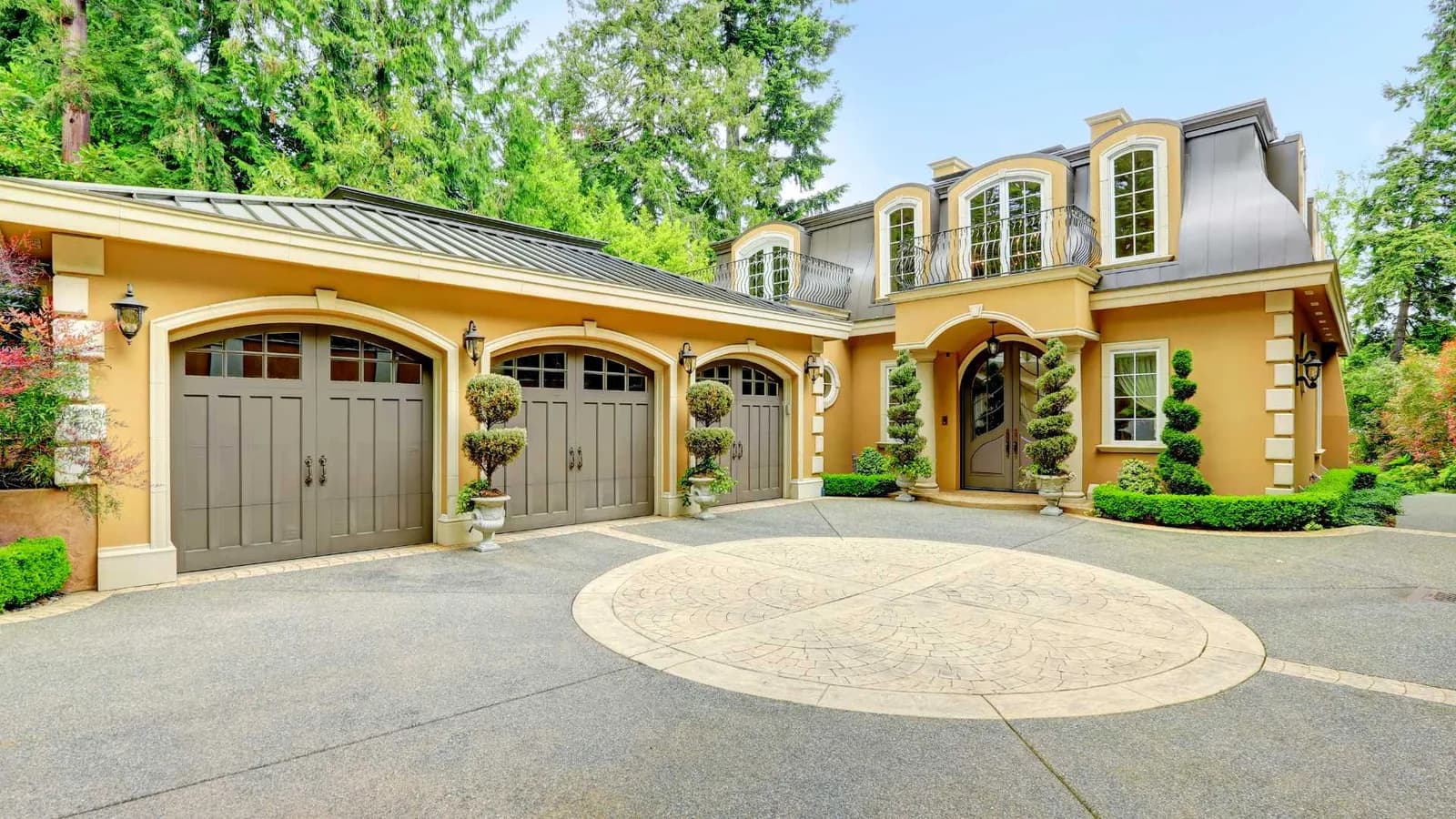
Carriage house
Often a conversion of, or built above, a detached garage.
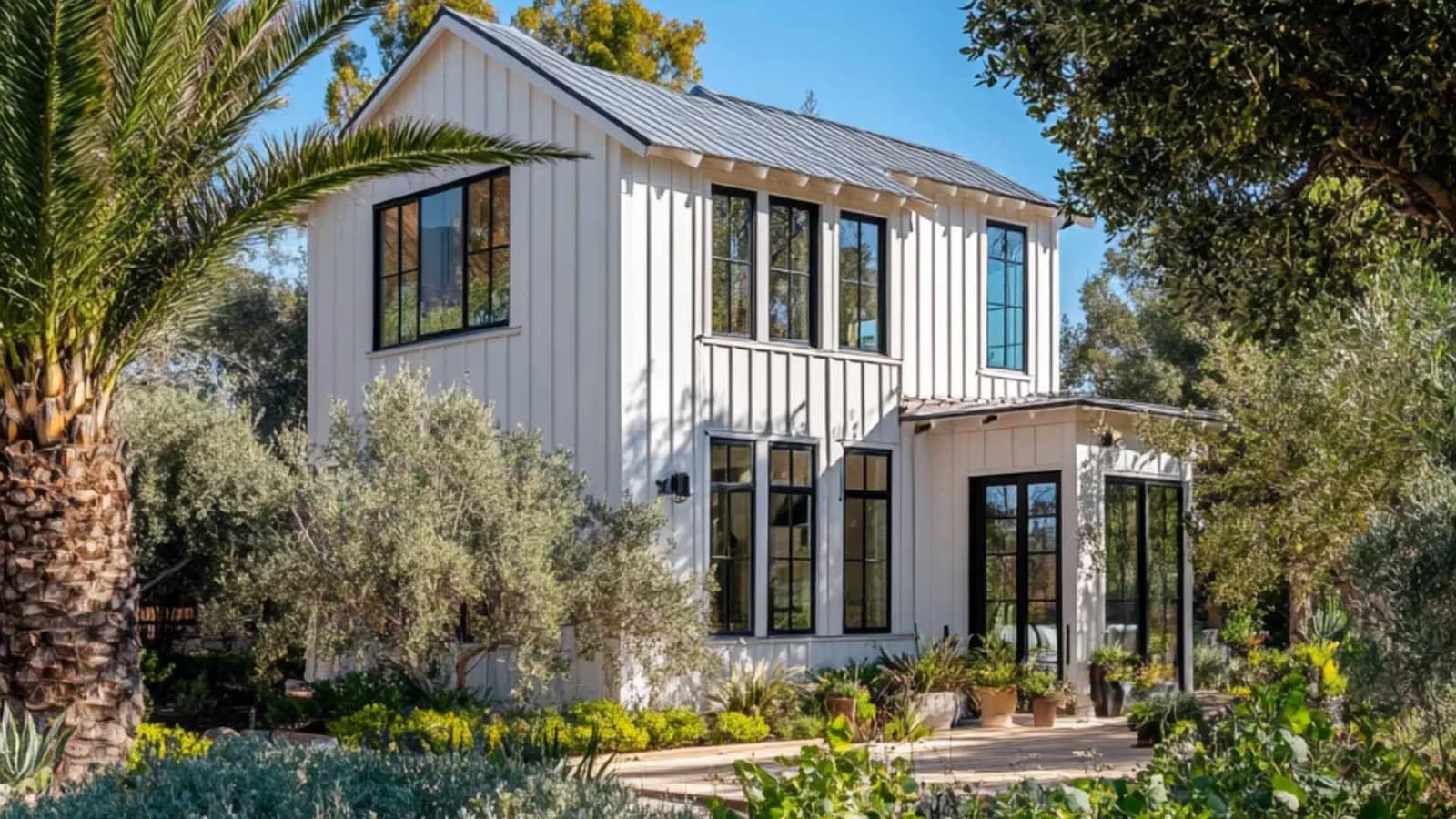
Secondary housing units
Formal terms for accessory apartments used in zoning codes.
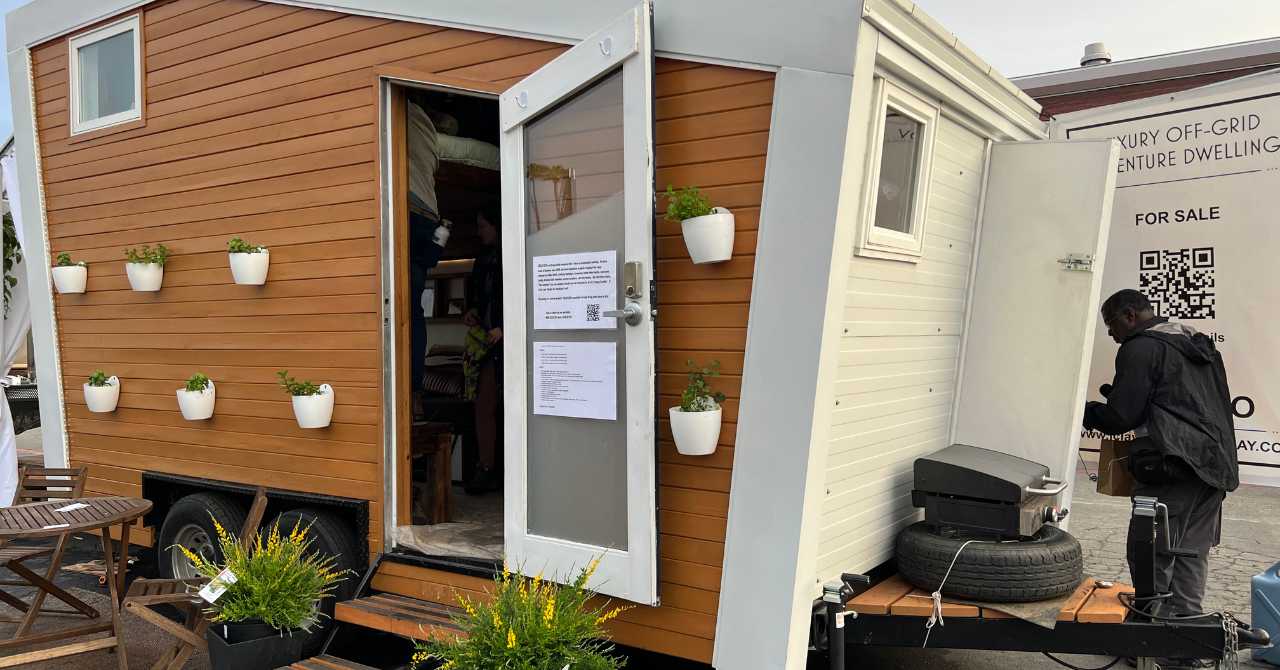
Tiny homes / Tiny houses
While not all tiny homes are ADUs (some are primary residences), many ADUs fit the description of small homes.
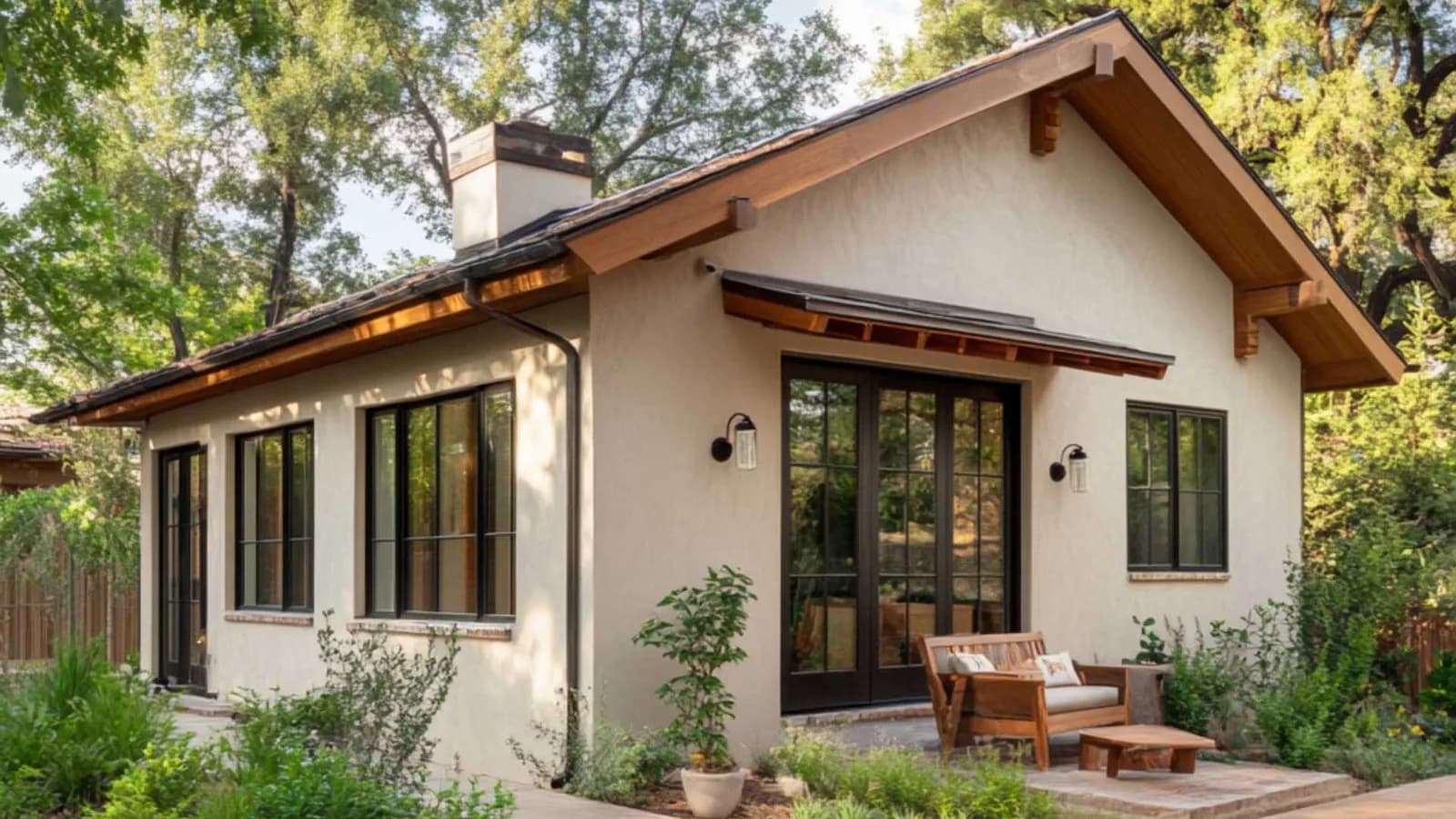
Guest house
Primarily intended for visitors but legally constitutes an ADU if it meets the criteria.
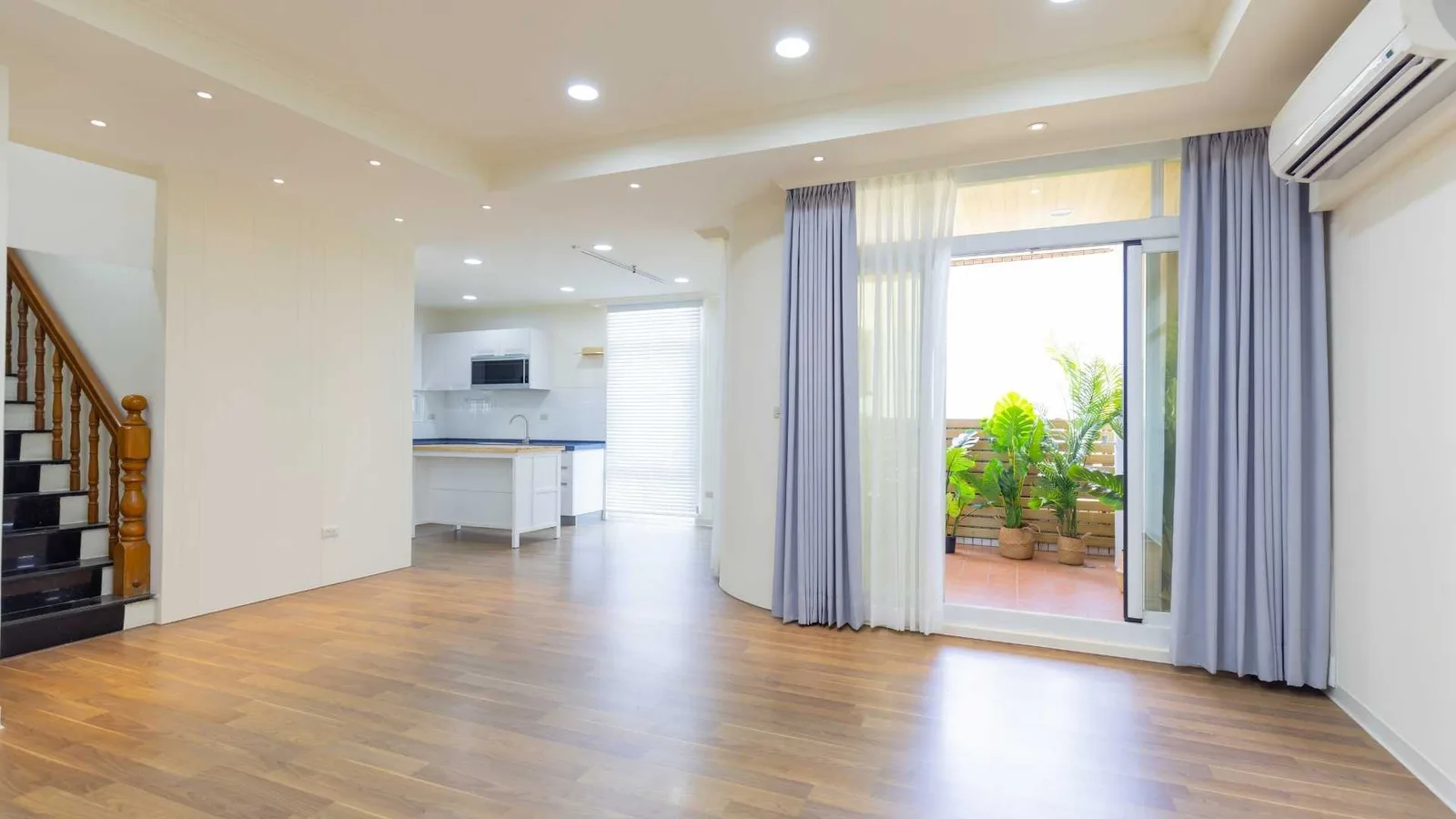
Basement apartment
An example of an internal ADU, often called conversion of interior space.
An Accessory Dwelling Unit (ADU) is an additional, self-contained living space smaller than the main house. These units are distinct from simple additions—they function as independent dwelling spaces with a kitchen, bathroom, and sleeping area.
The core concept remains the same: an independent residential dwelling unit that is an accessory to a primary residence – built on the same lot as a primary single-family home.
Why ADU house is the right move
Perfect Housing
Co-buyers will account for 27% of all U.S. home purchases.
California ADU regulations allow to turn one single family property into three homes. Add SB9, and you can have four homes on one lot.
Smart investment
25% of homeowners are planning an addition.
Bought your home more than 5 years ago? ADU gets you extra space without raising taxes on your main house. ADU will add taxes on its value alone.
Flexible future
89% of homeowners want to age in place in their own homes.
ADU solves for loneliness (neighbors on the same lot) and maintenance (your ADU will be built better than the main house).
Understanding ADU House Types
Accessory Dwelling Units, or ADUs, come in various types, each with unique characteristics and benefits. By understanding these differences, we can explore the potential advantages for homeowners.
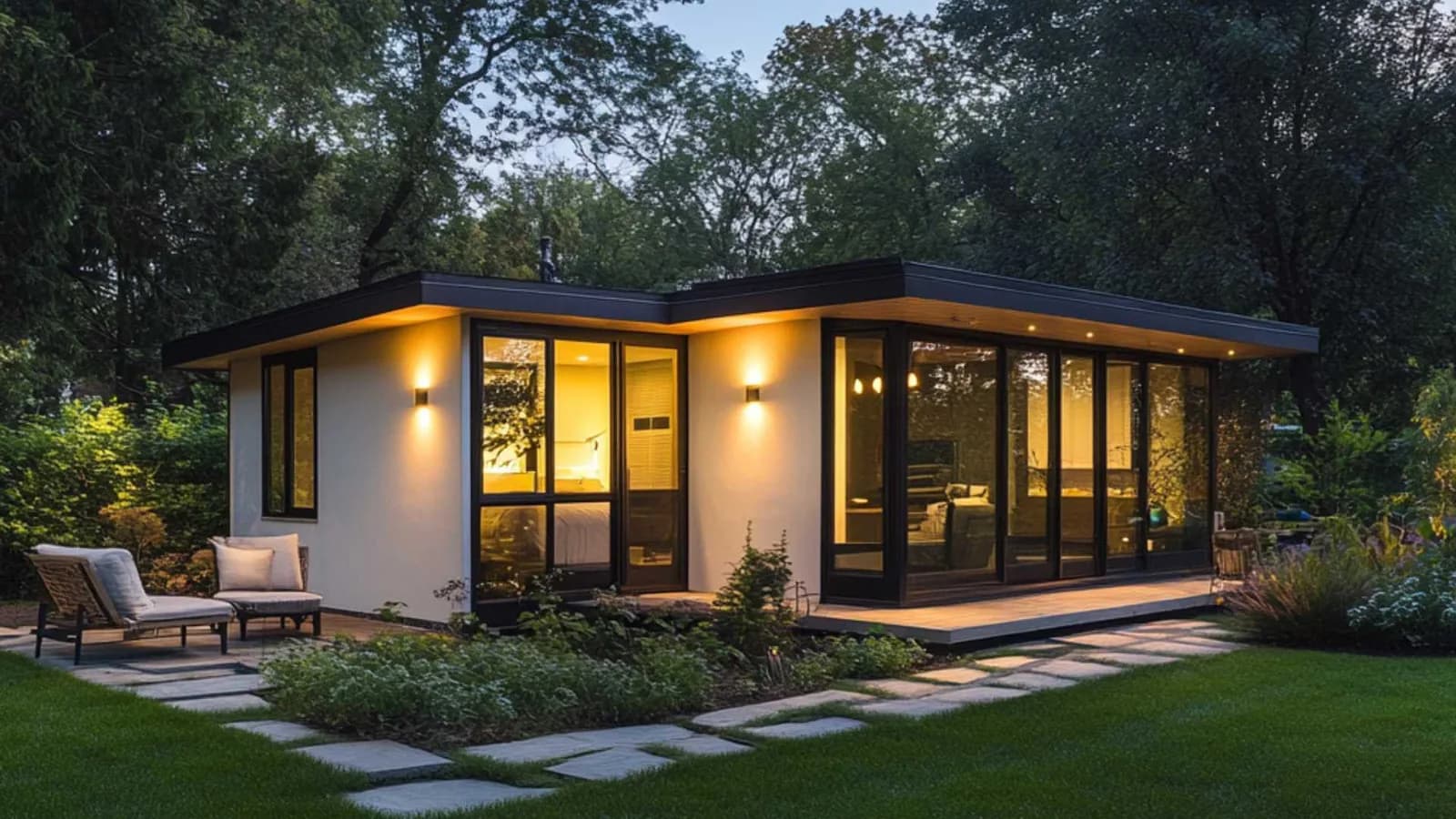
A Detached ADU is a separate building from the main house. These units often provide more privacy and flexibility in design. Since they are independent, we can customize them without worrying about structural limitations of the main house. This type of ADU can serve as a rental space or a private family guest area.
Building a Detached ADU typically requires a larger lot. It’s important to consider local zoning laws and building regulations. While they might involve higher construction costs due to new utilities and foundation work, they offer significant potential for added property value.
Attached ADUs
Attached ADUs are built as an extension of the main home. They share at least one wall with the existing house. This type is often less expensive to build because they can use existing utilities. The design must integrate smoothly with the current house structure.
Attached ADUs can be a great option for creating additional living space without sacrificing yard space. They work well for families needing more room or as a rental unit for supplemental income. Careful planning is essential to ensure it meets building codes and doesn’t alter the home’s exterior too much.
Garage Conversion ADUs
Garage Conversion ADUs transform an existing garage into a living space. This is usually an affordable way to add an ADU, as the basic structure and utilities may already be in place. Converting a garage can be quicker than building a new unit.
Before starting a garage conversion, we should check for any structural modifications needed. We need to consider insulation, plumbing, and electrical updates. Also, it’s crucial to evaluate how the loss of a garage will affect storage and parking options for the main home.
Basement Conversion ADUs
A Basement Conversion ADU utilizes an existing basement for added living space. These conversions are ideal for homes where the basement is underused. Basements typically have utilities close by, which can lead to lower construction costs.
Some challenges include ensuring proper lighting and ventilation. Basements may need substantial waterproofing to avoid moisture issues. They can offer a cozy, private space for family members or tenants when designed thoughtfully, making efficient use of existing square footage.
ADU House Design and Planning
When we plan an ADU house, there are several factors to consider. We must navigate zoning rules, make the most of limited space, focus on eco-friendly options, and ensure it looks great while reflecting personal taste.
Zoning and Regulation Compliance
Navigating zoning laws is a critical first step. Different regions have specific rules about where and how ADUs can be built. We must check local requirements for size, height, and location. It’s important to get permits early to avoid delays. Some areas require parking spaces or distance from property lines. Understanding setbacks and lot coverage can help us plan the layout. Meeting these regulations ensures legality and smooth construction.
Maximizing Space Efficiency
Space is often limited, so every square foot counts. Clever design can make small areas feel larger. We can use multi-functional furniture, like sofa beds or wall desks to save space. Open floor plans create a sense of openness. Vertical storage helps reduce clutter. Mirrors and light colors can enhance the perception of space. Optimizing layout and storage allows us to make the most of every inch.
Sustainability and Eco-Friendliness
Sustainability is key in modern living spaces. We prioritize green building materials like recycled wood and low-VOC paints. Solar panels offer energy efficiency and cost savings. We can incorporate rainwater harvesting systems for irrigation. Energy-efficient lighting and appliances reduce power consumption. By focusing on environmental impact, we contribute to a healthier planet and potentially reduce utility bills.
Design Aesthetics and Personalization
Aesthetics play a big role in making ADUs feel like home. We choose styles that match the main house or explore unique designs. Color schemes help set the mood, from calming neutrals to vibrant accents. Personal touches, like art or family photos, add warmth. We balance trendy elements with timeless designs for lasting appeal. Personalizing the space creates a welcoming environment that reflects our taste.
Construction and Development of ADUs
Building an ADU house involves several key steps. We begin by choosing the best materials, use the correct building methods, and then connect utilities effectively.
Selecting Building Materials
When picking materials for ADUs, we focus on durability, cost, and sustainability. Wood is a popular choice due to its versatility and affordability. Concrete is favored for its strength and fire-resistance, while steel offers a sleek, modern look.
It’s crucial to consider the local climate and environment. For places with heavy rainfall, moisture-resistant materials are advisable. In dry areas, using materials with high thermal mass can help with insulation. Choosing the right materials ensures safety and comfort.
Construction Techniques for ADUs
Our construction techniques prioritize efficiency and stability. Modular construction is one approach, where sections are pre-made and assembled on-site, saving time and reducing waste. This can be a fast and cost-effective solution.
Traditional building methods, like stick framing, are common as well. They allow for custom designs and adjustments during construction. Whichever method is used, it’s important to adhere to local building codes and regulations to guarantee that the structure is legal and safe.
Utility Connections and Services
Effective utility connections are vital for ADU functionality. We plan for water, electricity, gas, and sewage services early in the design phase. Electricity and water are often linked to the main house’s systems, which can be cost-effective.
Plumbing and sewage need careful alignment, so pipe runs are efficient. We also consider sustainable options like solar panels and water-saving fixtures to reduce long-term costs. Ensuring proper connections makes ADUs livable and maintainable.
Investment and Economic Aspects of ADU Houses
ADU (Accessory Dwelling Unit) houses present an opportunity for smart investment. They can be cost-effective to build, provide a solid return on investment, and offer rental income potential.
Cost Estimation and Budgeting
When budgeting for an ADU, construction costs can vary based on size, design, and materials. Typically, the price ranges from $100,000 to $200,000. This includes permits, construction, and sometimes landscaping. To manage expenses, we should focus on potential cost-saving measures like using recycled materials or standardized designs.
Planning ahead ensures that our project stays within budget and meets local regulations. It’s beneficial to consult with professionals, such as contractors and architects, to get precise estimates and avoid unexpected expenses. An accurate budget helps us to secure necessary financing and maintain control over financial resources.
Return on Investment
Investing in ADUs can lead to a strong return by increasing property value and generating additional income. Typically, returns can be threefold over several years. By enhancing the property, we potentially increase its market value.
Higher property value can mean more equity, which is beneficial if we choose to sell or refinance our home. Additionally, having an ADU can appeal to buyers looking for rental opportunities or additional living space, making our property more marketable.
Rental Income Opportunities
ADUs provide a great opportunity to earn rental income. Their appeal includes affordability and self-sufficiency. Depending on location and size, monthly rental income can range from $1,000 to $2,500 or more.
Operating an ADU as a rental helps offset costs associated with construction and maintenance. We should consider market demand, rental rates in our area, and tenant needs. It’s important to comply with local laws regarding short and long-term rentals to ensure a steady income stream. Proper management can make renting a lucrative venture.
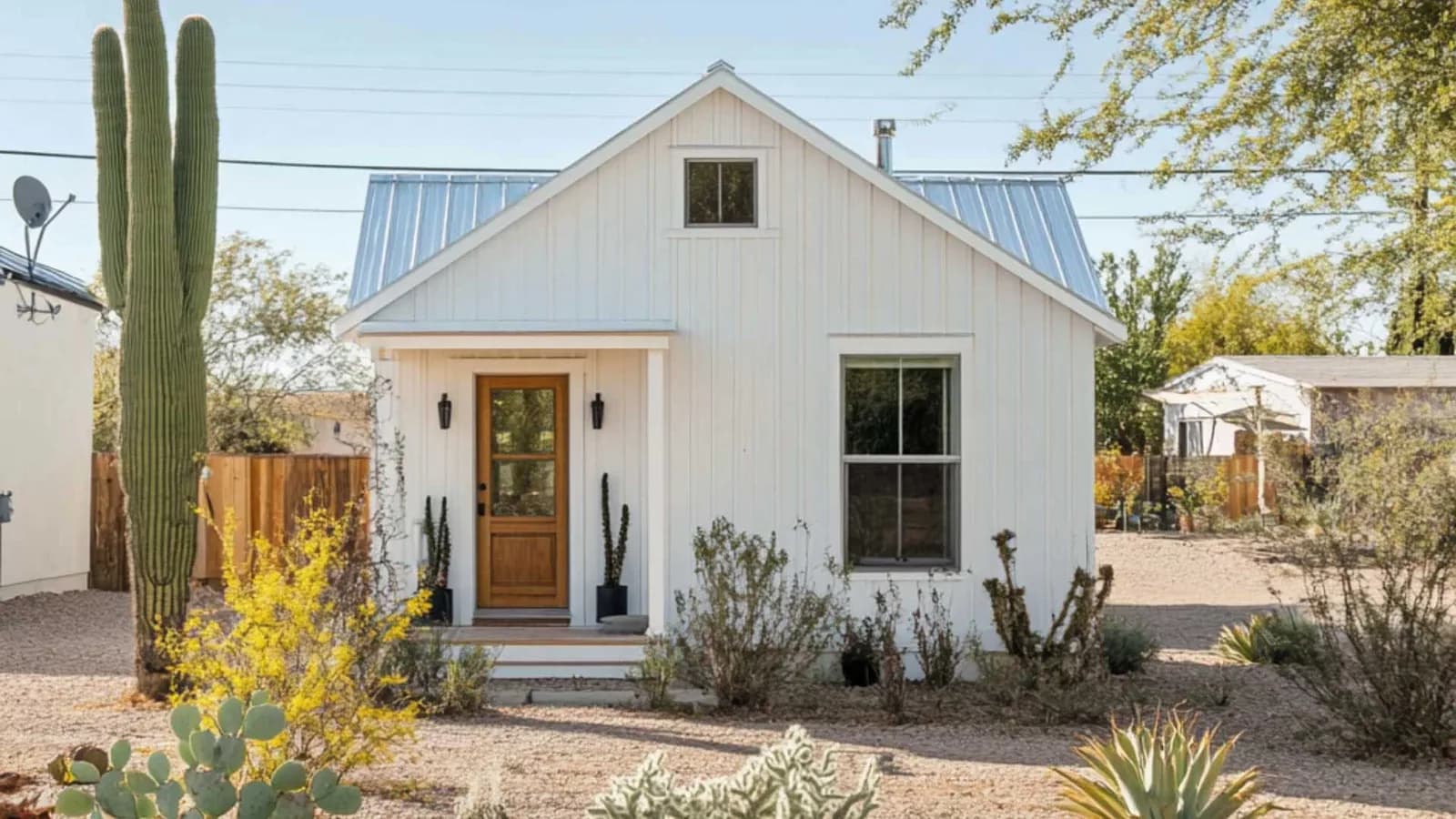
Frequently Asked Questions about ADU Houses
We often get asked about the costs, grants, and regulations surrounding ADUs. Let us address some common questions to help you understand more about these unique living spaces.
What are the typical costs associated with building an ADU?
Building an ADU can cost between $100,000 and $300,000. The price depends on size, materials, and location. Additional expenses include permits, design fees, and utility hookups.
How does the $40,000 ADU Grant work?
The $40,000 ADU Grant is designed to help homeowners with construction costs. Eligible participants must meet specific criteria, and funds can often be used for design and development fees. Beware of scams and work with reputable mortgage brokers.
What are the zoning regulations for ADUs in various states?
Zoning regulations differ across states. Some areas have flexible rules, while others have strict guidelines. It is important to check local laws to ensure compliance.
What are the benefits of owning a prefabricated ADU?
Prefabricated ADUs are cost-effective and save time since they are built off-site. They offer quicker installation compared to traditional construction and can often be more environmentally friendly.
Where can I find ADU house plans for building one?
While ADU house plans can be found online through architectural firms and ADU specialists, HomeWiP has many customizable templates available to suit various needs and preferences with an option of trying it on the map of the backyard.
What factors contribute to the expensive nature of ADUs?
Several factors make ADUs costly: permitting fees, construction materials, utility connections, and labor. High real estate prices in certain areas can also increase overall costs.
How will your ADU House look?
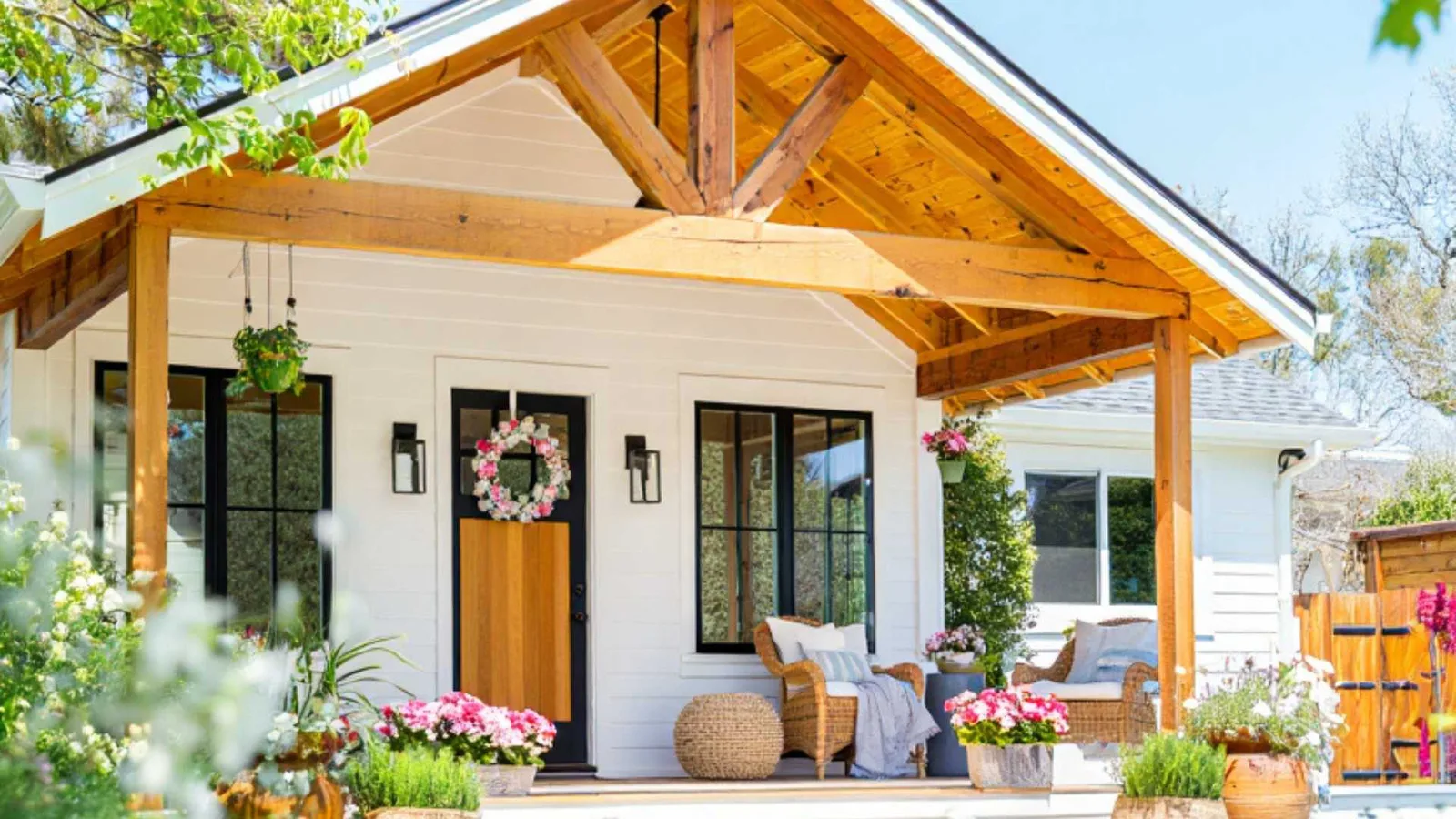
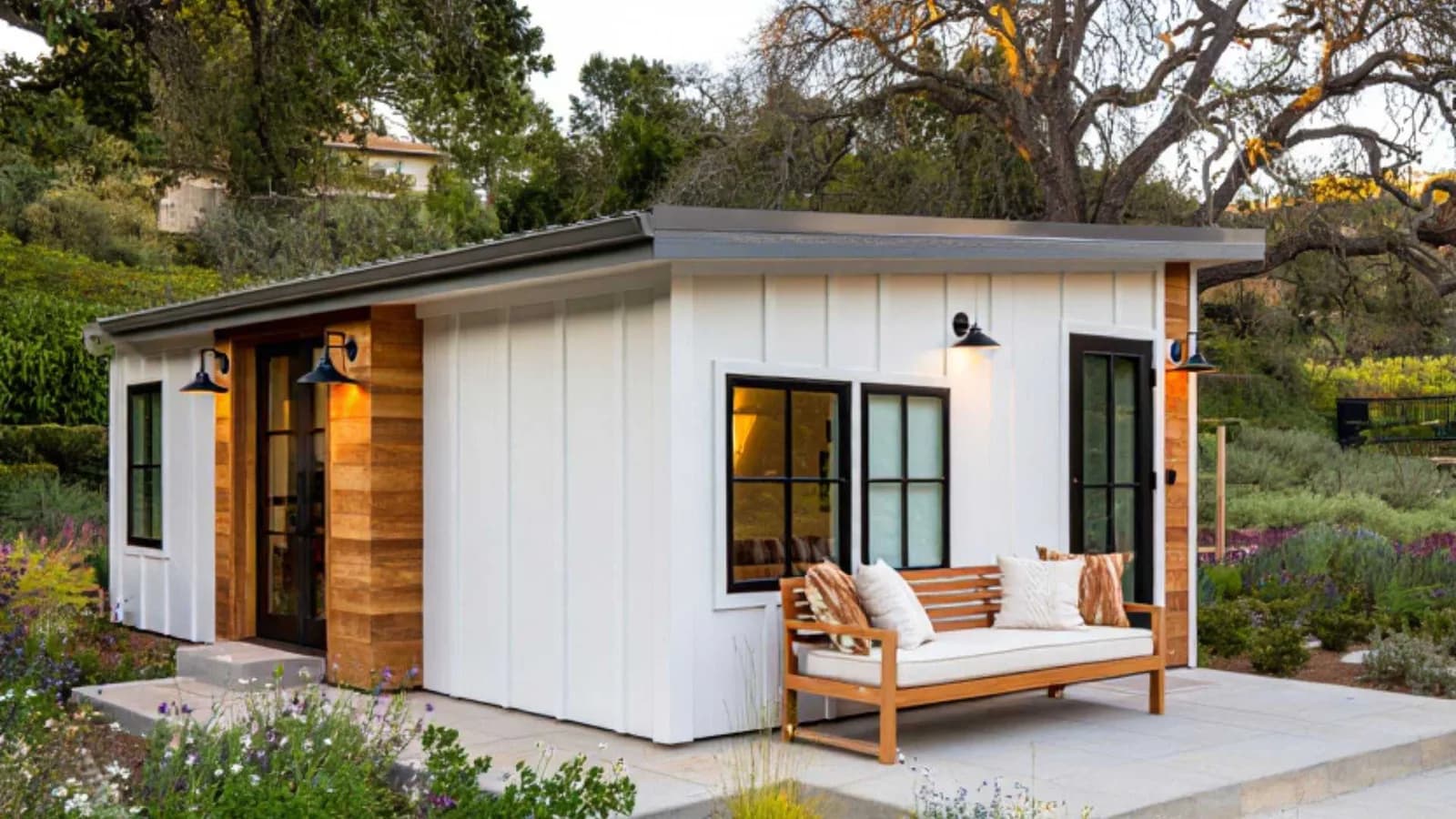
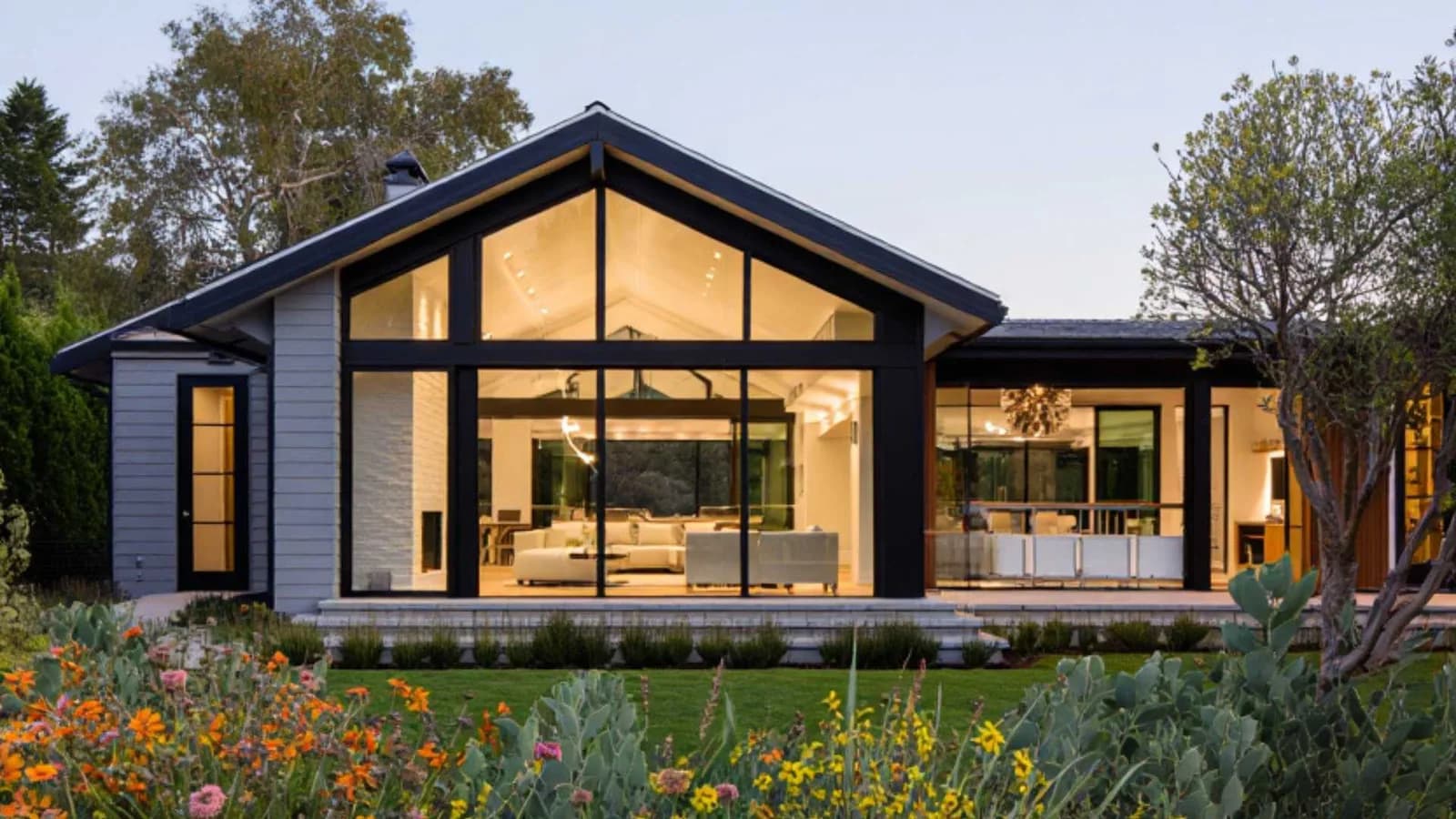
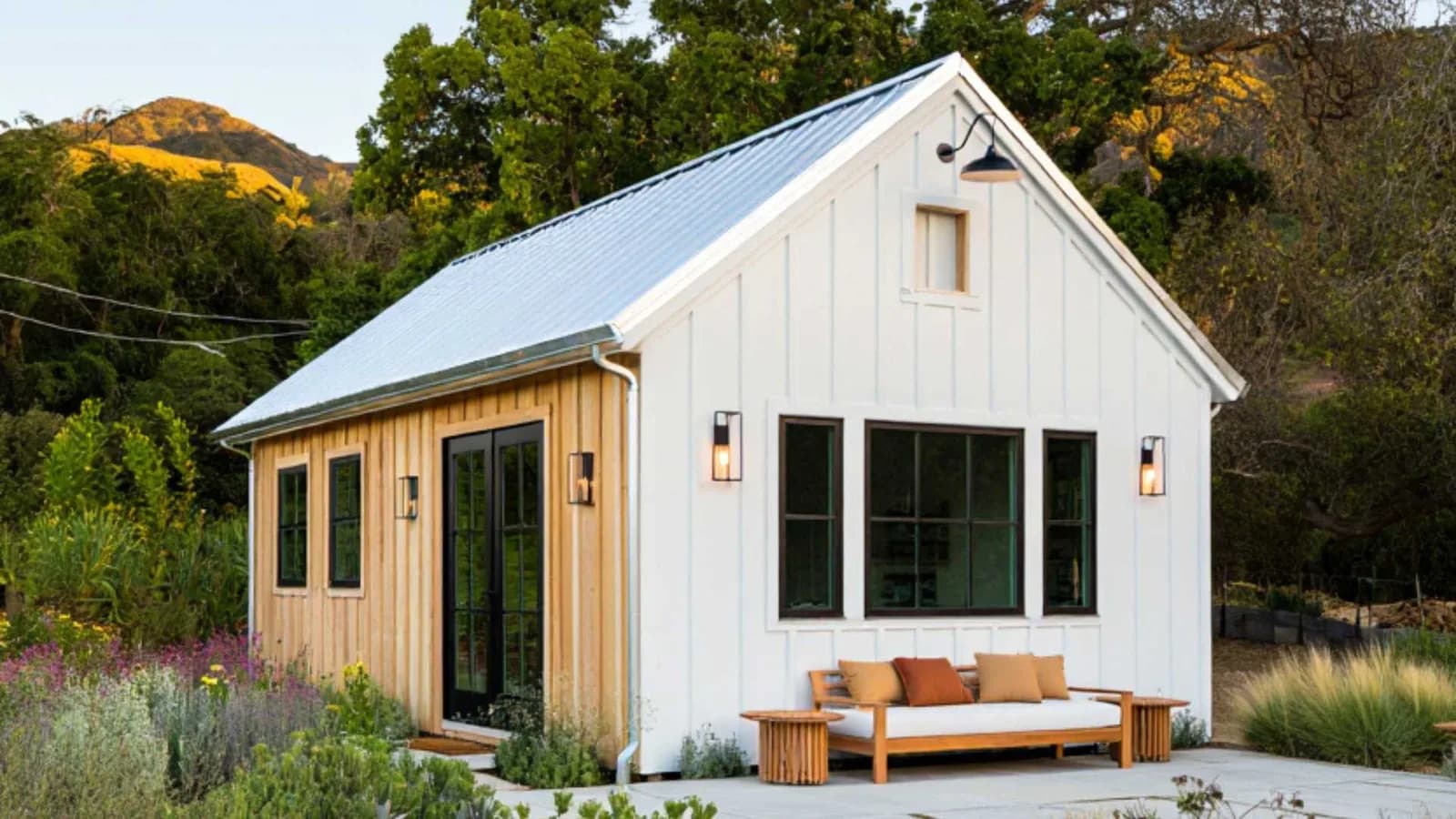
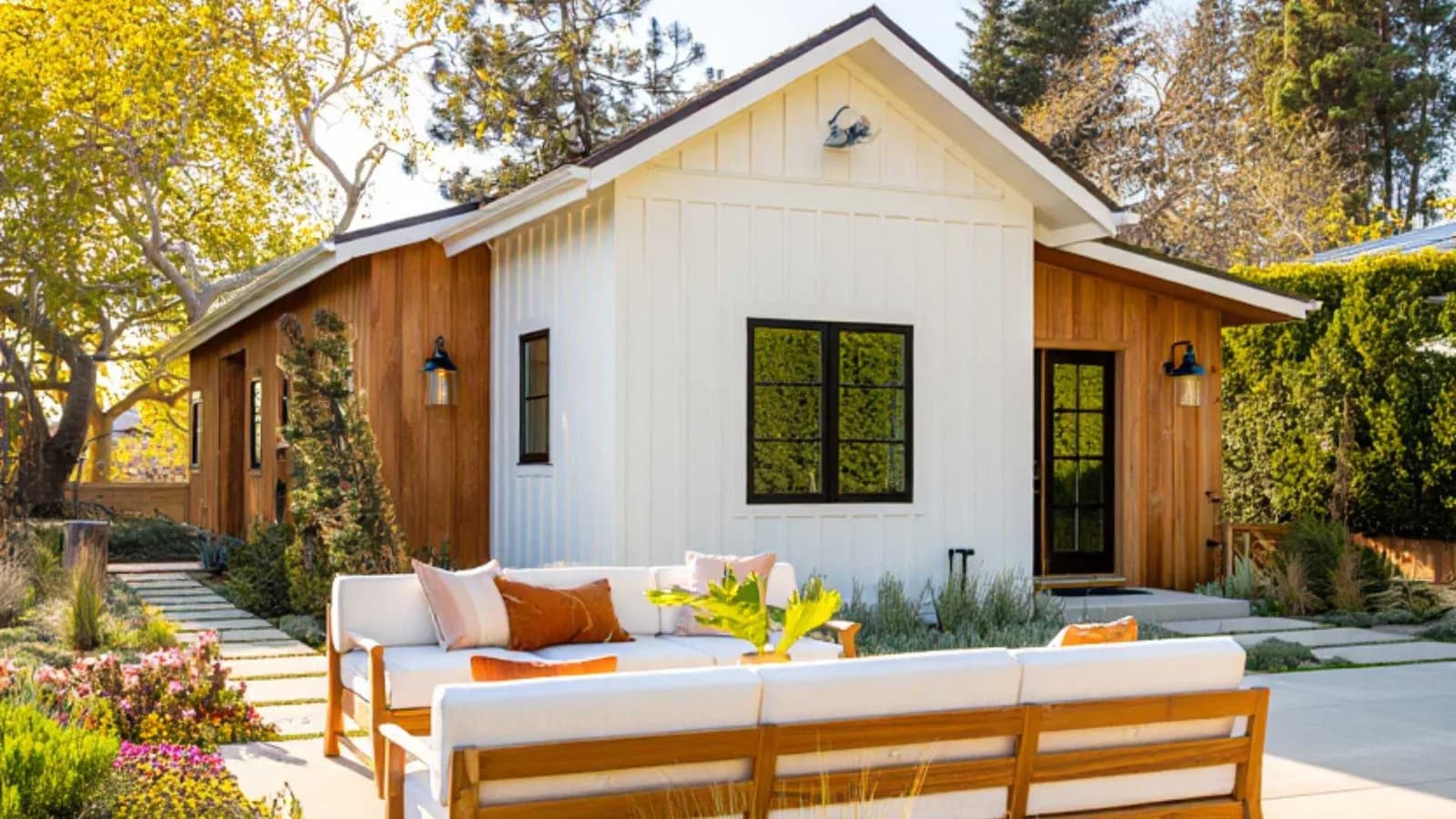
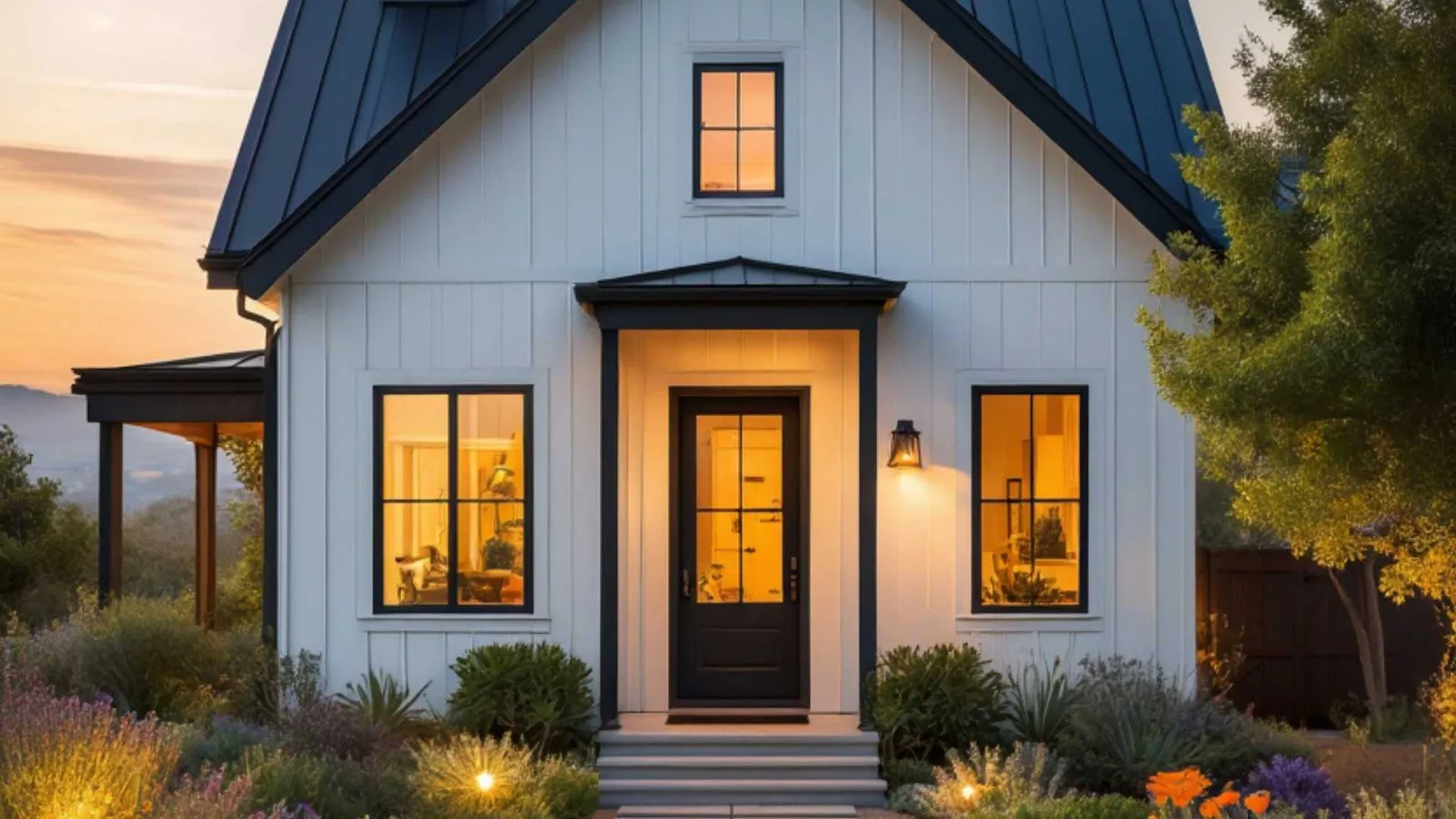
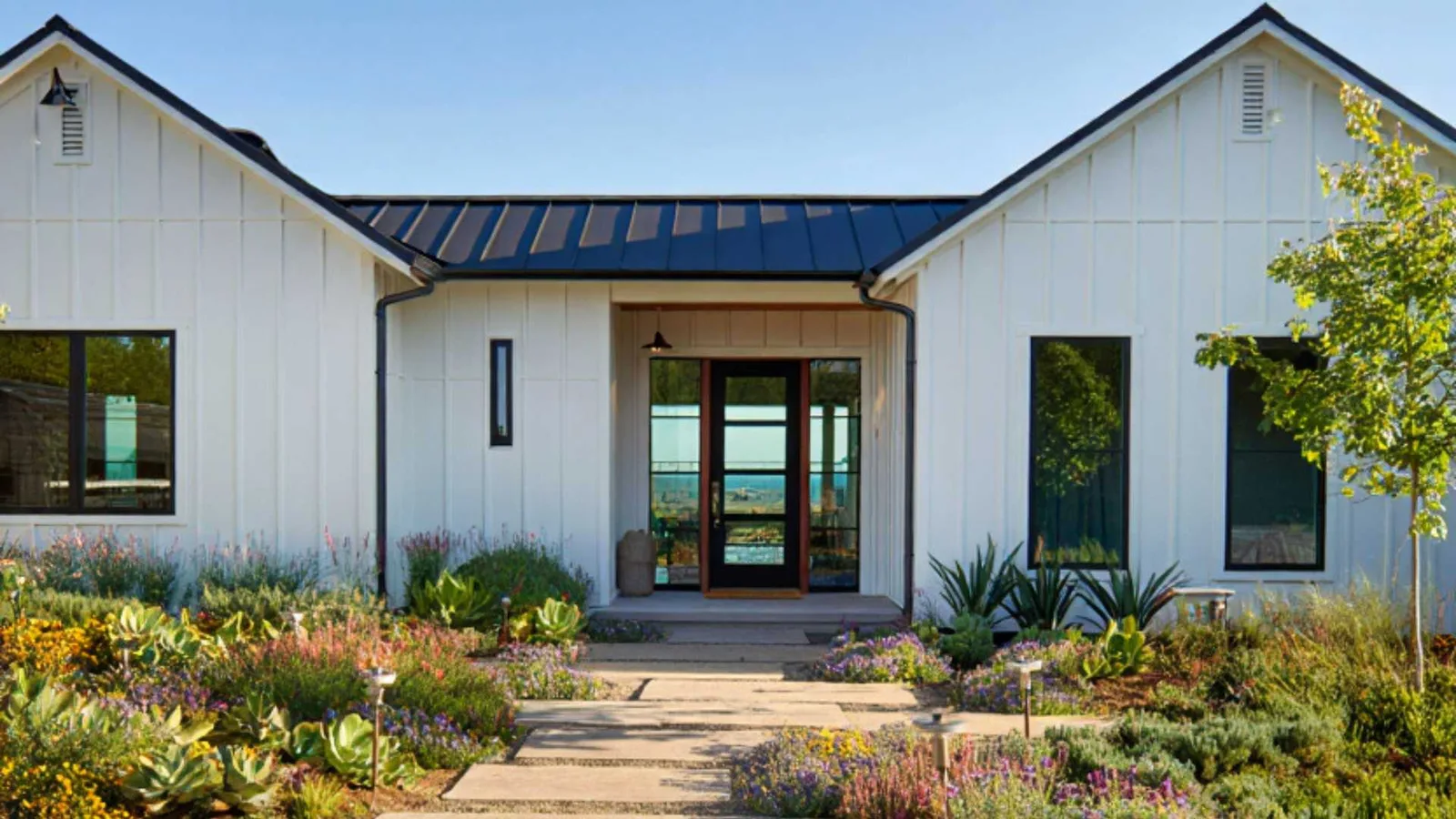
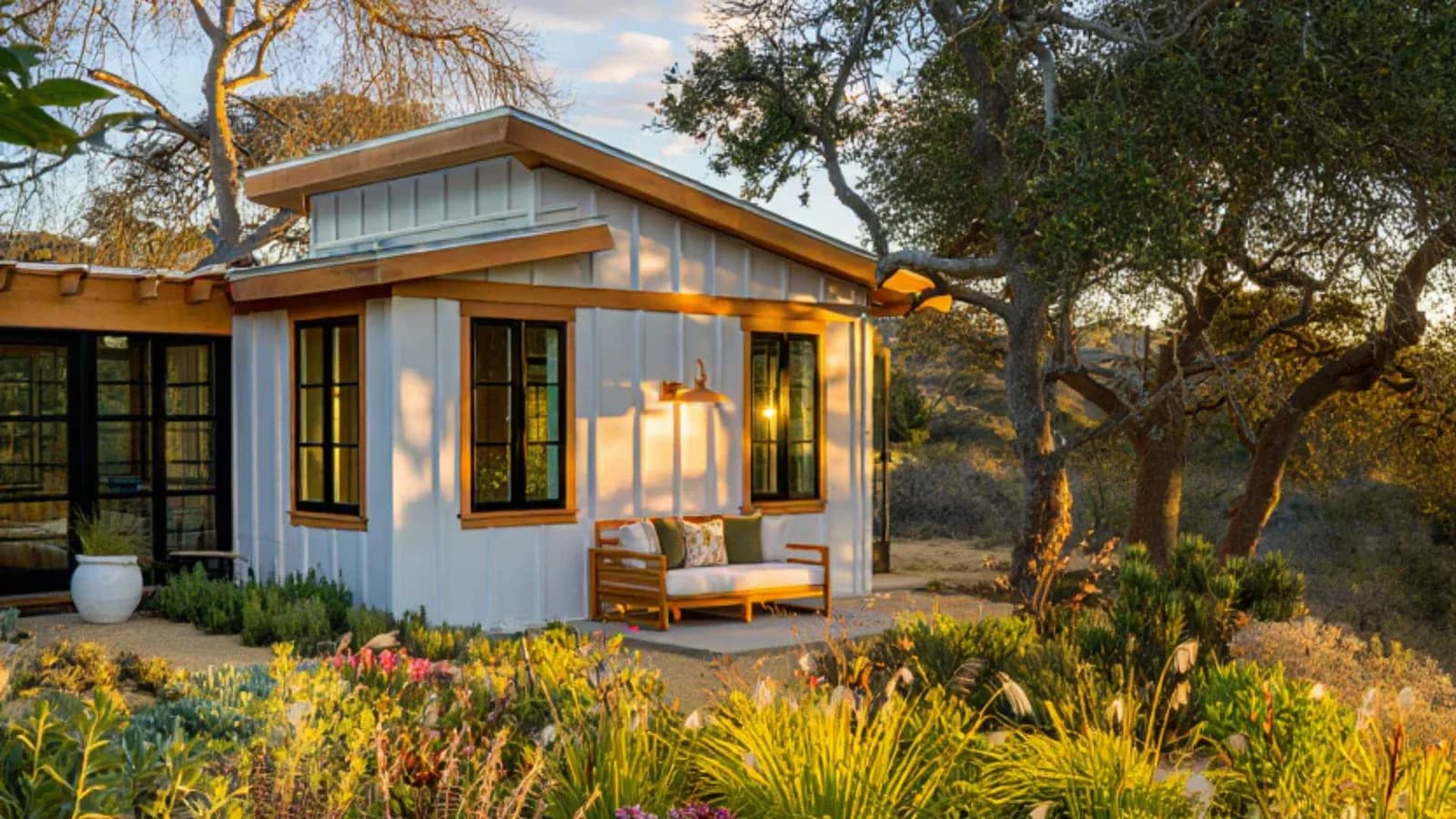
Here are some ideas for inspiration…