
Are you planning to live with your parents—or vice versa? More and more people are keeping it all in the family these days, and rightfully so. Multigenerational living has many benefits, including stronger family bonds and a way off the endless rental treadmill. However, living together comes with its challenges, too. Above all, these can be space and privacy constraints.
If you’re in the same boat, a mother-in-law suite may be in your future. This suite is an excellent solution for accommodating parents, in-laws, or adult children. It allows you to live nearby while adding an extra layer of privacy. Read on to learn how to create a harmonious living space that benefits everyone using one of the 5 ways to add a mother-in-law suite to your house!
A mother-in-law suite is an additional living area within the premises of your home—but designed as a separate living space. It offers a few significant comforts of a private home, such as a separate living area and bathroom. A mother-in-law suite is intended to be used by your in-laws, hence the name. Such additions to your home extend the usable space and add to your home’s value.
A mother-in-law suite always has a bedroom and bathroom, while other features can vary. A living area and kitchenette can also be added with enough room. Bonus points if a separate laundry can be arranged.
In California, there is a new term – junior accessory dwelling unit. This type of unit allows for quick permitting and minimum construction when you need new space fast.
Junior Accessory Dwelling Unit (JADU) can be converted only out of existing space – entirely within existing or proposed single-family home.
Any single-family home can have one junior ADU in addition a standard detached or attached ADU.
The main difference is that it has to be less than 500 square feet. JADU does require a separate entrance and does not require interconnection with the primary home. That said, JADU can use bathroom facilities of the main house. A shared bathroom lowers conversion costs considerably.
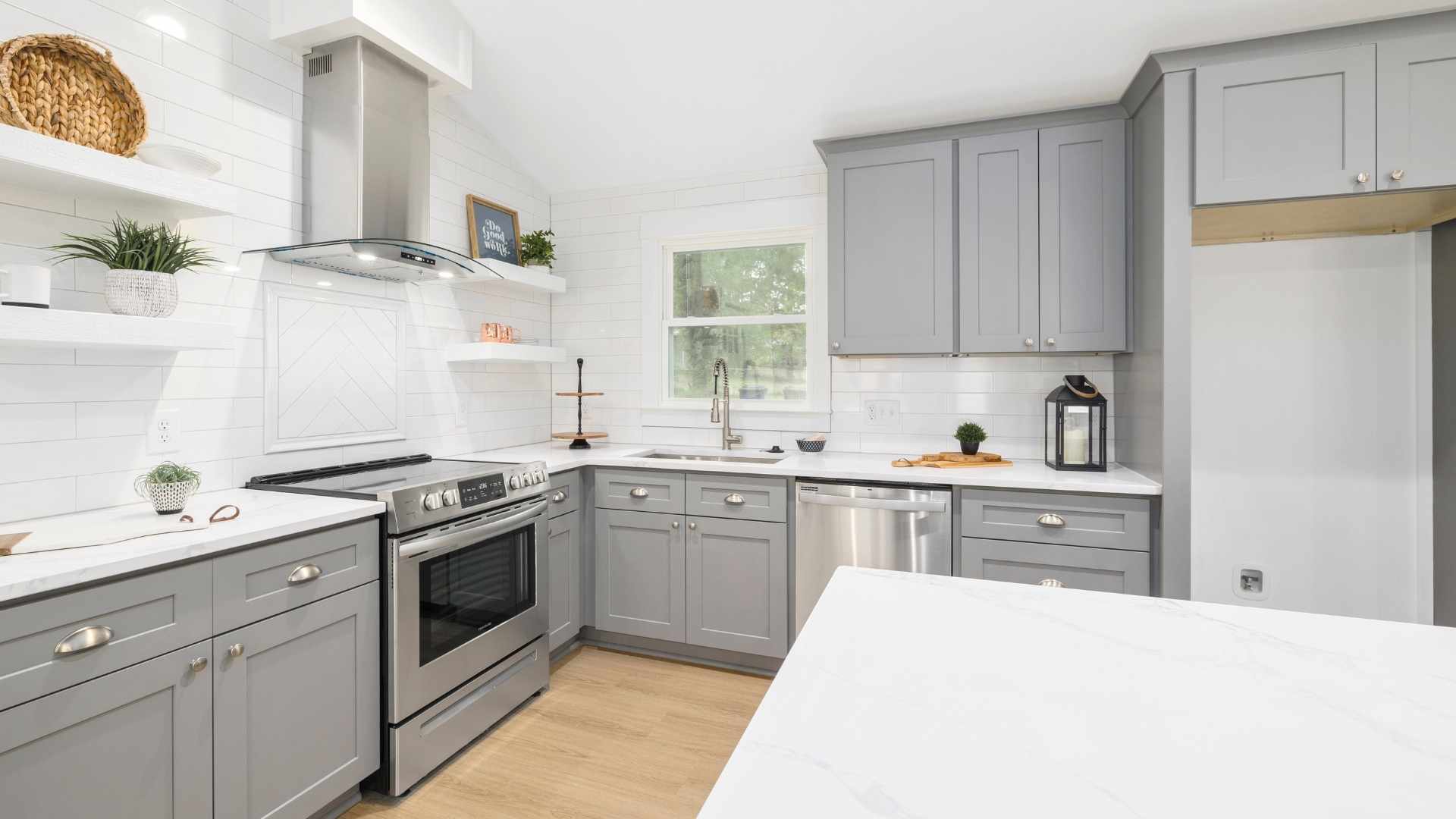
Junior Accessory Dwelling Unit must have an efficiency kitchen, lovingly called a kitchenette, to include cooking appliances, a fridge, small sink and countertop for food preparation. Imagine a wet bar with a 2 ring induction cooktop.
Permitting sales are no different from standard ADUs. Ministerial approval. Comments or permit within 60 days.
Important to note, a local agency may not require, as a condition for ministerial approval of a permit application for the creation of a junior accessory dwelling unit, the correction of nonconforming zoning conditions.
No less important, in most cases owner occupancy is required, plus a deed restriction that prohibits the sale of the junior accessory dwelling unit separately from the primary home.
The requirements for a mother-in-law suite vary from place to place, but generally, these would be:

A traditional mother-in-law suite had a fair share of differences:
Today, ADU and mother-in-law unit are often used interchangeably.
If you’re ready to transform your space with a mother-in-law suite—here are 5 ways to add one to your home without too much construction!
Instead of using your basement as a storage space, repurpose it as a mother-in-law suite. This assumes you have a ceiling height of at least 8 feet. Begin with envisioning it as a sanctuary of relaxation and privacy. With a well-planned layout, you can create a comfortable living area for loved ones.
Assuming a basement offers enough space, it will also be a great place to provide occupants with a separate kitchenette (a sink, countertop, mini fridge, and microwave will do). However, basements are usually below ground level, so consider how to deal with the sewer line.
Properties with basements lower than the main sewer line level require sewer pumps, also known as ejector pumps. A robust motor within the machine flushes sewage through a discharge pipe, pushing wastewater up to the main line. Such pumps prevent any backflow and help to ensure that the process of removing the wastewater is effective. An adequately designed sewer lateral connection prevents backup or overflow in the sewage system, ensuring the system works reliably in your basement suite.
Basements are usually low on light. So, tailored lighting is essential to brighten it up. There is task light for functionality and ambiance light for an atmosphere.
Consider adding specialized insulation for warmth if you are in a colder climate. Throw in some ceiling sound insulation for noise reduction.
Because basements can be considered separate from the main living area upstairs, they can be an excellent spot for solitude and, simultaneously, proximity to the rest of the family.
From the building code on egress: All rooms below grade shall have at least one exit access that leads directly to an exterior exit door opening directly to an exit discharge at grade plane or the public way.
Create a dedicated place in your garage for extended family to live privately. This type of project is often referred to as a garage conversion. Your ADU designer will carefully examine the existing structure and walls before getting started on the plans. The contractor will add drywall (or any other finishing material – plywood brings out a Scandinavian feel) on the walls and complete the ceiling for a homely feeling. You must hire a licensed electrician to ensure enough electrical outlets for the occupants and ample lighting fixtures to brighten up the space.
You will also need to install plumbing for the bathroom and kitchenette. Adding cozy insulation and just the right decor allows you to turn this space, often reserved for cars, into a welcoming haven for family.
Another fun way to add a mother-in-law suite to your house is with a loft conversion. Because lofts are often neglected and unused, repurposing them lets you make the most of every square foot in your home. Before getting started, you may want to ensure the space is accessible for everyone by using additional elevators or lifts. Again, 8 feet are required for ceiling height.
While the main worry in basements is heating, for lofts, it’s cooling. Do not compromise on insulation and dual pane windows.
Create a cozy enclave with the proper insulation and balance artificial lighting fixtures with any natural light the loft may receive. You will also want to work on the bathroom and kitchenette setup and incorporate smart storage solutions. Both simple and cozy solutions are wicker baskets and wall-mounted shelving.
Some mother-in-law suites can be detached from your main property. Case in point: a comfortable living area in your pool house. Embrace the poolside location with a tropical oasis interior design theme. Allow for seamless indoor-outdoor living with large, sliding doors—and take this easy flow of movement between both areas as an opportunity to set up a more elaborate outdoor kitchen. This can be a grill, mini fridge, and countertop to prepare food.
If you don’t have extra space to add a mother-in-law suite, consider shifting around the existing layout of your home.
It is now called a junior accessory dwelling unit in California as long as it is under 500 sq ft.
Assess your space and identify adjacent rooms that can be combined to form a suite. You want to make sure any walls you want to remove are non-load-bearing. If you need a professional opinion, consult a structural engineer on which wall is a load-bearing wall. Consider an open floor plan for the space, with a living area and a kitchenette. Also, use a room divider to partition the bed from the main living space.
Plan for an integrated bathroom if the existing rooms don’t have one. Built-in cabinets allow optimal storage, while a well-thought-out lighting design will brighten the space. Also, soundproof the space to ensure privacy between the primary residence and the suite.
Your mother-in-law suite plans should also include ideas for interior design. After all, the decor makes a space visually appealing and homely. Mother-in-law suite decor requires clever tips and tricks to make the most of the limited square footage—without letting the space feel cramped. Here are quick tips to keep in mind:
And there you have it! You can now set up a mother-in-law suite in your home to accommodate your parents and in-laws. Follow our ADU Planner for guidance.
Create a space that pleases the occupants… After all, if mom isn’t happy, no one is.