
Modern 20x20 Mother-in-Law Suite: ideas, costs, floor plans
Design a 400 sq ft 20x20 mother-in-law suite: layout, accessibility, budgeting, and a permit-ready ADU package. See ideas, costs, and floor plans.
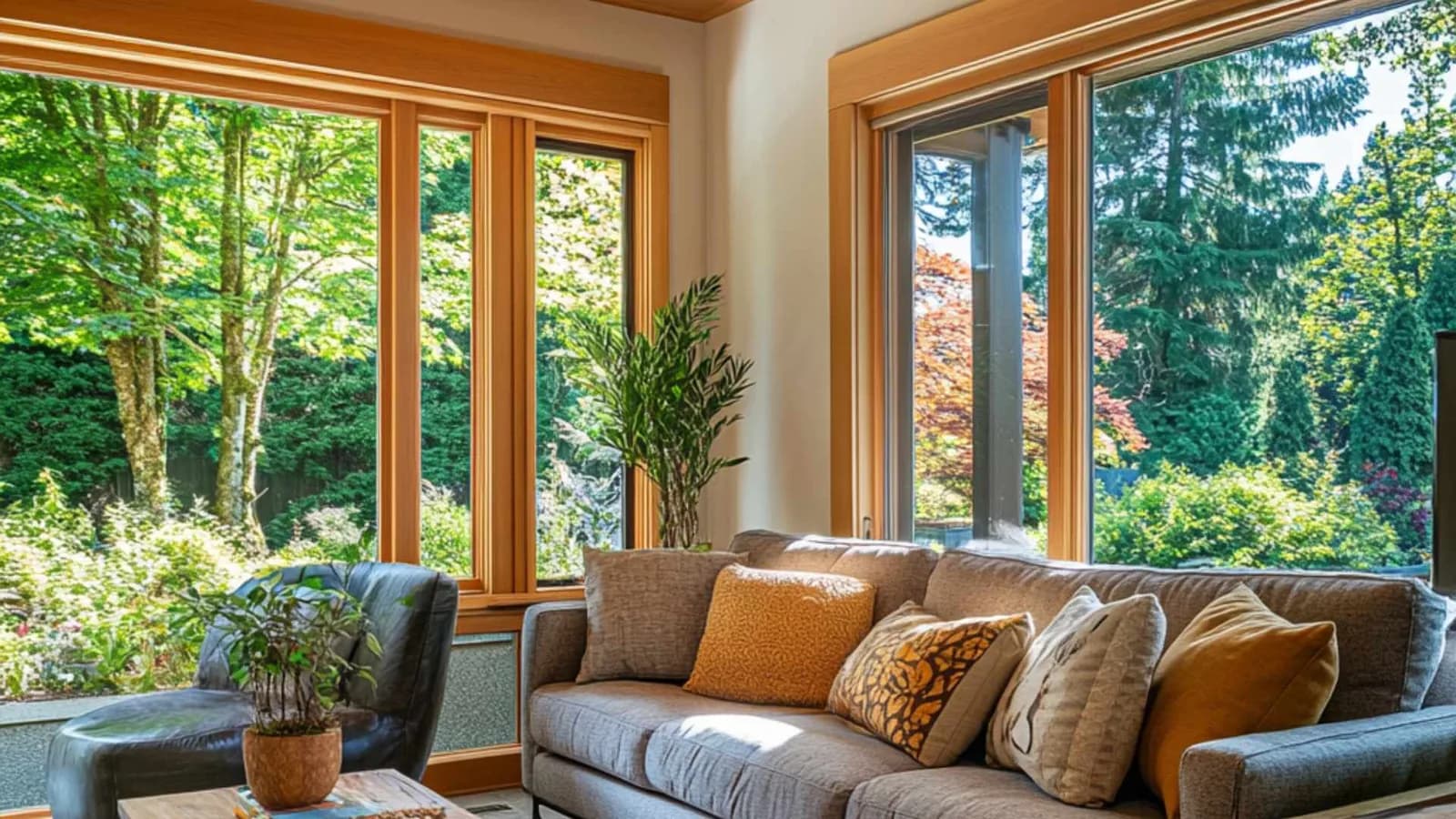
A 20×20 mother-in-law suite stands out as a practical and versatile solution for anyone considering options for additional living space. This size provides enough room to create a comfortable and functional living area while maintaining a sense of independence for family members.
The 20×20 mother-in-law suite is not your regular 400 sq ft ADU.
The design possibilities for a 20×20 mother-in-law suite are extensive, allowing us to customize the layout to include essential amenities such as a sleeping area, bathroom, kitchenette, and living space. By carefully planning the design and budget, we can effectively utilize this compact space to maximize comfort and functionality. Integrating modern utilities and technology can further enhance the living experience.
Creating a welcoming environment requires thoughtful interior design and furnishings. We can craft a personal retreat that reflects our taste while ensuring accessibility and convenience for its occupants. With the right planning, this investment can add value to our property and improve the quality of life for our loved ones.
Key Takeaways:
- A 20×20 mother-in-law suite offers a functional living area for family or guests.
- Thoughtful design and planning can maximize the suite’s usability.
- Incorporating modern amenities adds to comfort and convenience.
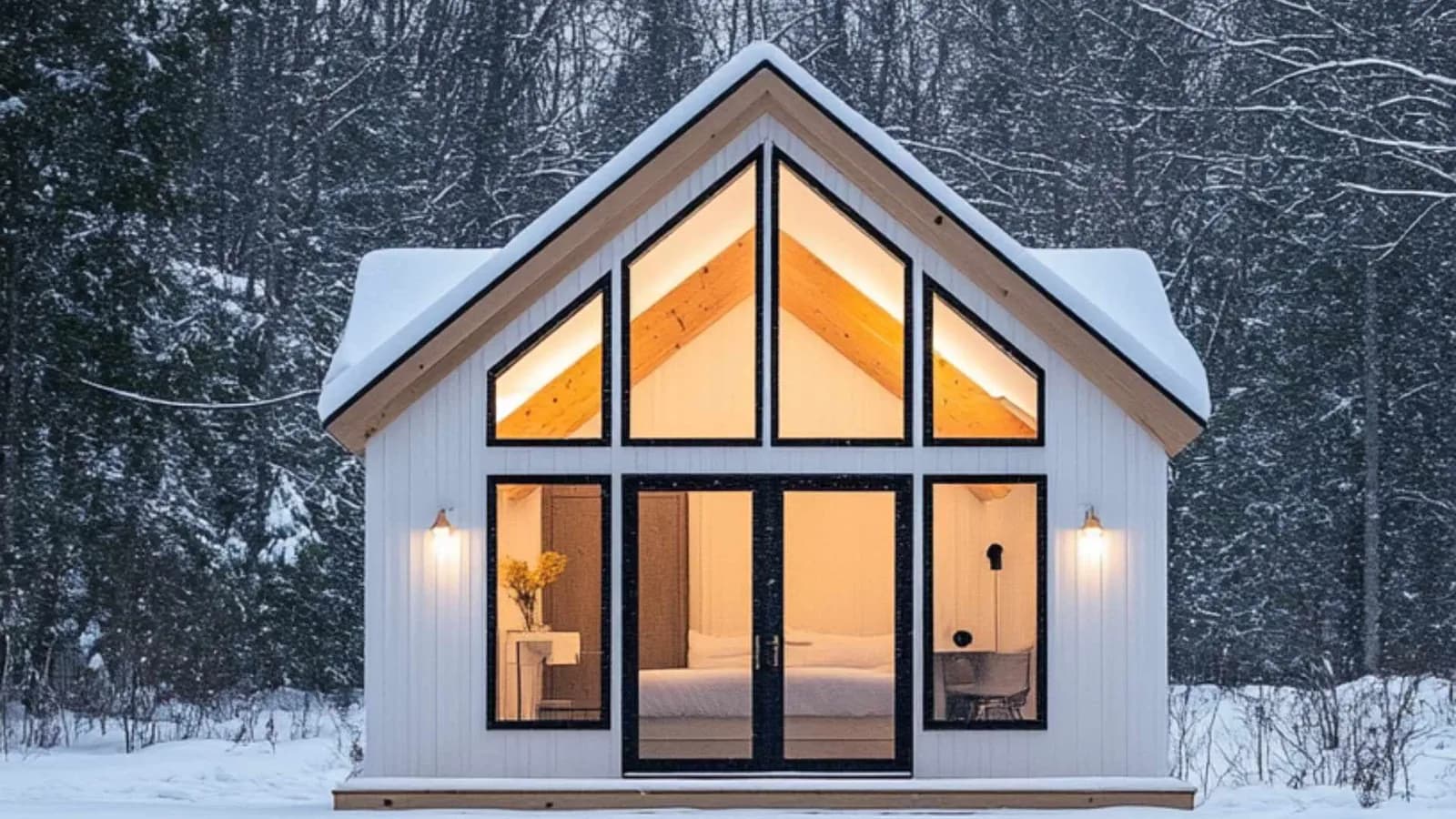
Designing Your 20x20 Mother-in-Law Suite
When designing a 20×20 mother-in-law suite, we prioritize layout, theme, and accessibility. Each element significantly impacts the comfort and functionality of the space for our loved ones.
Choosing the Layout for Your 20×20 Mother-in-Law Suite
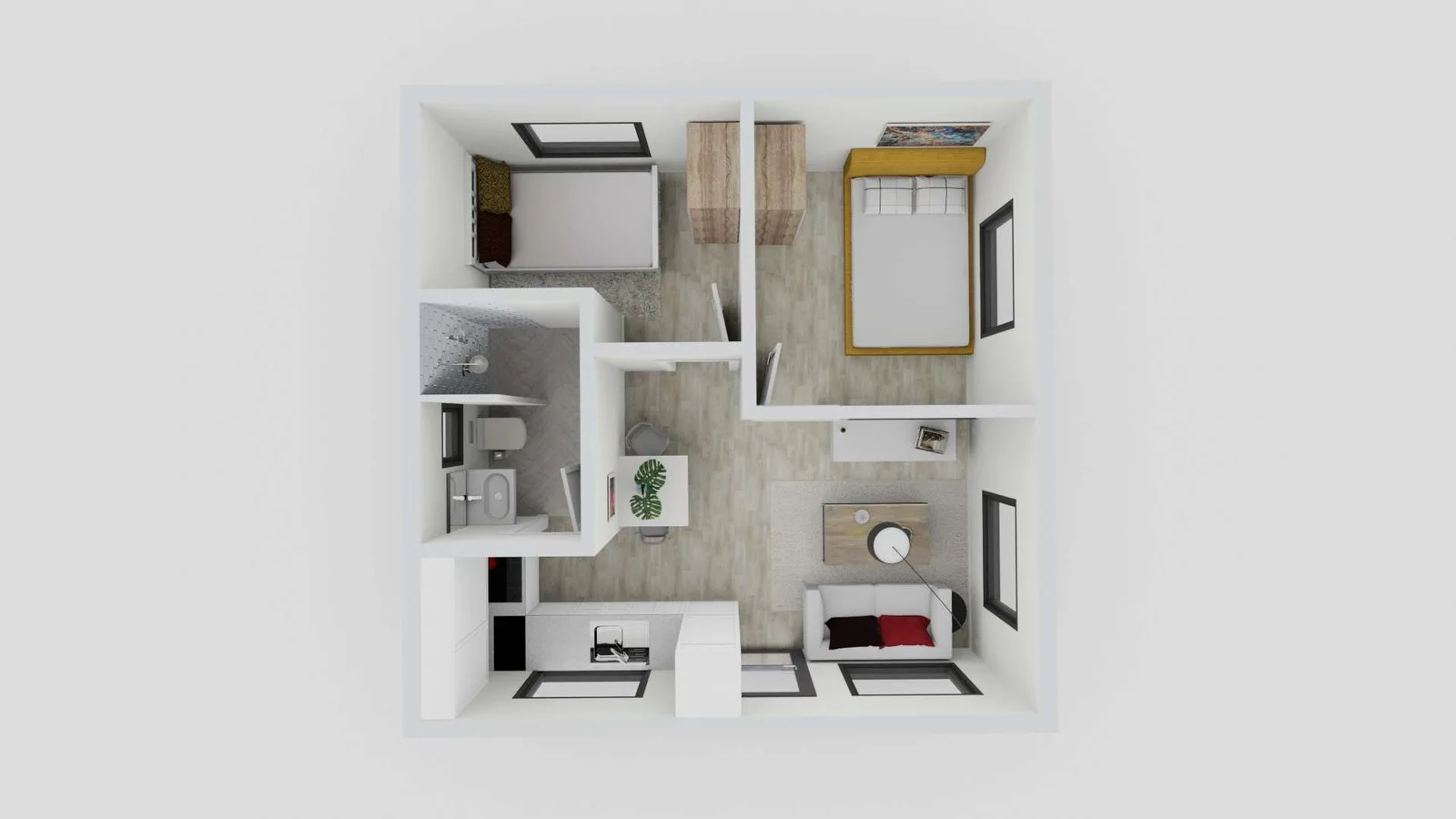
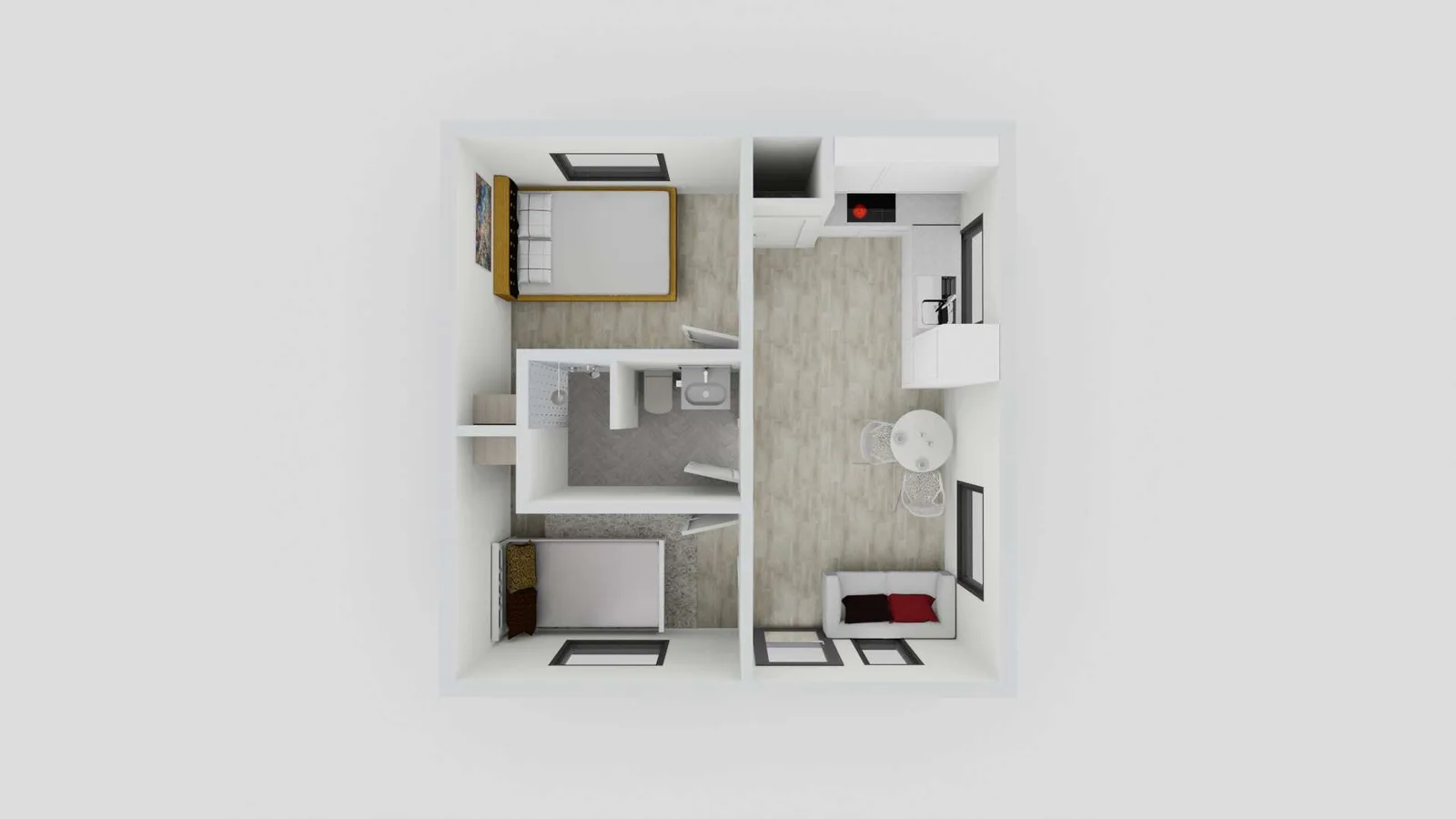
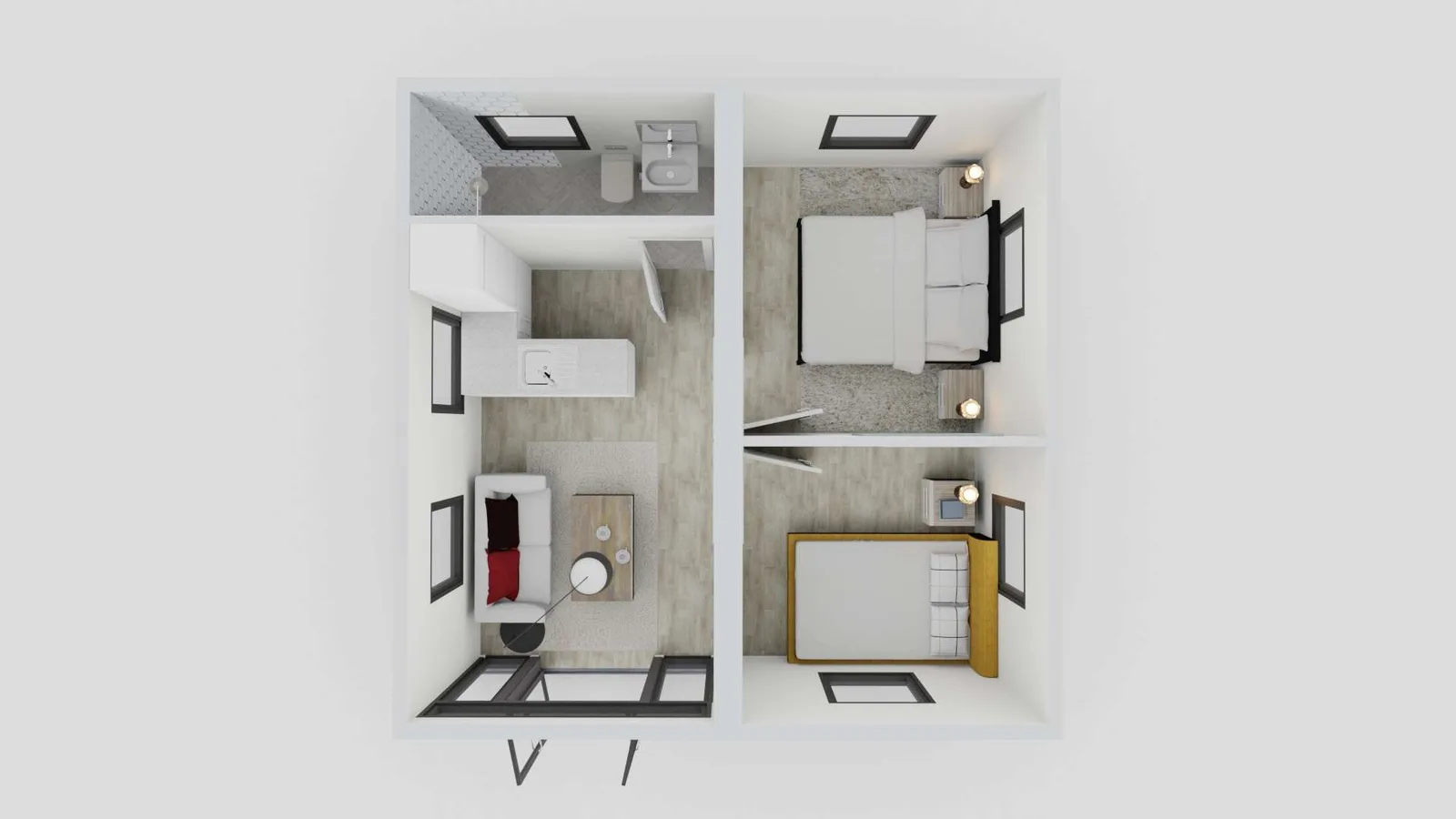
The layout of our 20×20 mother-in-law suite is crucial for maximizing space while ensuring functionality. We can opt for an open floor plan, which creates a feeling of spaciousness. Key areas to consider include:
- Bedroom : Allocate room for a comfortable bed and necessary furniture.
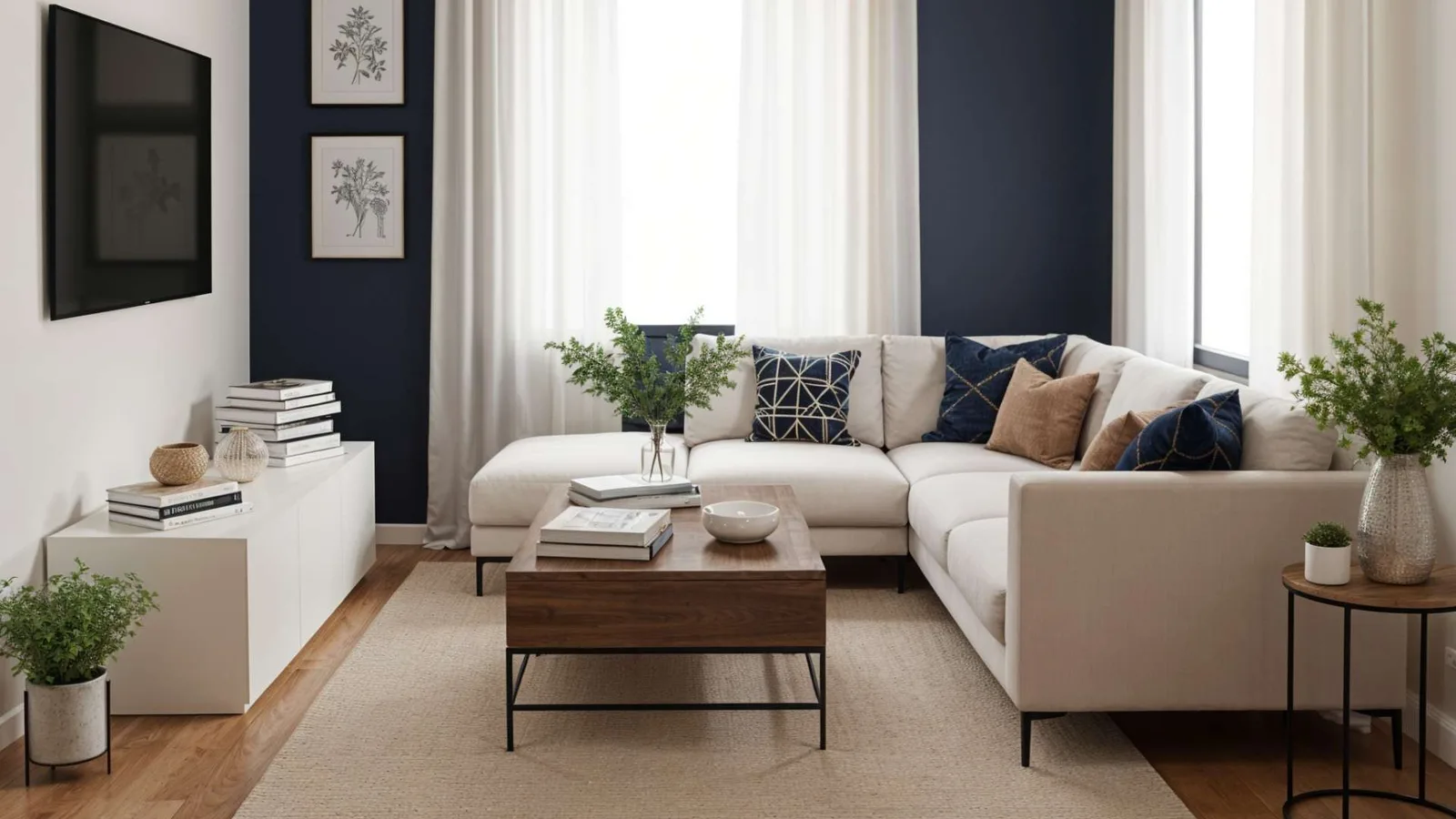
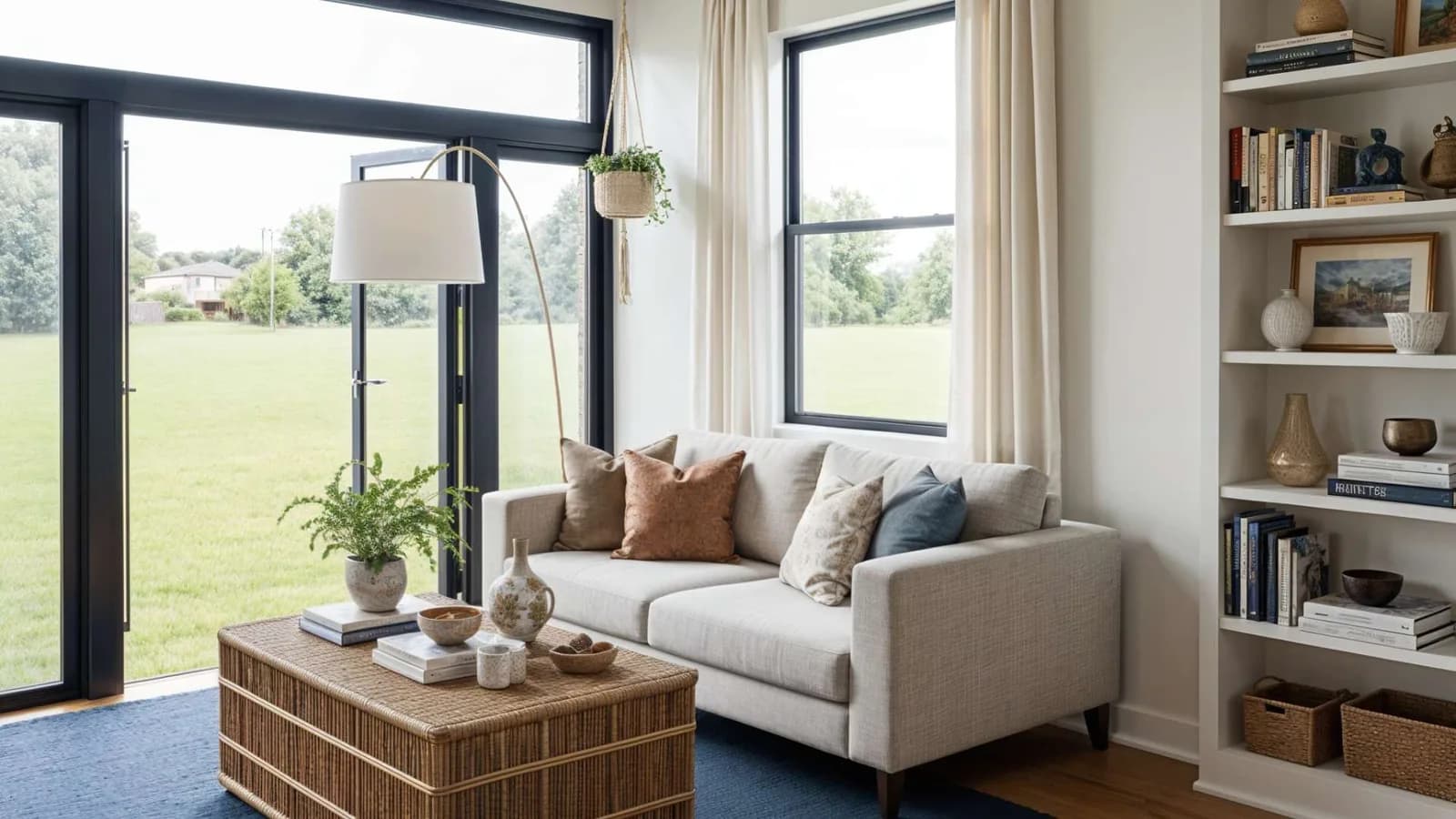
- Living Area : A small seating arrangement can enhance comfort.
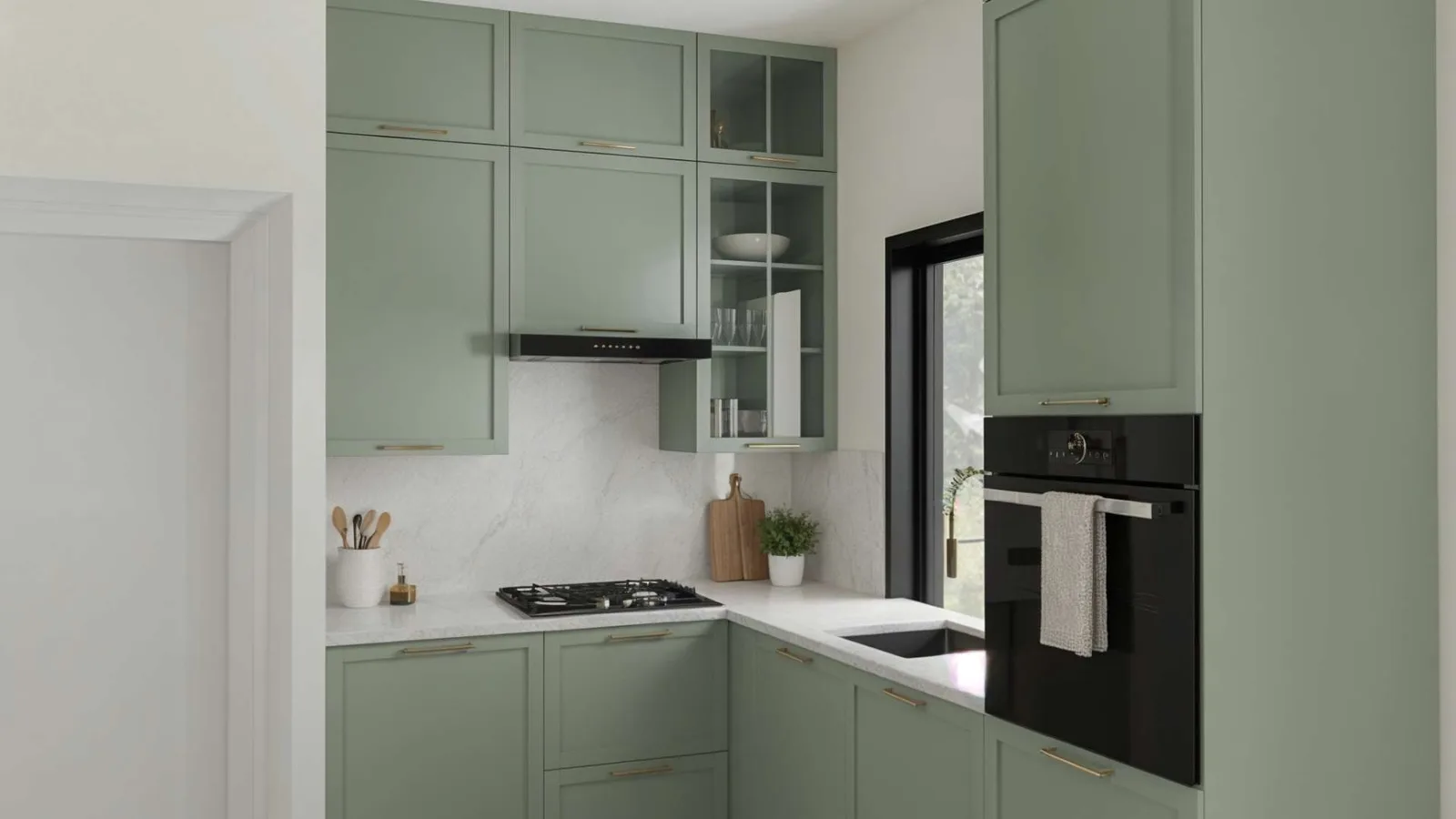
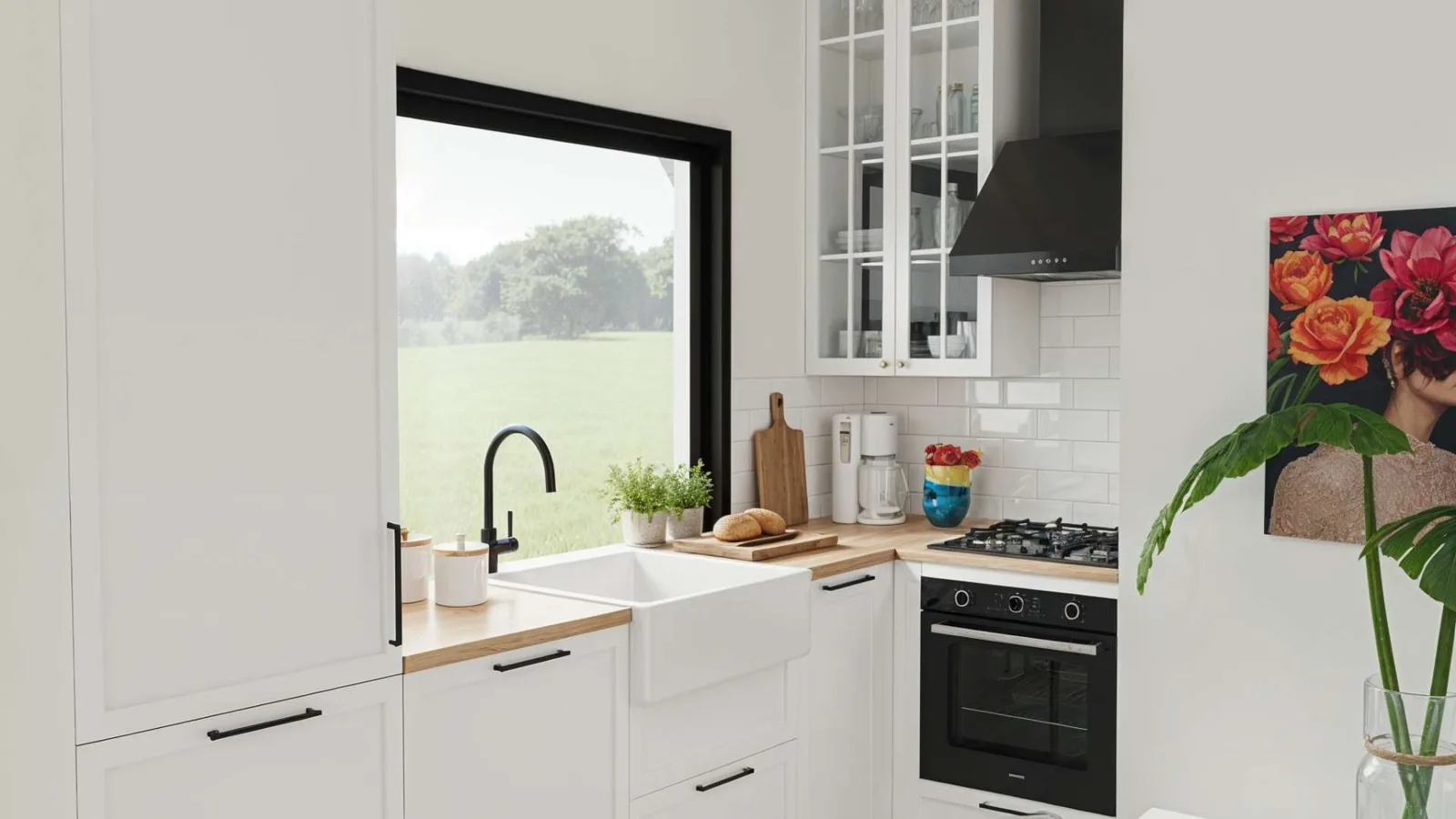
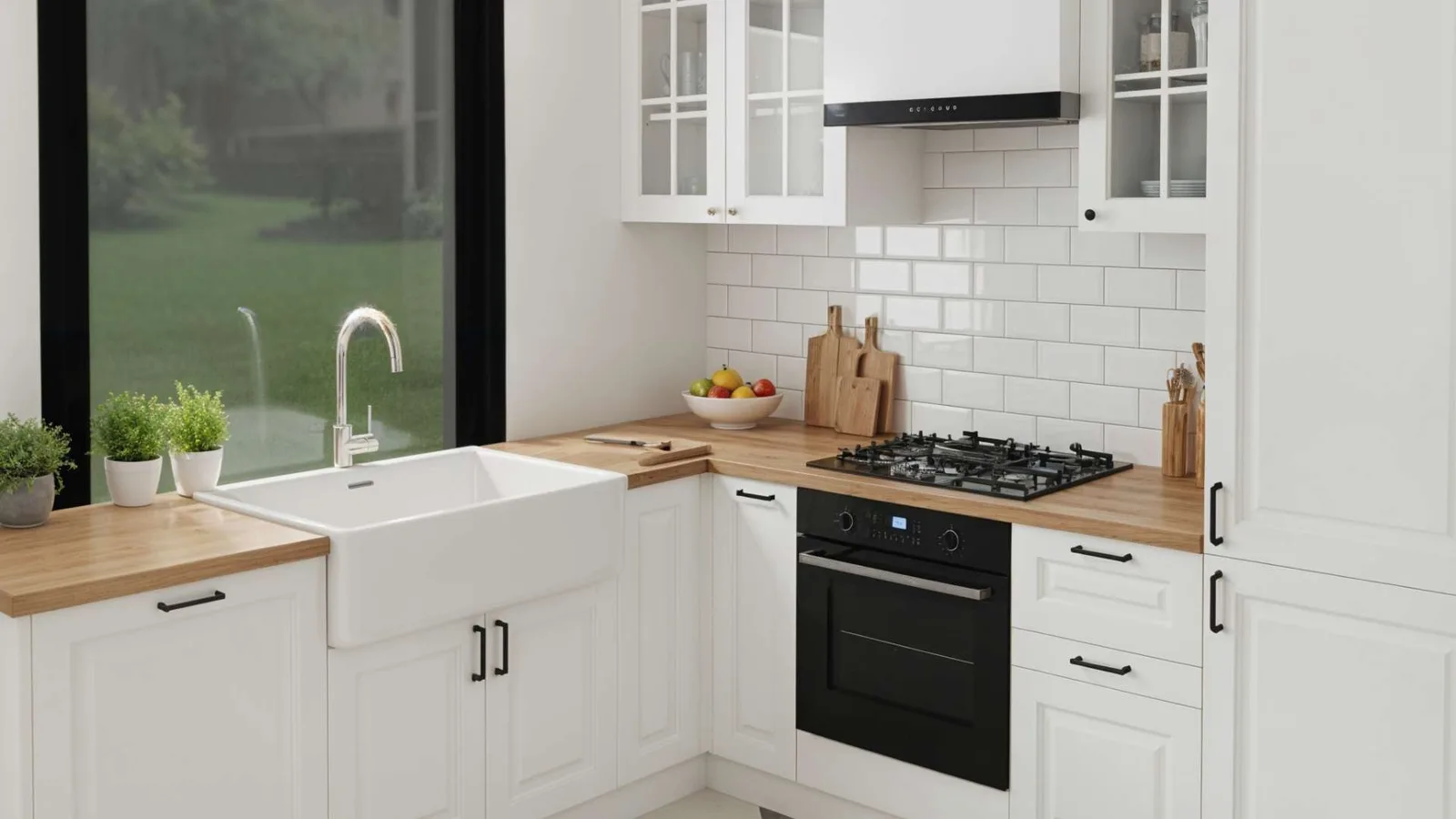
- Kitchenette : Including a compact kitchenette with essential appliances can promote independence.
Visualizing the flow between these areas helps us create a cohesive living space. We can also consider natural light sources and window placement to ensure the suite feels warm and inviting.
Selecting a Theme for Your 20×20 Mother-in-Law Suite
Choosing a cohesive theme enhances both aesthetics and comfort. We should consider our mother-in-law’s preferences to create a personalized space. Some popular themes include:
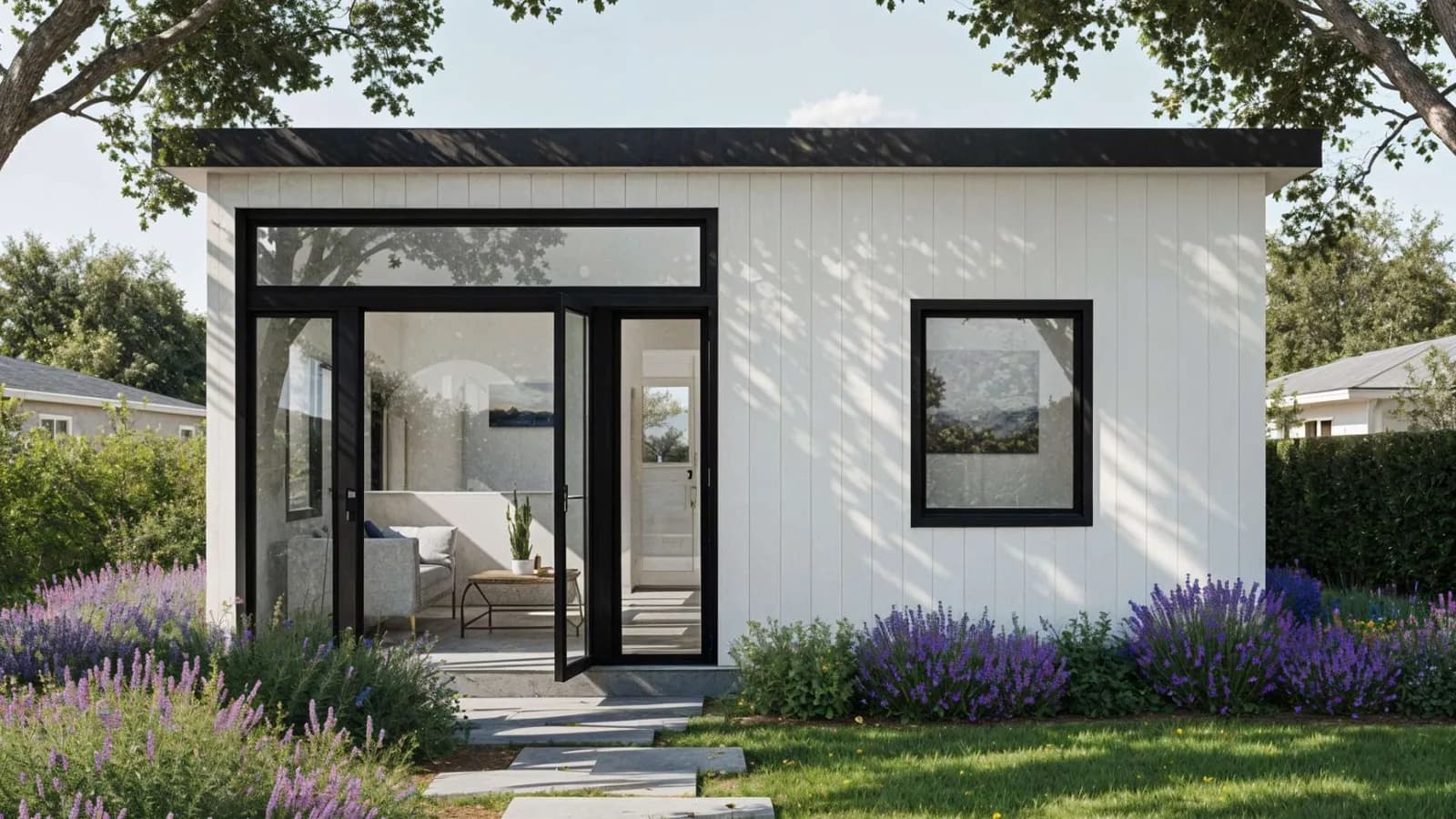
- Modern : Clean lines and neutral colors can create a sleek atmosphere.
- Cottage : Warm colors and rustic furnishings can add charm and a cozy feel.
- Minimalist : Fewer items can provide a serene living environment.
Consistent color palettes, textures, and decorative elements can make the space feel harmonious. Decor items that reflect personal stories or memories add warmth.
Incorporating Accessibility Features for Your 20×20 Mother-in-Law Suite
Accessibility is vital in any mother-in-law suite to ensure safety and comfort. We should discuss needs with our loved ones to implement effective features. Key aspects might include:
- Wide Doorways : These facilitate wheelchair access and ease of movement.
- Grab Bars : Installing these in bathrooms can enhance safety.
- No-step Entries : A smooth entry into the suite prevents trips and falls.
By prioritizing these features, we create an environment that promotes independence while ensuring comfort. Thoughtful design can significantly improve the living experience for our family members.
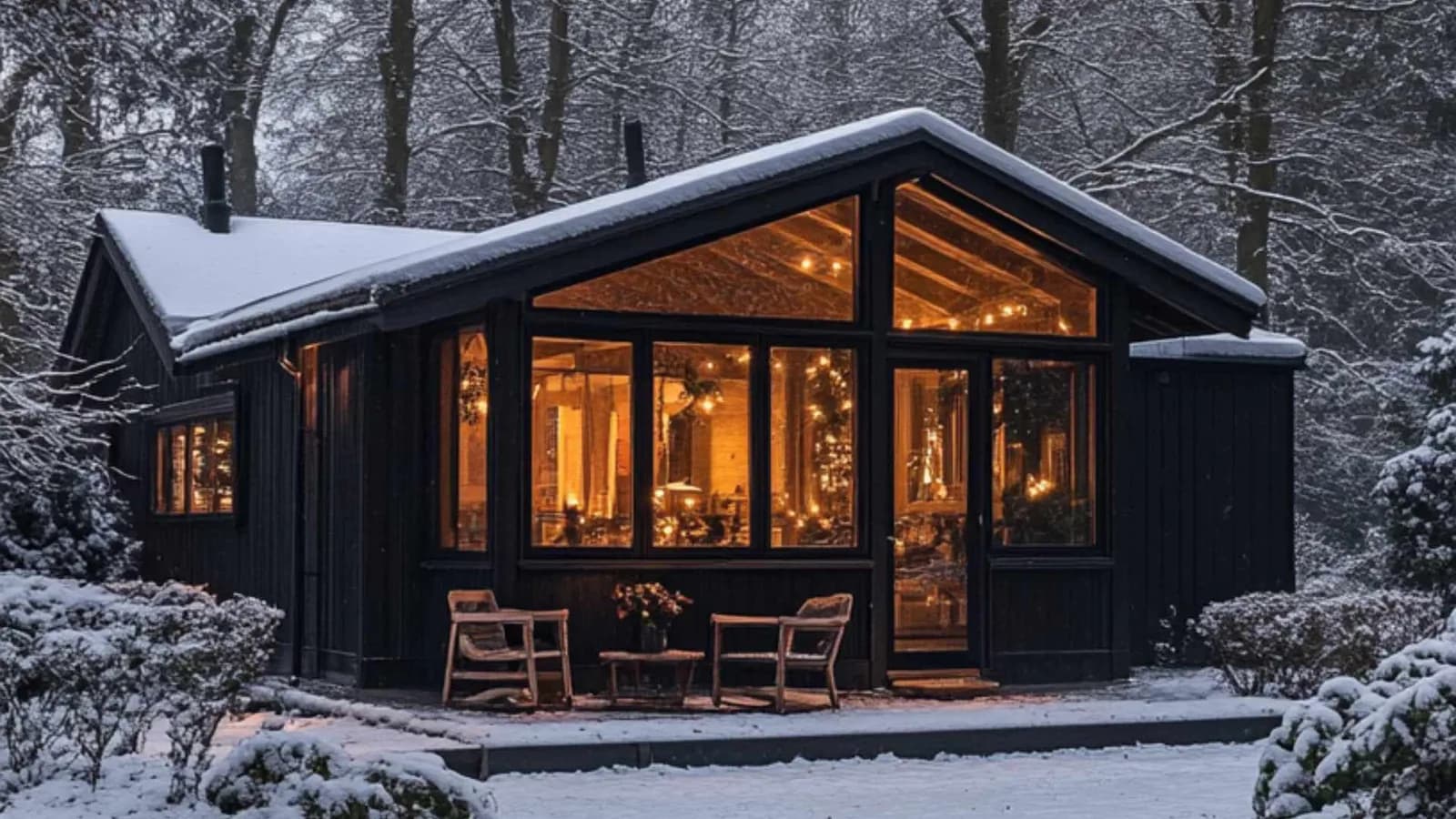
Explore Our 2 Bedroom 1 Bath 20x20 Mother-in-law Suites
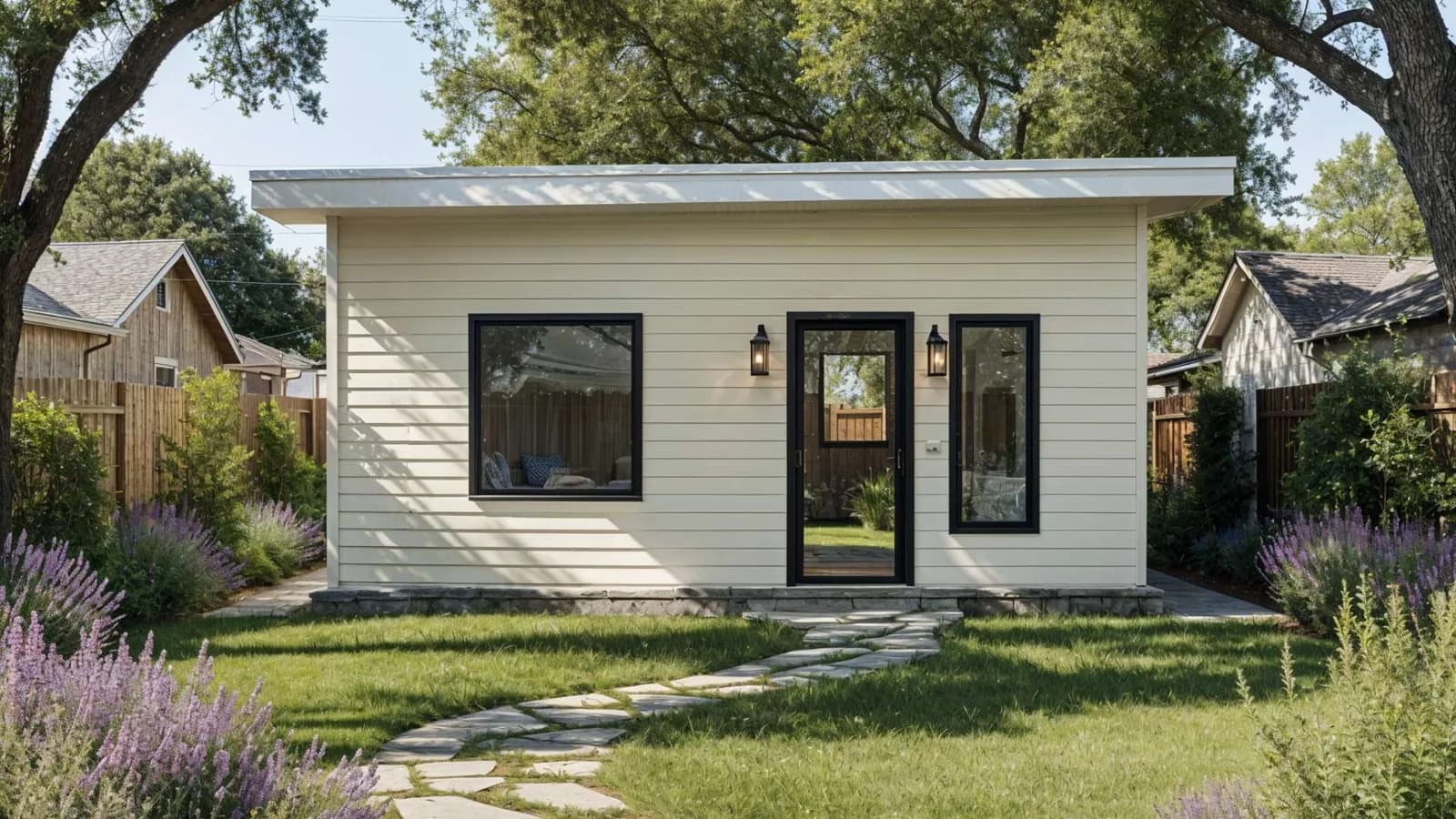
Permit-Ready ADU Package
The "Permit-Ready" ADU Package
We provide everything you need to get your 20x20 mother-in-law suite plans approved.
Optimized floor plan
Your choice of one of our 3 optimized 500 sq ft ADU floor plans.
Adapted to your lot
We adapt the plan to your specific property, showing setbacks, utility connections, and access.
Builder-ready drawings
Complete, builder-ready drawings including floor plans, elevations, electrical, plumbing, and structural details.
Vetted professionals
When your city requires a special inspection or a survey, we get vetted professionals to work on your project.
Permit submission
Our experts prepare and submit the entire permit package to your local building department.
City coordination
We handle all the back-and-forth with the city, managing comments and revisions until your plan is approved.
Planning and Budgeting for 20x20 Mother-in-Law Suite
Effective planning and budgeting are crucial when designing a 20×20 mother-in-law suite. We must diligently estimate costs and strategize our finances to ensure the project meets our needs and budget constraints.
Cost Estimation for Your 20×20 Mother-in-Law Suite
Cost estimation involves breaking down various expenses associated with building the suite. Key components typically include:
- Construction Costs: Current waste and stormwater management requirements add to traditional labor costs, building materials, and interior finishes.
- Permits and Fees : Local regulations often require building permits, which can vary in cost.
- Utilities : Consider expenses for plumbing, electrical, fire sprinklers, and HVAC installations.
To get an accurate estimate, we should gather quotes from multiple contractors and include a 10-15% contingency for unexpected costs. By meticulously planning each expense, we can create a realistic budget that reflects the true financial commitment.
Financial Planning and Saving Strategies
Financial planning is essential for funding the project. We can utilize several strategies to help save money:
- Budgeting : Create a detailed budget that outlines all anticipated costs to track expenditures as the project progresses.
- Saving Plans : Set up a dedicated savings account specifically for the suite. One can automate monthly transfers to this account.
- Cost-Effective Choices : Opt for affordable materials and finishes that align with our design vision without breaking the bank.
By being proactive in our financial planning and saving strategies, we can ensure that the 20×20 mother-in-law suite project remains within our financial reach.
If you are looking for financing, you need a lender who speaks the right language and knows construction costs.
Option 1
Overwhelmed and looking for the right loan?
Option 2
Think you need an out-of-the-box solution?
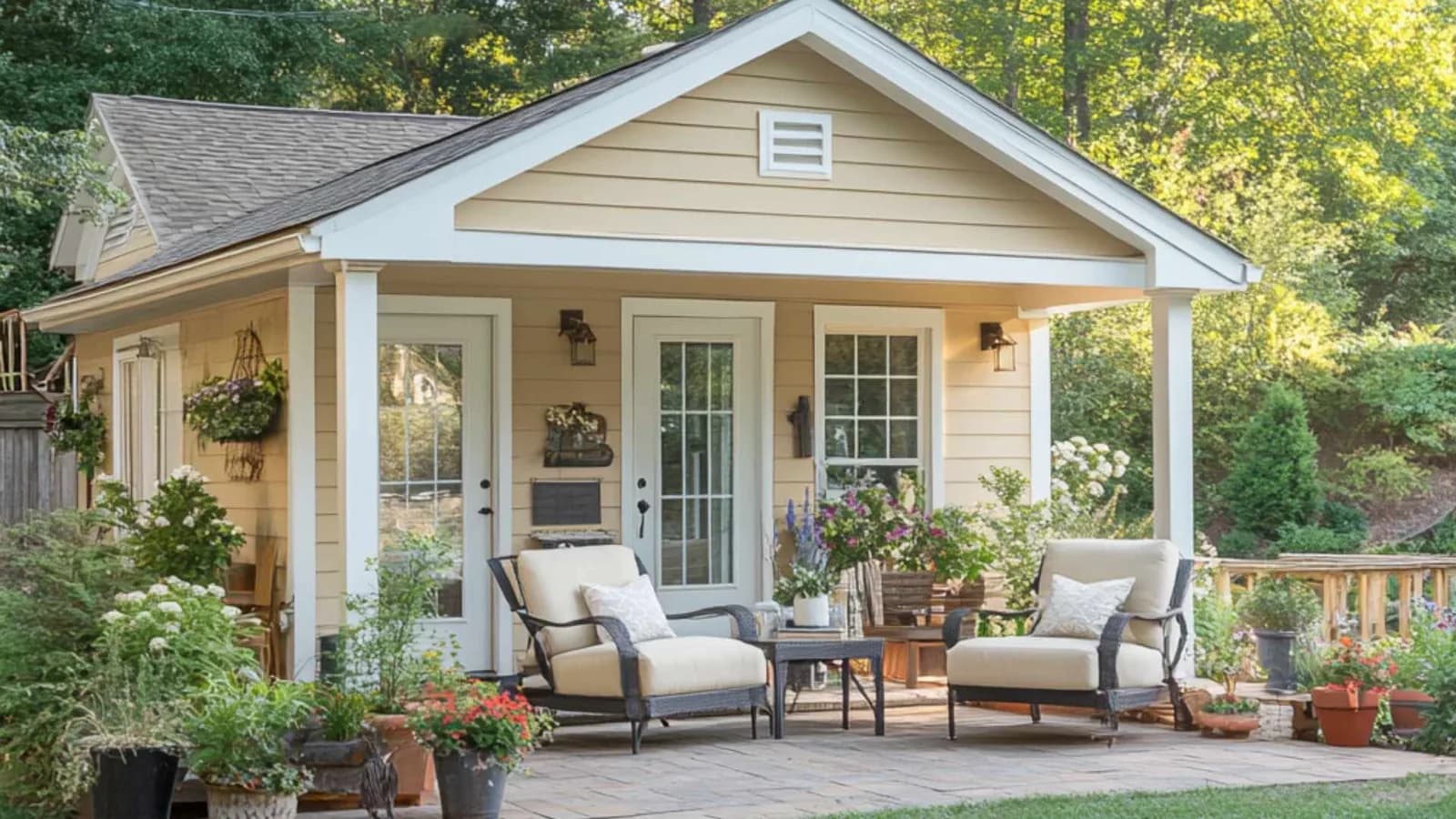
Building Considerations for 20x20 Mother-in-Law Suites
When planning to build a 20×20 mother-in-law suite, we must prioritize critical elements like zoning regulations, material selection, and hiring qualified contractors. Each factor plays a vital role in ensuring that our project meets legal standards, remains durable, and is completed efficiently.
Zoning and Legal Requirements
Before beginning construction, we must research local zoning laws and building codes. These regulations determine if our property allows for an accessory dwelling unit, including specific size and design restrictions.
Permit requirements may vary significantly across jurisdictions. Typically, we must submit detailed plans that outline the suite’s layout and intended use. Additional electrical, plumbing, and HVAC permits may also be necessary.
Failing to comply with these rules can lead to costly fines or even require us to dismantle our work. Engaging with local authorities early in the process can help us navigate these complexities effectively.
Selecting Building Materials
Choosing the right building materials is crucial for both aesthetics and functionality. We should focus on options that offer durability and low maintenance, especially since this space may be used frequently.
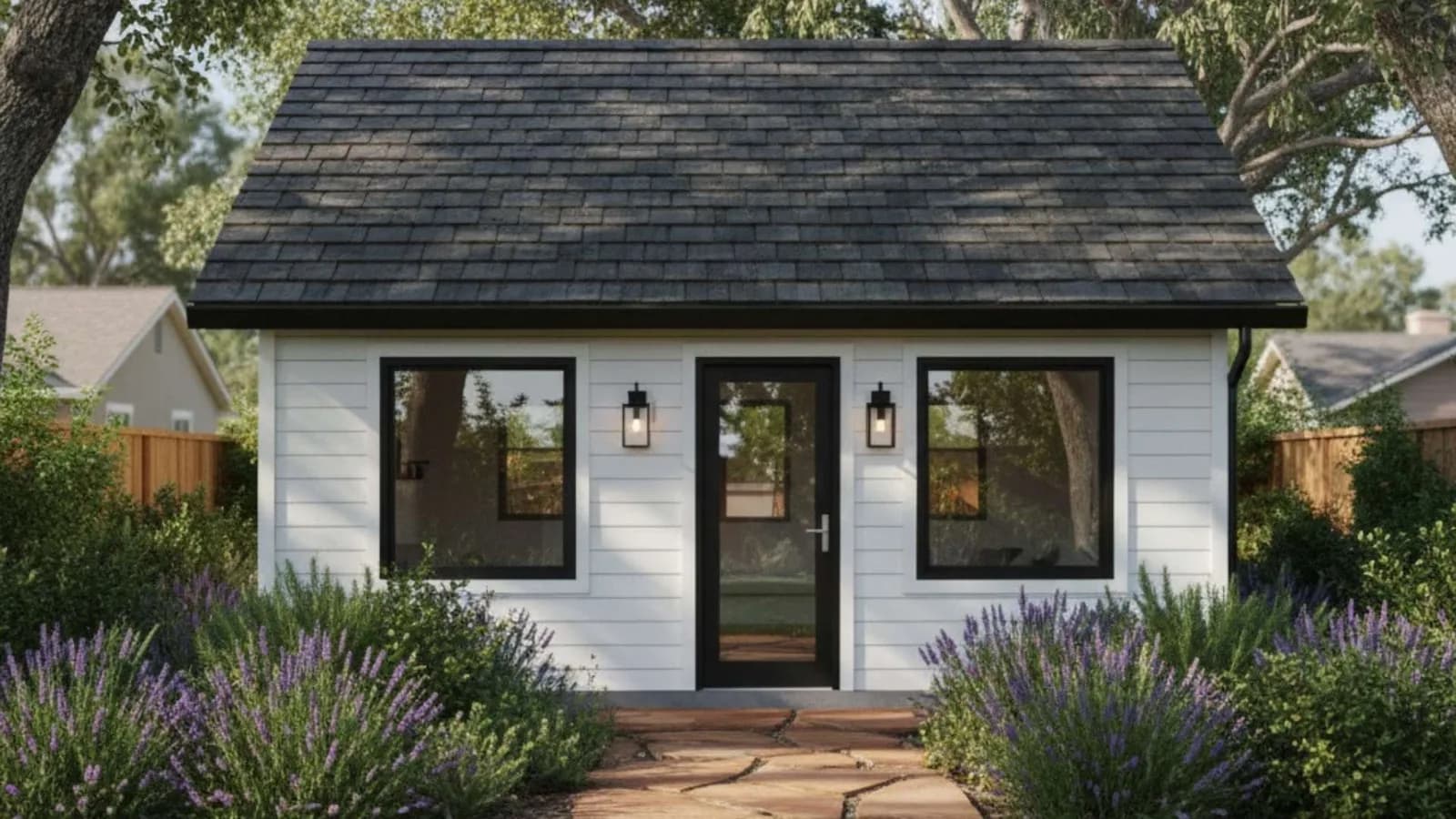
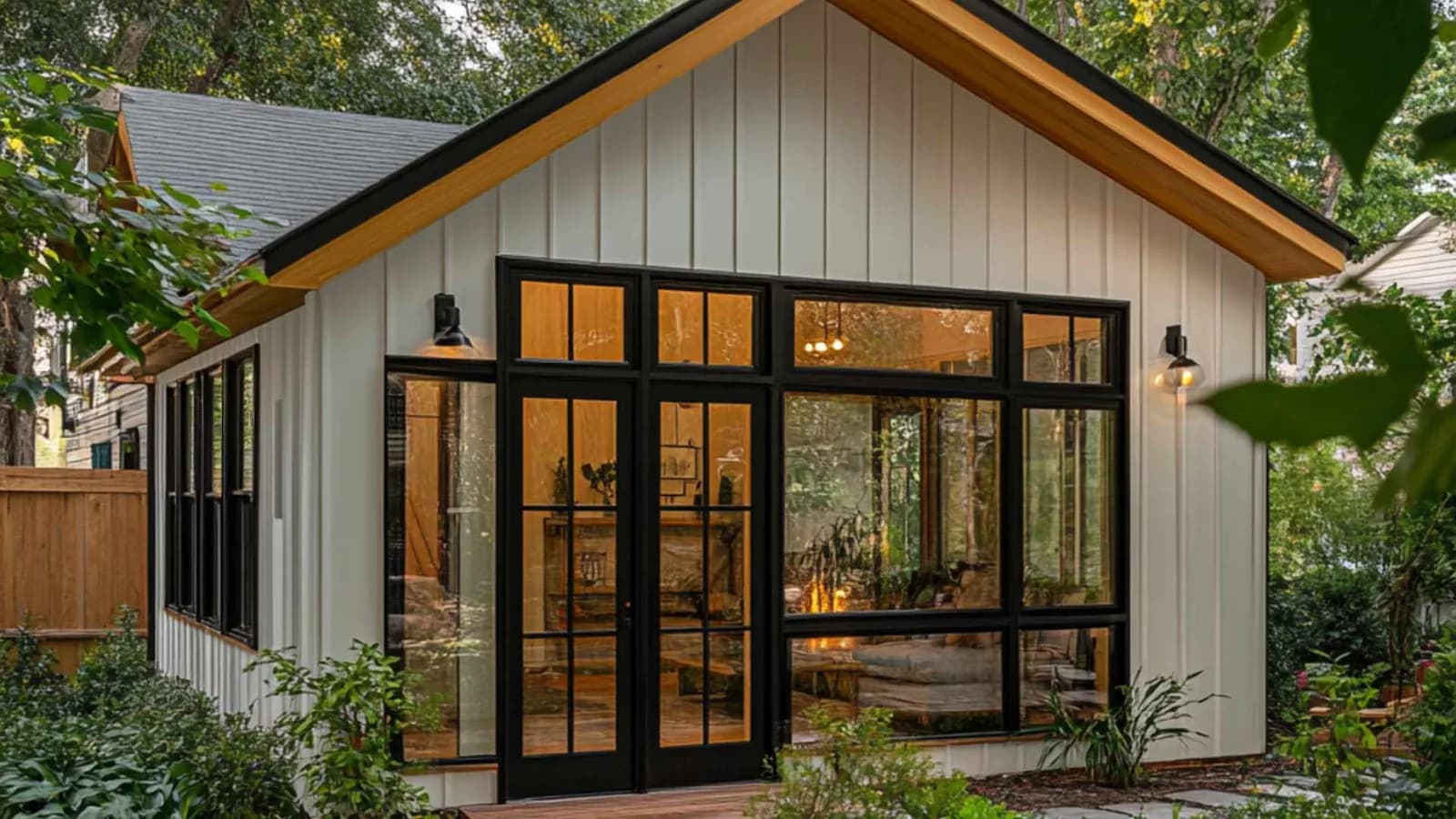
For exterior materials, we might consider options like vinyl siding for lower maintenance and resistance to weather. High-quality insulation can enhance energy efficiency and keep utility costs down.
We should also evaluate flooring options. For example, tile or laminate might be practical for areas prone to spills or moisture. Resilient materials can help us ensure the longevity of our investment while maintaining a welcoming environment.
Hiring Contractors
Selecting qualified contractors is essential to the project’s success. We should look for professionals with experience building mother-in-law suites or similar structures.
It’s important to check references and review past work to assess their quality. Additionally, getting multiple bids can help us understand the market and make informed decisions about budget and timelines.
Establishing clear communication with our contractors can ensure all parties remain aligned throughout the construction process. Regular check-ins and open discussions about any arising challenges facilitate smoother project management and help us keep track of progress.
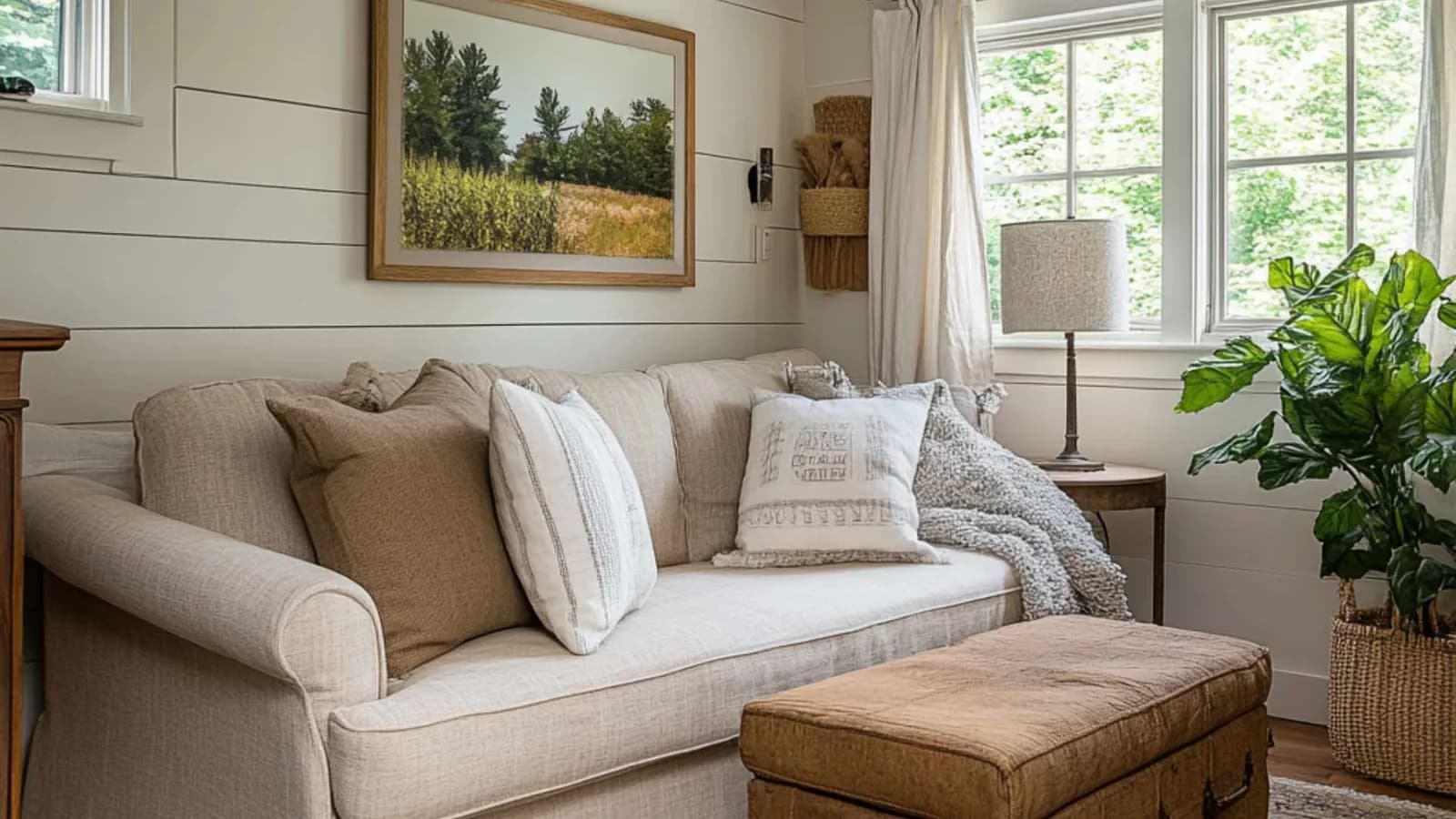
Interior Design and Furnishings for a 20x20 mother-in-law suite
When designing a 20×20 mother-in-law suite, thoughtful furniture selection, practical storage solutions, and appropriate lighting and decor are crucial. Each element contributes to a functional and inviting living space tailored to our family members’ needs.
Furniture Selection
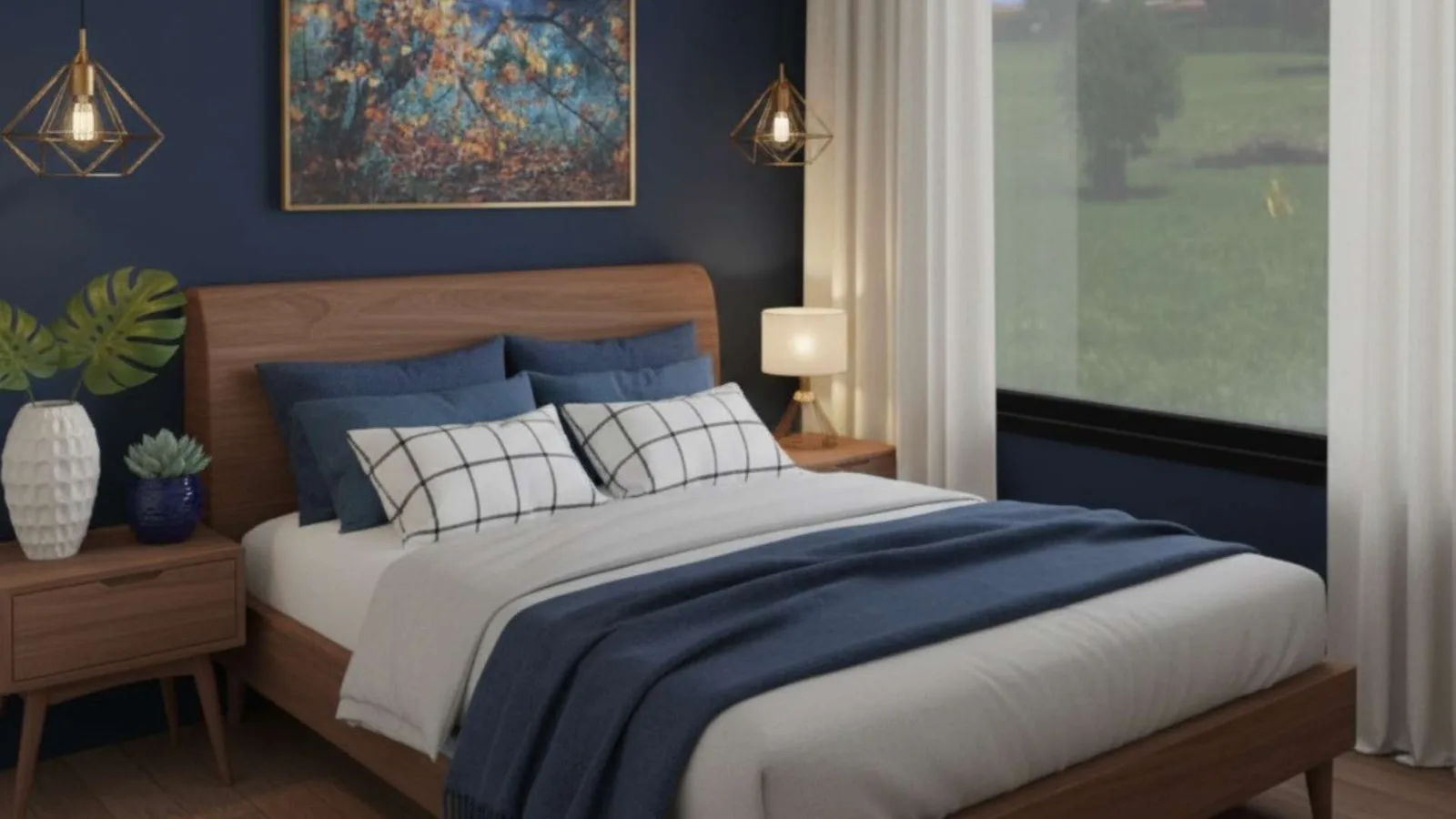
We should prioritize furniture that maximizes comfort and functionality. A queen-size bed is often a great choice, offering ample sleeping space while fitting well within this layout.
Another excellent option is to choose a sofa bed or a compact loveseat. These can serve as comfortable sitting areas during the day and convert into additional sleeping space at night.
Multi-functional tables, such as nesting tables or drop-leaf options, save space while providing flexibility for dining or work. Prioritize softer hues for larger pieces to create an open feeling, contrasting them with vibrant accents in decor.
Storage Solutions
Effective storage is vital in any mother-in-law suite. Built-in cabinets can optimize space, allowing for storage that blends seamlessly with the decor.
Consider adding shelves above the bed or desk for books and personal items. Storage ottomans can double as seating and hidden storage, ideal for keeping essentials out of sight.
Under-bed storage is an excellent way to make the most of every inch. Options like drawer units or bins keep the space organized while maintaining accessibility.
Lighting and Decor
Lighting plays a critical role in creating a welcoming ambiance. For a balanced effect, we recommend layering light sources: overhead fixtures, table lamps, and floor lamps.
Adjustable lighting enhances versatility, allowing us to change the mood from bright and functional to soft and cozy. Choose decor that reflects personal style while maintaining a relaxing atmosphere. Artwork, wall hangings, and decorative cushions can add character, making the suite feel like a true home.
Incorporating plants not only beautifies the space but also improves air quality. Selecting appropriate window treatments enhances natural light while providing privacy and insulation, crucial for a comfortable living environment.
Utilities and Technology in a 20x20 mother-in-law suite
When designing a 20×20 mother-in-law suite, we must consider essential utilities and modern technology. Proper electrical and plumbing installations, smart home capabilities, and effective heating and cooling systems are vital for comfort and accessibility.
We will need a dedicated electrical sub-panel to manage the suite’s power needs, which is a must if it includes appliances like an oven or an air conditioning unit.
Installing a sufficient number of outlets is also essential. We recommend at least two outlets in each room, including the kitchen and bath.
Plumbing is another major aspect. If the suite includes a bathroom and kitchen, we must plan for water supply and drainage. Due consideration for heating water and sufficient water pressure is necessary for comfort.
Smart Home Integration
Integrating smart home technology can enhance the living experience in the suite. Consider installing smart lighting systems that allow for remote control and automation.
Smart thermostats enable us to easily manage heating and cooling, providing comfort while optimizing energy use. In California, a smart thermostat is required for spaces larger than 150 sq ft.
Security systems, including video doorbells and smart locks, offer peace of mind. We can also integrate smart speakers and home hubs to control various devices seamlessly.
Heating and Cooling Systems
The most popular heating option for small units is a ductless mini-split system. This option allows for efficient heating without the need for extensive ductwork.
Cooling can be managed with ceiling fans, window units, or the same ductless systems used for heating. This flexibility allows us to tailor temperature control to the suite’s resident needs.
The choice of systems should consider ductwork, energy efficiency ratings, and installation costs. A well-planned approach ensures comfort year-round for family members living in the suite.
Type in your address to view on the map of your property
Common questions about 20x20 mother-in-law suites
A 20x20 suite gives you 400 square feet to work with, enough for a sleeping area, a bathroom, a compact kitchenette, and a small living space. With an open floor plan you can make those 400 square feet feel a lot more spacious.
On top of labor, materials, and finishes, plan for building permits, plus plumbing, electrical, fire sprinkler, and HVAC installations. We recommend gathering quotes from several contractors and adding a 10-15% contingency for unexpected costs.
Wide doorways for wheelchair access, grab bars in the bathroom, and no-step entries to prevent trips and falls are the core features. Talk through your loved one's specific needs before finalizing the layout.
A ductless mini-split is the most popular choice for small units because it heats efficiently without extensive ductwork, and the same system can handle cooling. Ceiling fans or window units are alternatives for cooling.
Yes. In California a smart thermostat is required for spaces larger than 150 sq ft, so a 400 sq ft suite qualifies. It also helps you manage heating and cooling while keeping energy use down.
You pick one of our optimized floor plans, and we adapt it to your property, produce builder-ready drawings, bring in vetted professionals for any required inspections or surveys, submit the full permit package to your building department, and handle the city's comments and revisions until your plan is approved.