Accessory Dwelling Units (ADUs) have emerged as one of the most compelling aspects of modern homeownership, offering attractive options for those seeking extra space, studio-style accommodations, or a friendly starter home option. Whether for rental income, housing adult children, or creating a comfortable in-law suite, ADUs offer a smarter use of property, blending thoughtful design with minimal impact on the main house and lot.
The primary function of an ADU is to provide a secondary residence alongside your main house. These “granny flats”, guest houses, or rental units are creatively built to optimize square footage of the home with smaller footprints and smart space planning. The most inspired ADU Designs layouts leverage open floor plans, large windows for natural light, and high ceilings to create a sense of spaciousness even in a smaller size dwelling unit.
ADUs cater to a range of needs:
The flexibility of tiny home plans and small house plans allows property owners to choose from various configurations, such as one or two-bedroom ADU house plans or minimalist studio layouts. Tiny house floor plans are perfect for those seeking the tiny house living lifestyle, with efficient layouts that maximize every square inch.
Increasingly, cities like the City of Eugene and the City of Bend have developed resources such as a library of pre-approved ADU plans to streamline the permitting process. Opting for a pre-approved accessory dwelling unit plan significantly reduces the time and cost associated with the building process. These pre-designed ADU plans are vetted by building departments and comply with local codes, accelerating construction time and minimizing delays in your ADU project.
The first step involves evaluating your backyard, reviewing main residence’s proximity, and drafting a site plan that adheres to building code and zoning regulations.
Access the pre-approved plans library or work with designers to create custom ADU house plans tailored to your needs. Pre-approved plans are often basic, but let you move fast. Custom ADU will blend in the backyard – even if the backyard is pie-shaped.
Submit your building permit application with detailed layout impacts and drawings, following plans that are compliant with local codes.
For traditional builds or prefab ADU builds, selecting a qualified general contractor is crucial for faster construction, quality, and compliance. Start selection process as soon as you finalize the plans. Do not wait till the building permit is issued.
Using smart design and high-quality materials, construction can often be completed in significantly less time, thanks to the use of pre-approved plans, prefab elements and purchase of materials in advance.
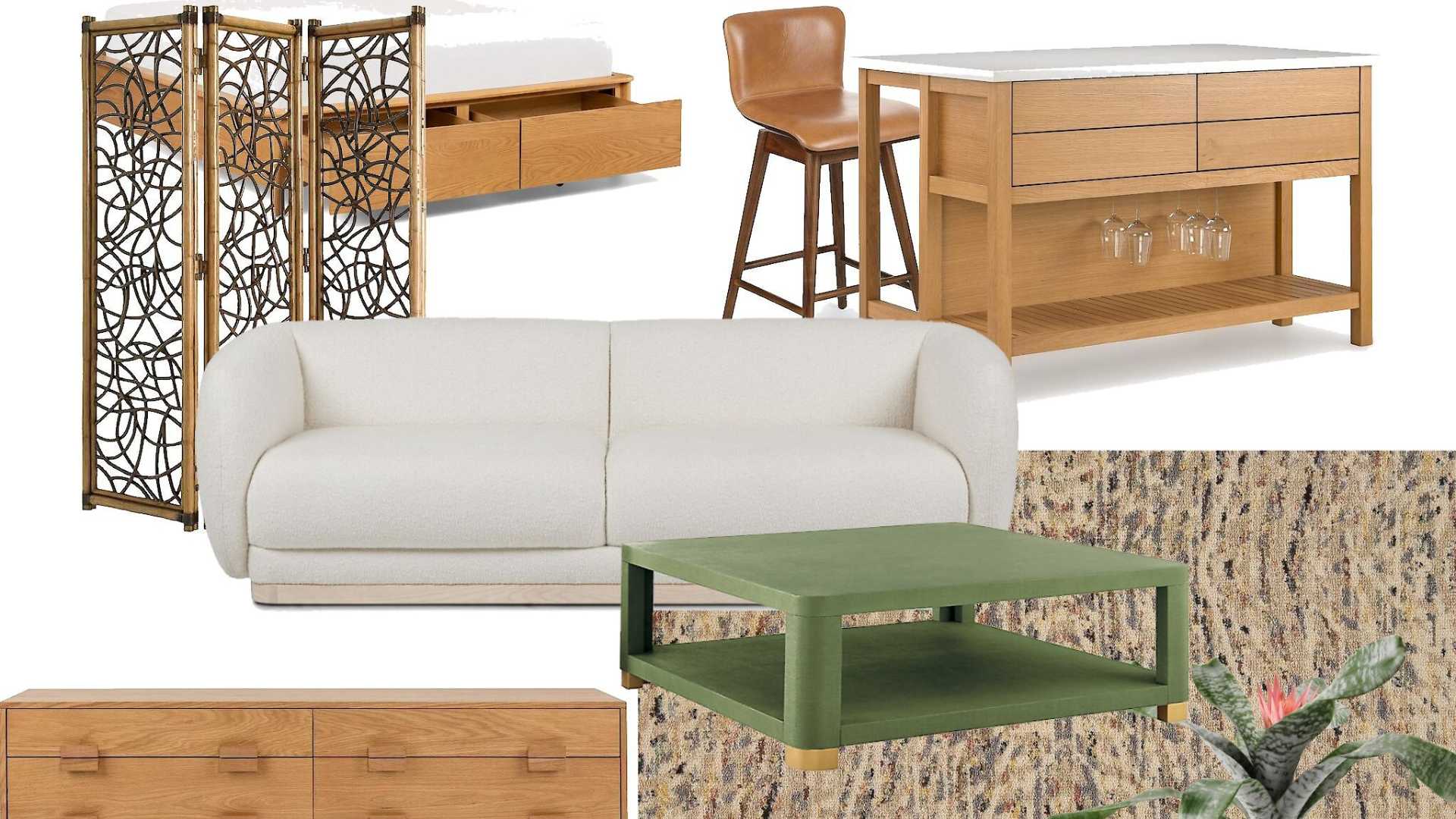
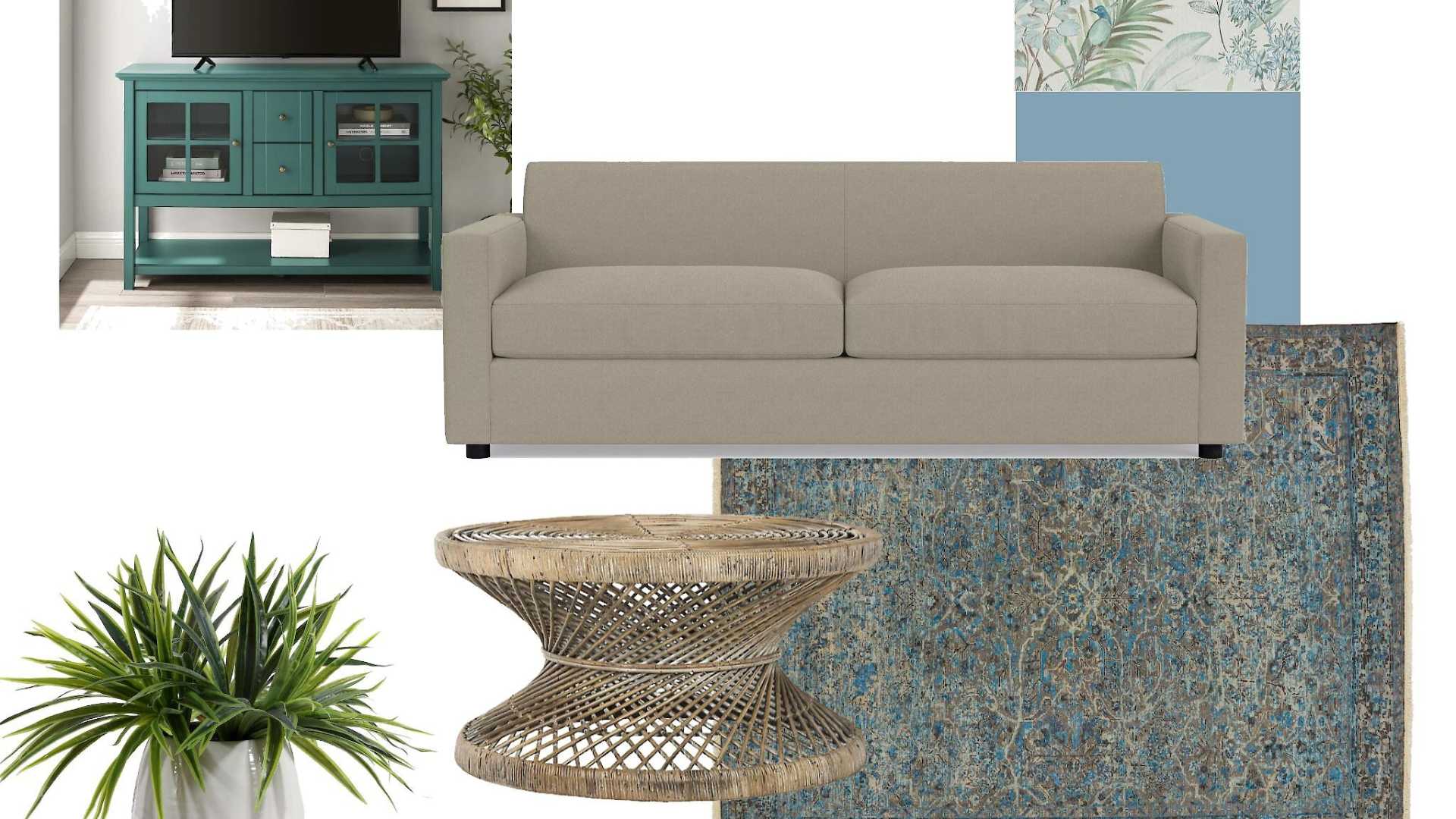
Interior design elements such as high ceilings, clever storage, and large windows transform compact ADUs into inviting and efficient living areas.
Drawing inspiration from design competitions and reputable sources like online tiny house plans, property owners get a real-world look at what’s possible. Hallmarks of these designs include smart space planning, use of natural light, attractive facades, and the integration of standard plans that respect privacy policy concerns and the applicable review process.
Modern ADU designs now emphasize:
Every ADU build must navigate local building departments and the complete permitting process. Adhering to the building code, privacy policy, and city-specific requirements is essential for a resulting permit and a successful build.
The use of these plans or reproductions of the illustrations in part of this electronic publication without the prior written permission of the house designers is typically restricted. Always check the legal disclaimers regarding the use of these construction documents, in case of any injury, and privacy policy before starting your project. This action is relevant for pre-approved plans too.
When designed right, little cottages feel spacious and functional despite their size.


For property owners in favor of ADUs and smart tiny house plan guides, the best step is to explore your city’s resources—many municipalities now provide access to an online library of pre-approved accessory dwelling unit plans, as well as permitting guidance.
For detailed information, contact your local planning department or use the provided telephone number and contact information on your city’s official website. A well-designed ADU not only adds living area and rental income potential but also redefines the concept of home, offering adaptable, sustainable, and affordable housing solutions for generations to come.
Save this page for more ADU design resources, inspired ideas, and thoughtful layouts — and discover how ADUs, through smart design and faster construction, are reshaping the future of home living, one square inch at a time.
Read more: Prefab ADU Kits – Magic Homes for Any Backyard