
If you’re a California homeowner with an unpermitted accessory dwelling unit, 2025 brings promising news. The state’s expanded ADU amnesty program opens new doors for legalizing your secondary unit – and the process might be easier than you think.
Picture this: a cozy garage conversion where your elderly parent can live independently, or a backyard cottage providing rental income to help with your mortgage. These accessory dwelling units have become increasingly popular across California, but many were built without proper permits. Now, thanks to recent legislation, there’s a clear path to bringing these units into compliance without facing penalties.
Before diving into the amnesty details, let’s clarify what we’re talking about. Accessory Dwelling Units come in two flavors:
Traditional ADUs are complete living spaces – think mini-homes with their own kitchen, bathroom, and living area. These can be:
– A converted garage (the most popular option by far)
– A standalone backyard structure
– An addition to your existing home
Junior ADUs (JADUs) are the smaller siblings in the ADU family. Maxing out at 500 square feet, they’re carved out of existing home space and may share some facilities with the main house.
Here’s where things get exciting. Assembly Bill 2533, effective January 1, 2025, is reshaping the ADU landscape. If you built your unit before January 1, 2020, you’re potentially eligible for amnesty. But what does this really mean for you?
The bill brings several homeowner-friendly changes:
– Protection from permit denials based solely on previous code violations
– Fee exemptions for many low and moderate-income households
– A more straightforward inspection process
– Better access to information and resources
AB 2533 introduced crucial changes to California’s ADU laws. It amended the Health and Safety Code, expanding amnesty provisions for unpermitted ADUs. The bill requires cities and counties to provide information about these provisions on their websites and in public locations.
Under AB 2533, local agencies must now offer homeowners a five-year grace period to bring their unpermitted ADUs up to code. This extended timeframe allows for a more manageable legalization process.
The Health and Safety Code now includes specific guidelines for ADU safety standards and building requirements. These changes aim to ensure that legalized units meet current building codes without imposing undue burdens on homeowners.
Assembly Bill 2533 (AB 2533), authored by Assemblymember Juan Carrillo and signed into law on September 28, 2024, introduces significant changes to the legalization process for unpermitted Accessory Dwelling Units (ADUs) and Junior Accessory Dwelling Units (JADUs) in California.
Effective January 1, 2025, this legislation aims to increase housing availability and ensure tenant safety by providing a streamlined pathway for property owners to bring unpermitted units into compliance.
Key Provisions of AB 2533:
By implementing these measures, AB 2533 seeks to enhance tenant safety, support homeowners in legalizing existing unpermitted units, and contribute to alleviating California’s housing shortage.
Now, let’s talk about what inspectors actually look for. The focus is on basic safety, not perfection. Key areas include:
– Making sure the structure is sound
– Checking electrical systems
– Verifying proper plumbing
– Ensuring adequate ventilation and natural light
– Confirming fire safety measures
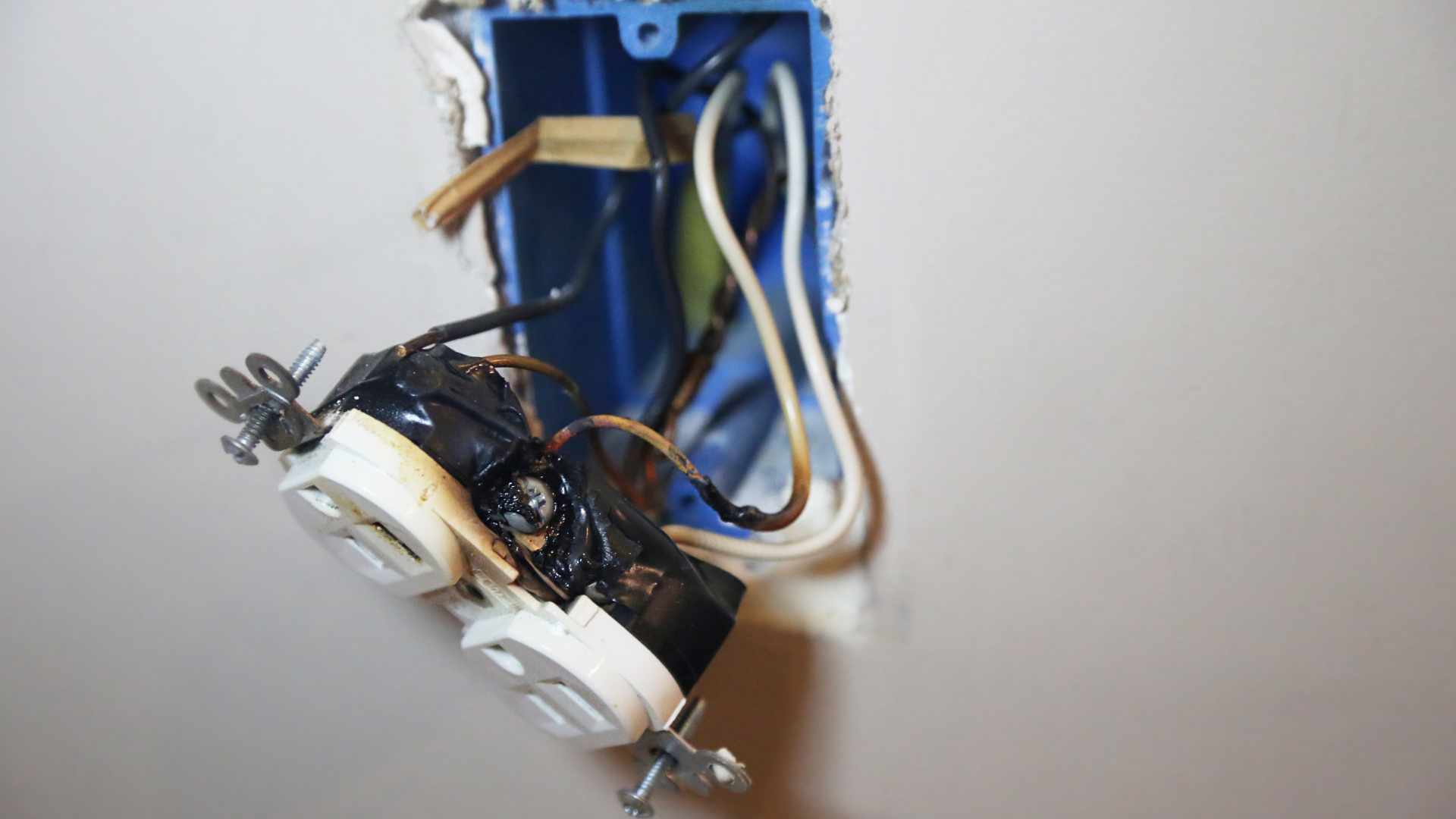
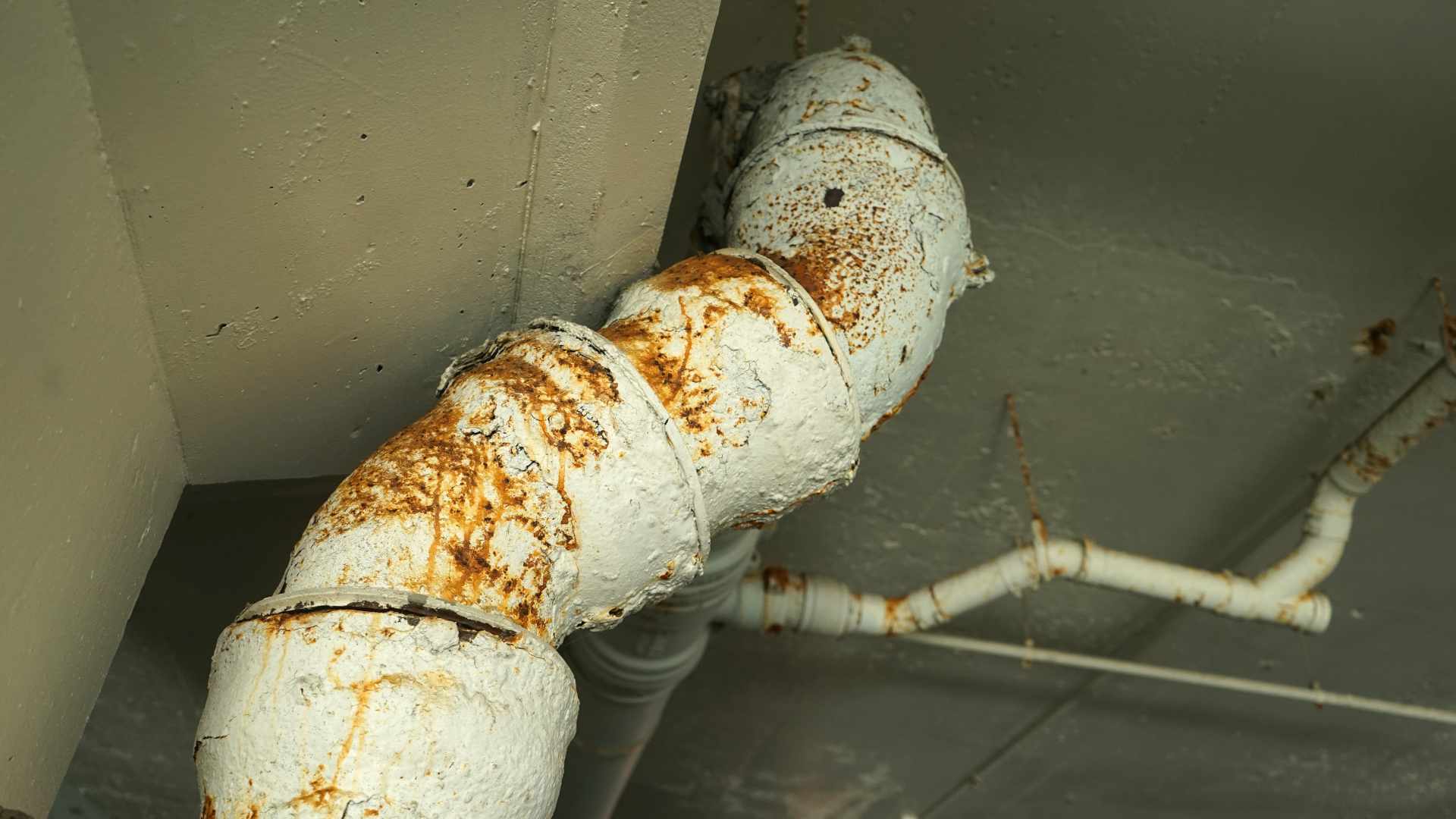
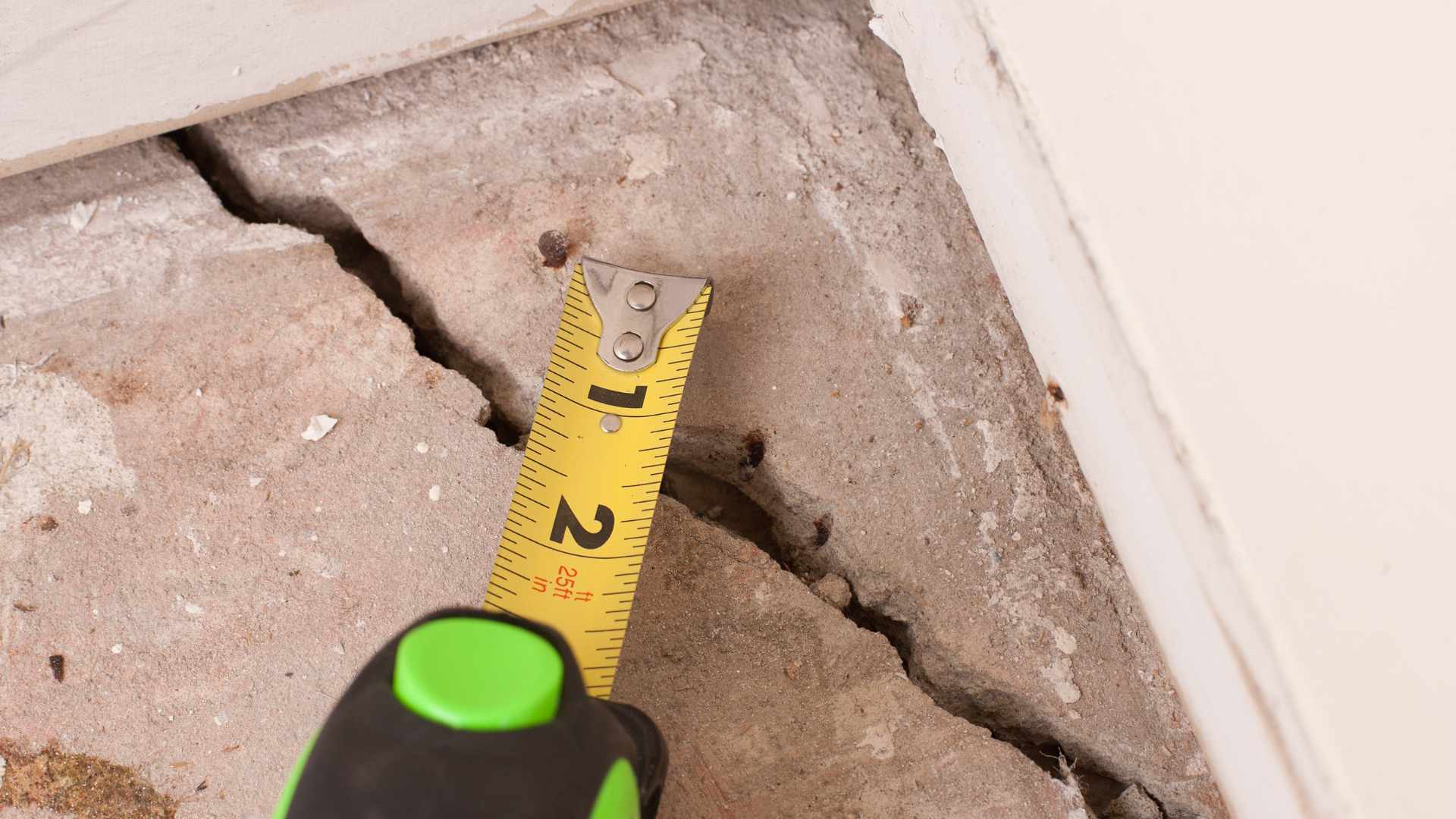


Here’s an insider tip: many cities now offer pre-inspection consultations. This informal visit can help you understand what needs fixing before you formally apply for amnesty.
Ready to move forward? Here’s your roadmap:
California’s housing crisis isn’t going away overnight, but ADU amnesty programs are making a real difference. They’re bringing thousands of hidden housing units into the light, improving safety standards, and providing much-needed housing options.
The best part? This isn’t just about compliance – it’s about creating opportunities. Legal ADUs can provide rental income, house family members, or increase your property value. With the new amnesty programs, there’s never been a better time to bring your ADU into the light.
Need more information? Contact your local building department or visit the California Department of Housing and Community Development website. The path to legal ADU ownership is clearer than ever – and you don’t have to walk it alone.
California’s ADU amnesty program offers homeowners a path to legalize unpermitted accessory dwelling units. We’ll explore the key aspects of this program, including eligibility requirements, safety standards, and how local governments are implementing it.
Eligibility and Application Process
To qualify for the ADU amnesty program, units must have been built before January 1, 2020. Homeowners can apply through their local building department. The process typically involves submitting an application form, property documents, and floor plans of the existing ADU.
We recommend gathering all necessary paperwork before applying. This includes proof of ownership, a site plan showing the ADU’s location, and any available documentation on the unit’s construction.
Local governments may require an initial inspection to assess the ADU’s condition. Some cities offer pre-application consultations to guide homeowners through the process.
Health and Safety Standards
The program uses specific habitability standards for an unpermitted accessory dwelling unit rather than rigid building codes.
Local inspectors will evaluate these aspects during site visits. Code violations need to be addressed, and minor issues can often be addressed without major renovations.
We emphasize that the goal is to ensure basic safety, not to enforce every detail of current building codes. This approach makes compliance more achievable for older units.
That said, we have encountered situations when an inspector finds a home improvement that was done without necessary permits and asks to add this to the scope of work in the ADU application. This may happen if you have changed a water heater without a building permit or installed an EV charger. It may seem like an example of red tape, but safety concerns outweigh any Bills. This is why we always encourage property owners to apply for proper permits. Some permits can be received online through a simple application process. When choosing between an illegal operation and the units’ safety, please choose safety.
Once an ADU passes initial inspections, the permitting process begins. The amnesty program mandates ministerial approval, which means:
Local agencies must process applications within 60 days. They cannot impose parking requirements or deny approval based on zoning restrictions that weren’t in place when the ADU was built.
This approach significantly reduces barriers to legalization, aligning with California’s goal of increasing housing supply through ADUs.
Local Governments’ Implementation
Local governments play a crucial role in implementing the ADU amnesty program. They’re responsible for:
Some cities have launched outreach campaigns to inform homeowners about the program and support them throughout the process. Others offer assistance with paperwork or connect applicants with approved contractors.
We’ve observed variations in how aggressively different municipalities promote the program. Some see it as a key strategy for addressing housing shortages and practicing compassionate law enforcement, while others take a more passive approach.
ADU amnesty programs in California have significantly reshaped local housing landscapes. We’ve observed increased affordable housing options, changes in community dynamics, and new considerations for equity and homeownership.
The city of Los Angeles has seen a surge in ADU applications since the implementation of new state laws and amnesty measures. The city reported a 500% increase in ADU permits between 2016 and 2019. This dramatic rise has added thousands of legal housing units to the city’s inventory. The most popular type by far was a converted garage. Using an existing structure for an internal conversion ADU is always less expensive than building a new secondary housing unit.
Oakland’s experience has been similarly transformative. The city’s amnesty program has brought numerous unpermitted units into compliance, improving safety standards and increasing rental options.
Both cities have faced challenges in processing the influx of applications. However, streamlined procedures have helped manage the workload more effectively.
Community reactions to ADU amnesty have been mixed. Many homeowners welcome the opportunity to legalize existing units without penalties. This has improved landlord-tenant relationships and property maintenance, and it also makes the insurance process easier.
Some neighbors have expressed concerns about increased density and parking issues. Local authorities have addressed these by implementing stricter parking regulations and design guidelines for ADUs.
Public safety has improved as previously unpermitted units are brought up to code. Fire departments report better access and safer living conditions in legalized ADUs.
ADU amnesty has had a positive impact on affordable housing availability. We’ve seen a notable increase in rental options, particularly in high-cost areas like Los Angeles and the Bay Area.
The programs have also promoted equity by allowing lower-income homeowners to generate additional income from their properties. This has helped many residents stay in their homes amid rising housing costs.
However, challenges remain. Some communities worry about potential gentrification as property values increase. Local governments are exploring ways to ensure ADU benefits extend to all segments of the population.
Robust ADU amnesty laws have proven crucial in addressing California’s housing crisis. They’ve revealed thousands of hidden units, improving housing quality and accessibility.
California’s ADU amnesty program is evolving to meet future housing needs. We’re seeing proactive measures to streamline processes, update policies, and support homeowners in creating legal ADUs.
California’s ADU laws have significantly changed, impacting homeowners and property owners across the state. These updates affect amnesty programs, size limitations, and financial incentives for ADU construction.
What requirements must be met to participate in the California ADU amnesty program?
To participate in California’s ADU amnesty program, owners must ensure their units meet current building and safety standards. We recommend having the ADU inspected by a licensed professional to verify compliance. Owners may need to provide documentation of the unit’s construction date and occupancy history.
What are the size limitations for constructing an ADU in California?
California law now permits ADUs of at least 800 square feet, regardless of other local requirements. For larger units, 1-bedroom ADUs can be up to 850 square feet, while 2-3 bedroom ADUs may reach 1,000 square feet. Junior ADUs (JADUs) are limited to maximum conversions of existing space of 500 square feet.
How does one become eligible for California’s $40,000 grant for ADUs?
CalHFA’s ADU Grant Program offers up to $40,000 to reimburse homeowners for predevelopment costs. Eligibility typically includes owning and occupying the primary residence where the ADU will be built. The agency reports many fraudulent activities around this program. Please check the HCD website to confirm.
Can existing ADUs be grandfathered under the current California ADU laws?
Many existing ADUs can be grandfathered under current laws if they meet certain criteria. We advise owners to check with their local planning department. Units built before January 1, 2020, may be eligible for streamlined approval processes and exemptions from some current standards.