
Many of us have heard the term “Additional Dwelling Unit” or ADU, but not everyone knows exactly what it means. An Additional Dwelling Unit is a small, self-contained home located on the same property as a main house. It does not have to be a stand-alone unit. This additional independent residential dwelling unit can be in the form of a garage apartment (remember carriage houses?) or a basement suite. A detached ADU is often called a backyard cottage. The additional dwelling units also masquerade as laneway houses or even tiny houses.
Whatever you call them, ADUs are growing in popularity as the housing crisis demands more creative solutions. They offer a way to create extra living space without buying a new property. This can be especially helpful for aging parents who want to live nearby or for generating rental income.
There is not enough housing stock for young people looking for a starter home. Additional dwelling units provide a much-needed supply of affordable housing.
Middle-income homeowners often struggle to keep up with mortgage payments. A secondary housing unit kills two birds with one stone, offering additional income for property owners and a housing opportunity for renters. Single-family homes with additional dwelling units de facto become two-family homes. California went one step further, declaring one more type of affordable housing option: a junior accessory dwelling unit.
Our cities are evolving, and so is the way we live. Family size has changed, while the existing housing supply still offers 2,500-square-feet homes. Investing in an additional unit could be a smart decision for interested homeowners.
They allow flexibility in housing options. Rental unit? Check. In-law apartment? Check. Guest house? Check again. Plus, additional dwelling units increase property value. What’s not to like?
Additional Dwelling Units (ADUs) offer more living space on a property and can provide financial benefits, increased housing options, and community growth. They are becoming increasingly significant due to housing shortages and increasing urban density.
An Additional Dwelling Unit, or ADU, is a smaller, independent residence on the same lot as a primary home, often in residential areas. It could be a basement apartment, a converted garage, or a separate backyard structure. It can also be built above the garage. ADUs must be self-contained, with their own separate entrance, living space, kitchen, and bathroom.
ADUs help maximize existing land use without needing much new infrastructure. They are known for their affordability compared to constructing new homes or buying a new single-family house, which is why they are a popular choice for in-law units. Many local governments support them by easing zoning regulations and providing guidelines. Since the State of California passed its ADU legislation, almost every city in California has its own ADU ordinance. This recognition shows their rising importance in urban planning and housing strategies.
ADUs allow homeowners to earn extra income by renting out the space. This added financial support can help cover mortgage payments or fund other projects. They also provide flexible living arrangements for extended family members, such as elderly parents or adult children, promoting multigenerational living.
Communities benefit through increased housing diversity, addressing shortages without drastic expansions. ADUs create more rental opportunities, which can lead to more vibrant neighborhoods. Furthermore, their smaller size often means lower carbon footprints, contributing to a sustainable urban environment. This combination of economic and social benefits enhances the community for everyone involved.


When adding an additional dwelling unit (ADU) to a property, understanding and complying with zoning laws and the permitting process is crucial. These regulations vary by location but are critical for a successful project.
Remember they may be called differently in your jurisdiction – we have seen them called an accessory dwelling in Las Vegas! In California this term implies minimal number of plumbing fixtures. Not so in Nevada.
Zoning laws determine where ADUs can be built. These laws dictate the specific areas where residential properties can add units. Often, they restrict the size and number of ADUs, heights, and distance from property lines. We must check current local regulations to ensure compliance. City planners can help jumpstart your permit application by sharing important highlights from the local ordinances. You won’t believe how often the ADU regulations change. Frankly, as often as personnel changes in those offices. It pays to know your State laws before an appointment with the planners.
Building codes control construction standards. They ensure safety by regulating aspects like electrical systems and plumbing. For detailed requirements, we often need to consult both the planning and building departments of the local housing office.
Securing a permit for an ADU requires several steps. First, we prepare the site plan, floor plan, elevations, and sections. The application needs to outline the unit’s size, appearance, and safety features. Then, a structural engineer develops the drawings and calculations to ensure the building is ready for local winds, earthquakes, snow loads, and any other requirements dictated by the location.
Once we submit a detailed application, it goes through the local approval process. It’s important to show compliance with local laws. In California, building codes are updated every three years, so your designer needs to be up to speed with the most recent building code. After submission, the relevant authorities review it. We often (always?) need to adjust plans based on their feedback.
Upon approval, we can begin construction. It’s useful for us to work with local officials to navigate any challenges during this process.
Additional dwelling units (ADUs) offer various styles to fit different needs. They can be separate buildings connected to the main house or transformations of existing spaces like garages or basements.
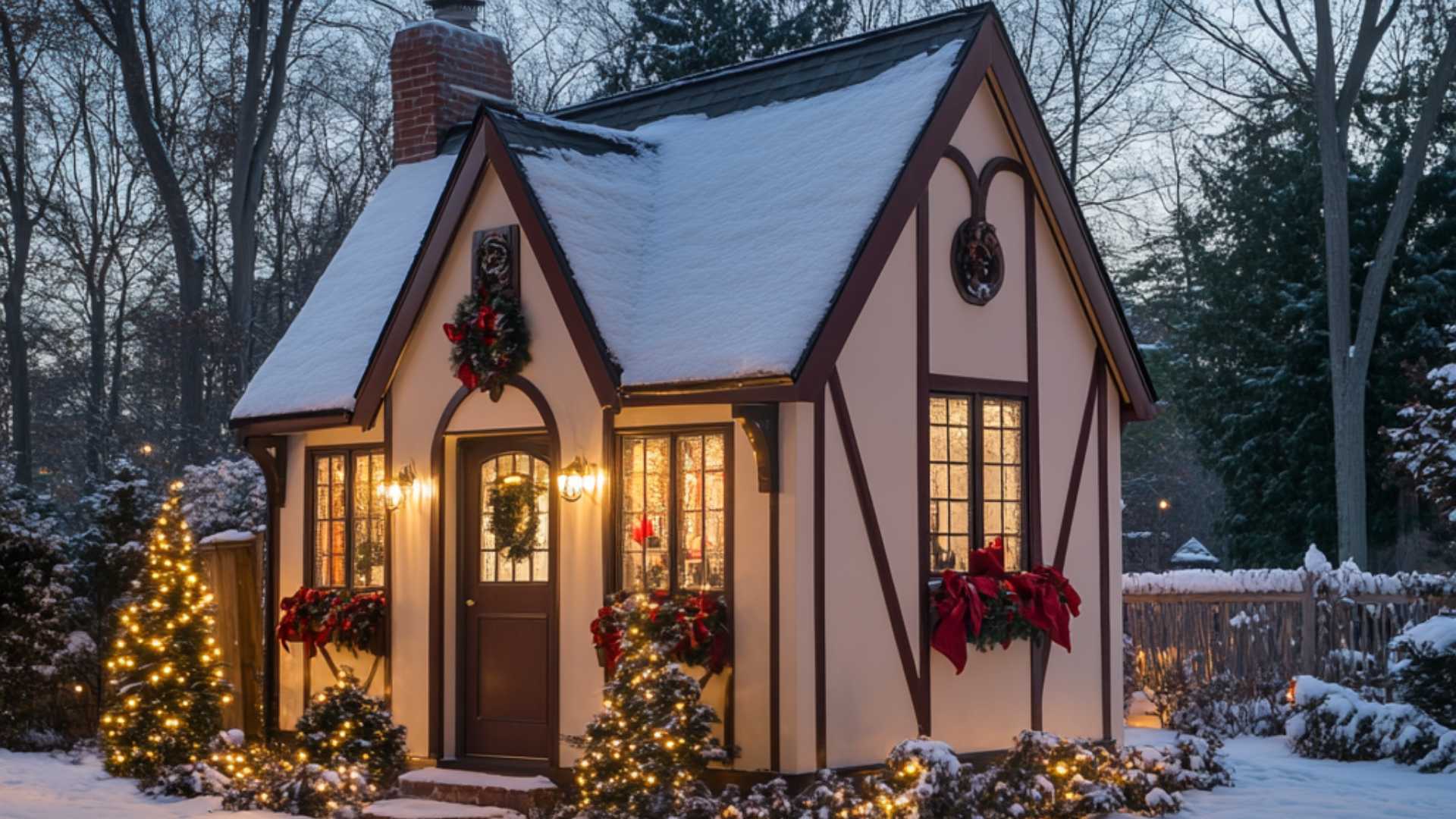
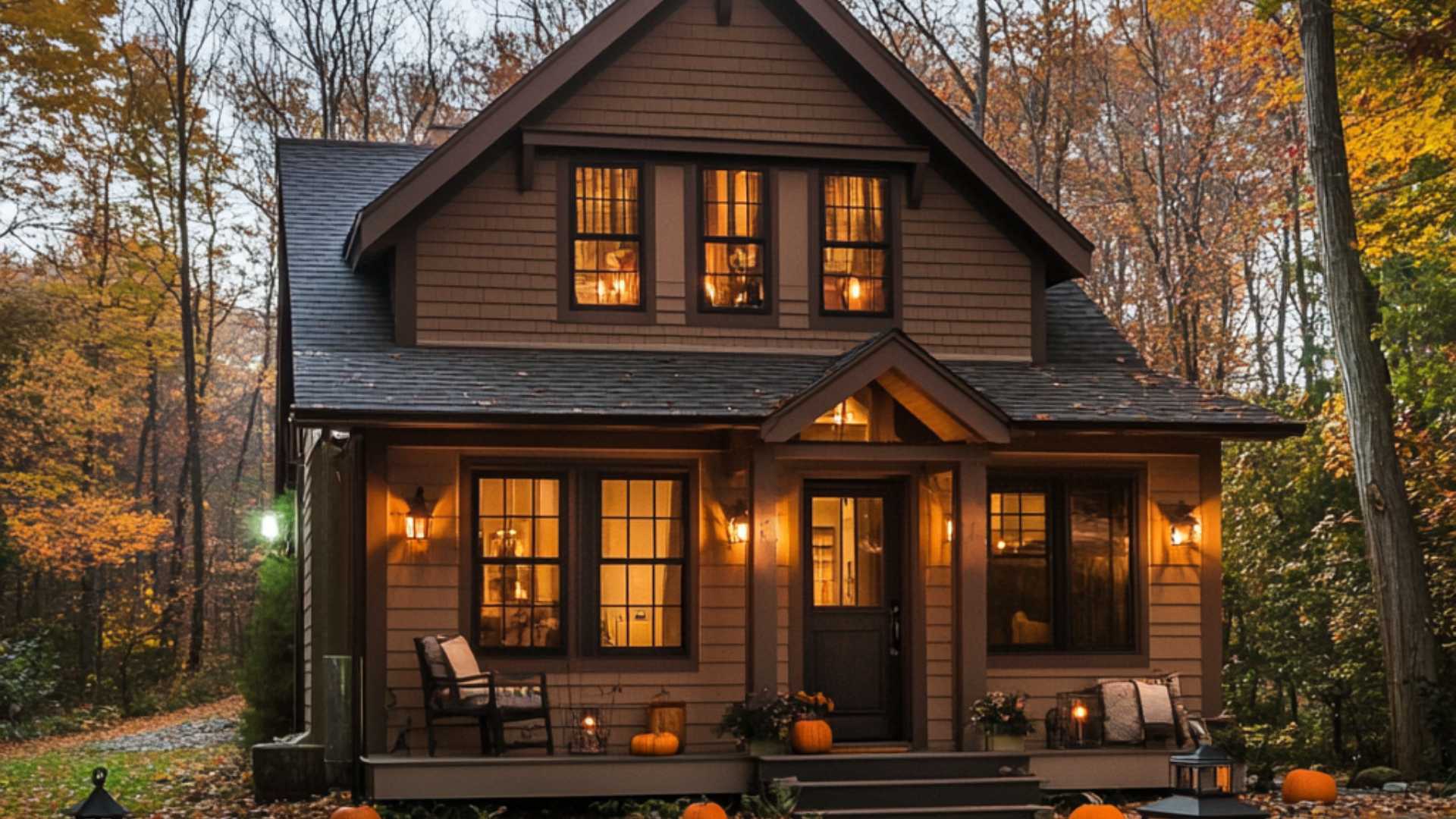
Detached ADUs stand alone, separate from the primary home. They often resemble small cottages or guest houses in the backyard. These units offer total independence, often with full kitchens and bathrooms, making them like mini-homes. Privacy is a significant advantage, allowing occupants their own space away from the main house. They can be ideal for extended family members or as rental properties.
Due to their separate structure, they often require their own utilities like water and electricity. Building a detached ADU might involve more costs and regulations than the attached options. Still, they add significant value and versatility to a property.
The attached ADUs are connected to the main house, forming part of its overall structure. This type involves adding a separate living space to the side or rear of the house. They share at least one wall and are accessible from the inside or outside. These units typically include facilities like a kitchen, bathroom, and living area. Because they share utilities and some infrastructure with the main house, they can be more cost-effective than detached ADUs. Residents remain connected to the main house but still enjoy their own private area, making them suitable for family or guests who desire proximity with some degree of independence.
Garage conversion ADUs utilize existing garage space to create a living area. This is an efficient way to maximize the use of already existing structures. Conversions can transform single or double garages into functional living spaces. Depending on local regulations, they may include bathrooms and small kitchens. Turning a garage into an ADU can be more budget-friendly since it uses existing foundations and structures. This option often results in a smaller living space, but it’s practical for those needing extra living quarters or looking to rent out a portion of their property without significant construction.
Basement conversion ADUs make use of underutilized space below the main house. This type of ADU involves renovating a basement into a livable area with necessary amenities like bathrooms, kitchens, and bedrooms. Since basements are already part of the home’s structure, the conversion can be less expensive than building a new structure. Lighting and ventilation improvements are important when converting basements, as these areas are more enclosed.
This conversion often appeals to those seeking an affordable way to add living space. While privacy is limited compared to detached units, basement ADUs offer close proximity to the rest of the house, useful for family or guests.
Designing and building an additional dwelling unit (ADU) involves thoughtful planning, financial management, and choosing the right team. We will explore key areas to ensure a successful project from start to finish.
When we start planning an ADU, it’s essential to consider local zoning laws. It’s crucial to know the regulations where we live. We should check size limits and location rules.
Having a clear idea of what we want helps guide our design choices.
Drawings and blueprints are vital in this stage. Here, details such as the layout and style are considered. We might prefer a modern look or something more traditional. Our design should match the main house and neighborhood.
It’s important to think about future needs, too. Is it a future rental property? Or an in-law unit? Basement apartments may be a better fit for rental units. Keep in mind that your local ADU ordinance may have specific verbiage against short-term rentals.
For in-law suites, a.k.a. granny flats, features like wheelchair access, zero curb showers, and 36-inch doorways could be necessary. This planning helps ensure the ADU is comfortable for many years.

This one bedroom one bathroom can be executed in an L shaped or in a more traditional I shape layout depending on the space in your backyard.

This two bedroom two bathroom ADU has a primary en suite bathroom and an additional bathroom with access from the living area.

This two bedroom two bathroom ADU has a primary en suite bathroom and an additional bathroom with access from the living area. The kitchen has an option to be a separate room.

This two bedroom two bathroom ADU has a primary en suite bathroom and an additional bathroom with access from the living area. Both bedroom have walk in closets, and there is an additional flex room that could be used as an office. Can easily be used as a main home for a small lot!
Creating a budget is a key step. We must list all possible expenses, including pre-construction expenses (design fees, permit fees, utility connection fees), building materials and labor, interior finishes, and furniture.
Knowing how much we can spend helps us manage our resources well. This is why we have added preliminary estimates to our ADU tool box! When you enter your address and select the possible floor plan (use filters to avoid a rabbit hole of our 500 plans collection), you can explore how the ADU budget works.
Finding ways to finance the ADU is also important. We could look at options like home equity loans or personal savings. Some areas offer grants or loans specifically for ADU projects. These can be helpful in easing financial burdens.
Keeping track of costs is also vital. By regularly reviewing our budget, we can catch any overspending early. This careful tracking ensures the project remains within our financial means.
Choosing the right contractor can make or break our project. We should seek recommendations from friends or family and research potential contractors online. Checking reviews and past projects can give us a good idea of their work quality.
Interviewing contractors is crucial. We must ask about their experience with ADUs specifically. A contractor who has done similar projects will understand the common challenges and how to overcome them. Do not discount experience. Ask to see their ADU permits.
That said, it’s important to get detailed quotes from several contractors. We should ensure everything is covered in the quote to avoid surprises later. Selecting someone we feel comfortable with and who communicates well with us is essential for a smooth construction process.

Many people have questions about Accessory Dwelling Units (ADUs), such as their requirements, legality in different states, and how they differ from other home additions. We will address these aspects to provide a clear understanding.
The requirements for an ADU can vary by location, but some standard rules include size limits, setback requirements, and parking provisions. Typically, ADUs need to meet local zoning and building codes. Many areas have specific limits on the maximum size of these units, often set as a percentage of the main dwelling’s size or up to a defined square footage.
ADUs are legal in many states across the U.S., including California, Oregon, and Washington. Some states have statewide mandates allowing ADUs, while others leave it to local jurisdictions to decide. It’s important to check specific local regulations as they can determine whether you can build an ADU on your property.
Common challenges include navigating zoning laws and securing permits. Homeowners may also face steep utility connection fees and limitations on space or budget. Zoning regulations can sometimes restrict where ADUs can be built or their size. Finding skilled contractors to handle the construction within budget can also be a hurdle.
Depending on size and complexity, the cost of building an ADU can be lower or comparable to that of other home additions. ADUs are often seen as a cost-effective way to add living space. While prices vary, the smaller footprint of an ADU might result in lower costs compared to larger home expansions. That said, a smaller ADU footprint will mean a higher cost per square foot built.
An ADU is a separate living space with its entrance, kitchen, and bathroom facilities, making it distinct from other additions. It functions as an independent unit, either within the main home, attached to it, or as a separate structure on the property. This independence sets ADUs apart from other extensions, which typically share amenities with the primary residence.
In California, there are no minimal lot sizes that could stop you from building an ADU. You may be maxed out on the floor area with your primary dwelling, but you will still be allowed an ADU under 750 sq ft if you have space in the backyard (setbacks are still enforced). You may even be allowed to locate a new ADU in the front yard if your backyard has no reasonable space for a new ADU.
Yes, ADUs can be purchased pre-built, often as modular units, prefab kits, or tiny homes. These options can simplify the process, as they are constructed off-site and then transported to your property. Homeowners should explore modular and prefabricated options that suit their specific needs and property layout.


The entry door opens to a combination of a living space and dining area. Residents can hit snooze on the bed, relax on the sofa, or take a meal in the dining space.


Use filters to choose from one of the 500+ pre-designed ADU plans

Type in your address to view unit on the map of your property

Review preliminary estimate of your selected ADU
P.S. This service is complimentary, no credit card required.