
Shower Systems: Complete Guide to Choosing the Right Setup for Your Bathroom
Compare shower systems — conventional, digital, thermostatic, power, plus components and installation. Find what fits your bathroom and pressure.
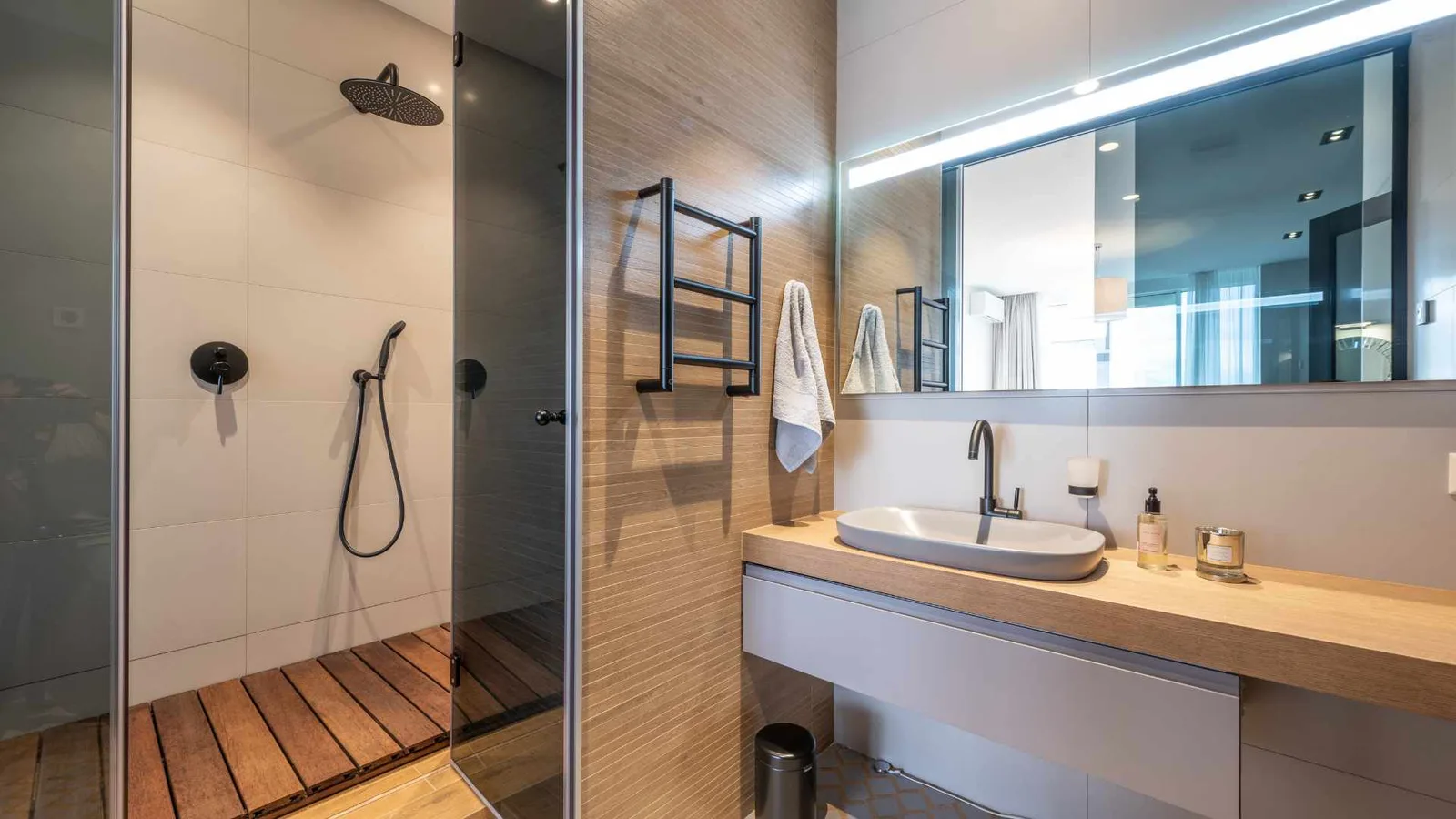
Your daily shower can transform from a simple rinse into a luxurious experience with the right shower system. Modern shower systems combine multiple water delivery methods, including rainfall showerheads, handheld wands, and body jets, all controlled from a single setup to enhance your bathing routine. These systems have evolved far beyond basic fixtures to offer features like adjustable spray patterns, temperature controls, and customizable designs.
Understanding your options helps you make a smart choice for your bathroom. The right system depends on your space, budget, and personal preferences. From basic models that upgrade your current setup to advanced systems with massage jets and multiple features, you'll find solutions that fit different needs and price points.
This guide walks you through everything you need to know about shower systems. You'll learn about different types available, what components matter most, and how to choose based on your bathroom layout and lifestyle. We'll also cover installation basics, efficiency considerations, and the latest technology that's changing how people think about their showers.
Types of Shower Systems
Shower systems vary based on how they heat and deliver water to your bathroom. Each type offers different benefits for water pressure, temperature control, and energy use.
Conventional Showers
Conventional showers are the most basic type found in homes. They connect directly to your existing hot and cold water supply without any additional pumps or electronic controls.
These systems use mixer valves to blend hot and cold water. You adjust the temperature and flow by turning manual handles or levers. The water pressure depends entirely on your home's plumbing system.
Main components include:
- Manual mixer valve
- Standard showerhead
- Hot and cold water pipes
- Basic drain assembly
Conventional showers work well if you have good water pressure throughout your home. They cost less to install and maintain than other options. You won't need electricity to operate them, which keeps running costs low.
The main drawback is inconsistent water temperature. When someone uses water elsewhere in your home, you may experience sudden temperature changes.
Digital and Smart Showers
Digital shower controls let you set exact temperatures and water flow with electronic precision. These systems use digital processors instead of manual valves to manage water delivery.
You can program your preferred settings and activate them with a button push. Many models include remote controls or wall-mounted digital displays. Some connect to smartphone apps for voice control and scheduling.
Key features include:
- Precise temperature control (often within 1 degree)
- Programmable user profiles
- Remote start capability
- Smart home integration options
These systems maintain consistent temperature even when water pressure changes elsewhere in your home. You can warm up the shower before stepping in, which saves water.
Digital showers require professional installation and electrical connections. They cost more upfront than conventional options. You'll also need to consider potential electronic repairs over time.
Thermostatic Showers
Thermostatic showers use specialized valves that automatically maintain your selected water temperature. The valve contains a thermostatic element that responds to temperature changes instantly.
These systems protect you from sudden hot or cold bursts when water pressure fluctuates. If your cold water supply fails, most thermostatic valves shut off automatically to prevent scalding.
You set your desired temperature once, and the valve adjusts the hot and cold water mix to maintain it. This happens without any electronic components or electricity.
Benefits include:
- Consistent temperature throughout your shower
- Built-in safety features against scalding
- No electricity required
- Works with existing water systems
Thermostatic showers work best when you have balanced hot and cold water pressure. They need adequate flow from both supplies to function properly. The valves cost more than basic mixer valves but less than digital systems.
Power Showers
Power showers include built-in electric pumps that boost water pressure. They pull from your hot and cold water supplies and pump the mixed water through the showerhead at higher pressure.
These systems solve low water pressure problems common in homes with gravity-fed tanks. The pump activates when you turn on the shower and increases flow rate significantly.
You need separate hot and cold water storage tanks for most power showers. They won't work with combination boilers or mains-pressure systems. The pump requires an electrical connection and proper ventilation.
Installation requirements:
- Access to hot and cold water tanks
- Dedicated electrical circuit
- Adequate drainage
- Proper pump housing location
Power showers provide strong, invigorating water flow even in homes with weak pressure. They use more water and energy than standard showers. The pumps can be noisy and require occasional maintenance or replacement.
Why we love shower systems? Construction projects is full of minute decisions. By selecting a shower system ( or a family of products from the same brand family) we simplify decisions!
Watch out for GPM!
Shower Systems
When selecting from different brands, take into account possible variation of finish.
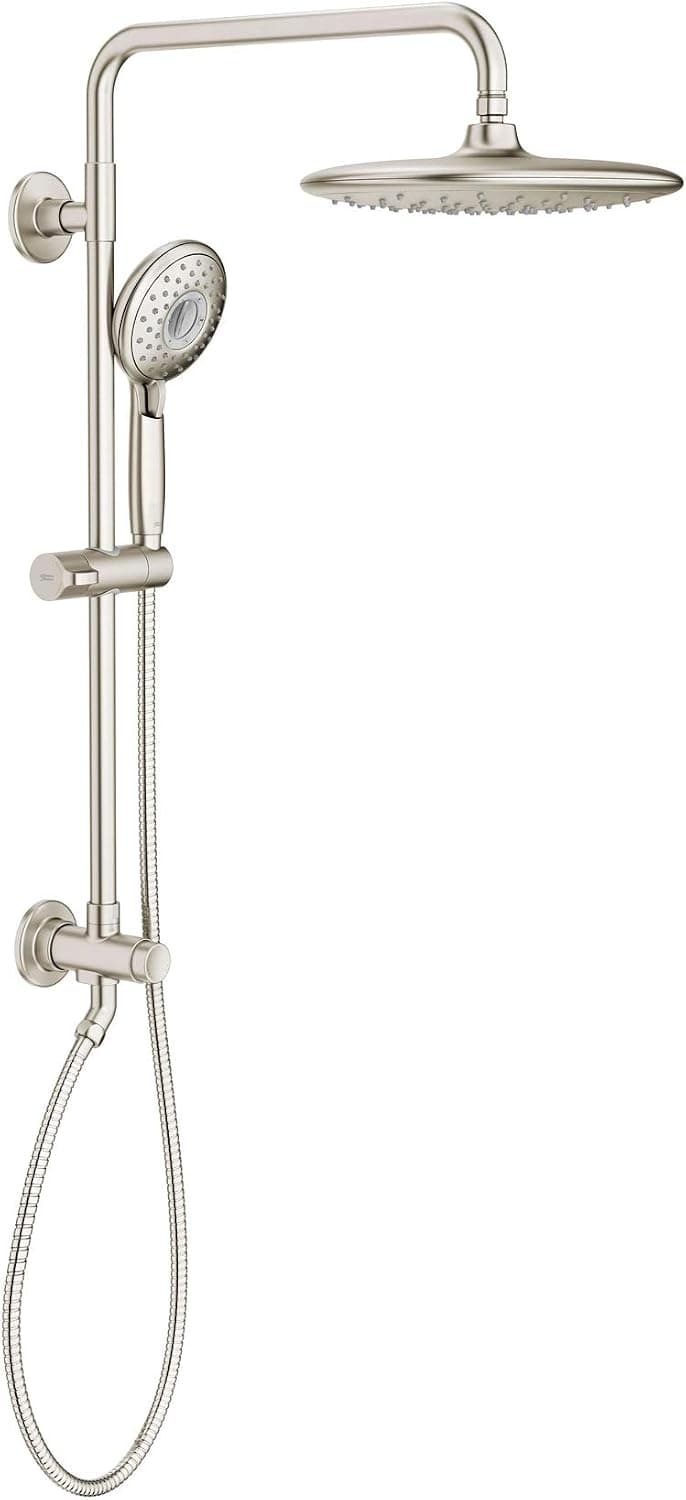
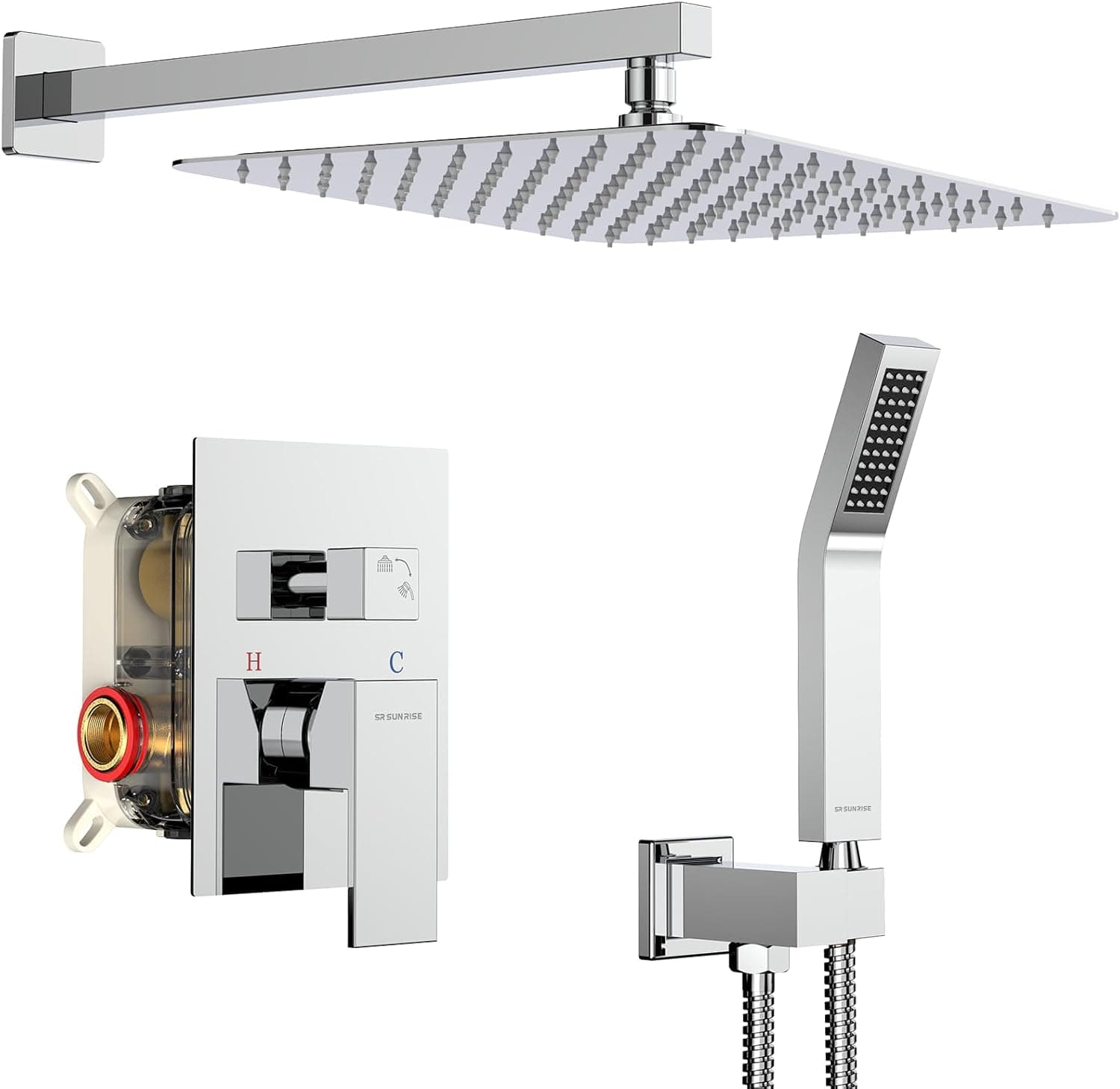
Choosing the Right Shower System
Your home's water pressure, available space, and who uses the bathroom daily will determine which shower system works best for you.
Water Pressure Considerations
Your water pressure directly affects how well your shower system performs. Most homes have water pressure between 40 and 60 PSI (pounds per square inch). You can test your pressure with a gauge attached to an outdoor spigot.
Low pressure below 40 PSI limits your options. Single showerhead systems work better than multi-head setups in these situations. High-pressure systems with rainfall heads and body jets need at least 60 PSI to function properly.
You should also match your home's water pressure and plumbing layout to the correct fixture before buying. Digital shower systems can help regulate flow even with varying pressure. Some shower systems include built-in pressure-balancing valves that prevent sudden temperature changes when toilets flush or washing machines start.
Bathroom Layout and Space
The size of your bathroom determines what you can install. Small bathrooms under 50 square feet work best with compact systems like corner units or standard wall-mounted showerheads.
Large bathrooms over 75 square feet can accommodate luxury multi-head or rainfall shower systems. You need to consider your ceiling height too. Rainfall showerheads typically require at least 7 feet of clearance for comfortable use.
Your existing plumbing location matters when choosing between systems. Moving water lines costs $500 to $2,000 extra. Measure your shower enclosure width and depth before shopping. Standard alcove showers are 60 inches wide, while walk-in showers range from 36 to 48 inches square.
Family Needs and Preferences
Think about who uses the shower daily. Families with children benefit from handheld showerheads that adjust to different heights. These make it easier to rinse kids and clean the shower itself.
Elderly users need grab bars and anti-scald valves for safety. Thermostatic valves maintain consistent water temperature and prevent burns. Digital controls let you plan, customize, and adjust settings for different family members.
If multiple people shower in the morning, you might want separate temperature presets. Consider physical limitations too. Lever handles are easier to grip than knobs for people with arthritis. Some systems offer voice control or touchless activation for added convenience.
Key Components and Features
Modern shower systems rely on several core elements that work together to control water flow, temperature, and delivery. The valve regulates mixing and pressure, while controls let you adjust settings, and various outlets distribute water throughout your shower space.
Shower Valves
The shower valve serves as the central control point that measures, regulates, and mixes hot and cold water before it reaches your showerhead. You'll find two main types: thermostatic valves and pressure-balancing valves.
Thermostatic valves maintain your set temperature even when someone flushes a toilet or runs water elsewhere in your home. They use a wax element or bi-metallic coil that responds to temperature changes and adjusts the hot-cold mix automatically.
Pressure-balancing valves protect you from sudden temperature spikes by equalizing the pressure between hot and cold water lines. When cold water pressure drops, the valve reduces hot water flow proportionally to prevent scalding.
Your valve sits behind the wall and connects to your home's hot and cold water supply pipes. Most valves include built-in stops that let you shut off water to the shower without affecting other fixtures in your home.
Controls and Panels
Shower trim and control panels mount on your shower wall and connect to the valve behind it. These visible components let you turn water on and off, adjust temperature, and switch between different water outlets.
Single-handle controls mix temperature and volume with one lever. Two-handle systems give you separate hot and cold controls for precise adjustment. Digital panels offer touch-screen or button controls with temperature displays and programmable presets.
Diverter controls let you direct water to different outlets in your shower system. A two-way diverter switches between your showerhead and hand shower, while three-way diverters can control body jets as well.
The finish you choose affects both appearance and durability. Chrome resists corrosion well and cleans easily. Brushed nickel hides water spots better than polished finishes.
Showerheads
Your showerhead determines spray pattern, water coverage, and flow rate. Fixed mount showerheads attach directly to a shower arm extending from your wall. Rain showerheads mount on the ceiling and deliver water straight down in a wide pattern.
Common spray patterns include:
- Full spray: Wide coverage with strong pressure
- Massage: Pulsating jets for targeted relief
- Mist: Fine droplets that reduce water use
- Combination: Multiple patterns you can switch between
Flow rate measures gallons per minute (GPM). Standard showerheads use 2.5 GPM, while low-flow models use 2.0 GPM or less. Lower flow rates reduce water and energy costs without necessarily compromising pressure.
Hand showers attach to a slide bar or wall bracket with a flexible hose. You can lift them off the mount for washing, cleaning your shower, or bathing children and pets.
Body Jets
Body jets install at various heights along your shower walls to spray water horizontally at your body. You typically position them at shoulder, mid-back, and lower back levels for full coverage.
Most systems use 4 to 8 jets, though luxury installations may include 12 or more. Each jet connects to your shower valve through dedicated supply lines in your walls. Jets consume significant water volume, so you need adequate water pressure and flow capacity to run them effectively.
You can choose fixed jets that spray in one direction or adjustable models that let you aim the water where you want it. Some jets offer multiple spray patterns similar to showerheads.
Running body jets simultaneously with your overhead showerhead requires a valve rated for multiple outlets. Your home's water heater must also supply enough hot water to maintain comfortable temperatures across all active jets.
Installation Requirements
Proper shower system installation requires adequate water supply lines, correct drainage setup, and appropriate electrical connections for certain features. The complexity of your installation depends on whether you're working with existing plumbing or starting from scratch.
Plumbing Preparation
Your shower needs dedicated hot and cold water supply lines with minimum 1/2-inch diameter pipes to ensure adequate water pressure. The drain line must be at least 2 inches in diameter to prevent water backup.
You'll need to position the shower valve between 38 and 48 inches above the finished floor for standard installations. Waterproofing and drainage must meet local building codes to protect surrounding areas from moisture damage.
The rough-in work should include proper blocking between wall studs to support valve installation and future fixture mounting. Your water lines need shut-off valves for maintenance access. Test all connections for leaks before closing up walls.
Electrical Demands
Digital shower systems and steam generators require dedicated electrical circuits. Most steam units need a 240-volt connection with appropriate amperage based on the unit size.
You must install GFCI protection for all electrical components in wet areas. Light fixtures need proper ratings for damp or wet locations depending on their placement.
Heated floors require separate thermostats and dedicated circuits. All electrical work must comply with local codes and typically needs professional installation for safety and warranty purposes.
Professional vs. DIY Installation
Installing a walk-in shower requires knowledge of plumbing, waterproofing, and tile work. Basic shower installations can take DIY enthusiasts 20-40 hours for a complete project.
Professional installation ensures proper waterproofing systems and code compliance. Licensed plumbers handle valve installation, rough-in work, and final connections with warranties on their labor.
Complex systems with body sprays, steam generators, or digital controls need professional expertise. You'll pay $1,800-$5,000 for professional installation depending on system complexity. DIY installation saves money but risks leaks, code violations, and voided product warranties if done incorrectly.
Design and Customization Options
Modern shower systems offer extensive choices in finishes, accessibility modifications, and lighting to match your bathroom's style and functional needs. You can select from premium materials and innovative features that create a personalized showering experience.
Finishes and Materials
You'll find shower components available in multiple finishes to coordinate with your bathroom fixtures. Popular options include chrome, brushed nickel, oil-rubbed bronze, matte black, and polished brass.
Chrome provides a classic reflective surface that resists corrosion and fits traditional or contemporary designs. Brushed nickel offers a softer, fingerprint-resistant finish that works well in modern spaces. Matte black has gained popularity for creating bold visual contrast and hiding water spots.
Premium shower manufacturers provide numerous finish options that allow you to create a cohesive look throughout your bathroom. You can mix metals intentionally, though matching your faucet, showerhead, and hardware creates a unified appearance.
Wall materials range from traditional tile to modern acrylic panels and stone. Tile offers unlimited design possibilities but requires professional installation and ongoing grout maintenance. Prefabricated wall systems install faster and eliminate grout lines where mold can grow.
Accessibility Features
Accessible shower design includes features that make bathing safer and easier for people with mobility challenges. Grab bars provide stability when entering, exiting, or moving within the shower space.
Built-in seating allows you to shower while sitting, reducing fall risk and fatigue. You can choose from fold-down seats, corner benches, or built-in ledges depending on your space and needs.
Zero-threshold or curbless entries eliminate the need to step over a barrier. These designs work particularly well for wheelchair users and reduce tripping hazards for everyone. The floor slopes gradually toward the drain to contain water.
Handheld showerheads with slide bars let you adjust spray height and position. This flexibility helps when showering seated or assists caregivers helping others bathe. Thermostatic valves prevent sudden temperature changes that could cause burns.
Lighting Enhancements
Built-in shower lighting transforms your daily routine and improves safety. LED lights installed in the showerhead or ceiling provide direct illumination where you need it most.
Waterproof recessed fixtures offer ambient lighting without taking up space. You should choose fixtures rated for wet locations to ensure safety and longevity. Dimmable options let you adjust brightness for different times of day.
Color-changing LED systems create spa-like atmospheres with programmable settings. Some systems link temperature to color, displaying blue for cool water and red for hot. This visual feedback adds both function and style to your shower experience.
Water and Energy Efficiency
Modern shower systems can cut water use by up to 50% while maintaining strong water pressure. Energy-efficient shower heads help you save money on utility bills and reduce your environmental impact.
Low-Flow Options
Low-flow showerheads limit water output to 2.0 gallons per minute or less, compared to standard models that use 2.5 gallons per minute. You can save thousands of gallons of water each year by switching to these fixtures.
The best low-flow models use special nozzle designs to maintain pressure despite reduced water flow. Some options include aeration, which mixes air with water to create a fuller spray pattern. Others use laminar flow technology that produces individual water streams.
Common low-flow flow rates:
- 1.5 GPM - Maximum water savings
- 1.8 GPM - Balance of efficiency and comfort
- 2.0 GPM - Standard low-flow rate
You don't have to sacrifice your shower experience for efficiency. Modern water-saving shower systems deliver satisfying pressure while using less water.
Smart Water Usage
Digital shower controls let you set exact water temperatures and flow rates. These systems remember your preferences and start at your chosen settings every time.
Smart shower timers help you track how long you spend in the shower. Many models display real-time water usage so you can see how much water you're consuming. Some systems even pause water flow while you lather or shave.
Temperature regulation technology heats water more efficiently than traditional systems. You get hot water faster, which means less waste while waiting for your shower to warm up. Digital controls paired with low-flow heads create an effective water-saving combination.
Eco-Friendly Technologies
Greywater recycling systems collect shower water for reuse in toilets or outdoor irrigation. These systems filter and store used water, reducing your household's total water consumption by 30% to 50%.
Air-powered shower technology injects air into the water stream to maintain pressure while using less water. This creates larger water droplets that feel more substantial on your skin. The technology saves both water and the energy needed to heat it.
Energy-saving features to look for:
- Thermostatic mixing valves that prevent temperature fluctuations
- Insulated pipes that reduce heat loss
- Pause buttons for quick water shutoff
- Built-in filtration systems
Eco-performance shower systems combine multiple water-saving features in one unit. Many municipalities offer rebates when you install these systems, which helps offset the initial cost.
Maintenance and Care
Regular upkeep protects your investment and ensures consistent water pressure and performance. Simple daily habits combined with periodic deep cleaning prevent buildup and extend the life of your fixtures.
Cleaning Routines
Wiping down shower walls and fixtures after each use prevents soap scum and grime from accumulating. Use a soft microfiber cloth or squeegee on glass doors and walls while surfaces are still wet.
For weekly cleaning, apply a pH-neutral cleaner to all surfaces. Avoid acidic cleaners on stone showers, as they can damage natural materials. Glass surfaces need streak-free formulas, while metal fixtures require non-abrasive products to maintain their finish.
Daily tasks:
- Squeegee glass doors
- Wipe down fixtures with a dry cloth
- Leave shower door open for ventilation
Weekly tasks:
- Clean all surfaces with appropriate cleaners
- Scrub grout lines if present
- Rinse showerhead thoroughly
Preventing Lime Scale
Hard water deposits build up quickly on showerheads and fixtures in areas with high mineral content. Remove your showerhead monthly and soak it in equal parts white vinegar and water for 30 minutes to dissolve mineral buildup.
For fixtures you cannot remove, fill a plastic bag with vinegar and secure it around the showerhead with a rubber band. Let it sit overnight, then scrub away loosened deposits with an old toothbrush.
Installing a water softener reduces mineral content in your water supply and minimizes scale formation. You can also apply a protective coating to glass doors that repels water and prevents mineral deposits from bonding to the surface.
Troubleshooting Common Issues
Low water pressure usually indicates a clogged showerhead. Unscrew the head and check the filter screen for debris. Clean or replace the screen if needed.
Leaking fixtures often result from worn washers or O-rings. Turn off your water supply, disassemble the fixture, and replace damaged rubber components. Tighten connections carefully to avoid stripping threads.
Temperature fluctuations may signal issues with your pressure-balancing valve. This requires professional maintenance and repair to ensure safe operation and prevent scalding.
If you notice persistent mold growth, improve bathroom ventilation by running exhaust fans during and after showers. Seal any gaps in grout or caulking where moisture can penetrate.
Cost Considerations
Shower system prices range from a few hundred dollars to several thousand, with installation adding another layer of expense that varies based on complexity. Understanding both upfront costs and ongoing savings helps you make a smart investment for your bathroom.
Product Pricing
Shower installation costs range from $1,000 to over $20,000 for materials and labor combined. The shower system itself typically accounts for 40-60% of your total project budget.
Basic prefab units start around $300 to $800 for the materials alone. These include standard alcove showers with basic fixtures and acrylic or fiberglass surrounds.
Mid-range systems cost $800 to $2,500 and offer better quality materials like ceramic tile, upgraded showerheads, and more durable finishes. You get more design options and improved performance at this price point.
Custom showers with frameless glass and luxury finishes run $3,000 to $10,000 or more. Multi-head shower systems, rain showerheads, body jets, and digital controls increase your costs significantly. Premium materials like natural stone, high-end fixtures, and specialty glass add to the price.
Installation Expenses
Labor makes up the remaining 40-60% of your complete shower installation project. Most homeowners spend between $3,500 and $7,000 total for a full installation with fixtures and tilework.
Simple replacements where you swap out an old unit for a similar new one cost less. Installing a shower in a new location requires more plumbing work, which increases labor costs.
Your expenses go up when contractors need to move water lines, add drains, or reinforce flooring. Tile installations take more time than prefab units, adding to labor charges. Custom work requires skilled tradespeople who charge higher rates for their expertise.
Long-Term Value
Quality shower systems reduce your maintenance and repair costs over time. Better materials resist water damage, mold, and wear that cheaper options can't handle.
Water efficiency matters for your monthly bills. Modern low-flow showerheads use 2.0 gallons per minute or less while maintaining good pressure. You save money on water and energy costs for heating that water.
Durability affects replacement frequency. A $300 acrylic unit might need replacement in 5-10 years, while a properly installed tile shower lasts 20+ years. Higher upfront costs often mean fewer replacements and repairs.
Home value increases with bathroom upgrades. Well-designed shower systems appeal to buyers and can boost your resale price. Quality installations also prevent water damage that hurts your home's value.
Latest Innovations in Shower Technology
Modern shower systems now feature digital controls, smartphone connectivity, and advanced spray patterns that let you customize water flow and temperature with precision. These technologies make your daily shower more convenient and efficient.
Touchless Controls
Touchless shower controls use motion sensors or voice commands to start and stop water flow without touching any buttons or handles. You can wave your hand near the sensor to activate the water. This keeps your shower controls cleaner since you don't need to touch them with wet or soapy hands.
Smart shower systems eliminate the waiting period for water to reach your desired temperature. The system heats water instantly and maintains consistent warmth throughout your shower. Voice-activated controls work with digital assistants so you can adjust settings while you're in the shower.
Motion sensors respond quickly to your hand movements. They typically activate within one second of detecting motion in their range.
App Integration
Smartphone apps let you control your shower from anywhere in your home. You can start warming up the water before you enter the bathroom. The app saves your preferred temperature settings and water pressure levels for quick access.
Innovations in shower technology sync directly with your phone to provide complete control over your shower experience. You can set timers to limit water usage or schedule showers to start at specific times. Some apps track your water consumption and show how much you use per shower.
The apps also send alerts when maintenance is needed. They monitor filter life and water quality to keep your system running properly.
Multi-Functional Sprays
Modern showerheads offer multiple spray patterns in a single unit. You can switch between rainfall, massage, mist, and concentrated streams with a simple turn of a dial. Each pattern serves different purposes based on what you need.
Common spray types include:
- Rainfall for gentle, full-body coverage
- Massage jets for muscle relaxation
- Mist for water conservation
- Concentrated stream for targeted rinsing
Many systems combine overhead rain showerheads with handheld wands and body jets. This gives you complete control over where water hits your body. You can activate multiple spray heads at once or use them individually depending on your preference.
Popular Brands and Manufacturers
When you shop for a shower system, you'll find several top-rated manufacturers leading the market. These companies offer different features and price points to match your needs.
Premium Brands
Kohler, Grohe, and Moen are well-known names you can trust for quality. These brands focus on durability and advanced features. TOTO is another leading manufacturer that combines innovation with reliable performance.
Mid-Range Options
Delta and American Standard provide good value without sacrificing quality. You'll find their products offer solid warranties and decent craftsmanship at more affordable prices.
Budget-Friendly Choices
Brands like Cobbe, Iriber, and SR Sun Rise give you functional shower systems at lower price points. These manufacturers often include features like rainfall showerheads and handheld options in their systems.
What Sets Them Apart: Leading shower manufacturers combine innovative design with durable materials to meet your specific needs. Premium brands typically offer better warranties and customer support. Budget brands focus on basic functionality and easy installation.
You can compare different manufacturers by looking at their price tiers, warranty coverage, and product lines. Most reputable brands now offer two-in-one systems with both fixed and handheld showerheads. The key is matching the brand's strengths to your bathroom requirements and budget constraints.
Frequently Asked Questions
Choosing the right shower system involves understanding specific features, quality differences, costs, and installation requirements. You need to know what technical specs matter and where to find reliable products.
What features should you look for when choosing a rain shower and handheld combo?
You should look for a system with multiple spray patterns on both the rain head and handheld unit. This gives you flexibility for different cleaning tasks and preferences.
The rain shower head should be at least 8 to 10 inches in diameter for good coverage. Smaller heads don't provide the full rain experience you expect.
Check if the handheld shower has a long enough hose, typically 60 inches or more. This length lets you reach all areas of your shower easily.
Look for systems made from brass or stainless steel rather than plastic. These materials last longer and resist corrosion better in wet environments.
How do you compare quality and reliability across different shower system brands?
You can evaluate brands by checking the materials they use in their construction. Premium shower systems typically feature stainless steel or brass builds rather than plastic components.
Read customer reviews that mention long-term performance, not just initial impressions. Pay attention to complaints about leaks, finish deterioration, or parts breaking within the first year.
Check the warranty length each brand offers. Better manufacturers typically provide warranties of 5 to 10 years or even lifetime coverage on certain parts.
Look at the valve quality, which controls water flow and temperature. Ceramic disc valves are more reliable than rubber washers and last longer without leaking.
How much does a complete shower setup typically cost, including installation?
A basic shower system with standard features costs between $200 and $500 for the fixtures alone. Mid-range systems with better materials and features run $500 to $1,500.
High-end systems with multiple shower heads, body sprays, and digital controls can cost $1,500 to $5,000 or more. The price depends on the number of components and special features included.
Professional installation adds $300 to $1,000 to your total cost. The final price depends on whether you need new plumbing lines or just fixture replacement.
If you need to relocate pipes or add new water lines, installation costs can reach $2,000 to $3,000. Complex installations with multiple shower heads require more labor and materials.
What water pressure and flow rate are needed for optimal performance?
You need a minimum water pressure of 40 to 45 PSI for most shower systems to work properly. Systems with multiple spray heads require higher pressure, typically 60 PSI or more.
Standard shower heads use 2.5 gallons per minute (GPM) as the maximum flow rate. Rain shower heads often need the full 2.5 GPM to create the desired effect.
If you have a combo system with both a rain head and handheld running at once, you need adequate pressure to supply both. Your home should have at least 60 PSI to avoid weak spray from either fixture.
Low water pressure below 40 PSI results in poor performance. You might need a pressure booster pump if your home has consistently low pressure.
Can a new shower setup be installed using existing plumbing without major renovation?
You can usually install a new system using your existing plumbing if you're replacing a similar setup. Single-head replacements rarely need any pipe changes.
Adding extra shower heads or body sprays requires new water supply lines. This work involves opening walls to run pipes, which counts as a renovation project.
Your existing valve might not support a new multi-function system. Upgrading to a thermostatic or pressure-balancing valve requires some wall work but not a full renovation.
The drain location stays the same, so you don't need to move plumbing below the shower. Only the supply lines and mounting points need adjustment for most upgrades.
Where can you buy a reliable shower setup locally versus ordering online?
Local plumbing supply stores carry professional-grade systems that plumbers use daily. You can see and touch the products before buying, which helps you judge quality.
Home improvement stores like Home Depot and Lowe's stock mid-range options at competitive prices. You can take products home immediately instead of waiting for shipping.
Online retailers offer wider selection and often better prices than local stores. You can compare more brands and read detailed customer reviews before purchasing.
Online r retailers offer wider selection and often better prices than local stores. You can compare more brands and read detailed customer reviews before purchasing.
Buying online means you can't inspect the product before it arrives. Returns can be more complicated if the system doesn't meet your expectations or has defects.