Design Portfolio
Curated design services that build homes for health, for the planet, and for every stage of life — guided by biophilic design.
Words we live by
Our Principles.
01. Built for Health
Design by nature. Sensitive, non-toxin, vegan if you need – for your well-being. We will work with a certified Materials expert to address chemical sensitivities and allergies.
02. Safe for Planet
Sustainably built – for the planet’s well-being. Our buildings are energy efficient. Our materials do not pollute the planet – whenever possible.
03. Age Friendly
Age friendly for long term comfort of kids and grannies. Our homes are livable regardless of age or ability. Our ADA certified design expert will ensure the home is tailor-built for you and for the future you.
Built for Health
Natural by design.
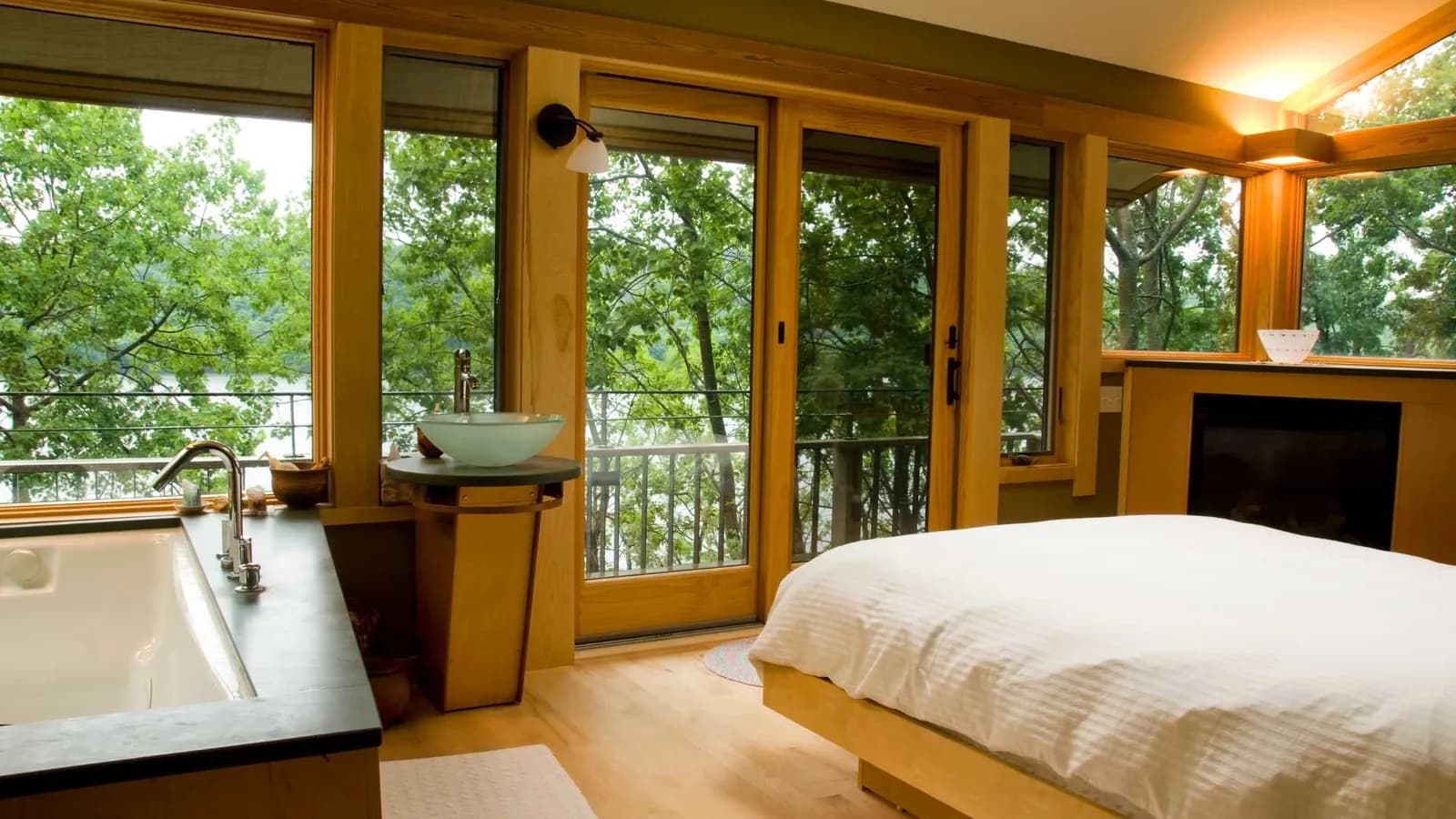
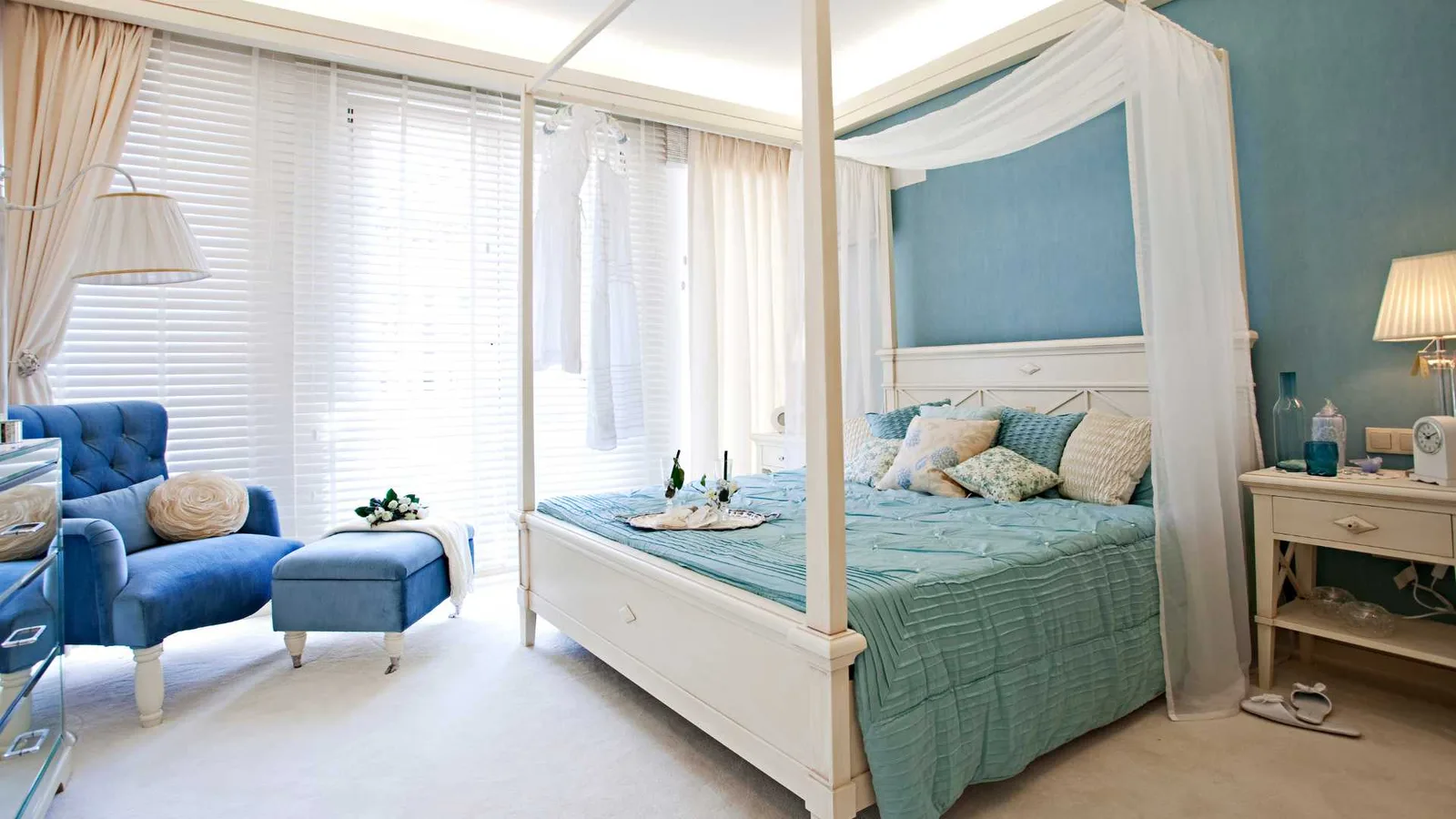
Have you ever felt more relaxed and at peace when surrounded by nature? There’s a reason for that. Humans have an innate connection to nature, and when we incorporate natural elements into our built environment, we can experience various benefits. When interior designers embrace the practice of biophilic design, urban environments mimic natural environments, and interior spaces bring health benefits. The positive effects include lower blood pressure, normalized heart rate, and emotional benefits. This is the foundation of biophilic design.
Biophilic design has gained popularity in recent years. It’s an architecture and interior design approach that seeks to connect people with nature by incorporating natural elements into the built environment. Biophilic design has many applications and benefits, from living walls to natural light.
Safe for planet
Sustainable and weatherproof.
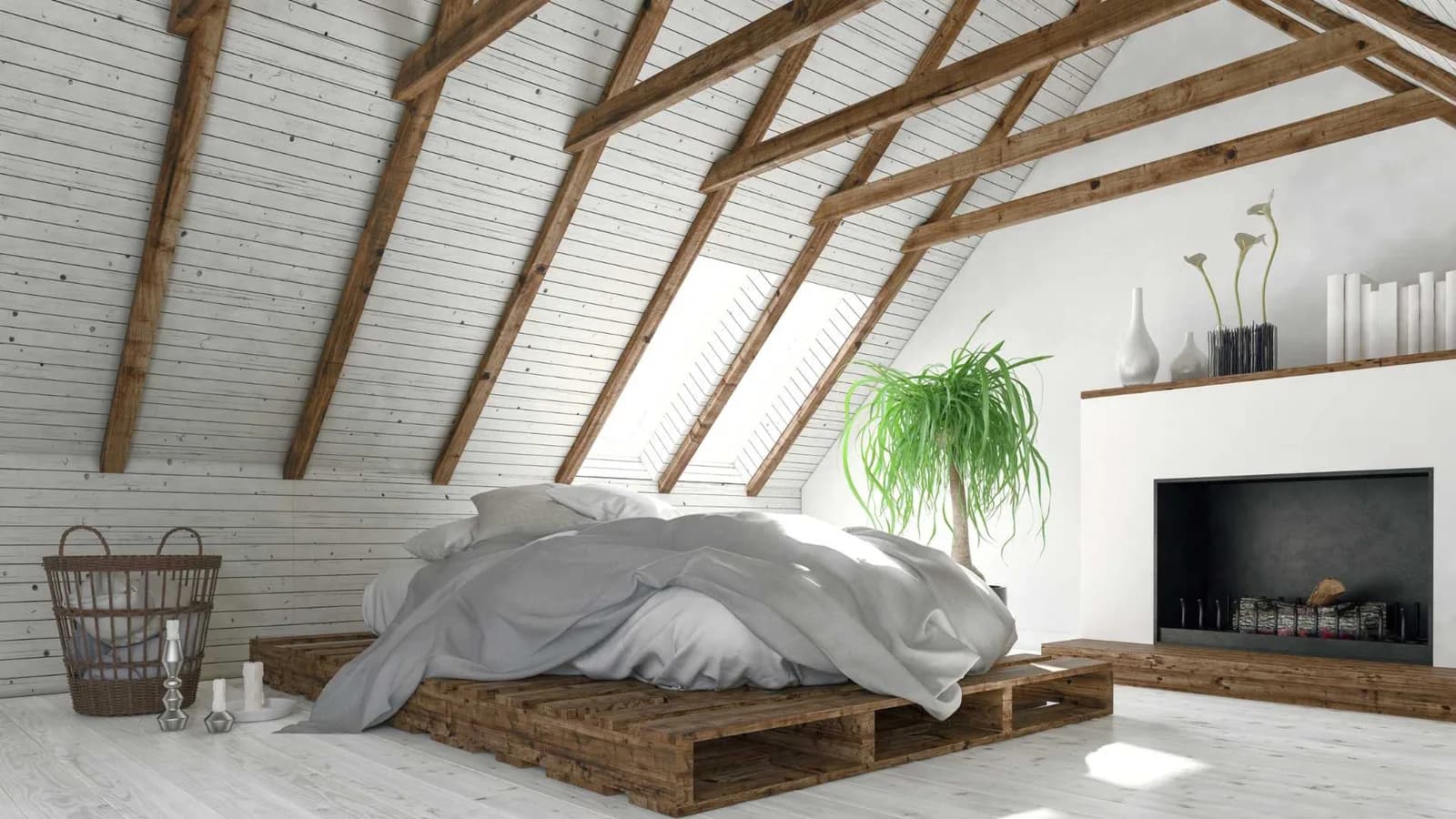
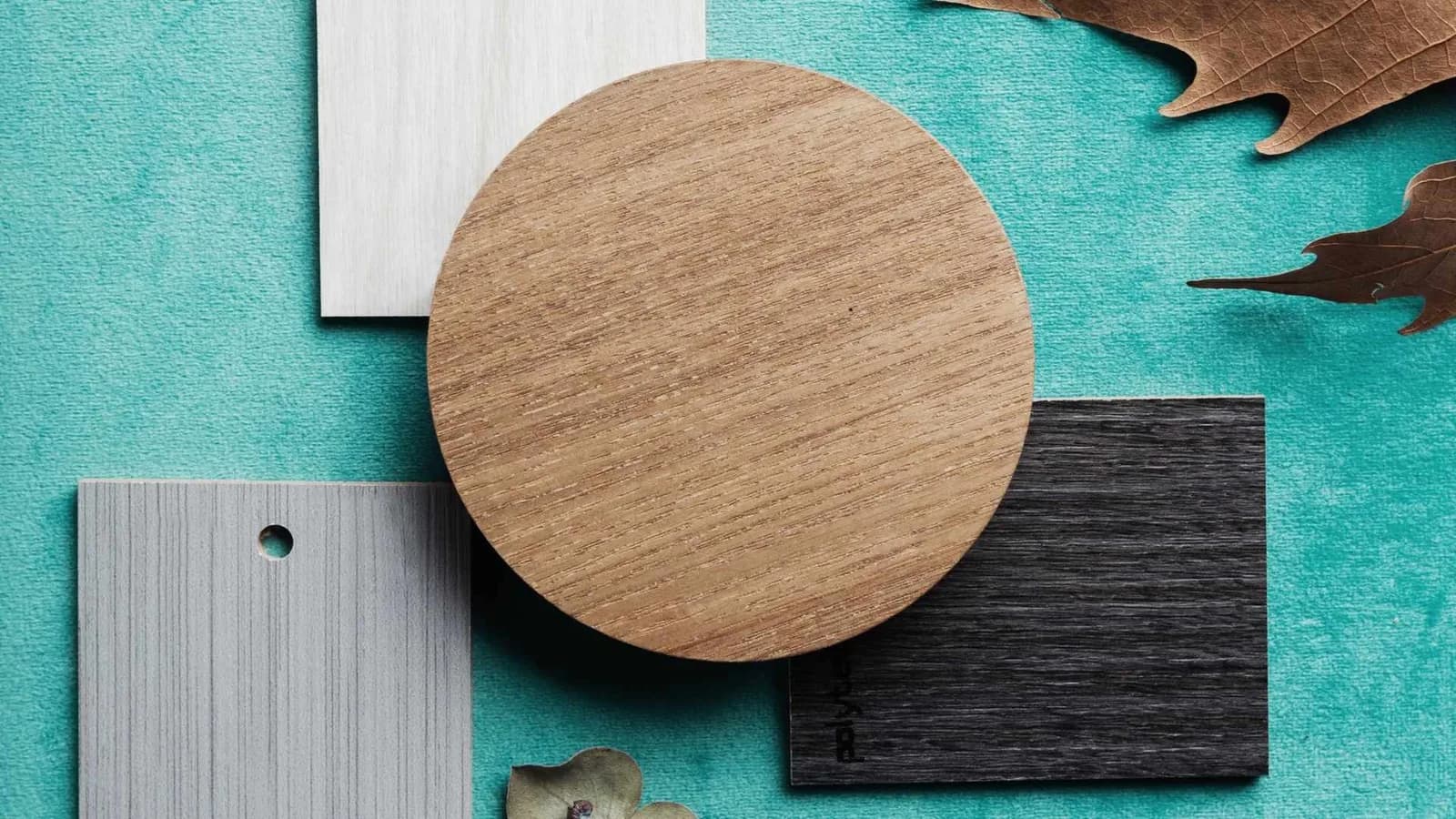
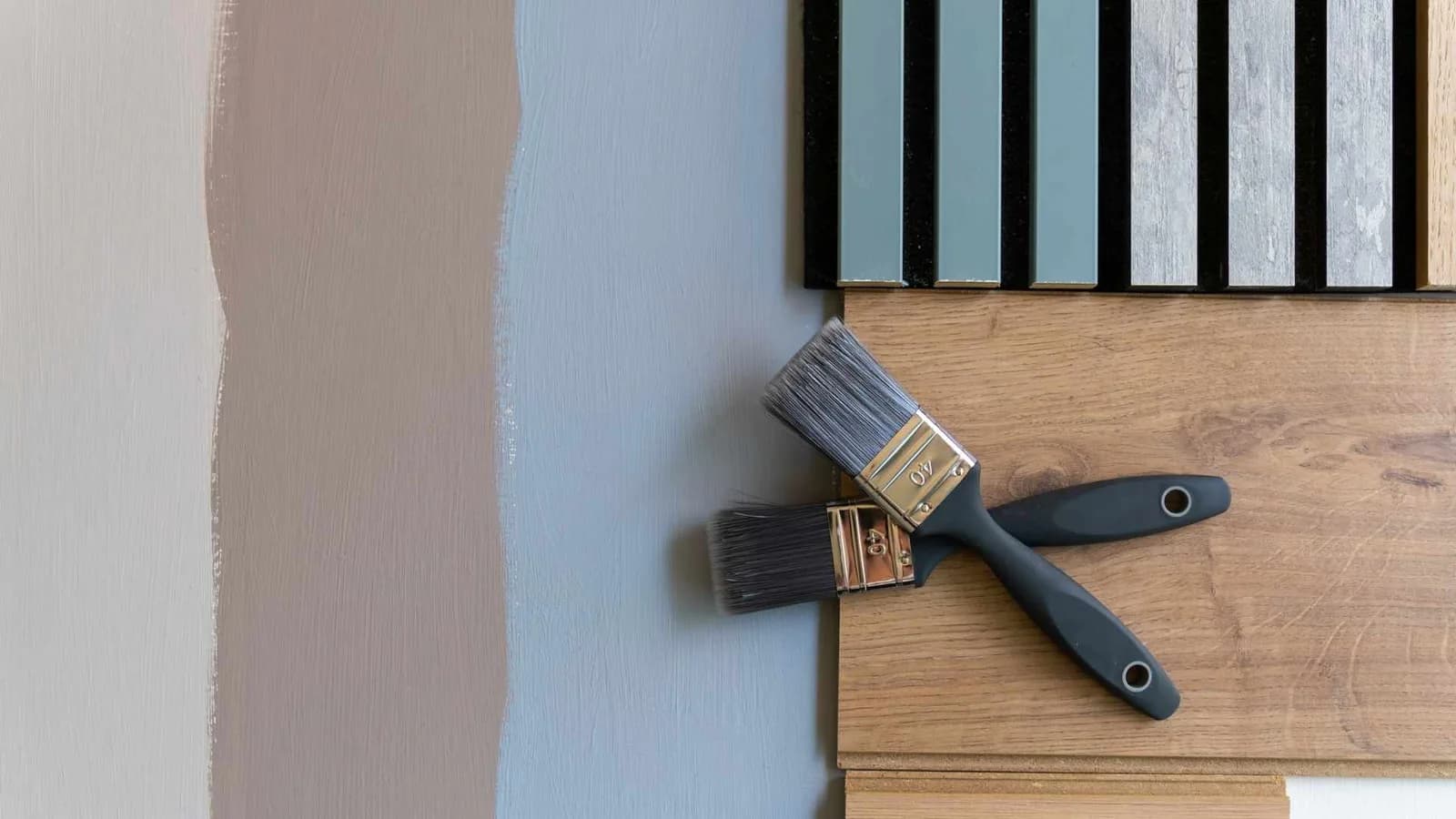
From framing materials to countertops and flooring – we can source the most sustainable products for the health of you and our planet.
Age friendly
Future proof.
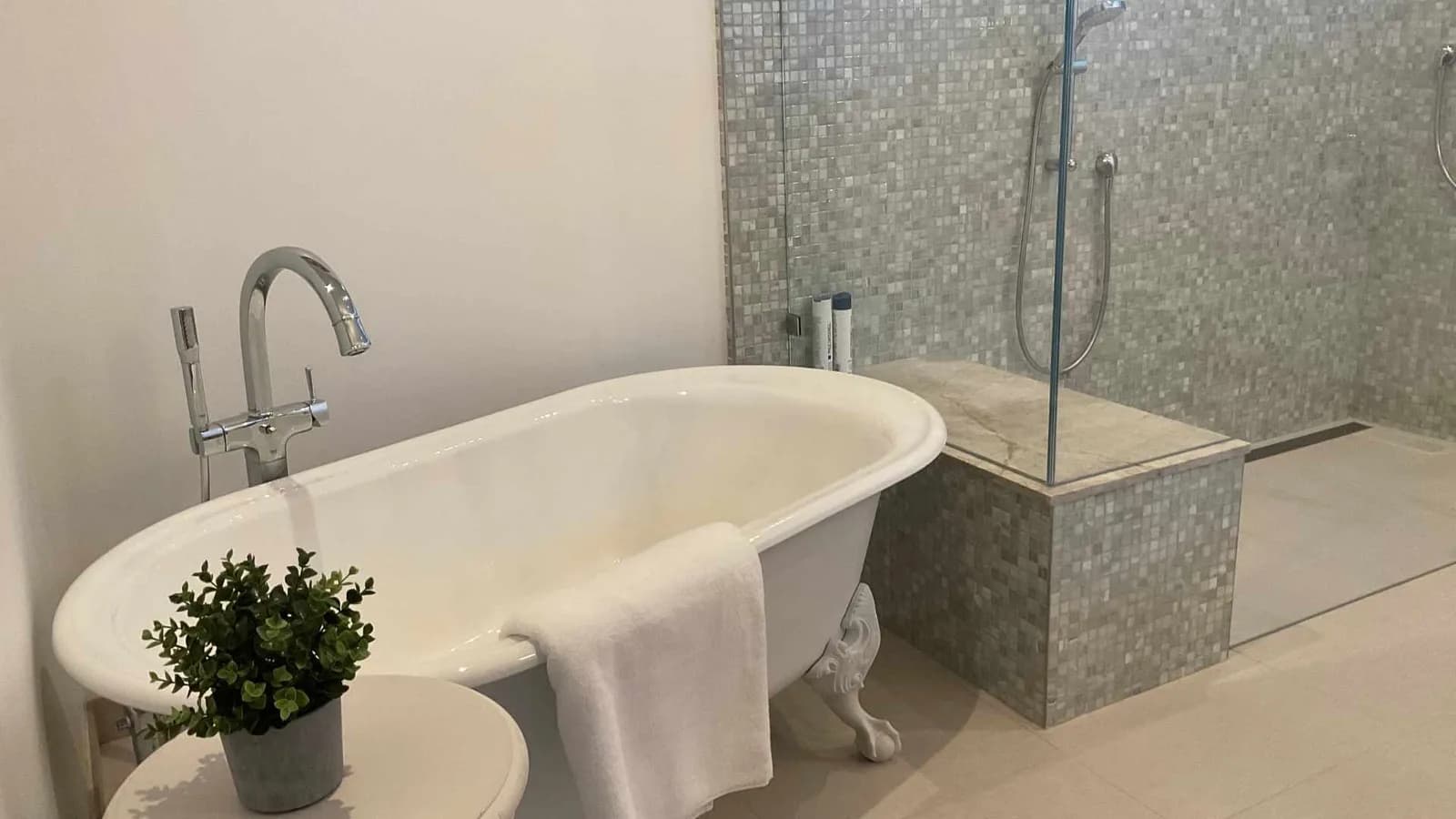
A lot of people go through grand remodels in their fifties only to find out a few years later that some decisions were made without considering their changing physical abilities. We design with purpose – we understand that you do not need a grab bar until you do. We make it flexible for future circumstances.
Our favorite style? One that promotes well-being.
Let us explore the six core elements of biophilic design and how they can be incorporated into your home, workplace, or community. By understanding these principles, you’ll be able to create spaces that look beautiful and promote health and well-being.
Basics of Biophilic Design
Biophilic design is an approach to architecture and interior design that connects people with nature. The basic principles of biophilic design include:
- Incorporating natural materials.
- Providing access to natural light and views.
- Creating spaces that mimic natural environments.
Biophilic design aims to improve the health and well-being of building occupants by creating a more harmonious relationship between humans and the natural world. By incorporating biophilic design principles into building design, we can create aesthetically pleasing spaces and promote physical and mental health.
Who Is Known As The Father Of Biophilic Design?
The father of biophilic design is considered to be American biologist Edward O. Wilson. He coined the term “biophilia” in his 1984 book, “Biophilia,” which refers to the innate human connection to nature. Wilson’s work has inspired architects and designers to incorporate elements of nature, such as natural light, plants, and water features. Biophilic design has been shown to have numerous benefits for human health and well-being, including reduced stress and increased productivity. Wilson’s contributions to biophilic design have had a lasting impact and continue influencing architects and designers today.
Fundamentals Of Biophilic Design
Here are six elements of the biophilic design toolkit:
Natural Materials
Using natural materials such as wood, stone, and plants can create a connection to nature and enhance the biophilic experience. Incorporating natural materials into the design can improve air quality, reduce stress, and increase productivity.
Natural Light
Natural light is a critical element of biophilic design. It can improve mood and productivity, regulate circadian rhythms, and reduce energy costs. Windows, skylights, and light wells can maximize the amount of natural light in a space.
Views of Nature
Views of nature, such as greenery, water, and wildlife, can provide a sense of calm and relaxation. Windows, balconies, and outdoor spaces can incorporate views of nature into the design.
Biomorphic Forms and Patterns
Biomorphic forms and patterns are shapes and patterns that are found in nature, such as spirals, waves, and curves. Incorporating these shapes and patterns into the design can create a sense of connection to nature and improve well-being.
Water
Water is a key element in biophilic design. The sound of water can create a sense of calm and relaxation, while the sight of water can provide a connection to nature. Fountains, water features, and indoor plants can incorporate water into the design.
Complexity and Order
Complexity and order are important elements in biophilic design. Nature is full of complex patterns and systems, and incorporating these patterns and systems into the design can create a sense of connection to nature. This can be achieved using fractal patterns, natural textures, and layered landscapes.
Importance Of Biophilic Design
The human-nature connection has become an integral part of the modern built environment. Large windows create a visual connection to outdoor space. Plants and floor-to-ceiling windows have become best practices in public spaces. Images of nature are the easiest way to bring green spaces into the work environment. Isn’t it wonderful when an office space has an outdoor patio?
Who are we to argue if even Frank Lloyd Wright used biophilic design strategies?
Connection to Nature
Biophilic design is all about connecting with nature. Humans need to be surrounded by nature, and biophilic design helps bring nature indoors. It makes a calming and soothing environment that reduces stress and improves mental health.
Increased Productivity
Studies have shown that biophilic design can increase productivity by up to 15%. It helps reduce distractions and improve focus, leading to better work output. Employees who work in biophilic environments are also more likely to take fewer sick days, improving work efficiency.
Improved Air Quality
Biophilic design can improve the air quality of indoor spaces. Plants and natural materials used in biophilic design can purify the air by removing harmful chemicals and pollutants, leading to a healthier environment for the occupants.
Energy Efficiency
Biophilic design can also lead to energy savings. Natural light and ventilation can reduce the need for artificial lighting and air conditioning, leading to lower energy bills. This benefits the environment and saves money in the long run.
Enhanced Creativity
Biophilic design can enhance creativity and innovation. Connecting to nature can inspire new ideas and perspectives, leading to more creative solutions. This can be particularly beneficial in creative industries such as advertising, design, and architecture.
Positive Impact on Health
Biophilic design can positively impact physical and mental health. Exposure to nature has been shown to reduce stress, anxiety, and depression. It can also lead to improved cognitive function and better sleep quality, crucial for overall health and well-being.
Sustainable Design
Biophilic design is a sustainable approach that prioritizes using natural materials and resources. It can help reduce buildings’ carbon footprint and promote sustainable practices. By integrating nature into the built environment, biophilic design can create sustainable and healthy spaces for the occupants.
Biophilic design principles provide a framework for creating spaces that connect people with nature. Incorporating natural light, vegetation, and water can positively impact our physical and mental well-being. By considering the principles of biophilic design, architects, and designers can create aesthetically pleasing environments that promote health and happiness. As we spend more time indoors, the importance of biophilic design becomes increasingly evident. It is a tool that can enhance our quality of life and create a more sustainable future.